Contract for Assignment of Patent Rights
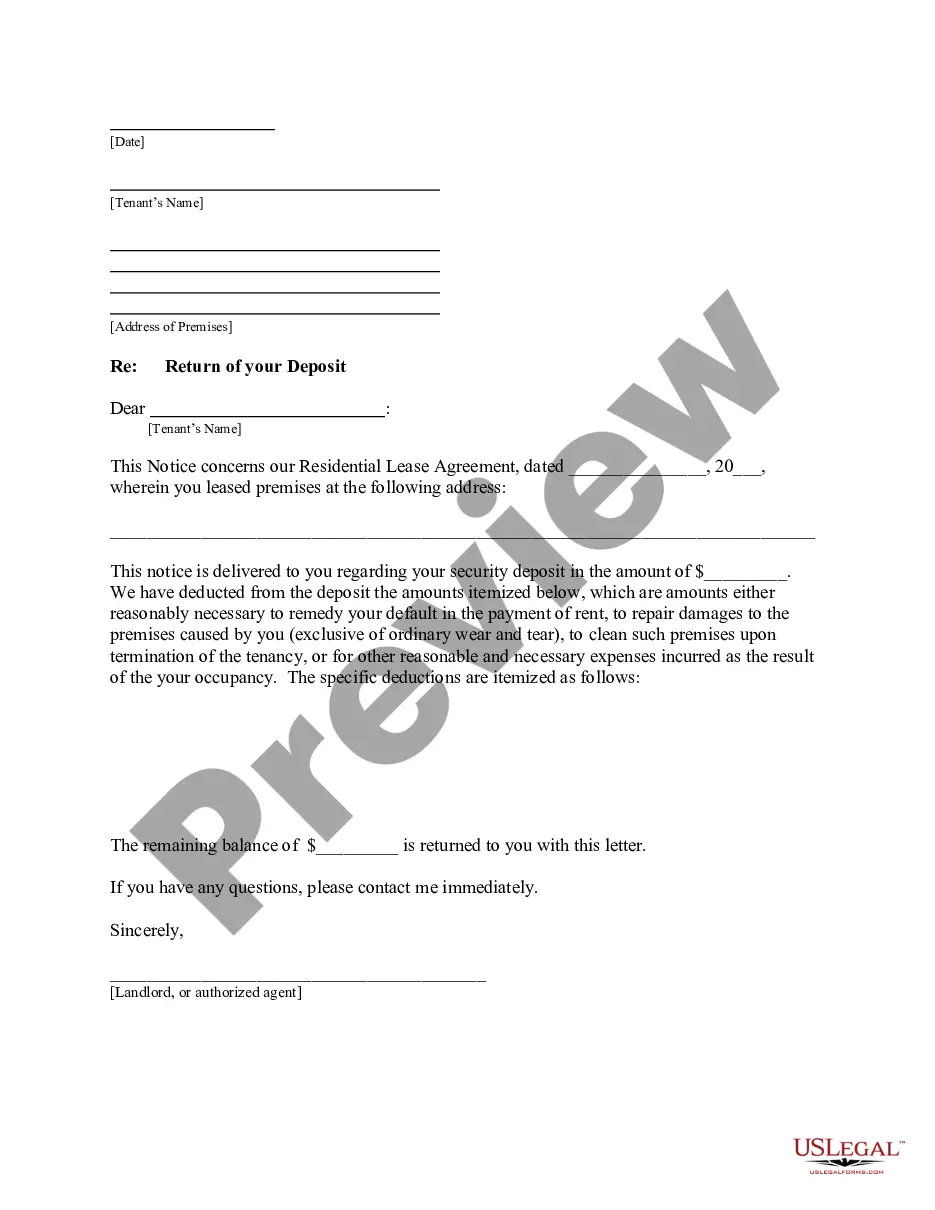
What this document covers
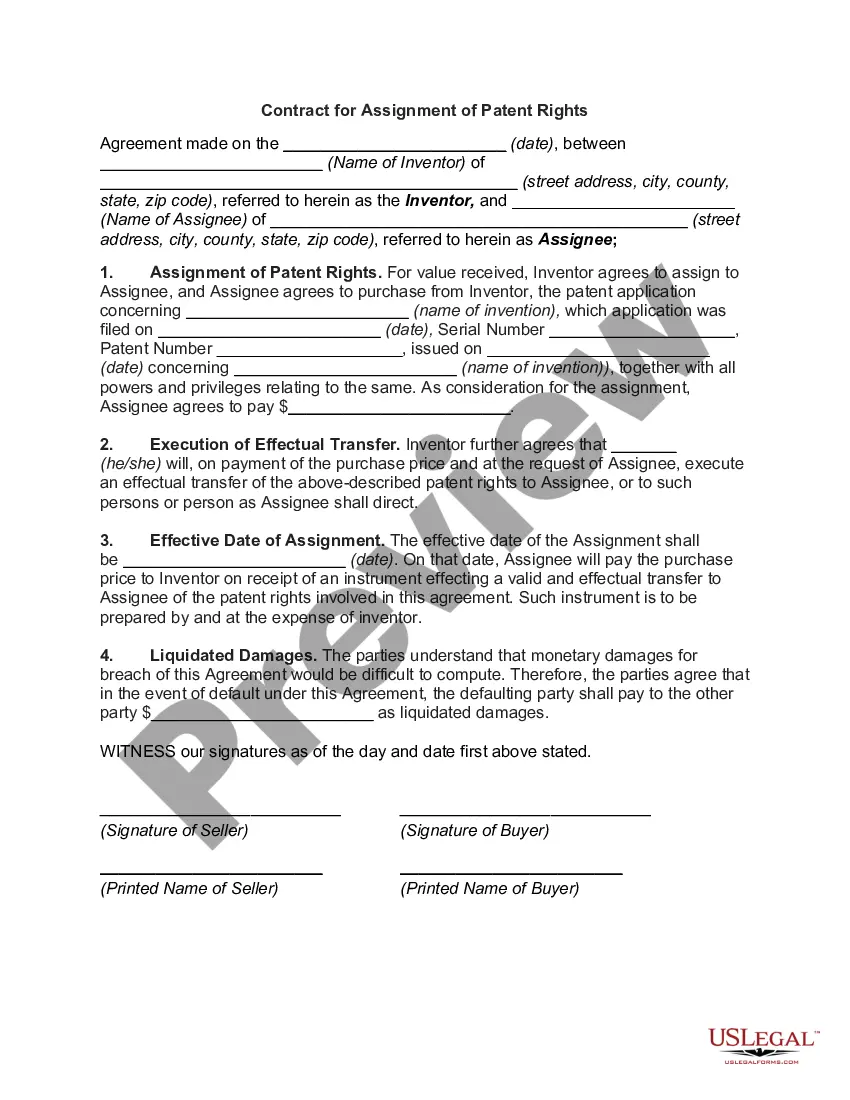
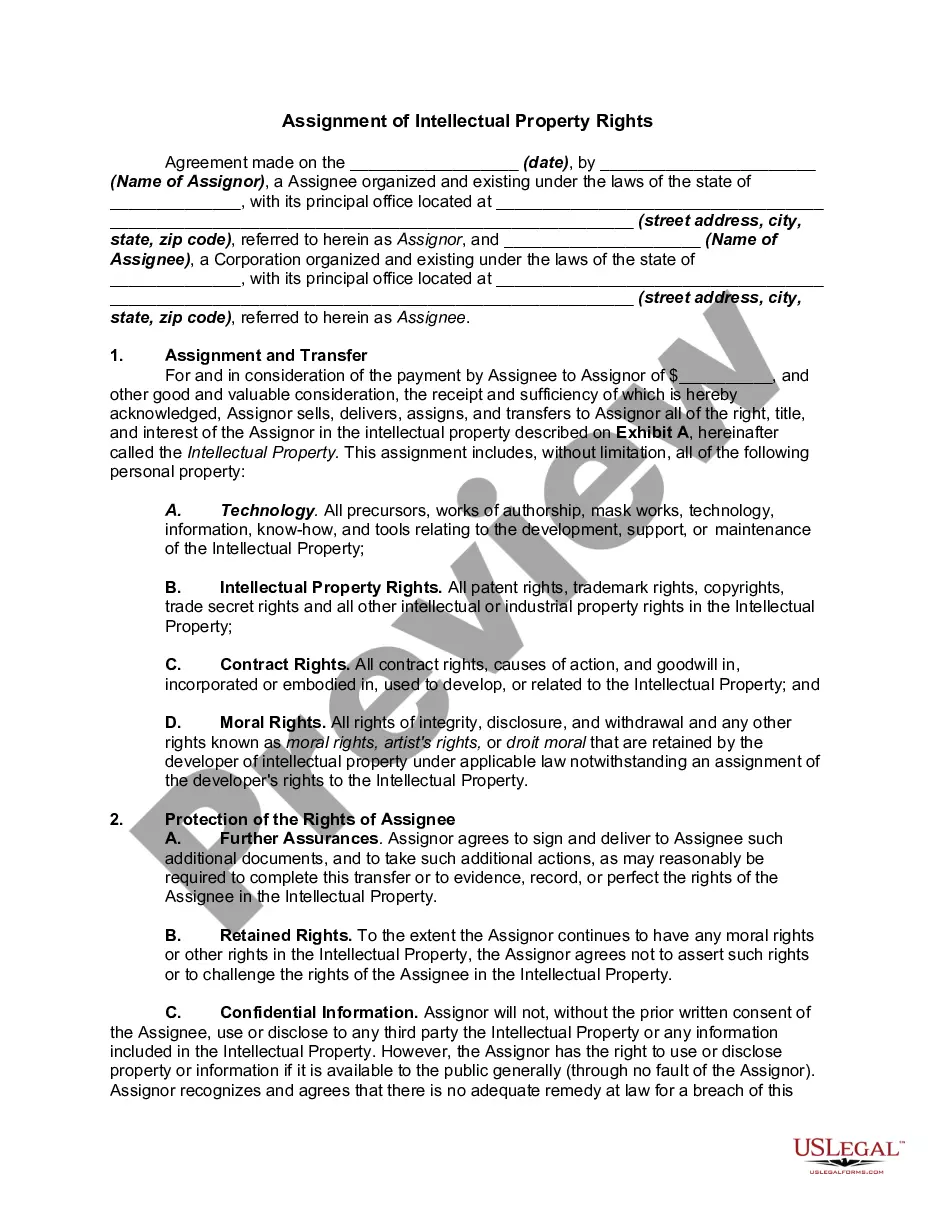
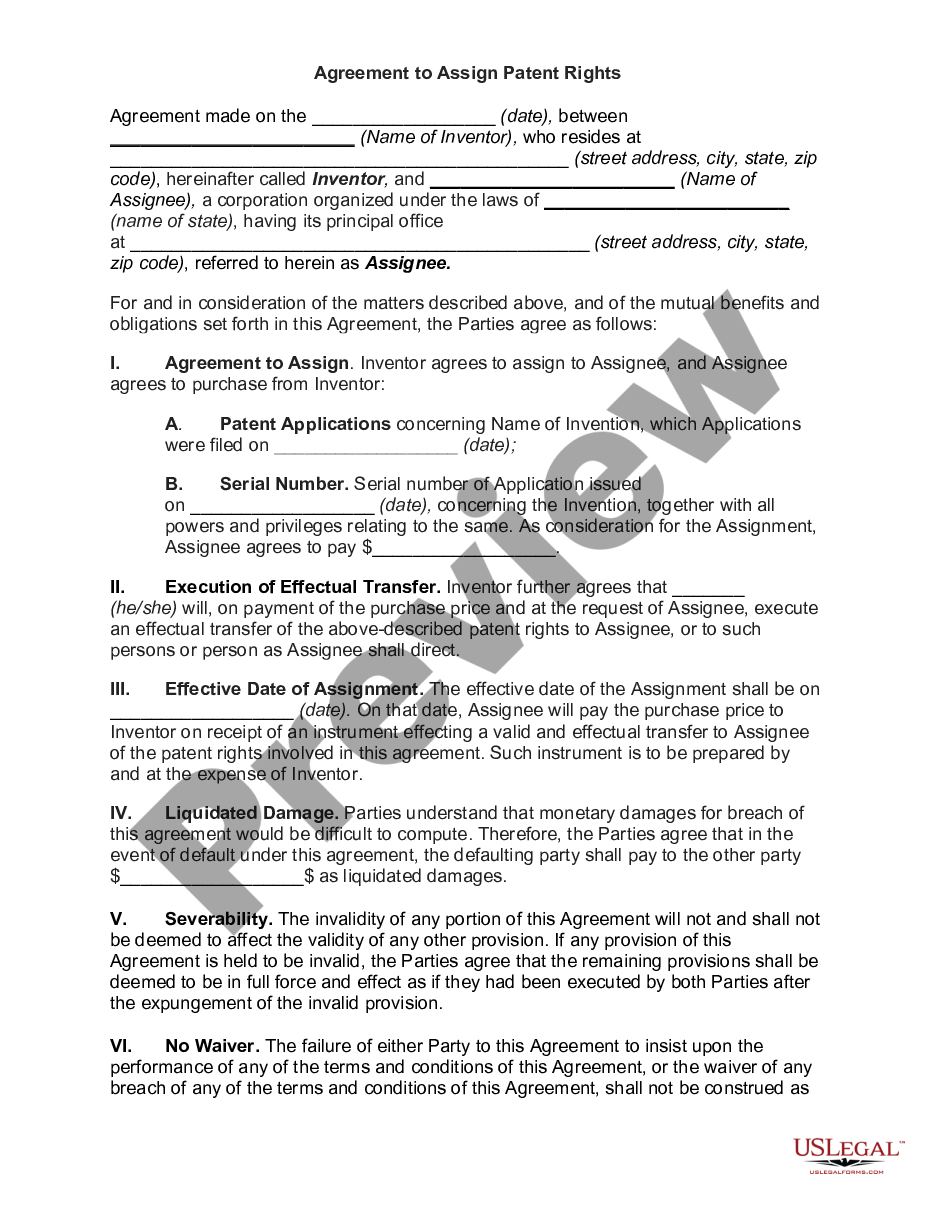
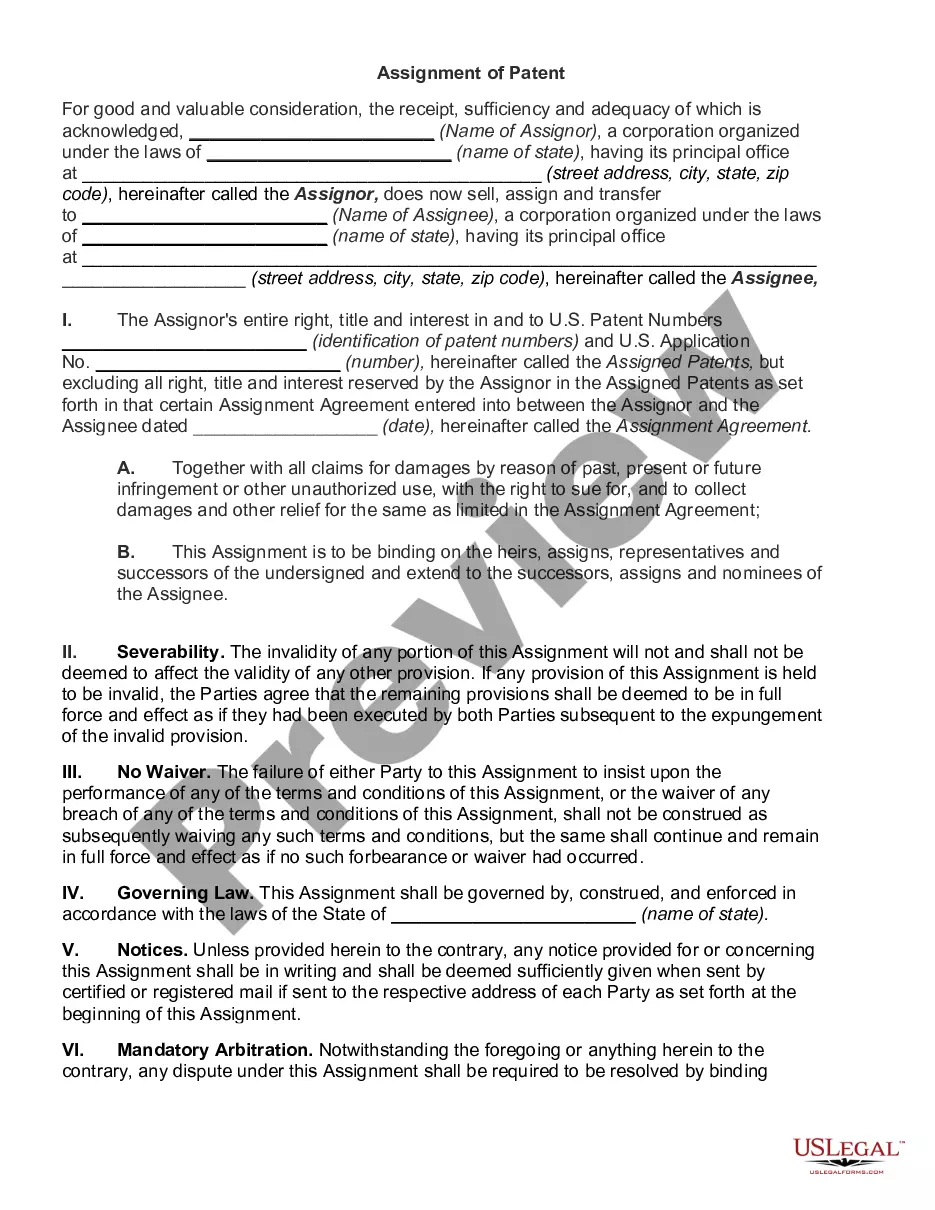
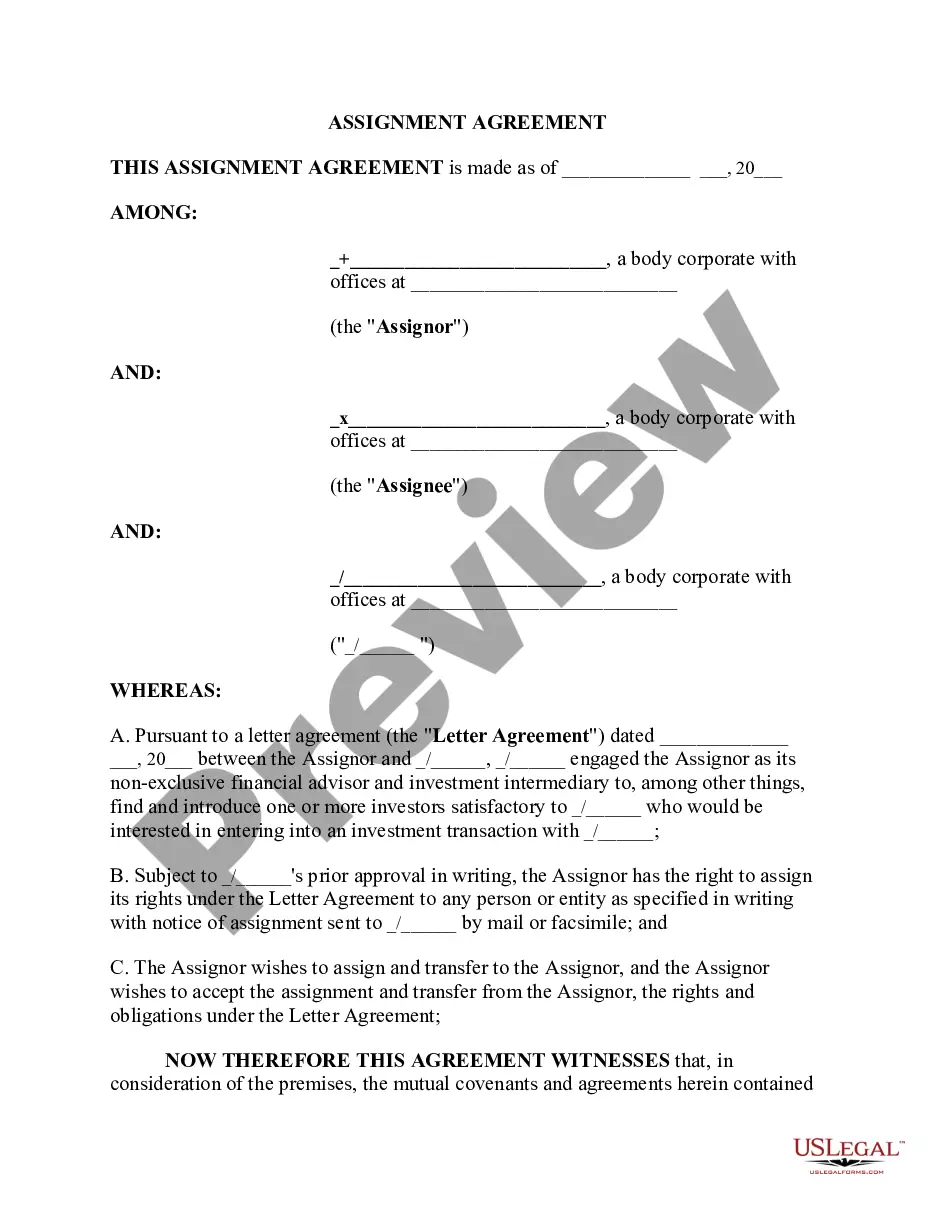
The Contract for Assignment of Patent Rights is a legal document used to transfer ownership of a patent or patent application from one party, the Inventor, to another party, the Assignee. This form clarifies the agreement between the parties regarding the rights associated with the patent and ensures that the transfer is legally enforceable. Unlike other agreements, this form specifically addresses the unique aspects of patent rights and must be executed with careful consideration to the involved intellectual property.
Form components explained
- Date of agreement.
- Name and address of the Inventor and Assignee.
- Description of the patent or patent application being assigned.
- Purchase price for the assignment.
- Provision for the execution of effectual transfer upon payment.
- Clause on liquidated damages for breach of the agreement.
- Signatures of both parties.

When to use this document
This form should be used when the owner of a patent or patent application wishes to transfer their rights to another individual or entity. It is commonly utilized in transactions involving the sale of patents, collaboration agreements between inventors and companies, or any situation where patent rights need to be officially designated to a new party.
Intended users of this form
This form is intended for:
- Inventors who want to sell or assign their patent rights.
- Businesses or individuals looking to acquire patent rights from an inventor.
- Legal professionals involved in intellectual property transactions.
Completing this form step by step
- Enter the date of the agreement at the top of the form.
- Identify the parties by including the complete name and address of the Inventor and Assignee.
- Clearly describe the patent or patent application being assigned, including application details and numbers.
- Specify the agreed purchase price for the assignment.
- Include the effective date of the assignment and ensure both parties sign the document.
Does this form need to be notarized?
This form does not typically require notarization to be legally valid. However, some jurisdictions or document types may still require it. US Legal Forms provides secure online notarization powered by Notarize, available 24/7 for added convenience.
Get your form ready online
Our built-in tools help you complete, sign, share, and store your documents in one place.
Make edits, fill in missing information, and update formatting in US Legal Forms—just like you would in MS Word.
Download a copy, print it, send it by email, or mail it via USPS—whatever works best for your next step.
Sign and collect signatures with our SignNow integration. Send to multiple recipients, set reminders, and more. Go Premium to unlock E-Sign.
If this form requires notarization, complete it online through a secure video call—no need to meet a notary in person or wait for an appointment.
We protect your documents and personal data by following strict security and privacy standards.

Make edits, fill in missing information, and update formatting in US Legal Forms—just like you would in MS Word.

Download a copy, print it, send it by email, or mail it via USPS—whatever works best for your next step.

Sign and collect signatures with our SignNow integration. Send to multiple recipients, set reminders, and more. Go Premium to unlock E-Sign.

If this form requires notarization, complete it online through a secure video call—no need to meet a notary in person or wait for an appointment.

We protect your documents and personal data by following strict security and privacy standards.
Common mistakes
- Failing to accurately describe the patent or patent application being assigned.
- Omitting the purchase price or payment terms.
- Not signing or dating the form correctly.
- Neglecting to check state-specific laws that could affect the assignment.
Benefits of completing this form online
- Convenience of downloading and managing the form from anywhere.
- Easy to edit and customize according to individual needs.
- Access to forms drafted by licensed attorneys, ensuring legal soundness.
Looking for another form?

Form popularity
FAQ
Amendments to Names You can alter the names of the patent owners by sending a Recordation Cover Sheet to the Assignment Recordation Branch of the U.S. Patent and Trademark Office. The process is the same regardless of whether the patent is under examination or already has been granted.
The original owner should record the assignment or name change with the USPTO's Assignment Recordation Branch by filing a Recordation Cover Sheet along with a copy of the actual assignment or proof of name change.
Assigning your patent rights to your company helps to build the asset valuation of your company, which will be important to any investors or lenders you may seek. Investors and lenders will often require you to assign patent rights to your company before they will complete a transaction with your company.
A patent or patent application is assignable by an instrument in writing, and the assignment of the patent, or patent application, transfers to the assignee(s) an alienable (transferable) ownership interest in the patent or application. 35 U.S.C. 261.
RECORDING A PATENT ASSIGNMENT WITH THE USPTO So the patent owner should record the assignment through the USPTO's Assignment Recordation Branch. They can use the Electronic Patent Assignment System (EPAS) to file a Recordation Cover Sheet along with a copy of the actual patent assignment agreement.
Assignments are transfers of the entire interest in a patent from one entity to another. They are distinguished from licenses, which give another person a limited right to the patent. In the US, there is no requirement that an assignment be notarized.
Is inheritance of a patent (assigned to an individual) possible? Yes. A patent is personal property, per 35 USC § 261: Subject to the provisions of this title, patents shall have the attributes of personal property.
The theory behind the poor man's patent is that, by describing your invention in writing and mailing that documentation to yourself in a sealed envelope via certified mail (or other proof-of-delivery mail), the sealed envelope and its contents could be used against others to establish the date that the invention was