Blood Test Consent and Release Form
What is this form?
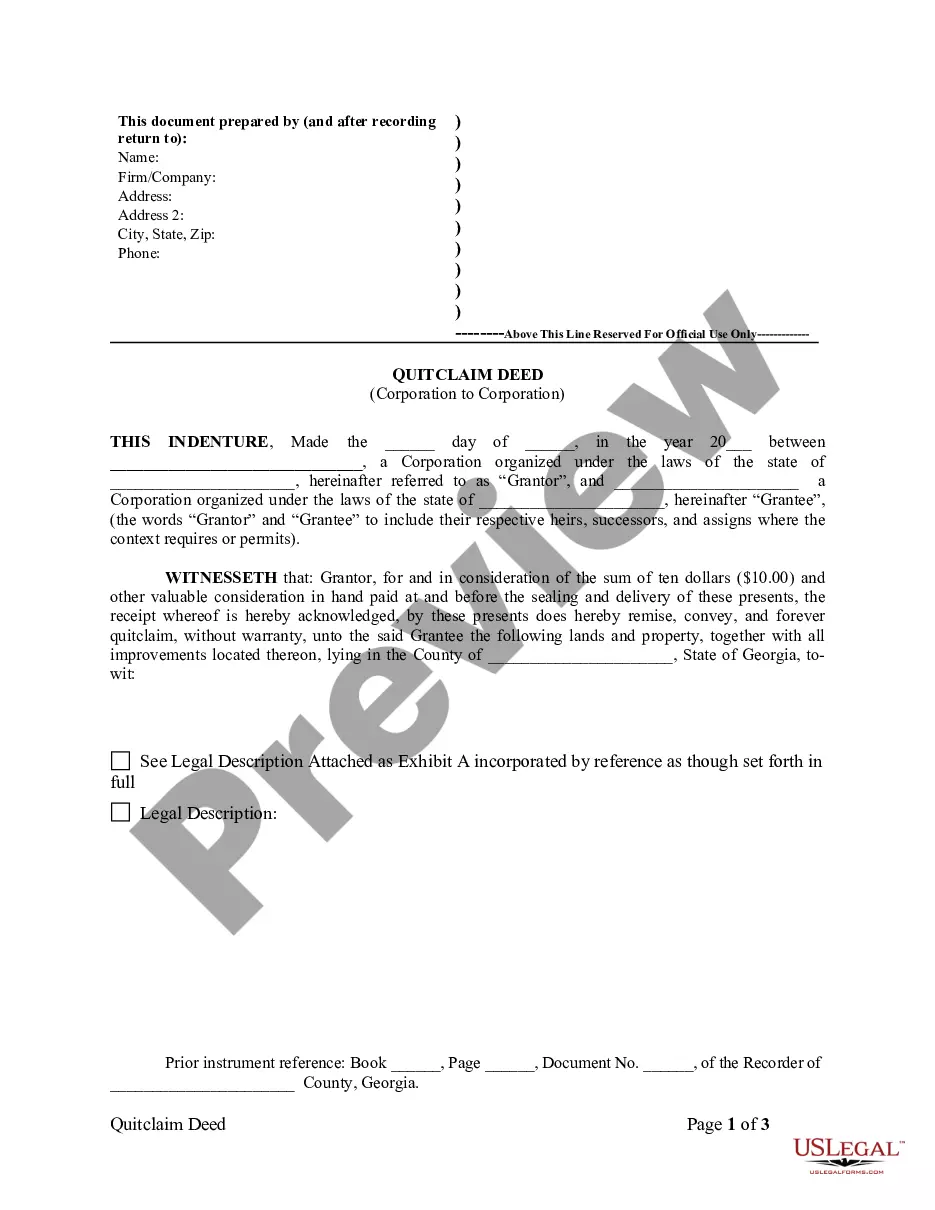
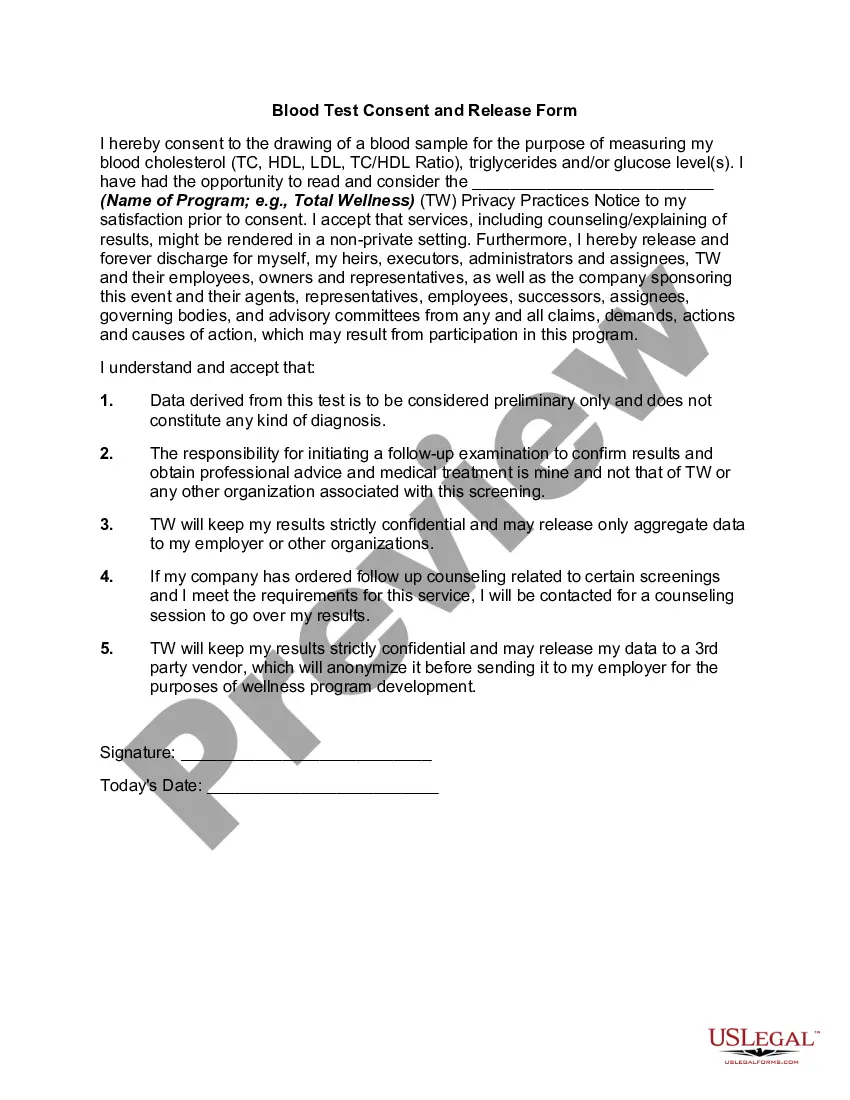
The Blood Test Consent and Release Form is a legal document that allows individuals to consent to the drawing of a blood sample for health assessments. This form outlines the procedure, the privacy practices involved, and the potential risks associated with the testing. It differs from similar forms by specifically addressing blood tests related to cholesterol and glucose levels, ensuring participants are informed and protected during the testing process.
What’s included in this form
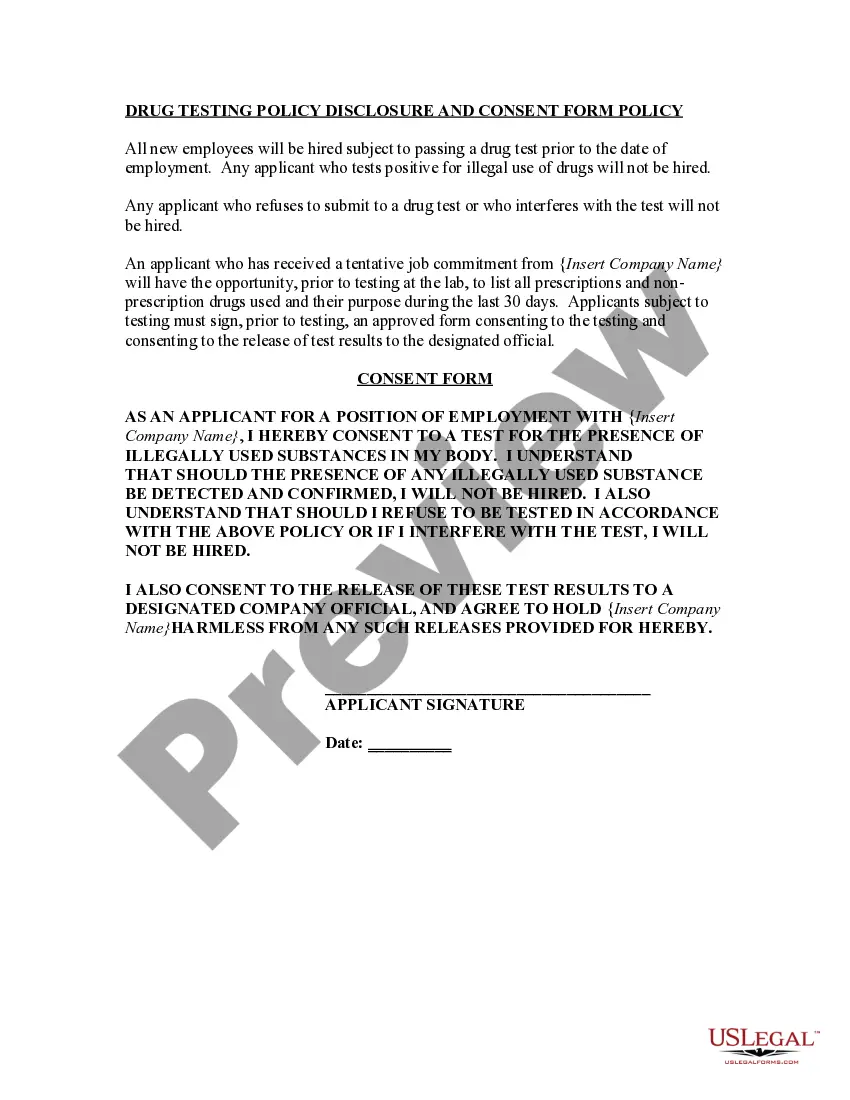
- Consent section for blood sample collection
- Disclosure of privacy practices and data handling
- Release of liability regarding the testing results
- Confirmation of understanding about follow-up responsibilities
- Signature line for the individual giving consent
Situations where this form applies
This form is typically used in situations where individuals wish to participate in a blood testing program, such as corporate wellness screenings or health assessments at community events. It is essential to have this form completed when consent is required for drawing blood and handling personal health information.
Who should use this form
- Individuals participating in health screenings
- Employers offering wellness programs to employees
- Healthcare providers administering blood tests
Completing this form step by step
- Read through the consent statement carefully.
- Fill in the name of the program, e.g., Total Wellness.
- Sign and date the form to confirm your consent.
- Understand your rights regarding confidentiality and follow-up procedures.
Is notarization required?
Notarization is generally not required for this form. However, certain states or situations might demand it. You can complete notarization online through US Legal Forms, powered by Notarize, using a verified video call available anytime.
Get your form ready online
Our built-in tools help you complete, sign, share, and store your documents in one place.
Make edits, fill in missing information, and update formatting in US Legal Forms—just like you would in MS Word.
Download a copy, print it, send it by email, or mail it via USPS—whatever works best for your next step.
Sign and collect signatures with our SignNow integration. Send to multiple recipients, set reminders, and more. Go Premium to unlock E-Sign.
If this form requires notarization, complete it online through a secure video call—no need to meet a notary in person or wait for an appointment.
We protect your documents and personal data by following strict security and privacy standards.

Make edits, fill in missing information, and update formatting in US Legal Forms—just like you would in MS Word.

Download a copy, print it, send it by email, or mail it via USPS—whatever works best for your next step.

Sign and collect signatures with our SignNow integration. Send to multiple recipients, set reminders, and more. Go Premium to unlock E-Sign.

If this form requires notarization, complete it online through a secure video call—no need to meet a notary in person or wait for an appointment.

We protect your documents and personal data by following strict security and privacy standards.
Avoid these common issues
- Not providing the name of the program in the designated section.
- Failing to sign and date the form, which voids consent.
- Ignoring the importance of understanding privacy practices before signing.
Why use this form online
- Convenient access to the form at any time from your device.
- Easy to download and print for completion.
- Ensures that you have a reliable and professionally drafted document.
Legal use & context
- This form serves to protect both the organization conducting the test and the patient by clarifying consent and data usage.
- The release of liability provides legal protection from future claims arising from the testing process.
- Ensures confidentiality of results, aligning with health privacy laws.
Summary of main points
- The Blood Test Consent and Release Form is essential for consenting to blood testing related to health screenings.
- Understanding the form's components helps in making informed decisions about personal health data.
- Always ensure the form is completed correctly to avoid any delays or legal issues.
Looking for another form?



Form popularity
FAQ
Description of Clinical Investigation. Risks and Discomforts. Benefits. Alternative Procedures or Treatments. Confidentiality. Compensation and Medical Treatment in Event of Injury. Contacts. Voluntary Participation.
Use the second (you) or third person (he/she) to present the study details. Include a statement of agreement at the conclusion of the informed consent document.
I have read and I understand the provided information and have had the opportunity to ask questions. I understand that my participation is voluntary and that I am free to withdraw at any time, without giving a reason and without cost. I understand that I will be given a copy of this consent form.
Informed consent is a process of communication between you and your health care provider that often leads to agreement or permission for care, treatment, or services. Evey patient has the right to get information and ask questions before procedures and treatments.
Use the second (you) or third person (he/she) to present the study details. Include a statement of agreement at the conclusion of the informed consent document.
The participant has read and understood information about the project. The participant has been given the opportunity to ask questions.
Informed consent means that a person understands their health condition and what the proposed treatment is. Before making a decision about medical treatment, it is a good idea to get information about the treatment and give yourself time to consider it.
Agreement or permission to do something from someone who has been given full information about the possible effects or results: Informed consent is the cornerstone of medical ethics.
Implied consent occurs when a person freely cooperates in a process without discussion or formal consent. An example is a person rolling up their sleeve and extending their arm to have a blood test.