Sample Letter for Summonses
What this document covers
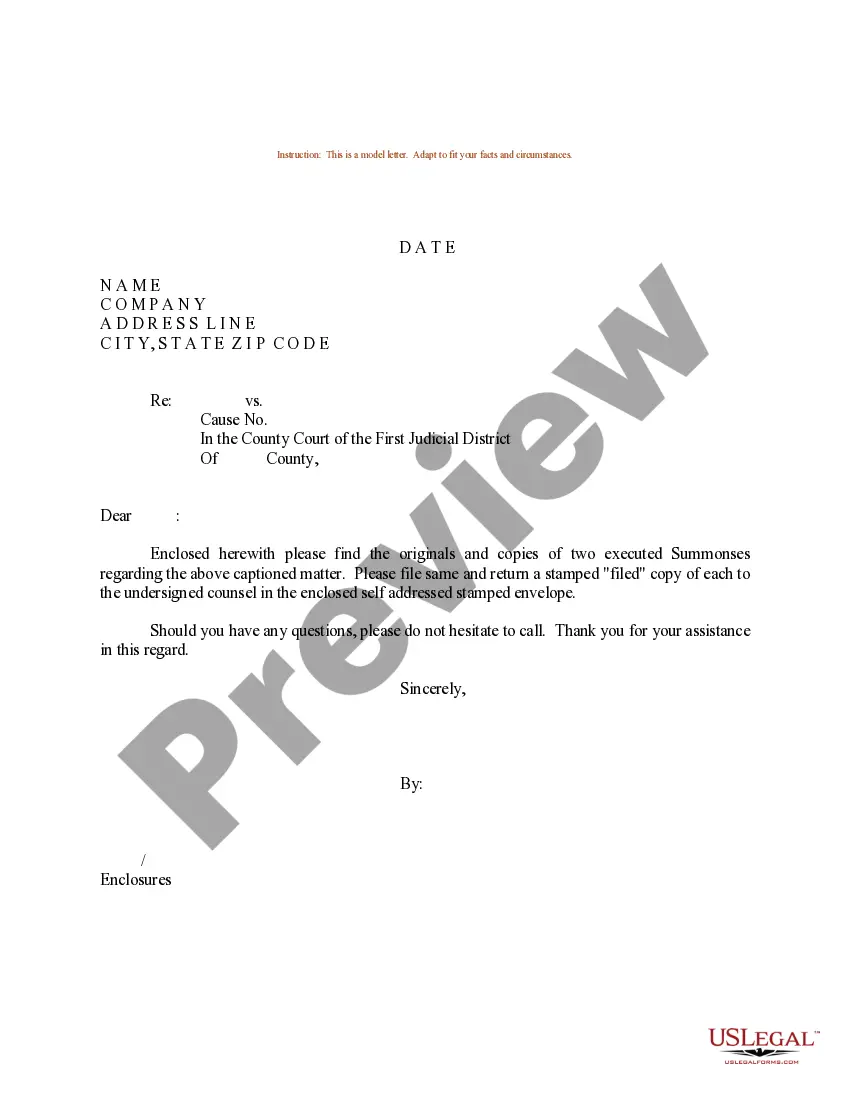
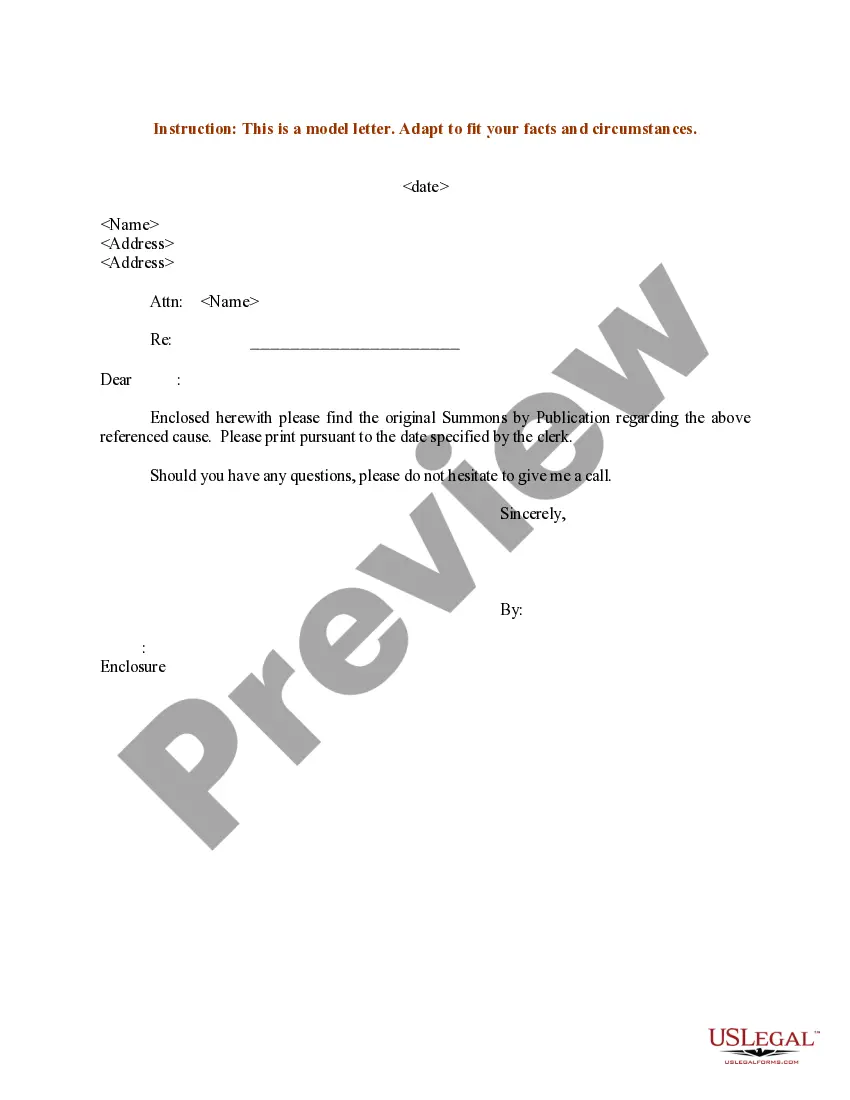
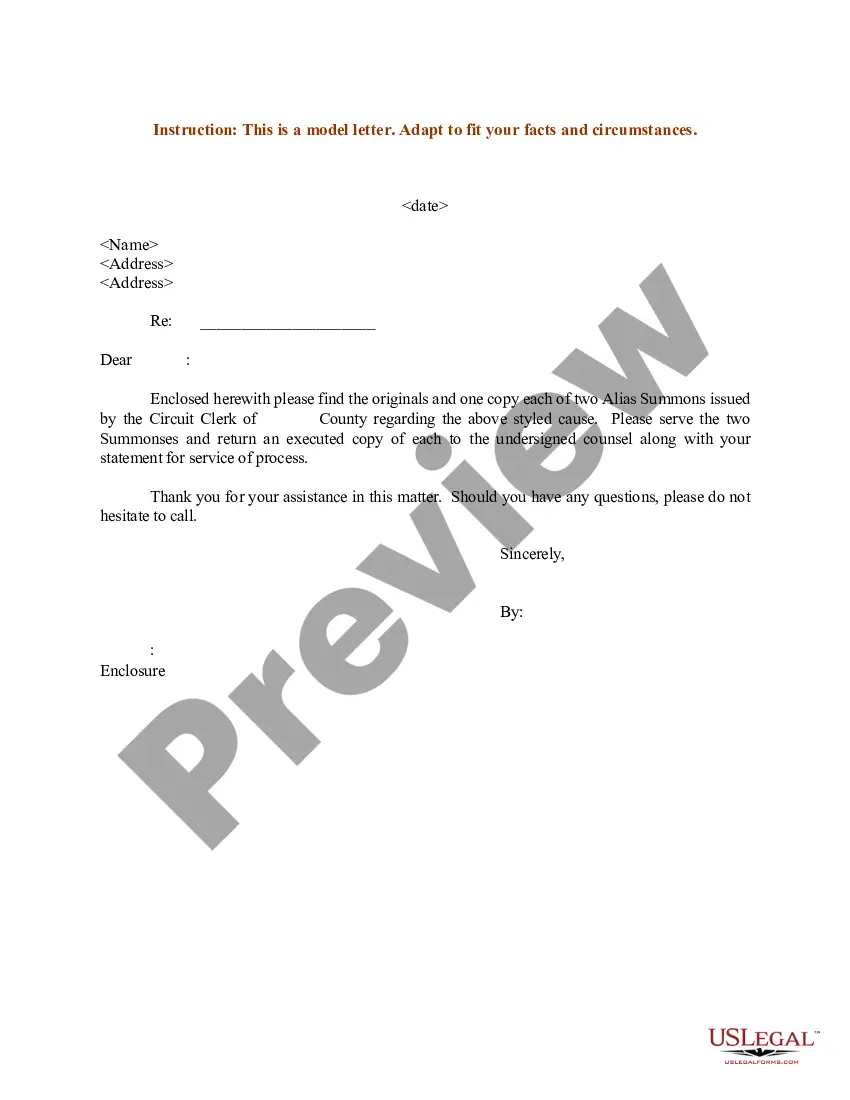
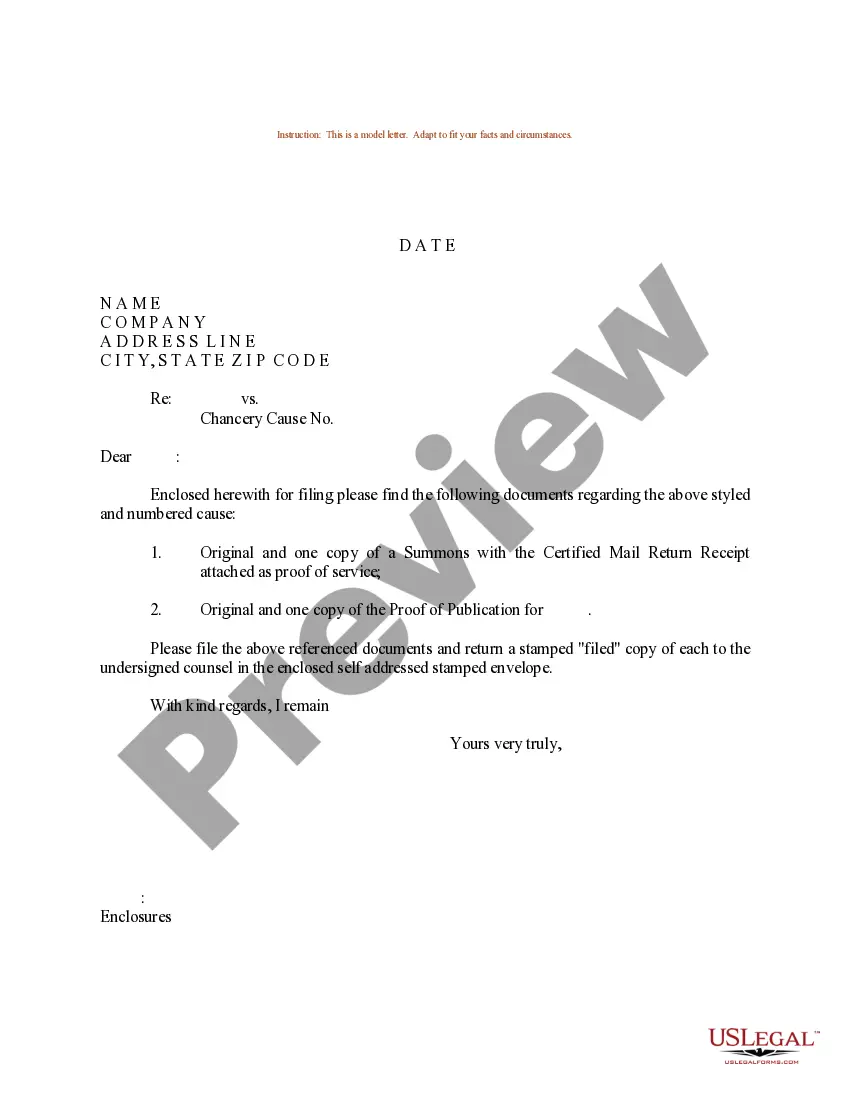
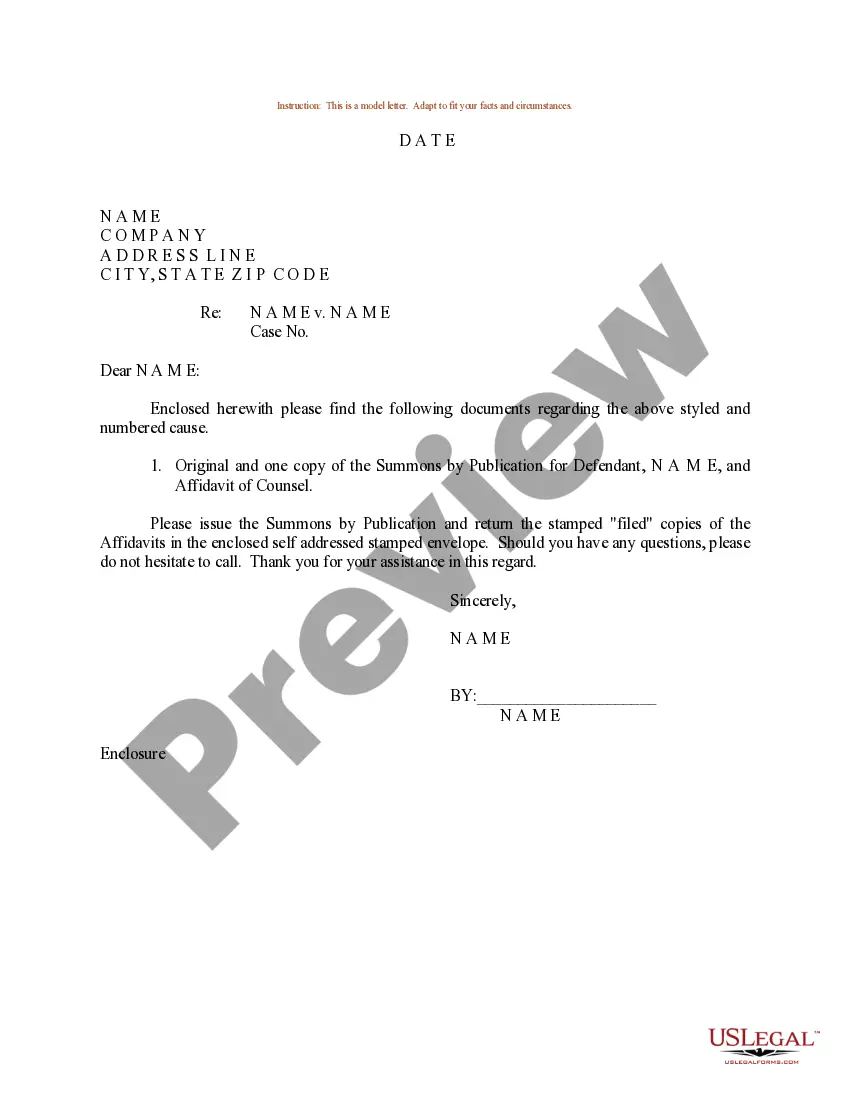
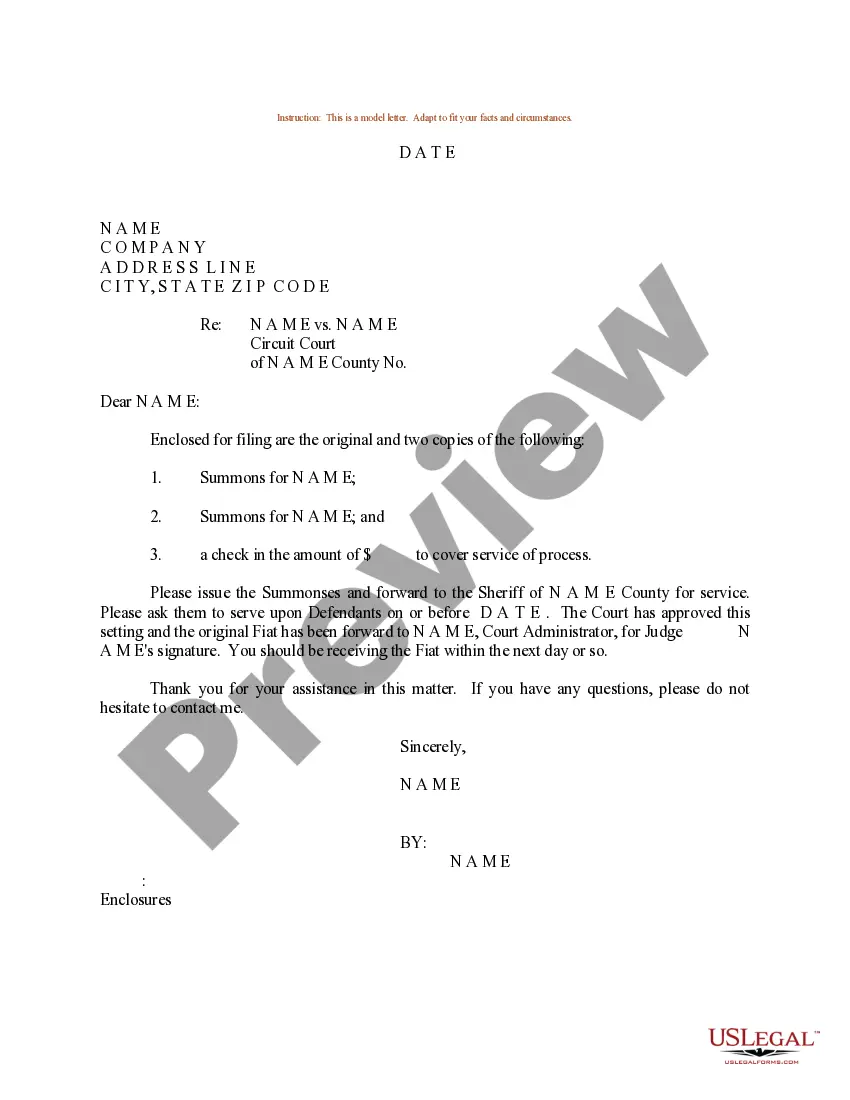
The Sample Letter for Summonses is a template designed for individuals who need to formally communicate the details of a summons. This letter serves as a clear and professional way to notify involved parties about legal proceedings. Unlike general communication letters, this format is tailored to ensure all necessary legal information is presented appropriately, which can aid in maintaining proper legal protocols.
Form components explained
- Date: The specific date the letter is being sent.
- Recipient Information: Name, company, and address of the person or organization receiving the summons.
- Opening Statement: A courteous introduction prior to diving into the subject matter.
- Contact Information: A note inviting the recipient to reach out with questions.
- Closing Signature: A professional closing to the letter.
When to use this document
This form is useful when you need to formally notify an individual or entity about a legal summons. Common situations include serving notice for lawsuits or other legal actions that require a response or acknowledgment from the recipient. It is particularly relevant in civil matters or in instances where legal compliance is paramount.
Intended users of this form
This template is ideal for:
- Individuals involved in legal disputes who need to issue a summons.
- Attorneys looking for a standardized communication template for their clients.
- Businesses that must inform individuals or other businesses about legal actions.
How to complete this form
- Identify the date to be entered at the top of the letter.
- Fill in the recipient's name, company, and address accurately.
- Add a clear opening statement indicating the purpose of the letter.
- Include your contact information to encourage the recipient to ask any questions.
- Sign the letter before sending it to ensure it reflects authority.
Notarization requirements for this form
This form usually doesn’t need to be notarized. However, local laws or specific transactions may require it. Our online notarization service, powered by Notarize, lets you complete it remotely through a secure video session, available 24/7.
Get your form ready online
Our built-in tools help you complete, sign, share, and store your documents in one place.
Make edits, fill in missing information, and update formatting in US Legal Forms—just like you would in MS Word.
Download a copy, print it, send it by email, or mail it via USPS—whatever works best for your next step.
Sign and collect signatures with our SignNow integration. Send to multiple recipients, set reminders, and more. Go Premium to unlock E-Sign.
If this form requires notarization, complete it online through a secure video call—no need to meet a notary in person or wait for an appointment.
We protect your documents and personal data by following strict security and privacy standards.

Make edits, fill in missing information, and update formatting in US Legal Forms—just like you would in MS Word.

Download a copy, print it, send it by email, or mail it via USPS—whatever works best for your next step.

Sign and collect signatures with our SignNow integration. Send to multiple recipients, set reminders, and more. Go Premium to unlock E-Sign.

If this form requires notarization, complete it online through a secure video call—no need to meet a notary in person or wait for an appointment.

We protect your documents and personal data by following strict security and privacy standards.
Avoid these common issues
- Failing to include the correct date may lead to confusion.
- Incorrect recipient details can result in ineffective communication.
- Not providing contact information could prevent necessary follow-up.
Why use this form online
- Convenience: Download and fill in the form from anywhere.
- Editability: Customize the template to suit your specific needs easily.
- Reliability: Ensure that the format meets legal standards set by licensed attorneys.
Looking for another form?
Form popularity
FAQ
Provide the name of the court at the top of the Answer. You can find the information on the summons. List the name of the plaintiff on the left side. Write the case number on the right side of the Answer. Address the Judge and discuss your side of the case. Ask the judge to dismiss the case.
The name of the court - you can find this at the top of the Complaint you got. The Court Division - this is the county where the complaint was filed. The Docket No. The Plaintiff's name. The Defendant's name - your name. The kind of complaint you are answering.
Fill out the forms. You have to fill out at least 2 forms, maybe more, to file your opposition. File the forms. Turn in your completed forms by mail or efiling. Serve the other party. Get ready for the hearing. Prepare an order.
Tips For Writing A Summons & Complaints Letter Keep it precise with all important information underlined. Provide Evidence: Make sure you attach a photocopy of documents related to the matter. In your letter, highlight the list of copies you have attached to it. Make sure these documents are self-attested.
Don't ignore it. If you do this, the court will simply rule in the issuer or debt collector's favor. Try to work things out. Answer the summons. Consult an attorney. Go to court. Respond to the ruling.
You can file an answer or a general denial. Filing an answer. You can file a motion In certain situations, you can respond to the lawsuit by filing a motion (a request) that usually tells the court that the plaintiff made a mistake in the lawsuit. Talk to a lawyer!
Don't ignore it. If you do this, the court will simply rule in the issuer or debt collector's favor. Try to work things out. Answer the summons. Consult an attorney. Go to court. Respond to the ruling.
Provide the name of the court at the top of the Answer. You can find the information on the summons. List the name of the plaintiff on the left side. Write the case number on the right side of the Answer. Address the Judge and discuss your side of the case. Ask the judge to dismiss the case.