Supplemental Needs Trust for Third Party - Disabled Beneficiary
Overview of this form
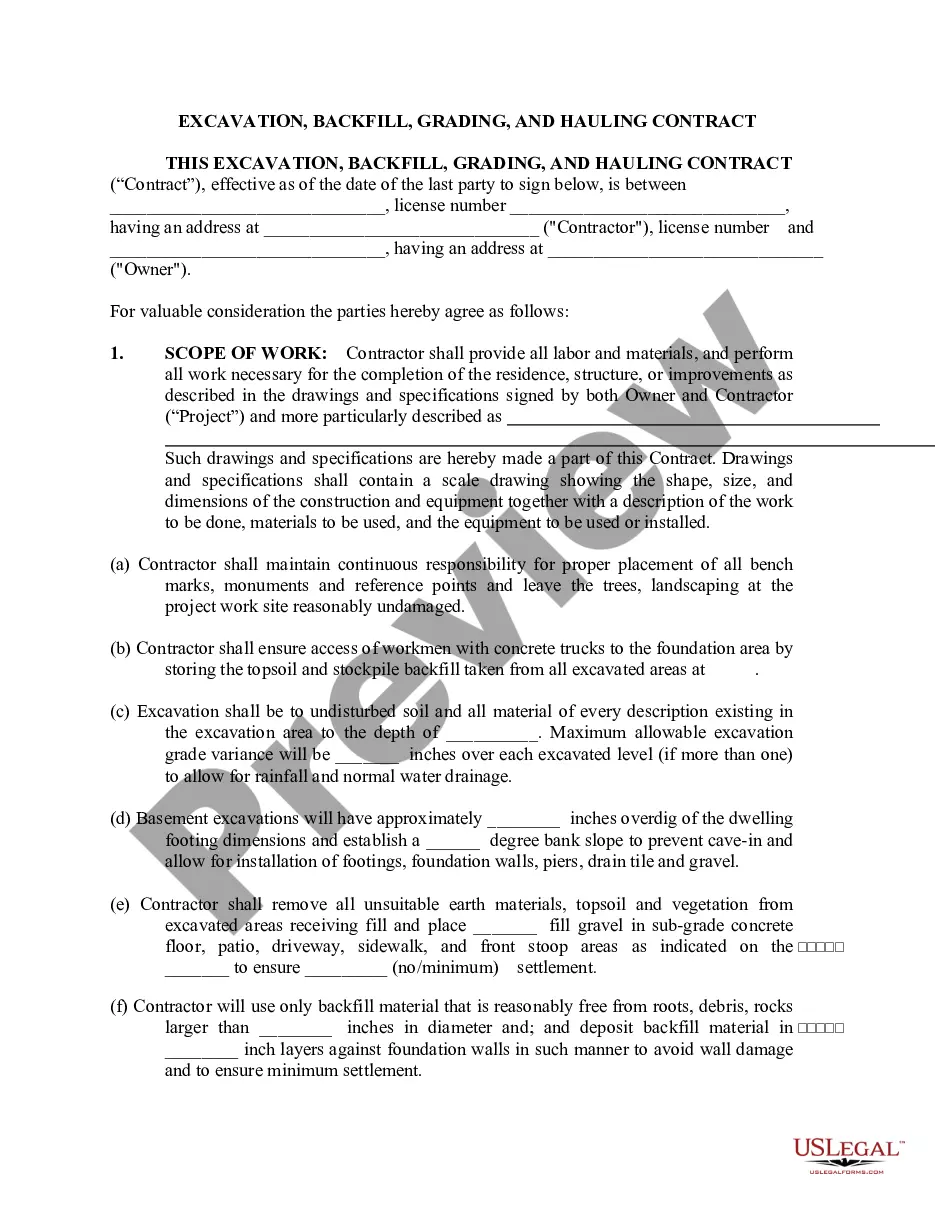
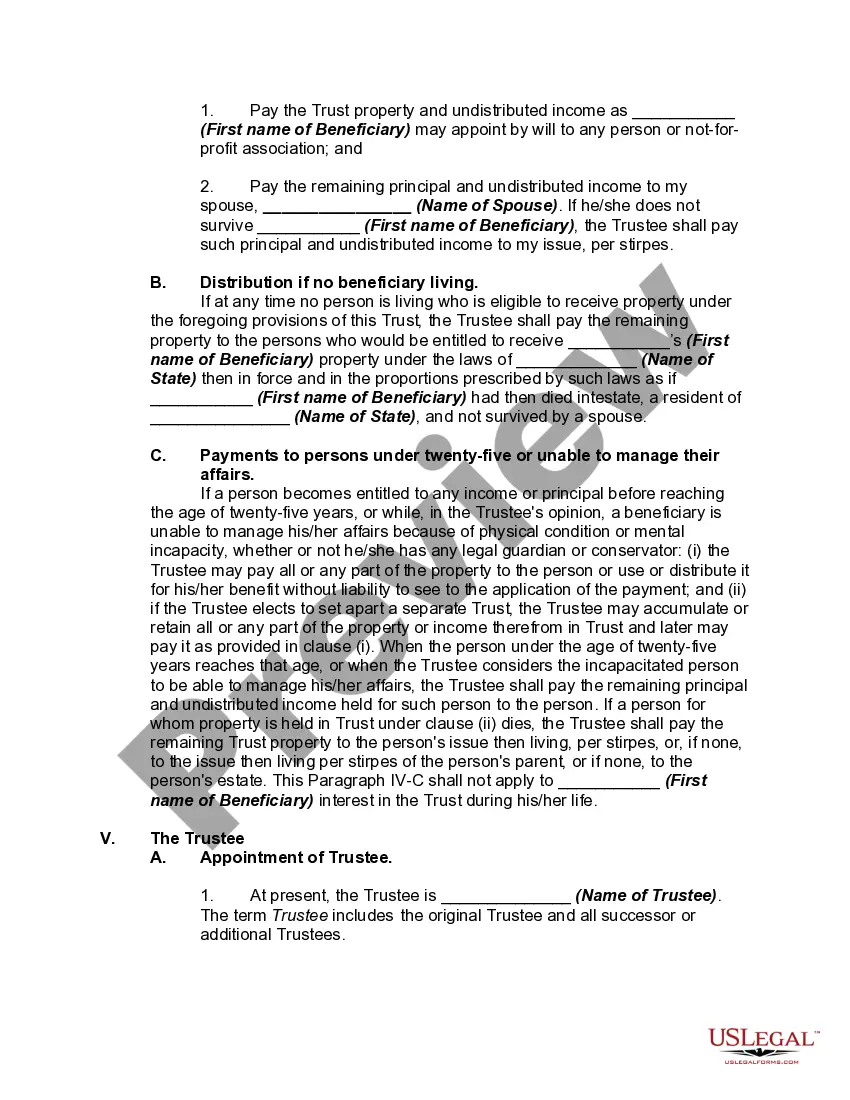
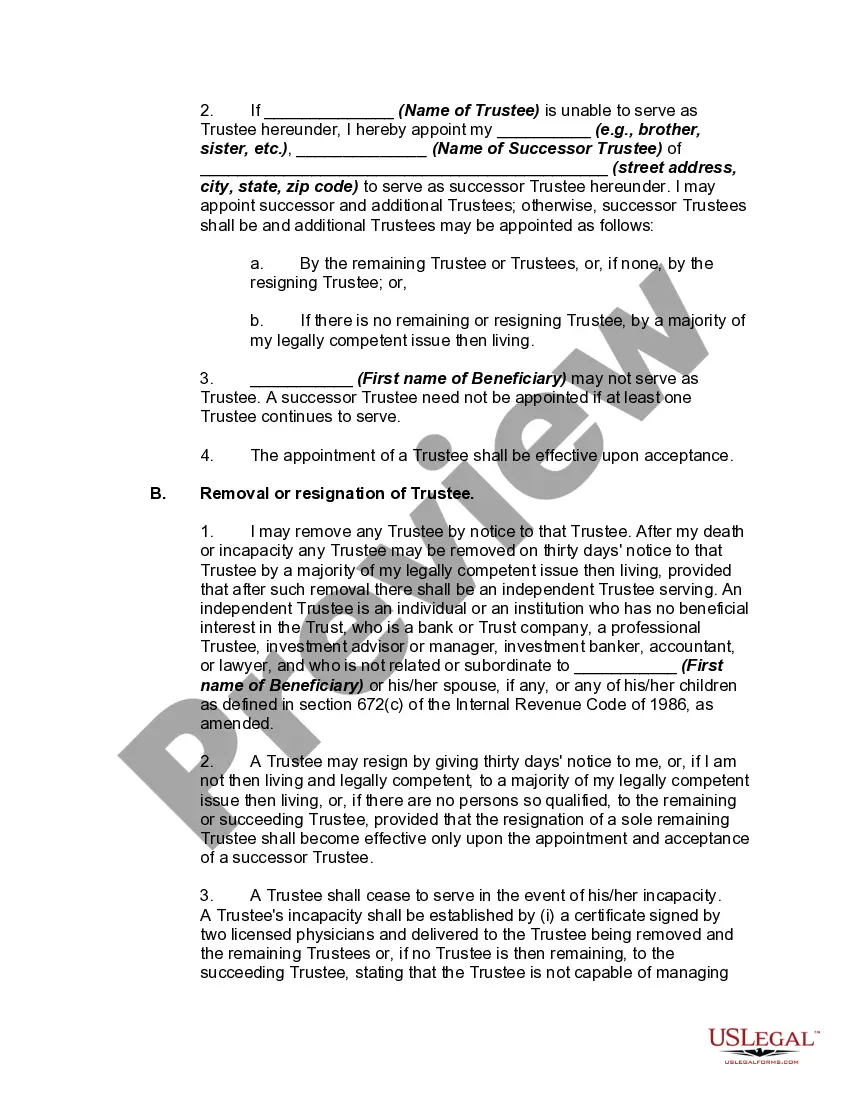
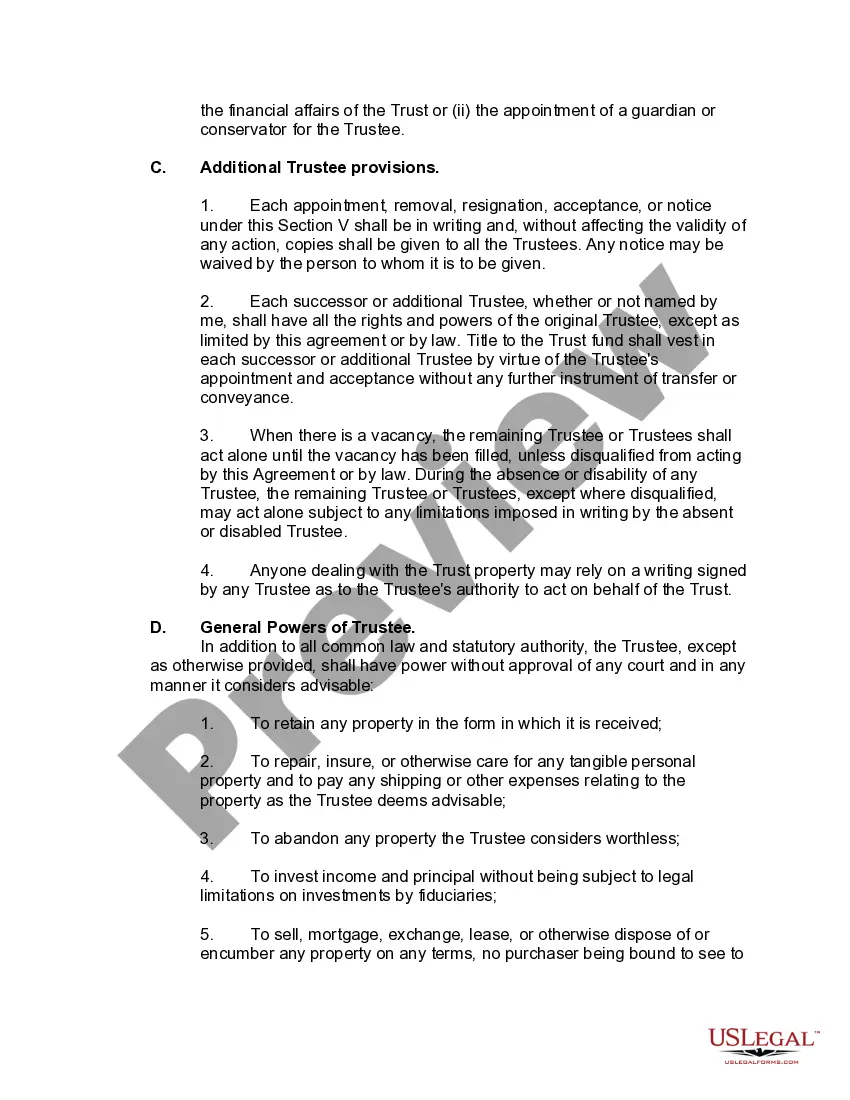
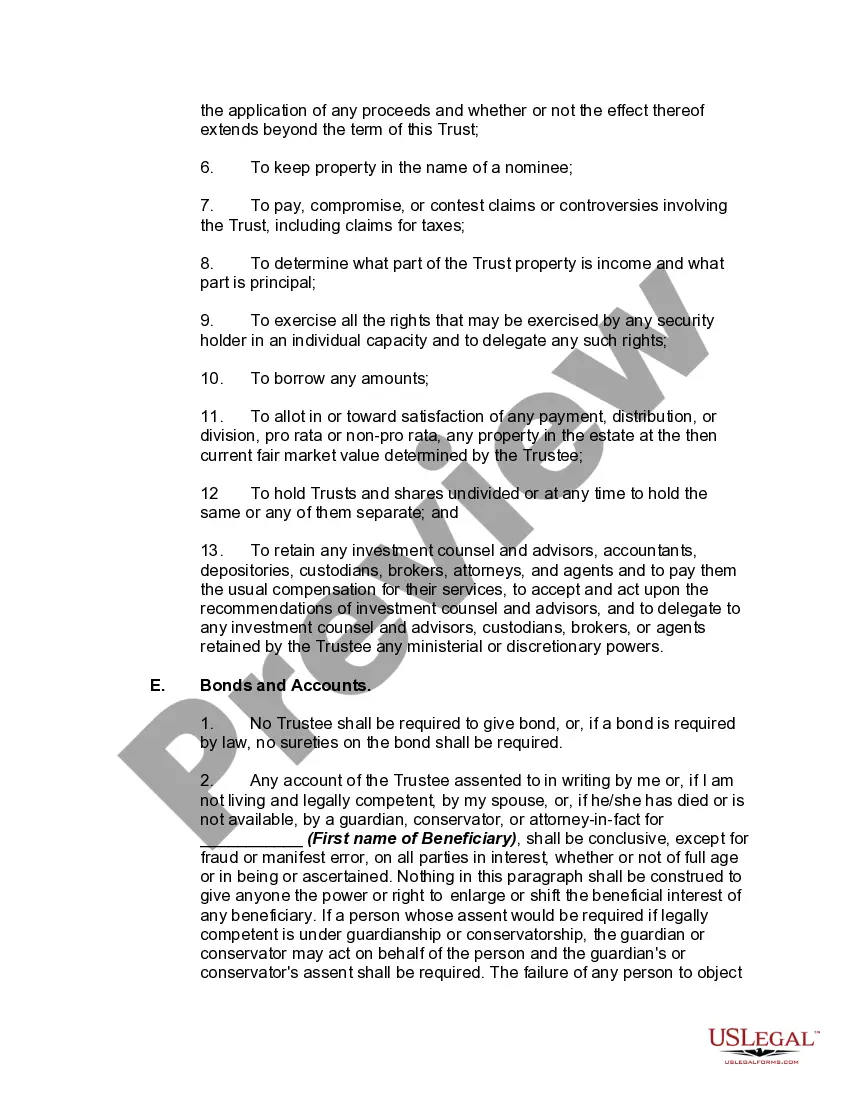
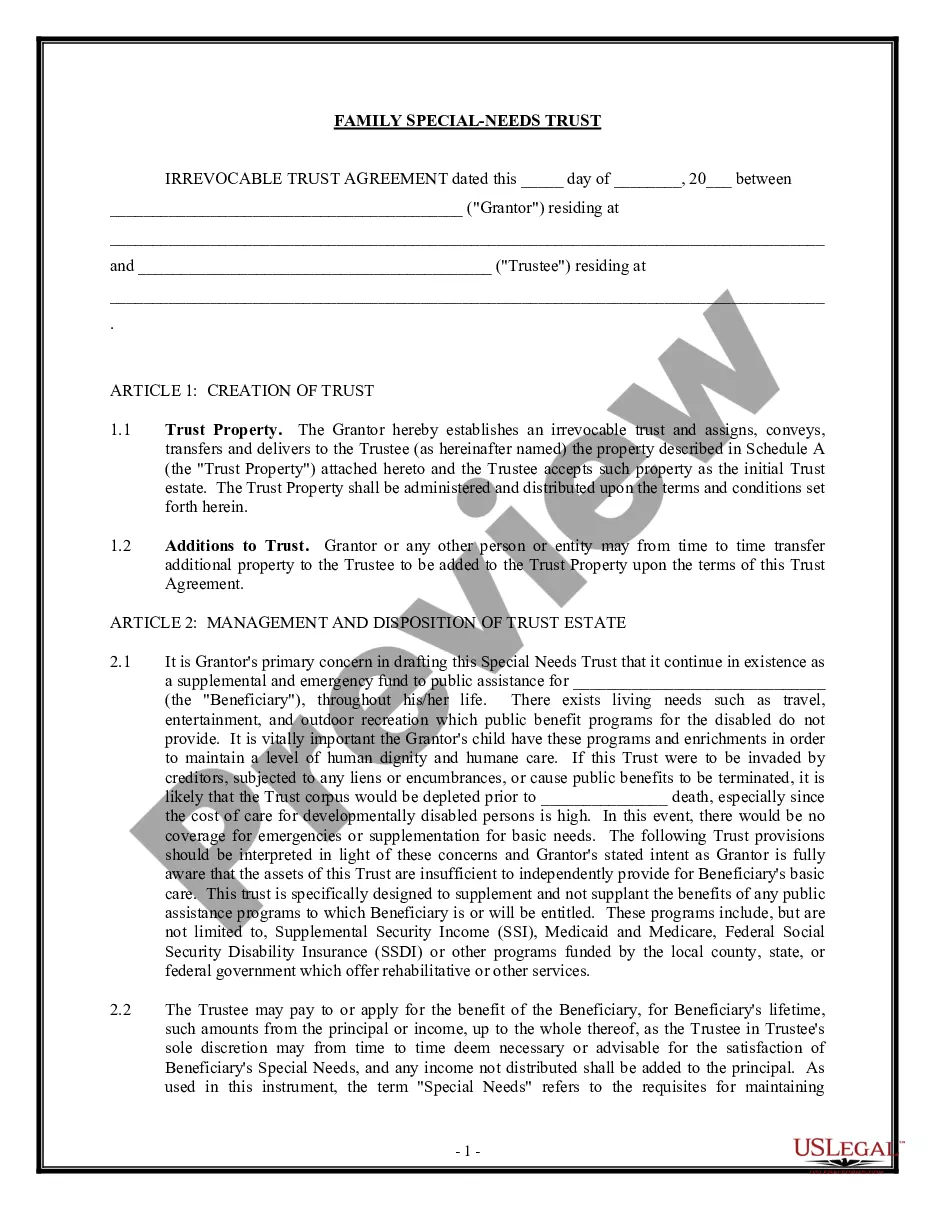
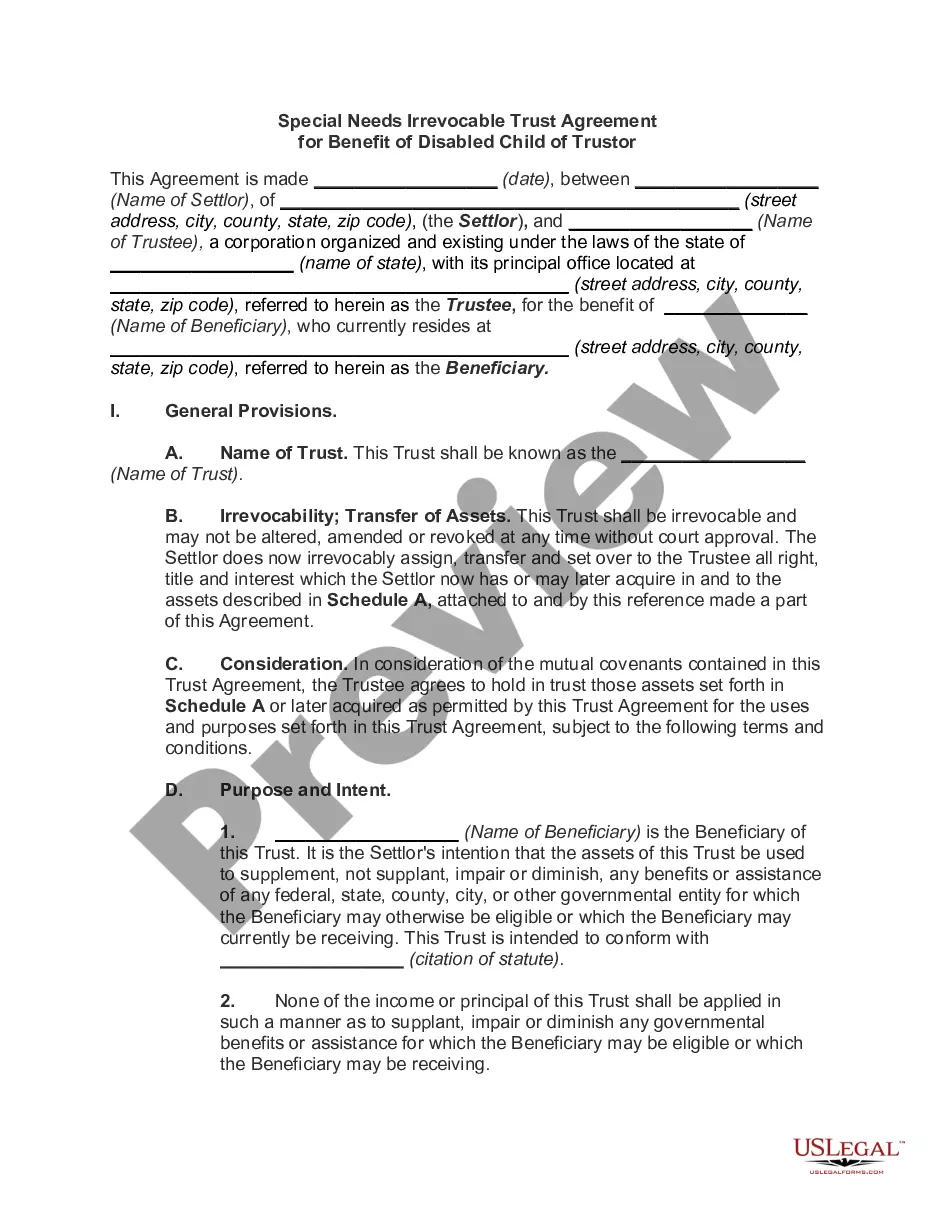
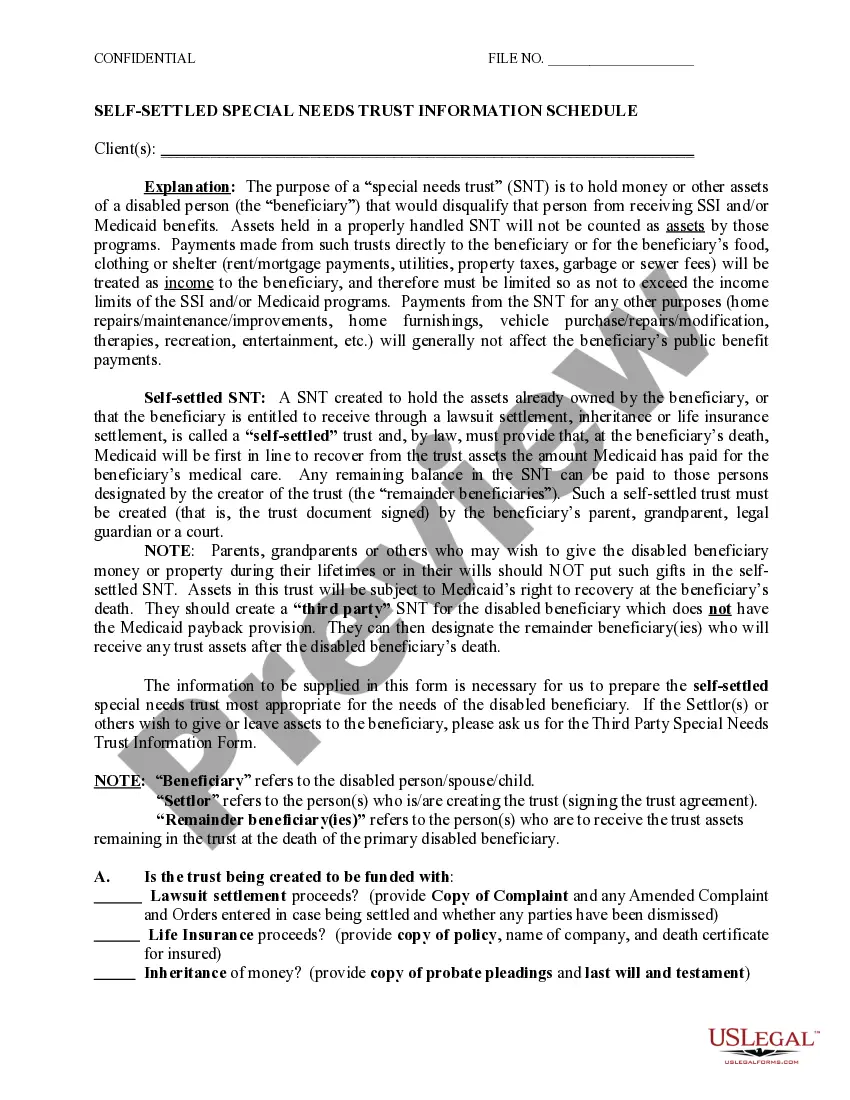
The Supplemental Needs Trust for Third Party - Disabled Beneficiary is a legal document designed to enhance the quality of life for a disabled individual without impacting their eligibility for government benefits. This trust is funded by a third party instead of the beneficiary, allowing for supplemental financial support that does not interfere with vital aid from federal, state, or local programs.
What’s included in this form
- Identification of the Grantor, Trustee, and Beneficiary.
- Details about the trust fund, including initial and potential additional funding.
- Irrevocability clause stipulating that once established, the trust cannot be amended or revoked.
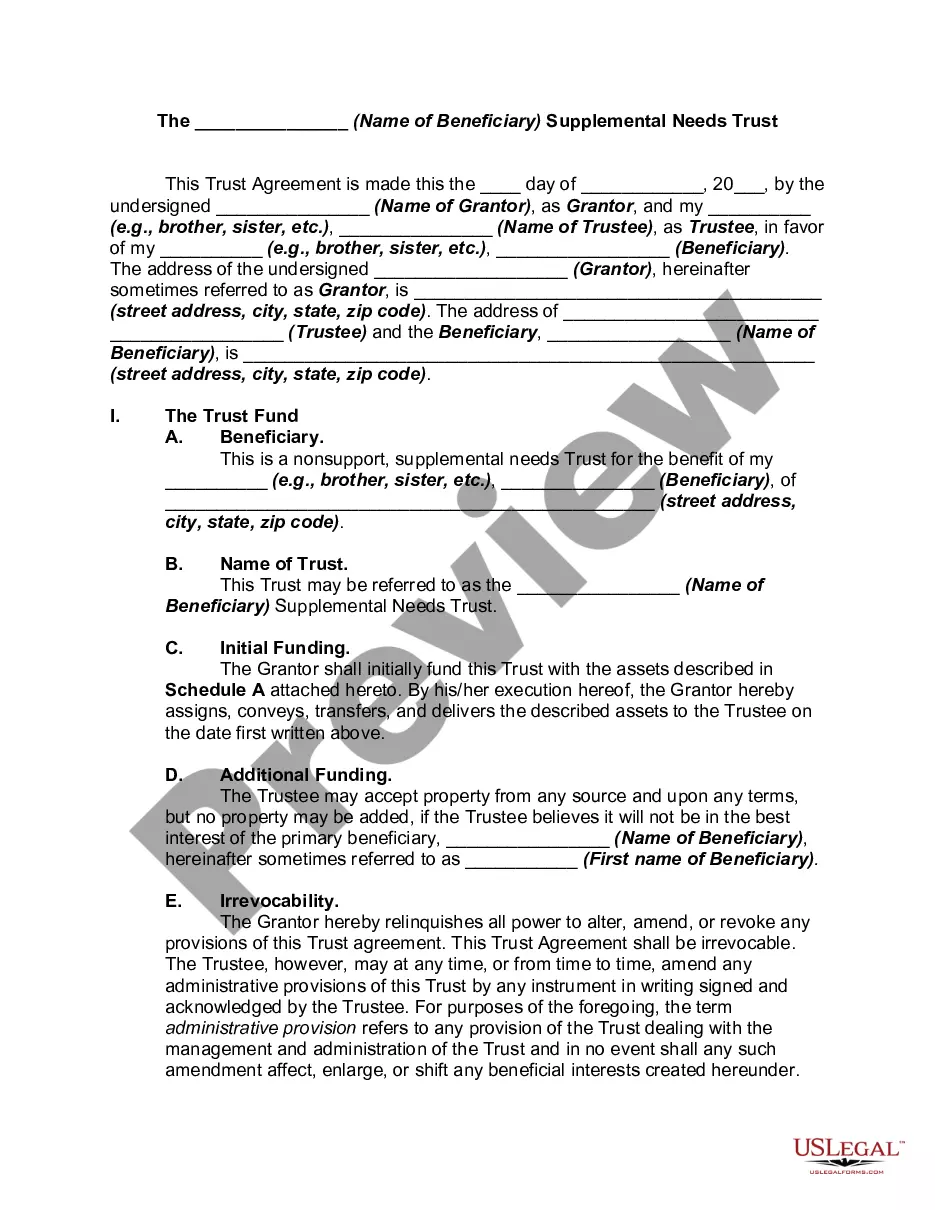
- The purpose of the trust to preserve and supplement benefit eligibility.
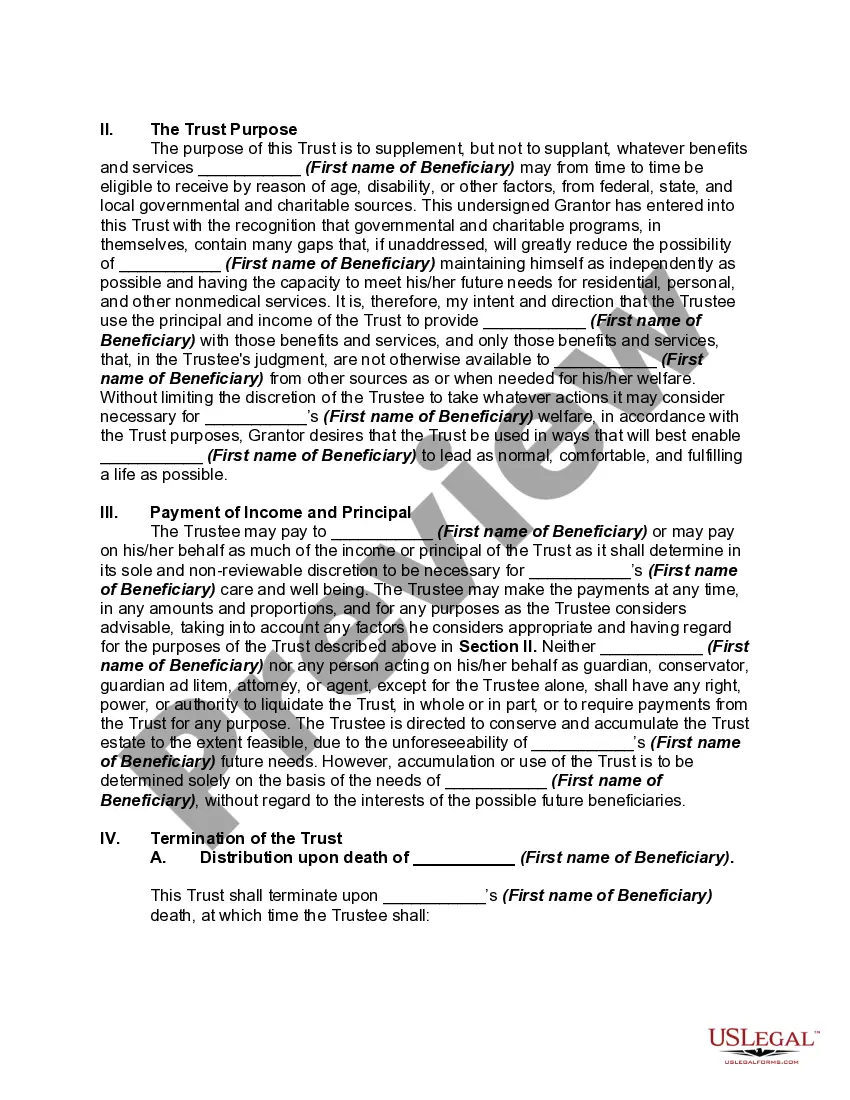
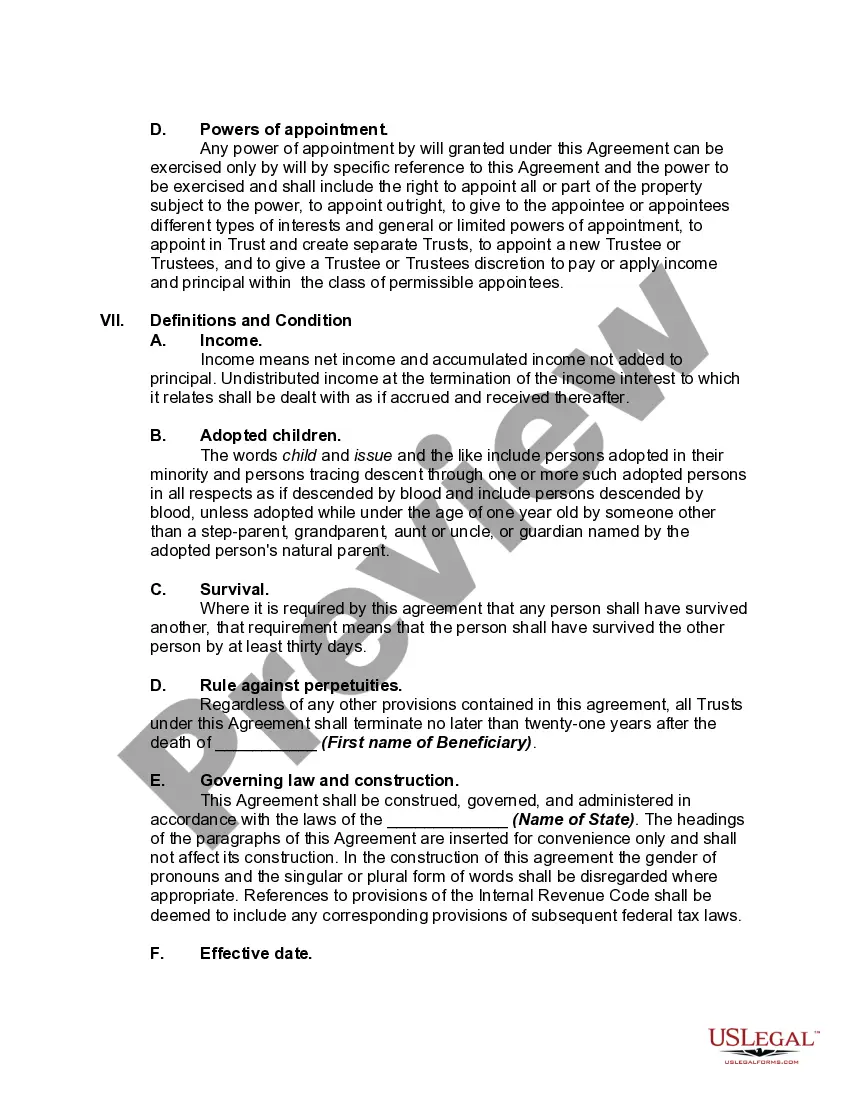
- Specific distribution instructions upon the death of the beneficiary.
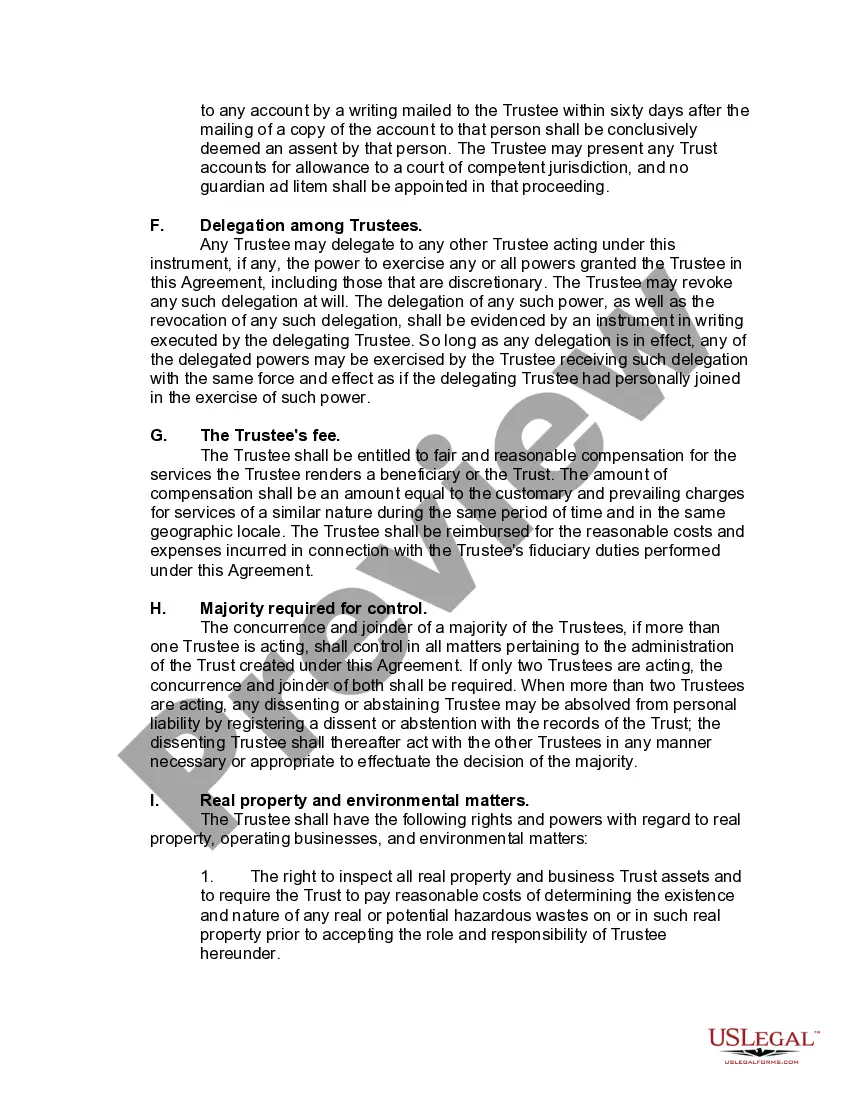
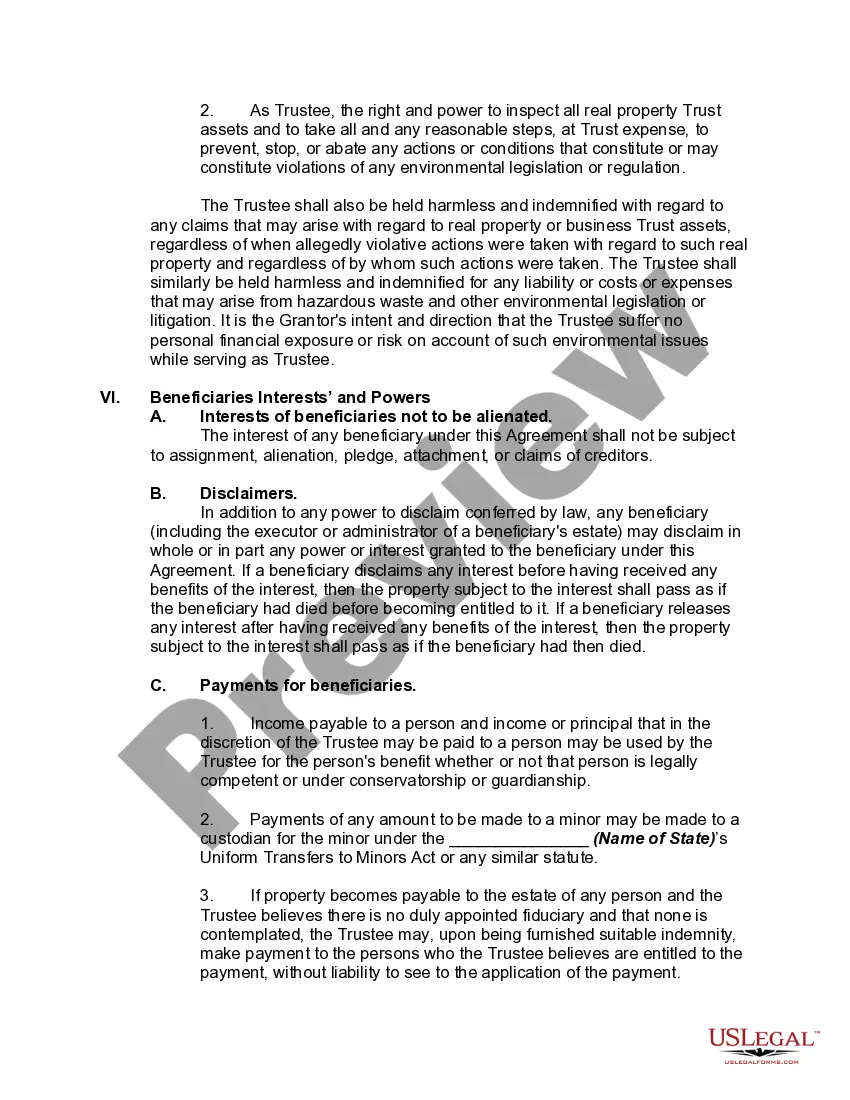
- Rights and powers of the Trustee, including management of assets and paying for the beneficiary's needs.

Common use cases
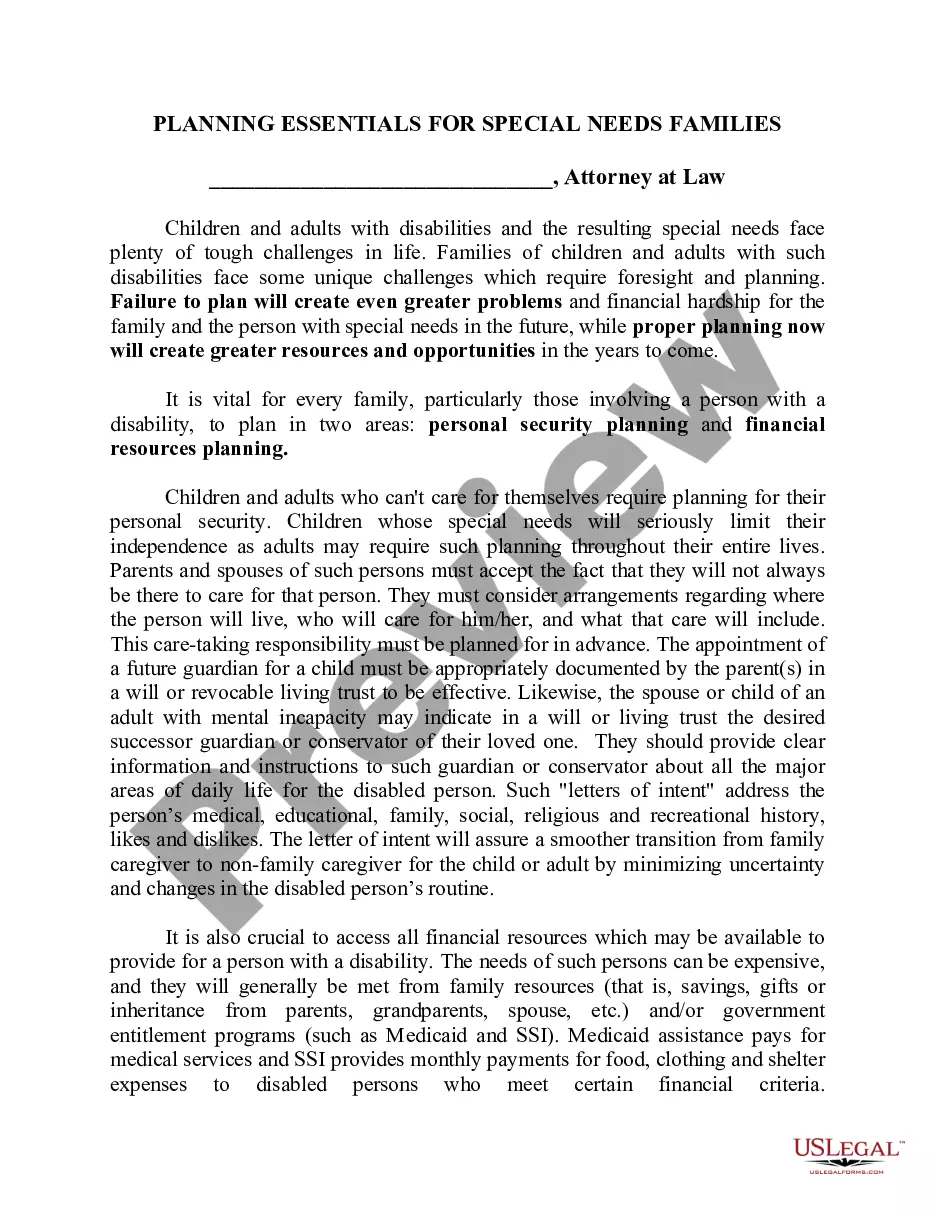
This form is ideal when parents or family members want to ensure that a disabled individual receives additional support without jeopardizing their government assistance. It can be particularly useful in situations where the disabled beneficiary may need help with non-medical expenses, such as housing, education, or personal care services, while still qualifying for vital benefits like Supplemental Security Income (SSI) or Medicaid.
Who can use this document
- Family members looking to support a disabled relative financially.
- Parents of children with disabilities who want to secure their future needs.
- Legal guardians or advocates responsible for managing the welfare of a disabled individual.
- Individuals interested in setting up a trust for a disabled beneficiary without impacting their benefits.
Completing this form step by step
- Identify the Grantor (the person creating the trust), the Trustee (the person managing the trust), and the Beneficiary (the disabled individual receiving benefits).
- Specify the name of the trust and include the address for all parties involved.
- Detail the initial funding by describing the assets being transferred into the trust.
- Include any instructions regarding additional funding sources and conditions.
- Sign and date the trust agreement in the presence of witnesses, if required by local law.
Is notarization required?
Notarization is generally not required for this form. However, certain states or situations might demand it. You can complete notarization online through US Legal Forms, powered by Notarize, using a verified video call available anytime.
Get your form ready online
Our built-in tools help you complete, sign, share, and store your documents in one place.
Make edits, fill in missing information, and update formatting in US Legal Forms—just like you would in MS Word.
Download a copy, print it, send it by email, or mail it via USPS—whatever works best for your next step.
Sign and collect signatures with our SignNow integration. Send to multiple recipients, set reminders, and more. Go Premium to unlock E-Sign.
If this form requires notarization, complete it online through a secure video call—no need to meet a notary in person or wait for an appointment.
We protect your documents and personal data by following strict security and privacy standards.

Make edits, fill in missing information, and update formatting in US Legal Forms—just like you would in MS Word.

Download a copy, print it, send it by email, or mail it via USPS—whatever works best for your next step.

Sign and collect signatures with our SignNow integration. Send to multiple recipients, set reminders, and more. Go Premium to unlock E-Sign.

If this form requires notarization, complete it online through a secure video call—no need to meet a notary in person or wait for an appointment.

We protect your documents and personal data by following strict security and privacy standards.
Common mistakes to avoid
- Failing to clearly identify all parties involved in the trust.
- Not defining the trust's purpose adequately, which may lead to confusion later.
- Overlooking state-specific legal requirements that could affect the trust's validity.
- Choosing not to consult with an attorney for complex assets or situations.
Benefits of using this form online
- Convenience of downloading and filling out the form at your own pace.
- Easy customization to meet the specific needs of your situation.
- Access to a reliable template drafted by licensed attorneys.
- Ability to quickly print the completed form for signature and notarization if required.
- Secure and confidential process for managing sensitive personal information.
Legal use & context
- The Supplemental Needs Trust is designed to supplement, not replace, government benefits.
- It must be established in accordance with federal and state laws regarding trust administration.
- Trustees must act in the best interest of the beneficiary, adhering to the trust's stated purpose.
Summary of main points
- The trust provides essential financial support for disabled beneficiaries without affecting their public benefits.
- Proper completion and understanding of the trust's terms are critical for effective use.
- Always consider professional legal advice when creating a trust to ensure compliance with laws.
Looking for another form?




Form popularity
FAQ
If a third-party SNT is considered a grantor trust, all items of income, deduction and credit are generally taxed to the individual(s) who created and funded the SNT (typically parents or other relatives of the beneficiary with a disability).All items of income, deduction and credit are reported on Form 1041.
A supplemental needs trust is a third party trust when assets other than those assets belonging to the disabled person are used to fund the trust. To keep its status as a third-party trust, no funds belonging to the disabled person nor funds to which the disabled person is entitled should be used to fund the trust.
Since most special needs trusts will be funded with the parents' own assets, including perhaps life insurance proceeds and gifts from other family members, they can be established and treated as qualified disability trusts.
Decide the Amount of Money to Put in the Fund Based on the Level of Care Required. What type of care is required for your loved one? Choose the Best Special Needs Trust Type According to Need. Ensure your Family has a Special Needs Attorney to Protect the Assets.
Supplemental Needs Trusts are often used to receive an inheritance or personal injury litigation proceeds on behalf of an individual with a disability, in order to allow the person to qualify for Medicaid benefits despite their receipt of the settlement.
While a beneficiary may also act as trustee in some types of trusts, a special needs trust beneficiary will almost never be able to act as trustee.Incapacity of a beneficiary may sometimes be important as well.
The term "special needs trust" refers to the purpose of the trust -- to pay for the beneficiary's unique or special needs. In short, the name is focused more on the beneficiary, while the name "supplemental needs trust" addresses the shortfalls of our public benefits programs.
Generally, only a parent, grandparent, legal guardian or court can set up a special needs trust. The person with disabilities, no matter how competent, cannot be the creator of the trust (even if the trust is funded by their personal assets). Funds in the special needs trust may not be available to the beneficiary.