Estate Planning Highlights for Client
About this form
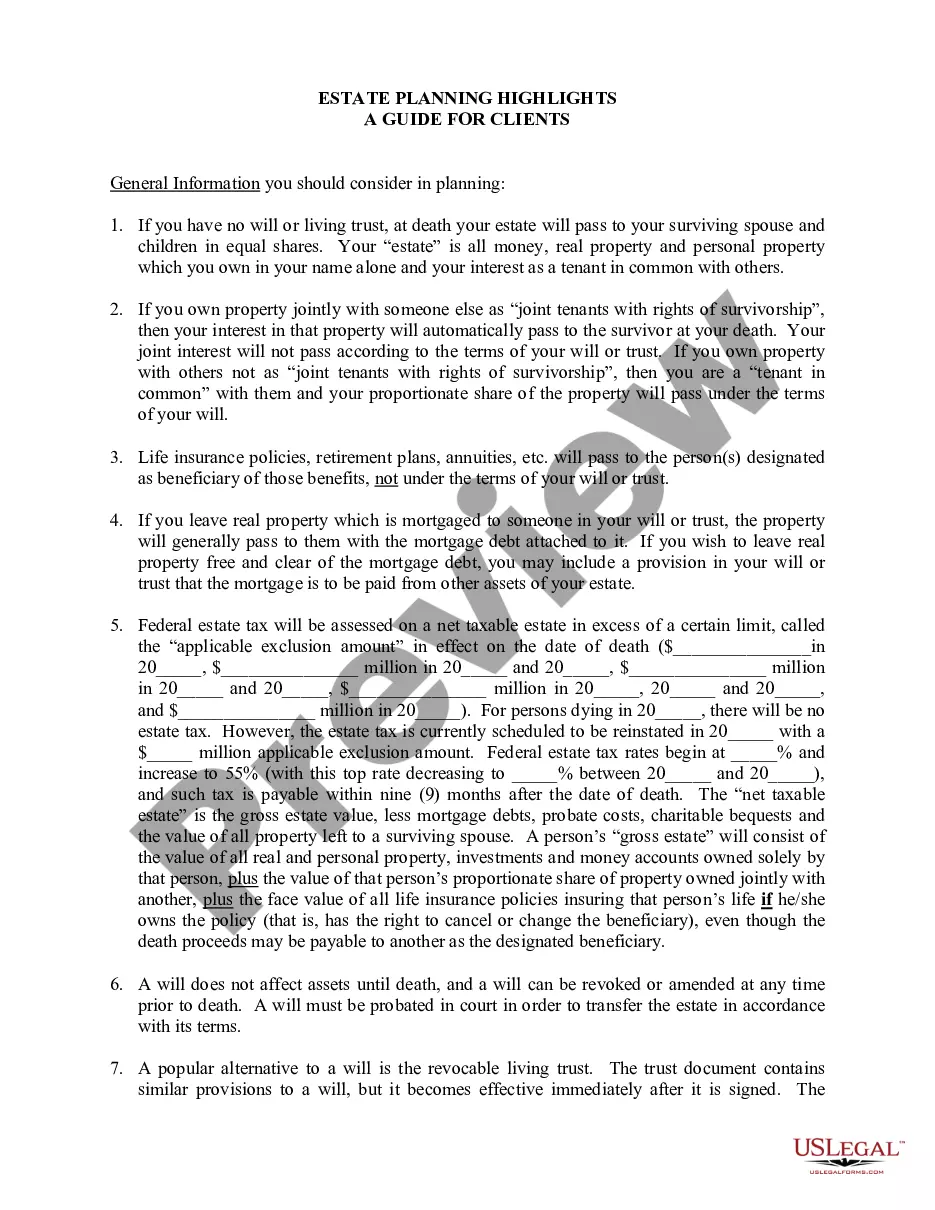
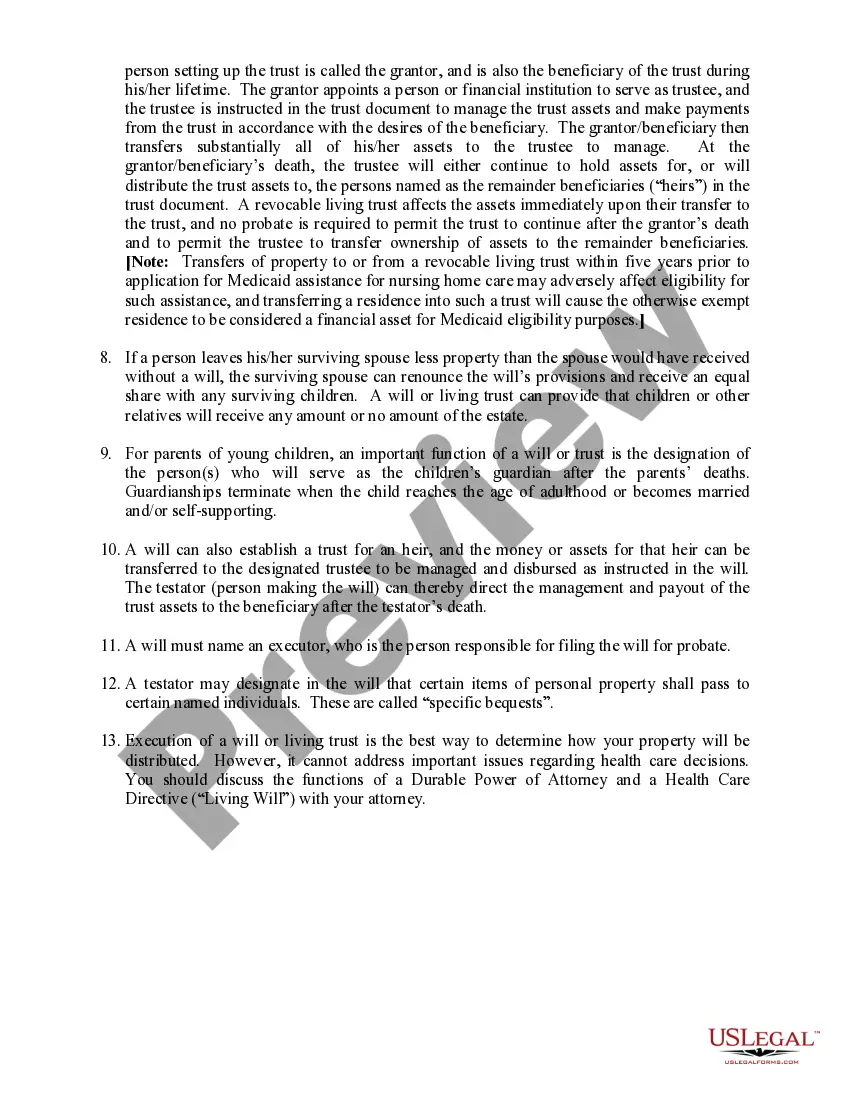
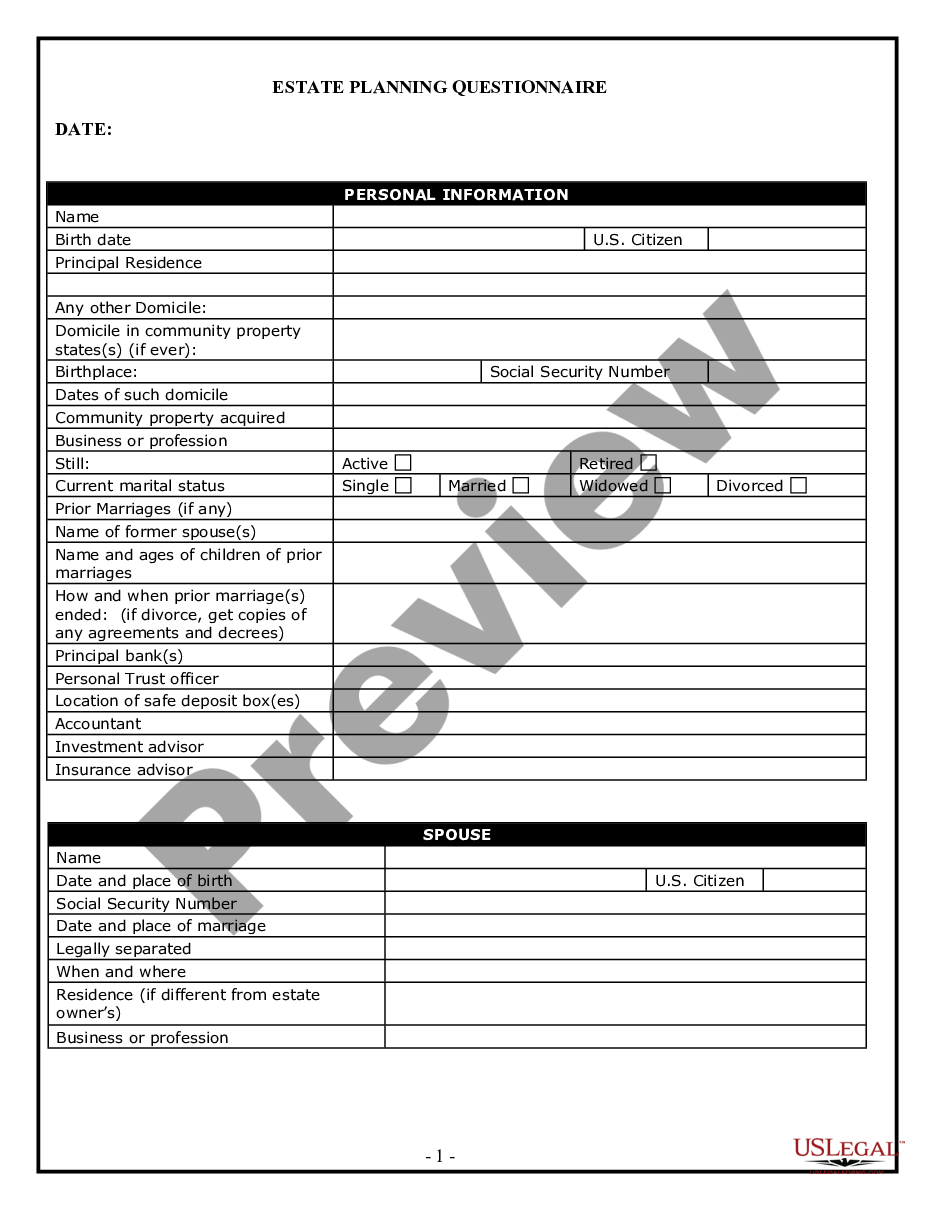
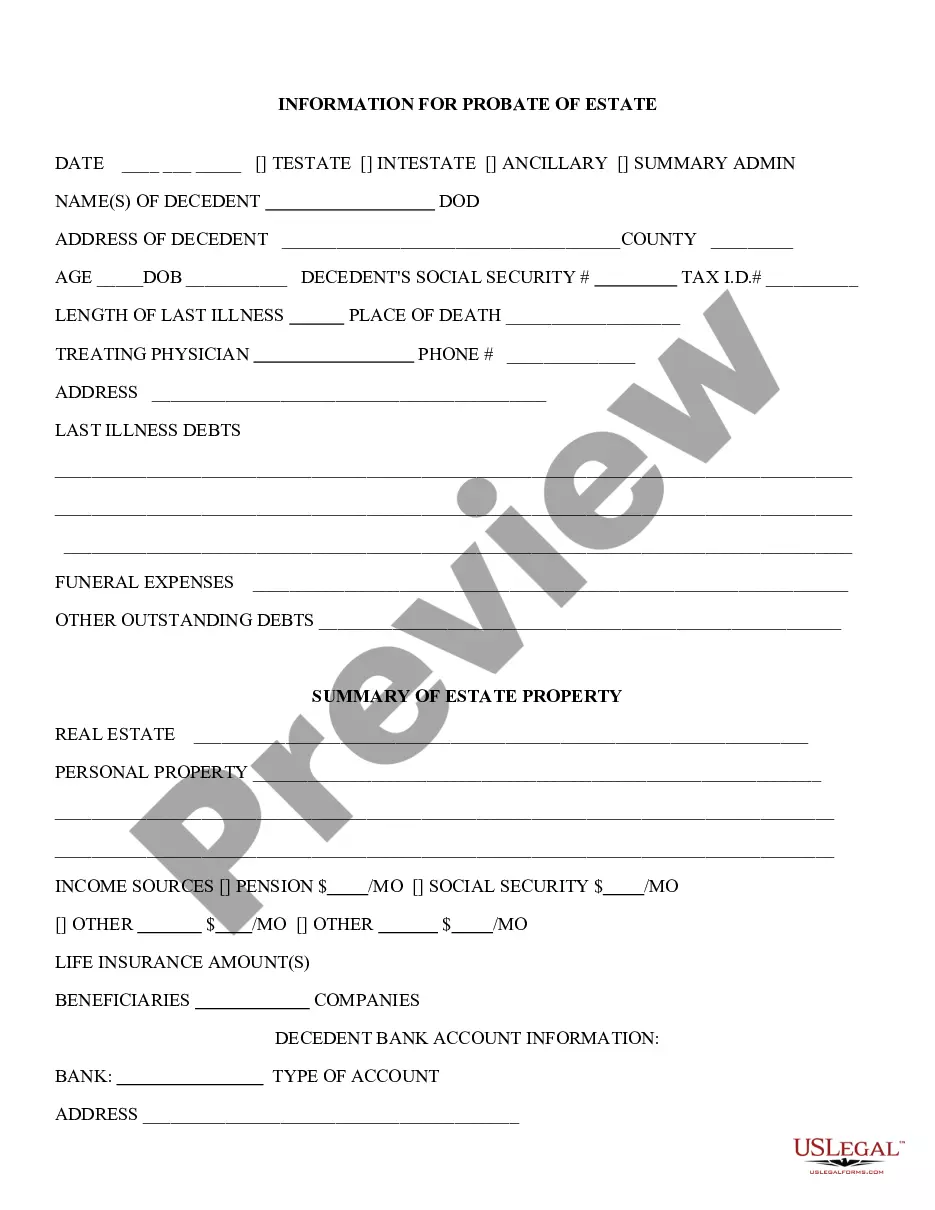
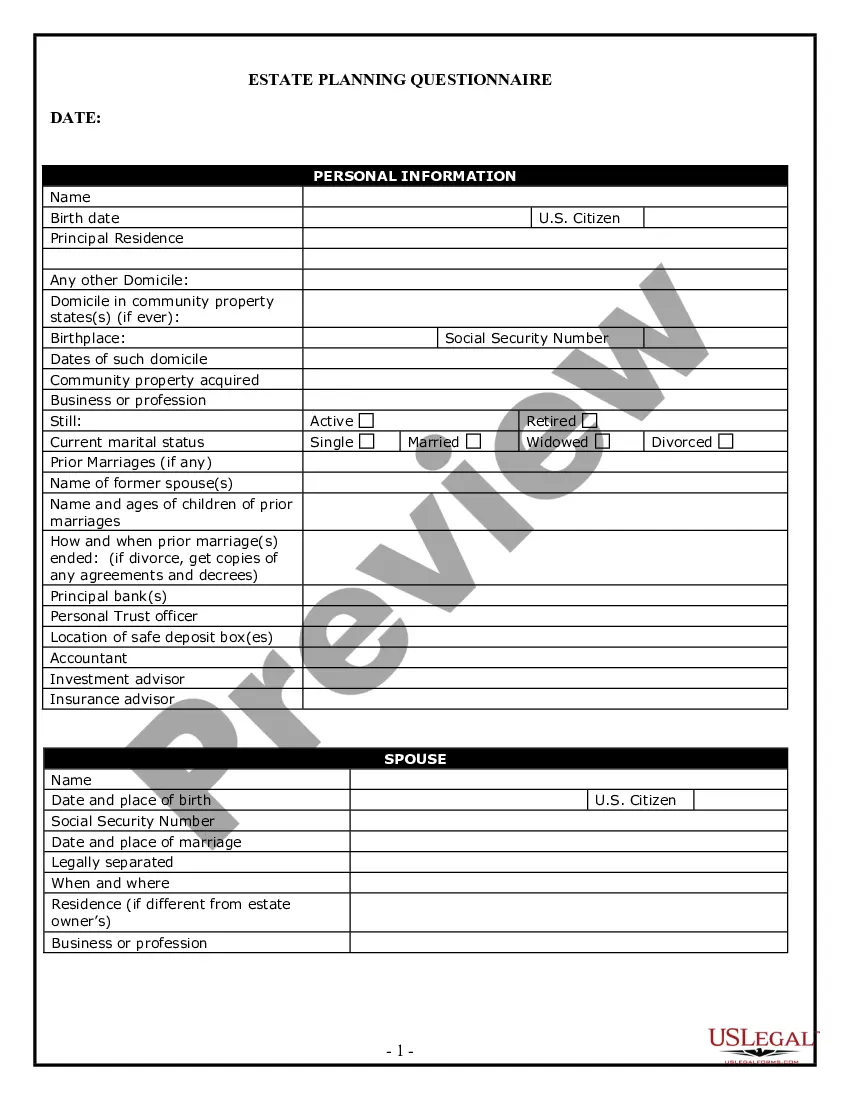
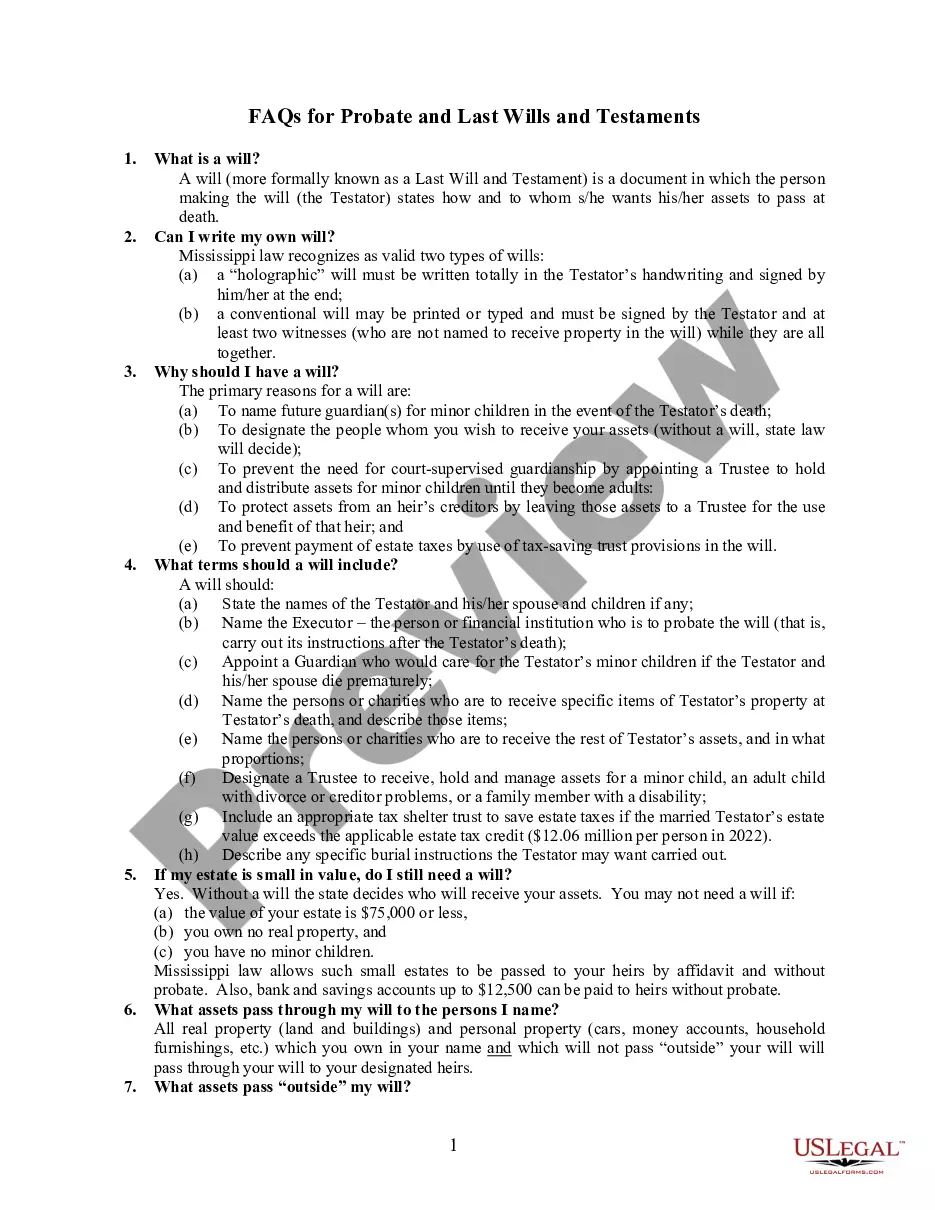
The Estate Planning Highlights for Client is a comprehensive guide that outlines essential considerations clients should discuss with their attorneys when preparing estate planning documents. Unlike other forms, this guide serves as an informative resource that helps individuals understand key factors influencing their estate planning, empowering them to make informed decisions about wills, trusts, and other relevant tools.
Form components explained
- General information about estate distribution without a will or trust.
- Details on different types of property ownership, including joint tenancies and tenants in common.
- Implications of life insurance and retirement accounts on estate planning.
- Overview of estate taxes and their deadlines.
- Comparison between wills and revocable living trusts, including their respective functions and benefits.
- Considerations for designating guardians for children and managing specific bequests.
When this form is needed
This form is useful when you are beginning the estate planning process or are looking to review your existing plans. It is particularly beneficial if you are unsure about how your assets will be distributed upon your death or if you need to designate guardians for minors. Additionally, it provides guidance if you are considering setting up a will or trust and wish to understand the implications of each choice.
Who needs this form
- Individuals beginning the estate planning process.
- Parents of young children wishing to plan for guardianship.
- Anyone needing clarity on how their assets will be distributed after death.
- Individuals considering setting up a will or revocable living trust.
- Those looking for information on potential estate tax implications.
Completing this form step by step
- Review the guide carefully to understand important estate planning concepts.
- Identify your assets and how they are titled to determine the appropriate method of distribution.
- Consult with your attorney to discuss your specific goals and preferences.
- Consider who you want to include as beneficiaries and any specific bequests.
- Decide on guardianship for children and prepare necessary documents to formalize these decisions.
Notarization requirements for this form
Notarization is not commonly needed for this form. However, certain documents or local rules may make it necessary. Our notarization service, powered by Notarize, allows you to finalize it securely online anytime, day or night.
Get your form ready online
Our built-in tools help you complete, sign, share, and store your documents in one place.
Make edits, fill in missing information, and update formatting in US Legal Forms—just like you would in MS Word.
Download a copy, print it, send it by email, or mail it via USPS—whatever works best for your next step.
Sign and collect signatures with our SignNow integration. Send to multiple recipients, set reminders, and more. Go Premium to unlock E-Sign.
If this form requires notarization, complete it online through a secure video call—no need to meet a notary in person or wait for an appointment.
We protect your documents and personal data by following strict security and privacy standards.

Make edits, fill in missing information, and update formatting in US Legal Forms—just like you would in MS Word.

Download a copy, print it, send it by email, or mail it via USPS—whatever works best for your next step.

Sign and collect signatures with our SignNow integration. Send to multiple recipients, set reminders, and more. Go Premium to unlock E-Sign.

If this form requires notarization, complete it online through a secure video call—no need to meet a notary in person or wait for an appointment.

We protect your documents and personal data by following strict security and privacy standards.
Common mistakes to avoid
- Failing to update estate planning documents after major life changes, such as marriage or the birth of a child.
- Not clearly designating beneficiaries for life insurance policies and retirement accounts.
- Misunderstanding the implications of joint tenancy versus tenants in common.
- Omitting to consult with an attorney for personalized advice and legal requirements.
Why complete this form online
- Convenience of accessing essential information anytime.
- Edit or customize content as needed to fit your circumstances.
- Reliable resource that provides state-specific insights for informed decisions.
Legal use & context
- Used primarily as a guide to help individuals understand estate planning concepts.
- Not a legally binding document itself; rather, it prepares clients to create formal documents like wills or trusts.
- Should be used in conjunction with legal advice from a licensed attorney.
Looking for another form?
Form popularity
FAQ
A 5 by 5 Power in Trust is a clause that lets the beneficiary make withdrawals from the trust on a yearly basis. The beneficiary can cash out $5,000 or 5% of the trust's fair market value each year, whichever is a higher amount.
A comprehensive estate plan typically includes four estate planning documents. These documents include a financial power of attorney, an advance care directive, and a living trust or a last will.
A: The three main priorities of an estate plan are to ensure that your assets are distributed in the way you prefer, that someone else has the authority to make decisions on your behalf if you are unable to do so, and that your beneficiaries are clearly defined.
What Are the 5 Components of Estate Planning? Wills and Trusts. A common misconception is that only wealthy people need wills or trusts.Durable Power of Attorney.Medical or Healthcare Power of Attorney.Living Wills and Advance Directives for Medical Decisions.Beneficiary Designations.
There are six important components to an estate plan. THE WILL. The first and well-known component of an estate plan is a will.TRUSTS.POWER OF ATTORNEY.HEALTH CARE DIRECTIVE.BENEFICIARY DESIGNATIONS.REGULAR REVIEW AND REVISION.
Estate planning checklist Create an inventory. Account for your family's needs. Establish your directives. Review your beneficiaries. Note your state's estate tax laws. Weigh the value of professional help. Plan to reassess.