Complex Employment Agreement
About this form
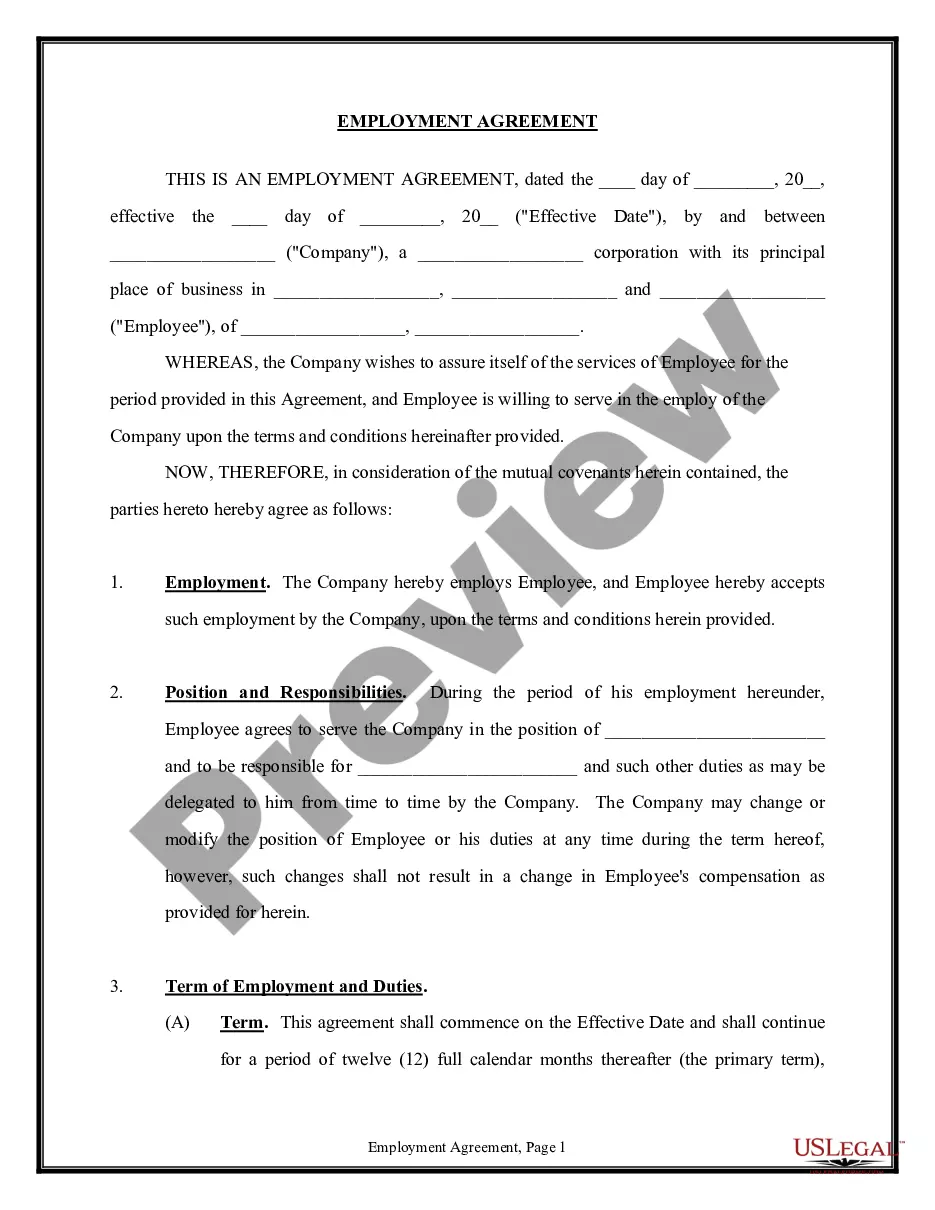
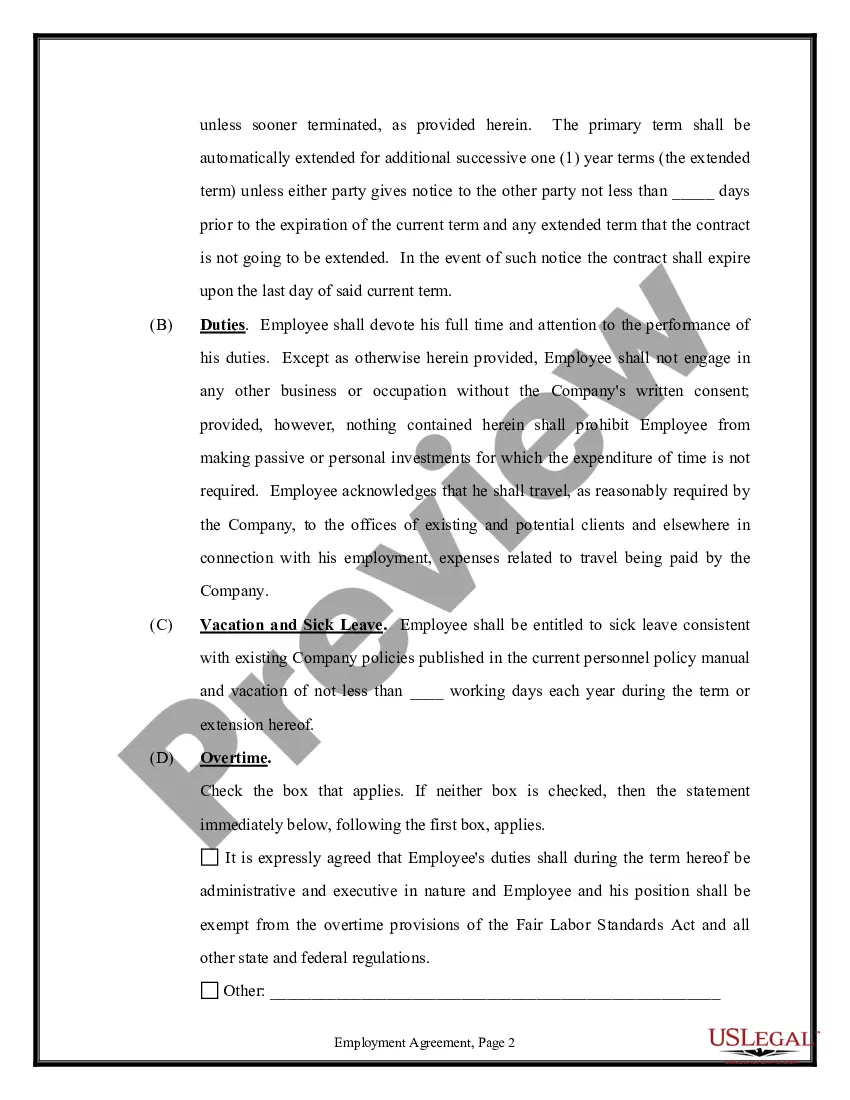
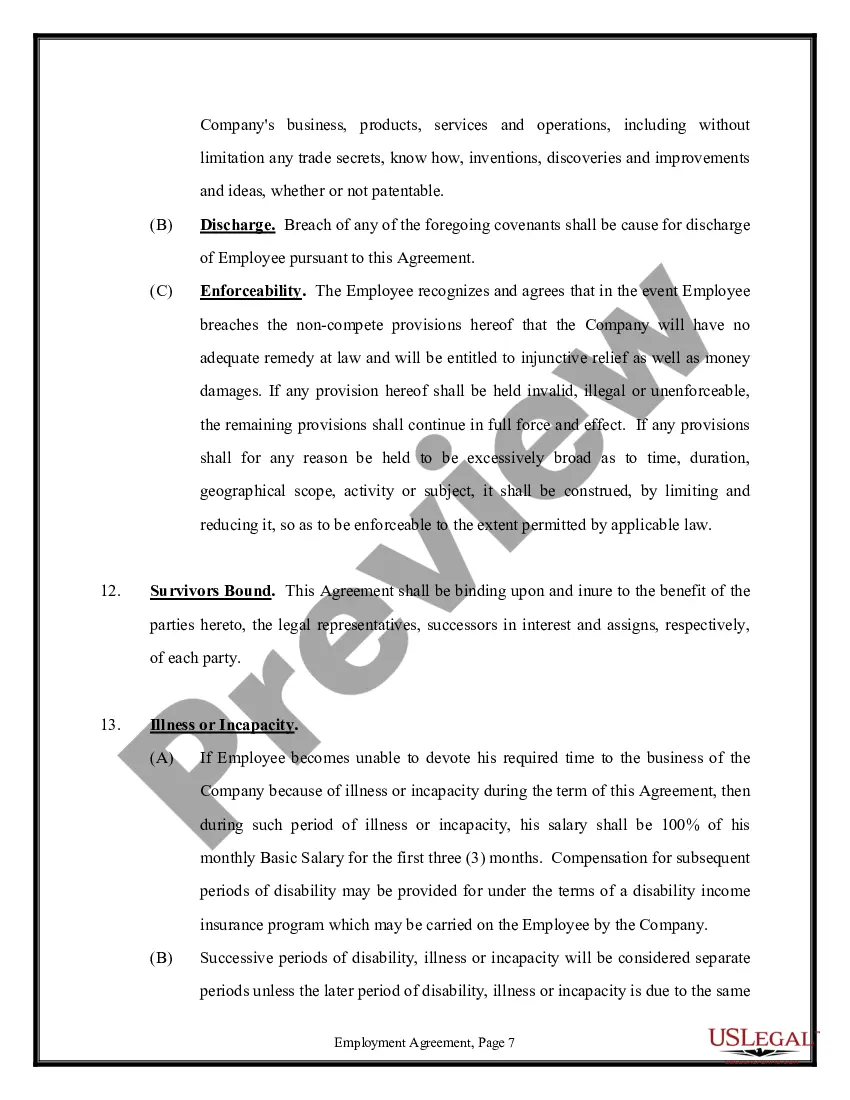
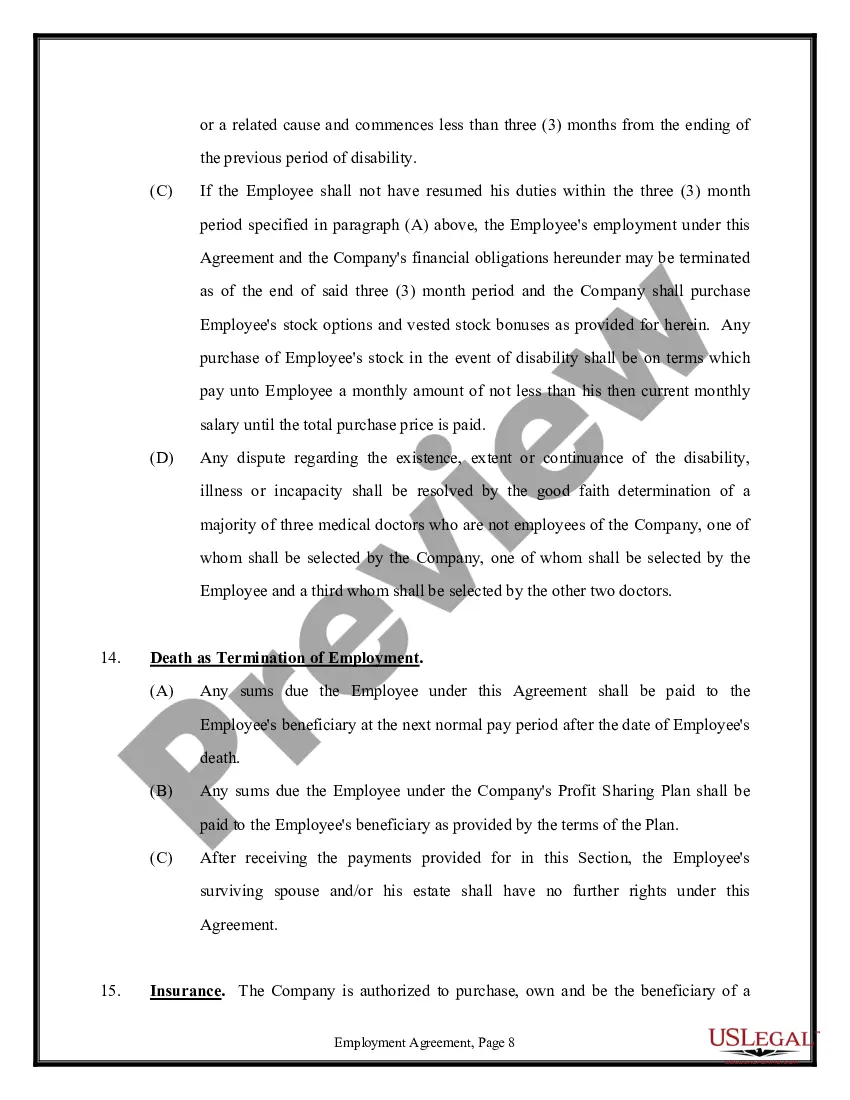
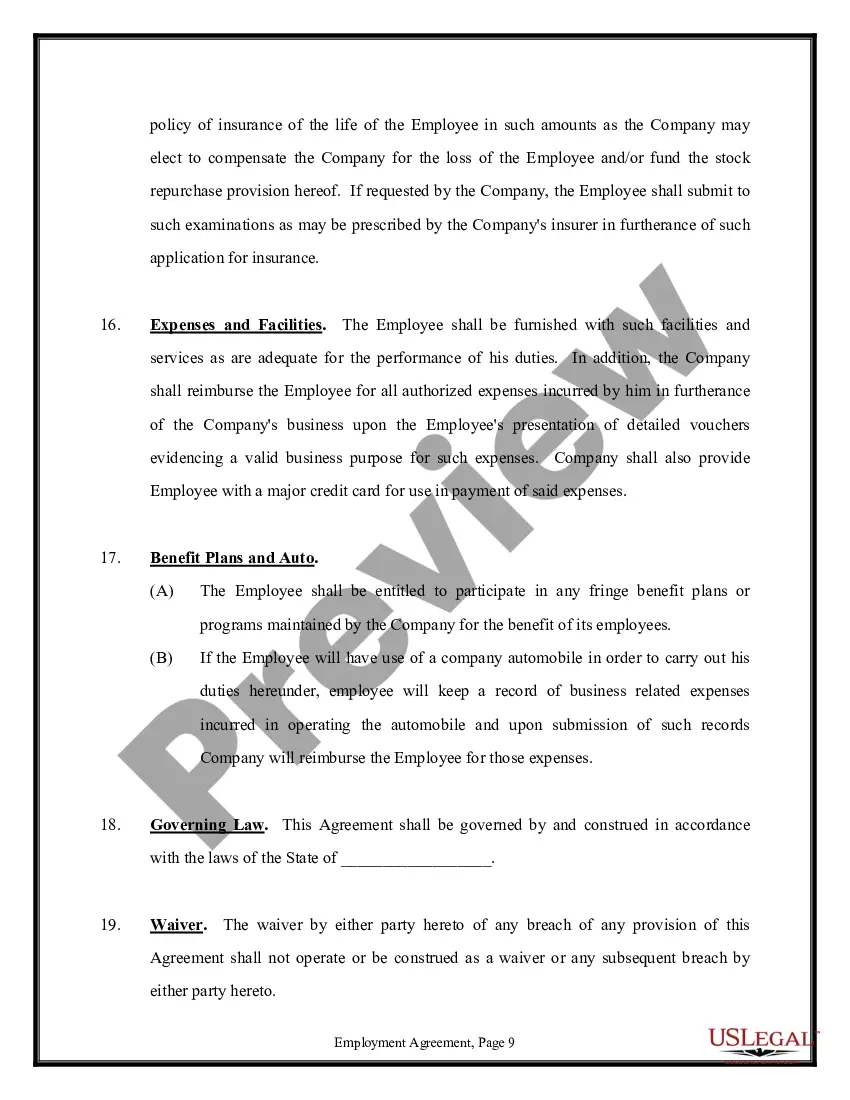
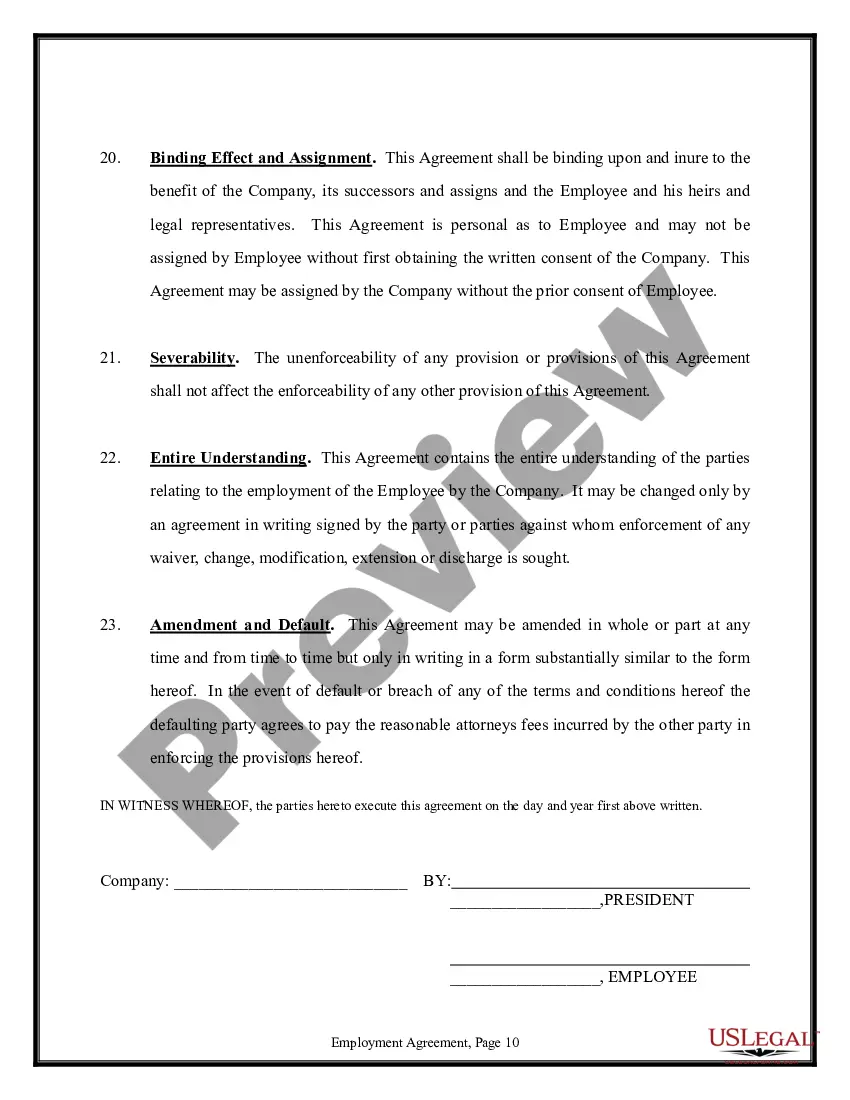
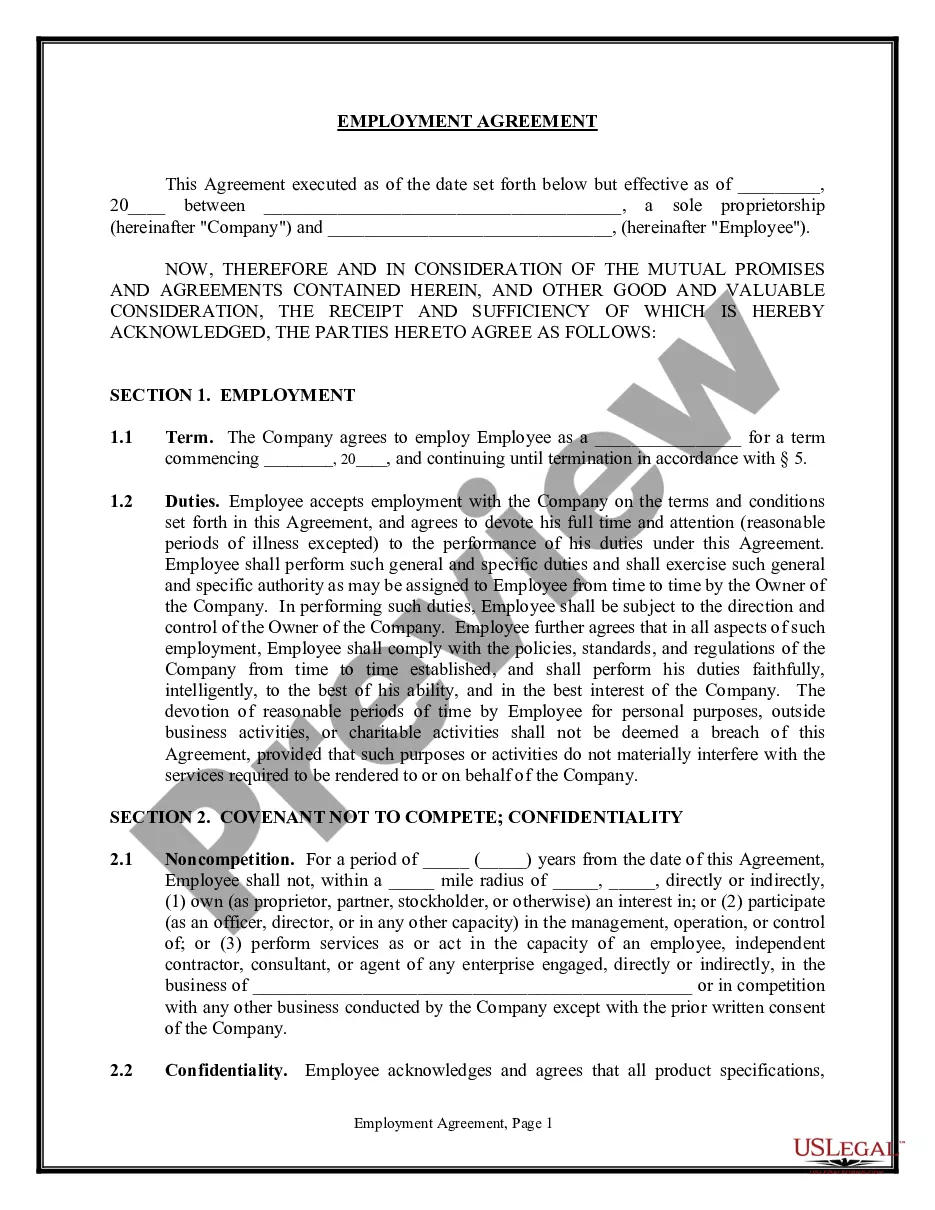
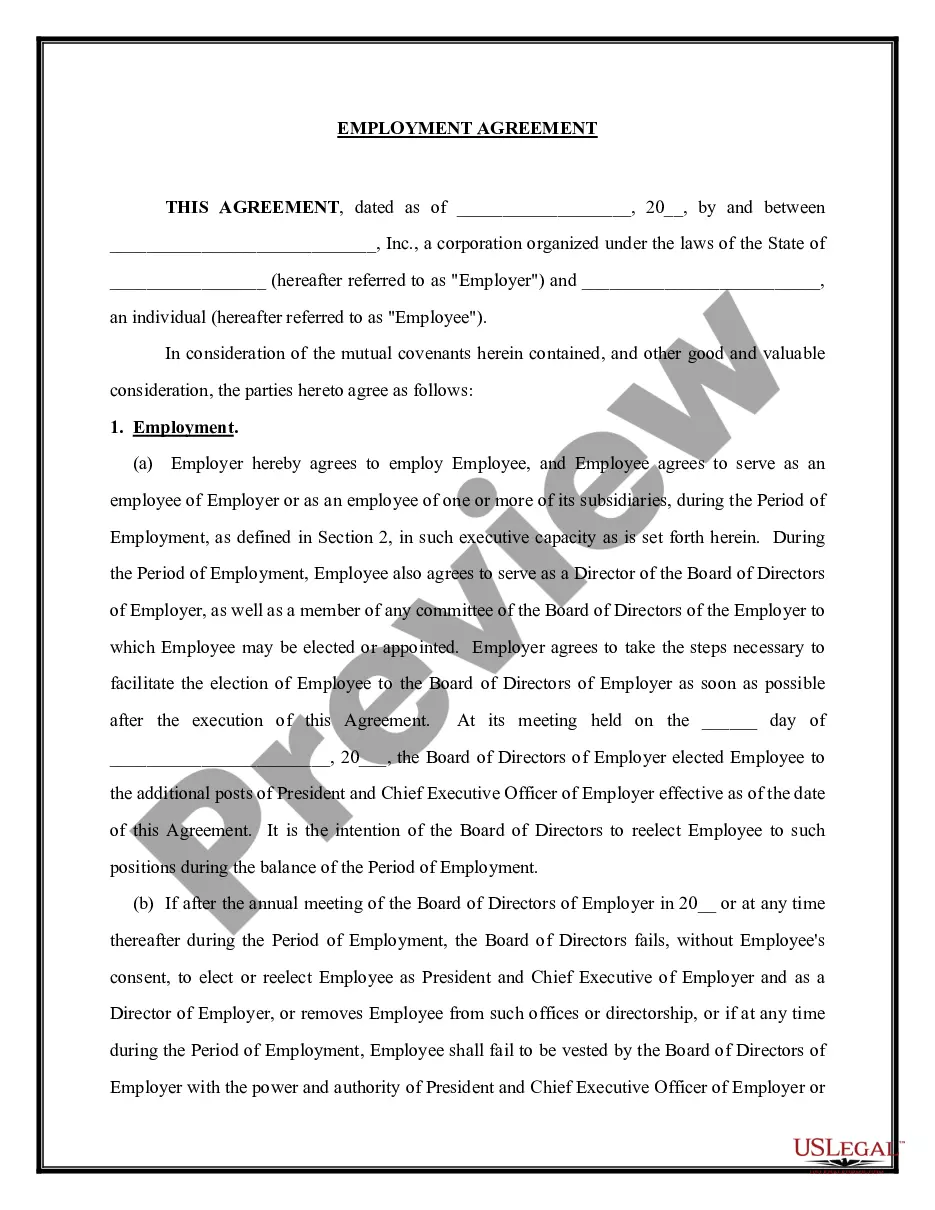
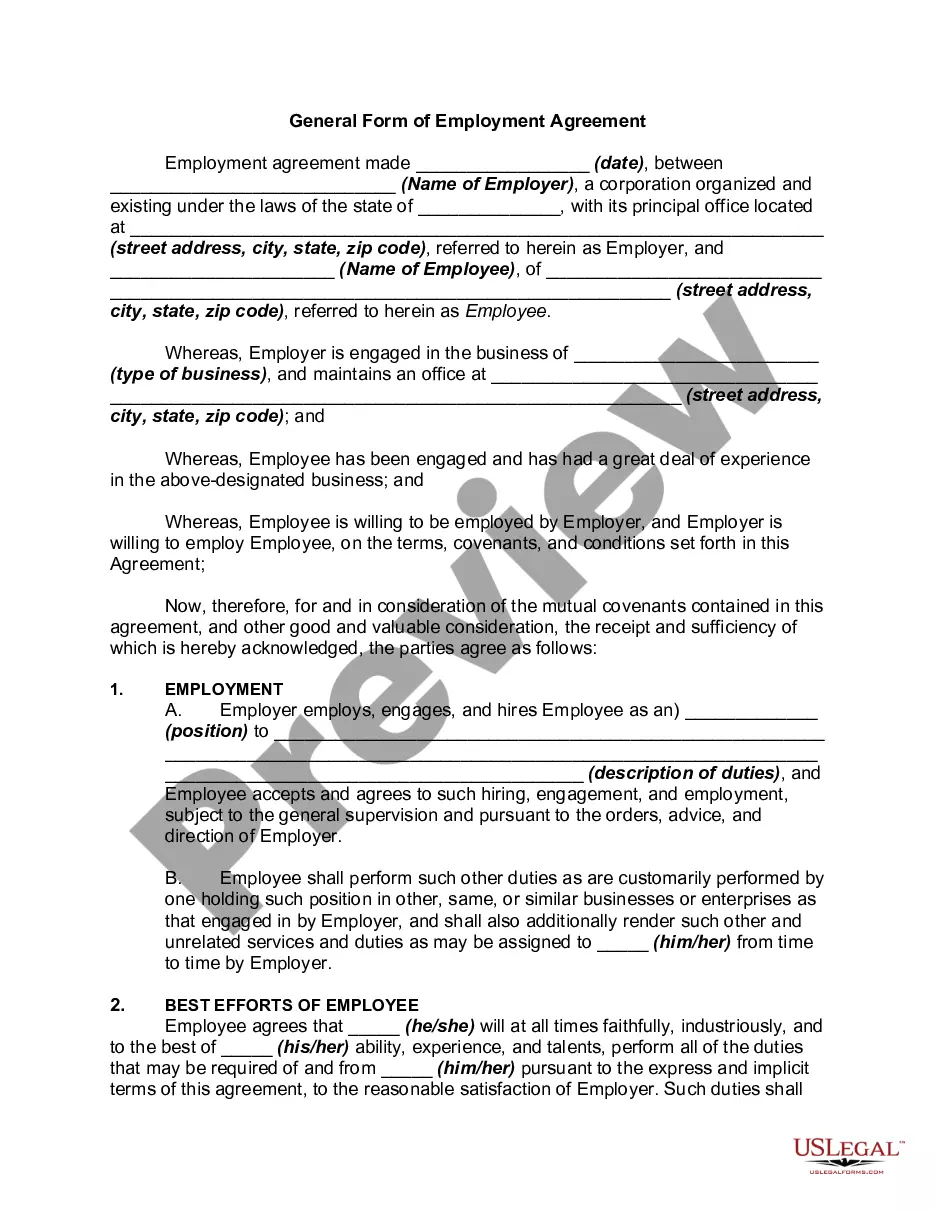
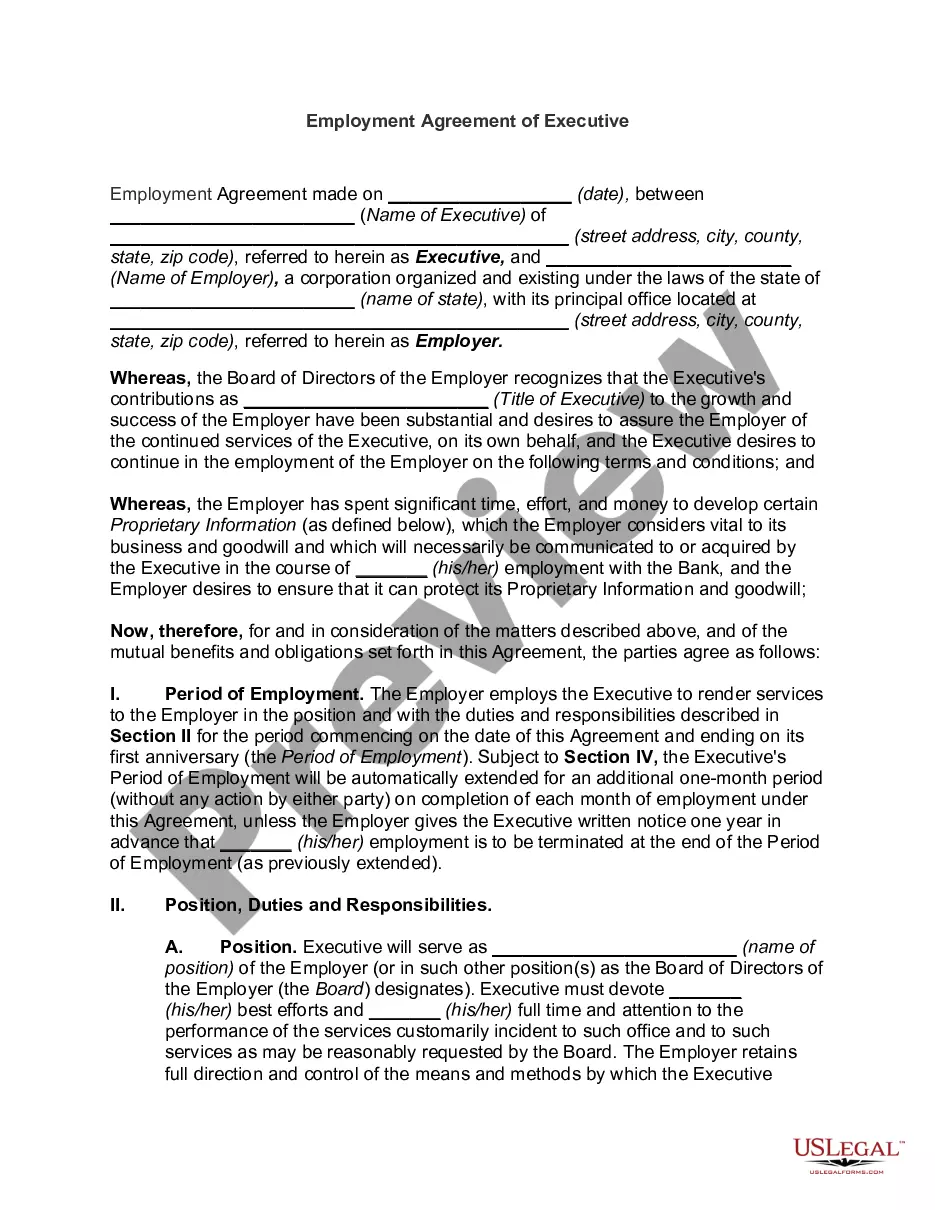
The Complex Employment Agreement is a detailed legal document that outlines the terms of employment between an employer and an employee. This form encompasses essential provisions such as duties, compensation, vacation, sick leave, overtime, stock options, and non-disclosure agreements. Unlike simpler agreements, this comprehensive document is structured to address various scenarios and obligations within the employment relationship, making it suitable for use in any U.S. state, even those with "at-will" employment laws.
What’s included in this form
- Employment terms, including position and responsibilities.
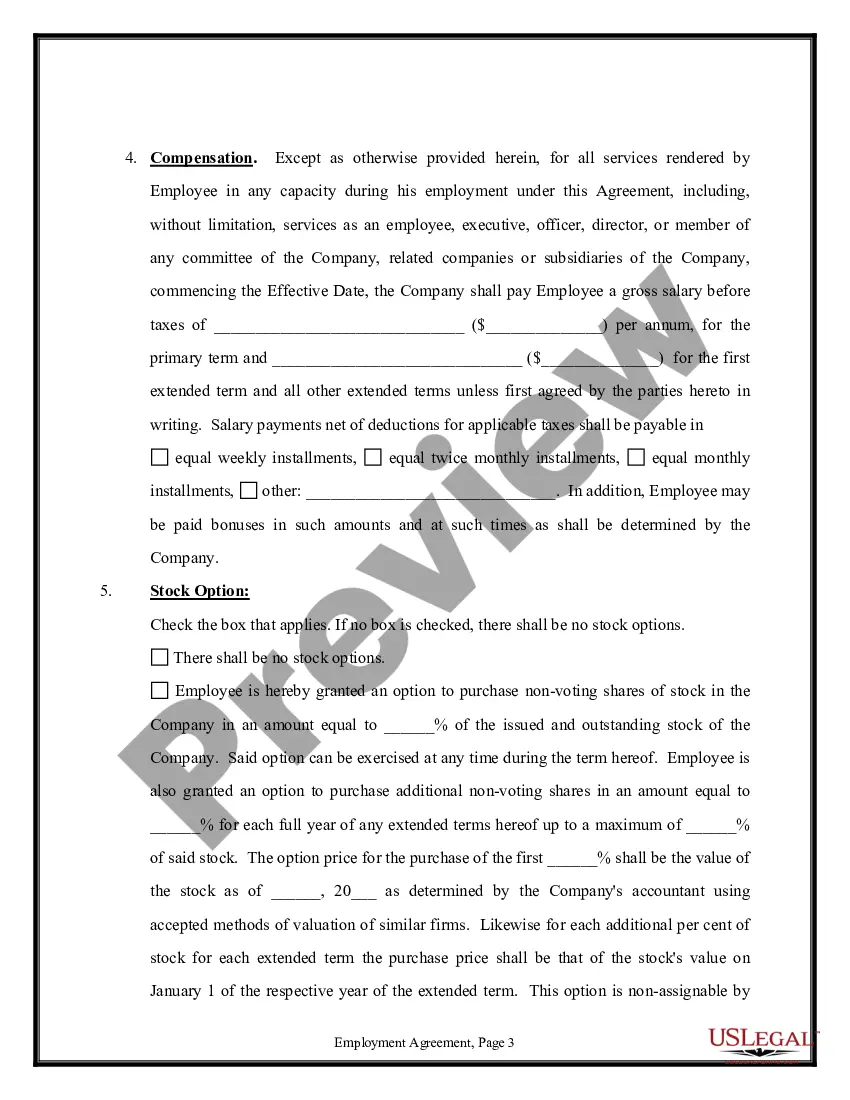
- Compensation details, including salary and bonuses.
- Vacation and sick leave policies.
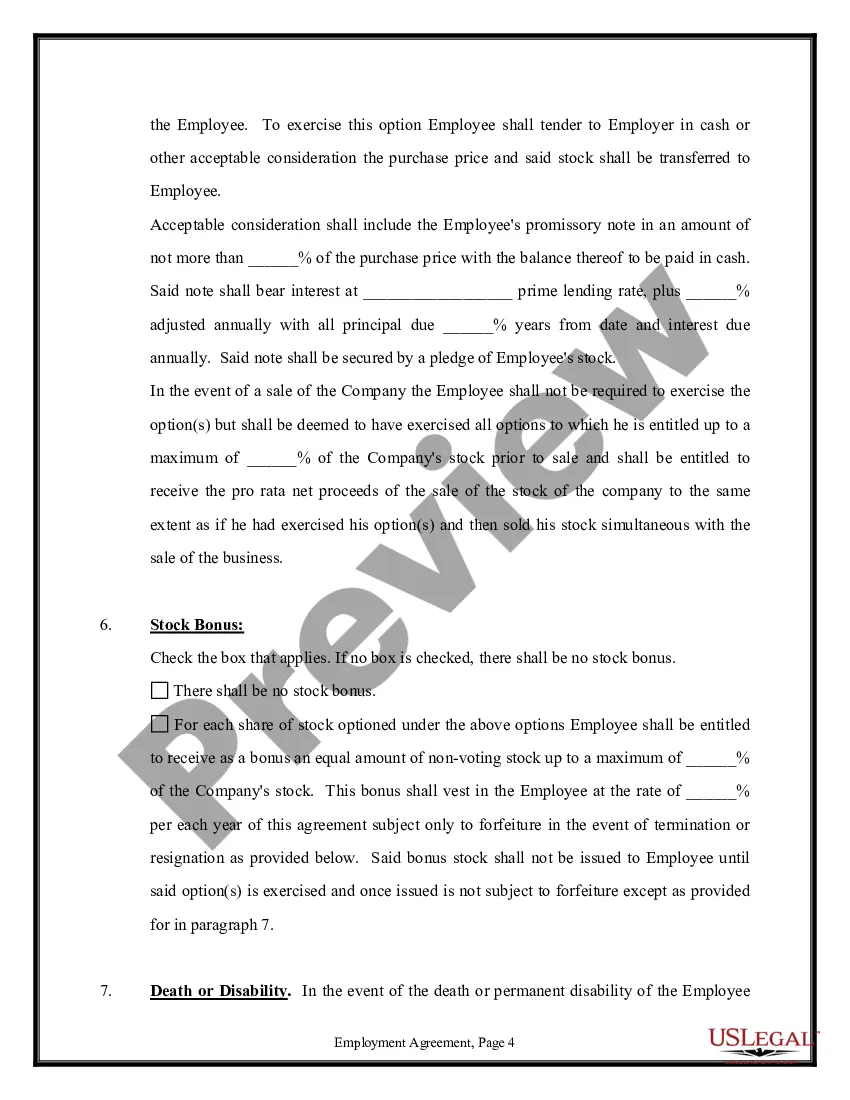
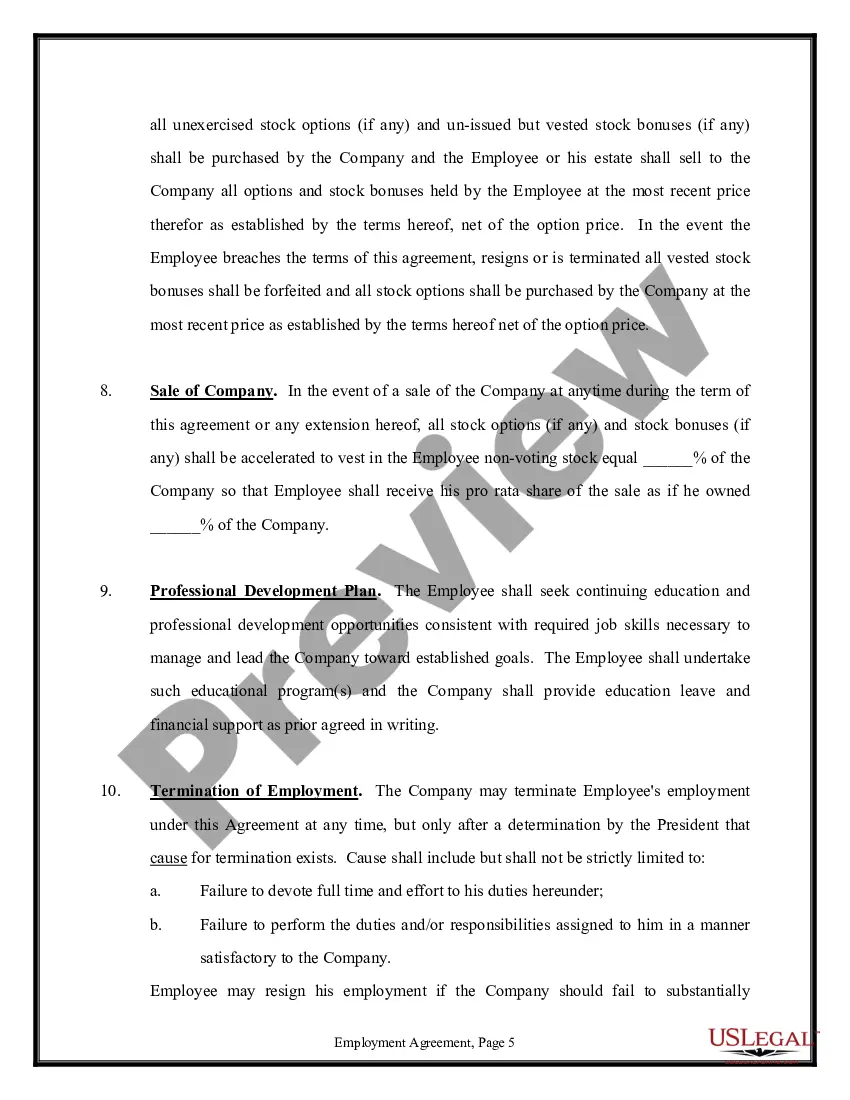
- Provisions for stock options and stock bonuses.
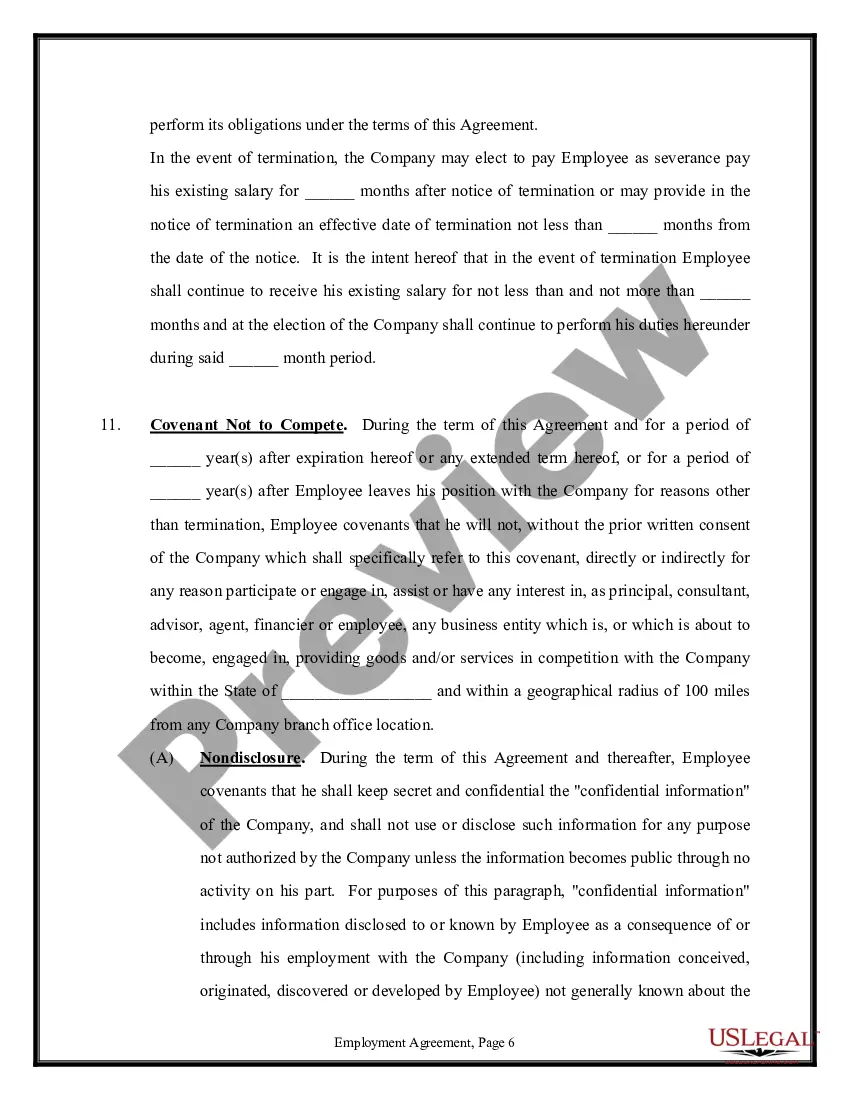
- Clauses regarding termination and severance pay.
- Covenants regarding non-compete and non-disclosure agreements.

Situations where this form applies
This Complex Employment Agreement is useful when hiring key employees for positions that require detailed terms of employment. It is particularly beneficial for management and executive roles where compensation includes salary, bonuses, and stock options. Additionally, it is utilized when there is a need to establish clear expectations around confidentiality, competition, and responsibilities to avoid potential disputes.
Who can use this document
- Employers looking to formalize the employment relationship with key personnel.
- HR managers responsible for drafting employment agreements.
- Businesses in need of comprehensive agreements for executive roles.
- Companies wanting to outline specific terms such as stock options and non-compete clauses.
How to prepare this document
- Identify the parties: Enter the legal names of the employer and employee along with their respective addresses.
- Specify the position and responsibilities: Clearly define the job title and outline the main duties expected of the employee.
- Detail the compensation package: Fill in the salary, any bonuses, and benefits such as vacation and sick leave policies.
- Complete the sections on stock options and bonuses: Indicate the type and amount of stock options being offered.
- Review termination clauses: Ensure the conditions under which employment can be terminated are clearly stated and understood by both parties.
Notarization requirements for this form
This form must be notarized to be legally valid. US Legal Forms provides secure online notarization powered by Notarize, allowing you to complete the process through a verified video call.
Get your form ready online
Our built-in tools help you complete, sign, share, and store your documents in one place.
Make edits, fill in missing information, and update formatting in US Legal Forms—just like you would in MS Word.
Download a copy, print it, send it by email, or mail it via USPS—whatever works best for your next step.
Sign and collect signatures with our SignNow integration. Send to multiple recipients, set reminders, and more. Go Premium to unlock E-Sign.
If this form requires notarization, complete it online through a secure video call—no need to meet a notary in person or wait for an appointment.
We protect your documents and personal data by following strict security and privacy standards.

Make edits, fill in missing information, and update formatting in US Legal Forms—just like you would in MS Word.

Download a copy, print it, send it by email, or mail it via USPS—whatever works best for your next step.

Sign and collect signatures with our SignNow integration. Send to multiple recipients, set reminders, and more. Go Premium to unlock E-Sign.

If this form requires notarization, complete it online through a secure video call—no need to meet a notary in person or wait for an appointment.

We protect your documents and personal data by following strict security and privacy standards.
Typical mistakes to avoid
- Failing to clearly define job responsibilities and expectations.
- Leaving out critical compensation details, such as bonus structure or stock options.
- Overlooking the non-disclosure or non-compete clauses, which can lead to legal disputes.
- Not updating the agreement for changes in position or responsibilities.
Advantages of online completion
- Convenient access to legal templates that can be customized for specific needs.
- Immediate availability of the document for download and use without waiting for legal consultations.
- Editable format that allows for easy modification as terms change over time.
- Prepared by licensed attorneys, ensuring the form is legally sound and compliant with current laws.
Looking for another form?

Form popularity
FAQ
There are three types of employment status: employee, worker and self-employed. The three are often not in practice used correctly and the difference is not always known.
Right to a safe workplace free of dangerous conditions, toxic substances, and other potential safety hazards; Right to be free from retaliation for filing a claim or complaint against an employer (these are sometimes called "whistleblower" rights); and. Right to fair wages for work performed.
A typical breach in employment contract cases occurs when an employer fails to pay the employee at the time or in the amount that is stated in the contract. This type of breach not only allows the employee out of the contract, but may also give the employee cause to sue the employer for damages.
Fixed price contracts. With a fixed price contract the buyer (that's you) doesn't take on much risk. Cost-reimbursable contracts. With a cost-reimbursable contract you pay the vendor for the actual cost of the work. Time and materials contracts.
Contract Types Overview. Express and Implied Contracts. Unilateral and Bilateral Contracts. Unconscionable Contracts. Adhesion Contracts. Aleatory Contracts. Option Contracts. Fixed Price Contracts.
In California, Employment contracts are legally binding agreements that create the employer-employee relationship. An employment contract can either be created by writing, verbal agreement, or because of implied circumstances.
An agreement written into the contract allows either party to terminate the contract after giving written notice.This breach of contract allows you to terminate the employment contract, and seek restitution in court. Break your employment contract legally if unauthorized changes are made to the original contract.
Job information. Compensation and benefits. Time off, sick days, and vacation policy. Employee classification. The schedule and employment period. Confidentiality agreement. A technology privacy policy. Termination terms and conditions.
Types of Employment Contracts: Permanent employment, temporary employment and independent contractors.