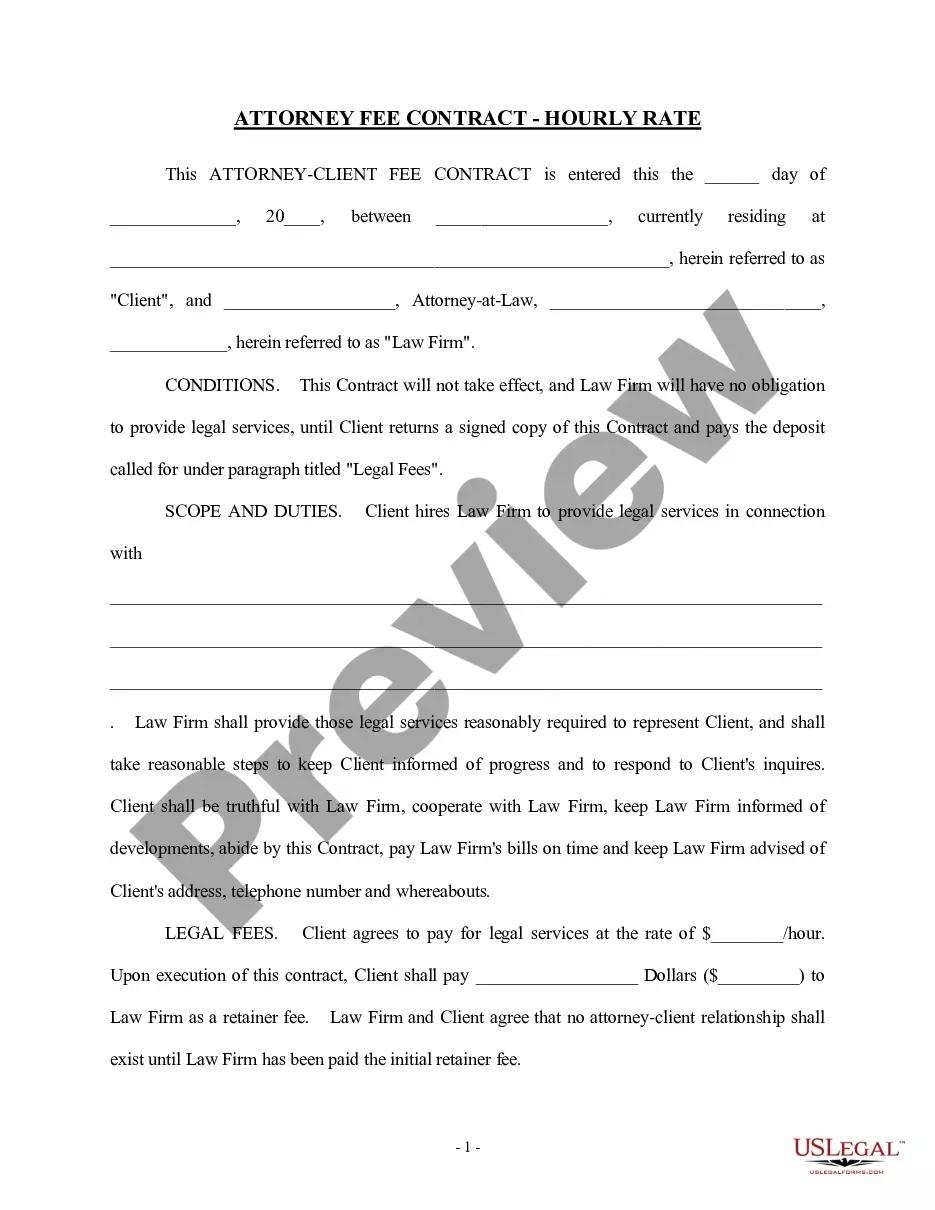
Employment Agreement - Long Version - Contract
What this document covers
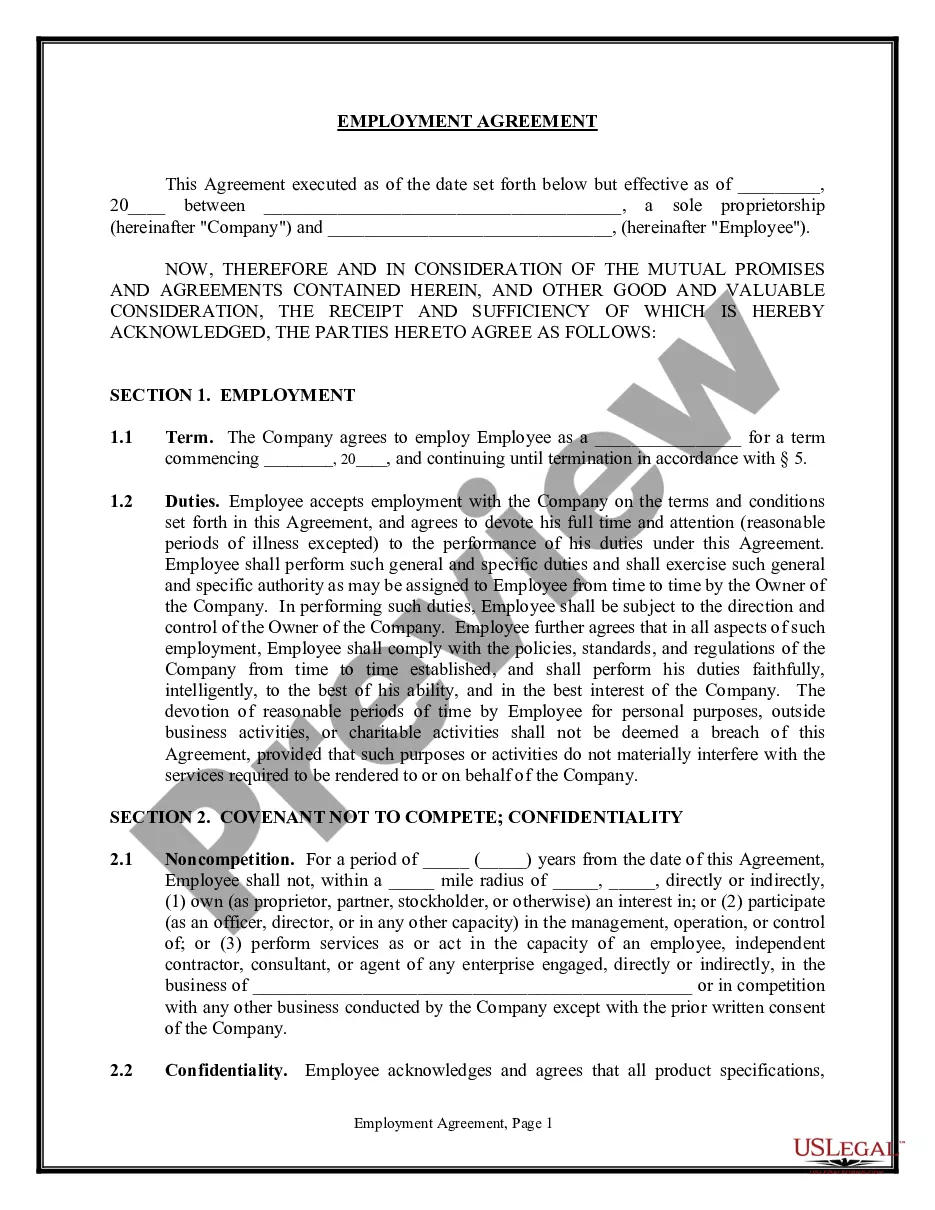
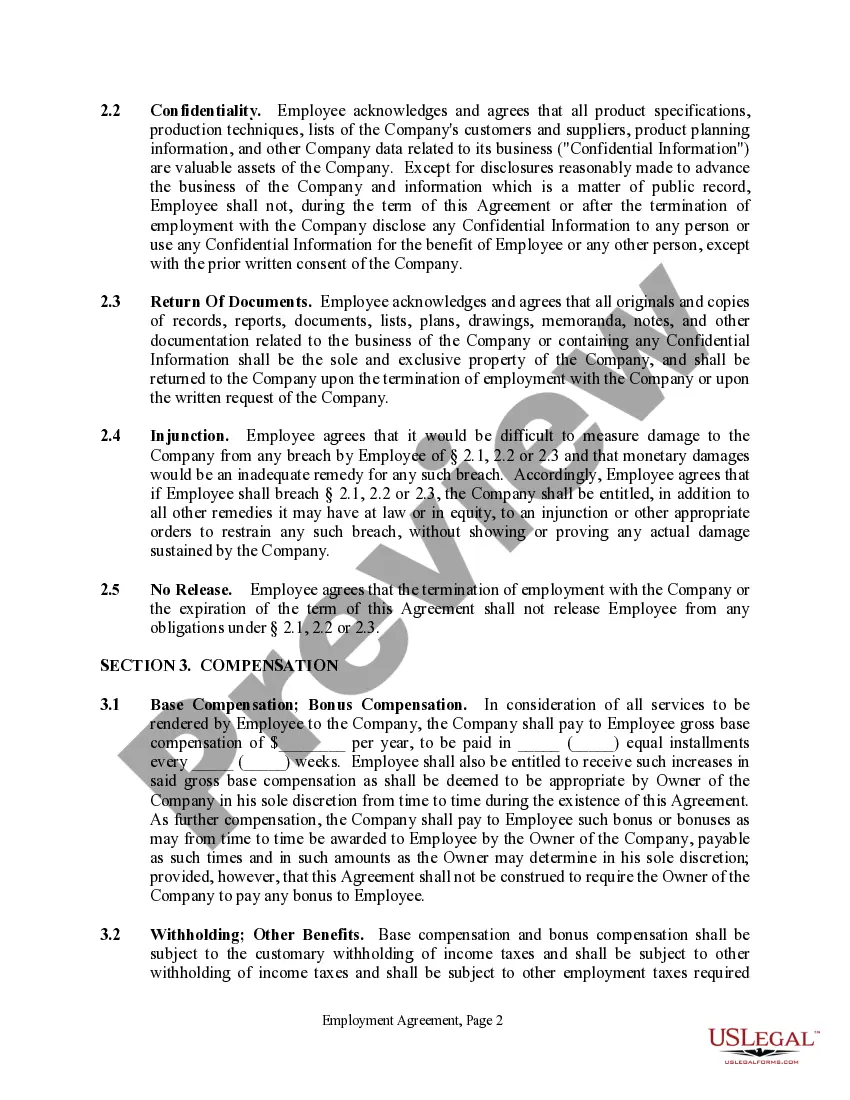
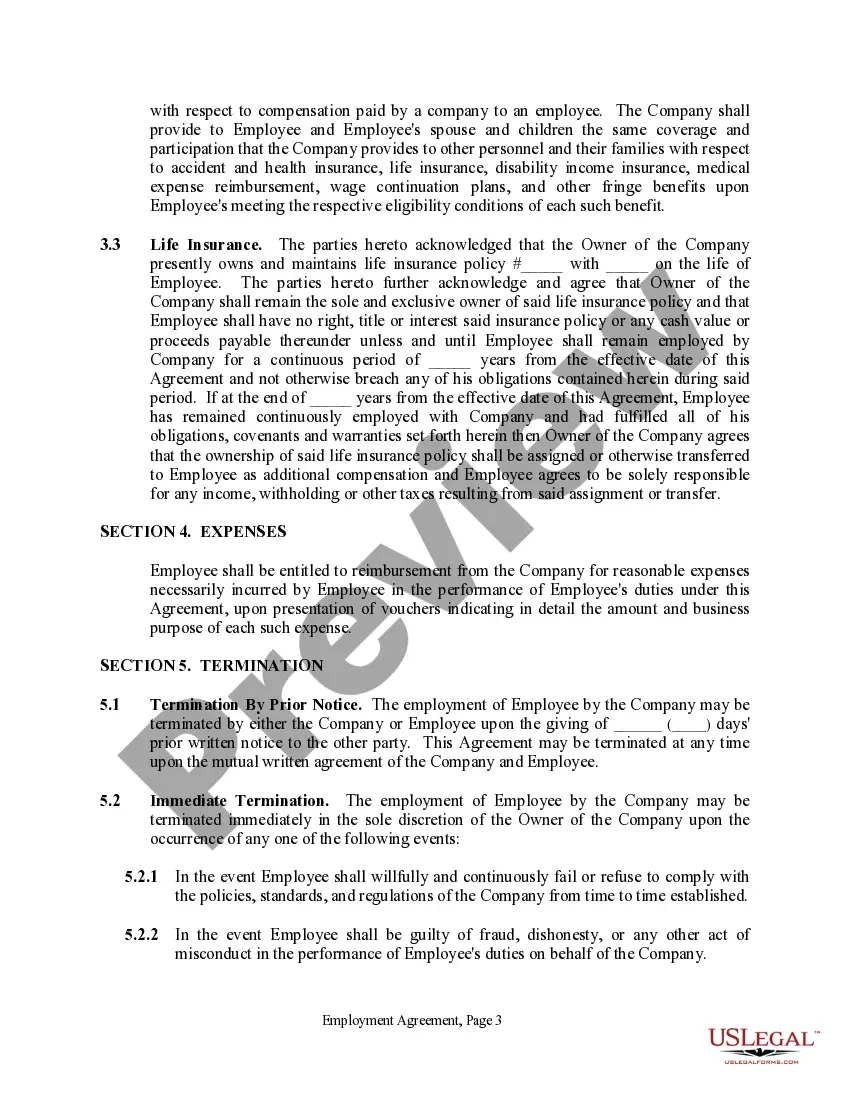
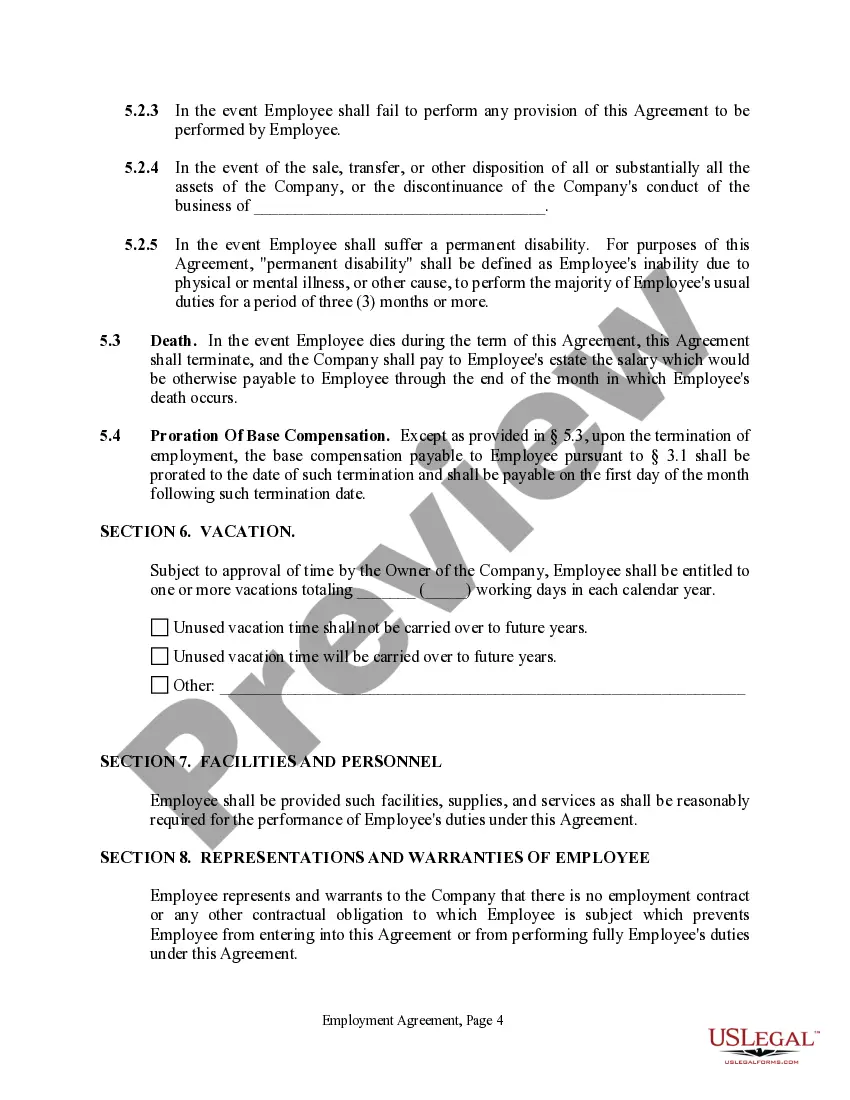
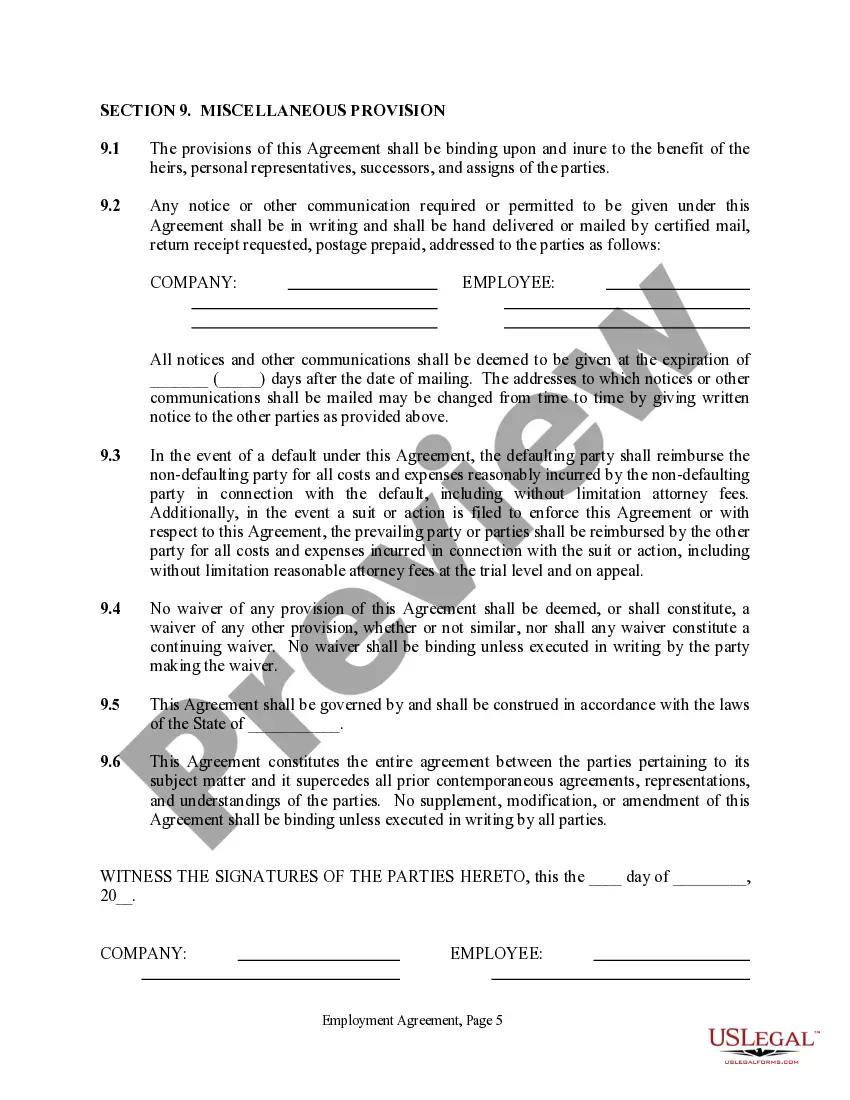
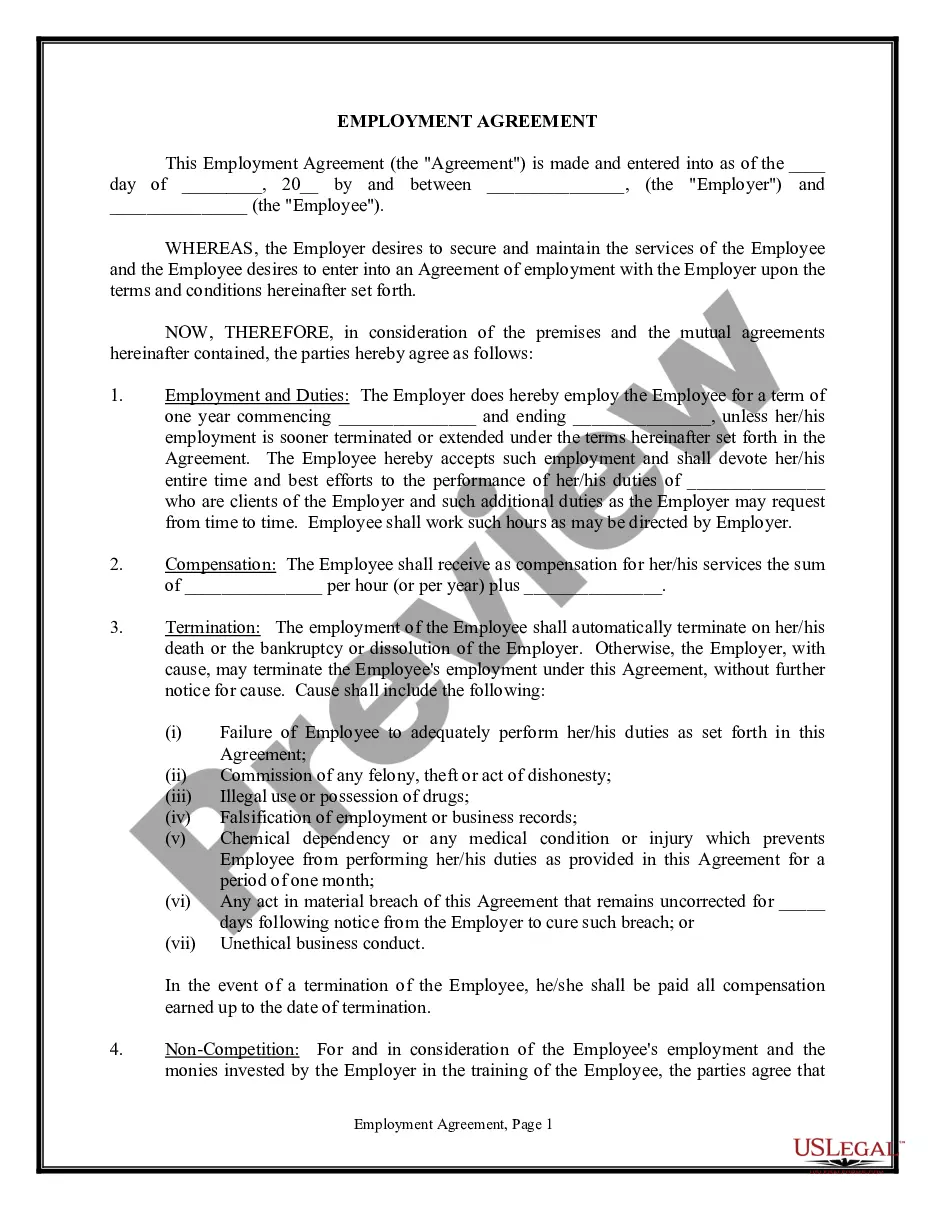
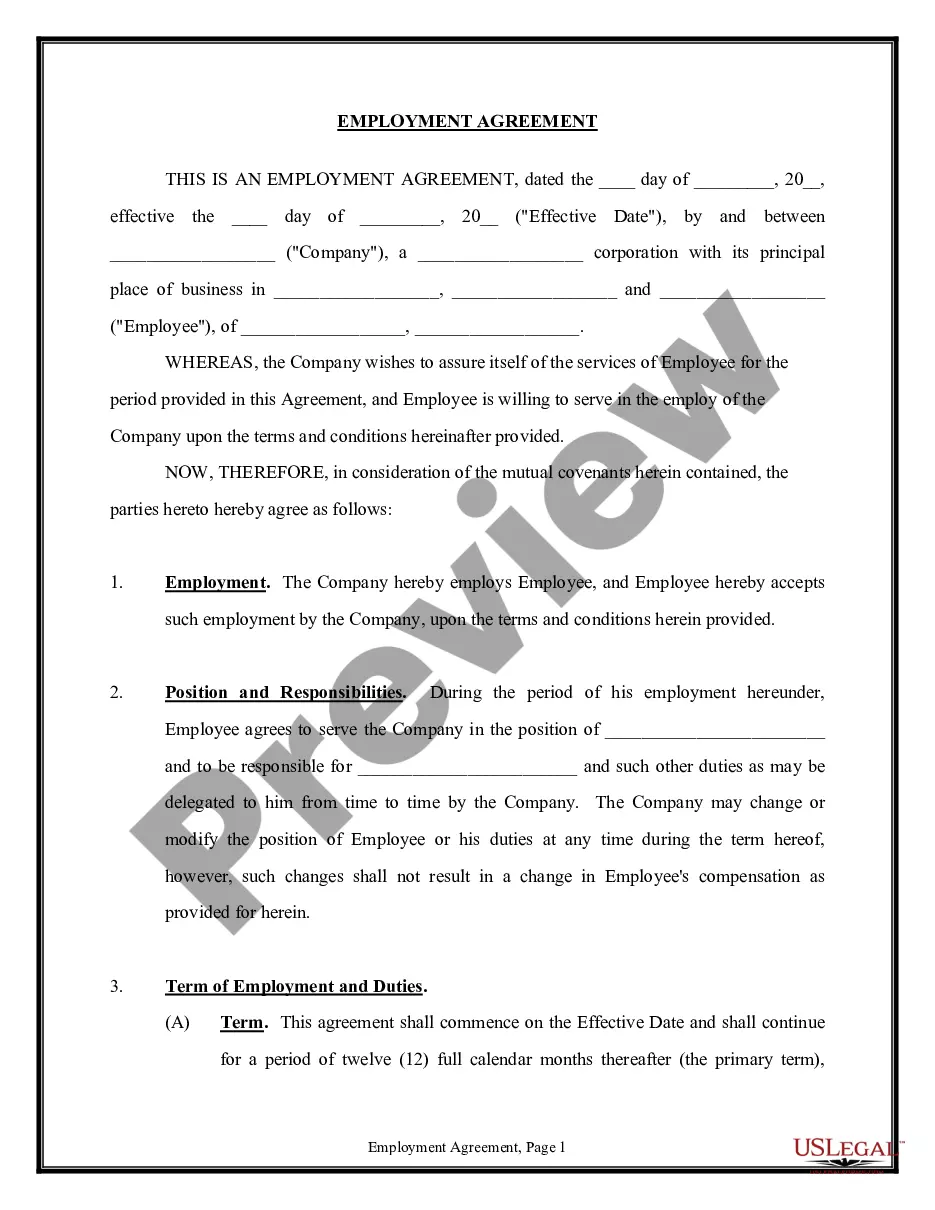
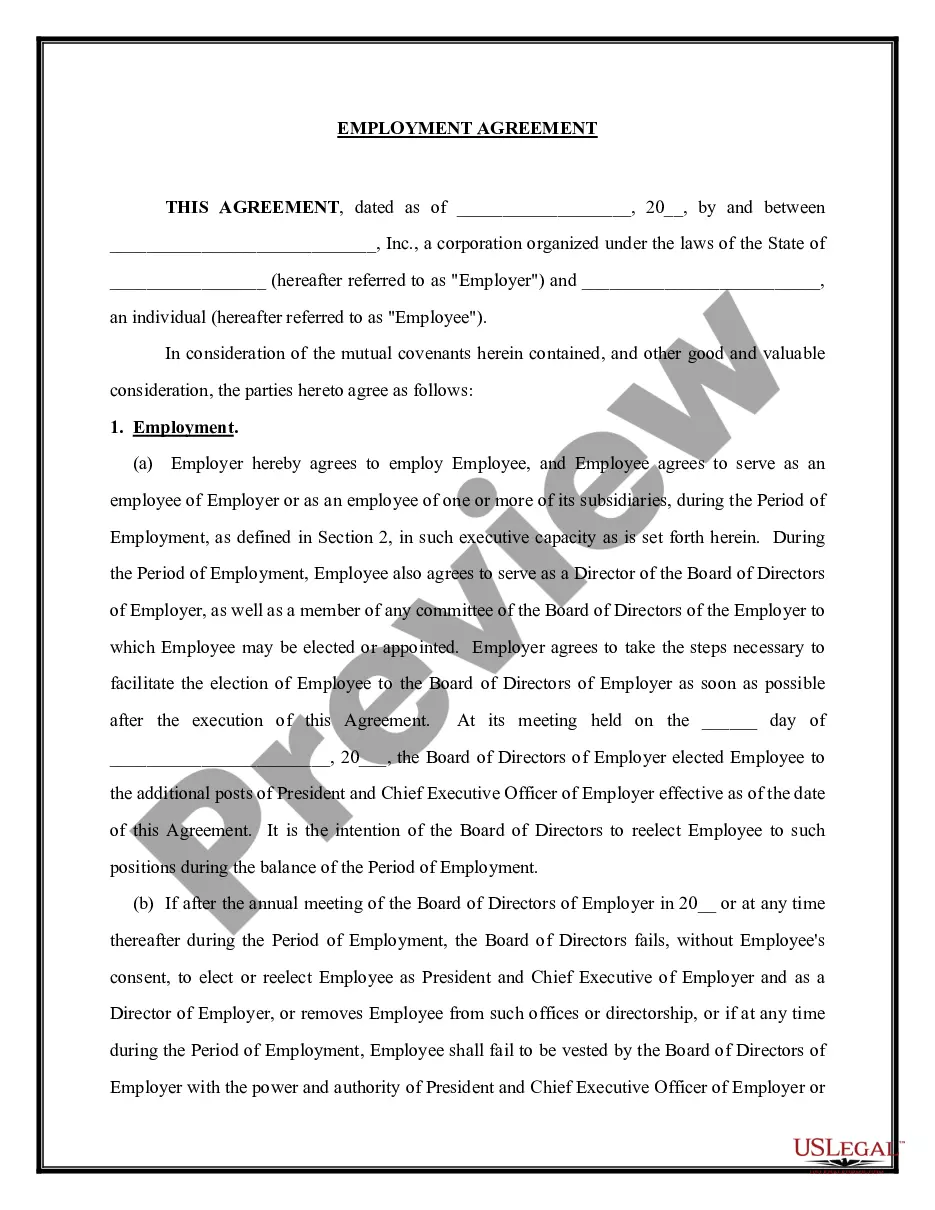
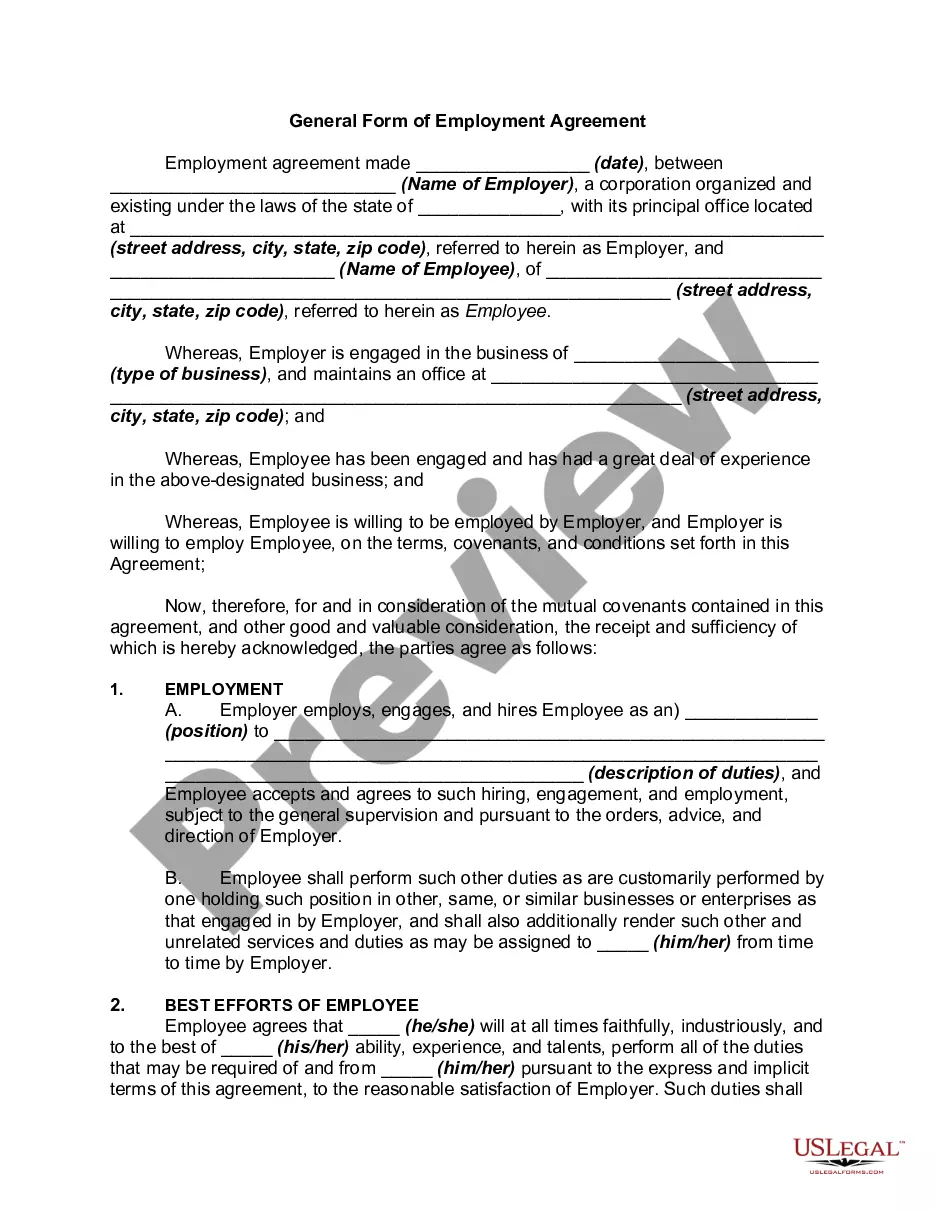
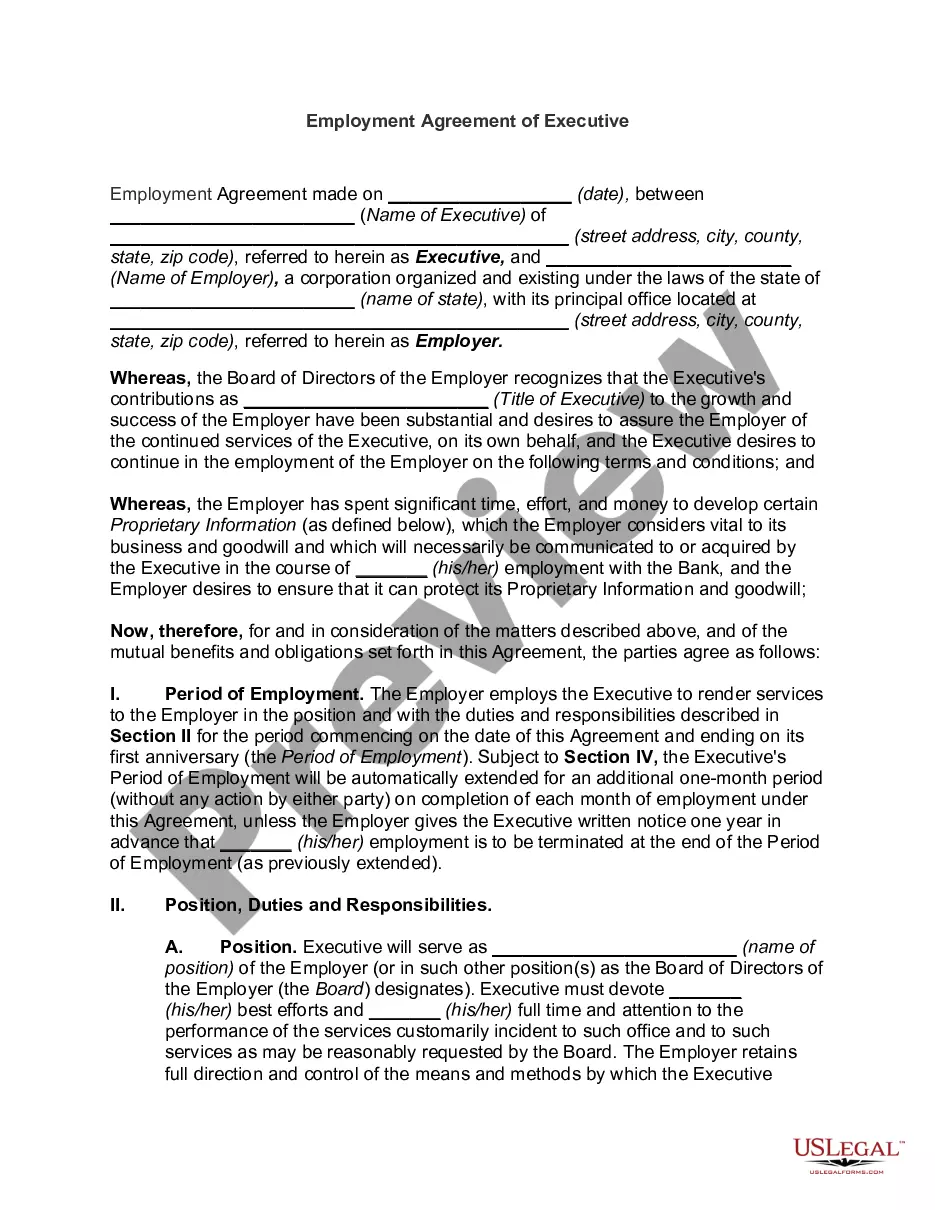
The Employment Agreement - Long Version is a legally binding contract between an employer and an employee. This document outlines the terms of employment, including job responsibilities, duration of employment, and compensation. It also details important clauses regarding confidentiality and non-competition, making it distinct from shorter agreements that may not include these provisions. This form ensures clarity in the employer-employee relationship and helps protect both parties' interests.
Form components explained
- Term of Employment: Specifies the duration of the employment agreement.
- Duties and Responsibilities: Details the employee's specific job obligations and expectations.
- Non-Competition Clause: Restricts the employee from competing with the company for a certain period and within a specified area.
- Confidentiality Agreement: Protects the company's sensitive information and prevents disclosure by the employee.
- Compensation Details: Outlines the salary structure and potential bonuses.
- Termination Conditions: Lists the scenarios under which the employee's contract may be terminated.
Situations where this form applies
This Employment Agreement should be used when a company hires an employee for a defined period. It is particularly important in industries where protecting trade secrets and business interests is vital. This form is also appropriate when the employer wants to establish clear expectations regarding performance and confidentiality to minimize disputes in the future.
Intended users of this form
This form is intended for:
- Businesses looking to formalize employee relationships.
- Employers who want to safeguard their companyâs confidential information.
- Employees receiving a specific term of employment that requires clear job definitions and compensation terms.
Instructions for completing this form
- Identify the parties involved: the company and the employee.
- Specify the start date and any pertinent terms regarding the employment.
- Detail the job title and responsibilities of the employee.
- Fill in compensation details, including salary and bonus structures.
- Include any non-competition and confidentiality terms specific to the role.
- Ensure both parties sign and date the agreement to validate it.
Does this document require notarization?
This form does not typically require notarization unless specified by local law. It is advisable to check with legal counsel regarding any jurisdiction-specific requirements for notarization.
Get your form ready online
Our built-in tools help you complete, sign, share, and store your documents in one place.
Make edits, fill in missing information, and update formatting in US Legal Forms—just like you would in MS Word.
Download a copy, print it, send it by email, or mail it via USPS—whatever works best for your next step.
Sign and collect signatures with our SignNow integration. Send to multiple recipients, set reminders, and more. Go Premium to unlock E-Sign.
If this form requires notarization, complete it online through a secure video call—no need to meet a notary in person or wait for an appointment.
We protect your documents and personal data by following strict security and privacy standards.

Make edits, fill in missing information, and update formatting in US Legal Forms—just like you would in MS Word.

Download a copy, print it, send it by email, or mail it via USPS—whatever works best for your next step.

Sign and collect signatures with our SignNow integration. Send to multiple recipients, set reminders, and more. Go Premium to unlock E-Sign.

If this form requires notarization, complete it online through a secure video call—no need to meet a notary in person or wait for an appointment.

We protect your documents and personal data by following strict security and privacy standards.
Common mistakes
- Failing to clearly define job responsibilities and expectations.
- Omitting the duration of employment.
- Not including a clause for addressing confidential information.
- Neglecting to specify compensation structures and benefits clearly.
- Forgetting to have both parties sign the agreement.
Why complete this form online
- Convenience of easy access and instant download.
- Editability allows customization to fit specific job roles.
- Crafted by licensed attorneys, ensuring legal compliance and reliability.
- Guidance provided throughout the completion process minimizes errors.
Legal use & context
- The Employment Agreement is legally binding and should be used to protect both employer and employee rights.
- It may serve as evidence in disputes regarding employment terms or contractual obligations.
Summary of main points
- This form provides comprehensive guidelines for establishing a formal employment relationship.
- Clear definitions in the agreement help prevent confusion and legal issues in the future.
- Proper completion ensures that both parties understand their rights and obligations.
Looking for another form?

Form popularity
FAQ
Types of Employment Contracts: Permanent employment, temporary employment and independent contractors.
All employment agreements are legally binding on the employer and, therefore, employers are best served by having them drafted and reviewed by an experienced employment law attorney. Contract law is a particularly complex discipline that relies largely on common law, which is law as developed by judges and court cases.
Title the employment contract. Identify the parties. List the term and conditions. Outline the job responsibilities. Include compensation details. Use specific contract terms. Consult with an employment lawyer. Employment.
Written Employment Contracts The term can be for whatever time period is agreeable between you and your employer; however, if the term is to be more than one year, the employment contract will not be valid unless it is in writing.
The terms employment contract and at-will employment agreement are often used interchangeably; however, they are not the same legal document.Some employers require employees to sign a written agreement stating that they are employed at-will.
The terms agreement and contract are used interchangeably, but legally speaking, they are two different things. An agreement is simply an understanding or arrangement between two or more parties. A contract is a specific agreement with terms and conditions that are enforceable court.
There are three types of employment status: employee, worker and self-employed. The three are often not in practice used correctly and the difference is not always known.
Employers and employees may want a written employment agreement to govern employment. Employment agreements cover matters such as wages, bonuses, and hours of work. Employment agreements are contracts. Courts enforce employment contracts if they are breached.
Fixed price contracts. With a fixed price contract the buyer (that's you) doesn't take on much risk. Cost-reimbursable contracts. With a cost-reimbursable contract you pay the vendor for the actual cost of the work. Time and materials contracts.