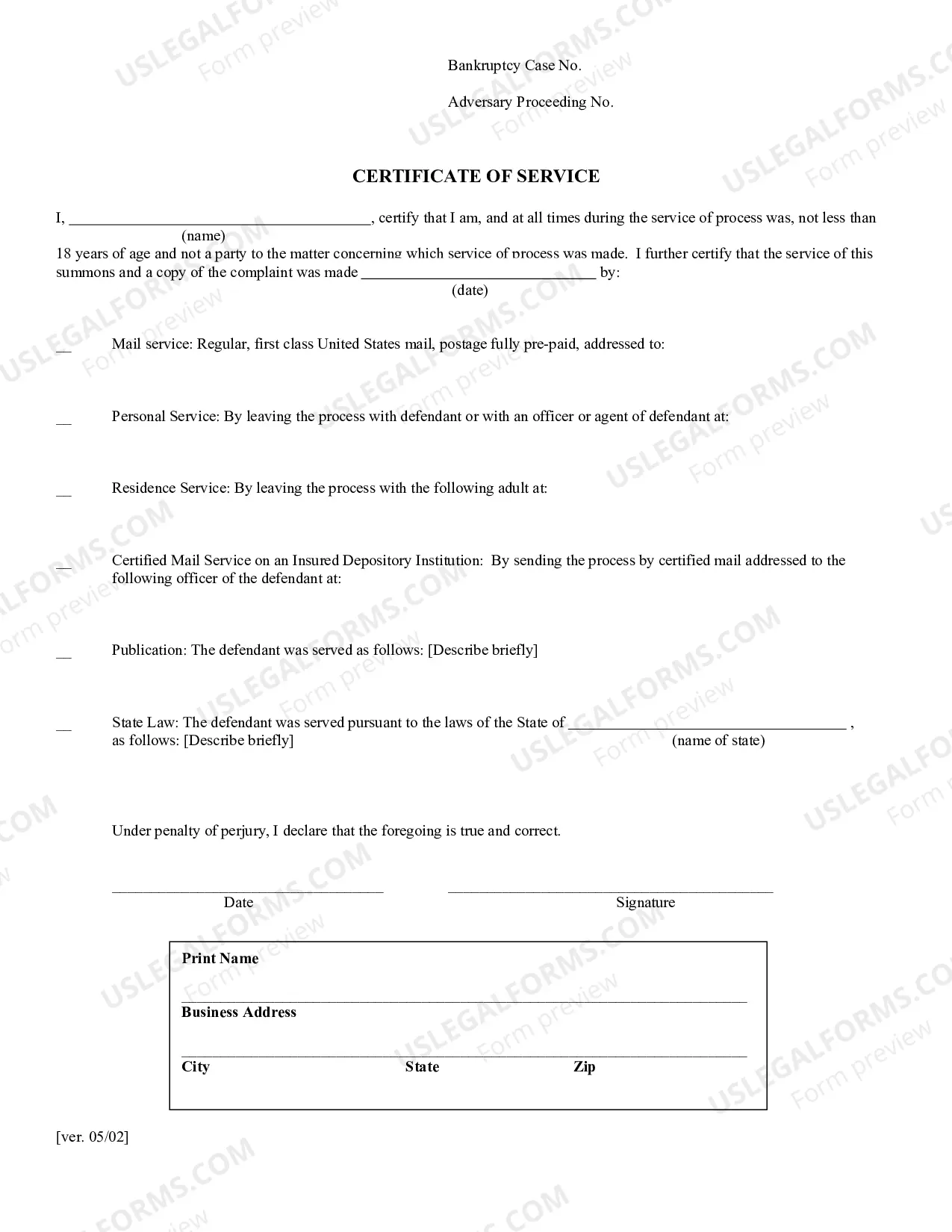
Agreement with Plumbing Contractor for Installation and Construction in a Commercial Building
What this document covers
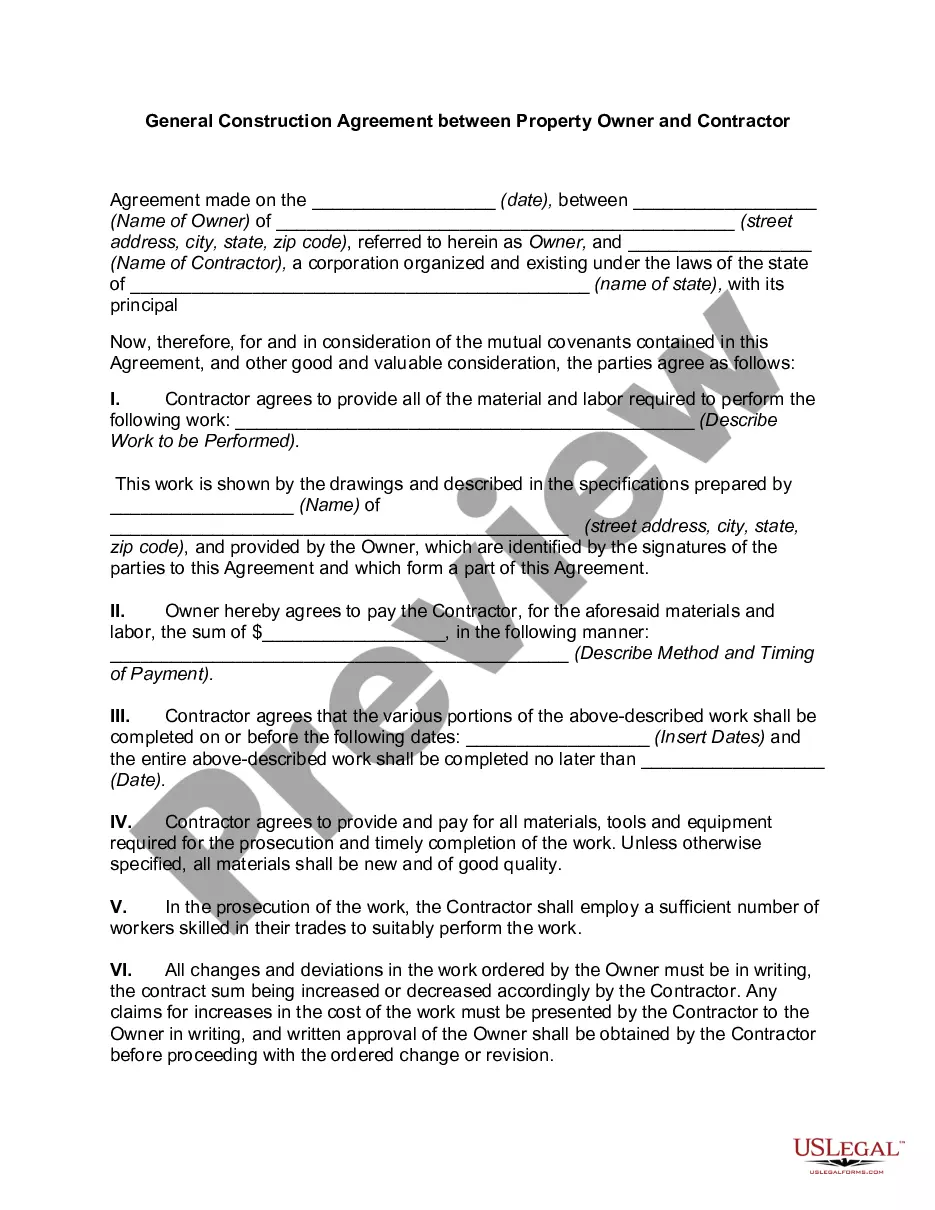
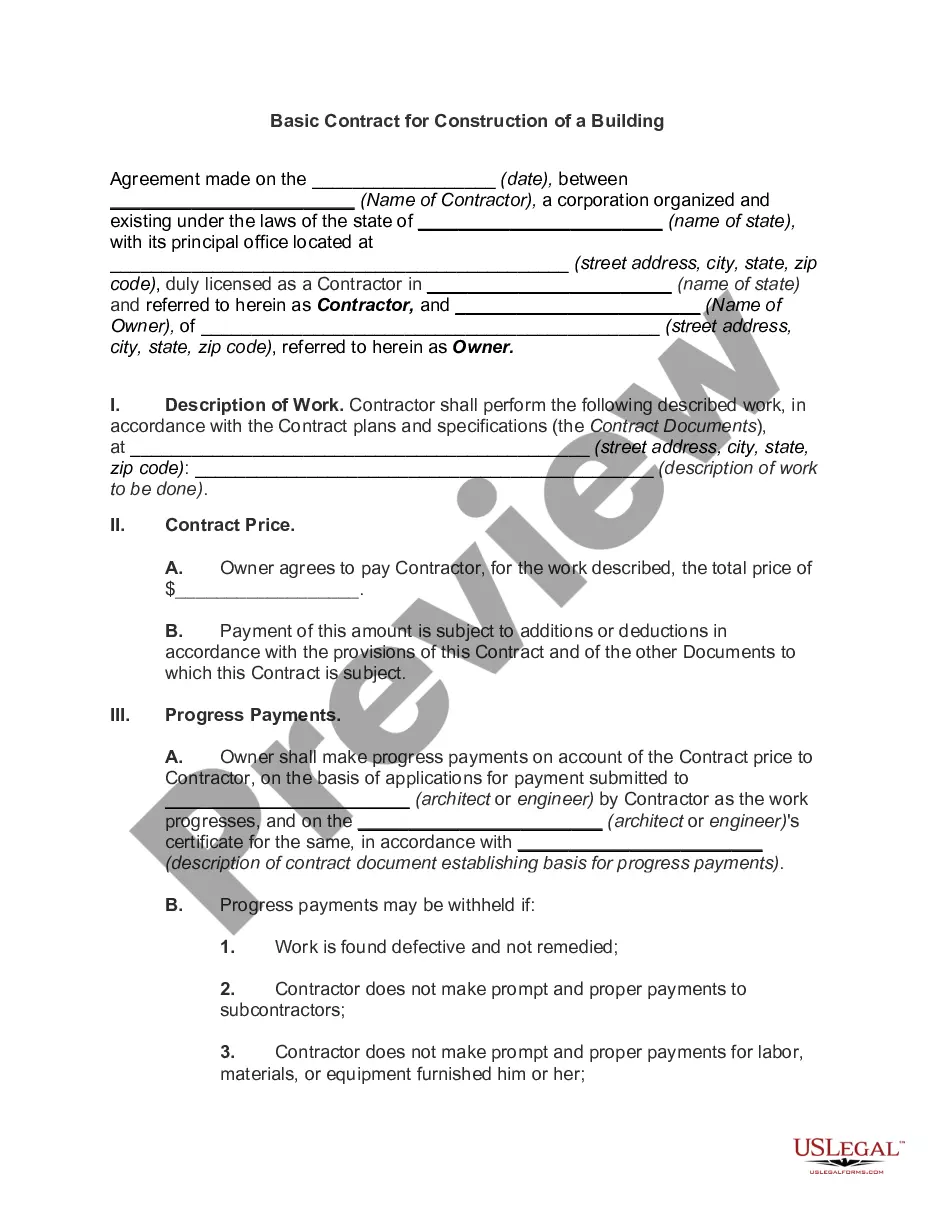
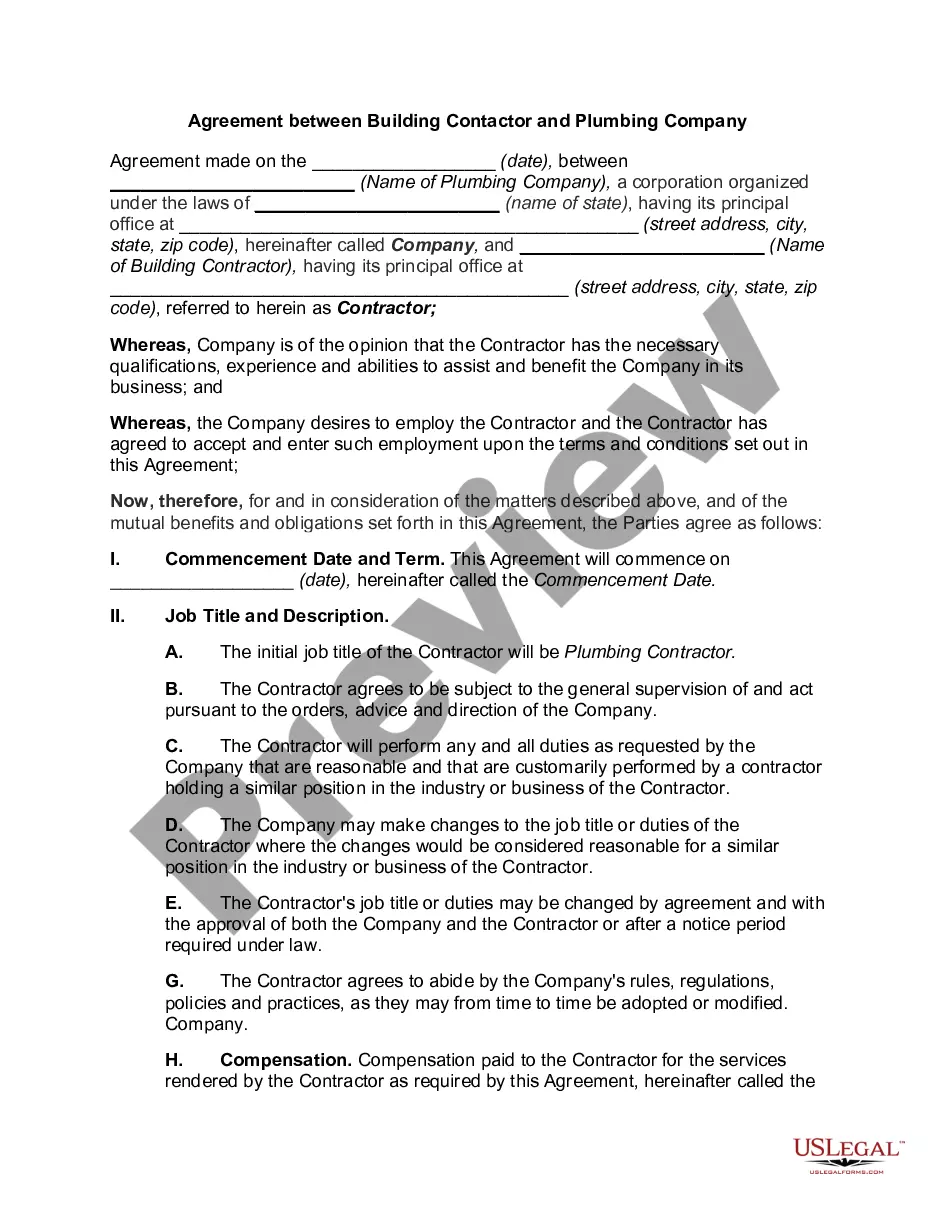
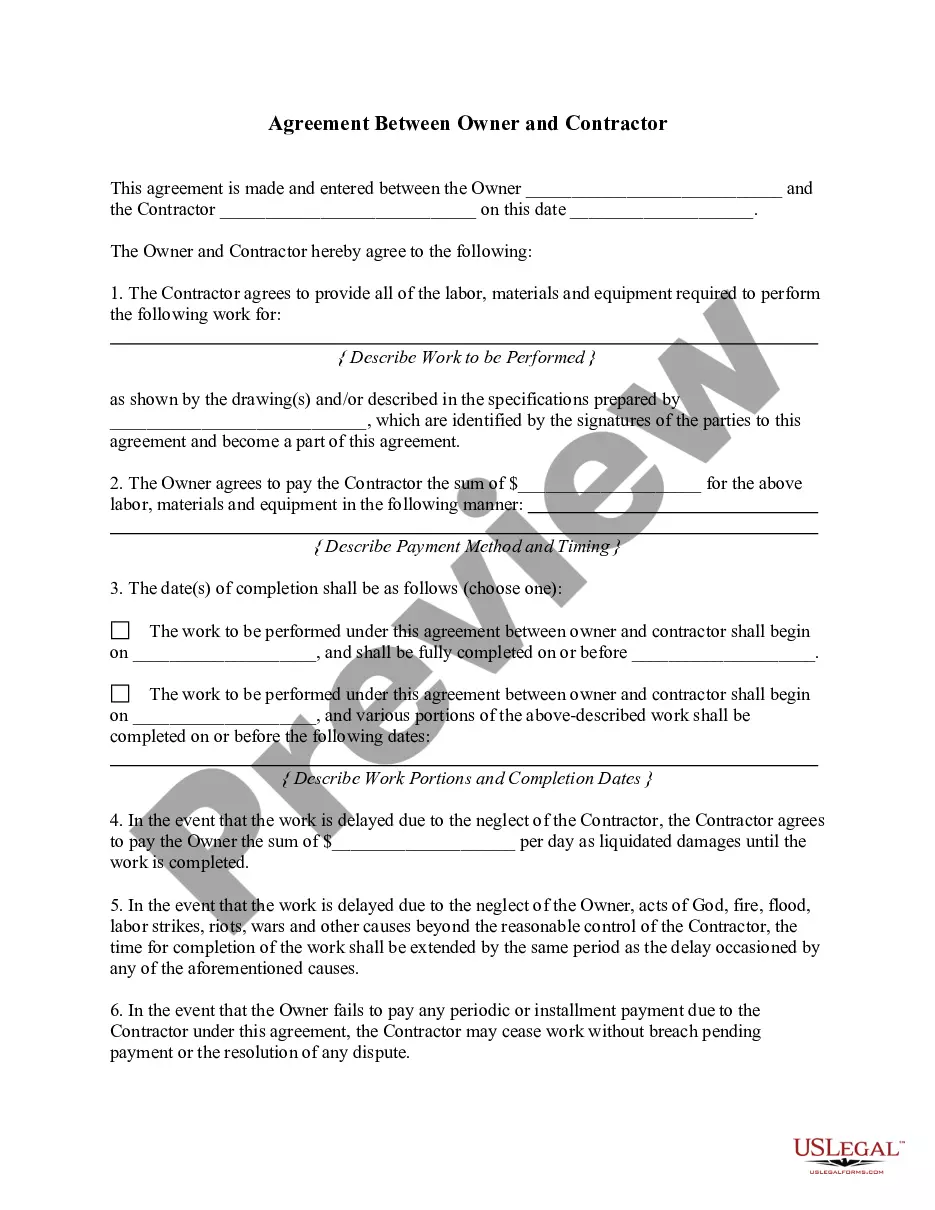
This Agreement with Plumbing Contractor for Installation and Construction in a Commercial Building is a legal document that outlines the terms and conditions between the owner of a commercial building and a plumbing contractor. This agreement is essential for ensuring that both parties understand their rights and obligations regarding the plumbing work to be performed, distinguishing it from other general contracts by focusing specifically on plumbing installations in commercial properties.
What’s included in this form
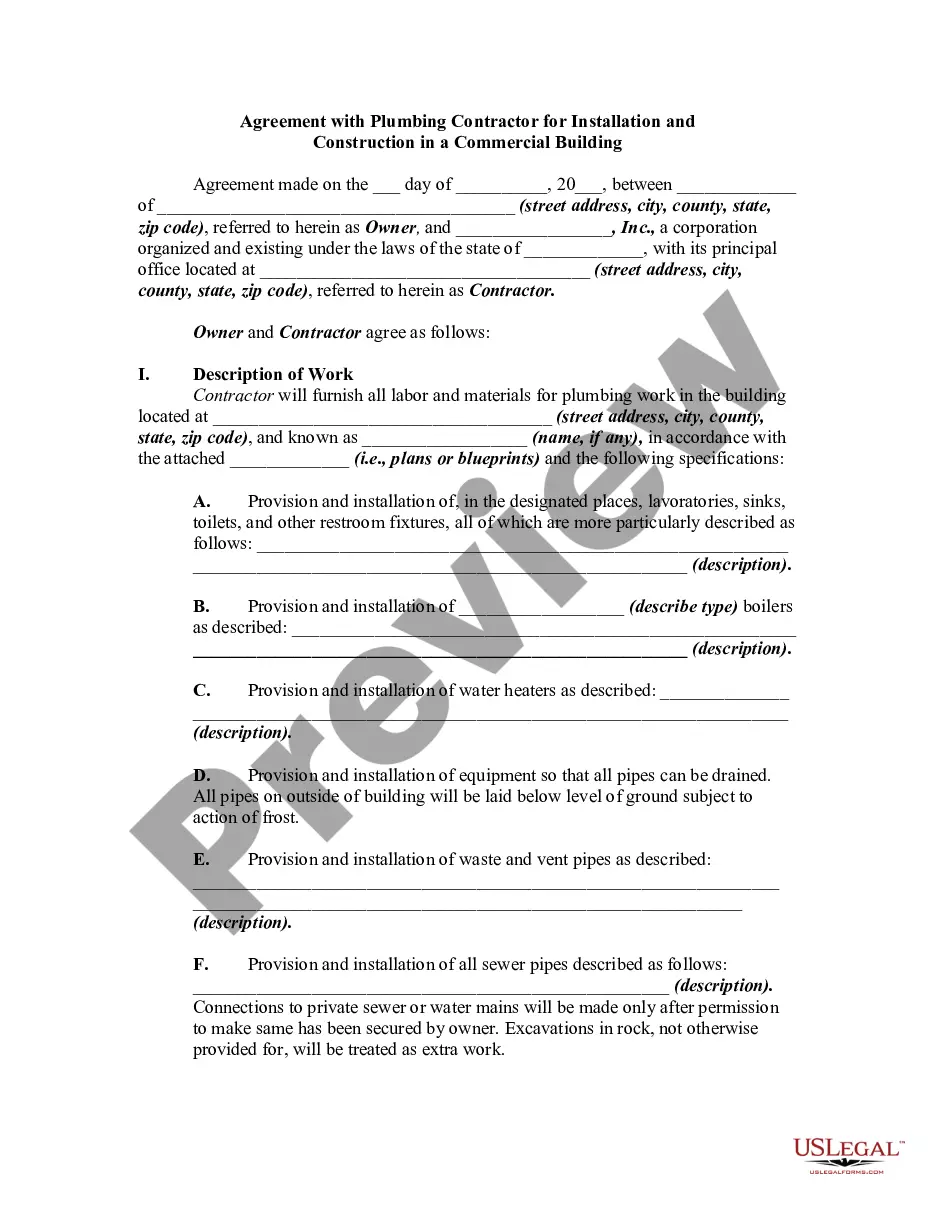
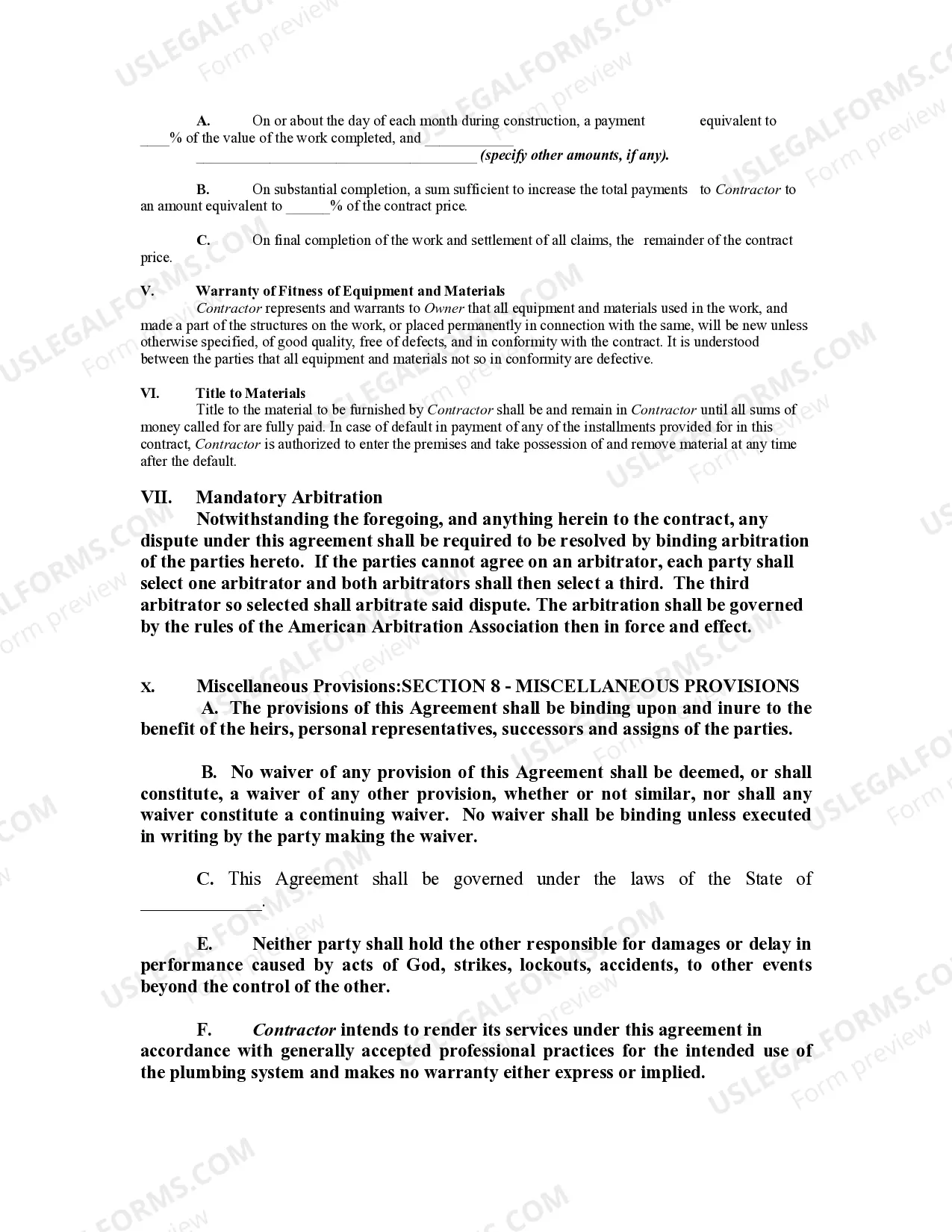
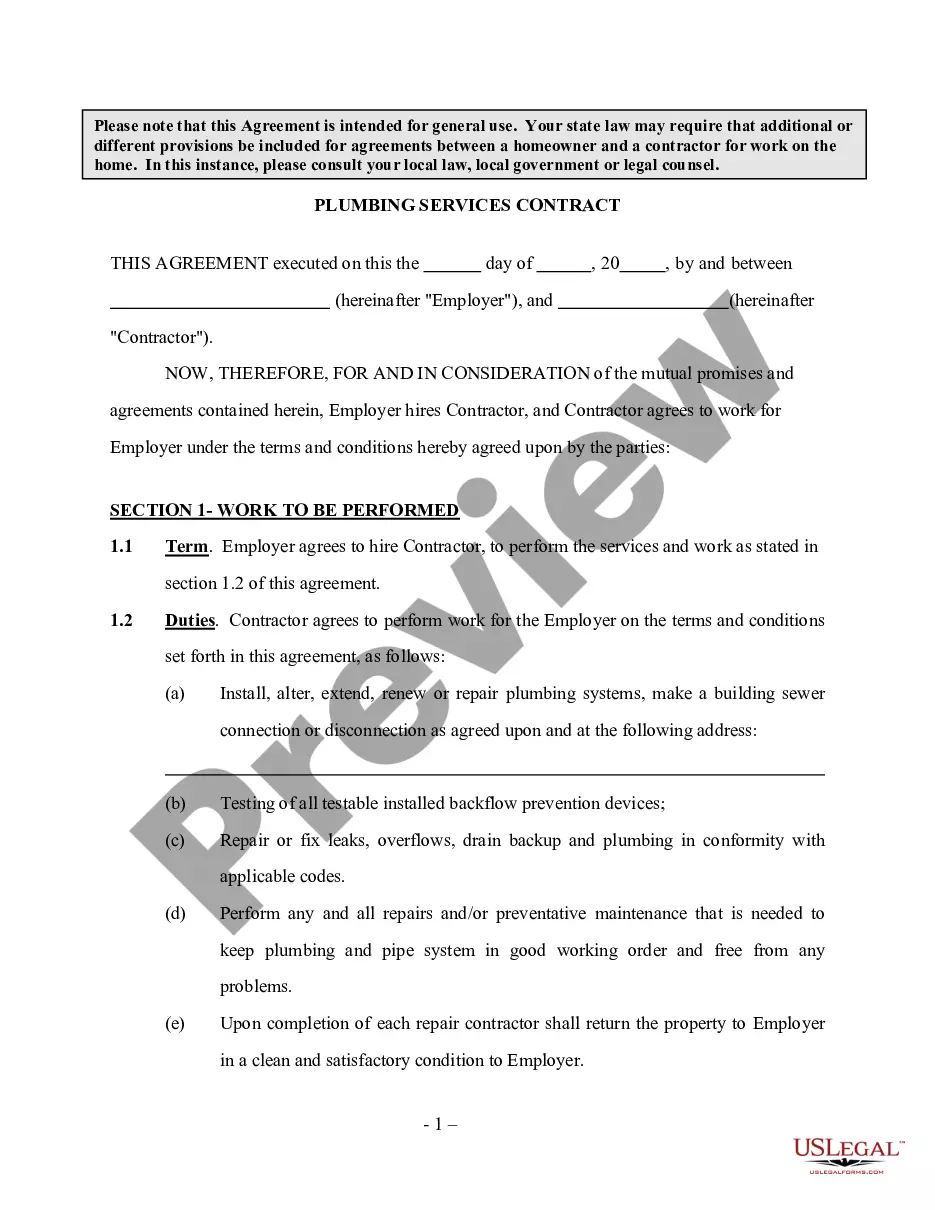
- Description of work to be performed, including specifics on plumbing fixtures and systems.
- Timelines for completion of the project.
- Details about the contract price and payment schedule.
- Warranty of materials and equipment provided by the contractor.
- Title retention clause for materials until payment is made.
- Mention of mandatory arbitration for dispute resolution.
When to use this form
This agreement is used when a commercial property owner hires a plumbing contractor to install or modify plumbing systems. It is essential when starting new constructions, renovating existing facilities, or when specific plumbing work needs to be clearly defined to prevent misunderstandings and ensure compliance with local regulations.
Who should use this form
- Commercial property owners needing plumbing services.
- Licensed plumbing contractors engaging in installation or construction work.
- Businesses looking to formalize agreements with plumbing professionals to protect their legal interests.
Instructions for completing this form
- Identify the parties involved: the owner and the contractor.
- Specify the property address where the plumbing work will take place.
- Describe the scope of work, including all fixtures and systems to be installed.
- Enter the timeline for completion and the total contract price.
- Include details of the payment schedule, specifying amounts and dates.
- Both parties should sign and date the agreement to make it legally binding.
Notarization guidance
Notarization is not commonly needed for this form. However, certain documents or local rules may make it necessary. Our notarization service, powered by Notarize, allows you to finalize it securely online anytime, day or night.
Get your form ready online
Our built-in tools help you complete, sign, share, and store your documents in one place.
Make edits, fill in missing information, and update formatting in US Legal Forms—just like you would in MS Word.
Download a copy, print it, send it by email, or mail it via USPS—whatever works best for your next step.
Sign and collect signatures with our SignNow integration. Send to multiple recipients, set reminders, and more. Go Premium to unlock E-Sign.
If this form requires notarization, complete it online through a secure video call—no need to meet a notary in person or wait for an appointment.
We protect your documents and personal data by following strict security and privacy standards.

Make edits, fill in missing information, and update formatting in US Legal Forms—just like you would in MS Word.

Download a copy, print it, send it by email, or mail it via USPS—whatever works best for your next step.

Sign and collect signatures with our SignNow integration. Send to multiple recipients, set reminders, and more. Go Premium to unlock E-Sign.

If this form requires notarization, complete it online through a secure video call—no need to meet a notary in person or wait for an appointment.

We protect your documents and personal data by following strict security and privacy standards.
Avoid these common issues
- Failing to clearly specify the scope of work, leading to potential disputes.
- Omitting critical deadlines, which can cause project delays.
- Not including payment schedules, which may result in payment disputes.
- Neglecting to update the agreement for state-specific requirements.
Why use this form online
- Convenience of accessible templates that save time.
- Editability to tailor the agreement to specific needs.
- Reliability of forms drafted by licensed attorneys, ensuring legal compliance.
Key takeaways
- This form is essential for outlining the responsibilities of both the owner and contractor in plumbing projects.
- Clear descriptions of work, timelines, and payment terms are critical to avoiding disputes.
- Usage of this form can help protect the legal interests of both parties involved in commercial plumbing work.
Looking for another form?
Form popularity
FAQ
Avoid Allowances. Establish Good Communication. Keep a Project Journal. Track All Changes in Writing. Check the Work. Pay Only for Completed Work. Be a Good Customer.
Bidding Documents. Construction Contractor Agreement. Architectural Drawings. Specifications. Bill of Quantities. Schedule. Work Orders. Subcontractor Application.
General Contractor without Residential Contractor Endorsement - Can undertake commercial work or residential remodel work less than 25% of the value of the structure. No exam is required.
Be clear about the work you expect the contractor to do and think about the standards of competence that will be required. Think carefully about contingencies if things don't go to plan. Demonstrate the importance your organisation places on health and safety in the selection of contractors.
A certified contractor passed the state licensing examination. Certified contractors can work anywhere within the state in which they are licensed. A registered contractor is registered by a local county or municipality and receives a certificate of competency from the Electrical Contractors' Licensing Board.
The Agreement. The agreement is the most fundamental document in a construction contract bundle. General Conditions. Special Conditions. Scope of Work. Drawings. Specifications. Bill of Quantities. Construction Schedule.
The Construction Documents contain contract forms, conditions of the contract, specifications, and drawings. Bidding requirements are also produced during this phase. Stringent contractor qualifications are delineated, ensuring that only contractors with a proven track record will be prequalified to bid.
Shop around for a contractor. It's difficult to tell whether or not you are getting a good deal on your home improvement project if you don't have something to compare it to. Research your contractor. Purchase your own supplies. Time is money. Avoid overexposure. Offer payment alternatives. Treat the contractor as an ally.
Never Tell a Contractor They are the Only One Bidding on the Job. Don't Tell a Contractor Your Budget. Never Ask a Contractor for a Discount if You Pay Upfront. Don't Tell a Contractor That You Aren't in A Hurry. Do Not Let a Contractor Choose the Materials.