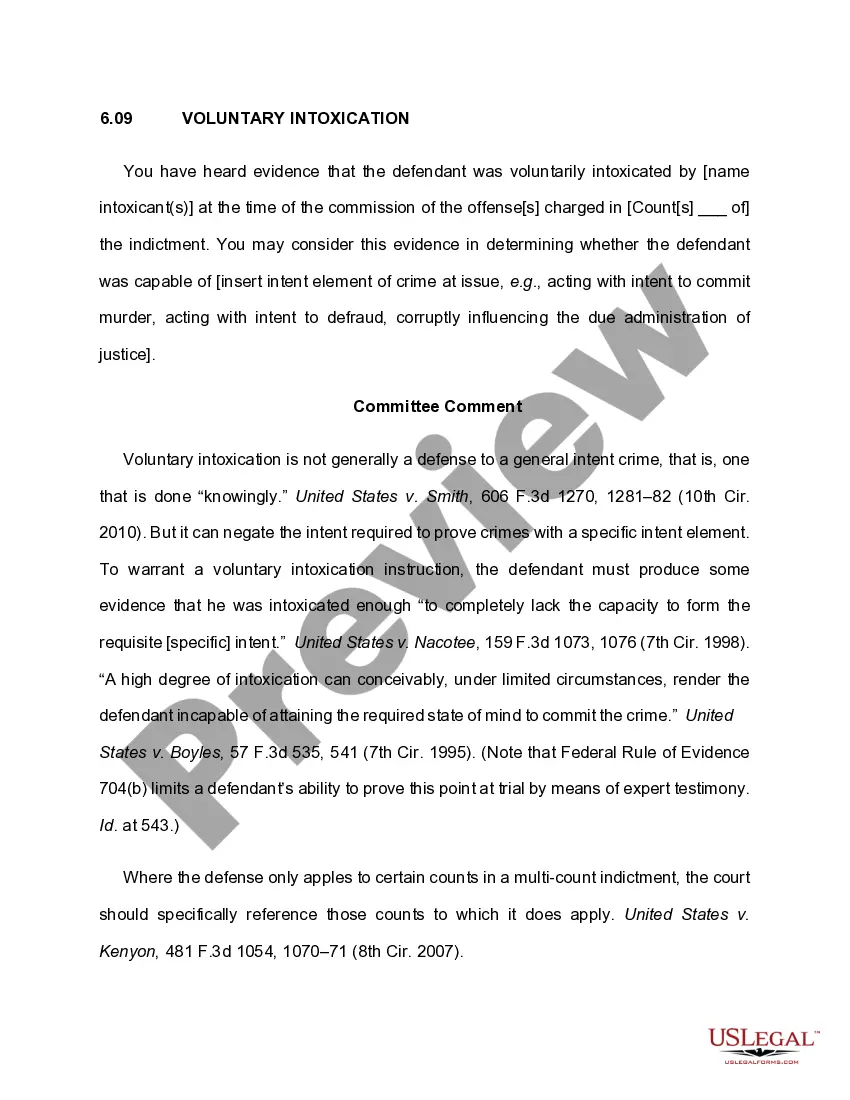
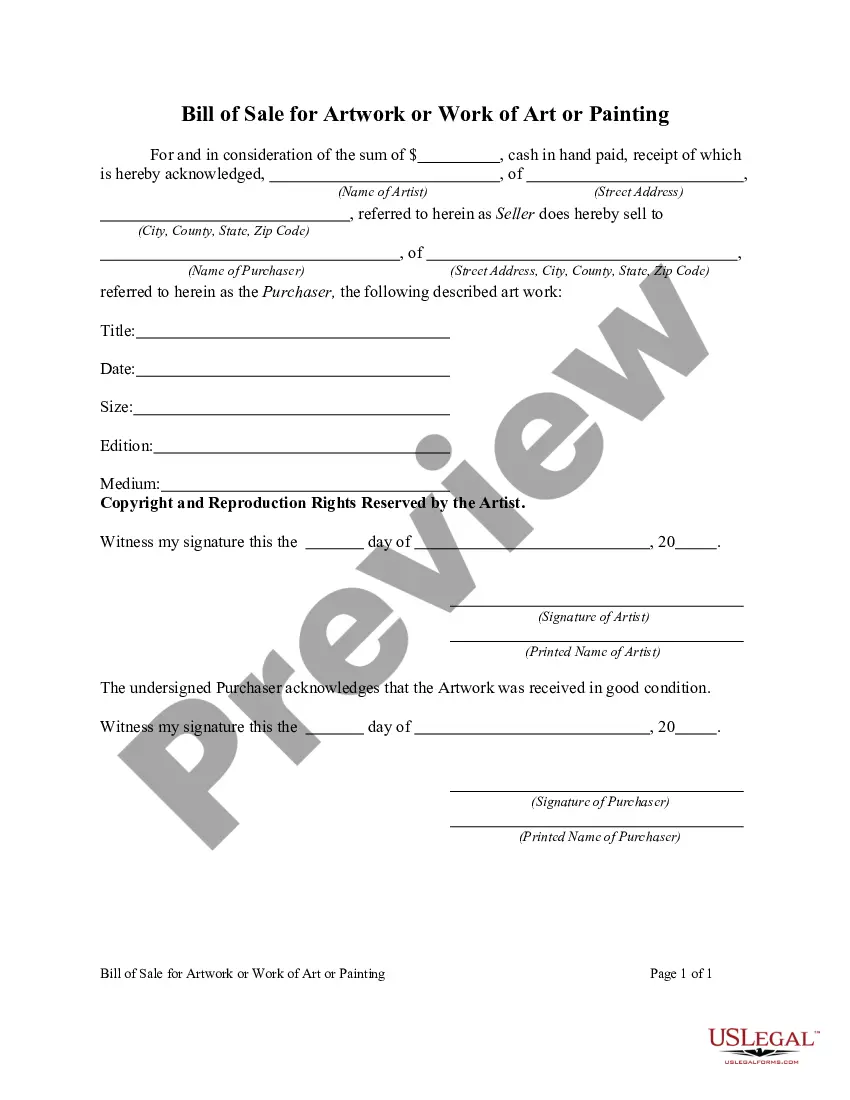
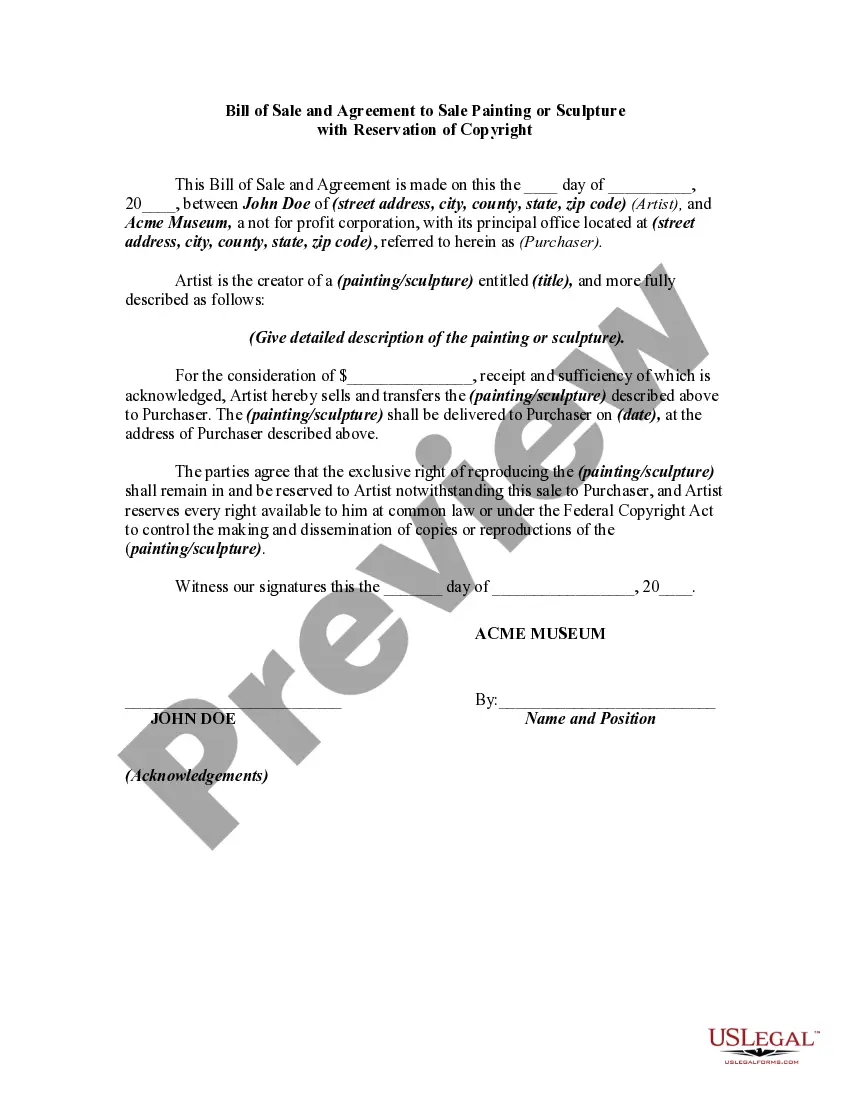
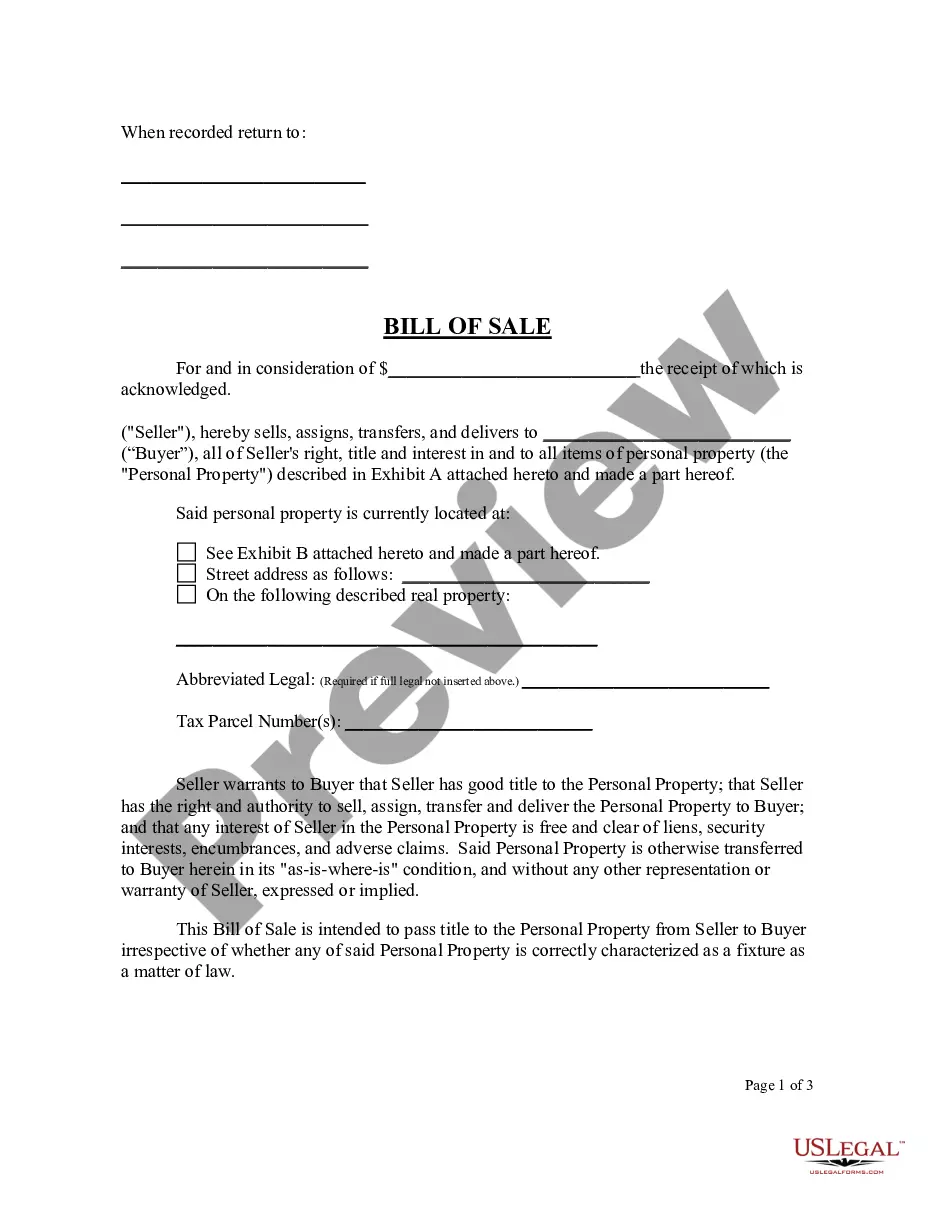
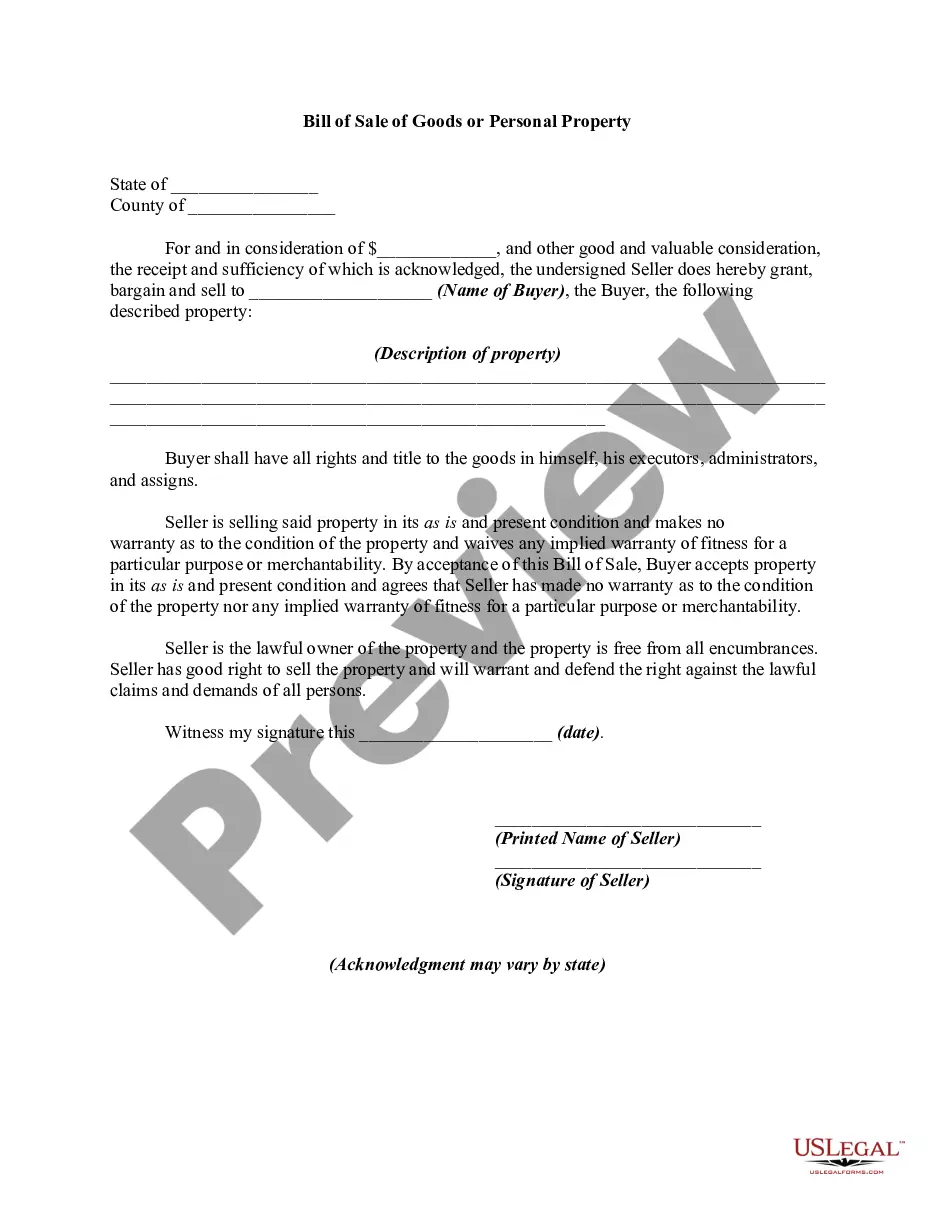
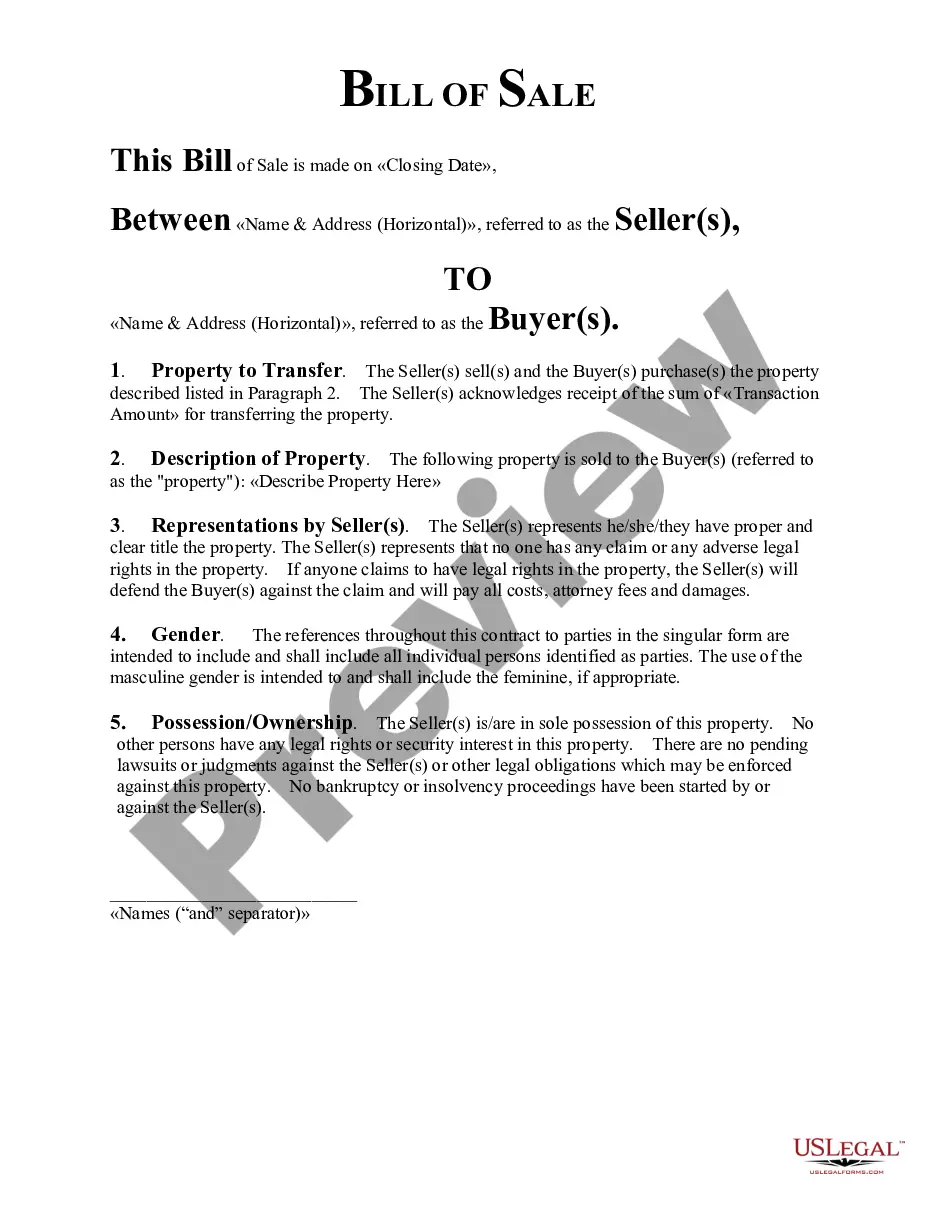
Artwork in tangible form is personal property. Transfer of title can therefore be made by a Bill of Sale. A Bill of Sale also constitutes a record of the transaction for both the artist and the person buying the artwork. It can provide the seller with a record of what has been sold, to whom, when, and for what price. The following form anticipates that the seller is the artist and therefore reserves copyright and reproduction rights.
Bill of Sale for Artwork or Work of Art or Painting
Instant download
Description
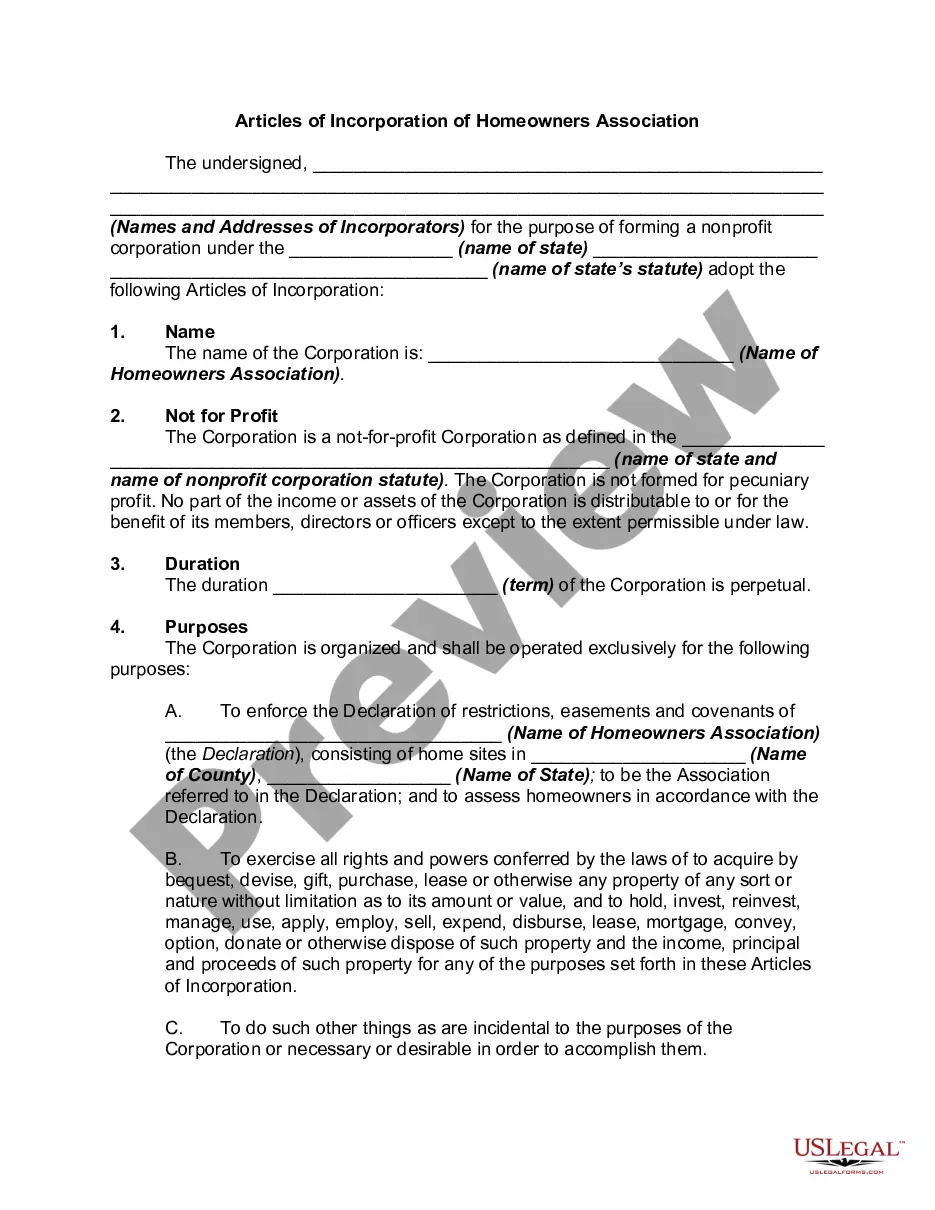
How to fill out Bill Of Sale For Artwork Or Work Of Art Or Painting?
Aren't you tired of choosing from numerous samples each time you need to create a Bill of Sale for Artwork or Work of Art or Painting? US Legal Forms eliminates the wasted time an incredible number of American people spend surfing around the internet for ideal tax and legal forms. Our skilled crew of lawyers is constantly modernizing the state-specific Forms collection, to ensure that it always provides the appropriate documents for your scenarion.
If you’re a US Legal Forms subscriber, simply log in to your account and then click the Download button. After that, the form may be found in the My Forms tab.
Visitors who don't have a subscription need to complete simple actions before having the capability to get access to their Bill of Sale for Artwork or Work of Art or Painting:
- Make use of the Preview function and read the form description (if available) to make certain that it’s the correct document for what you are looking for.
- Pay attention to the validity of the sample, meaning make sure it's the appropriate example for your state and situation.
- Utilize the Search field on top of the page if you want to look for another file.
- Click Buy Now and select an ideal pricing plan.
- Create an account and pay for the service utilizing a credit card or a PayPal.
- Get your template in a required format to finish, print, and sign the document.
As soon as you have followed the step-by-step guidelines above, you'll always be able to log in and download whatever document you will need for whatever state you want it in. With US Legal Forms, completing Bill of Sale for Artwork or Work of Art or Painting templates or other legal files is not hard. Begin now, and don't forget to recheck your examples with certified lawyers!
Form popularity
FAQ
An art gallery is one of the types of dealers. Art dealers are taxed in the same way as any other retail operation. As such, all income including income from the sale of art is taxed as ordinary income (IRC Sections 61, 64). Expenses, if ordinary and necessary, are deductible under IRC Sections 162.
The California Resale Royalty Act (Civil Code section 986) entitles artists to a royalty payment upon the resale of their works of art under certain circumstances.
The general consensus is that in most cases you do need a business license to sell your art. A business license is a local requirement that basically enables you to sell something. It is necessary if you want to collect taxes or for remaining in compliance with your business.
The answer is, if you are creating fan art whether for profit or not, any copyrighted character or use of trademark in a description or title without prior written consent from the copyright owner, then selling fan art is illegal but making fan art is not illegal.
Interestingly, LIMA suggests the average rate for art licensing agreements range between 3-6%. Companies or manufacturers selling to mass retailers are pressed hard to keep costs low and can't afford to pay hefty royalties, so expect to see a 3-4% range.
If you originally bought the work from a gallery, you can try to resell it back to them, or to a gallery where the artist is represented. If the gallery is invested in promoting the artist's work, they may accept the piece because they already have existing relationships with collectors of the artist.
In order to sell your artwork, you will need to provide a Bill of Sale. The Bill of Sale, or invoice, is one of your most important business documents. Artwork in physical form is considered personal property, and therefore a transfer of title will be necessary in the form of a Bill of Sale.
The copyright owner must enter into a written agreement, specifying the rights being transferred, in order to sell a copyright. The first sale doctrine allows the purchaser of a lawful copy of the artwork to resell, distribute, or publically display that copy without the artist's permission.
Download the free illustration work invoice template. Insert your name, your business name and contact information. Add your business logo and media. Fill out the client or business and contact information. Create and include a unique invoice number. Include an issue date and payment due date.