Material Requirements Planning
About this form
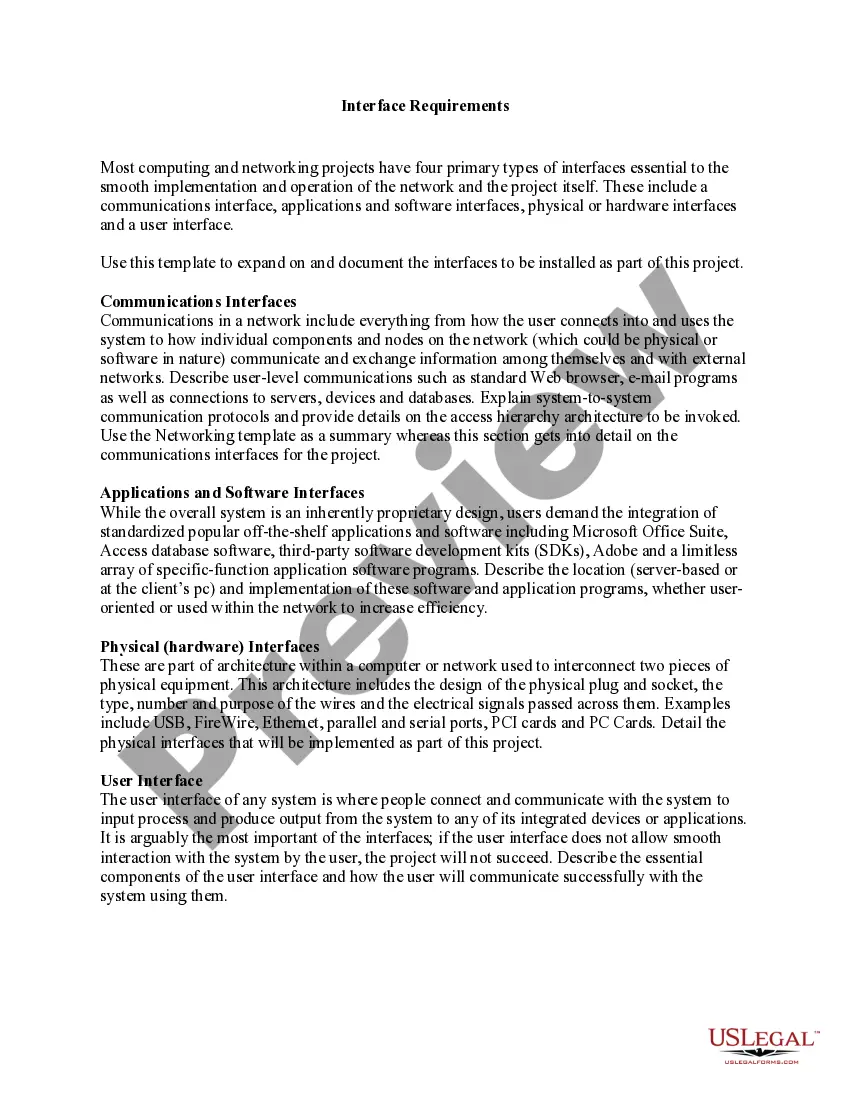
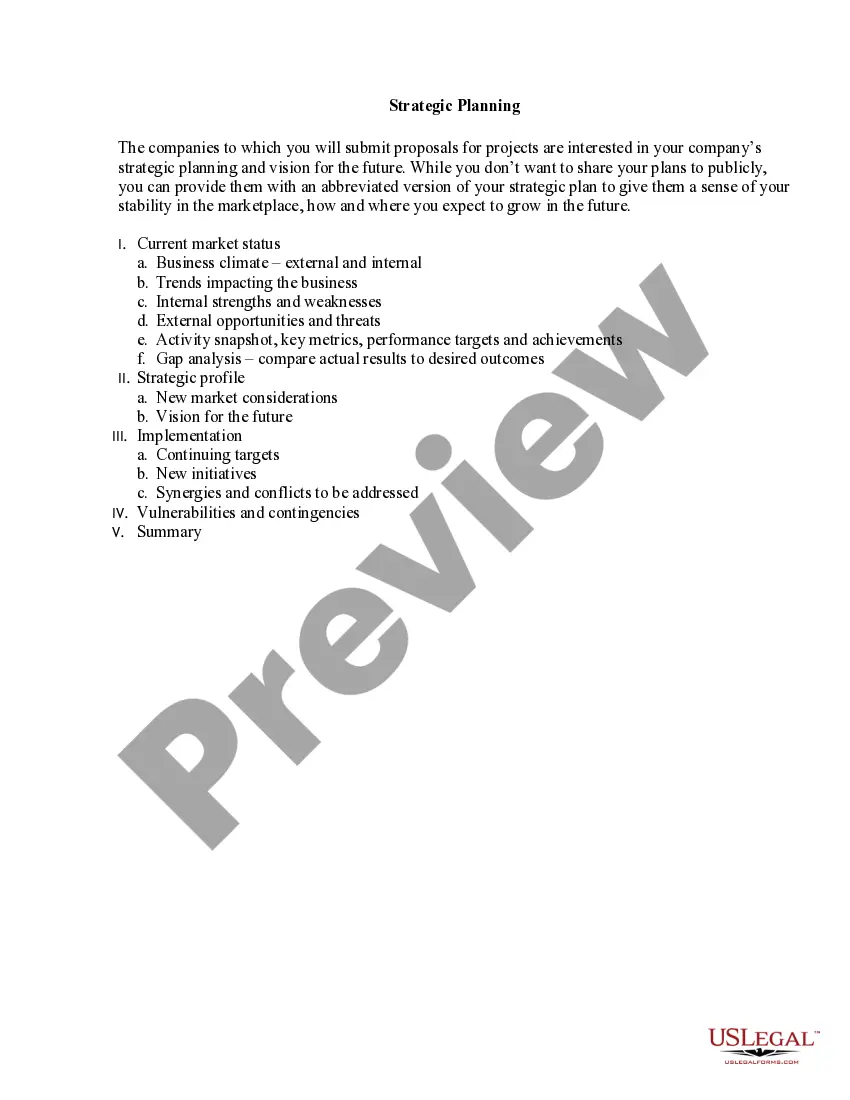
The Material Requirements Planning (MRP) form is a crucial tool for managing production planning and inventory control in manufacturing processes. It assists organizations in ensuring that necessary materials and products are available for production and timely delivery to customers. Unlike other inventory management forms, MRP focuses specifically on scheduling and tracking manufacturing tasks, managing incoming raw materials, and controlling purchasing activities, making it adaptable for various industries, including construction and software development.
Main sections of this form
- Description of the end item(s) in production.
- Quantity requirements specified at the right time.
- Shelf life and availability of materials on hand.
- Bill of materials that includes components and modules.
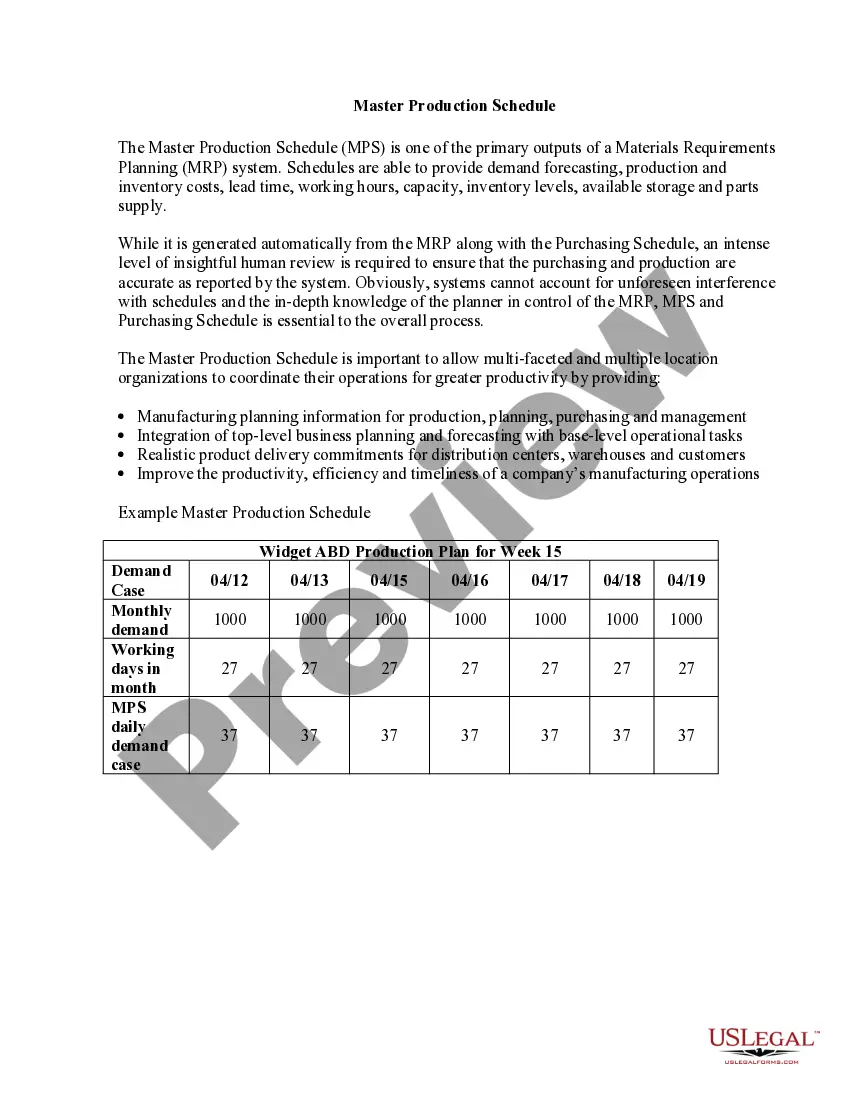
- Production and purchasing schedules detailing lead times.
- Planning data encompassing labor standards and quality measures.

When to use this form
This form is particularly useful for project managers and production planners when they need to determine material needs for production cycles. It is ideal when launching new products, managing inventory levels, or coordinating with suppliers to ensure timely availability of materials. Additionally, this form should be used when overseeing complex projects where tracking components and scheduling tasks is vital for meeting deadlines.
Who can use this document
This form is intended for:
- Manufacturers looking to improve production efficiency.
- Project managers coordinating complex development projects.
- Inventory managers ensuring optimal stock levels.
- Supply chain managers responsible for overseeing vendor relationships.
- Businesses in construction, manufacturing, or software development.
Completing this form step by step
- Identify and describe the end products you are planning to manufacture.
- Specify the quantity of each item required and the deadlines for these requirements.
- Gather information about the shelf life of raw materials and items currently in stock.
- Compile a bill of materials that details all required components and modules.
- Create a production schedule and a purchasing schedule that aligns with supplier lead times.
- Review the planning data to ensure all labor and quality standards are met.
Notarization guidance
This form usually doesn’t need to be notarized. However, local laws or specific transactions may require it. Our online notarization service, powered by Notarize, lets you complete it remotely through a secure video session, available 24/7.
Get your form ready online
Our built-in tools help you complete, sign, share, and store your documents in one place.
Make edits, fill in missing information, and update formatting in US Legal Forms—just like you would in MS Word.
Download a copy, print it, send it by email, or mail it via USPS—whatever works best for your next step.
Sign and collect signatures with our SignNow integration. Send to multiple recipients, set reminders, and more. Go Premium to unlock E-Sign.
If this form requires notarization, complete it online through a secure video call—no need to meet a notary in person or wait for an appointment.
We protect your documents and personal data by following strict security and privacy standards.

Make edits, fill in missing information, and update formatting in US Legal Forms—just like you would in MS Word.

Download a copy, print it, send it by email, or mail it via USPS—whatever works best for your next step.

Sign and collect signatures with our SignNow integration. Send to multiple recipients, set reminders, and more. Go Premium to unlock E-Sign.

If this form requires notarization, complete it online through a secure video call—no need to meet a notary in person or wait for an appointment.

We protect your documents and personal data by following strict security and privacy standards.
Common mistakes to avoid
- Neglecting to update inventory levels, leading to shortages or excess stock.
- Failing to consider lead times from suppliers in the scheduling process.
- Overlooking the importance of the bill of materials in planning.
- Inaccurately estimating the required quantities of materials.
- Ignoring adjustments for shelf life and perishability of materials.
Advantages of online completion
- Convenience of accessing and completing the form from anywhere.
- Editability allows for quick updates as project needs change.
- Reliability in using standardized forms drafted by licensed attorneys.
- Ensures compliance with industry best practices in material planning.
Looking for another form?
Form popularity
FAQ
Following are the components of the Material Requirements Planning system: Master Production Schedule (MPS) Economic Order Quantity (EOQ) Items Master File. Bills of Materials (BOM) Inventory on-shelve.
Material requirements planning (MRP) is an inventory management system that is completely operated digitally through a wide variety of computer-based platforms. MRP is exclusively designed to improve the inventory efficiency of a business by estimating quantities of raw material and scheduling timely deliveries.
ERP is an extended version of MRP II to include all core business functions and processes. It manages production and inventory, finances and accounting, sales, CRM, HR, and more. ERP is an integrated suite of business management tools that provides a real-time view of every department.
The three basic inputs of an MRP system include the Master Production Schedule (MPS), Inventory Status File (ISF), and Bill of Materials (BOM).
MRPs are focused specifically on manufacturing processes, while ERPs provide a broader range of solutions including accounting, project management, business intelligence, sales, and customer relationship management.
Definition of MRP: MRP is a system designed to plan manufacturing production. It identifies necessary materials, estimates quantities, determines when materials will be required to meet the production schedule, and manages delivery timing ? with the goal of meeting demands and improving overall productivity.
SAP is the name of an ERP system. It's the largest and most famous product of the SAP corporation. However, SAP isn't necessarily an ERP or MRP system but is an ERP implementation provider.
ERP is used to plan the different processes in the organisation. MRP is specially designed for the manufacturing industry. CRM is acronym for customer relationship management and is used for maintaining healthy relationship with the customer. CRM software is used for managing and analyzing the customers interaction.