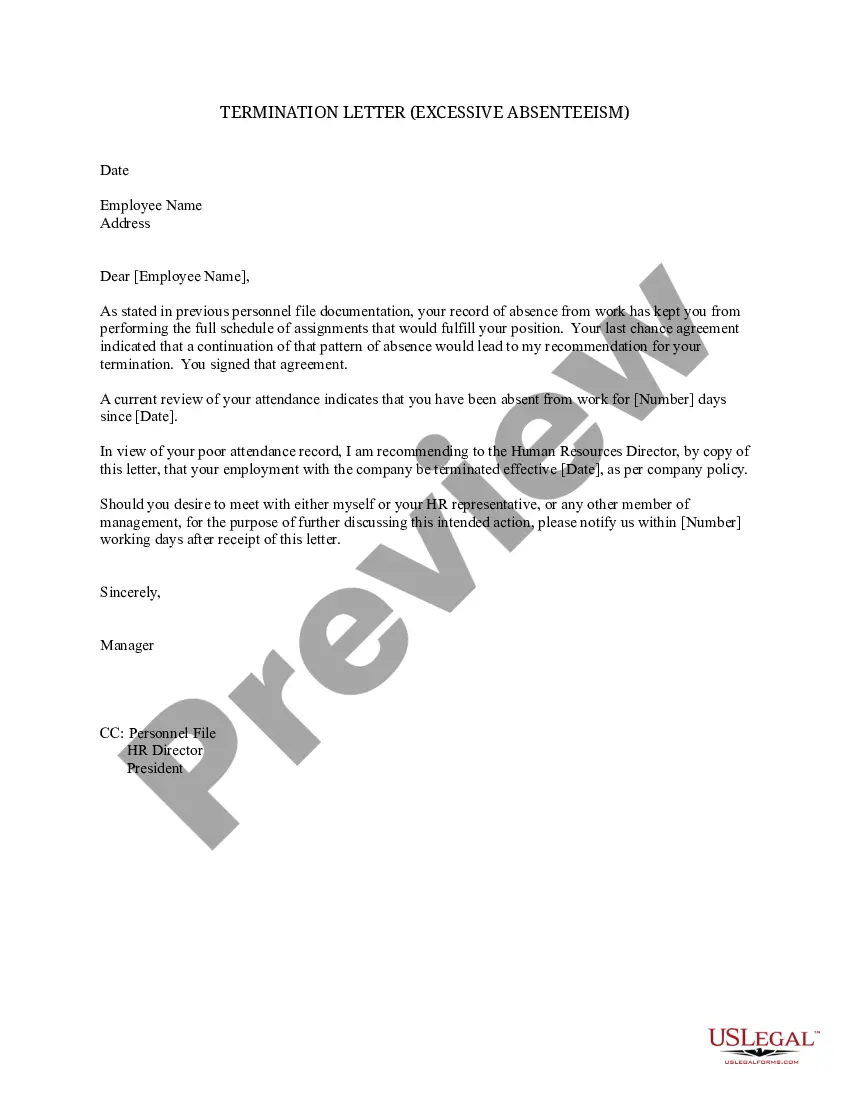
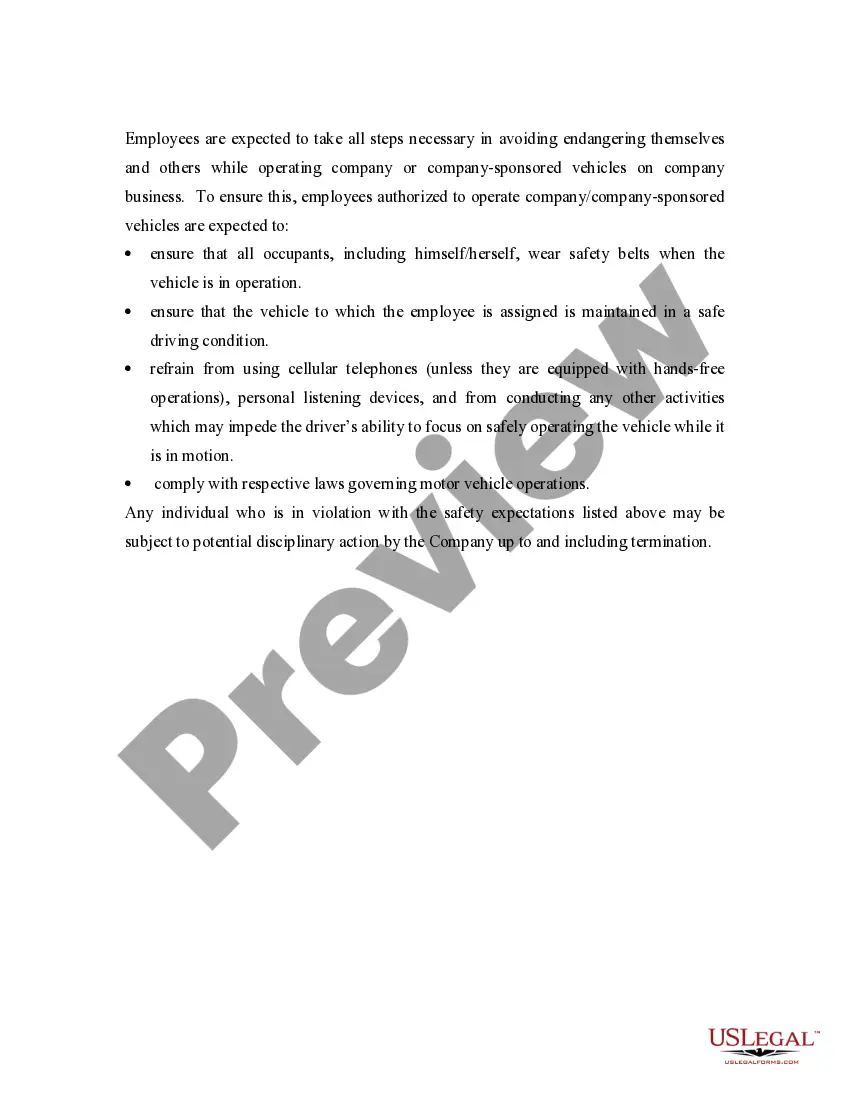
Texas Vehicle Policy
Description
Get your form ready online
Our built-in tools help you complete, sign, share, and store your documents in one place.
Make edits, fill in missing information, and update formatting in US Legal Forms—just like you would in MS Word.
Download a copy, print it, send it by email, or mail it via USPS—whatever works best for your next step.
Sign and collect signatures with our SignNow integration. Send to multiple recipients, set reminders, and more. Go Premium to unlock E-Sign.
If this form requires notarization, complete it online through a secure video call—no need to meet a notary in person or wait for an appointment.
We protect your documents and personal data by following strict security and privacy standards.

Make edits, fill in missing information, and update formatting in US Legal Forms—just like you would in MS Word.

Download a copy, print it, send it by email, or mail it via USPS—whatever works best for your next step.

Sign and collect signatures with our SignNow integration. Send to multiple recipients, set reminders, and more. Go Premium to unlock E-Sign.

If this form requires notarization, complete it online through a secure video call—no need to meet a notary in person or wait for an appointment.

We protect your documents and personal data by following strict security and privacy standards.
Looking for another form?
How to fill out Vehicle Policy?
Finding the appropriate legal document template can be a challenge.
It goes without saying that there are numerous templates accessible online, but how can you find the legal form you need.
Utilize the US Legal Forms website. The service offers thousands of templates, such as the Texas Vehicle Policy, that can be utilized for both business and personal purposes.
You can view the form using the Preview button and read the form description to confirm it is suitable for you.
- All forms are reviewed by professionals and comply with federal and state regulations.
- If you are already registered, Log In to your account and press the Acquire button to obtain the Texas Vehicle Policy.
- Use your account to browse the legal forms you have previously acquired.
- Visit the My documents section of your account to download another copy of the document you need.
- If you are a new user of US Legal Forms, here are some straightforward steps for you to follow.
- First, ensure you have chosen the correct form for your city/state.
Form popularity
FAQ
In Texas, you must have at least $30,000 in liability coverage for each injured person, up to a total of $60,000 per accident, and $25,000 for property damage per accident. This basic coverage is called 30/60/25.
What does "full coverage" car insurance mean? When financing or leasing a vehicle, your lender may use the term "full coverage," but that simply means they're requiring you to carry comprehensive and collision plus anything else your state mandates.
It's important to understand that you can only drive a car if you have insurance. If you don't have your own insurance policy (either on your own car including DOC cover, as a named driver on the car owner's policy, or standalone temporary cover), you will not be legally covered to drive.
Car insurance usually follows the car in Texas. The types of car insurance that follow the car in Texas are bodily injury liability, personal injury liability, collision, and comprehensive. You're required to carry bodily injury liability, property damage liability, and PIP in Texas.
Full coverage auto insurance in Texas is insurance coverage that includes state-mandated bodily injury and property damage liability coverage, plus collision and comprehensive coverage, medical payments coverage, and uninsured/underinsured motorist coverage.
In Texas, the car insurance of the party at fault for causing the collision is financially responsible for damages. If your friend was at fault for causing the crash, therefore, your auto insurance company will pay for victims' medical bills and property repairs.
Once a driver is excluded from your policy, they have zero coverage so even if you give them permission to drive your vehicle they will not be covered and you will be on the hook for any damages to other people, their vehicles and your own vehicle.
In Texas, you aren't legally required to have non-owner auto insurance to drive someone else's vehicle if the owner is insured. Generally, losses that result from an accident will be covered under the car owner's policy.
A comprehensive insurance coverage will include all kinds of risk factors that are associated with your vehicle, driver, passengers, third-party vehicle, third-party driver, third-party vehicle passengers and third-party property. The insurance policy will also cover the following risk factors: Weather damage. Floods.