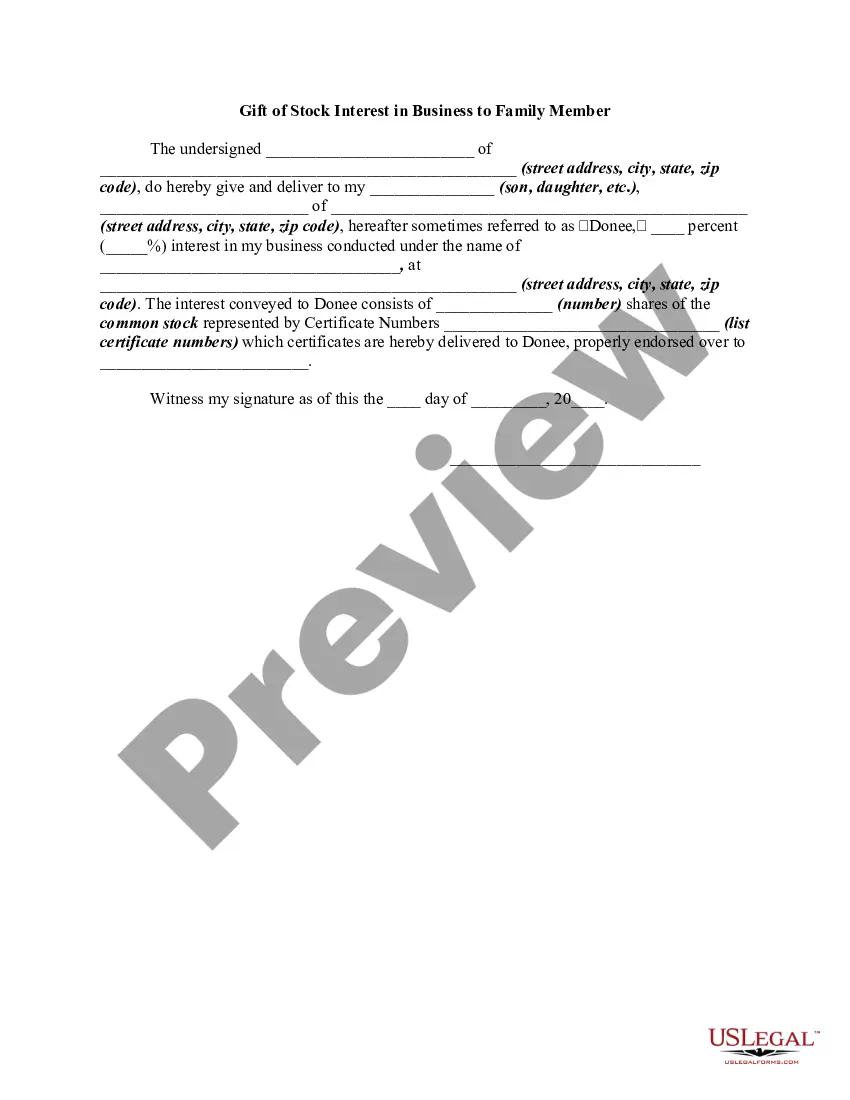
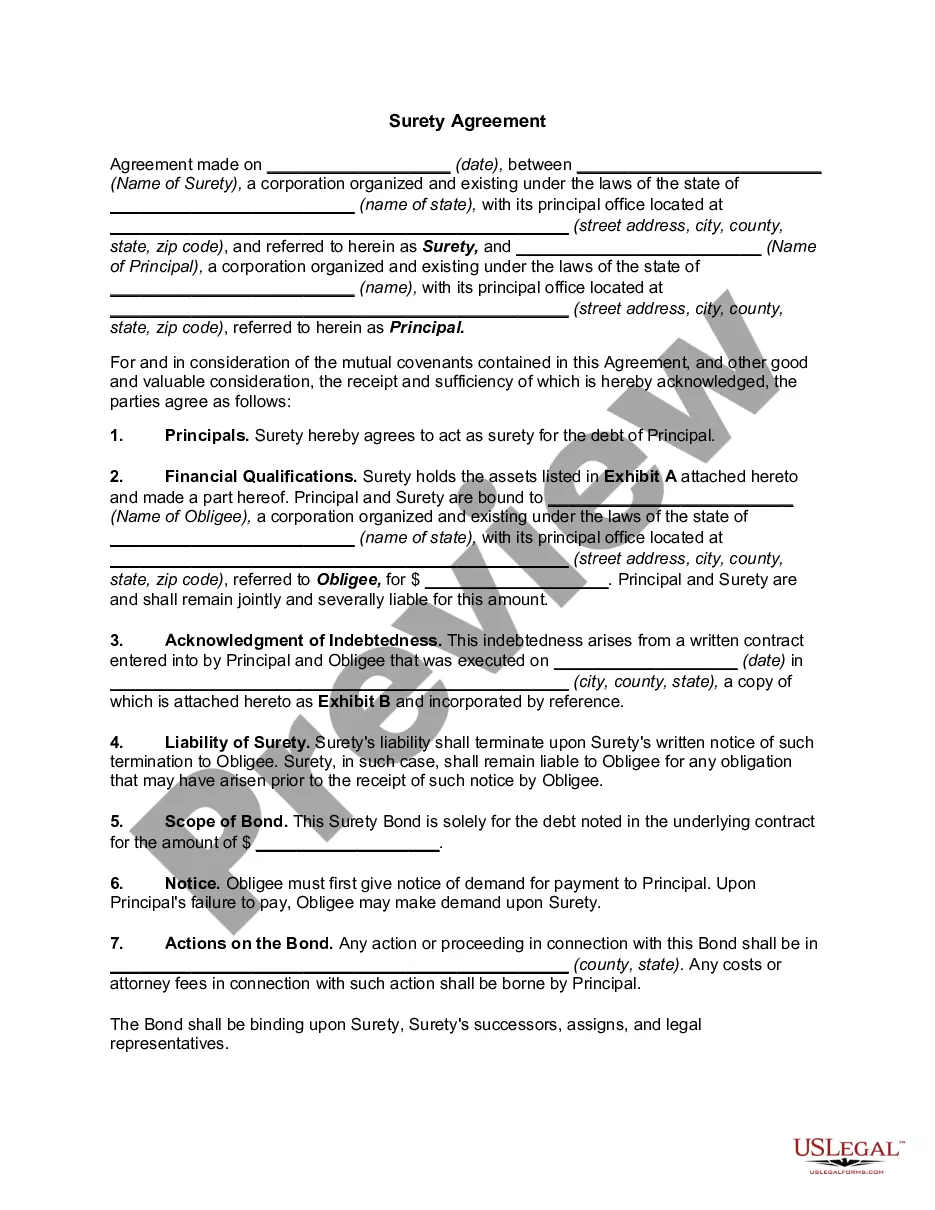
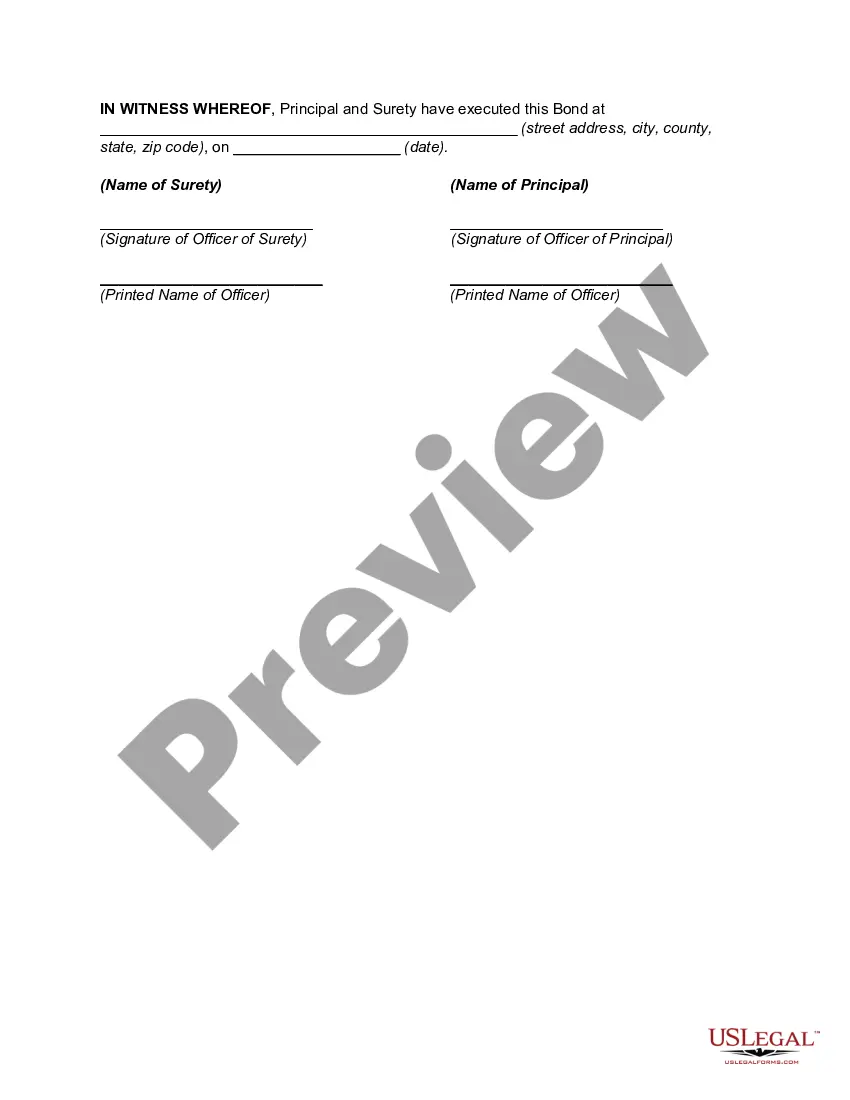
Texas Surety Agreement
Description
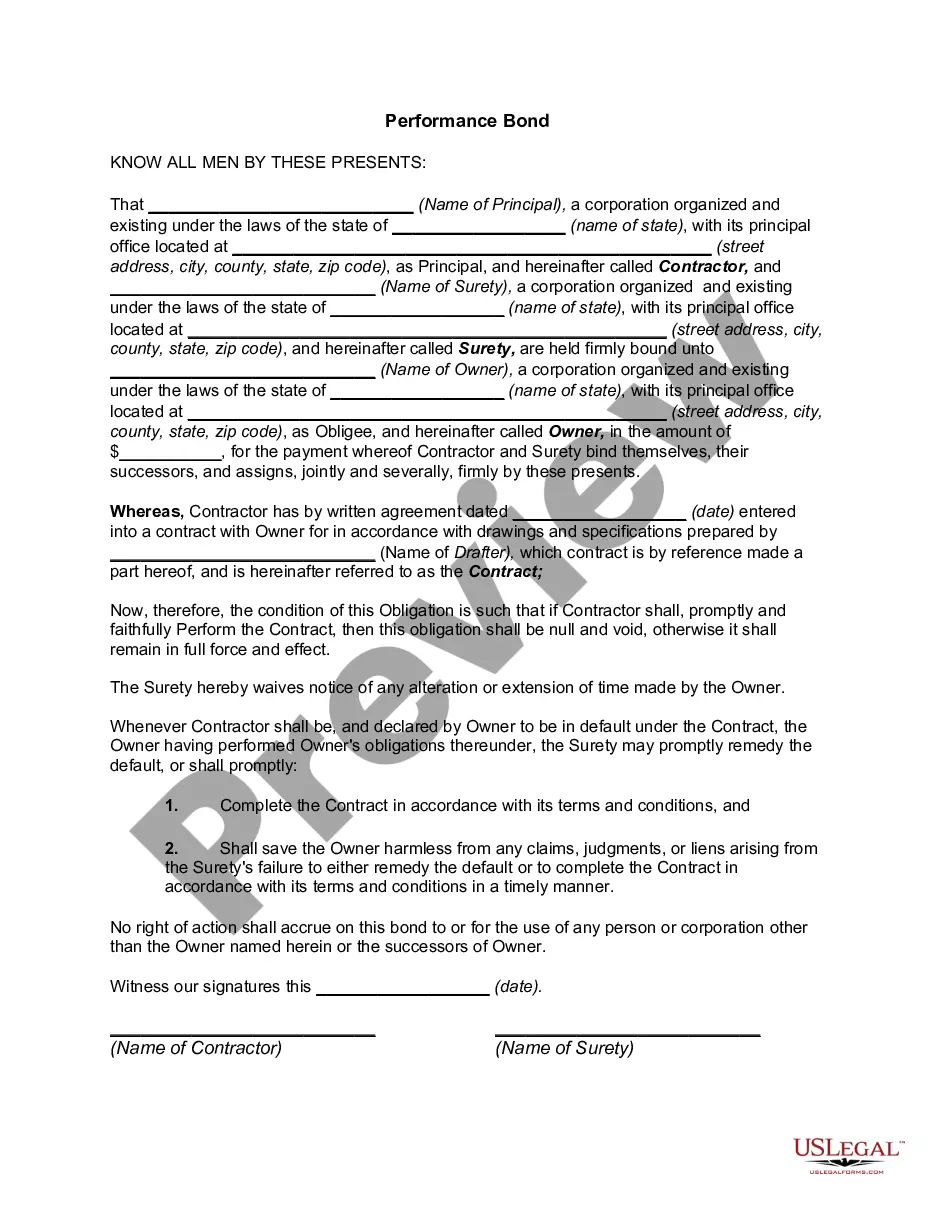
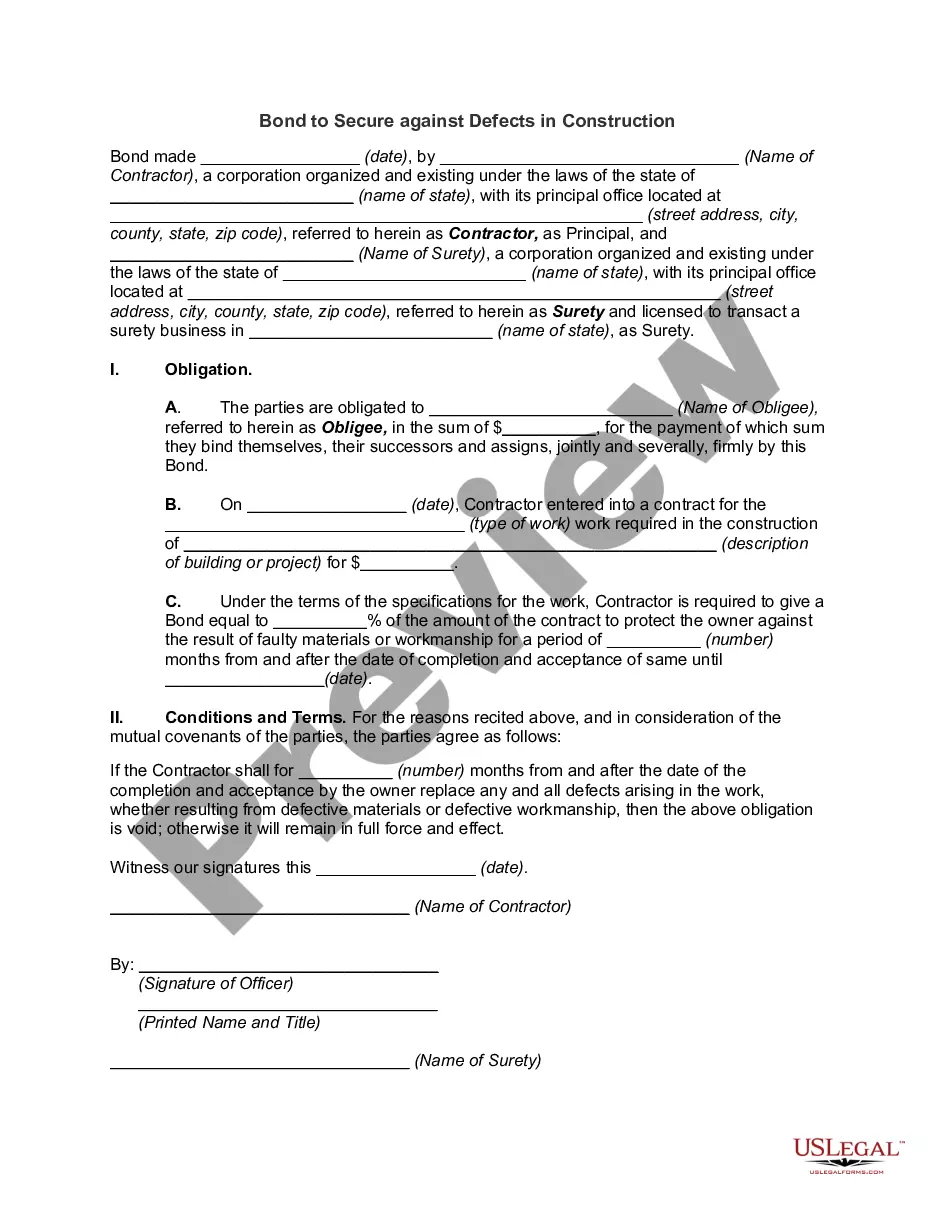
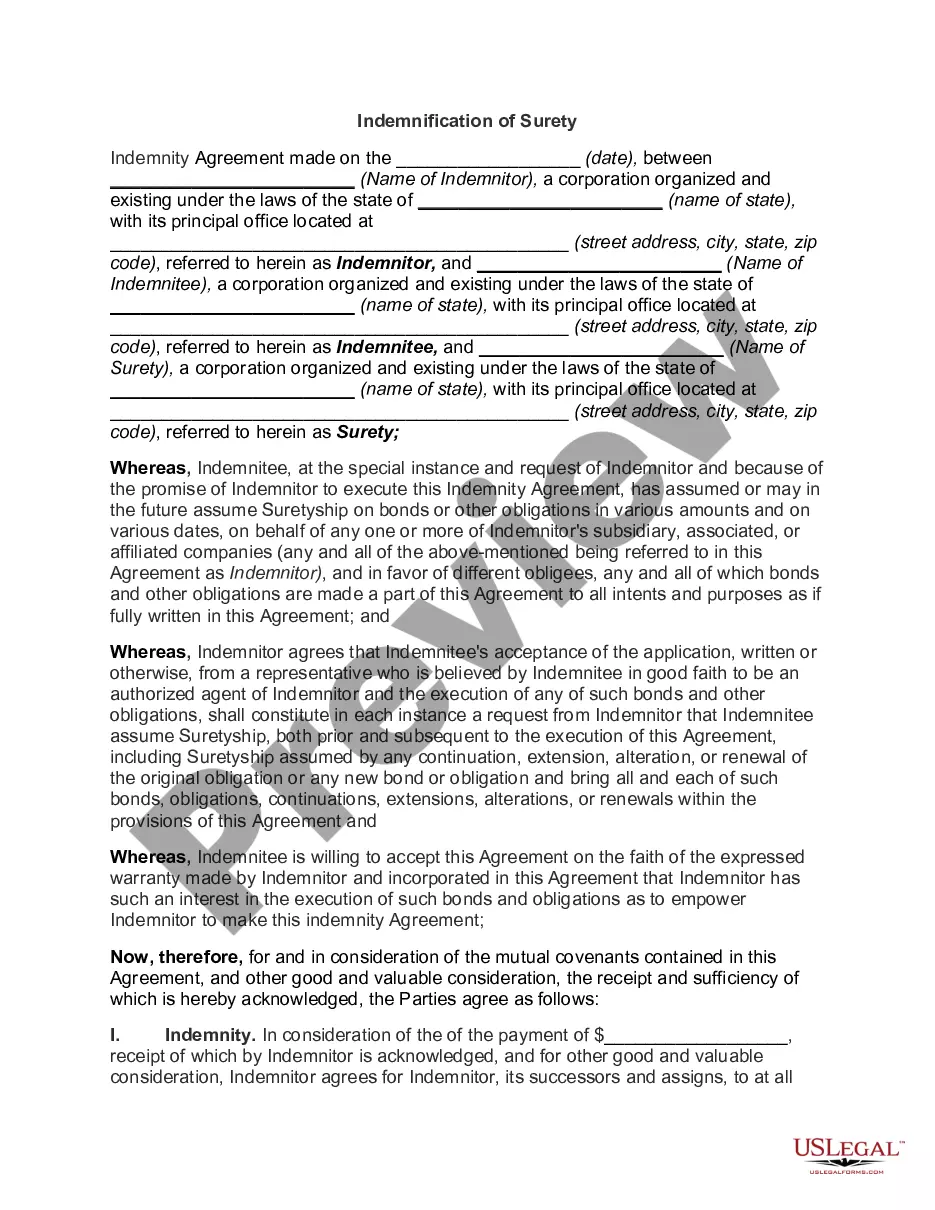
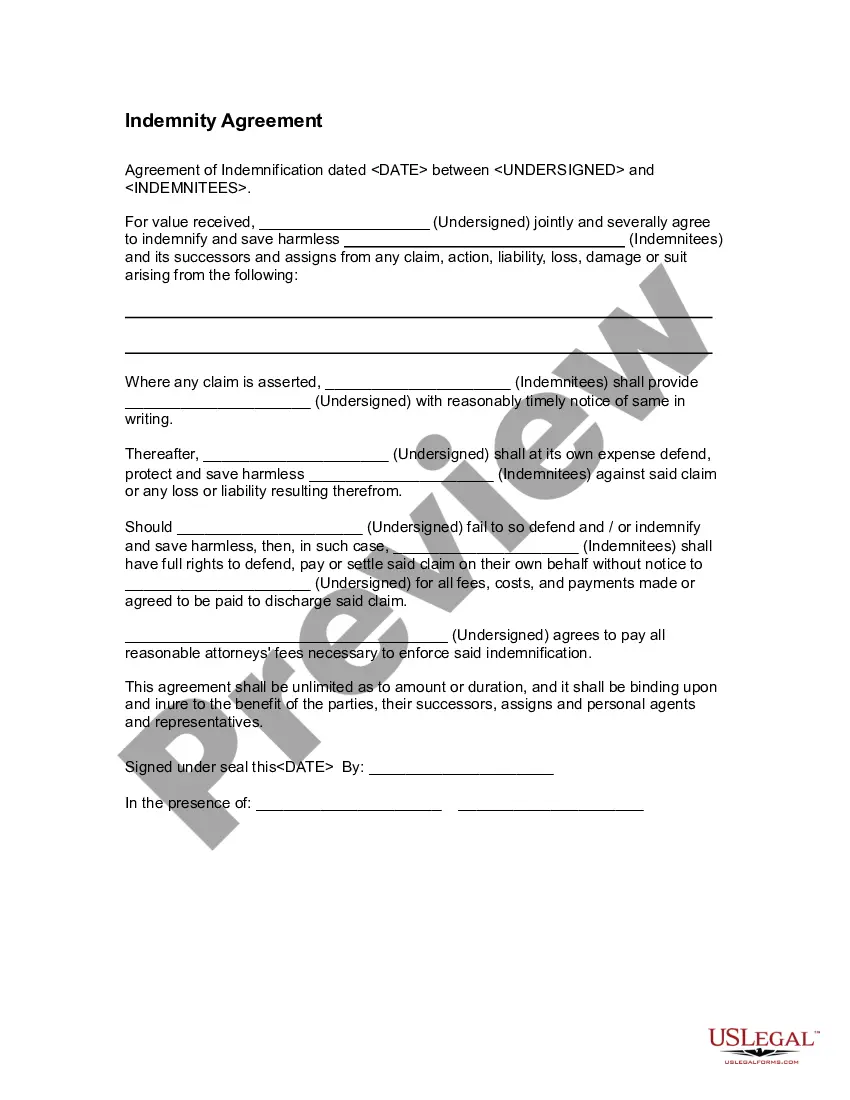
Get your form ready online
Our built-in tools help you complete, sign, share, and store your documents in one place.
Make edits, fill in missing information, and update formatting in US Legal Forms—just like you would in MS Word.
Download a copy, print it, send it by email, or mail it via USPS—whatever works best for your next step.
Sign and collect signatures with our SignNow integration. Send to multiple recipients, set reminders, and more. Go Premium to unlock E-Sign.
If this form requires notarization, complete it online through a secure video call—no need to meet a notary in person or wait for an appointment.
We protect your documents and personal data by following strict security and privacy standards.

Make edits, fill in missing information, and update formatting in US Legal Forms—just like you would in MS Word.

Download a copy, print it, send it by email, or mail it via USPS—whatever works best for your next step.

Sign and collect signatures with our SignNow integration. Send to multiple recipients, set reminders, and more. Go Premium to unlock E-Sign.

If this form requires notarization, complete it online through a secure video call—no need to meet a notary in person or wait for an appointment.

We protect your documents and personal data by following strict security and privacy standards.
Looking for another form?
How to fill out Surety Agreement?
US Legal Forms - one of the most prominent collections of legal documents in America - offers a wide range of legal document templates that you can obtain or print. By utilizing the website, you can discover thousands of forms for both business and personal needs, organized by categories, regions, or keywords.
You can find the latest versions of documents like the Texas Surety Agreement in moments. If you hold a subscription, Log In and obtain the Texas Surety Agreement from your US Legal Forms library. The Download option will appear on every form you view. You can access all previously downloaded documents under the My documents section of your account.
If you are using US Legal Forms for the first time, here are simple steps to help you get started: Ensure you have selected the correct form for your city/county. Click the Review button to examine the form’s details. Review the form information to verify that you have chosen the right document. If the form does not meet your requirements, use the Search field at the top of the screen to find one that does. If you are pleased with the form, confirm your selection by clicking the Acquire now button. Then, select the payment plan you prefer and provide your details to create an account. Process the transaction. Use a credit card or PayPal account to complete the purchase. Select the format and download the document to your device. Make edits. Fill out, modify, and print and sign the downloaded Texas Surety Agreement. Every document you added to your account has no expiration date, and it is yours indefinitely. So, if you want to download or print another copy, simply visit the My documents section and click on the form you need.
- Access the Texas Surety Agreement with US Legal Forms, one of the most comprehensive collections of legal document templates.
- Utilize thousands of professional and state-specific templates that fulfill your business or personal requirements and demands.
Form popularity
FAQ
How do you get a bonded title in Texas? You'll want to start at the DMV and fill out all of the necessary documents. After this you will then need to purchase a surety bond. Once you have the surety bond, you can apply for a bonded title.
Bond costs are generally 1-10% of the full bond amount that's required of you in Texas. For example, if you need a $10,000 bond, your costs could be anywhere between $100 - $1,000.
Your Texas Notary Surety Bond. Texas law requires all Notaries to purchase and maintain a $10,000 Notary surety bond for the duration of their 4-year commission. The Notary bond protects the public of Texas against any financial loss due to improper conduct by an Texas Notary.
The surety is the guarantee of the debts of one party by another. A surety is an organization or person that assumes the responsibility of paying the debt in case the debtor policy defaults or is unable to make the payments. The party that guarantees the debt is referred to as the surety, or as the guarantor.
Texas Surety Bond Costs Bond costs are generally 1-10% of the full bond amount that's required of you in Texas. For example, if you need a $10,000 bond, your costs could be anywhere between $100 - $1,000.
Someone who assumes direct liability for another's obligation. Financial creditors may require the debtor to find a surety, who then signs the loan agreement along with the debtor.
How much does a $10,000 Texas notary public bond cost? A $10,000 Texas notary public bond costs $50 and can be issued instantly. Errors and omissions coverage is also available in various amounts, depending on the amount of coverage the notary feels is necessary.
Surety Explained in Detail A surety bond is a legal binding agreement signed between three partiesthe lender, the trustee, and the guarantor. The obligee, generally a government agency, allows the principal to receive a security bond as a protection against future work output, normally a business owner or contractor.
How to get a Texas Bonded Title in 5 StepsStep 1: Contact your local Department of Motor Vehicles.Step 2: Complete Necessary Documents.Step 3: Wait for Approval.Step 4: Purchase a Surety Bond.Step 5: Apply for a Bonded Title.
These bond types are also referred to as commercial bonds" or business bonds." Examples of license and permit surety bonds include auto dealer bonds, mortgage broker bonds, and collection agency bonds.