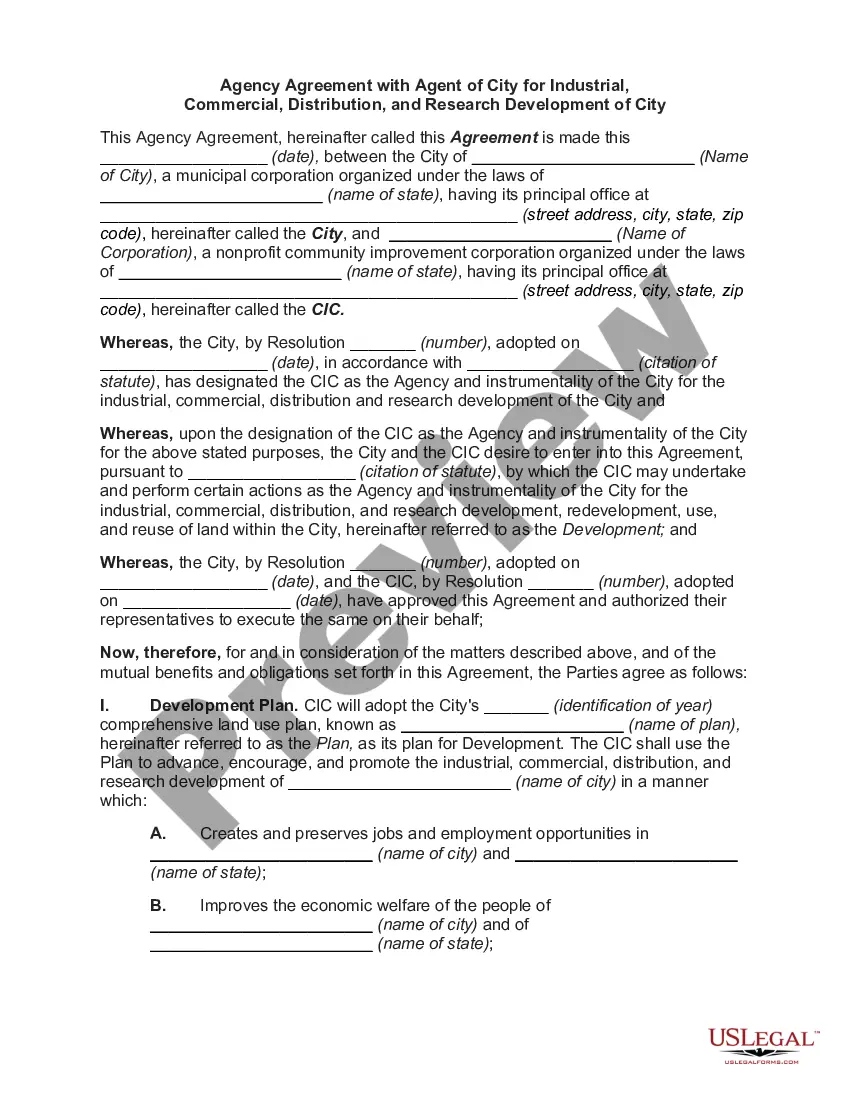
Texas Declaration of Restrictive Covenants
Description
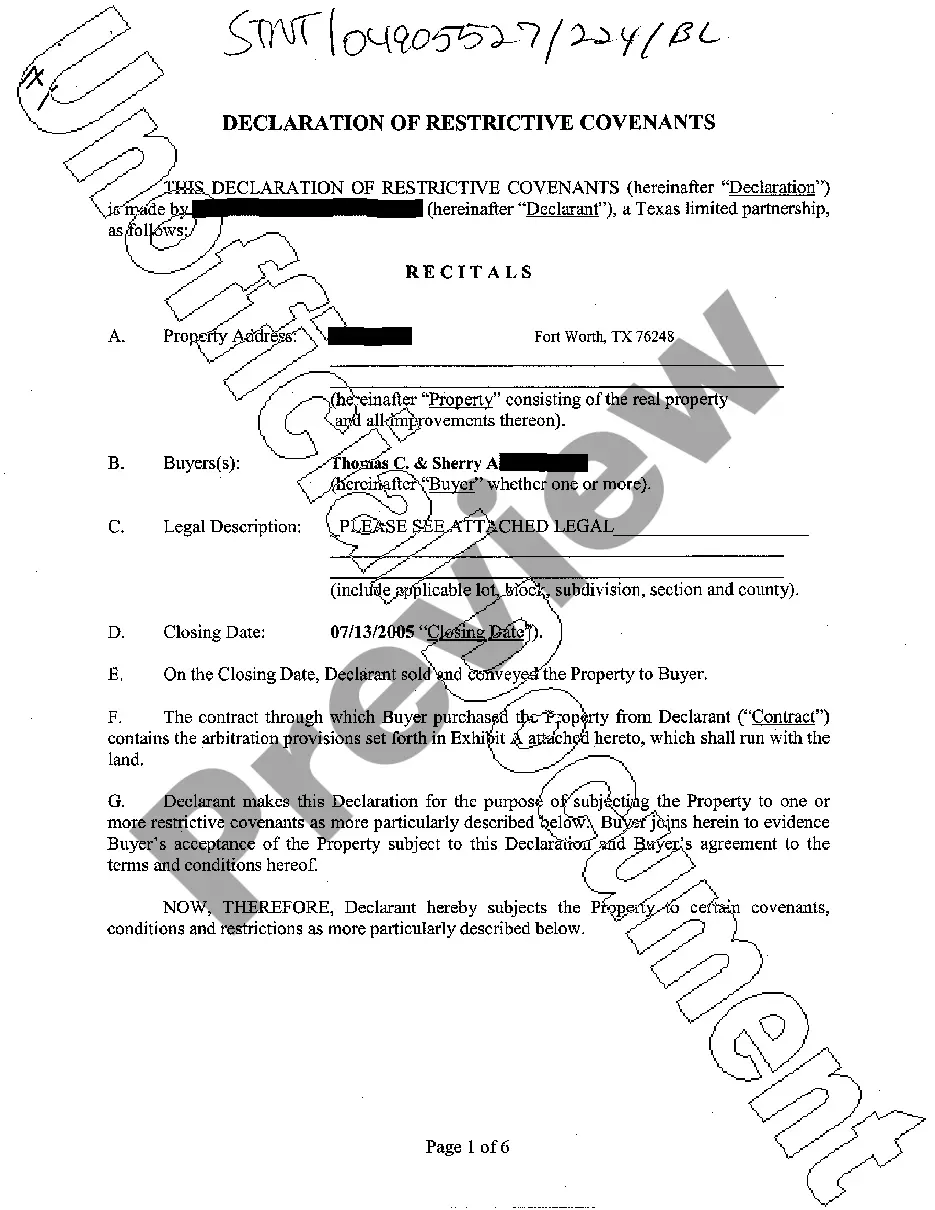
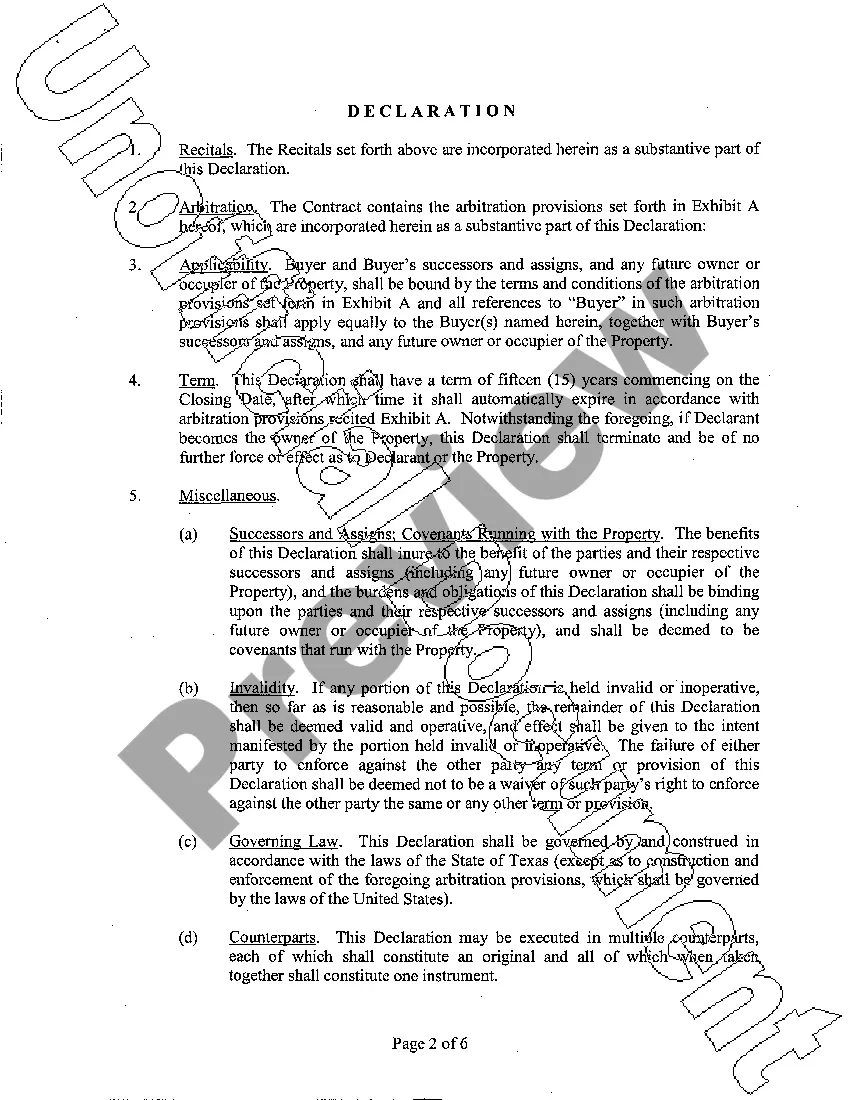
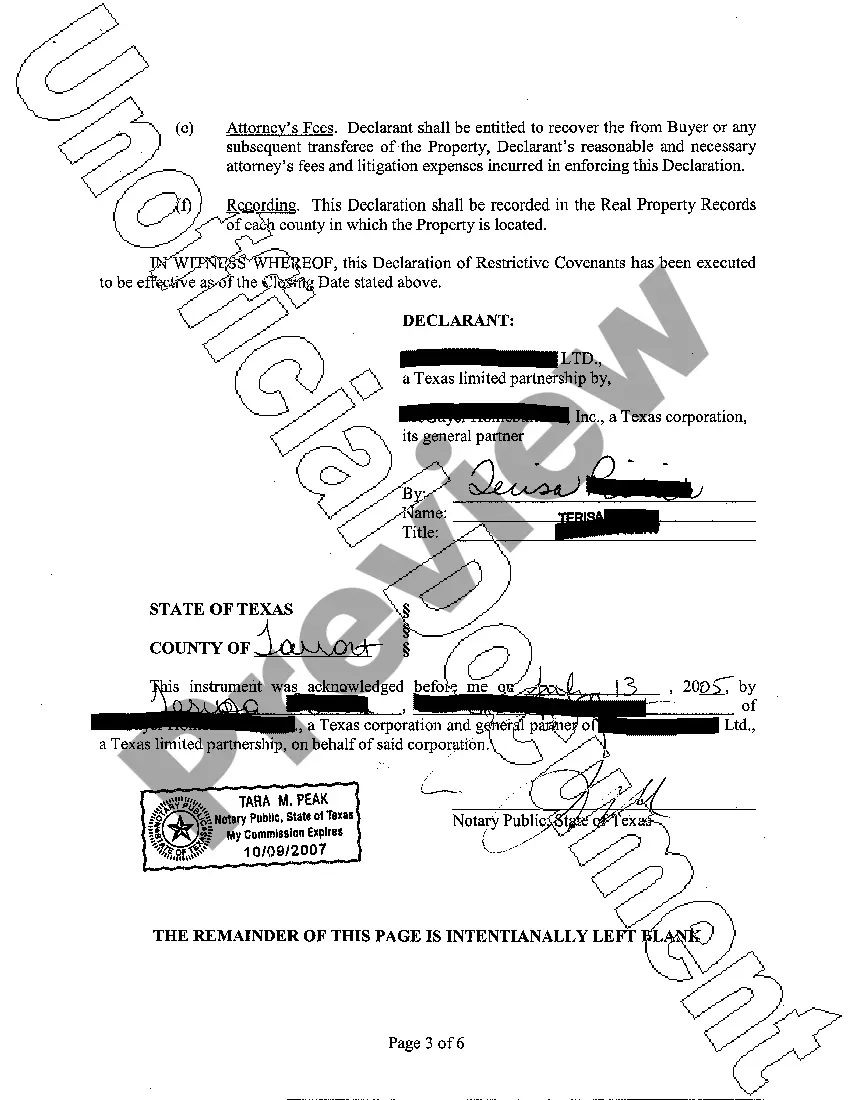
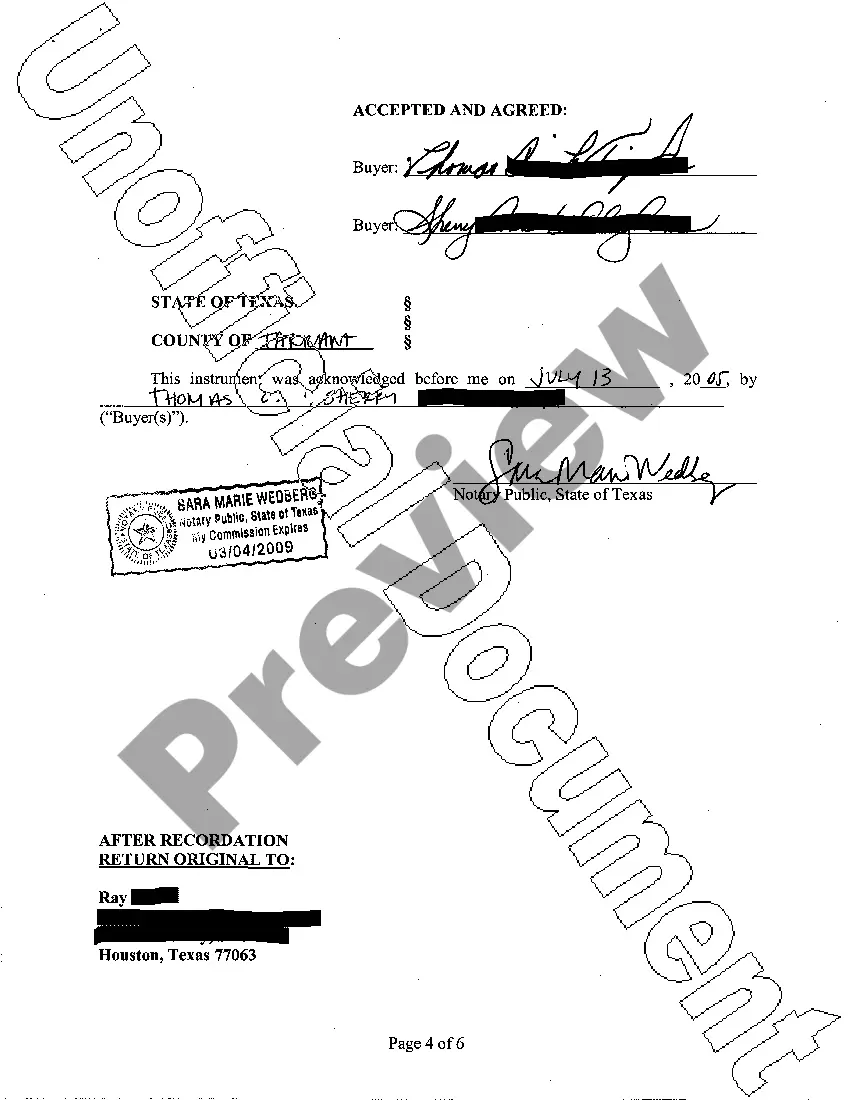
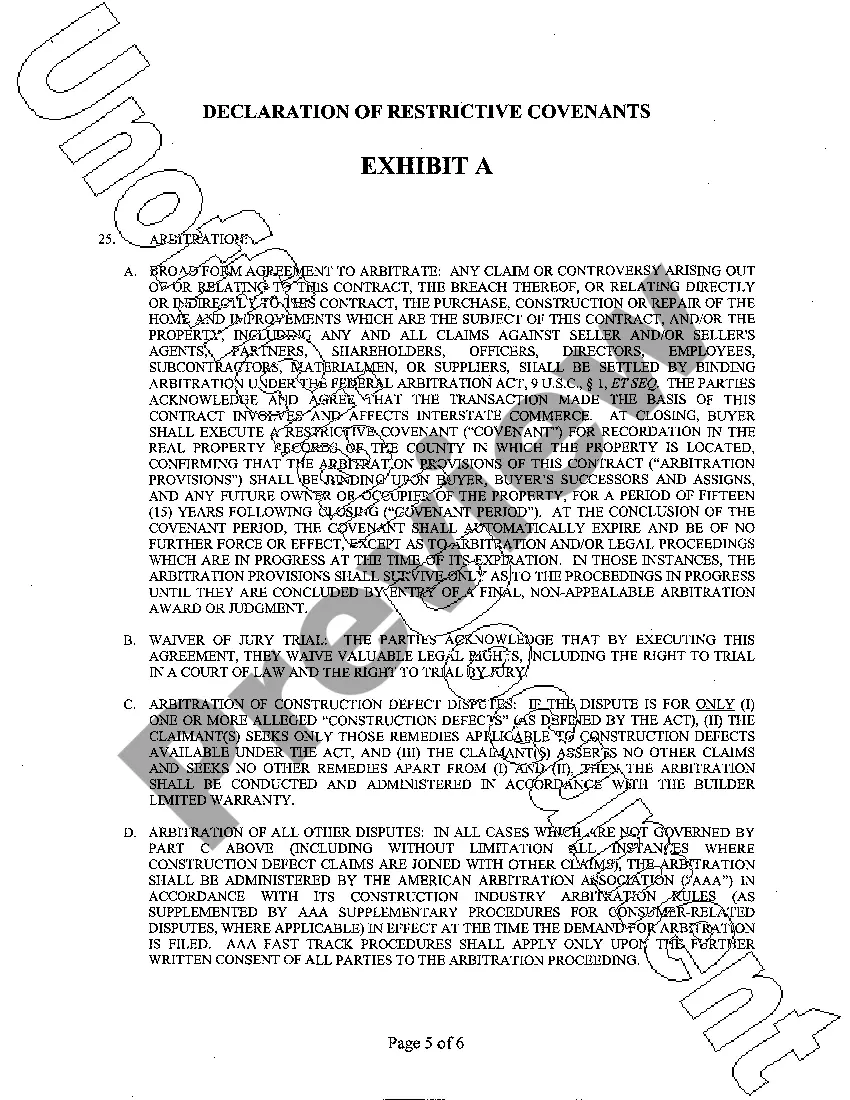
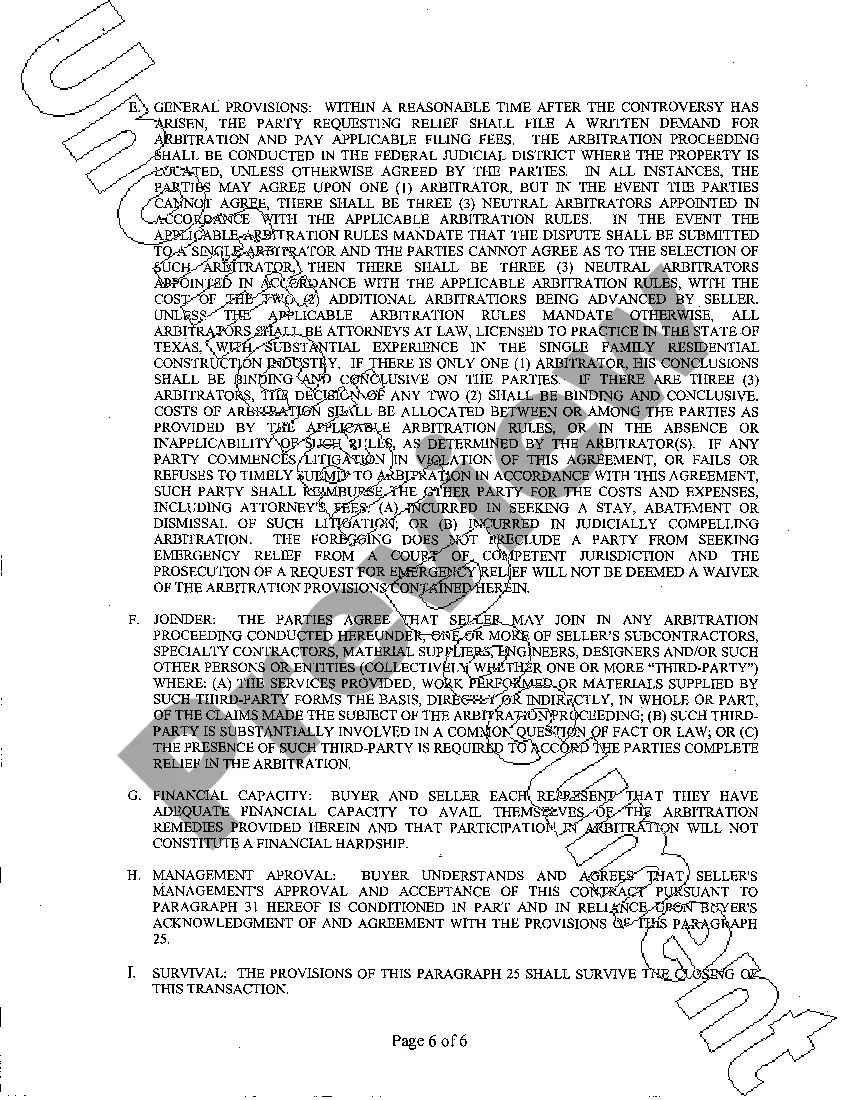
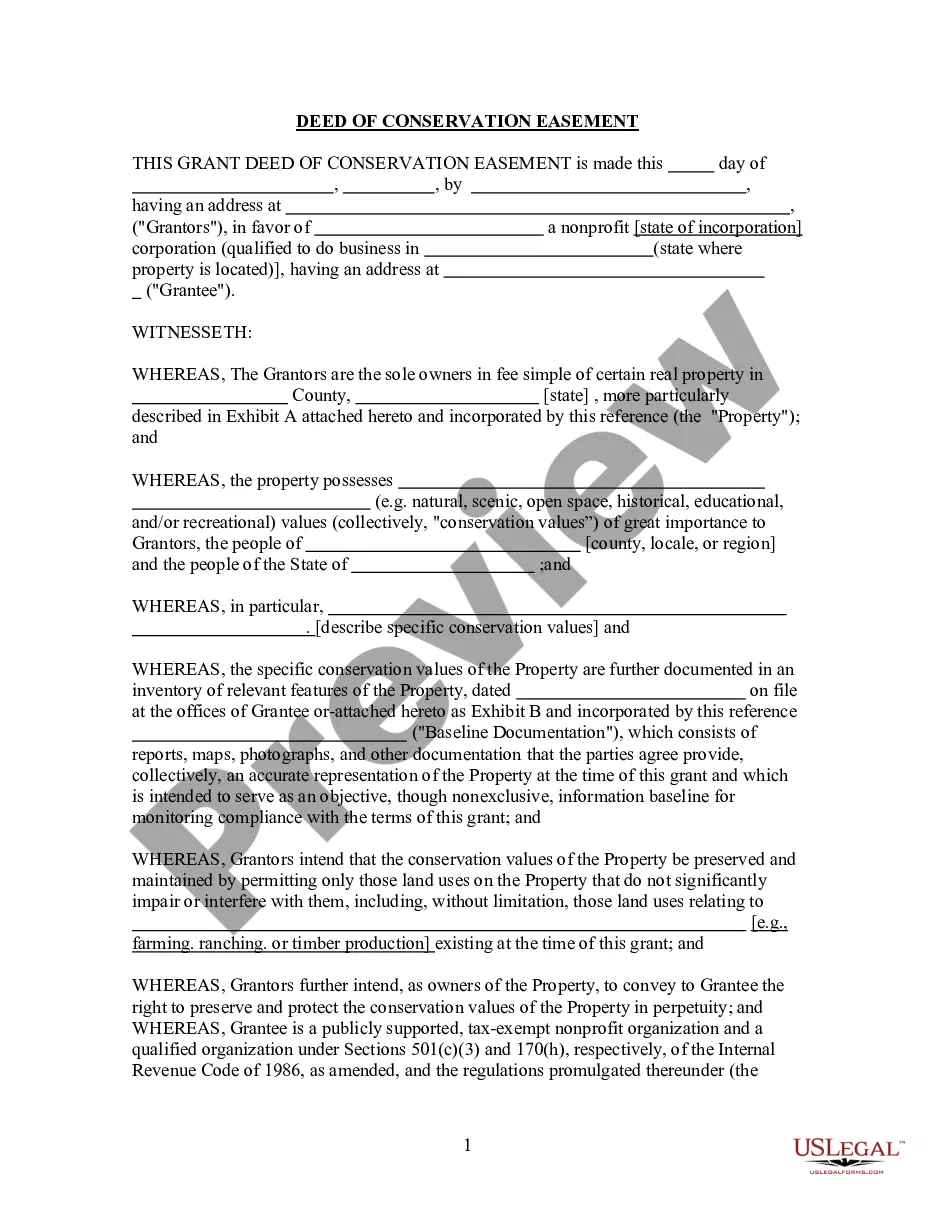
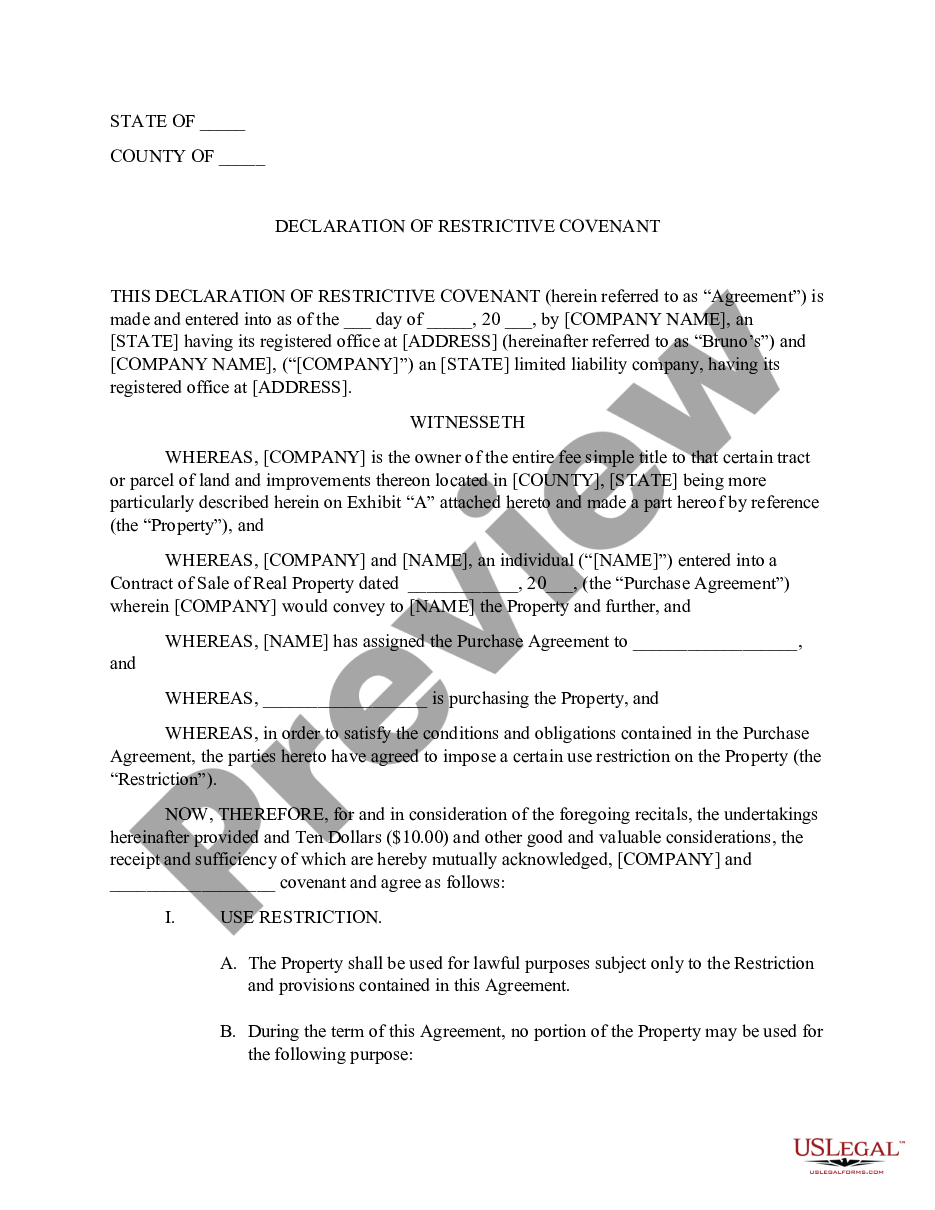
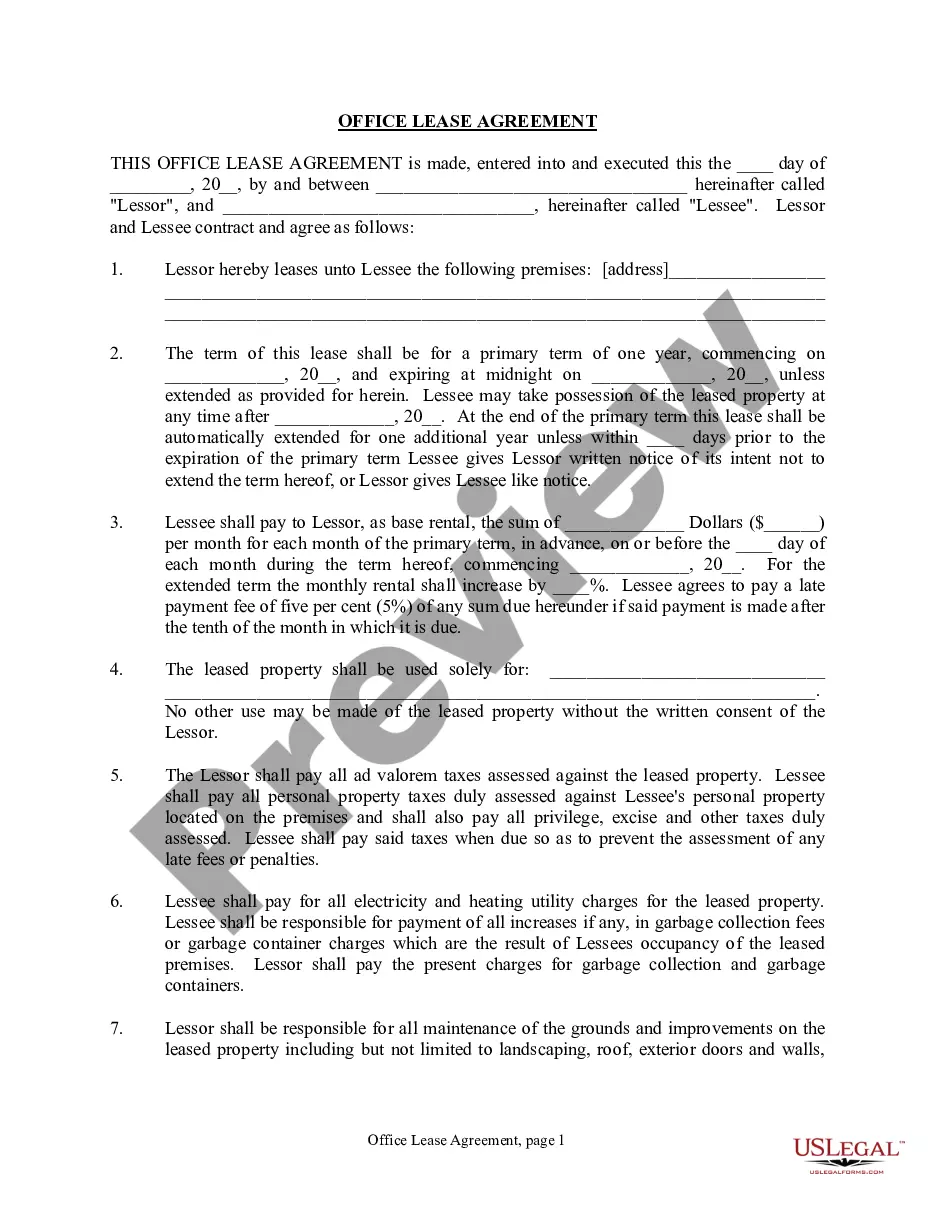
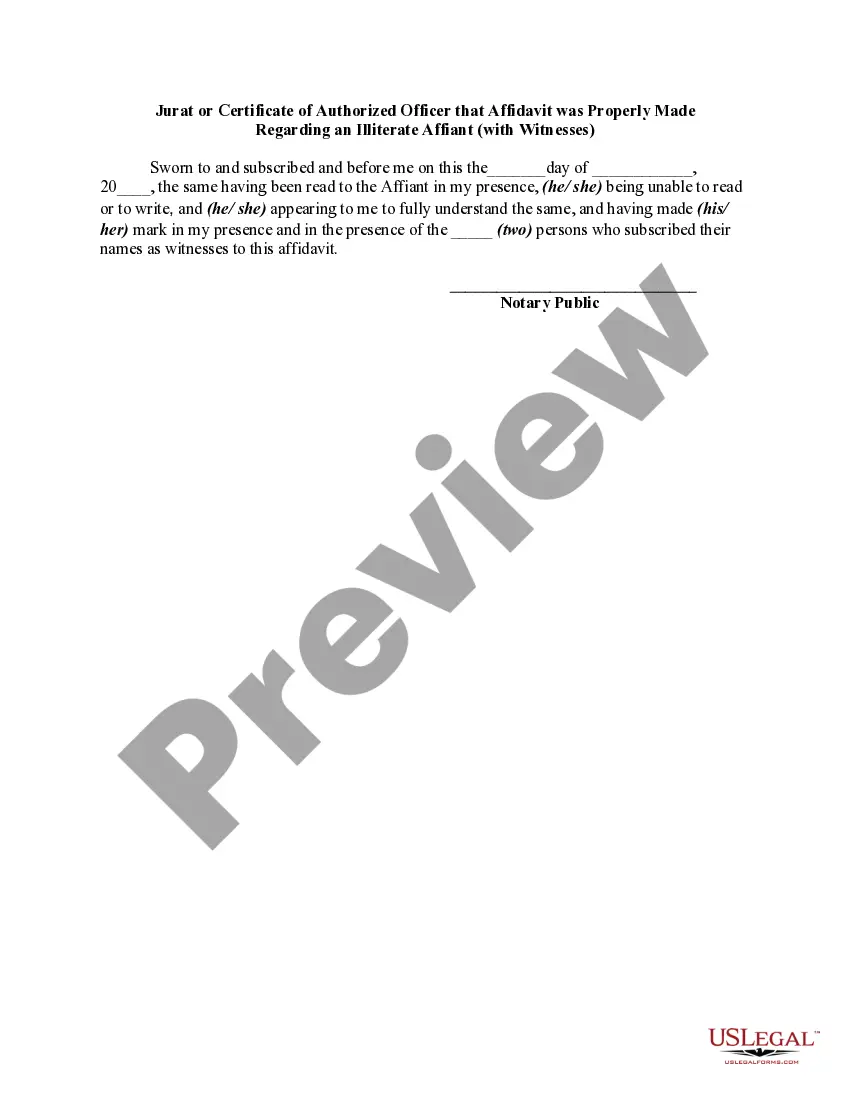

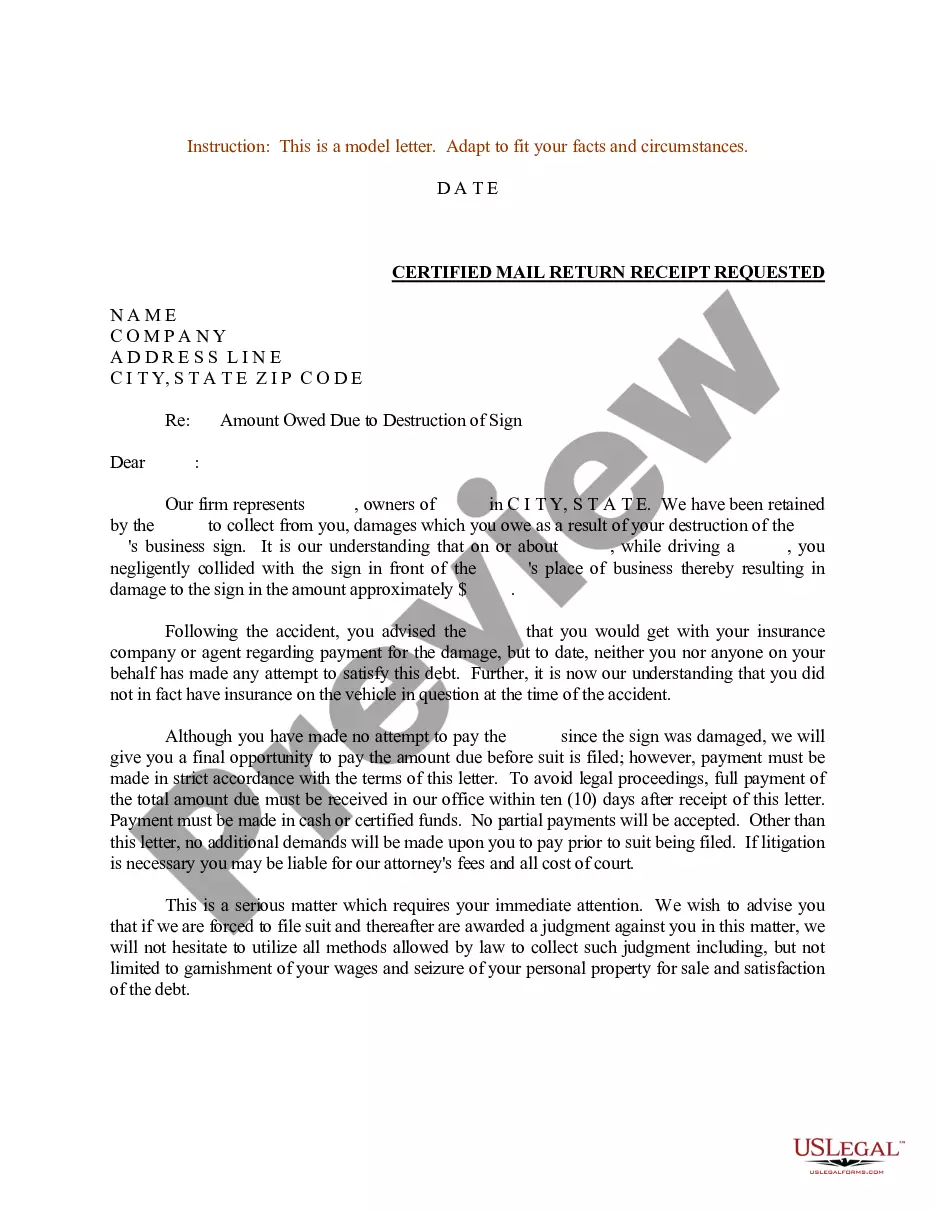
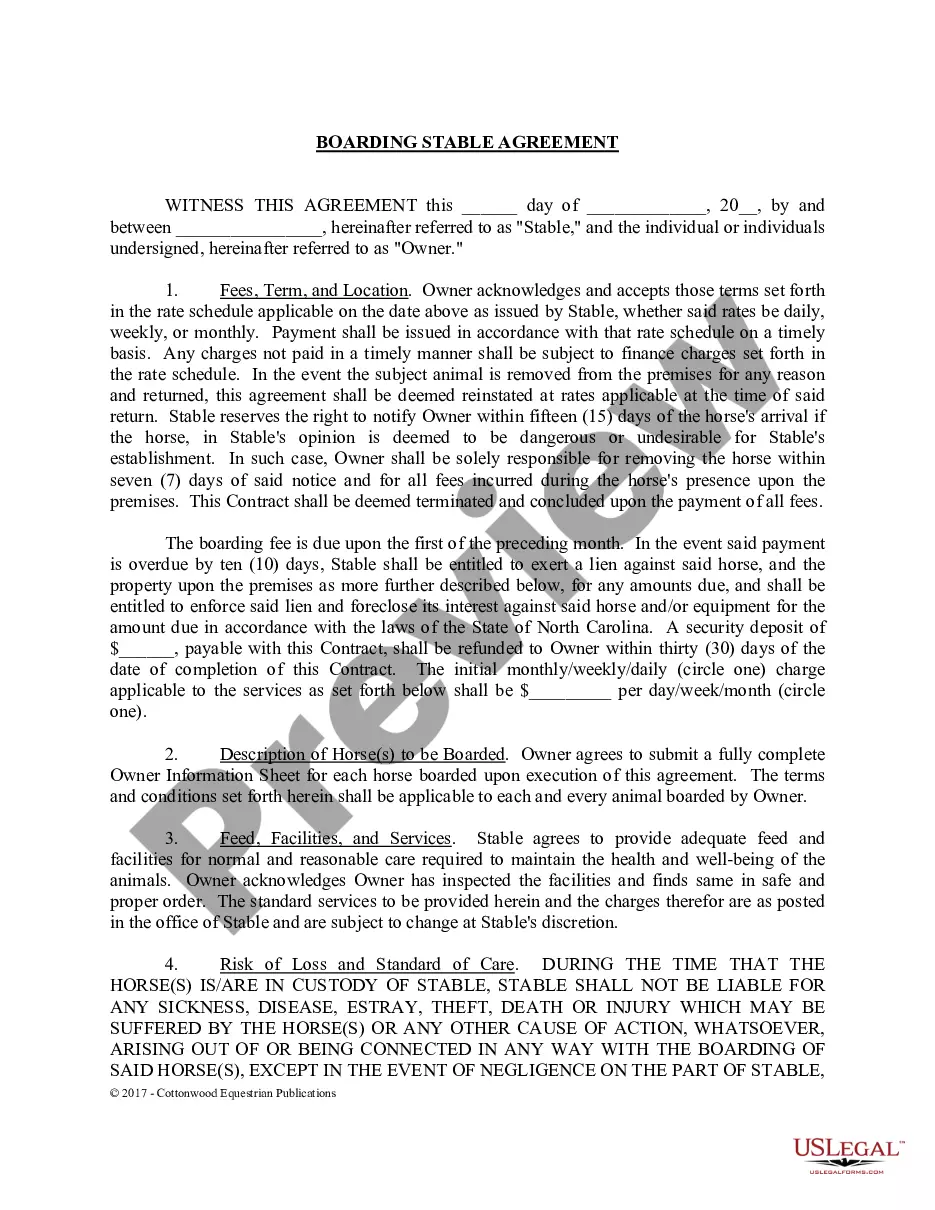

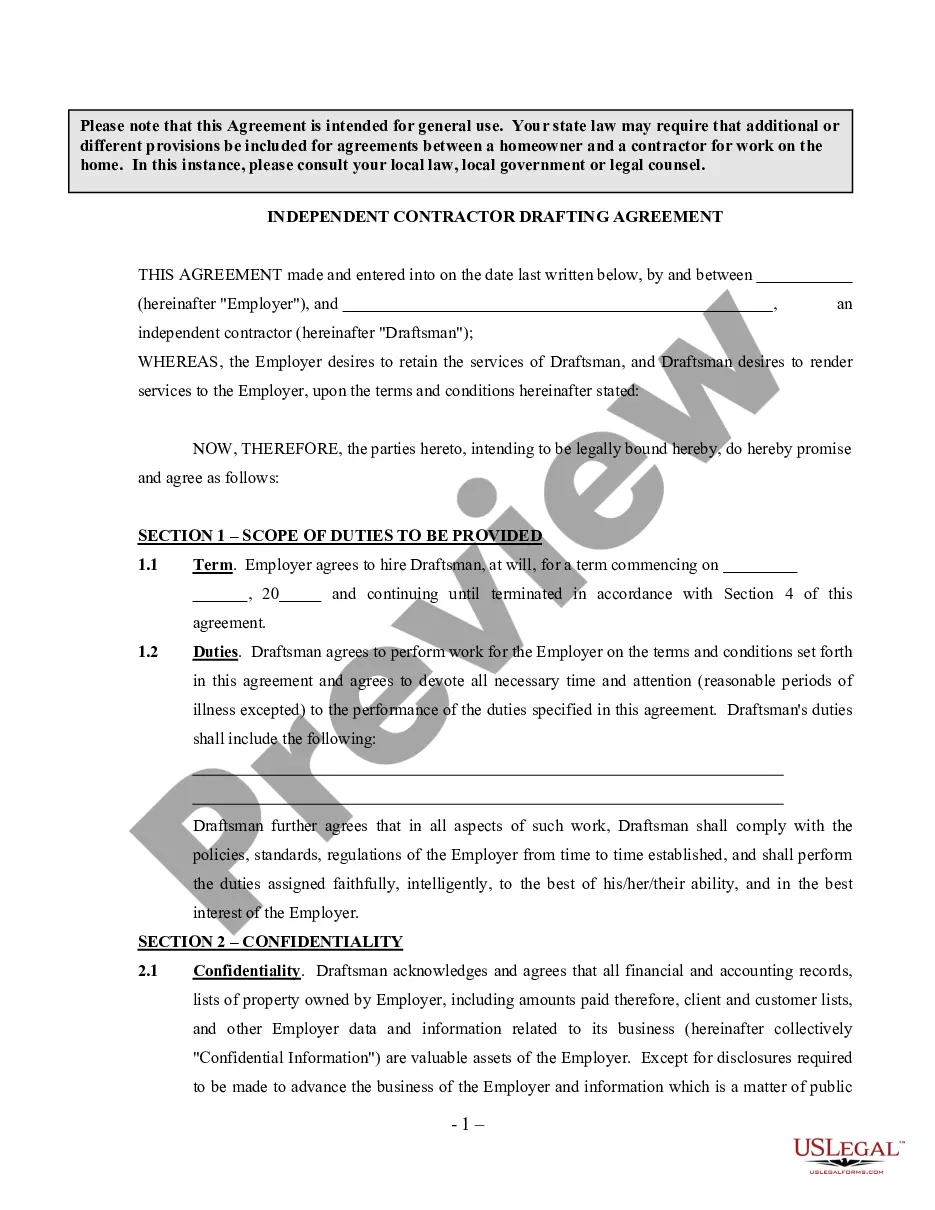
How to fill out Texas Declaration Of Restrictive Covenants?
Access to quality Texas Declaration of Restrictive Covenants templates online with US Legal Forms. Prevent days of wasted time searching the internet and dropped money on documents that aren’t up-to-date. US Legal Forms offers you a solution to exactly that. Get above 85,000 state-specific legal and tax samples you can download and fill out in clicks in the Forms library.
To get the example, log in to your account and then click Download. The document will be stored in two places: on your device and in the My Forms folder.
For people who don’t have a subscription yet, have a look at our how-guide below to make getting started simpler:
- See if the Texas Declaration of Restrictive Covenants you’re looking at is appropriate for your state.
- View the sample utilizing the Preview function and browse its description.
- Visit the subscription page by clicking on Buy Now button.
- Select the subscription plan to go on to register.
- Pay out by card or PayPal to finish creating an account.
- Select a favored format to save the file (.pdf or .docx).
You can now open up the Texas Declaration of Restrictive Covenants template and fill it out online or print it out and do it by hand. Consider mailing the papers to your legal counsel to ensure things are completed properly. If you make a mistake, print and fill application once again (once you’ve made an account every document you save is reusable). Make your US Legal Forms account now and access much more forms.
Form popularity
FAQ
The restrictions and affirmative obligations included in a set of restrictive covenants may be enforced by (i) any individual owner or (ii) in a condominium or planned community, the owners association.However, most enforcement of restrictive covenants is now carried out by the appropriate owners association.
A restrictive covenant is an agreement that restricts a company or other party to a contract from engaging in certain actions. For example, a restrictive covenant entered into with a public company might limit the amount of dividends the firm can pay its shareholders.
Enforcing Restrictive Covenants An injunction is a discretionary remedy which a court is more likely to grant if it is applied for promptly. However before taking legal action it is important to establish that you do have the right to enforce the covenant.
A restrictive covenant is a clause in a deed or lease to real property that limits what the owner of the land or lease can do with the property. Restrictive covenants allow surrounding property owners, who have similar covenants in their deeds, to enforce the terms of the covenants in a court of law.
The restrictive covenants imposed by the scheme must be registered against the seller by each buyer. In the case of unregistered land the covenants are registered as D(ii) land charges.