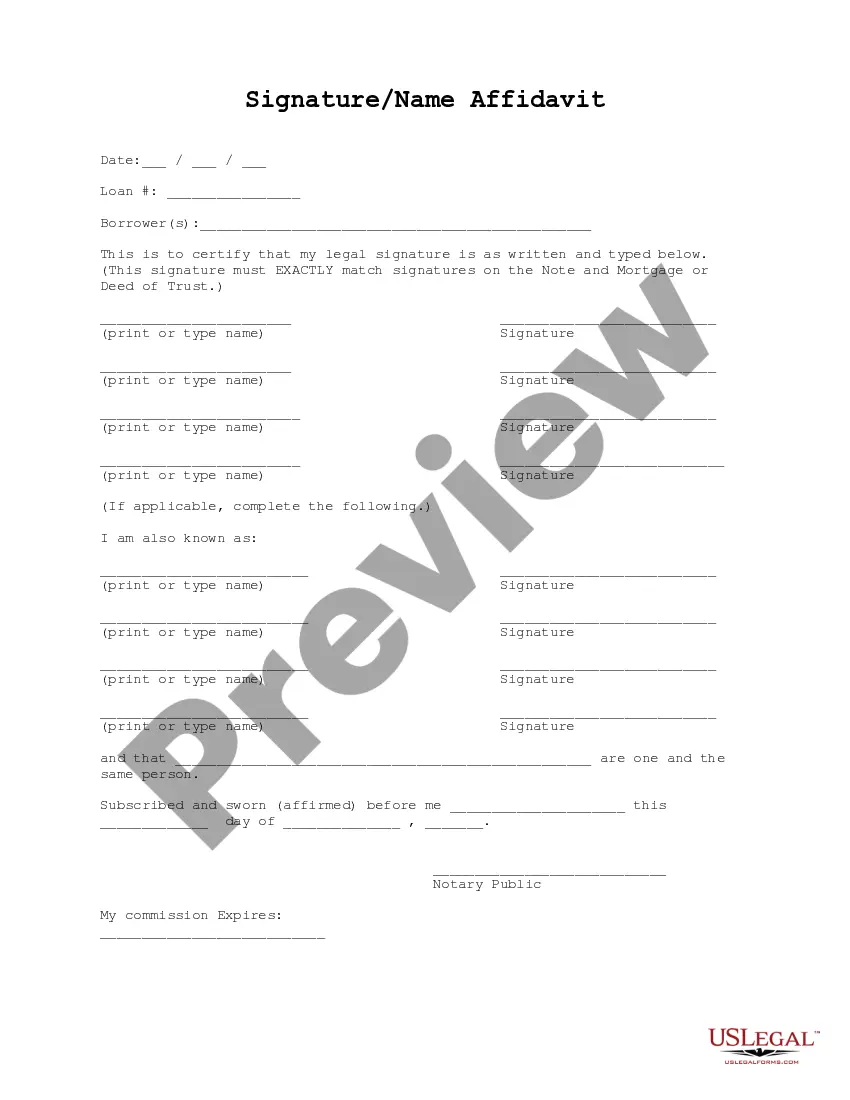
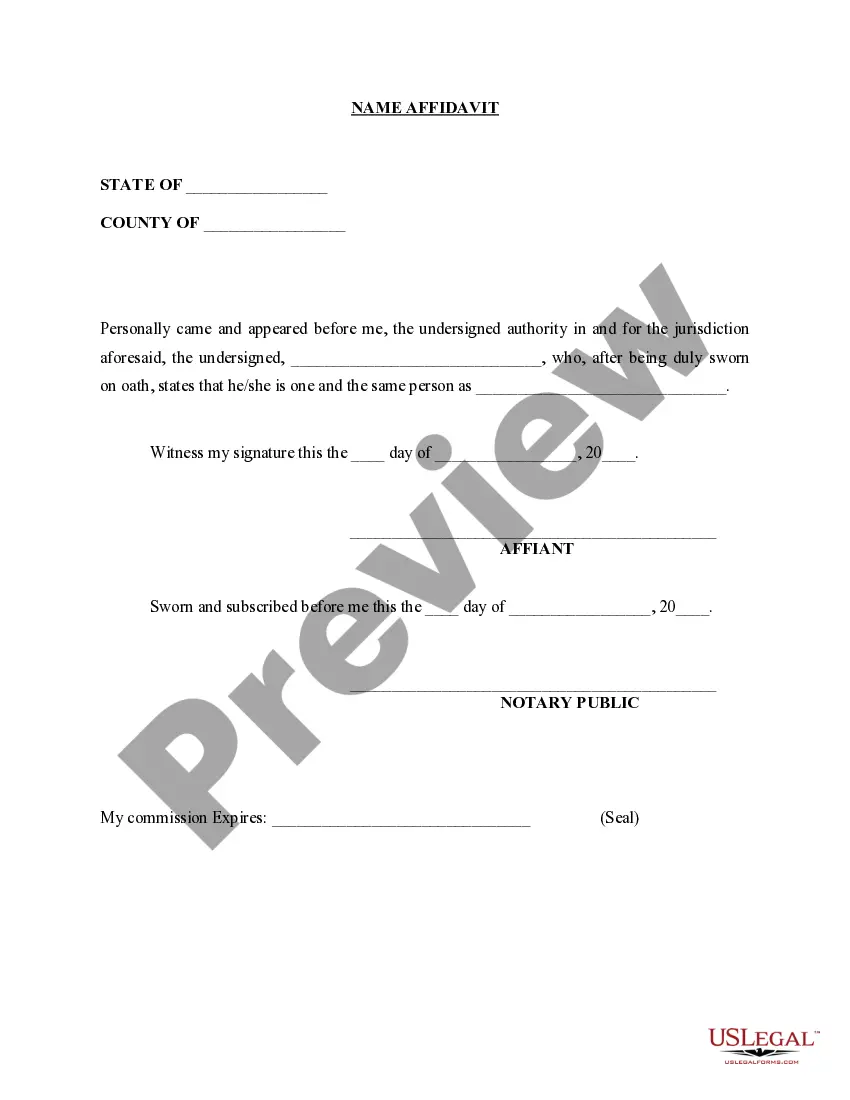
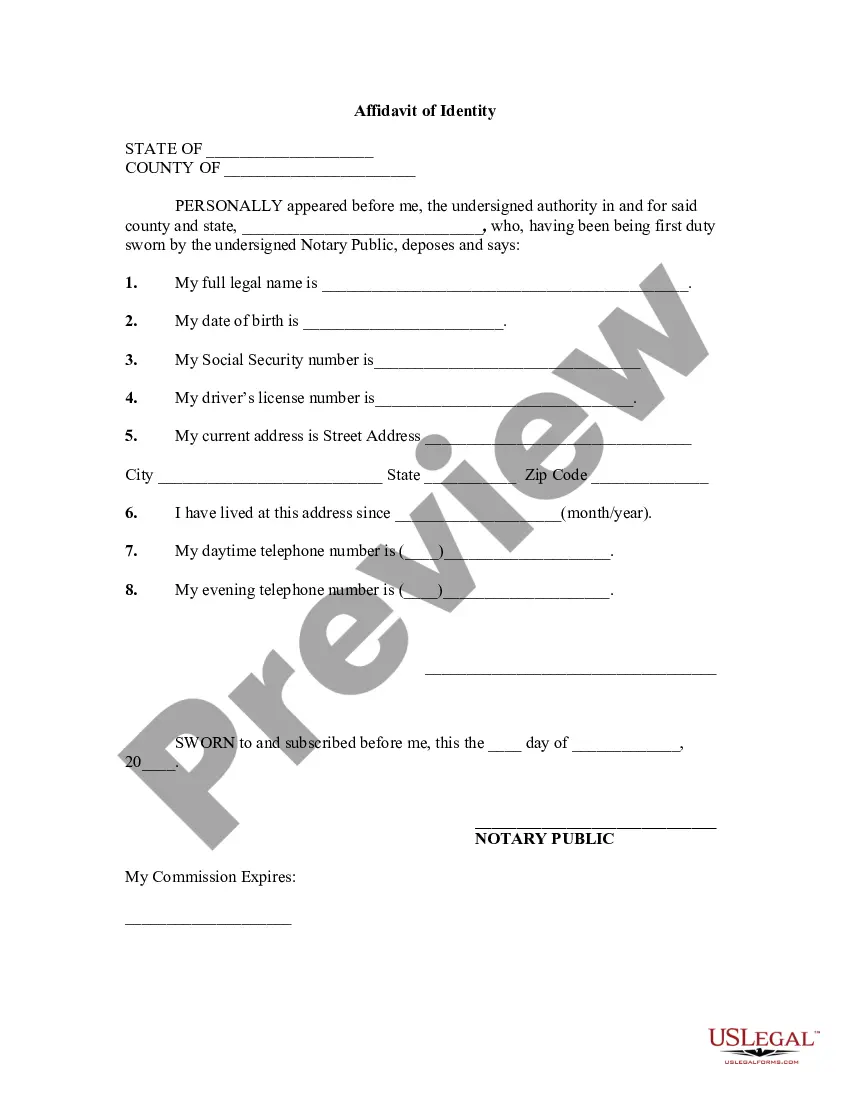
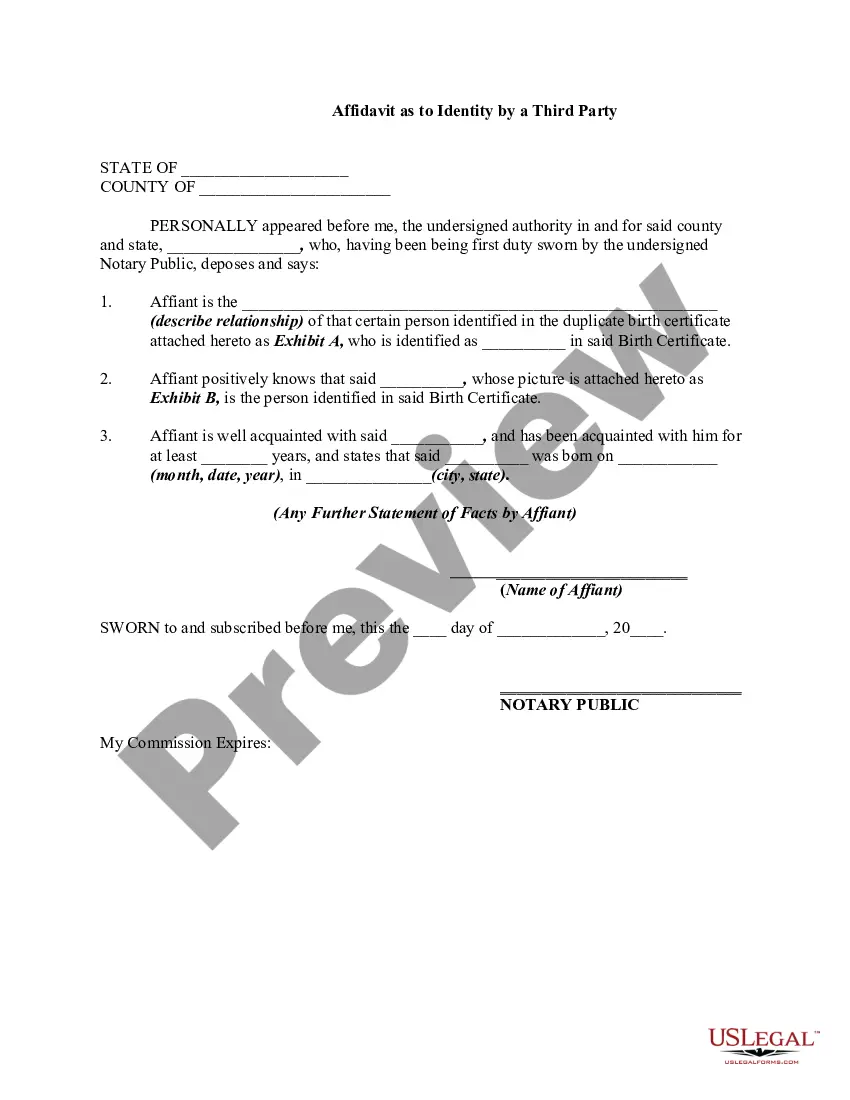
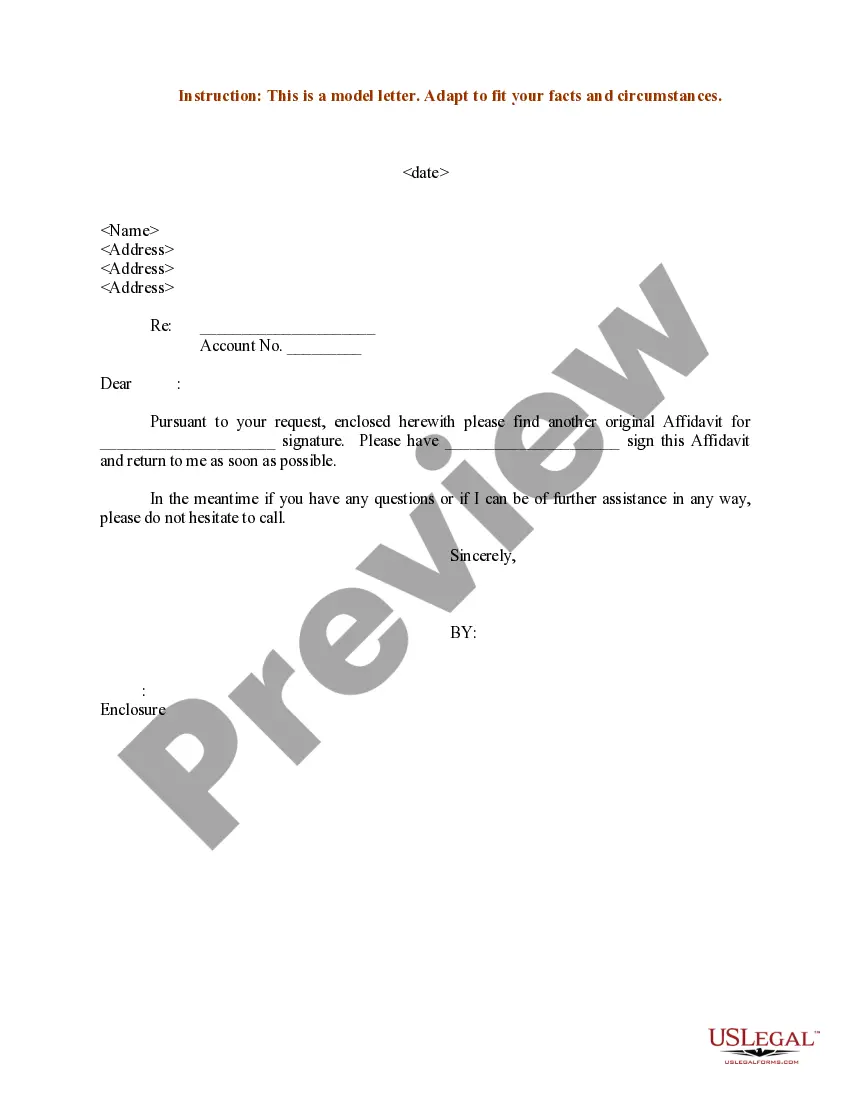
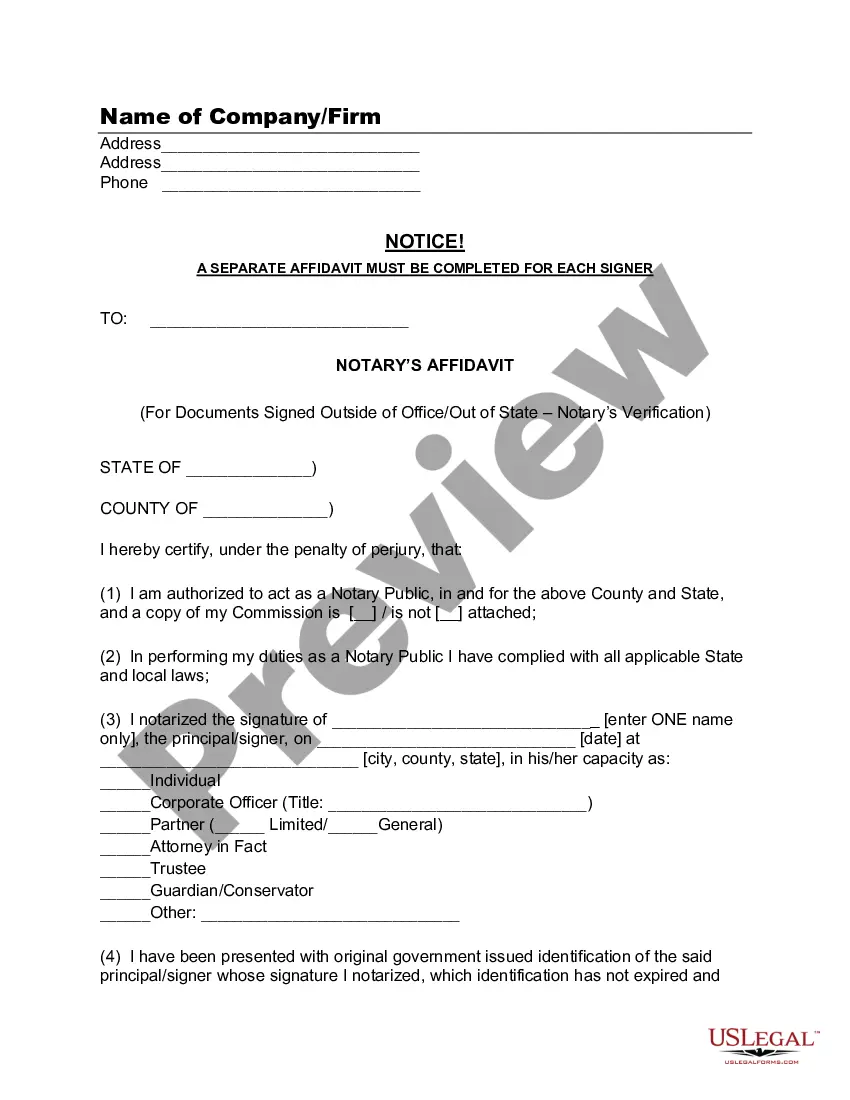
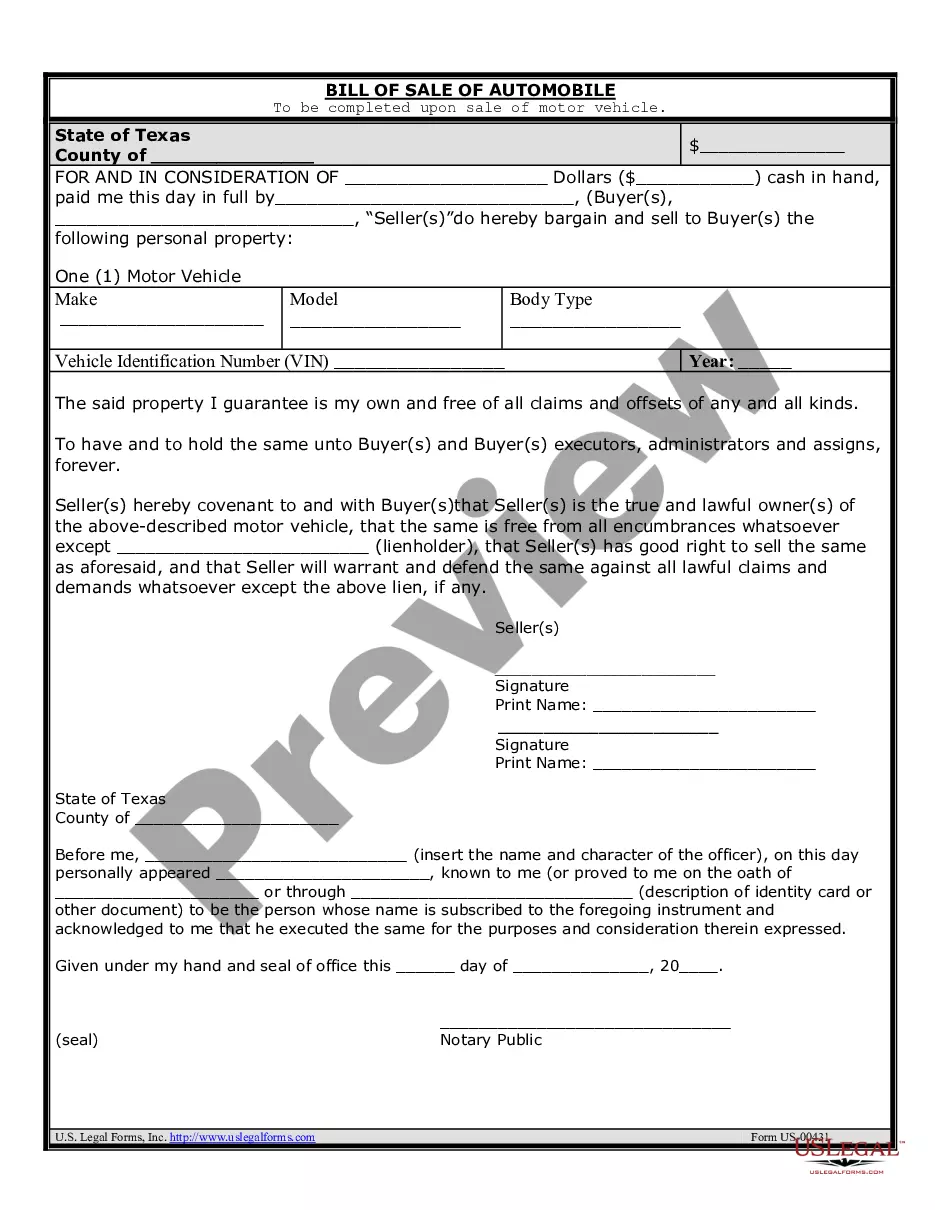
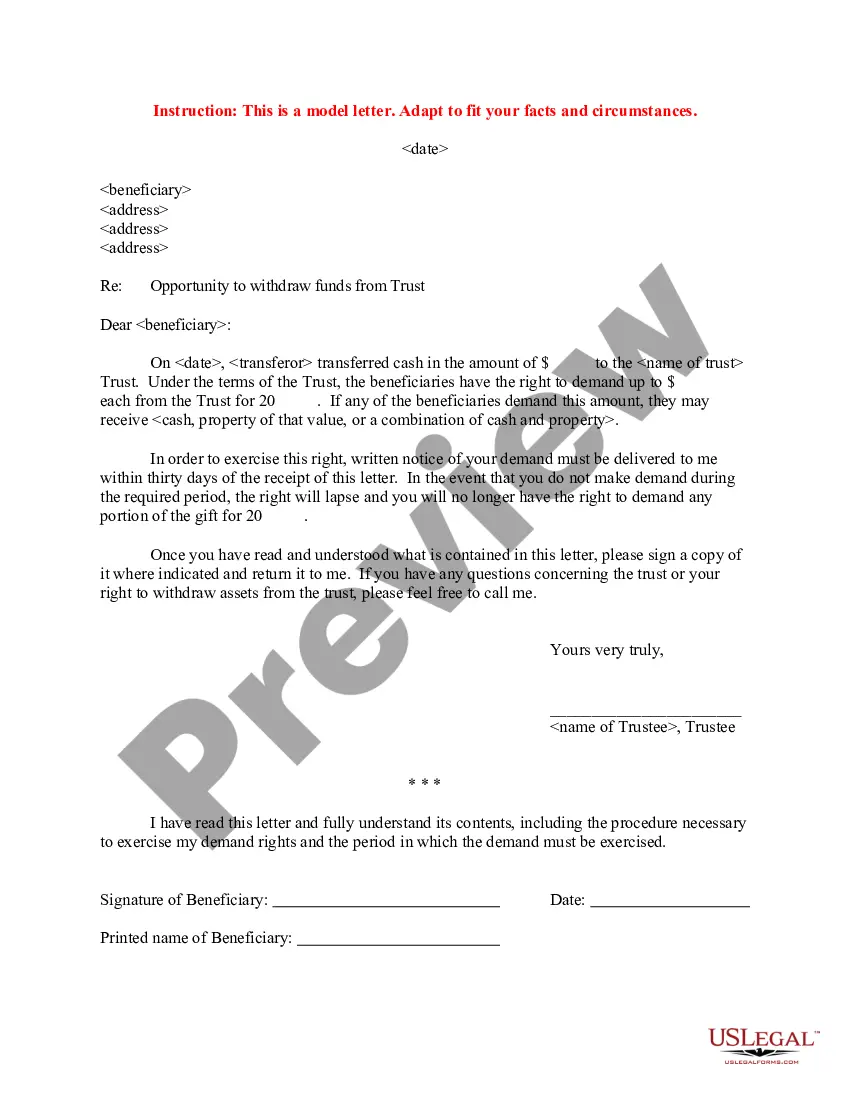
South Dakota Signature and Name Affidavit
Description
Get your form ready online
Our built-in tools help you complete, sign, share, and store your documents in one place.
Make edits, fill in missing information, and update formatting in US Legal Forms—just like you would in MS Word.
Download a copy, print it, send it by email, or mail it via USPS—whatever works best for your next step.
Sign and collect signatures with our SignNow integration. Send to multiple recipients, set reminders, and more. Go Premium to unlock E-Sign.
If this form requires notarization, complete it online through a secure video call—no need to meet a notary in person or wait for an appointment.
We protect your documents and personal data by following strict security and privacy standards.

Make edits, fill in missing information, and update formatting in US Legal Forms—just like you would in MS Word.

Download a copy, print it, send it by email, or mail it via USPS—whatever works best for your next step.

Sign and collect signatures with our SignNow integration. Send to multiple recipients, set reminders, and more. Go Premium to unlock E-Sign.

If this form requires notarization, complete it online through a secure video call—no need to meet a notary in person or wait for an appointment.

We protect your documents and personal data by following strict security and privacy standards.
Looking for another form?

How to fill out Signature And Name Affidavit?
If you require to finalize, obtain, or print legal document templates, utilize US Legal Forms, the topmost variety of legal forms accessible online.
Employ the site’s straightforward and user-friendly search to locate the documents you need.
Various templates for business and personal purposes are organized by categories and suggests, or keywords.
Step 3. If you are dissatisfied with the form, utilize the Search field at the top of the screen to find alternative versions of the legal form template.
Step 4. After selecting the form you need, click the Get now button. Choose your preferred payment method and enter your details to create an account.
- Use US Legal Forms to find the South Dakota Signature and Name Affidavit in just a few clicks.
- If you are already a US Legal Forms member, Log In to your account and select the Obtain option to get the South Dakota Signature and Name Affidavit.
- You can also access forms you have previously downloaded from the My documents section in your account.
- If this is your first time using US Legal Forms, follow these guidelines.
- Step 1. Ensure you have selected the form for your specific city/state.
- Step 2. Use the Preview option to review the content of the form. Be sure to read the description.
Form popularity
FAQ
To become a notary public in South Dakota, you need to meet specific requirements such as being at least 18 years old, a resident of South Dakota, and able to read and write English. You must complete a notary application and submit it to the Secretary of State, along with any required fees. Once your application is approved, you will receive your notary commission, which enables you to perform duties like administering oaths and witnessing signatures on documents, including the South Dakota Signature and Name Affidavit. For an easy, straightforward process, consider using USLegalForms to find the necessary forms and guidance.
The State of South Dakota DOES NOT provide the official notary seal/stamp.
NOTARY PUBLICCanadian Senators, MLAs, MPs, judges and even students-at-law can act as a notary. There are many private notary services available if certified: they have undergone rigorous legal screening to ensure their impartiality.
Affidavits are documents used to declare facts in writing and can either be used as support documents or as evidence in Courts. An affidavit for proof of address or simply affidavit of residence is a document is that is used to legally prove a person's address.
A notary or a notary public is a person, usually a lawyer, who has legal authority to witness the signing of documents in order to make them legally valid.
Consequences of an affidavit A deponent must have complete or full knowledge of the facts or statements contained in the affidavit as all of it shall be personally binding on him/ her.
No. If a notary public is a party to a transaction, or has a direct or indirect financial (or other beneficial) interest in the transaction, no matter how small, the notary must decline the notarization.
The person making the affidavit (the deponent) must sign the bottom of each page in the presence of an authorized person, such as a lawyer.
If a document is notarized, it is signed by a notary public in order to make it official or legal: Your request must be signed and notarized.
No, an Affidavit given on the requisite value of the stamp papers is not a valid document. Affidavits shall be sworn before the officers referred to in section 139 of the Code of Civil Procedure, 1908.