South Carolina Life Documents Planning Package, including Will, Power of Attorney and Living Will
About this form package
The South Carolina Life Documents Planning Package includes essential legal documents that assist individuals in organizing their affairs for the future. This comprehensive package includes a Last Will, General Durable Power of Attorney, and Statutory Health Care Power of Attorney, specifically tailored to meet South Carolina's legal standards. Unlike generic templates, these documents are designed by licensed attorneys to ensure compliance with state law, providing peace of mind as you plan for life's uncertainties.
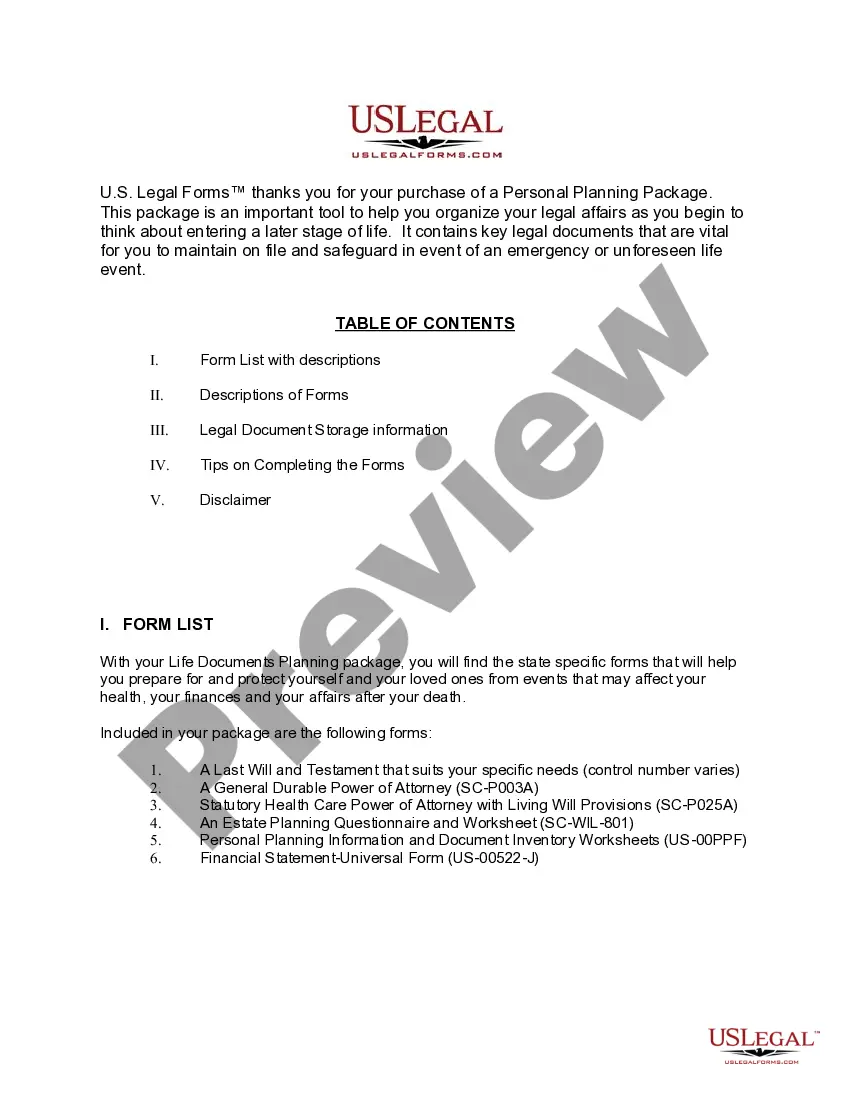
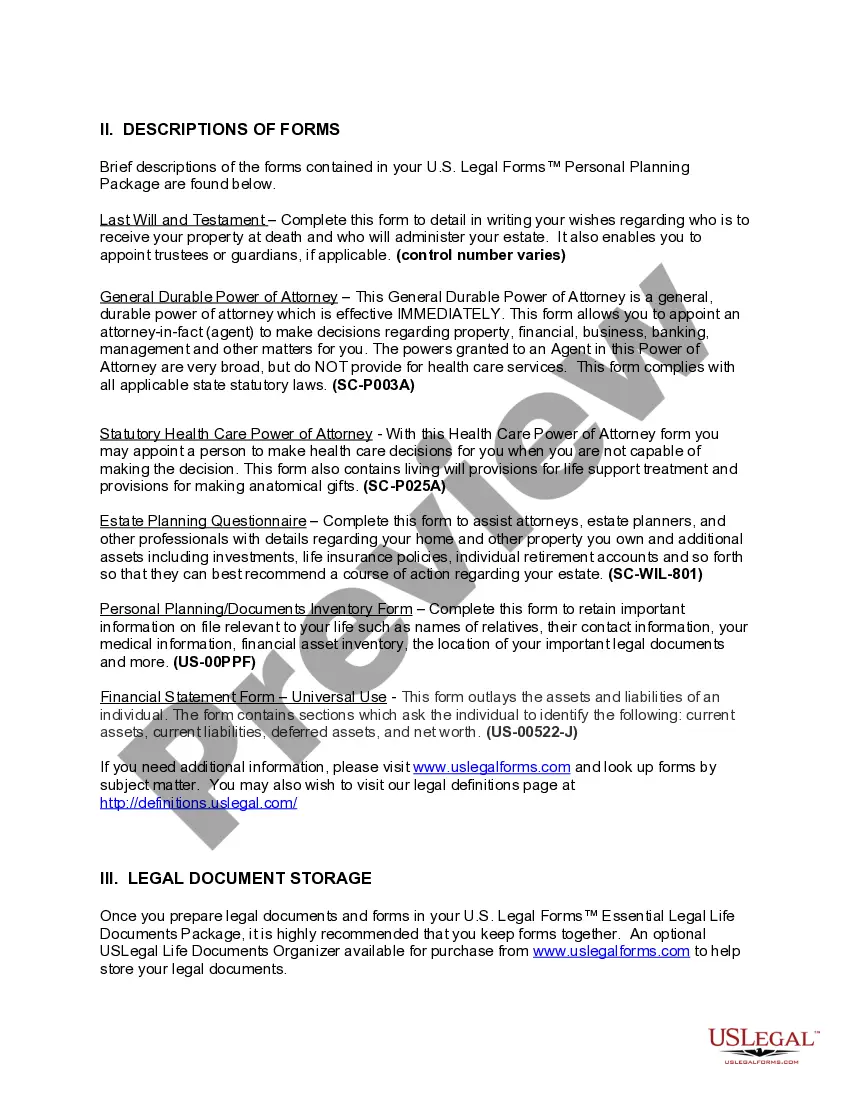
Documents contained in this package
- Last Will and Testament
- General Durable Power of Attorney for Property and Finances or Financial Effective Immediately
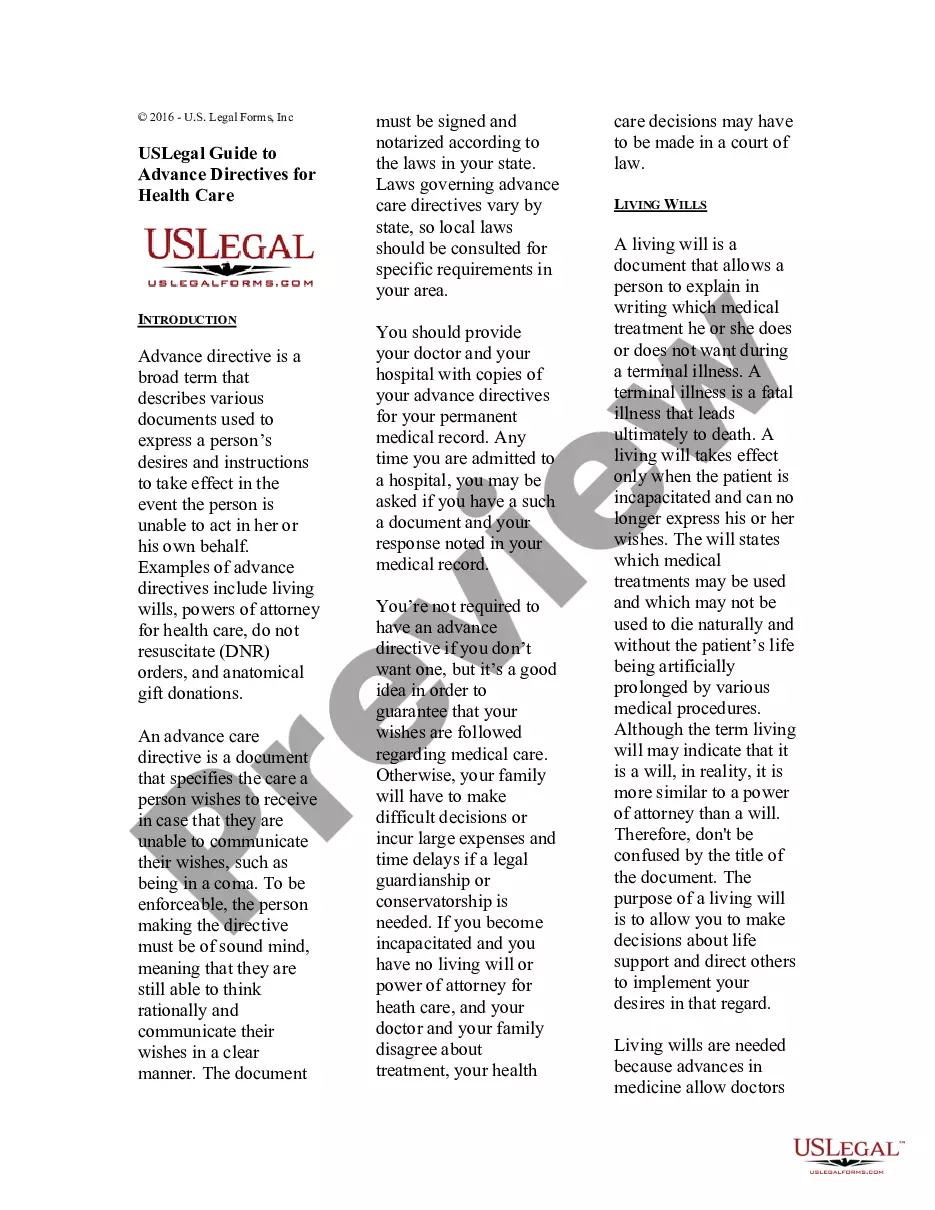
- Statutory Health Care Power of Attorney
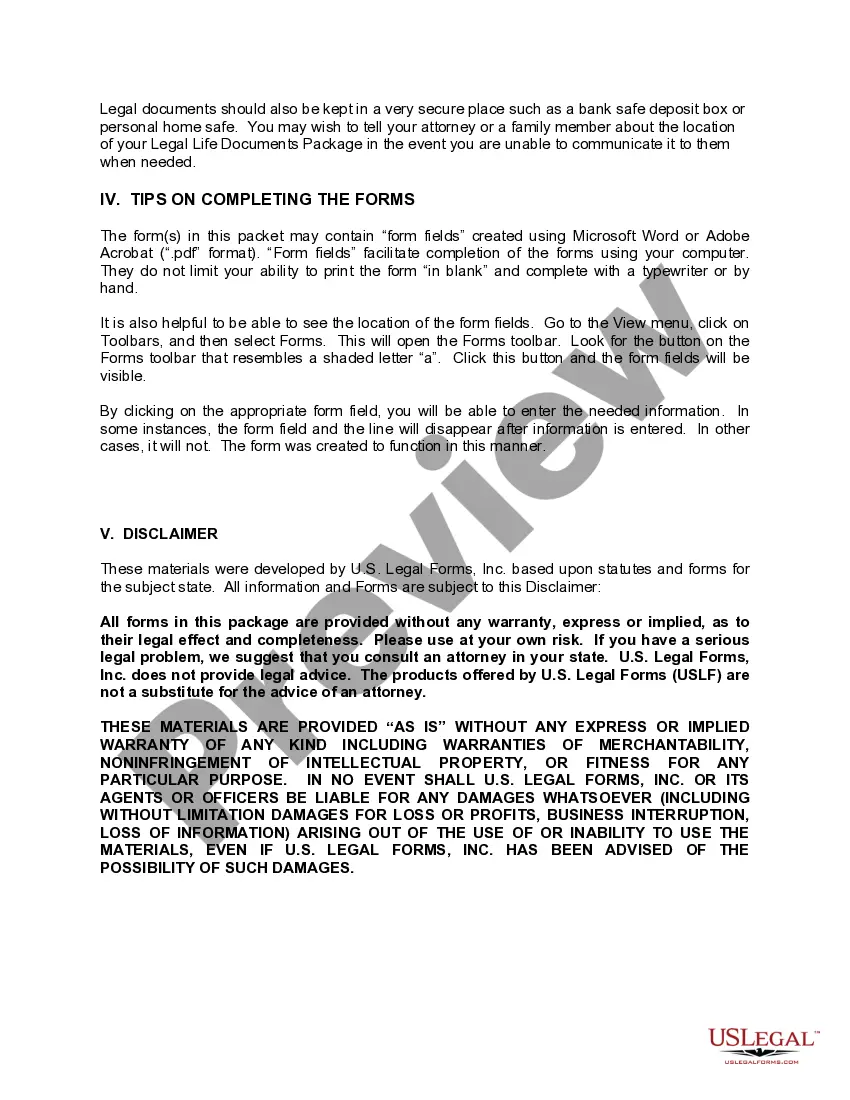
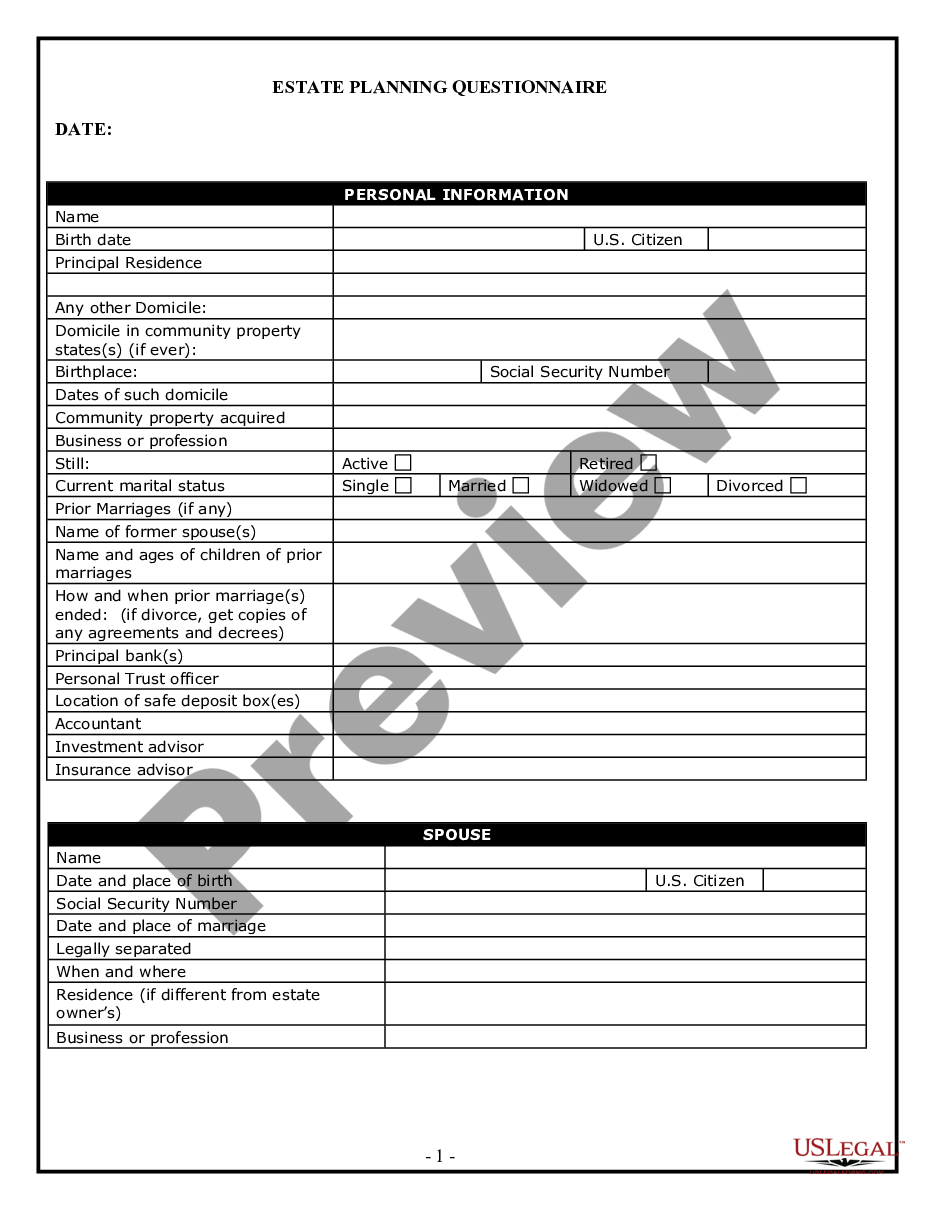
- Estate Planning Questionnaire and Worksheets
- Sample Letter for Request for Free Credit Report Allowed by Federal Law
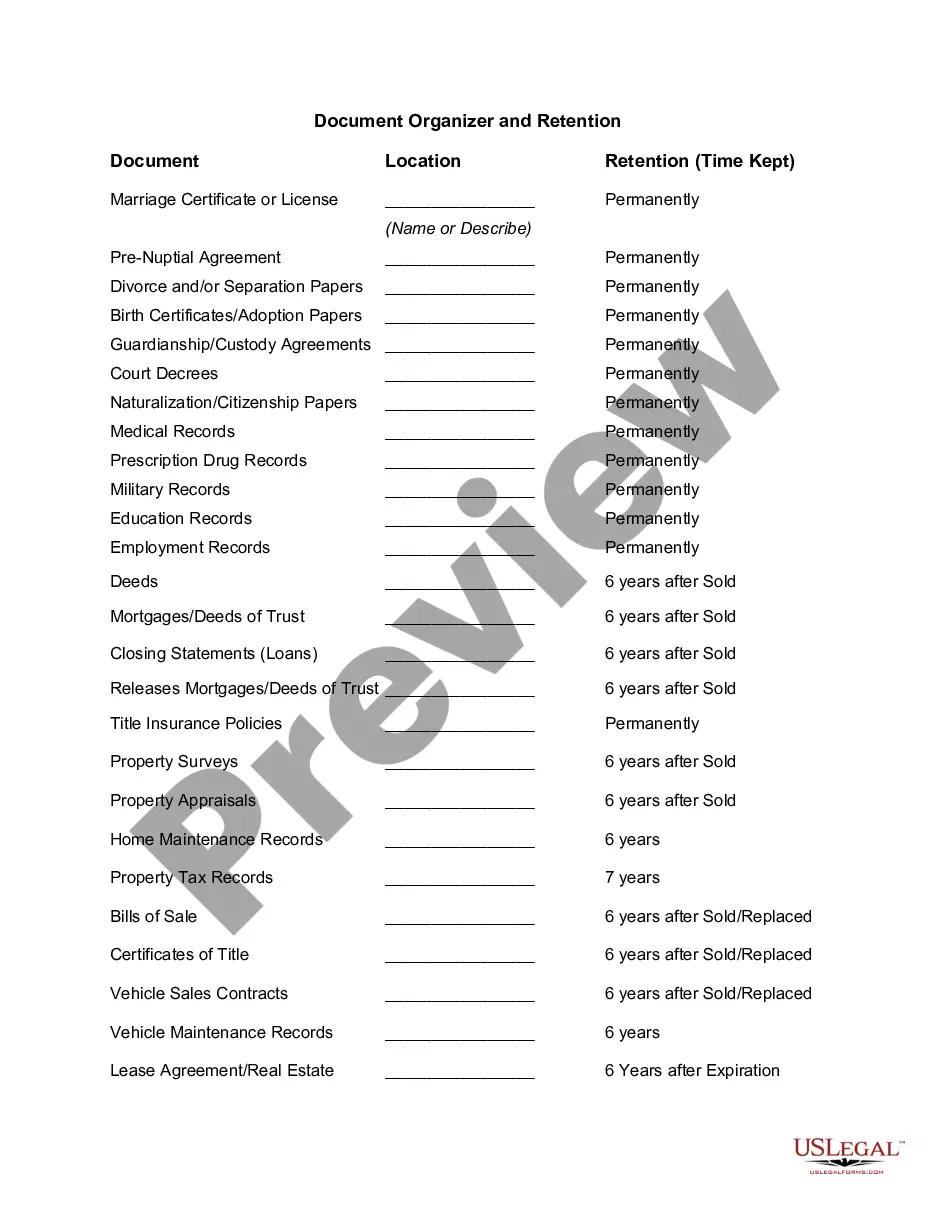
- Personal Planning Information and Document Inventory Worksheets - A Legal Life Document
- Estate Planning Questionnaire

Situations where these forms applies
This package is beneficial when you want to:
- Establish a will to specify how your assets will be distributed upon your death.
- Assign a trusted individual to manage your financial and legal matters through a power of attorney.
- Delegate medical decision-making authority in case you become incapacitated.
- Organize and document important personal and financial information to ensure it's accessible when needed.
Intended users of this form package
- Individuals seeking to create a legally binding Last Will.
- Anyone wanting to grant financial decision-making authority to a trusted person.
- People interested in setting up a health care power of attorney.
- Individuals looking to organize their personal and financial information for future planning.
- Residents of South Carolina who desire state-specific legal forms.
Steps to complete these forms
- Review all included forms to familiarize yourself with the requirements.
- Gather necessary personal information, such as details about your assets and health care preferences.
- Carefully fill out the Last Will, General Durable Power of Attorney, and Statutory Health Care Power of Attorney forms as per the instructions provided.
- Ensure you have witnesses present when signing the Last Will and any other documents that may require them.
- Store your completed documents in a secure location and inform your family members or attorney about their whereabouts.
Do forms in this package need to be notarized?
Some forms in this package need notarization to be legally binding. Our online notarization service, powered by Notarize, lets you verify and sign documents remotely through an encrypted video session, available 24/7.
Get your form ready online
Our built-in tools help you complete, sign, share, and store your documents in one place.
Make edits, fill in missing information, and update formatting in US Legal Forms—just like you would in MS Word.
Download a copy, print it, send it by email, or mail it via USPS—whatever works best for your next step.
Sign and collect signatures with our SignNow integration. Send to multiple recipients, set reminders, and more. Go Premium to unlock E-Sign.
If this form requires notarization, complete it online through a secure video call—no need to meet a notary in person or wait for an appointment.
We protect your documents and personal data by following strict security and privacy standards.

Make edits, fill in missing information, and update formatting in US Legal Forms—just like you would in MS Word.

Download a copy, print it, send it by email, or mail it via USPS—whatever works best for your next step.

Sign and collect signatures with our SignNow integration. Send to multiple recipients, set reminders, and more. Go Premium to unlock E-Sign.

If this form requires notarization, complete it online through a secure video call—no need to meet a notary in person or wait for an appointment.

We protect your documents and personal data by following strict security and privacy standards.
Mistakes to watch out for
- Not signing the will in accordance with South Carolina's witnessing requirements.
- Failing to select a competent agent for the power of attorney.
- Leaving critical information incomplete in the health care power of attorney.
- Neglecting to securely store the documents where they can be easily accessed when needed.
Why complete this package online
- Convenient access to professionally drafted forms that are ready for immediate download.
- Edit and customize documents at your own pace from the comfort of your home.
- Reliable format that ensures compliance with state-specific legal requirements.
- Save time and money by avoiding the need for expensive legal consultations for standard documents.
Looking for another form?



Form popularity
FAQ
Healthcare advance directives should state both what you do want and what you don't want.You retain the right to override the decisions or your representative, change the terms of your living will or POA, or completely revoke an advance directive.
You can give a person complete authority to make all decisions, or limit them significantly to make only specific decisions.If you want specificity, it is better to do that in your living will, which the person with a durable power of attorney cannot override.
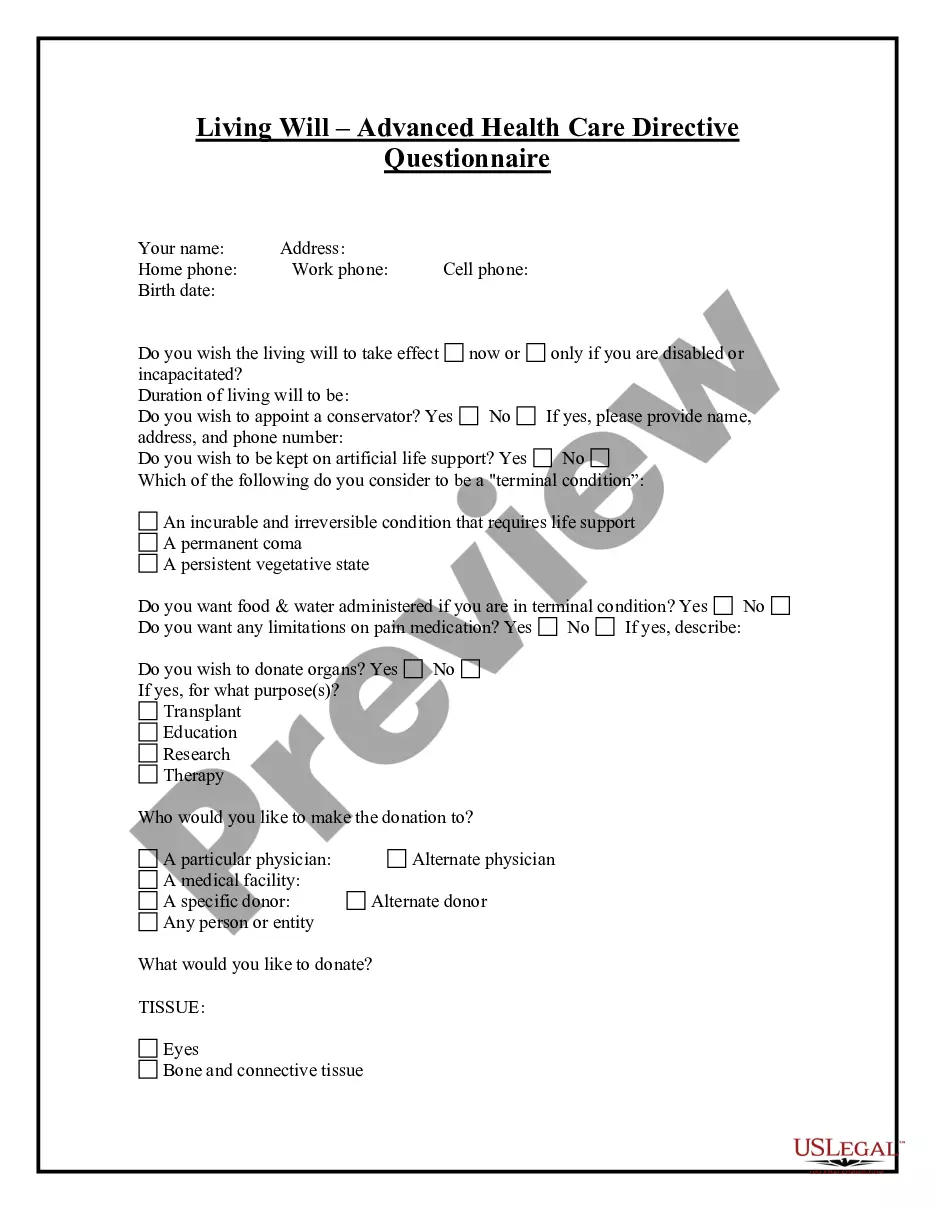
You may decide to have both a power of attorney and a living will, called a combined advance directive for health care. Whether you go with one or both, you receive similar benefits. You prevent the matter from having to go to court, where a judge who does not know you would determine what your care would be.
Policies vary, but as a rule a power of attorney may not sign a beneficiary designation form, although some insurance programs allow it.Likewise, a power of attorney cannot designate herself as a beneficiary on the form unless the power of attorney documents clearly state that she has that right.
An advance directive is a set of instructions someone prepares in advance of ill health that determines his healthcare wishes. A living will is one type of advance directive that becomes effective when a person is terminally ill.
The living will. Durable power of attorney for health care/Medical power of attorney. POLST (Physician Orders for Life-Sustaining Treatment) Do not resuscitate (DNR) orders. Organ and tissue donation.
An advance directive is a set of instructions someone prepares in advance of ill health that determines his healthcare wishes. A living will is one type of advance directive that becomes effective when a person is terminally ill.
A living will is a vital part of the estate plan. You can alter it as your preferences and needs change over time.But your family cannot override your living will. They cannot take away your authority to make your own treatment and care plans.
An advance directive provides a clear understanding of your health care wishes before you become unable to voice them, and a durable power of attorney makes decisions for you that you can no longer make. Failure to enact both may leave you susceptible to health care decisions contradictory to your wishes.