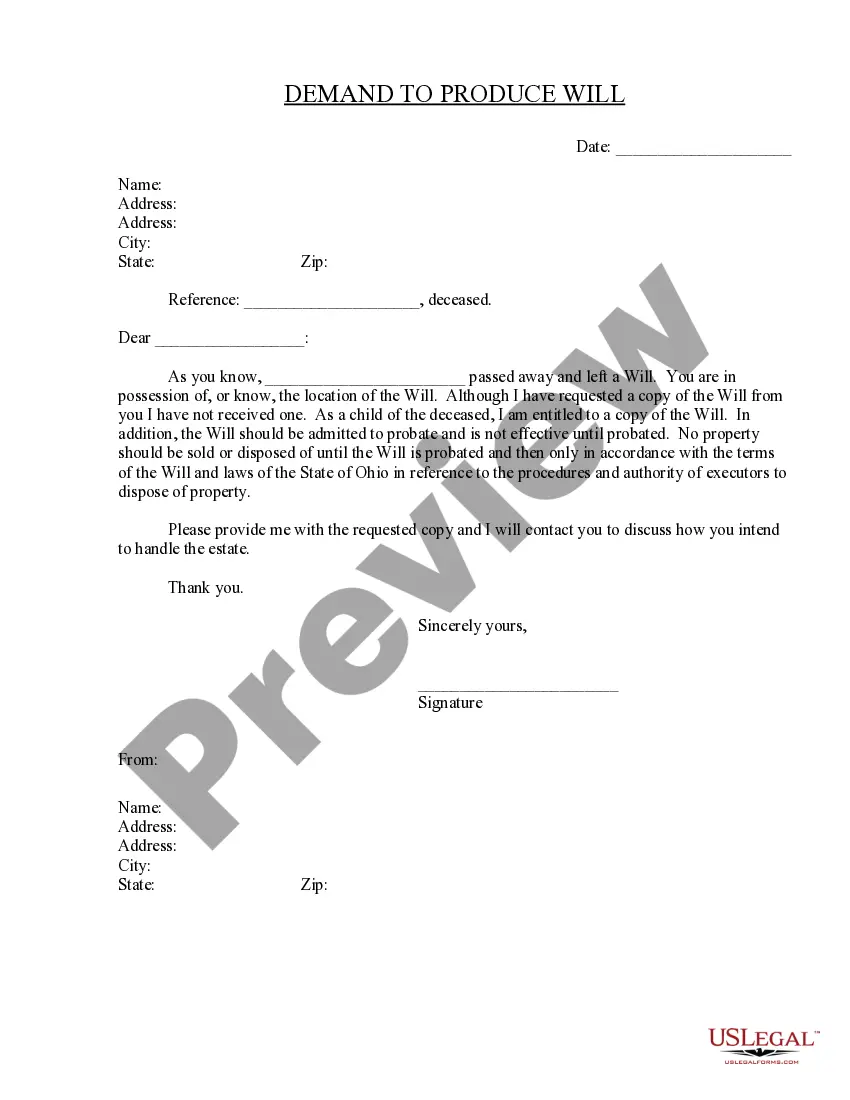
New Jersey Amendment of Residential Lease
What this document covers
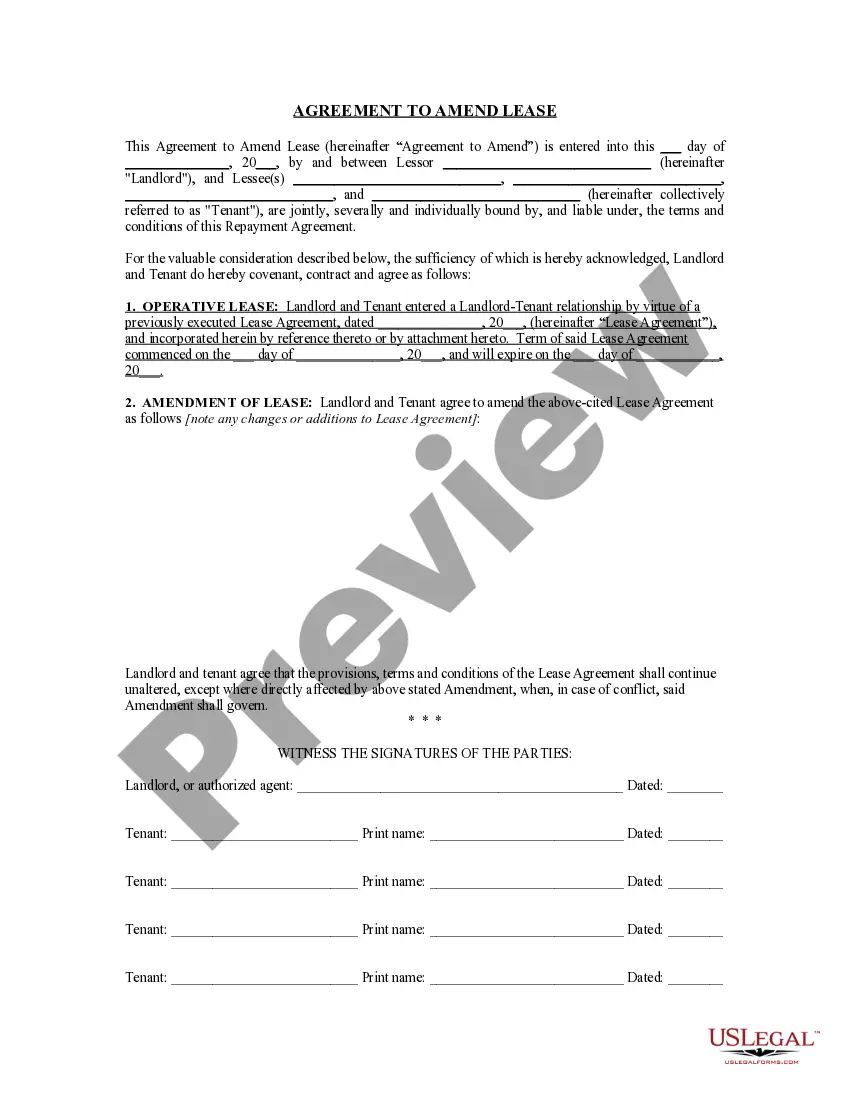
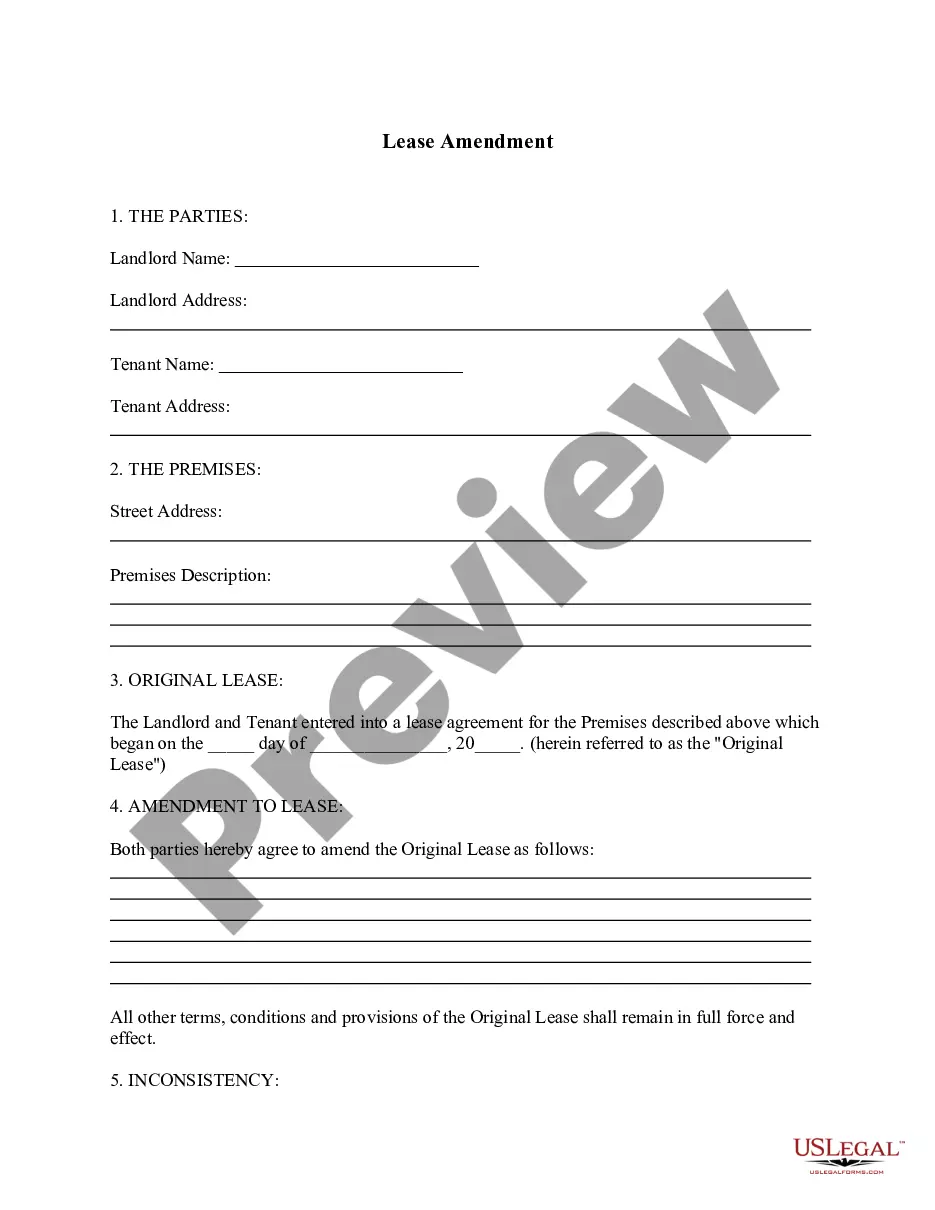
The Amendment of Residential Lease is a legal document used to modify the terms of an existing lease agreement between a landlord and tenant. This form is crucial for accurately incorporating any agreed-upon changes into the lease, ensuring that all parties are on the same page and preventing potential disputes. Unlike standard lease agreements, this amendment allows for flexibility by formally documenting alterations to the lease's terms while adhering to state laws.
Key components of this form
- Identification of the parties involved: Landlord and tenant.
- Reference to the original lease agreement including date and term.
- Detailed description of the amendments being made.
- Effective date of the amended lease terms.
- Signatures of all parties involved for legal validation.
When to use this form
This form is needed when either the landlord or tenant wishes to modify aspects of their lease agreement, such as extending the lease term, adjusting rent amounts, or making changes to the terms regarding repairs and maintenance. It is particularly useful during negotiations when both parties agree to new conditions that differ from the original lease.
Who can use this document
This form is intended for:
- Residential landlords looking to formalize changes to lease agreements with their tenants.
- Tenants who seek to document any agreed modifications to their lease terms.
- Real estate professionals overseeing rental properties and managing lease agreements.
Steps to complete this form
- Identify the parties involved by filling in the names of the landlord and tenant(s).
- Reference the original lease agreement including its start date and term.
- Clearly outline the amendments or modifications to the existing lease terms.
- Specify the effective date for the amendments.
- Ensure all parties sign and date the amendment for it to be legally binding.
Does this document require notarization?
Notarization is not commonly needed for this form. However, certain documents or local rules may make it necessary. Our notarization service, powered by Notarize, allows you to finalize it securely online anytime, day or night.
Get your form ready online
Our built-in tools help you complete, sign, share, and store your documents in one place.
Make edits, fill in missing information, and update formatting in US Legal Forms—just like you would in MS Word.
Download a copy, print it, send it by email, or mail it via USPS—whatever works best for your next step.
Sign and collect signatures with our SignNow integration. Send to multiple recipients, set reminders, and more. Go Premium to unlock E-Sign.
If this form requires notarization, complete it online through a secure video call—no need to meet a notary in person or wait for an appointment.
We protect your documents and personal data by following strict security and privacy standards.

Make edits, fill in missing information, and update formatting in US Legal Forms—just like you would in MS Word.

Download a copy, print it, send it by email, or mail it via USPS—whatever works best for your next step.

Sign and collect signatures with our SignNow integration. Send to multiple recipients, set reminders, and more. Go Premium to unlock E-Sign.

If this form requires notarization, complete it online through a secure video call—no need to meet a notary in person or wait for an appointment.

We protect your documents and personal data by following strict security and privacy standards.
Typical mistakes to avoid
- Failing to date the amendment document, which can cause confusion about its validity.
- Not having all parties sign the form, leading to unenforceable agreements.
- Omitting specific details about the changes, resulting in ambiguity.
- Using the wrong form for modifications that should be covered under different agreements.
Advantages of online completion
- Convenient access to templates designed by licensed attorneys.
- Editable formats that allow for customization based on specific needs.
- Immediate availability for urgent modifications to lease agreements.
- Clear guidance throughout the completion process to avoid errors.
Looking for another form?

Form popularity
FAQ
Notice to Terminate the Lease A month-to-month tenant must give written notice of lease termination at least one full month prior to moving. Most yearly leases require a 60 to 90 day notice from the tenants in order to terminate the lease.
The early termination is complete upon Landlord's receipt of written notice, payment of the early termination fee and all other rent owed, and Tenant vacating the property. Should the tenant fail to give property notice, pay the early termination fee, or pay outstanding rent, the early termination is deemed void.
Changing the tenancy agreement A tenancy agreement can normally only be changed if both you and your landlord agree. If you both agree, the change should be recorded in writing, either by drawing up a new written document setting out the terms of the tenancy or by amending the existing written tenancy agreement.
Unless such a condition is explicitly stated in the lease or there is a rare jurisdictional law that requires a cooling period, your lease is binding the second you sign your name. The landlord has the right to decide whether to mutually agree to terminate the lease or to hold you to the terms.
Always notify your landlord of any changes in your living arrangements. The landlord doesn't legally have to remove your name from the lease regardless of the circumstances. Your landlord may agree to remove your name from the lease at his discretion if you ask him to do so.
A Lease Amendment is a handy tool for both landlords and tenants, making it simple for both parties to document an agreement to modify the terms of the original lease. Essentially, it allows you to change certain terms, while leaving the rest of the lease intact and in full effect.
In some circumstances, a tenant can break a fixed-term agreement early without penalty. A tenant can give 14 days' written notice to end an agreement early without penalty if: they have accepted an offer of social housing (e.g. from DCJ Housing)
Who Can Amend the Lease? When a landlord and tenant sign a lease agreement it forms a legally binding contract. The lease cannot be altered except through another written agreement signed by both parties unless the original lease specifically gives a party the power to change something on their own.
Changing the tenancy agreement A tenancy agreement can normally only be changed if both you and your landlord agree. If you both agree, the change should be recorded in writing, either by drawing up a new written document setting out the terms of the tenancy or by amending the existing written tenancy agreement.