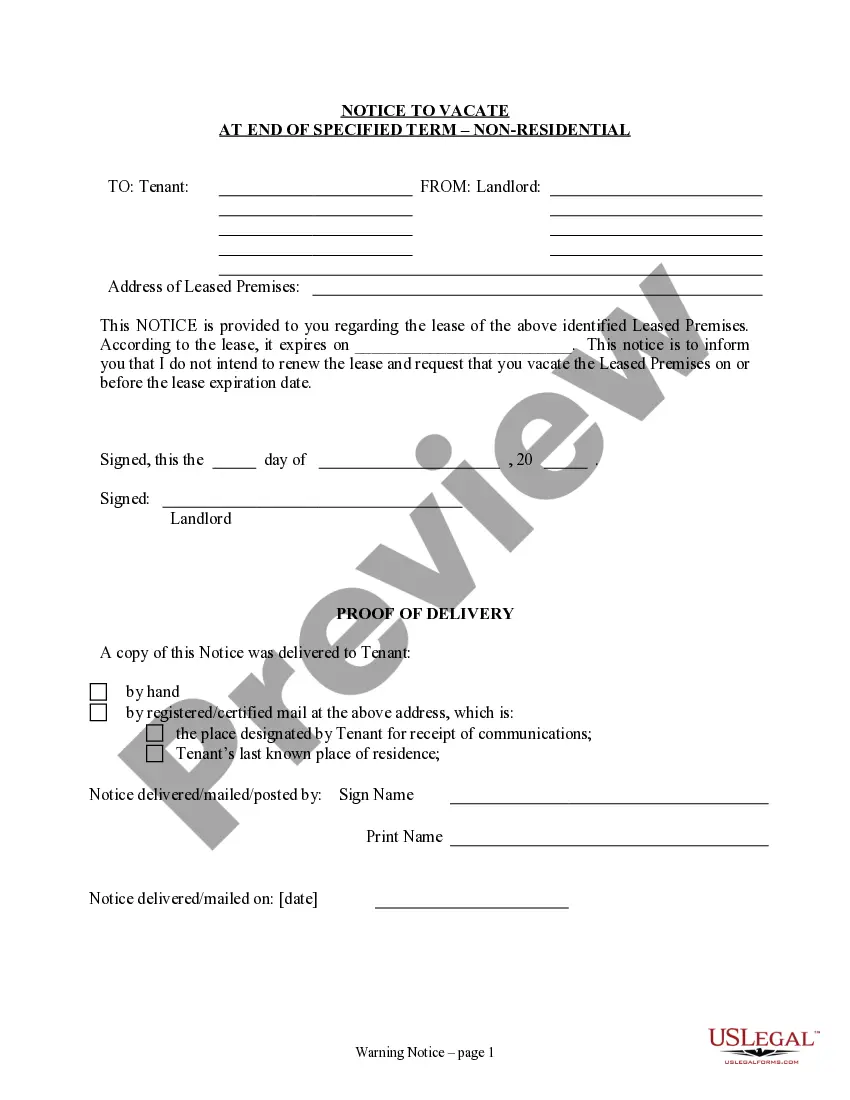
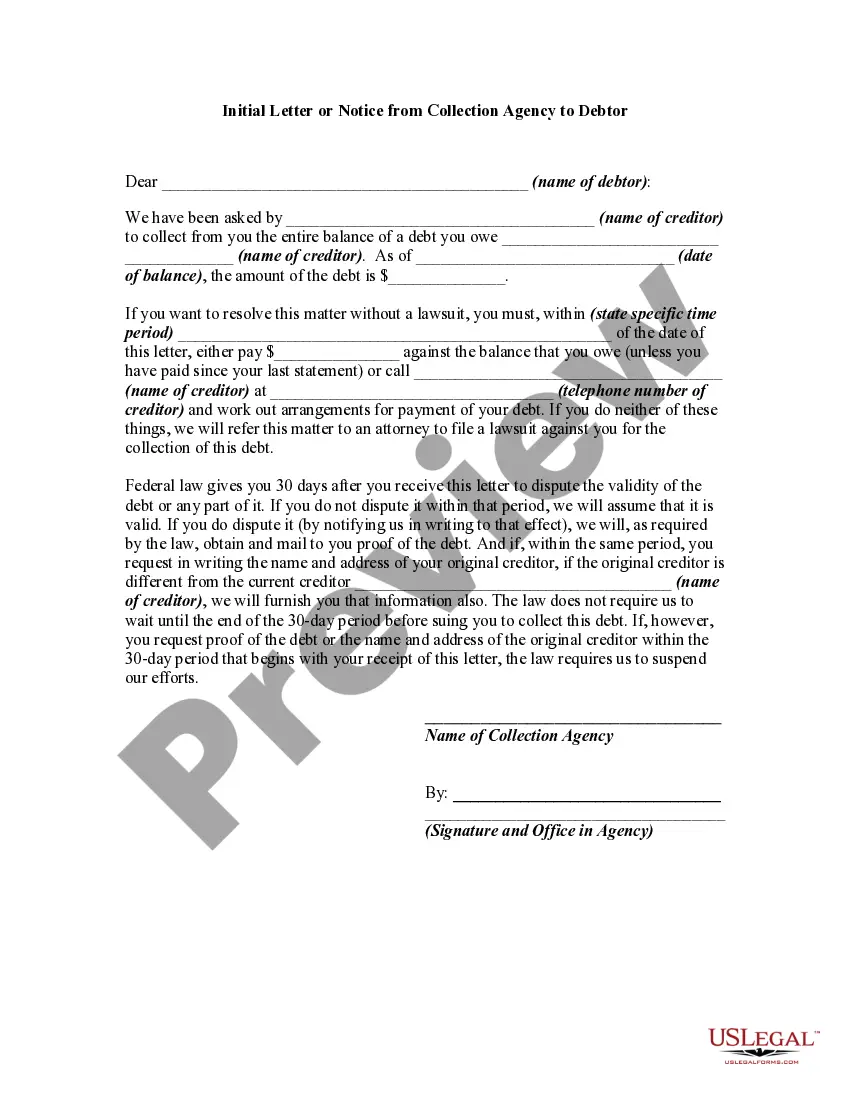
Rhode Island Communications from Debt Collector
What is this form?
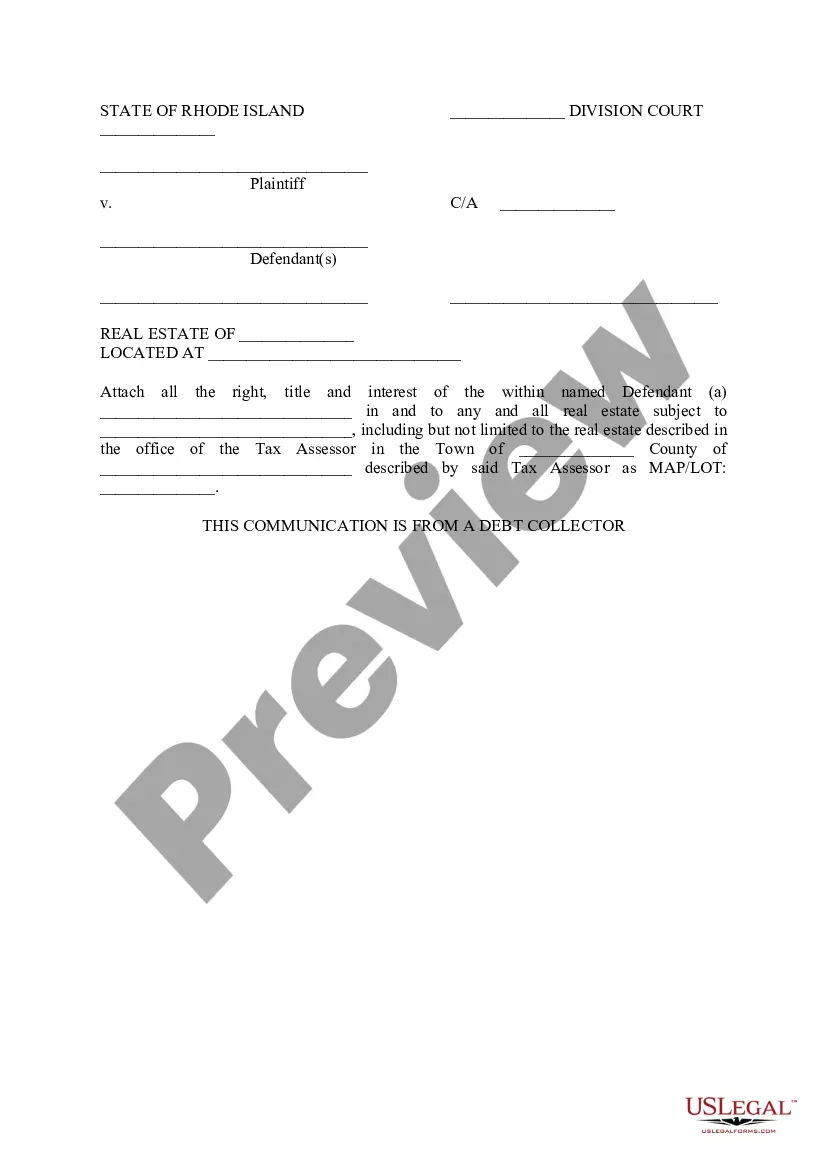
The Communications from Debt Collector form is a legal document that notifies an individual about a court requirement to appear for an examination regarding their income or assets that may satisfy a debt judgment. It is specifically designed to facilitate the enforcement of a judgment by allowing a creditor to discover financial information about the debtor. Unlike other debt-related documents, this form serves as a citation to compel the debtor's appearance before the court to address their financial situation.
Form components explained
- State information: Identifies the relevant Rhode Island court and case details.
- Parties involved: Specifies the plaintiff and defendant, including their contact information.
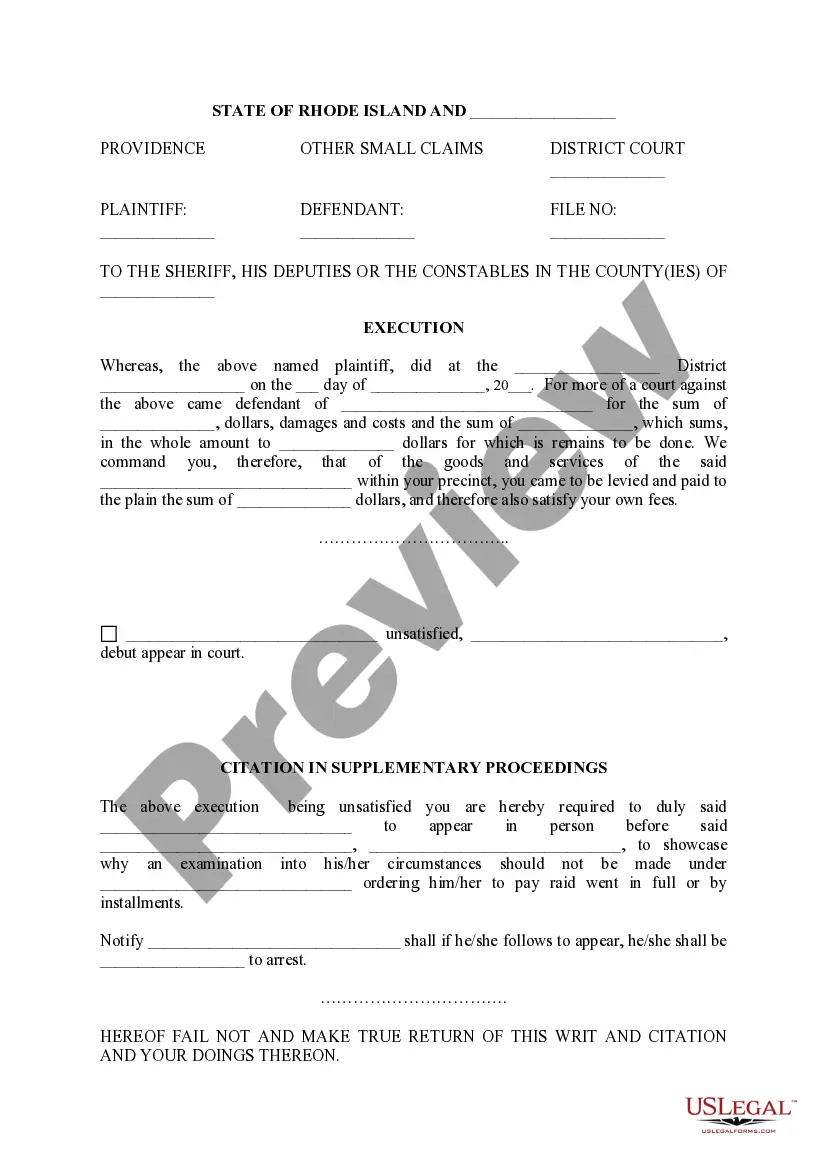
- Execution command: Orders a sheriff or constable to enforce the judgment by seizing assets or property.
- Citation requirement: Instructs the defendant to appear in court to explain their financial status.
- Legal representation: Includes the attorney for the plaintiff and court seal for authenticity.

When this form is needed
This form is used when a creditor has successfully obtained a judgment against a debtor and needs to compel the debtor to disclose financial information. It is appropriate in situations where the creditor seeks to discover the debtor's income or assets in order to enforce a court judgment. Use this form if prior collection attempts have not yielded payment and you are seeking legal means to recover the owed amount.
Who can use this document
- Creditors who hold a valid court judgment against a debtor.
- Judgment creditors seeking to enforce payment through legal proceedings.
- Defendants who have been served with a citation and need to understand their rights.
How to prepare this document
- Identify the parties involved by entering the names and contact details of both the plaintiff and the defendant.
- Enter the court details, including the name of the court and the case number.
- Specify the total amount owed, including damages and costs from the judgment.
- Fill in the details for the command of execution to instruct the sheriff or constable.
- Complete the citation section that requires the defendant to appear for examination.
Notarization requirements for this form
This form does not typically require notarization unless specified by local law. However, it is advisable to verify any specific state requirements to ensure compliance.
Get your form ready online
Our built-in tools help you complete, sign, share, and store your documents in one place.
Make edits, fill in missing information, and update formatting in US Legal Forms—just like you would in MS Word.
Download a copy, print it, send it by email, or mail it via USPS—whatever works best for your next step.
Sign and collect signatures with our SignNow integration. Send to multiple recipients, set reminders, and more. Go Premium to unlock E-Sign.
If this form requires notarization, complete it online through a secure video call—no need to meet a notary in person or wait for an appointment.
We protect your documents and personal data by following strict security and privacy standards.

Make edits, fill in missing information, and update formatting in US Legal Forms—just like you would in MS Word.

Download a copy, print it, send it by email, or mail it via USPS—whatever works best for your next step.

Sign and collect signatures with our SignNow integration. Send to multiple recipients, set reminders, and more. Go Premium to unlock E-Sign.

If this form requires notarization, complete it online through a secure video call—no need to meet a notary in person or wait for an appointment.

We protect your documents and personal data by following strict security and privacy standards.
Common mistakes
- Not including all required party details, leading to delays in court proceedings.
- Failing to correctly specify the total amount owed, which can complicate enforcement.
- Leaving out the case number or court name, making it difficult to process the form.
Advantages of online completion
- Convenience of downloading and completing the form from home.
- Access to customizable templates, allowing you to tailor the form to your needs.
- Reliability, knowing that the forms are drafted by licensed attorneys to meet legal standards.
Looking for another form?

Form popularity
FAQ
But why do debt collectors call? You typically only receive collection calls when you owe a debt. Collection agencies buy past-due debts from creditors or other businesses and attempt to get you to repay them. When debt collectors call you, it's important to respond in ways that will protect your legal rights.
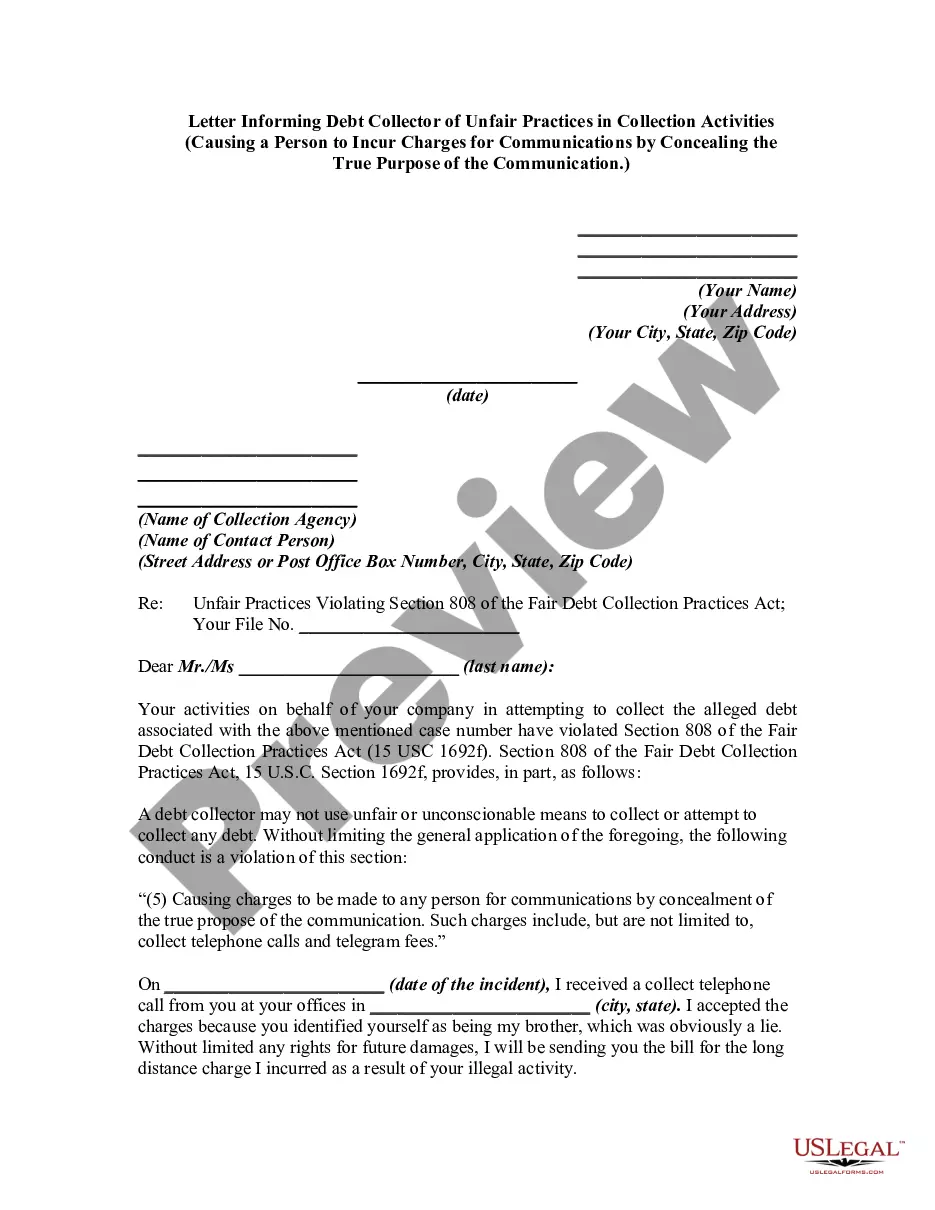
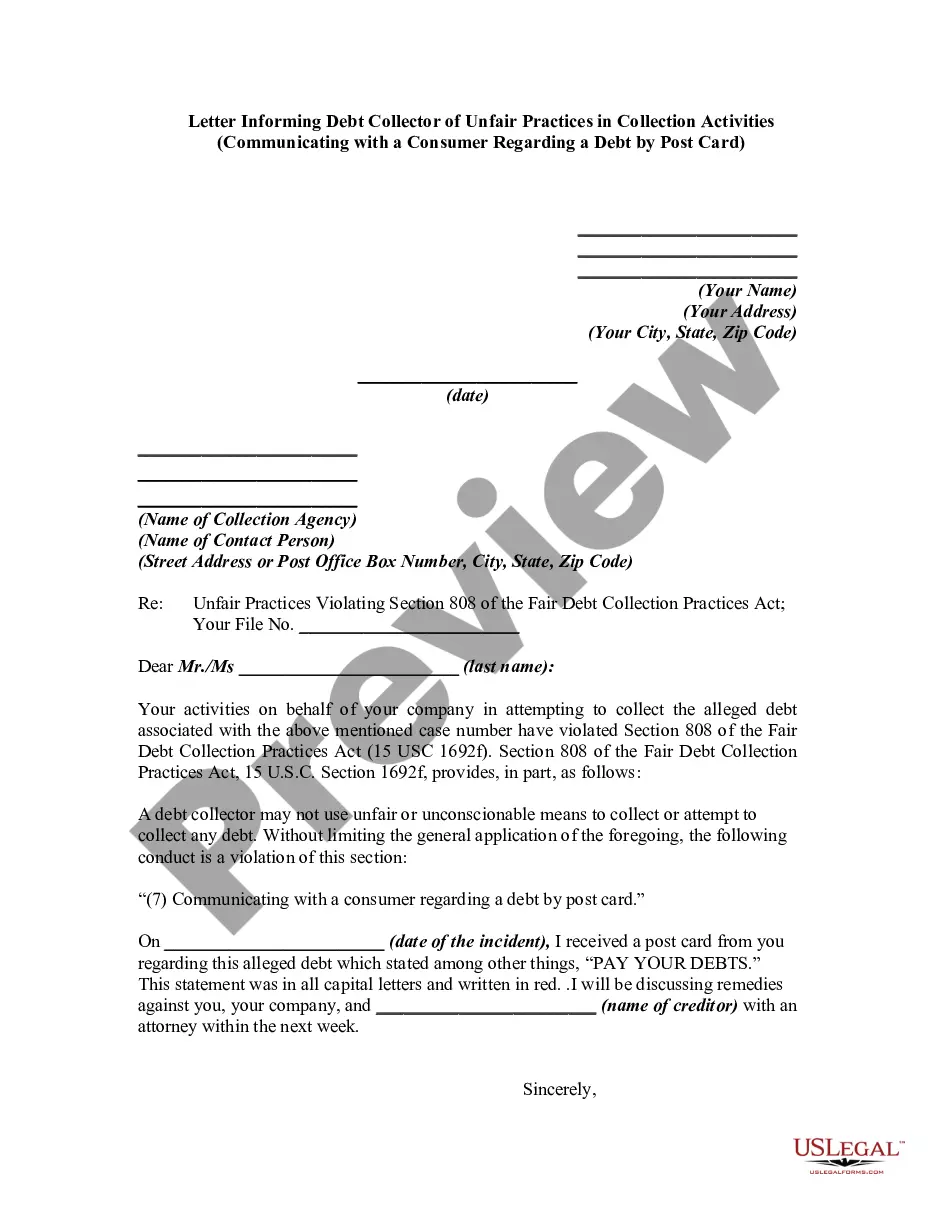
Debt collectors cannot harass or abuse you. They cannot swear, threaten to illegally harm you or your property, threaten you with illegal actions, or falsely threaten you with actions they do not intend to take. They also cannot make repeated calls over a short period to annoy or harass you.
Never Give Them Your Personal Information. A call from a debt collection agency will include a series of questions. Never Admit That The Debt Is Yours. Even if the debt is yours, don't admit that to the debt collector. Never Provide Bank Account Information.
Verify that it's your debt. Understand your rights. Consider the kind of debt you owe. Consider hardship programs. Offer a lump sum. Mention bankruptcy. Speak calmly and logically. Be mindful of the statute of limitations.
Your full name and address. The collections agency's name and address. A request for the amount of the debt claimed to be owed. A request for the name of the original creditor. A request for the judgment information (if applicable) A request for proof of the company's license.
This is not a good time. Please call back at 6. I don't believe I owe this debt. Can you send information on it? I prefer to pay the original creditor. Give me your address so I can send you a cease and desist letter. My employer does not allow me to take these calls at work.
When a Debt Collector Calls, How Should You Answer? The phone call from a debt collector never comes at a good timebut the best response is to confront the state of these affairs head-on. You may want to hide or ignore the situation and hope it goes awaybut that can make things worse.
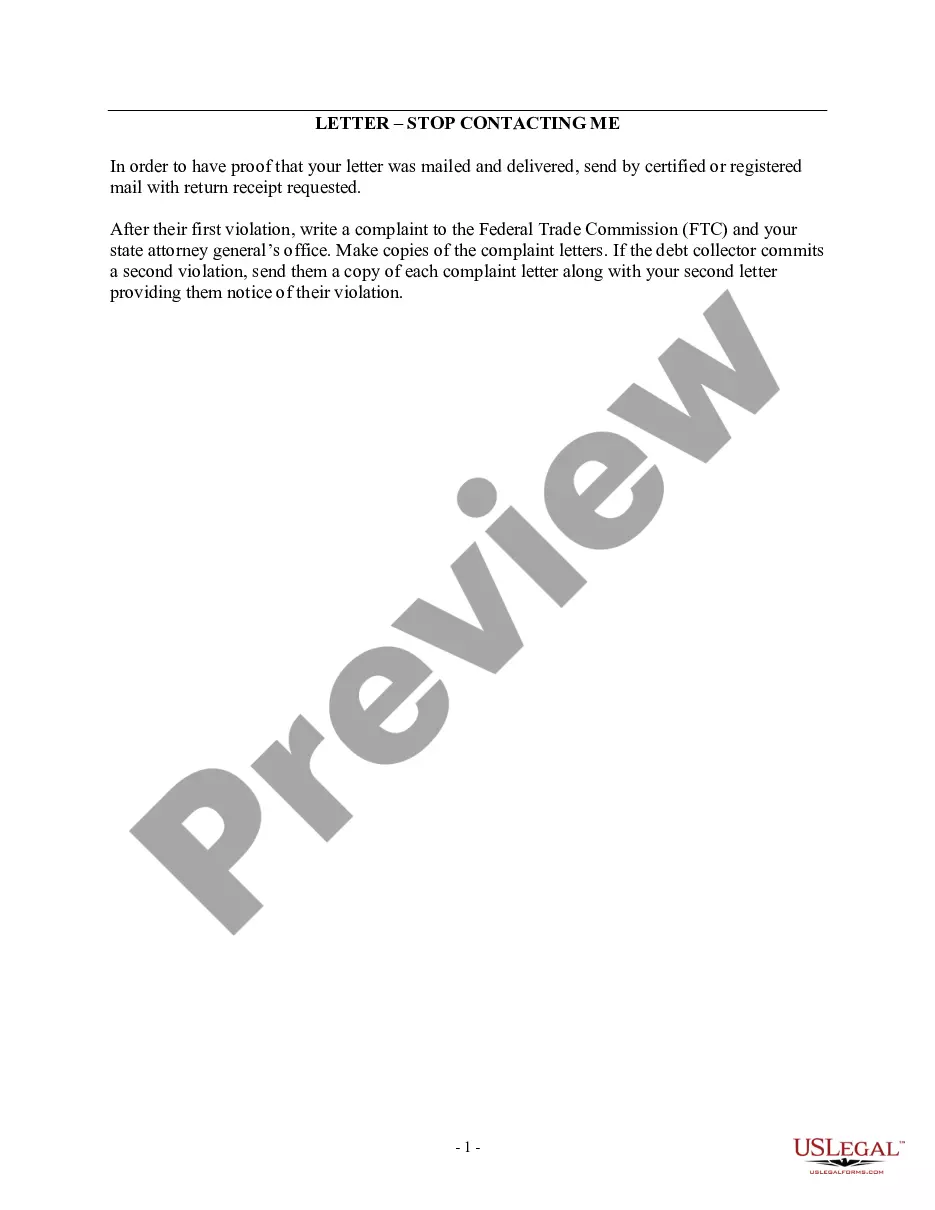
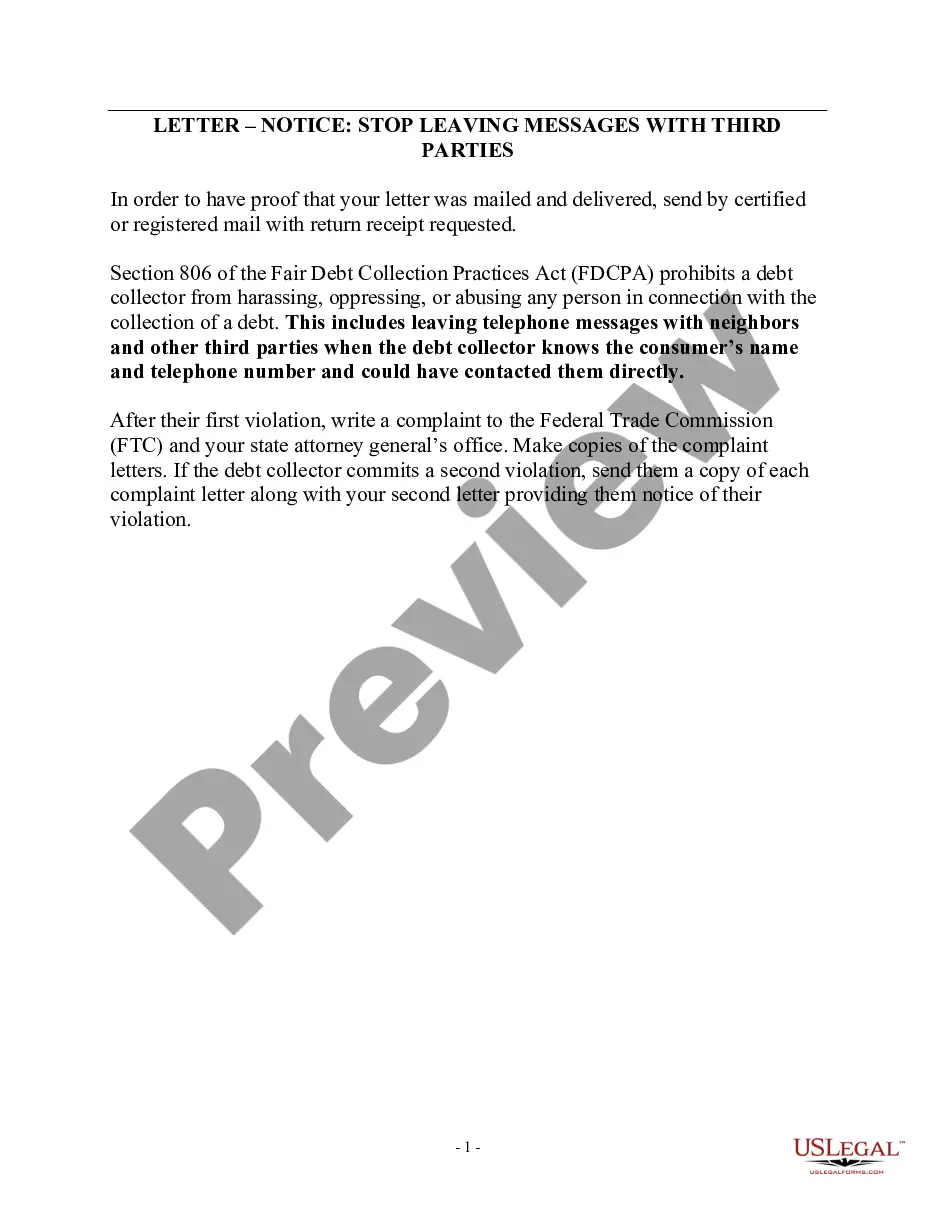
The FDCPA does not permit debt collectors to disclose your personal information to any third party. This means that if your voicemail is shared with your family or roommates or if it is monitored by your employer, debt collectors are not allowed to leave a message. Messages can only be left on private voicemail.