Oklahoma Summons and Notice of Automatic Temporary Injunction
About this form
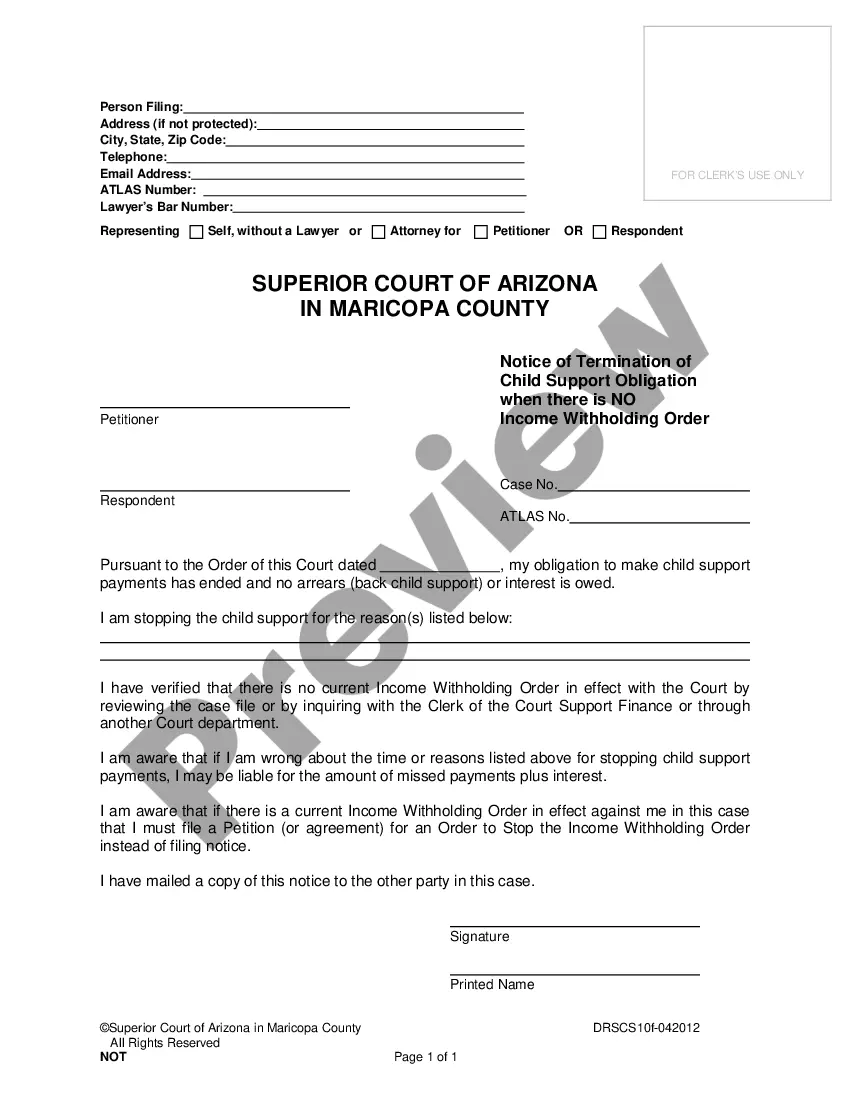
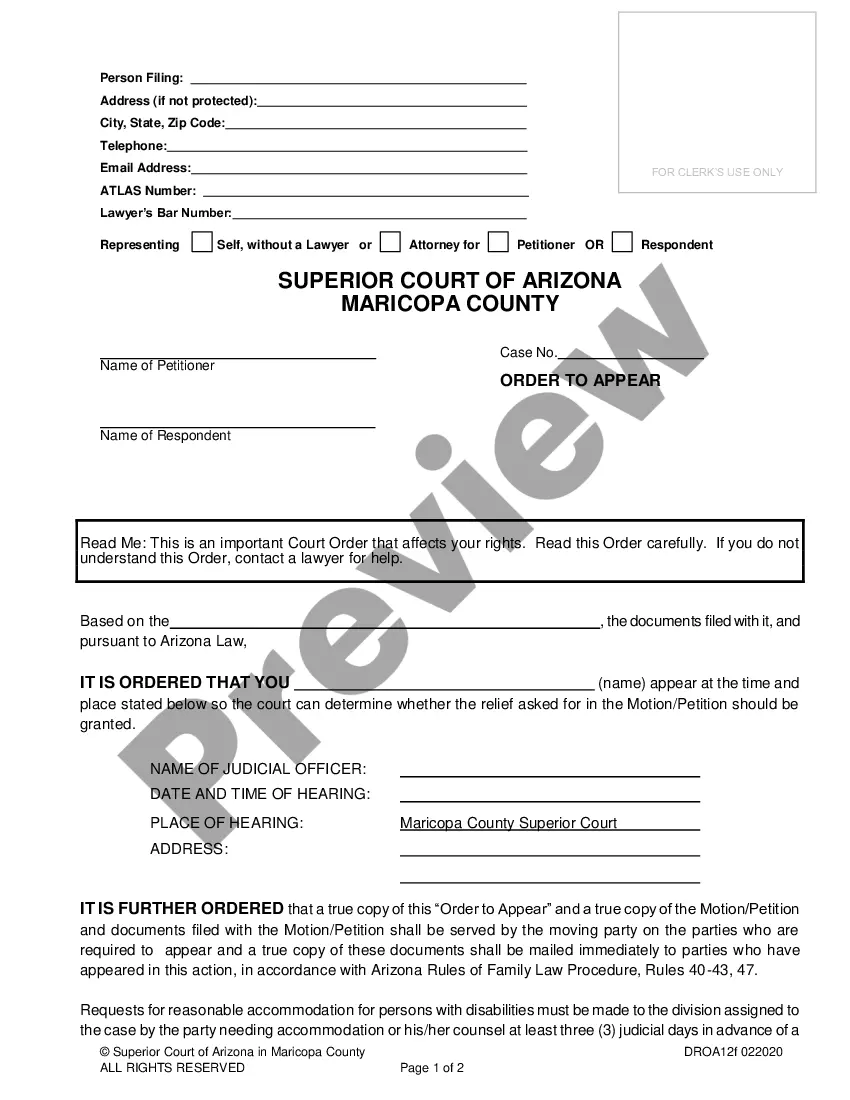
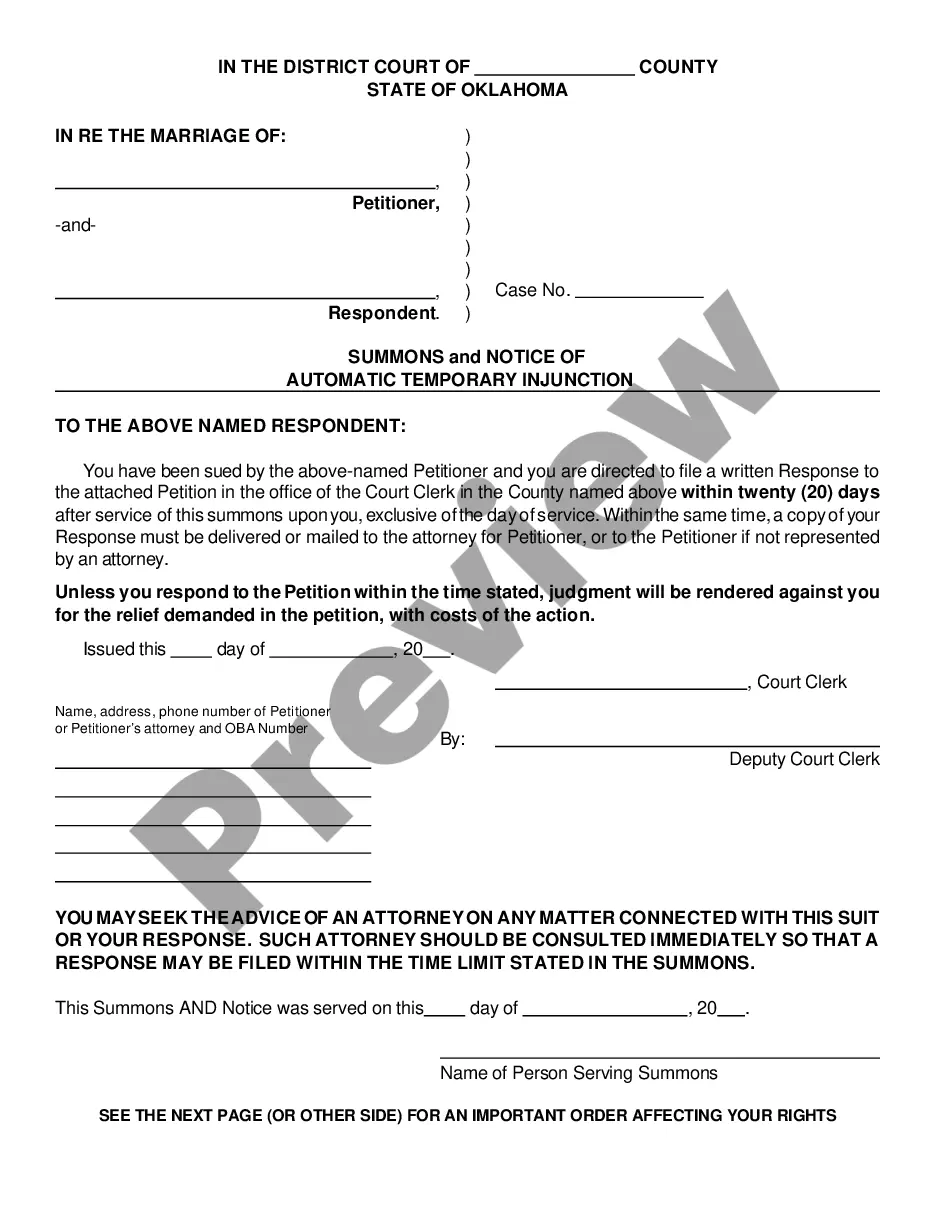
The Summons and Notice of Automatic Temporary Injunction is a legal document that notifies the respondent that they are required to appear in court for a specific hearing. The purpose of this form is to address the issues surrounding a Temporary Injunction, which prohibits certain actions by the parties until the hearing date. This form is essential in family law cases, particularly during divorce and legal separation proceedings, where immediate measures are necessary to prevent harm or keep the peace between parties.
Form components explained
- Title and court information: Includes the name of the district court and the case number.
- Response requirement: Directs the respondent to file a written response within twenty days after receiving the summons.
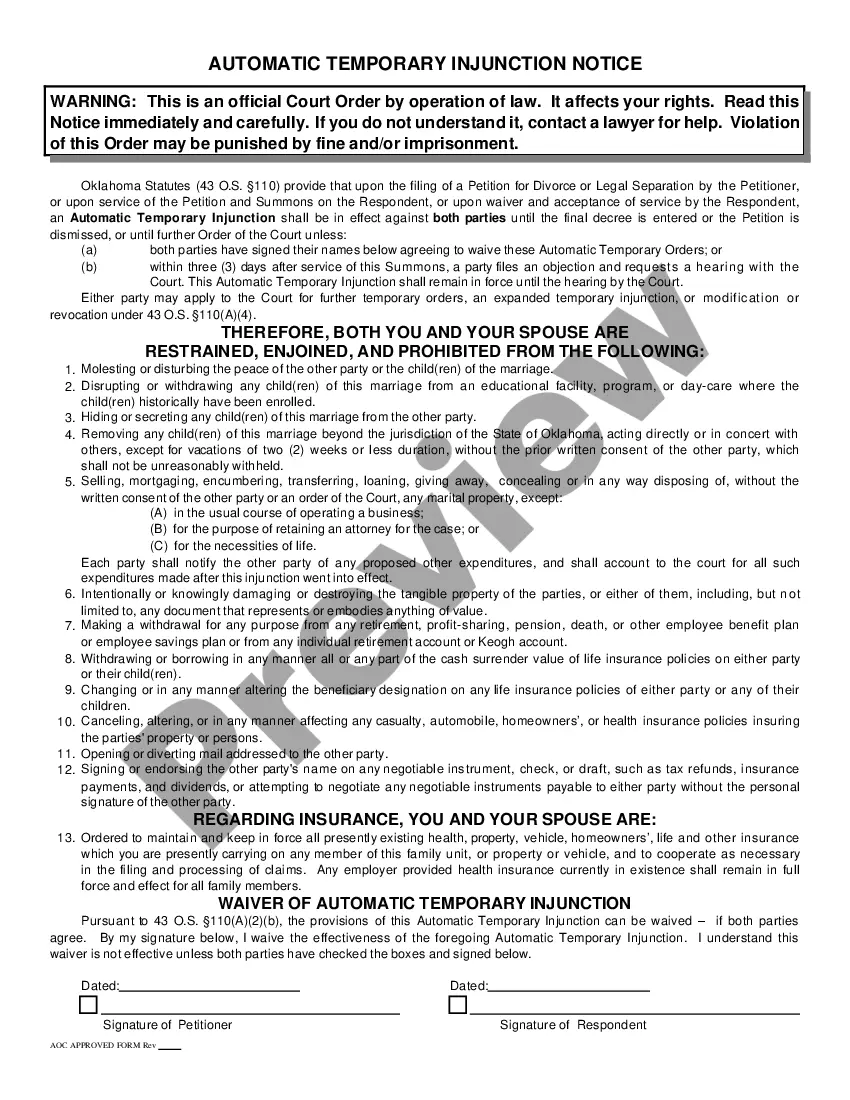
- Automatic Temporary Injunction notice: Describes the automatic restraining orders in effect upon the filing of petition.
- List of prohibitions: Details specific actions that both parties are restrained from taking, including dealing with children and marital property.
- Waiver option: Provides a section for both parties to consent to waive the automatic injunction if agreed upon.
Common use cases
This form should be used when one party (the petitioner) has initiated a divorce or legal separation by filing a petition in Oklahoma. It is critical when urgent intervention is needed to prevent parties from engaging in destructive behavior or damaging marital property before a court hearing occurs. Use this form to ensure that specific restrictions are in place while the legal proceedings are ongoing.
Who needs this form
- Petitioners initiating a divorce or legal separation in Oklahoma.
- Respondents who have been served with divorce or legal separation papers.
- Individuals involved in family law disputes requiring immediate legal safeguards.
How to complete this form
- Identify the parties by entering the names of the petitioner and respondent at the beginning of the form.
- Fill out the case number and the county where the petition is filed.
- Specify the date and time for the scheduled court hearing.
- Complete the address and contact information for the petitioner or their attorney.
- Sign and date the waiver section if both parties agree to waive the automatic injunction.
Notarization guidance
This form does not typically require notarization unless specified by local law. However, consulting an attorney or local court may provide additional guidance on any specific requirements.
Get your form ready online
Our built-in tools help you complete, sign, share, and store your documents in one place.
Make edits, fill in missing information, and update formatting in US Legal Forms—just like you would in MS Word.
Download a copy, print it, send it by email, or mail it via USPS—whatever works best for your next step.
Sign and collect signatures with our SignNow integration. Send to multiple recipients, set reminders, and more. Go Premium to unlock E-Sign.
If this form requires notarization, complete it online through a secure video call—no need to meet a notary in person or wait for an appointment.
We protect your documents and personal data by following strict security and privacy standards.

Make edits, fill in missing information, and update formatting in US Legal Forms—just like you would in MS Word.

Download a copy, print it, send it by email, or mail it via USPS—whatever works best for your next step.

Sign and collect signatures with our SignNow integration. Send to multiple recipients, set reminders, and more. Go Premium to unlock E-Sign.

If this form requires notarization, complete it online through a secure video call—no need to meet a notary in person or wait for an appointment.

We protect your documents and personal data by following strict security and privacy standards.
Typical mistakes to avoid
- Failing to file a response within the required twenty days.
- Not providing accurate case information, including the correct names and case number.
- Ignoring the automatic temporary injunction and engaging in prohibited actions.
Benefits of using this form online
- Convenience of downloading and filling out the form at any time.
- Editability allows you to customize the form as needed before submission.
- Reliable templates drafted by licensed attorneys ensuring legal compliance.
Looking for another form?

Form popularity
FAQ
In Agricultural Produce Market Committee Case1, the Hon'ble Apex Court has held that "a temporary injunction can be granted only if the person seeking injunction has a concluded right, capable of being enforced by way of injunction."
Grounds of Temporary Injunction: Property in dispute is in danger of being WASTED, DAMAGED or ALIENATED by any party to the suit, or WRONGFULLY SOLD IN EXECUTION OF DECREE. Where defendant: THREATENS or INTENDS TO REMOVE or DISPOSE OF HIS PROPERTY with a view to defraud creditors.
If a case is a proper one for specific performance, and an irreparable injury is likely to be caused to the plaintiff unless the breach of contract is forthwith restrained, the court will grant a temporary injunction to restrain the breach of contract. In the case of Chitra v.
Courts often issue preliminary injunctions for the purpose of stopping action until such time as a hearing can be held to determine what the course of action should be. For example: Mary and Tom have lived in their home for more than 40 years, and have cultivated a lovely property, filled with mature shade trees.
In a divorce, the injunction is an order from the court prohibiting either party from doing certain things during the divorce. The purpose of the injunction is to maintain the status quo so that nothing substantial happens while the divorce is pending.
A temporary injunction is a provisional relief that aims to protect the subject matter in the existing condition, without the defendant's interference or threat. It aims to protect the plaintiff from getting disposed off, or his property (subject matter) being destroyed or harmed, or from any injury to the plaintiff.
Temporary injunction. n. a court order prohibiting an action by a party to a lawsuit until there has been a trial or other court action.
A TRO can be issued by a court ex parte in the absence of the opposing party, but only for a limited period of time. For example, in federal court, a TRO can only be issued for up to 14 days, which can be extended only once by the court for good cause shown.