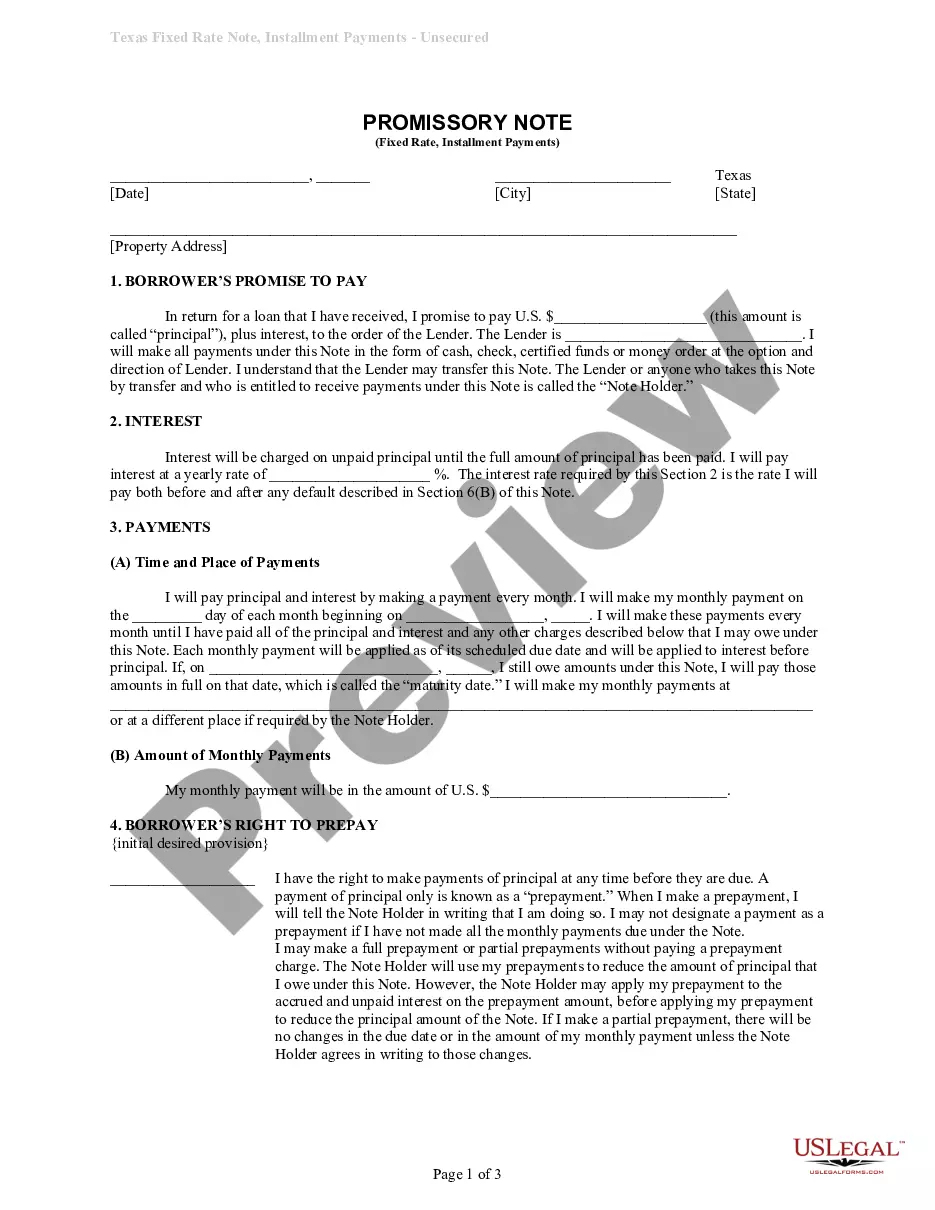
Texas Distribution Deed - Joint Independent Executors to an Individual Beneficiary
What is this form?
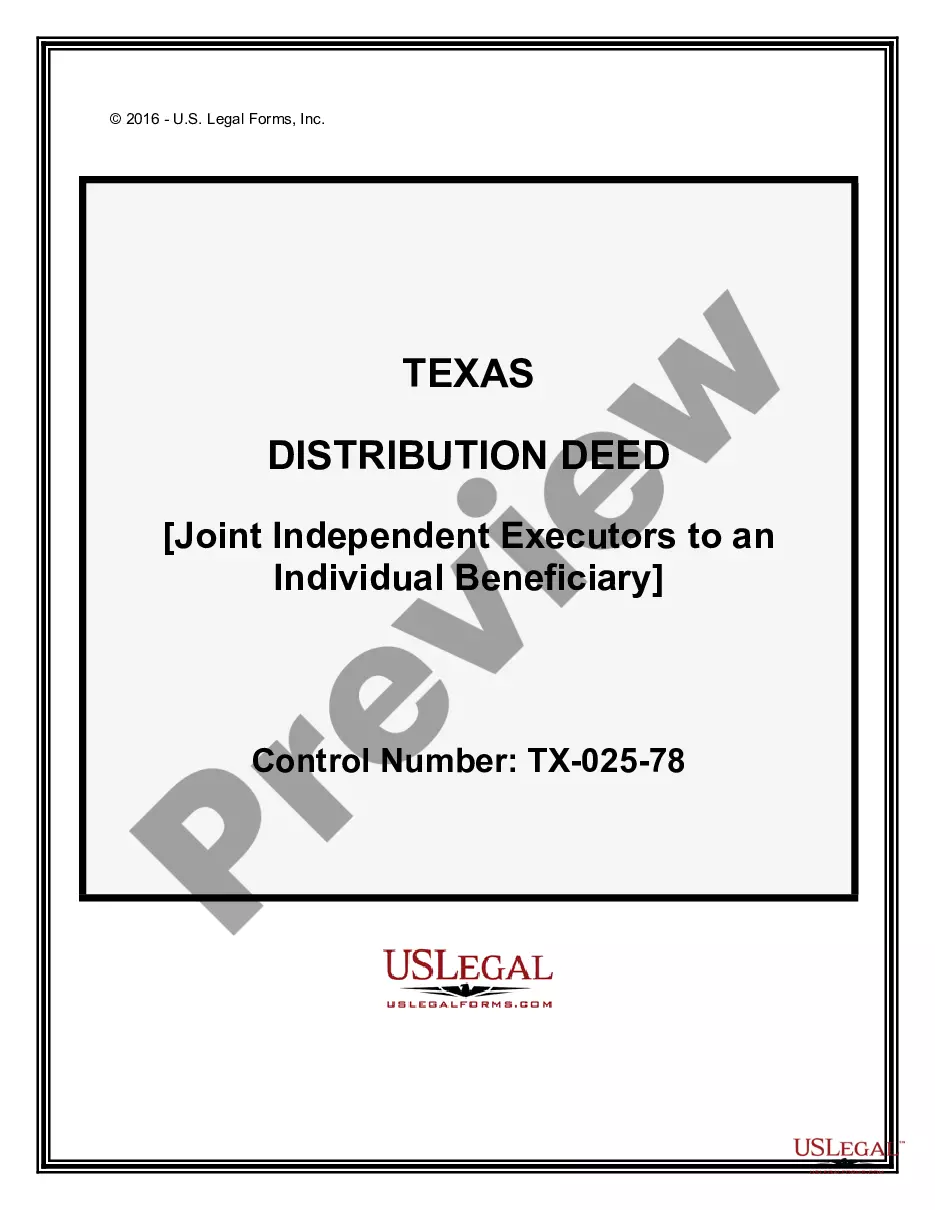
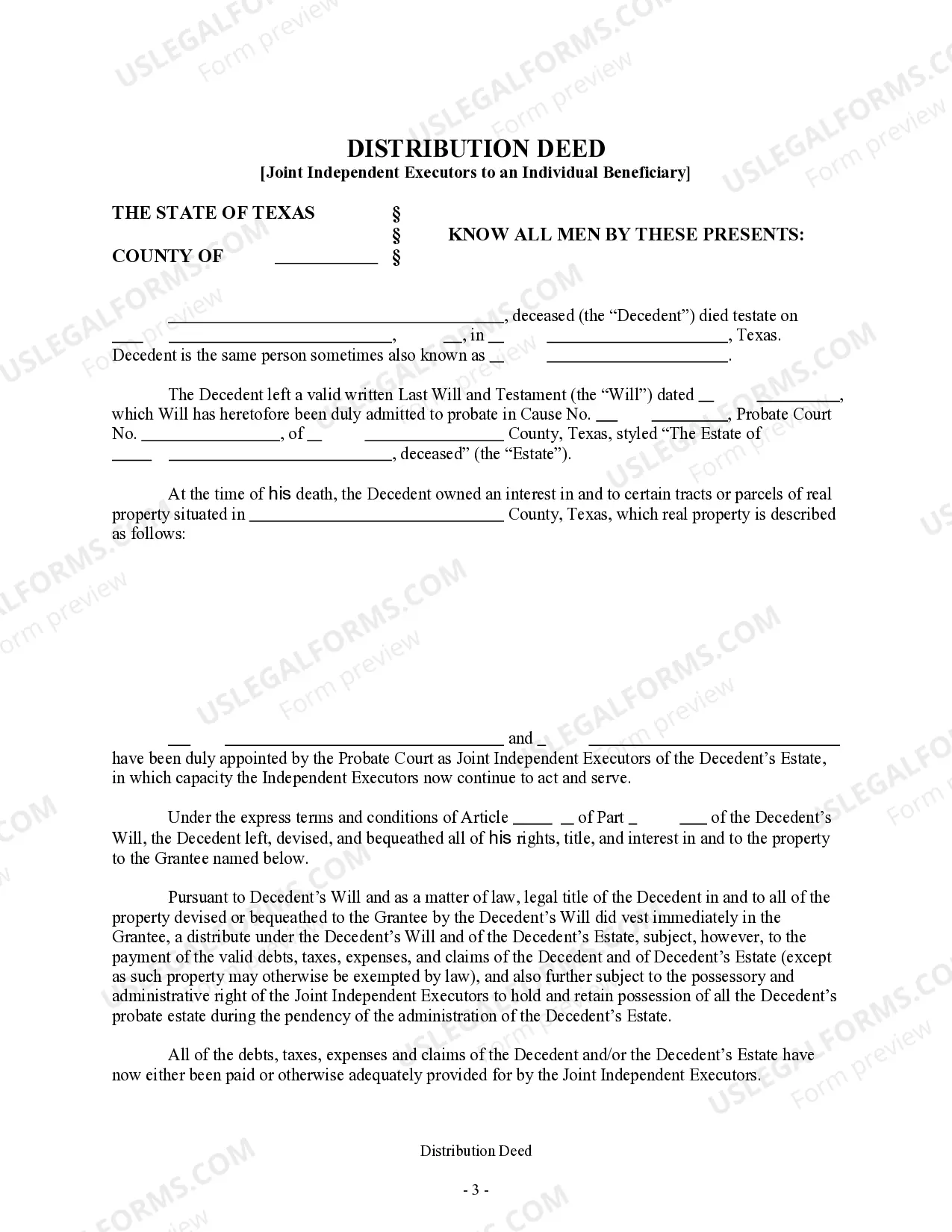
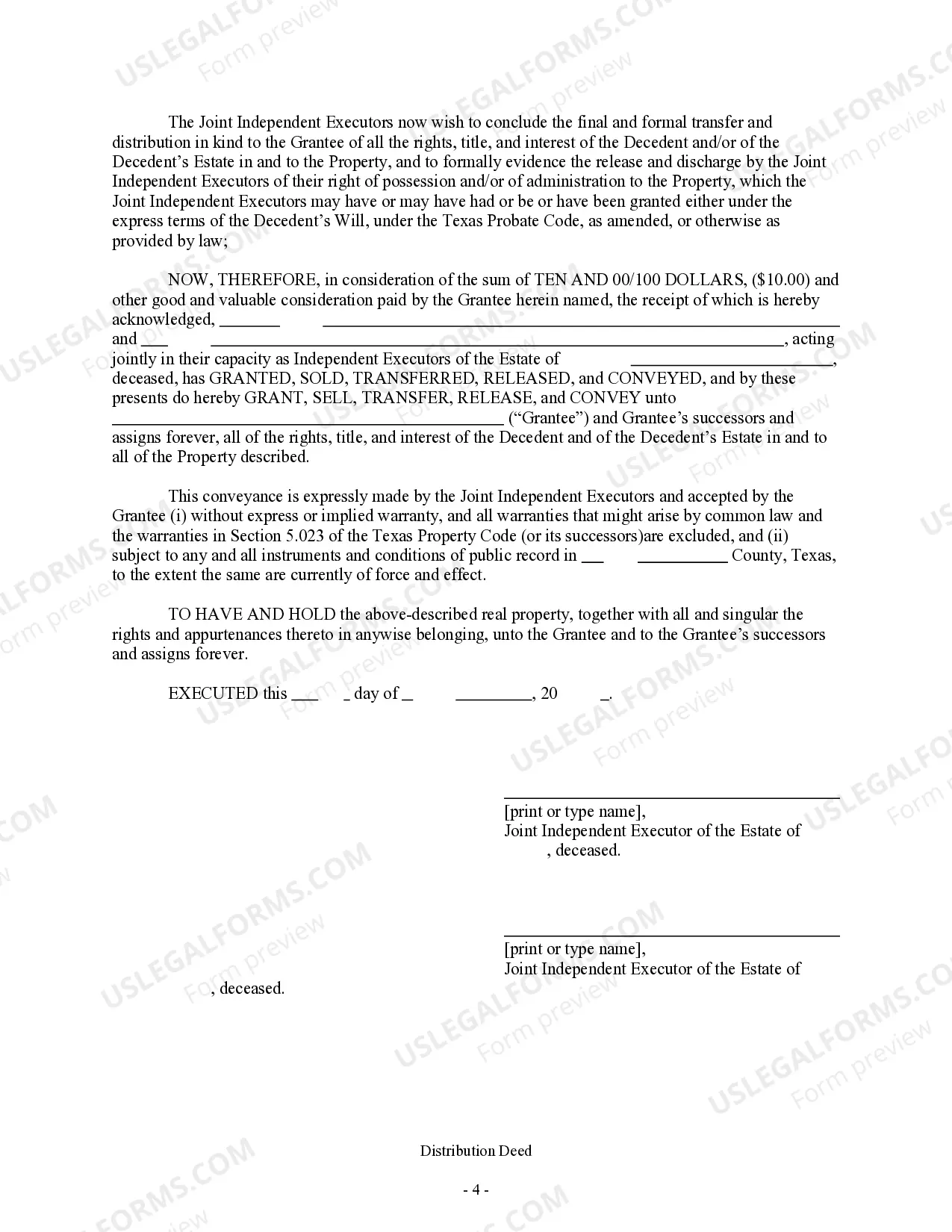
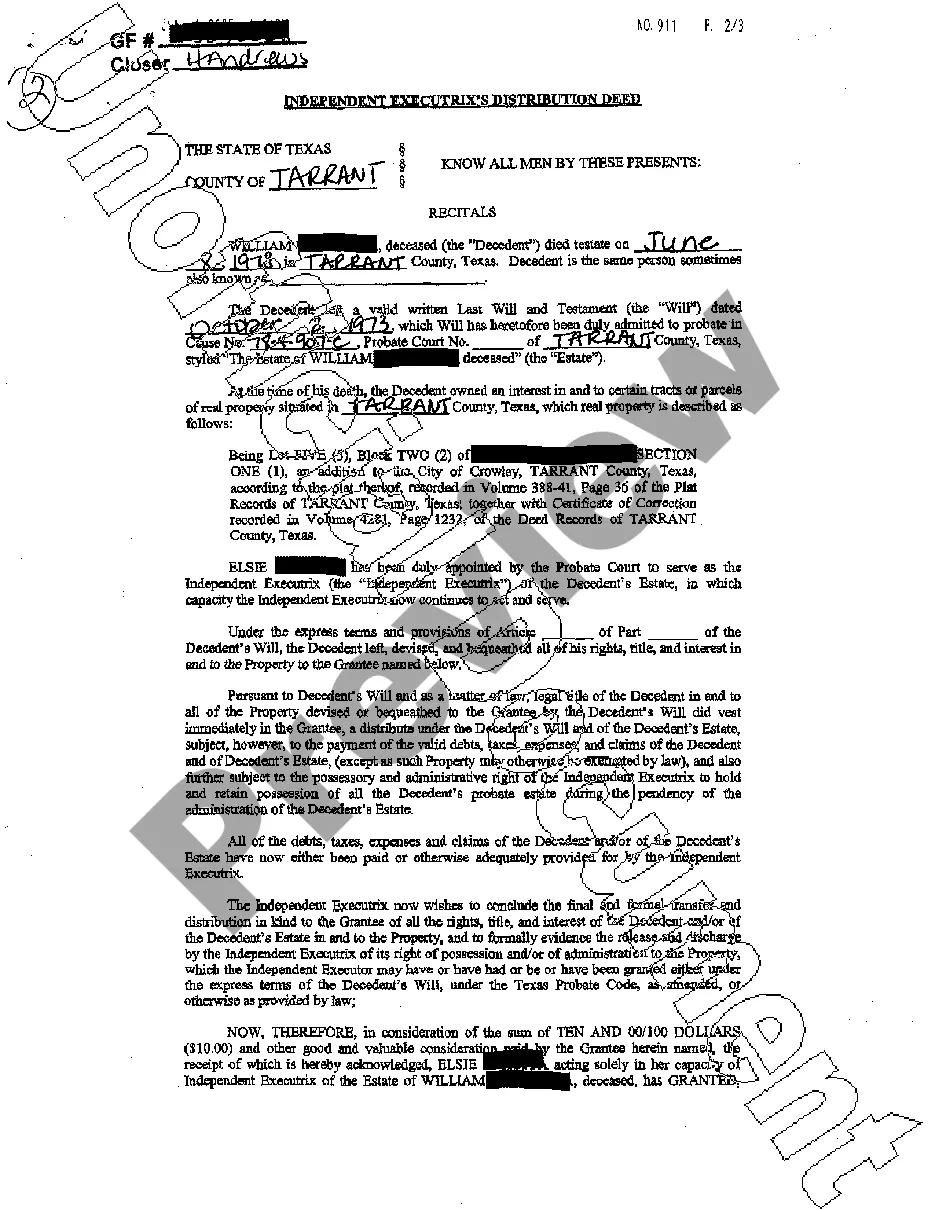
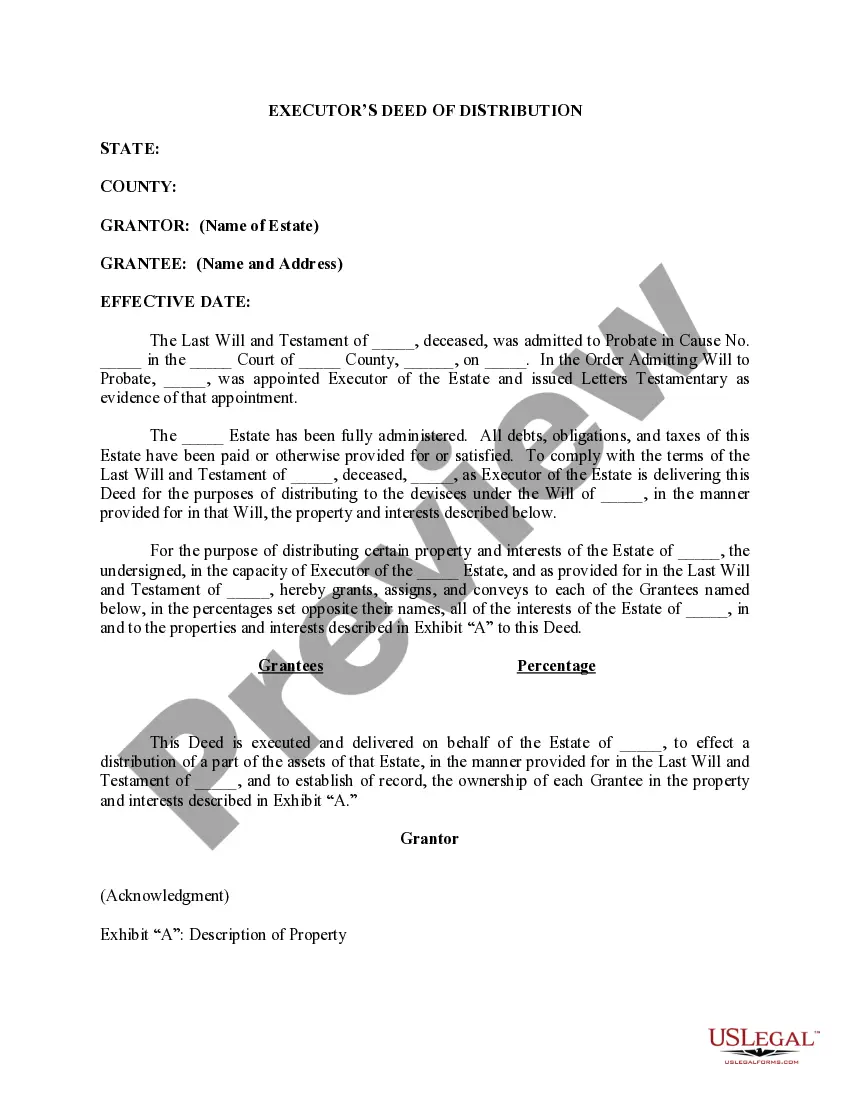
The Distribution Deed - Joint Independent Executors to an Individual Beneficiary is a legal document used to transfer real property from the estate of a decedent to a designated beneficiary. This form is essential for Joint Independent Executors who are concluding the estate's affairs and wish to formally distribute the property according to the decedent's wishes. Unlike other transfer documents, this deed specifically addresses the communal authority of appointed executors, ensuring compliance with state statutory laws during the property transfer process.
Key components of this form
- Identification of the Joint Independent Executors involved in the transaction.
- Details regarding the decedent whose property is being transferred.
- Clear description of the real property being transferred, including its legal description.
- A statement confirming that all debts and claims of the estate have been settled.
- Signature section for the Joint Independent Executors to validly execute the deed.
When to use this form
This form should be used when Joint Independent Executors finalize the distribution of property from a decedent's estate to an individual beneficiary. Typical scenarios include the completion of probate proceedings, after ensuring that all debts and taxes have been handled, and when the executors are ready to transfer property directly to the beneficiary as outlined in the decedent's will.
Intended users of this form
This form is intended for:
- Joint Independent Executors responsible for managing a decedent's estate.
- Beneficiaries designated to receive property from the estate.
- Legal professionals assisting in the estate settlement process.
How to prepare this document
To complete this form, follow these steps:
- Identify and enter the names and roles of the Joint Independent Executors.
- Provide the full name of the decedent and verify their estate's status.
- Clearly describe the real property being transferred, including the address and legal description.
- Confirm that all debts and claims against the estate have been satisfied.
- Obtain the signatures of all Joint Independent Executors in the designated areas.
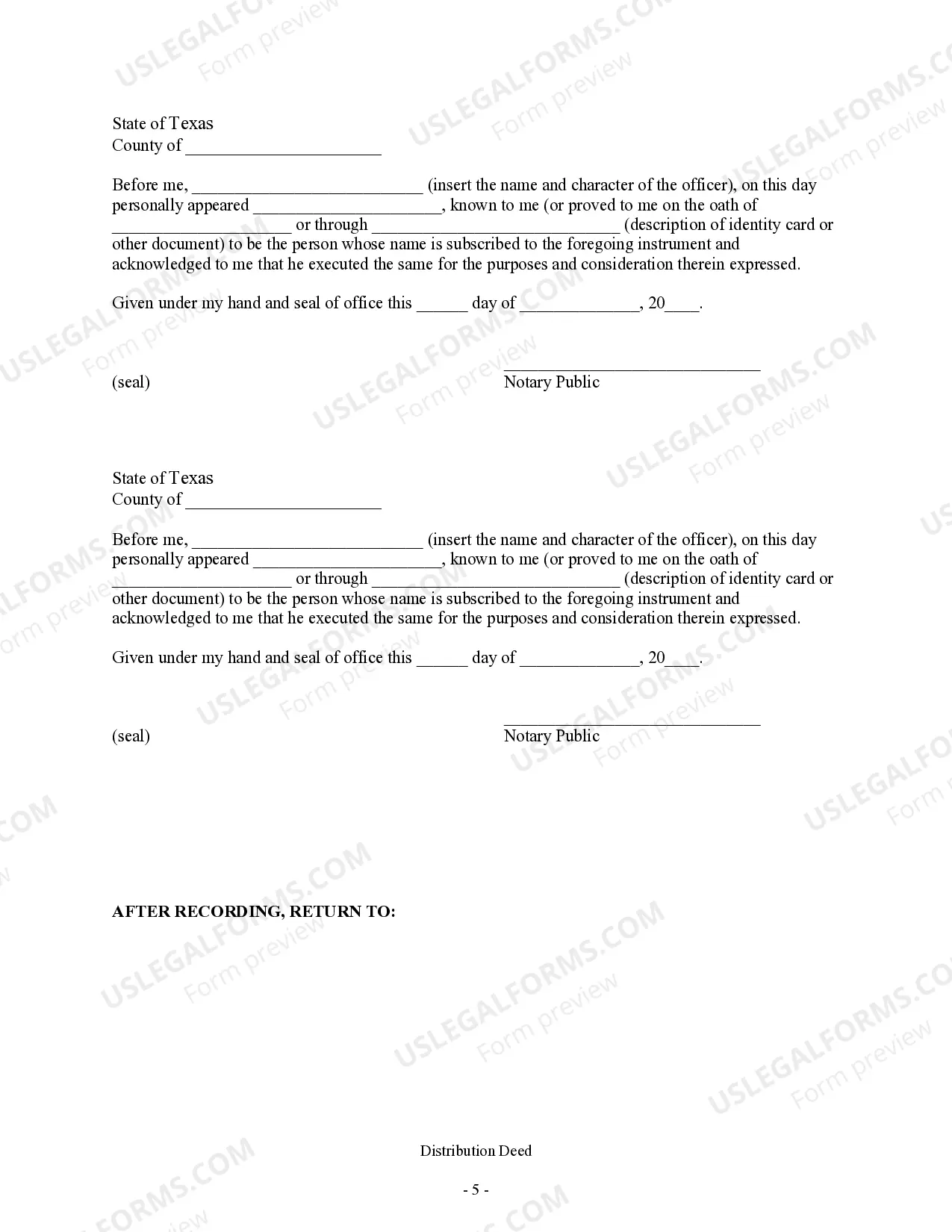
Does this document require notarization?
This form does not typically require notarization unless specified by local law. It is advisable to check with local regulations to confirm whether notarization is necessary in your jurisdiction.
Get your form ready online
Our built-in tools help you complete, sign, share, and store your documents in one place.
Make edits, fill in missing information, and update formatting in US Legal Forms—just like you would in MS Word.
Download a copy, print it, send it by email, or mail it via USPS—whatever works best for your next step.
Sign and collect signatures with our SignNow integration. Send to multiple recipients, set reminders, and more. Go Premium to unlock E-Sign.
If this form requires notarization, complete it online through a secure video call—no need to meet a notary in person or wait for an appointment.
We protect your documents and personal data by following strict security and privacy standards.

Make edits, fill in missing information, and update formatting in US Legal Forms—just like you would in MS Word.

Download a copy, print it, send it by email, or mail it via USPS—whatever works best for your next step.

Sign and collect signatures with our SignNow integration. Send to multiple recipients, set reminders, and more. Go Premium to unlock E-Sign.

If this form requires notarization, complete it online through a secure video call—no need to meet a notary in person or wait for an appointment.

We protect your documents and personal data by following strict security and privacy standards.
Common mistakes
- Failing to include all required signatures from Joint Independent Executors.
- Not providing a complete legal description of the property being transferred.
- Overlooking the obligation to settle all debts and claims of the estate before certification.
- Using outdated forms that do not comply with current state laws.
Benefits of completing this form online
- Convenient online access to download and complete the form at any time.
- Forms are created with user-friendly fields for quick completion.
- Reliable templates drafted by licensed attorneys to ensure legal compliance.
Summary of main points
- This Distribution Deed is essential for formalizing property transfers from an estate to a beneficiary.
- Completing the form accurately is crucial to prevent future legal issues.
- Ensure notarization to validate the document and protect your rights as an executor and beneficiary.
Looking for another form?

Form popularity
FAQ
Beneficiaries are entitled to receive a financial accounting of the trust, including bank statements, regularly. When statements are not received as requested, a beneficiary must submit a written demand to the trustee.The court will review the trust account for any discrepancies or irregular activity.
Before distributing assets to beneficiaries, the executor must pay valid debts and expenses, subject to any exclusions provided under state probate laws.The executor must maintain receipts and related documents and provide a detailed accounting to estate beneficiaries.
An executor can sell a property without the approval of all beneficiaries. The will doesn't have specific provisions that require beneficiaries to approve how the assets will be administered. However, they should consult with beneficiaries about how to share the estate.
Naming someone as the executor of your estate does not preclude him or her from inheriting from you. In fact, the executor can and often is a beneficiary of the estate.Distributing the remaining assets to your beneficiaries.
Beneficiaries often must sign off on the inheritance they receive to acknowledge receipt of the distribution. For example, if you inherit a portion of real estate from the decedent, you must sign a deed accepting that real estate.
The short answer is yes. It's actually common for a will's executor to also be one of its beneficiaries.Someone close enough to the decedent to be a beneficiary would have that familiarity and more. The probate court system actually favors beneficiaries serving as executors in some cases.
All taxes and liabilities paid from the estate, including medical expenses, attorney fees, burial or cremation expenses, estate sale costs, appraisal expenses, and more. The executor should keep all receipts for any services or transactions needed to liquidate the assets of the deceased.
Each beneficiary is entitled to a trustee's accounting, at least annually, at termination of the trust, and on upon a change of trustee. (California Probate Code 16062). Unfortunately, not all beneficiaries are entitled to automatic accounting, nevertheless, the court may force the trustee to provide an accounting.
The executor can sell property without getting all of the beneficiaries to approve.If the executor can sell the property for more than 90 percent of its appraised value then they do not need to get the permission of the beneficiaries or of the court.