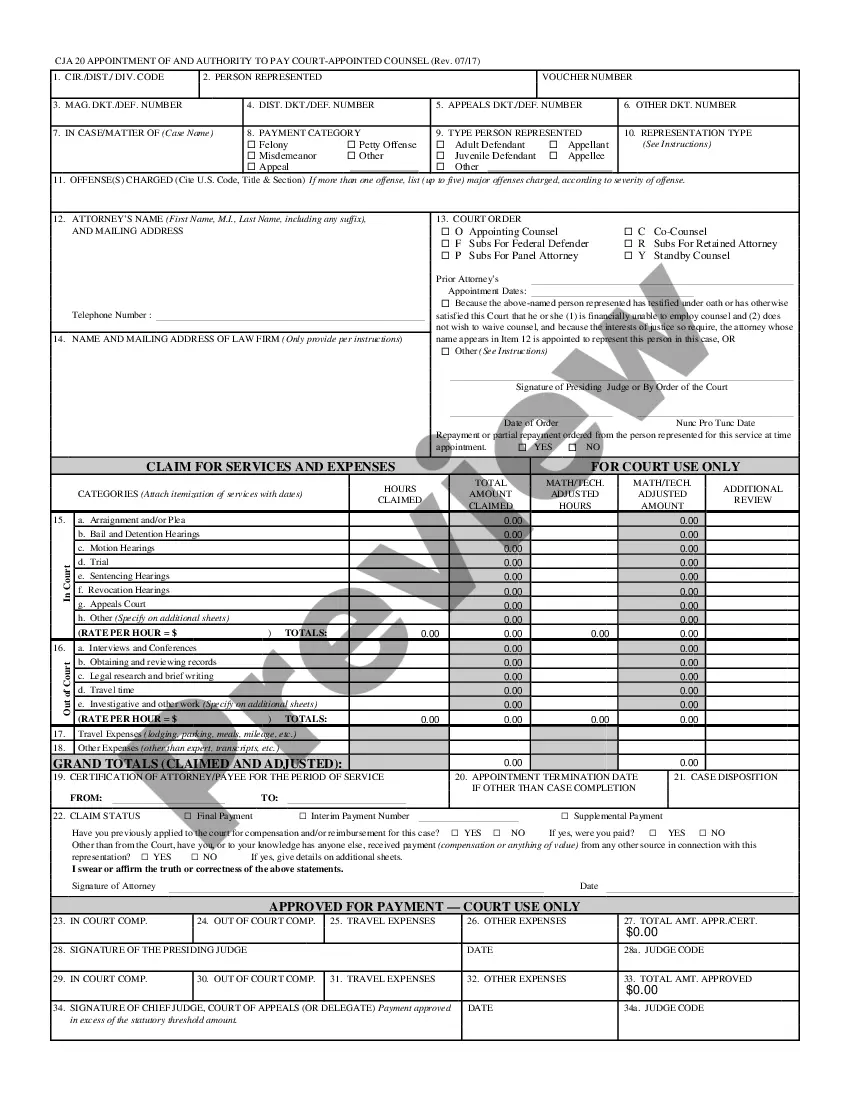
Oklahoma Judicial Determination - When Child is Removed From Home
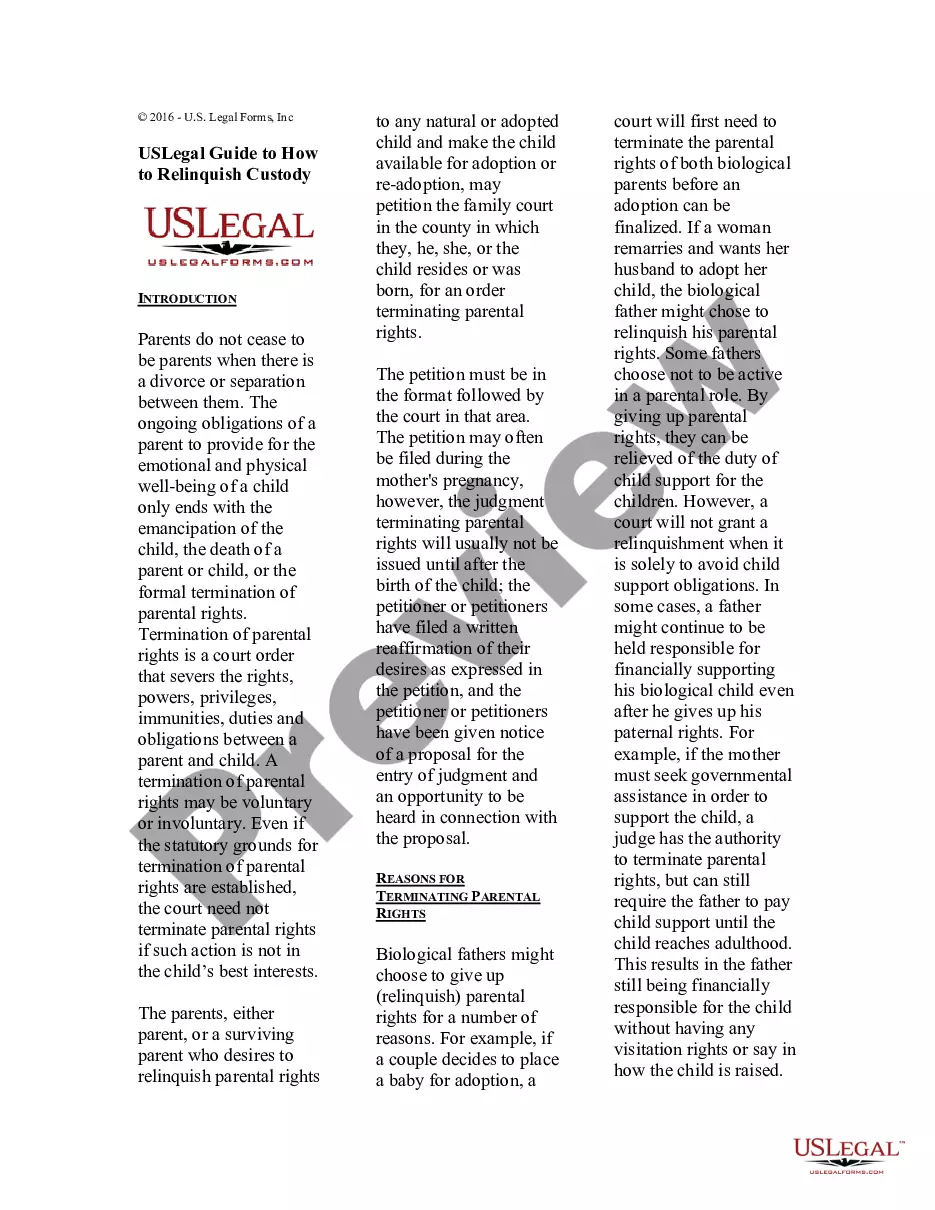
What is this form?
The Judicial Determination - When Child is Removed From Home is a legal document used to formalize a court's decision regarding the custody and legal status of a child removed from their home due to safety concerns. This form serves to establish the circumstances under which a child was removed and can differentiate between temporary and permanent custody arrangements. It is an essential step in child welfare cases and ensures that the legal proceedings are documented appropriately for future reference.
Key parts of this document
- Details about the child, including name and date of birth.
- Information about the parents and legal guardians.
- Reasons for the child's removal from the home.
- Findings of fact related to the case.
- Recommendations for future custody and visitation arrangements.
When this form is needed
This form is necessary in situations where a child has been removed from their home by child protective services due to allegations of abuse, neglect, or other safety concerns. It is used in legal proceedings to document the court's findings and decisions regarding the child's custody and welfare, particularly during hearings and trials that address parental rights and responsibilities.
Intended users of this form
- Parents or guardians involved in custody hearings.
- Child welfare advocates and service providers.
- Attorneys representing parents or guardians in family court.
- Social workers involved in the case.
- Judges and court officials handling child custody cases.
Instructions for completing this form
- Identify the child by entering their full name and date of birth.
- Complete the sections detailing the parents or guardians involved.
- Provide a thorough explanation of the reasons for the child's removal.
- Enter findings of fact based on evidence presented in court.
- Specify recommendations for future custody and visitation plans.
Notarization guidance
This form does not typically require notarization to be legally valid. However, some jurisdictions or document types may still require it. US Legal Forms provides secure online notarization powered by Notarize, available 24/7 for added convenience.
Get your form ready online
Our built-in tools help you complete, sign, share, and store your documents in one place.
Make edits, fill in missing information, and update formatting in US Legal Forms—just like you would in MS Word.
Download a copy, print it, send it by email, or mail it via USPS—whatever works best for your next step.
Sign and collect signatures with our SignNow integration. Send to multiple recipients, set reminders, and more. Go Premium to unlock E-Sign.
If this form requires notarization, complete it online through a secure video call—no need to meet a notary in person or wait for an appointment.
We protect your documents and personal data by following strict security and privacy standards.

Make edits, fill in missing information, and update formatting in US Legal Forms—just like you would in MS Word.

Download a copy, print it, send it by email, or mail it via USPS—whatever works best for your next step.

Sign and collect signatures with our SignNow integration. Send to multiple recipients, set reminders, and more. Go Premium to unlock E-Sign.

If this form requires notarization, complete it online through a secure video call—no need to meet a notary in person or wait for an appointment.

We protect your documents and personal data by following strict security and privacy standards.
Typical mistakes to avoid
- Failing to provide complete identification of all parties involved.
- Omitting detailed reasons for the child's removal.
- Not including necessary signatures from involved parties.
- Using outdated versions of the form without jurisdiction updates.
Why use this form online
- Convenience of accessing and completing the form at any time.
- Editable templates that allow for easy modifications.
- Reliable guidance from licensed attorneys for accurate completion.
- Secure download for safe keeping and future reference.
Looking for another form?

Form popularity
FAQ
When can my child decide which parent to live with? In Oklahoma, a minor child can express a preference as to where he or she chooses to live at the age of twelve (12).
When a parent is deemed to be unfit, it means that that parent is not a safe place for the child to be and it could result in that parent losing custody of the child or even losing their rights to the child over the course of time.
What exactly is an unfit parent? The legal definition of an unfit parent is when the parent through their conduct fails to provide proper guidance, care, or support. Also, if there is abuse, neglect, or substance abuse issues, that parent will be deemed unfit.
Can a child choose not to visit a parent? The mere age of your child will not determine your family law matter. There have been cases before the Court where a 17 year old child's wishes were given limited weight because the basis for this child's decision was not balanced.
Being unwilling to meet your child's basic needs for food, shelter, clean water, and a safe environment (examples of unsafe environments include: your child living in cars or on the street, or in homes where they are exposed to poisonous materials, convicted sex offenders, temperature extremes, or dangerous objects
Oklahoma is sometimes referred to as a mother state due to the fact that when a couple is not married but has a child together, the courts will most often grant the mother custody in the event the relationship dissolves.
1 attorney answer The age would be 18 when a person can choose what they want to do with visitation. At age 12 a child can state a preference, but it is ultimately up to courts.
The parent or parents have left the child and failed to provide identification for the child (An example of this is providing a birth certificate); The parent or parents have failed to provide support for the child for an extended period of time;
Factors that can lead a court to deem a parent unfit include: Instances of abuse or neglect; Willing failure to provide the child with basic necessities or needs; Abandonment of the child or children; or.