Ohio Caretaker Authorization Affidavit - Statutory
What this document covers
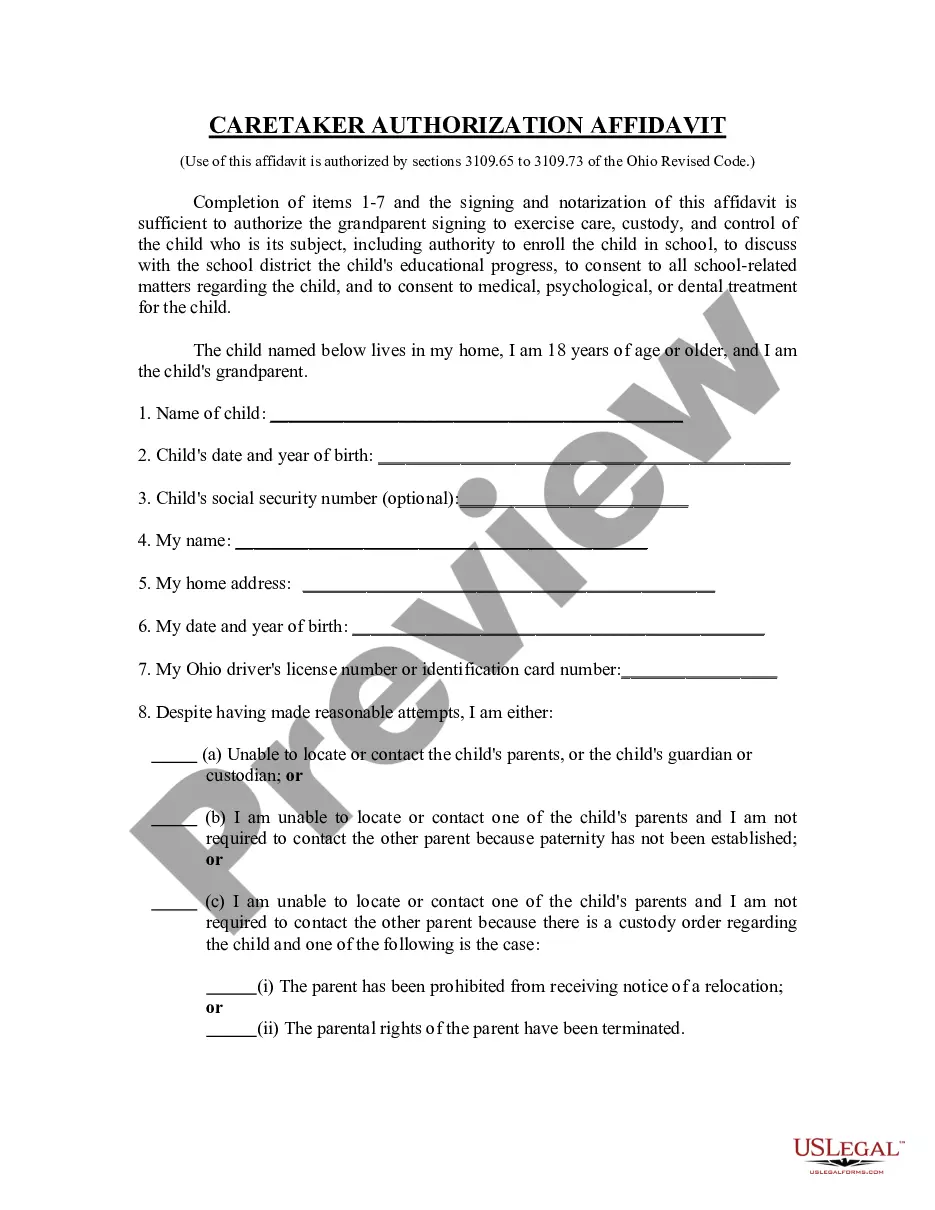
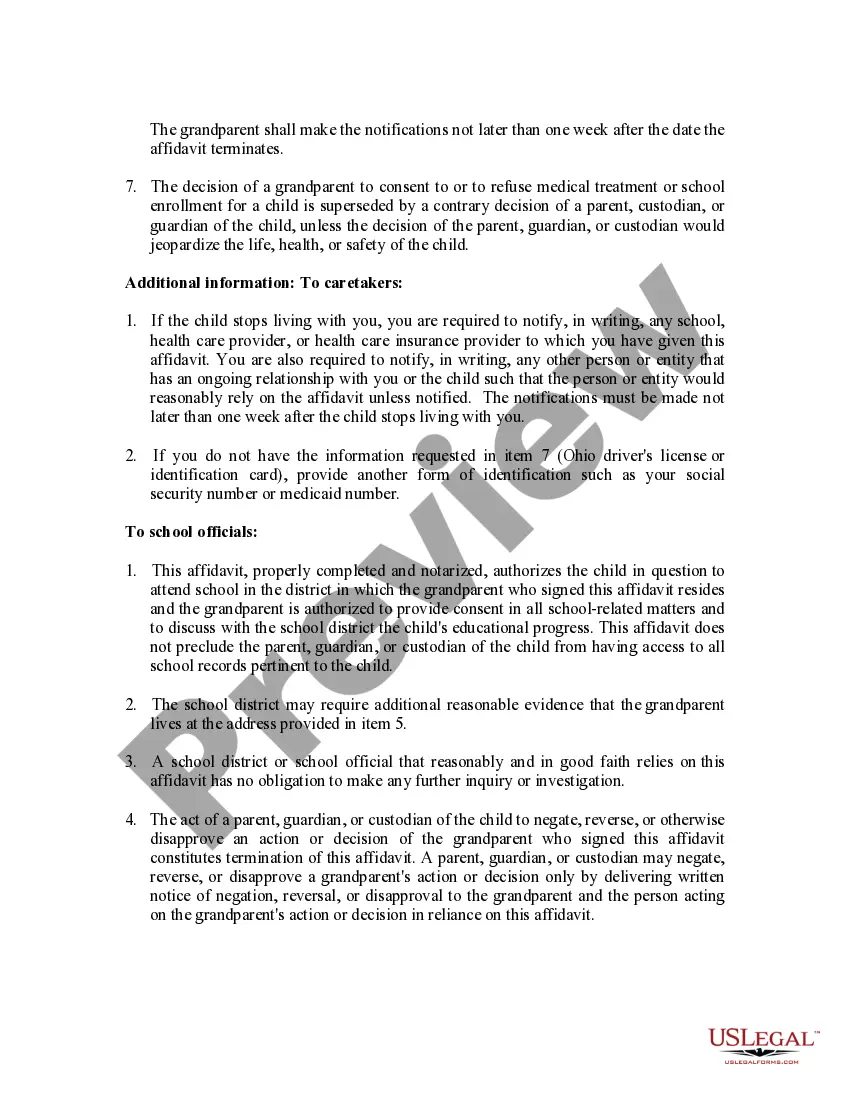
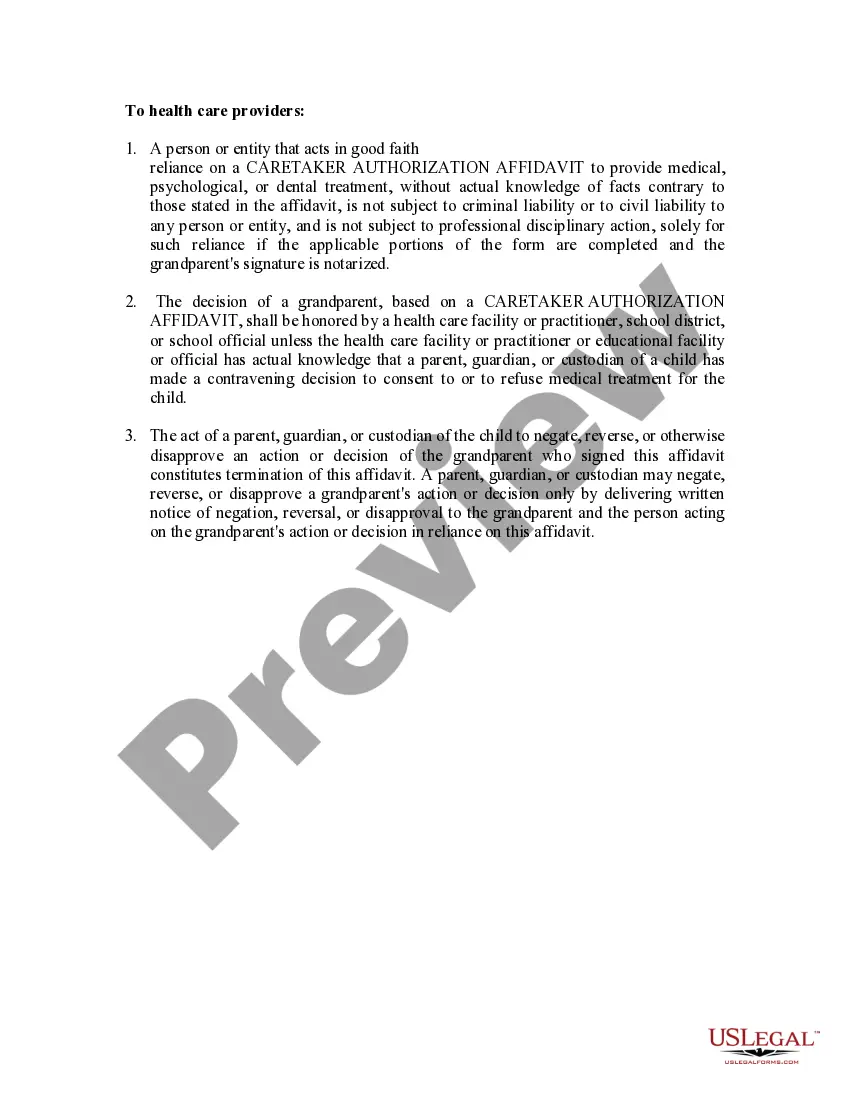
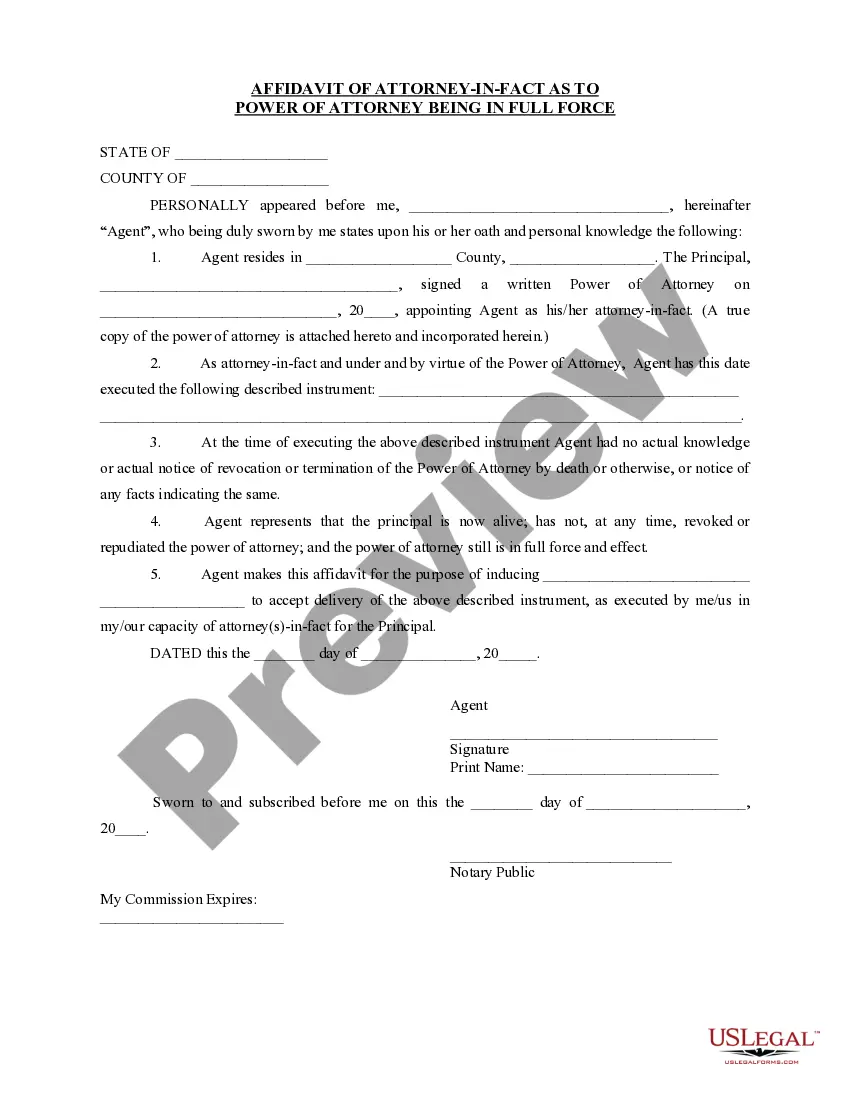
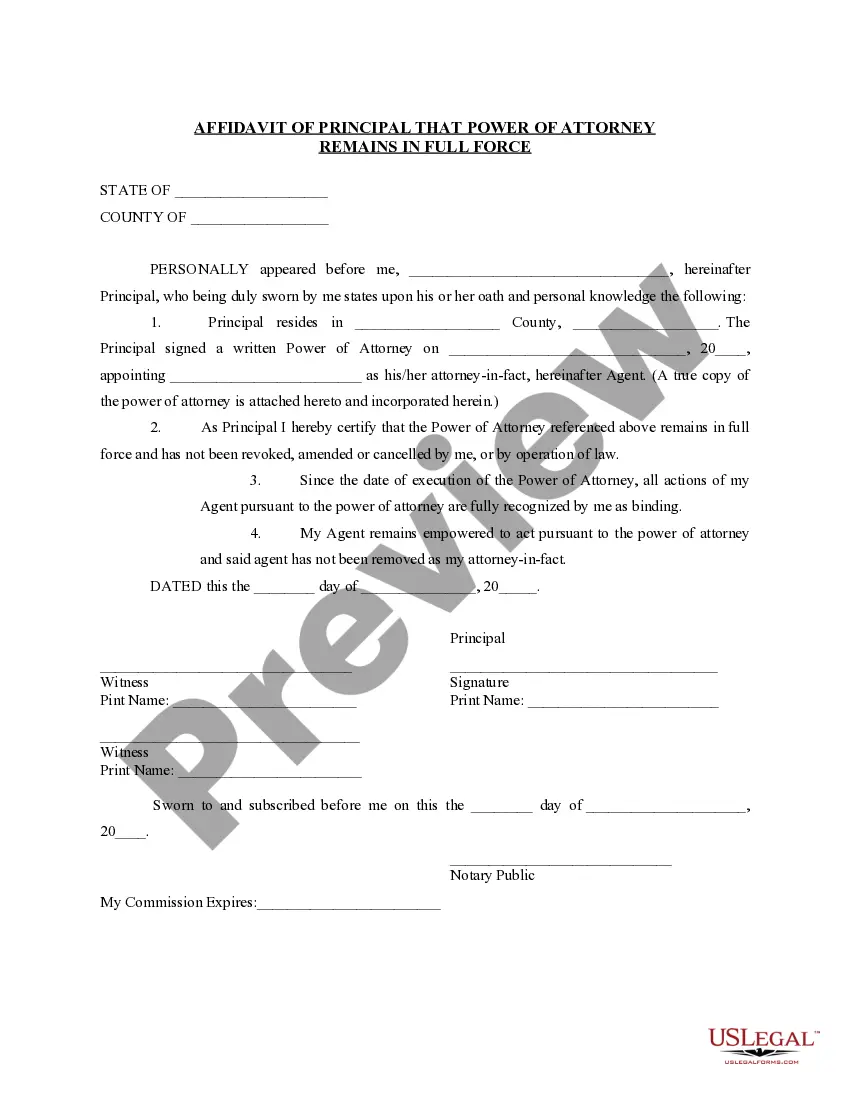
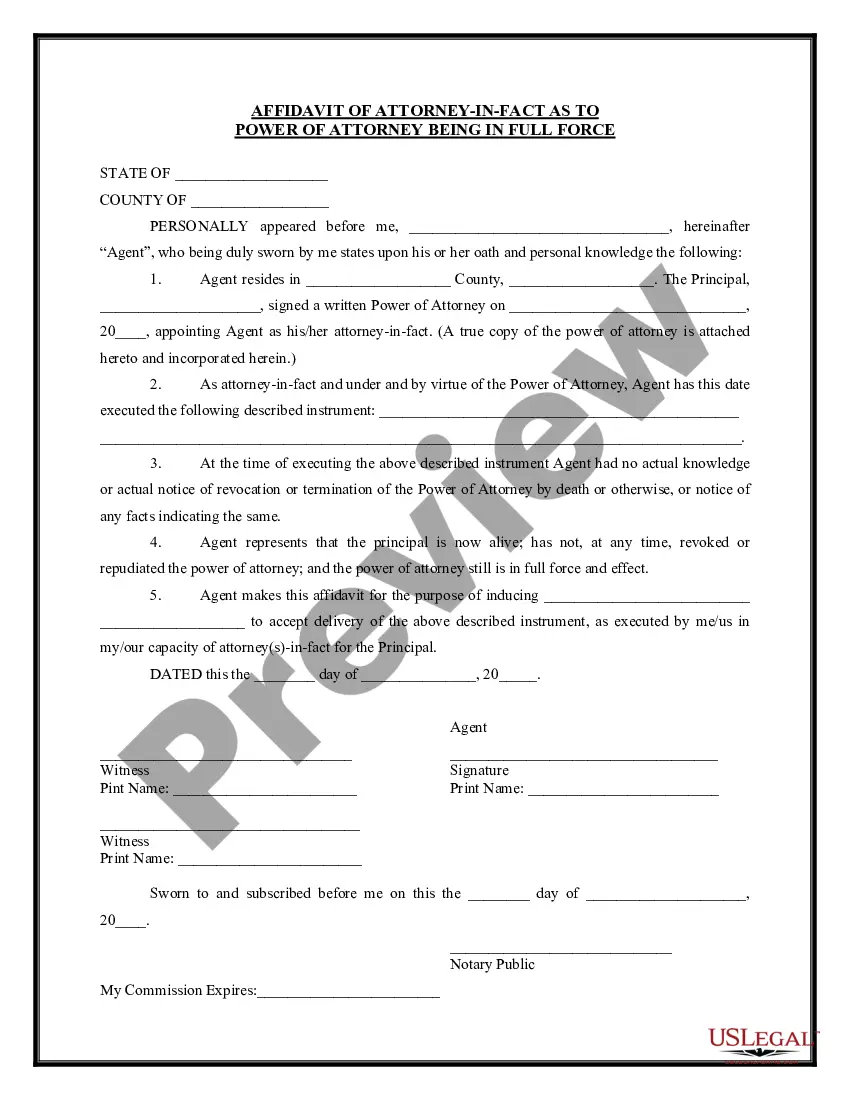
The Caretaker Authorization Affidavit - Statutory is a legal document that permits a grandparent to take care, custody, and control of a grandchild under specific circumstances. This form is particularly useful when parental rights have been terminated, paternity is not established, or the parents cannot be found. Unlike other custody documents, this affidavit grants the grandparent authority over the child's education and medical decisions without transferring legal custody.
What’s included in this form
- Child's name and date of birth.
- Grandparent's name and home address.
- Ohio driver's license or identification number for the grandparent.
- Declaration of attempts to locate the child's parents.
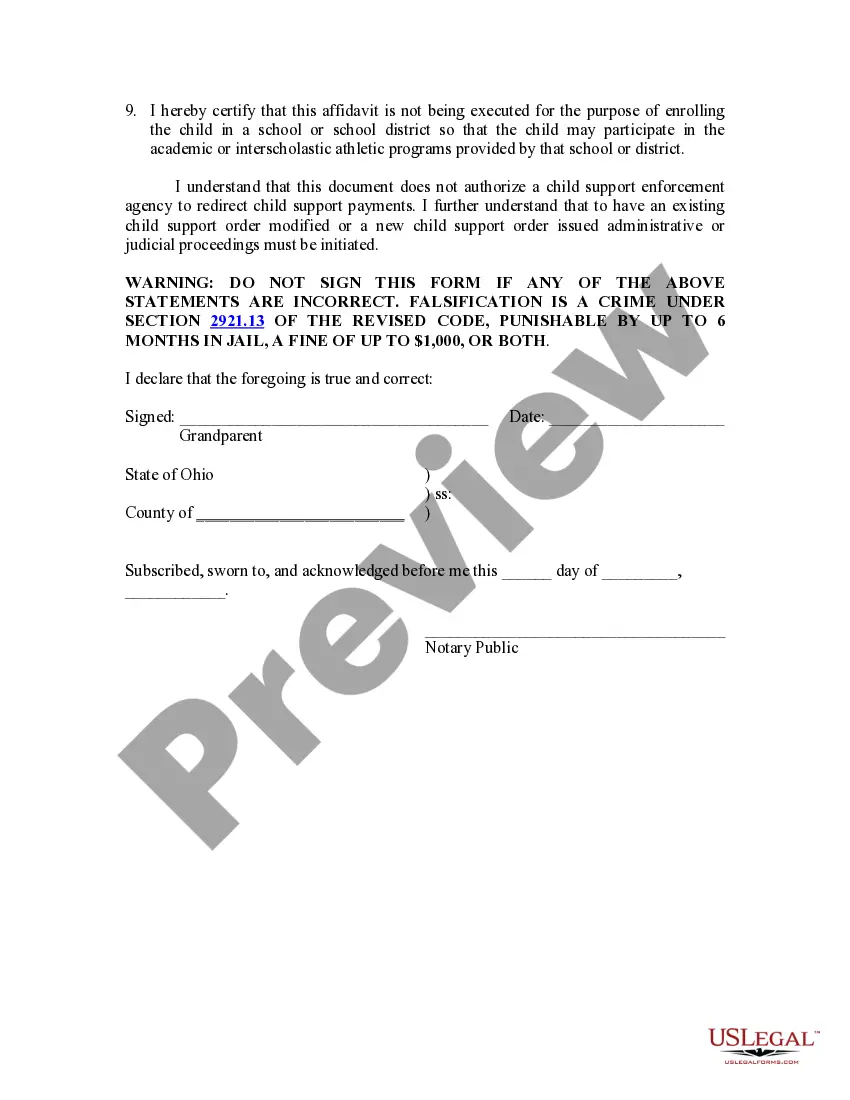
- Notary public acknowledgment for legal validation.
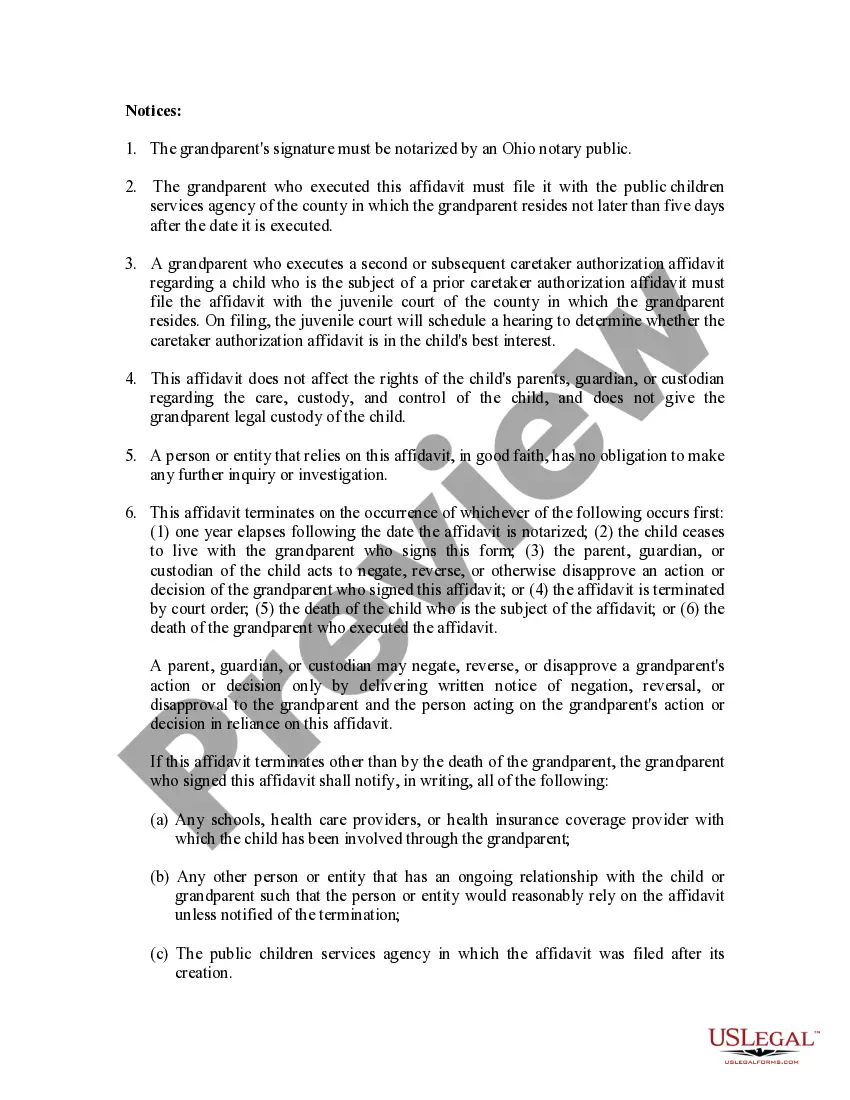
- Notice of requirements to file the affidavit with the public children services agency.
When this form is needed
This affidavit should be used when a grandparent needs to step in for a child whose parents are unavailable or unable to exercise their rights. Situations may include cases of parental absence, legal termination of parental rights, or an ongoing custody dispute. The form enables grandparents to manage essential decisions related to schooling, medical care, and general well-being without needing full or legal custody.
Who this form is for
- Grandparents seeking temporary authority over their grandchildren.
- Grandparents who need to make decisions on education and healthcare for a grandchild.
- Grandparents whose parental rights of the child's parents are unclear or have been terminated.
- Grandparents looking to provide stability for a child in situations where parents are inaccessible.
Instructions for completing this form
- Fill in the child's name, date of birth, and, optionally, the Social Security number.
- Provide your name, address, and date of birth as the grandparent.
- Enter your Ohio driver's license number or another form of identification.
- Indicate if you have made attempts to locate the child's parents.
- Sign the document in the presence of a notary public to ensure validity.
- File the completed affidavit with the public children services agency within five days of signing.
Notarization requirements for this form
Yes, this form must be notarized to be legally valid. It is essential to have a notary public witness the signing of the document. US Legal Forms offers integrated online notarization services, available 24/7, ensuring you can complete the process securely from home without the need for travel.
Get your form ready online
Our built-in tools help you complete, sign, share, and store your documents in one place.
Make edits, fill in missing information, and update formatting in US Legal Forms—just like you would in MS Word.
Download a copy, print it, send it by email, or mail it via USPS—whatever works best for your next step.
Sign and collect signatures with our SignNow integration. Send to multiple recipients, set reminders, and more. Go Premium to unlock E-Sign.
If this form requires notarization, complete it online through a secure video call—no need to meet a notary in person or wait for an appointment.
We protect your documents and personal data by following strict security and privacy standards.

Make edits, fill in missing information, and update formatting in US Legal Forms—just like you would in MS Word.

Download a copy, print it, send it by email, or mail it via USPS—whatever works best for your next step.

Sign and collect signatures with our SignNow integration. Send to multiple recipients, set reminders, and more. Go Premium to unlock E-Sign.

If this form requires notarization, complete it online through a secure video call—no need to meet a notary in person or wait for an appointment.

We protect your documents and personal data by following strict security and privacy standards.
Typical mistakes to avoid
- Not notarizing the affidavit, which is essential for legal validation.
- Failing to provide complete and accurate information about the child and grandparent.
- Not filing the affidavit with the appropriate agency within the required five-day timeframe.
- Skipping the section regarding attempts to locate the child's parents, even if unsuccessful.
Advantages of online completion
- Convenient access to legal document templates that can be customized.
- Immediate download available, allowing for quick completion and filing.
- Designed by licensed attorneys, ensuring that the forms meet legal standards.
- Ability to update and store your document securely for future use.
Legal use & context
- This affidavit grants a grandparent authority for decision-making regarding the child's education and healthcare.
- The affidavit does not provide legal custody to the grandparent; it is a temporary arrangement.
- Reliance on the affidavit by third parties, such as schools and healthcare providers, protects them from liability when acting in good faith.
Summary of main points
- The Caretaker Authorization Affidavit allows a grandparent to make decisions for a minor in specific situations.
- It must be filed and notarized promptly to ensure legality.
- This affidavit does not provide legal custody but allows for temporary authority regarding the child's welfare.
Looking for another form?



Form popularity
FAQ
An agreement between private parties creating mutual obligations enforceable by law. The basic elements required for the agreement to be a legally enforceable contract are: mutual assent, expressed by a valid offer and acceptance; adequate consideration; capacity; and legality.
In Ohio, the statute of limitations for personal injury cases gives an injured person two years from the date of the injury to go to court and file a lawsuit against those responsible for the injury (or the underlying accident).
Because Ohio's statute of limitations is six years, for most types of debt, trying to delay payment of your bills indefinitely is not a workable strategy. The time limit is counted beginning the day a debt became overdue or the day you last made a payment, whichever happened most recently.
The Essential Provisions of an Enforceable Contract An acceptance. Competent parties who have the legal capacity to contract. Lawful subject matter. Mutuality of obligation.
Generally, to be legally valid, most contracts must contain two elements: All parties must agree about an offer made by one party and accepted by the other. Something of value must be exchanged for something else of value. This can include goods, cash, services, or a pledge to exchange these items.
A statute of limitations, known in civil law systems as a prescriptive period, is a law passed by a legislative body to set the maximum time after an event within which legal proceedings may be initiated.
To form a contract you must have an offer, acceptance, and valid consideration. For a contract to become legally binding, regardless of whether it is oral or written, it must contain these basic contract principles: Offer and Acceptance: There must be a clear offer to contract and an unqualified acceptance.
Section 2305.06 Contract in writing. Except as provided in sections 126.301 and 1302.98 of the Revised Code, an action upon a specialty or an agreement, contract, or promise in writing shall be brought within eight years after the cause of action accrued.