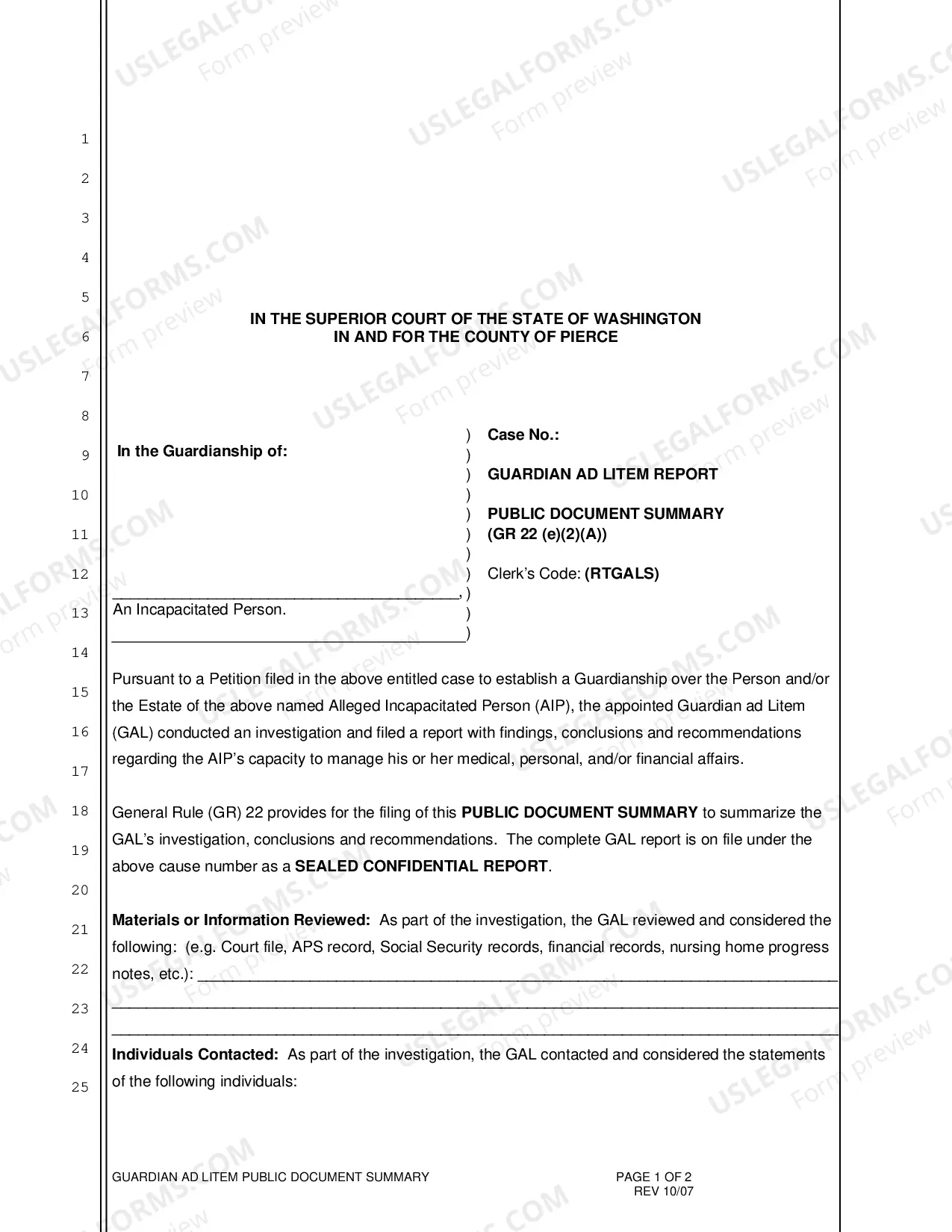
Ohio Transfer on Death Designation Affidavit - TOD from Individual to Three Individuals
What is this form?
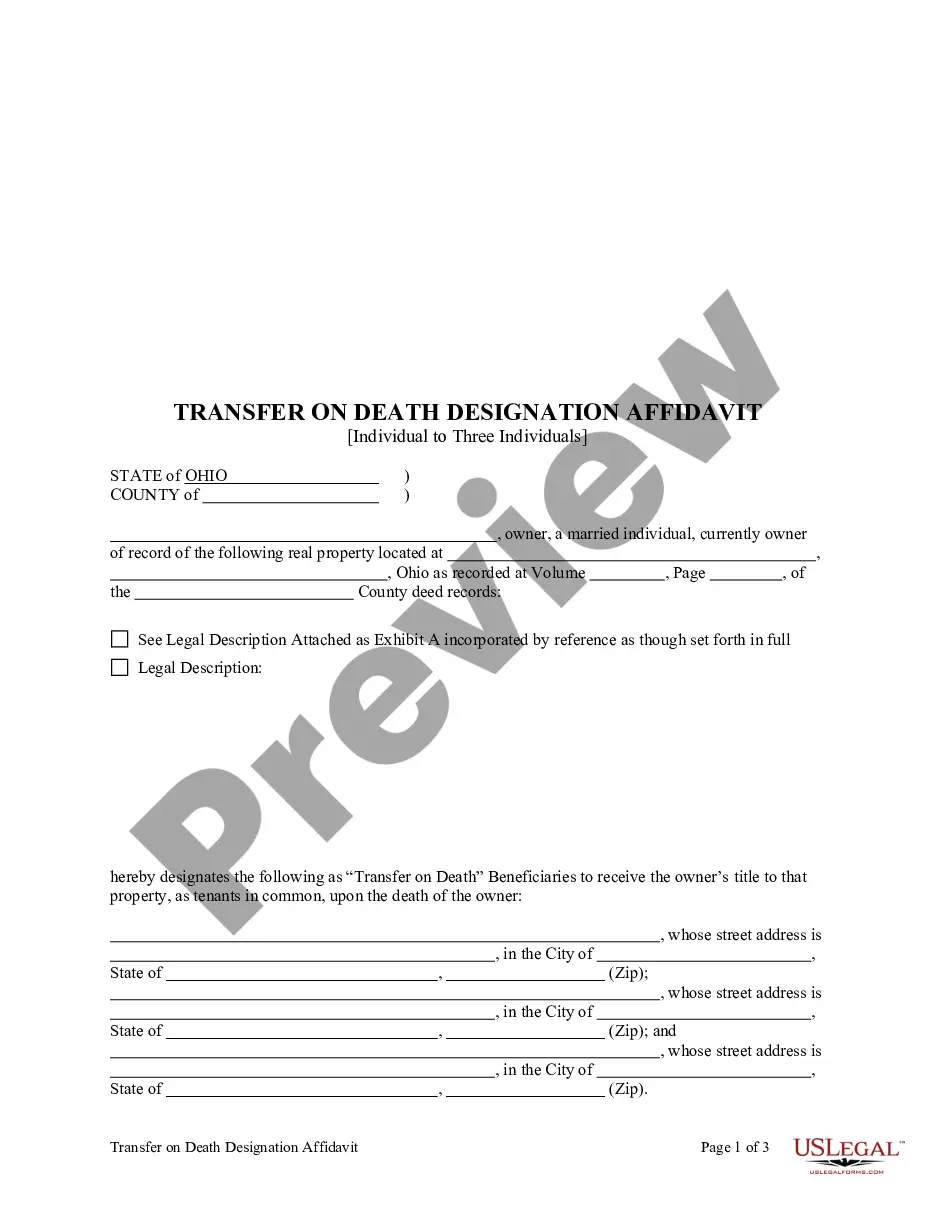
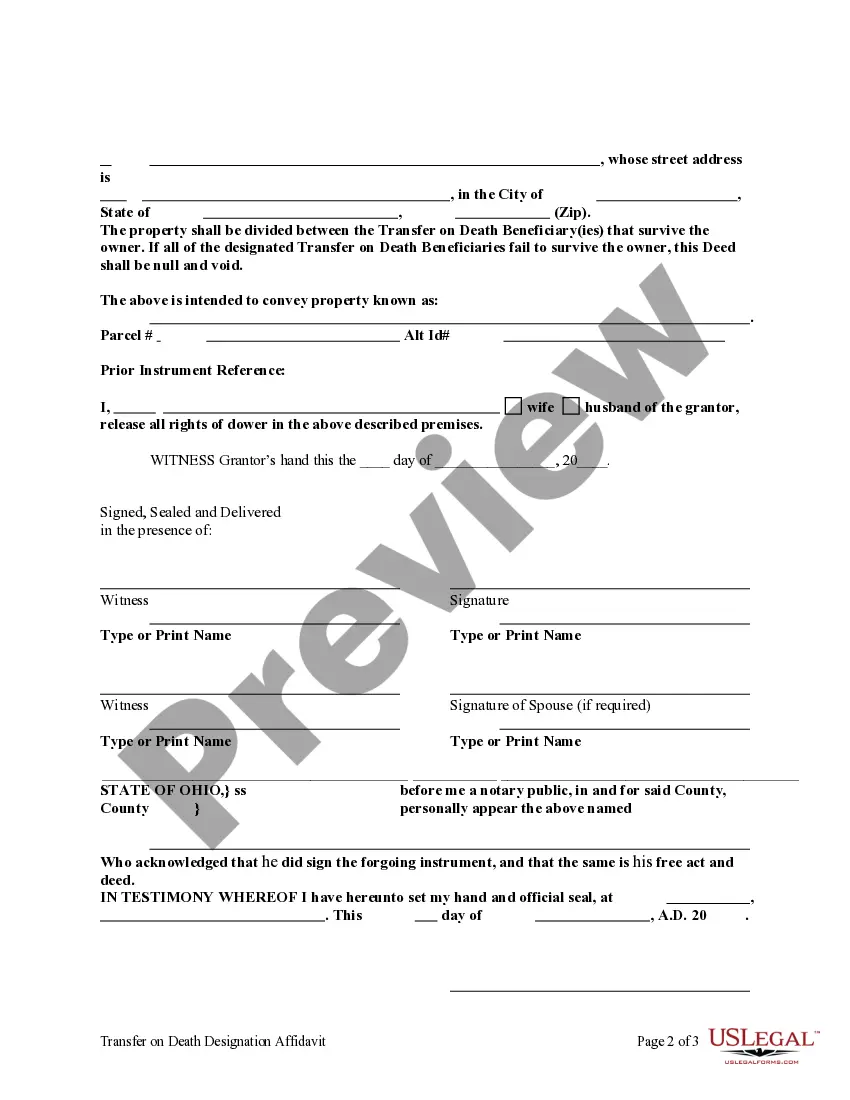
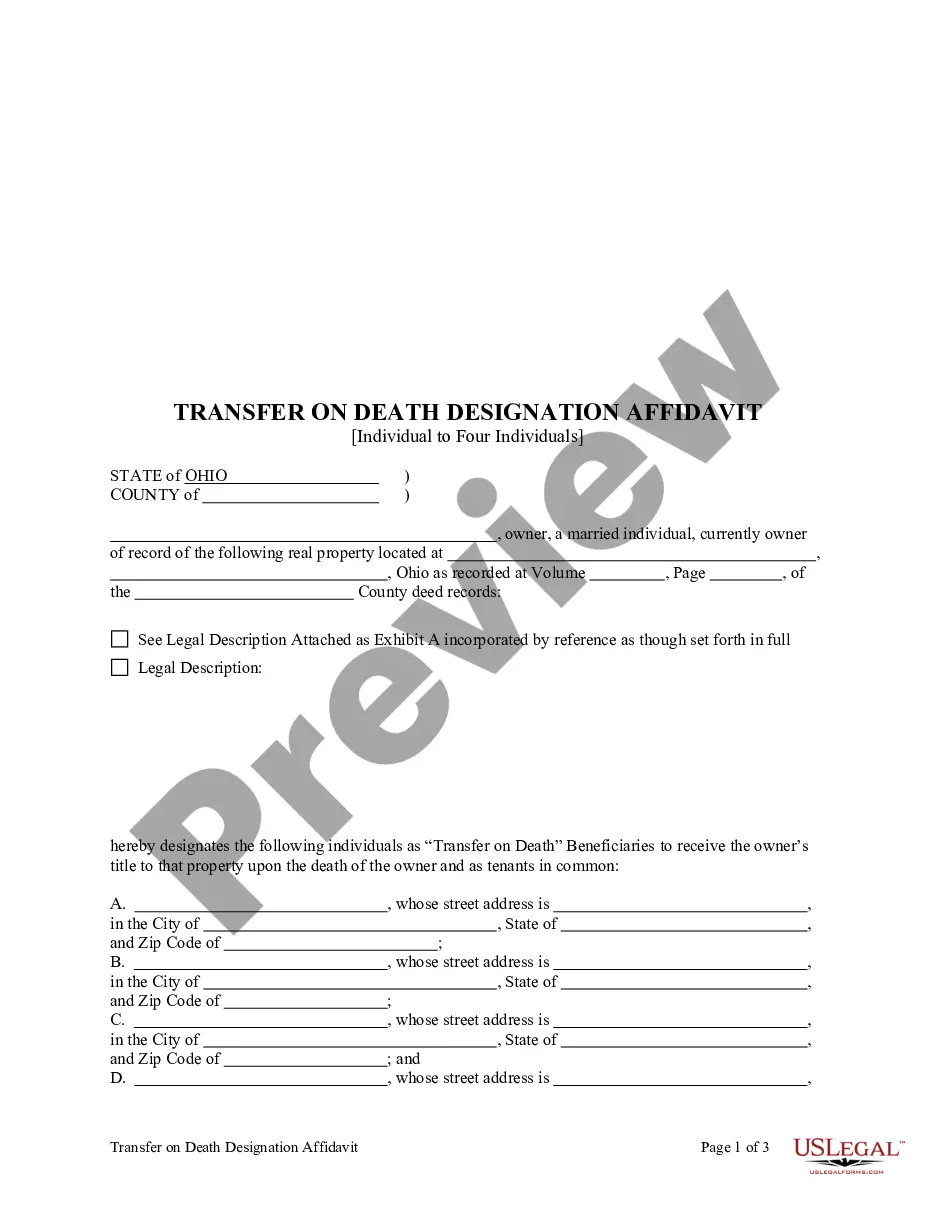
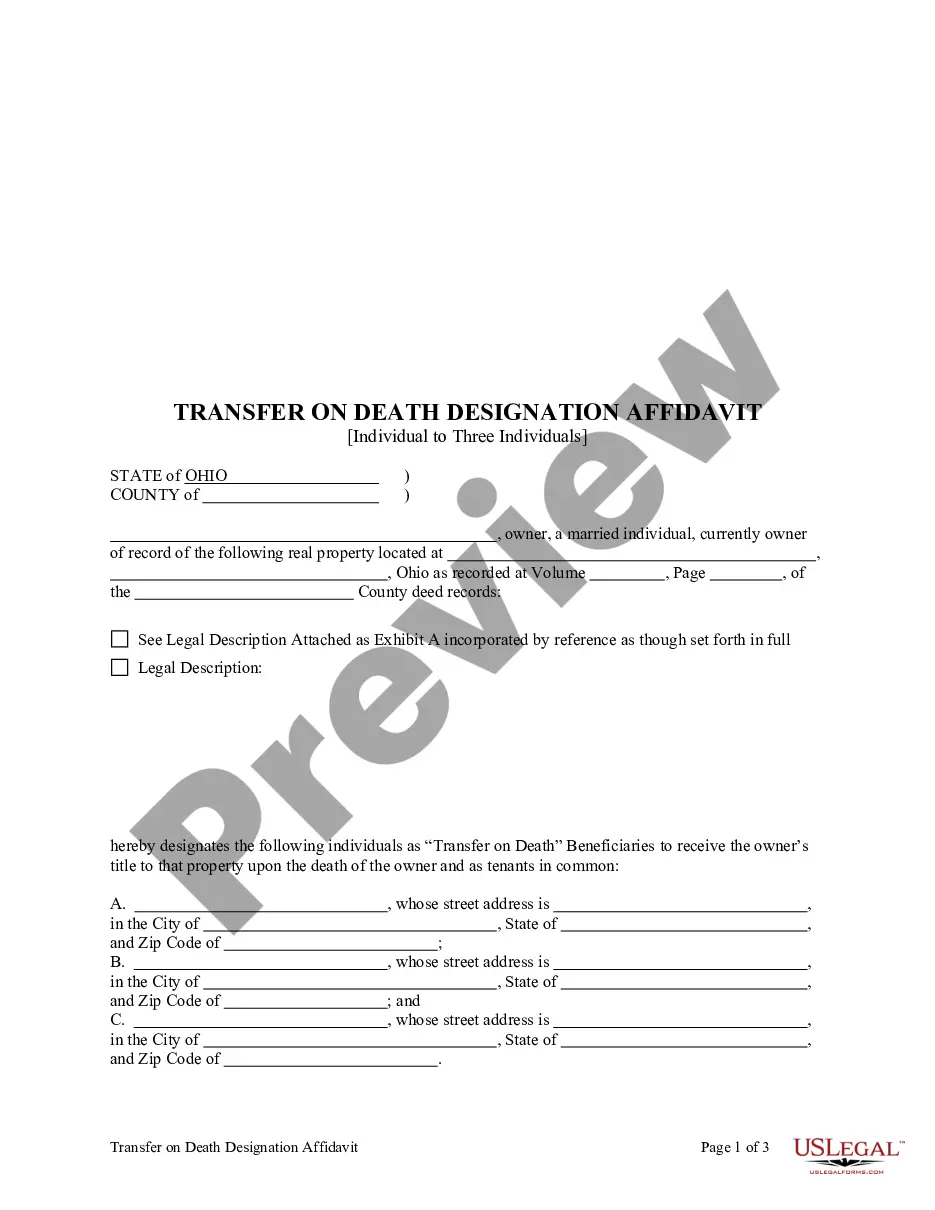
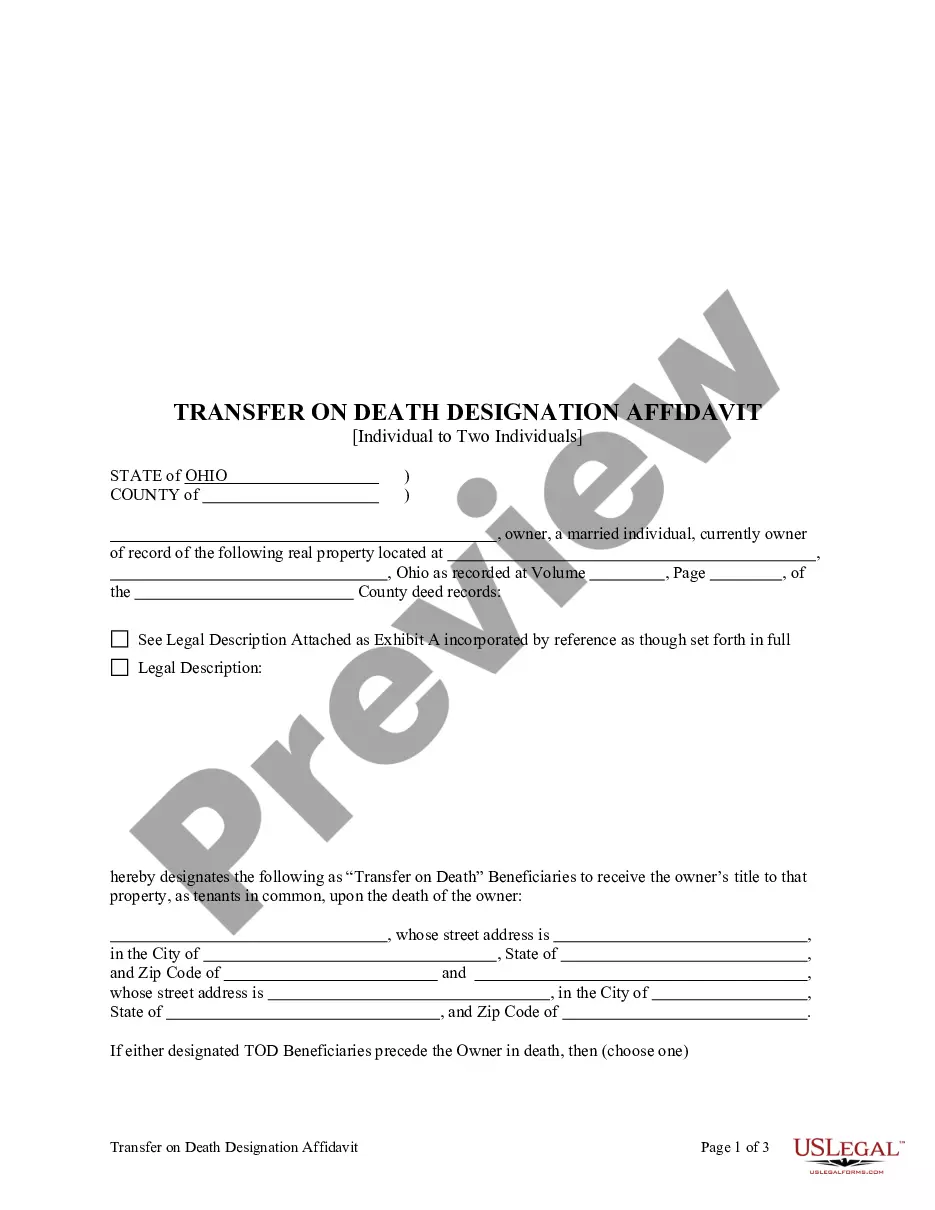
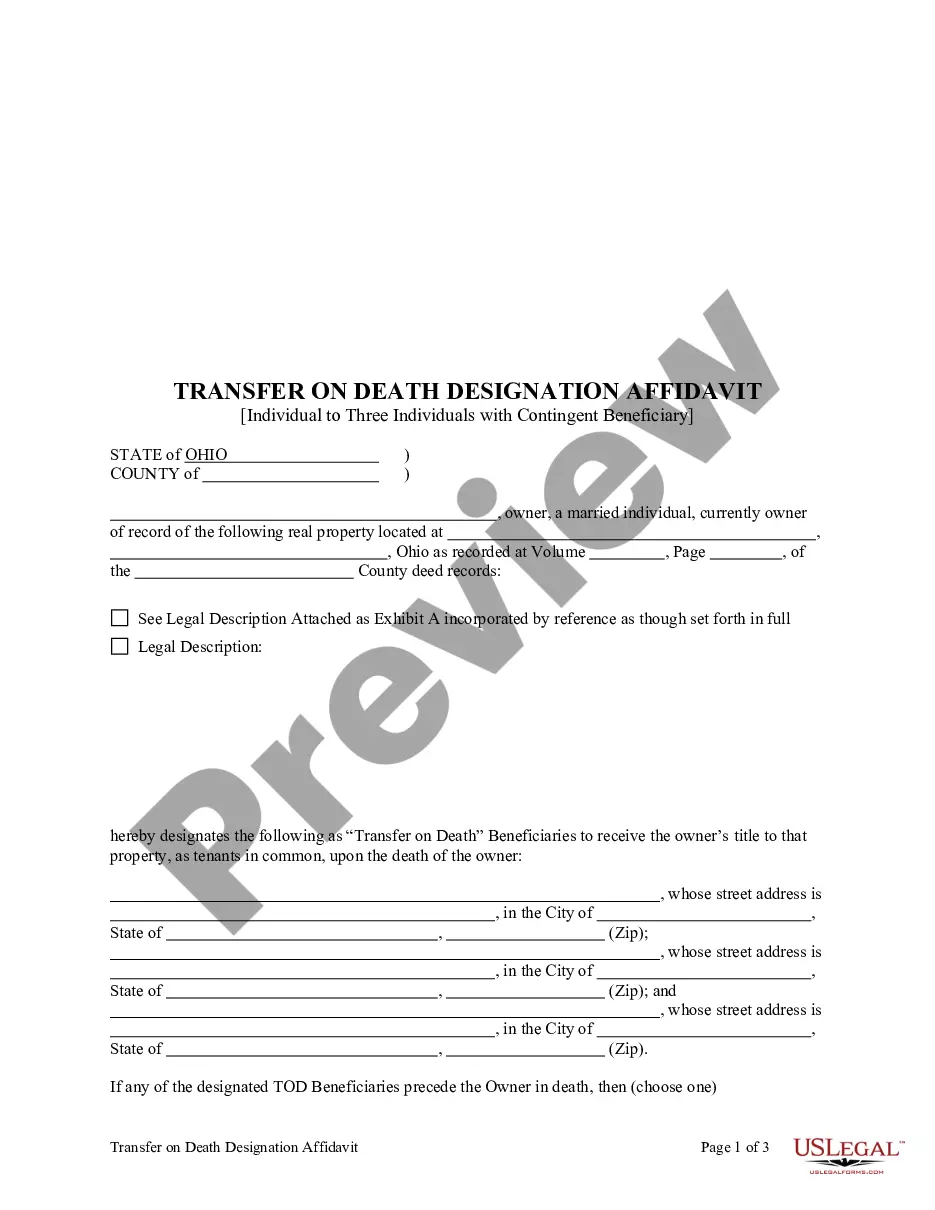
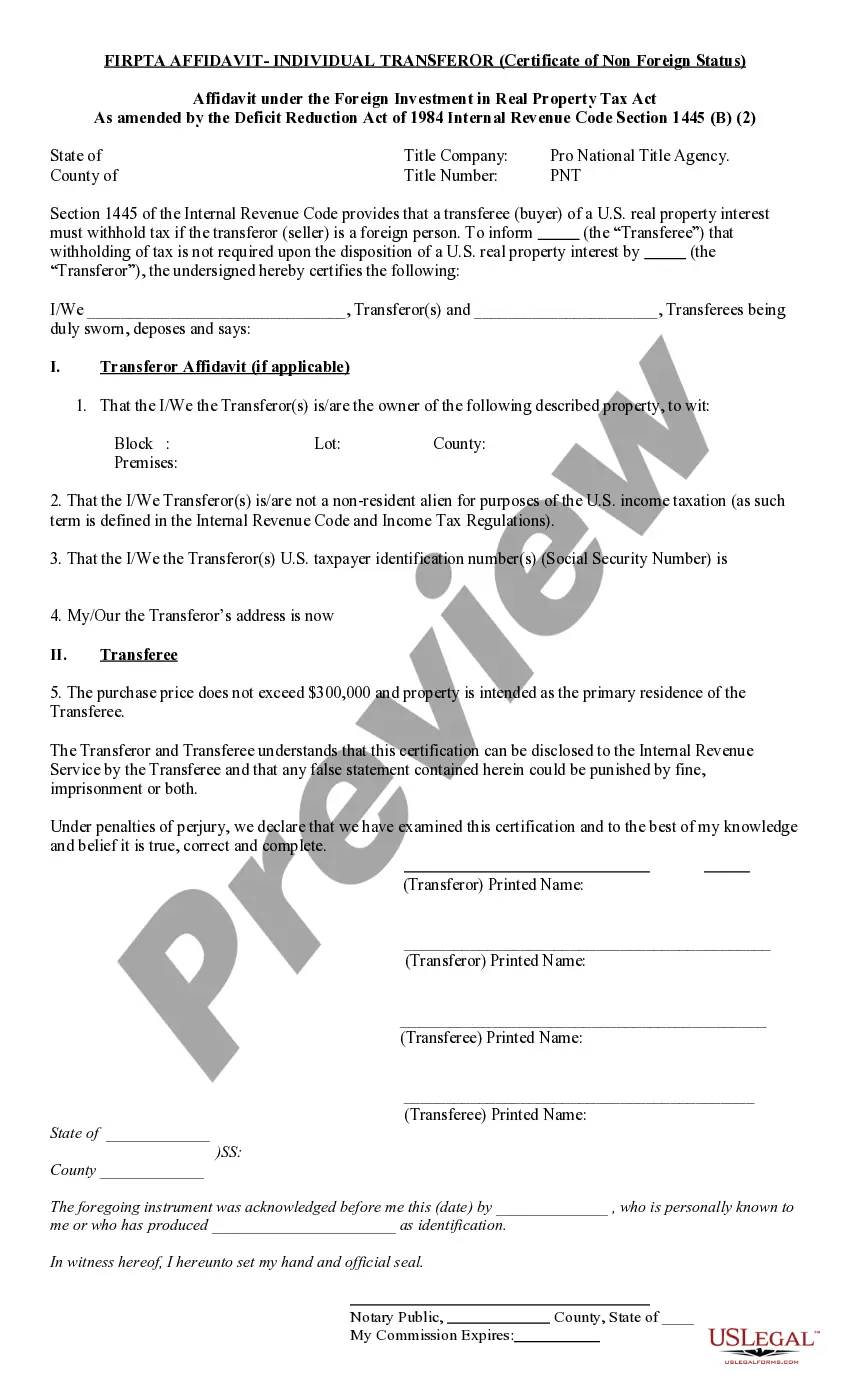
The Transfer on Death Designation Affidavit is a legal document that allows an individual to designate three beneficiaries to receive their property upon the owner's death. This form ensures that the title of a parcel of land transfers to the designated beneficiaries, known as Grantees, who will hold the property as tenants in common. It is important to note that this affidavit does not provide for alternate beneficiaries in case one of the designated individuals passes away before the owner. The form can be revoked or amended at any time by the owner without needing consent from the beneficiaries.
Key parts of this document
- Affiant: The individual executing the affidavit who owns the property.
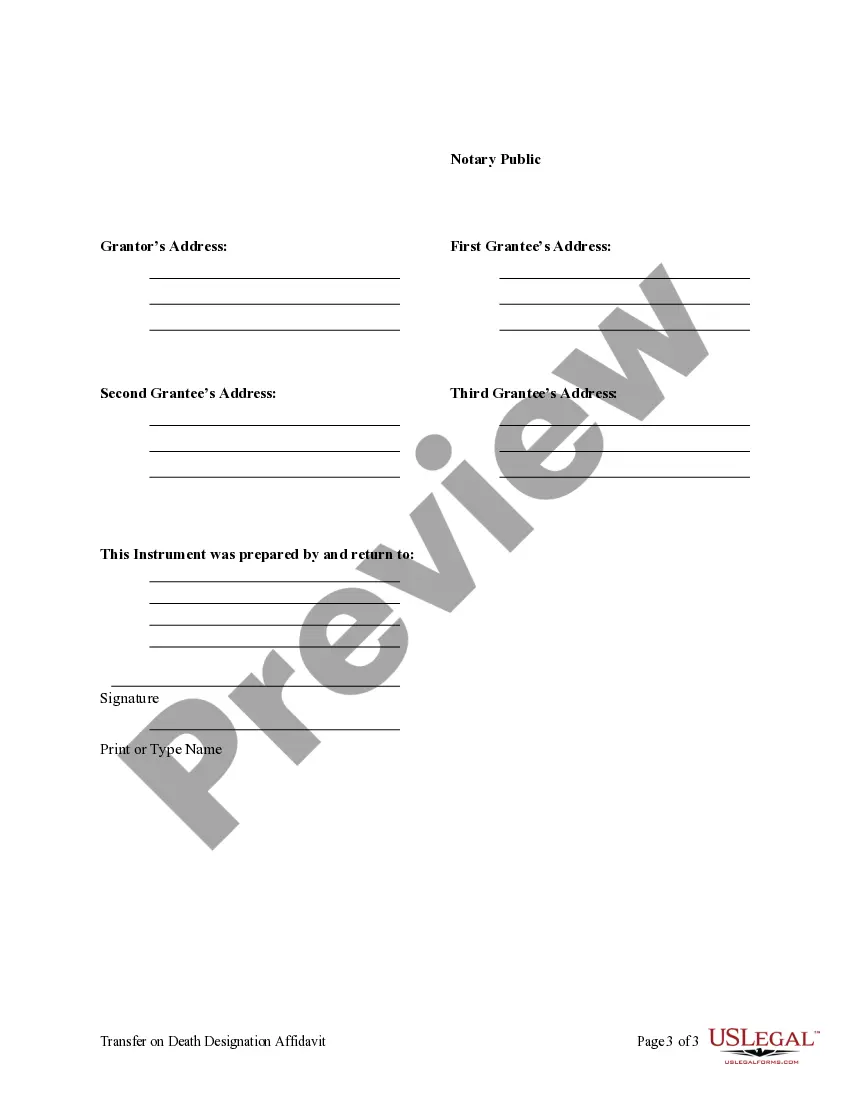
- Designated Beneficiaries: The three individuals who will inherit the property.
- Property Description: A clear description of the parcel of land being transferred.
- Signature Requirement: The affidavit must be signed in the presence of a Notary Public.
- Revocation Clause: Information on how to revoke or change the designation.

When this form is needed
This form is used when an individual wishes to specify who will inherit their property after their death. It is particularly useful for estate planning, ensuring that the transfer of property occurs seamlessly without the need for probate, thus simplifying the process for the beneficiaries. Situations may include transferring a family home to children or other loved ones and managing real estate assets effectively.
Who should use this form
- Property owners who wish to designate multiple beneficiaries for their real estate.
- Individuals planning their estate to avoid probate complications.
- People wanting to ensure a smooth transfer of property to loved ones.
- Those who seek to maintain control over property distribution while alive.
Instructions for completing this form
- Identify the parties involved, including the owner (affiant) and the three beneficiaries.
- Provide a detailed description of the property being transferred.
- Complete the signature section, ensuring the owner signs the document in front of a Notary Public.
- Determine if there are any changes or revocations to existing beneficiary designations.
- Record the affidavit with the appropriate local authority if required by law.
Does this form need to be notarized?
This form needs to be notarized to ensure legal validity. US Legal Forms provides secure online notarization powered by Notarize, allowing you to complete the process through a verified video call, available anytime.
Get your form ready online
Our built-in tools help you complete, sign, share, and store your documents in one place.
Make edits, fill in missing information, and update formatting in US Legal Forms—just like you would in MS Word.
Download a copy, print it, send it by email, or mail it via USPS—whatever works best for your next step.
Sign and collect signatures with our SignNow integration. Send to multiple recipients, set reminders, and more. Go Premium to unlock E-Sign.
If this form requires notarization, complete it online through a secure video call—no need to meet a notary in person or wait for an appointment.
We protect your documents and personal data by following strict security and privacy standards.

Make edits, fill in missing information, and update formatting in US Legal Forms—just like you would in MS Word.

Download a copy, print it, send it by email, or mail it via USPS—whatever works best for your next step.

Sign and collect signatures with our SignNow integration. Send to multiple recipients, set reminders, and more. Go Premium to unlock E-Sign.

If this form requires notarization, complete it online through a secure video call—no need to meet a notary in person or wait for an appointment.

We protect your documents and personal data by following strict security and privacy standards.
Avoid these common issues
- Not having the affidavit notarized, leading to invalidation.
- Failing to accurately describe the property, which can create legal disputes.
- Neglecting to inform the beneficiaries about the existence of the affidavit.
- Overlooking changes in circumstances, such as a beneficiary's passing or changes in ownership.
- Not keeping the document updated as intended beneficiaries or property ownership changes occur.
Benefits of using this form online
- Convenience of completing the form from home without the need for an in-person appointment.
- Ability to edit and save the form for future reference or changes.
- Access to reliable templates drafted by licensed attorneys.
- Instant downloads that allow for quick processing.
Looking for another form?

Form popularity
FAQ
If you'd like to avoid having your property going through the probate process, it's a good idea to look into a transfer on death deed. A transfer on death deed allows you to select a beneficiary who will receive your property, but only when you've passed away.
Using an Affidavit of Death to Claim Real Estate from a California Transfer on Death Deed. Transfer on death deeds allow individual landowners to transfer their real estate when they die, without a will or the need for probate distribution.
Survivorship Deeds contain special language that enables the property to transfer to the surviving owner(s) upon the deceased owner's death.A Transfer-On-Death Designation Affidavit allows the owner of Ohio real estate to designate one or more beneficiaries of the property.
TOD account holders can name multiple beneficiaries and divide assets any way they like.However, the beneficiaries have no access or rights to a TOD account while its owner is alive. Those beneficiaries can also be changed at any time, so long as the TOD account holder is deemed mentally competent.
If the deeds to the property are unregistered, it is possible to place a death certificate with the deeds, but it's advisable to register the title with the Land Registry at this point. Once this has been done, the property will then be registered in the name of the surviving joint owner.
A transfer on death deed (TOD) lets a property owner pass land or real estate to a designated beneficiary outside of the probate process. A transfer on death deed can be a helpful estate planning tool but it is not permitted in every state.
Fill in information about you and the TOD beneficiary. provide a description of the property. check over the completed deed. sign the deed in front of a notary public, and.
Yes. Ohio law allows individuals who do not need the estate administration benefits of a trust agreement to avoid Probate on the transfer of real property by executing a legal document called a Transfer-On-Death (TOD) Designation Affidavit.