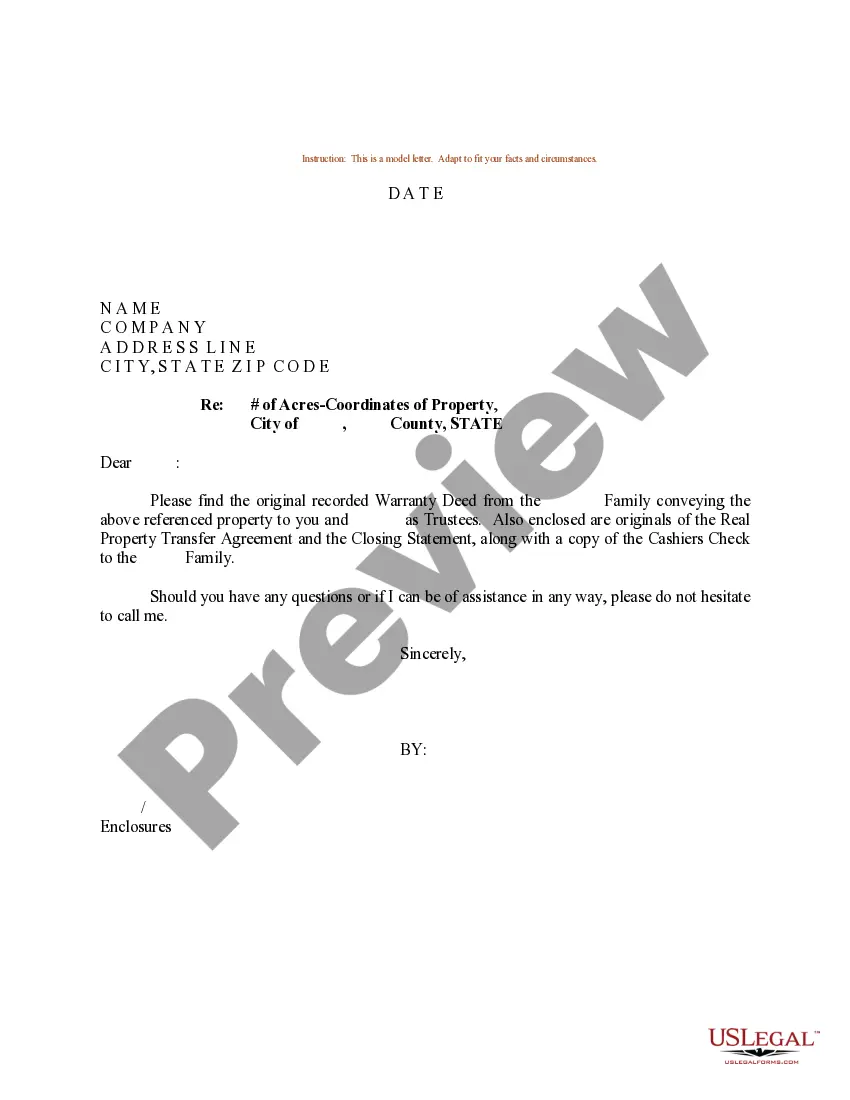
New York Renovation Contract for Contractor
What this document covers
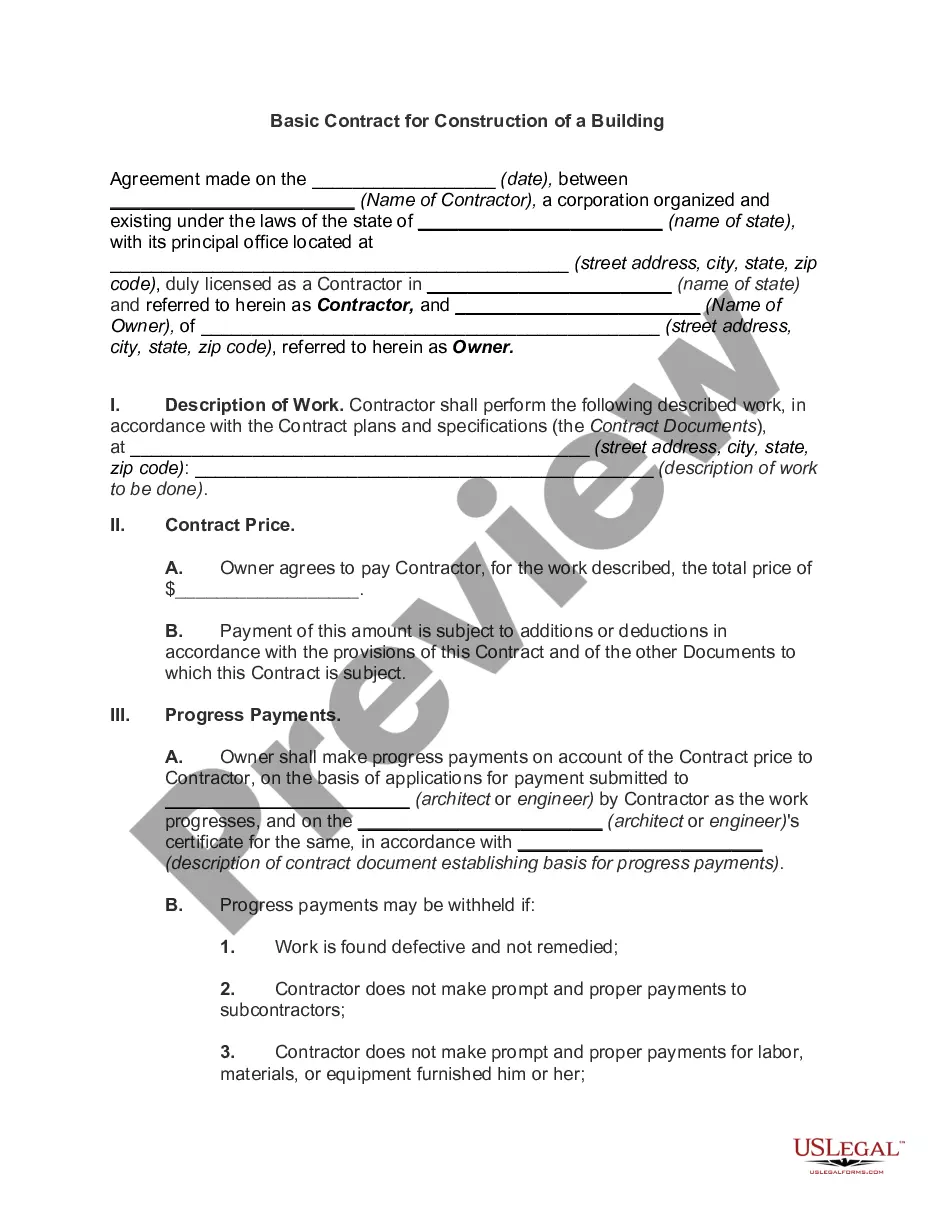
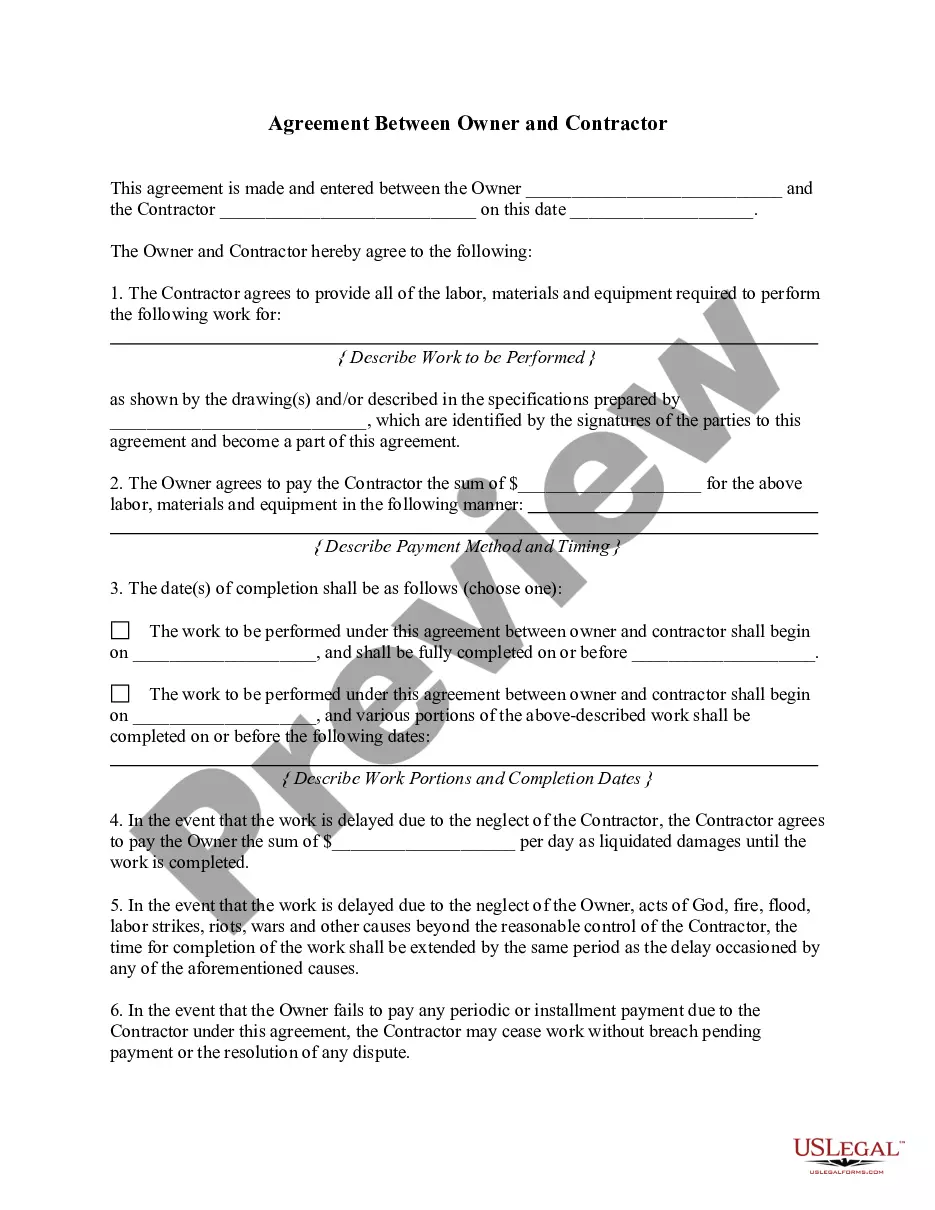
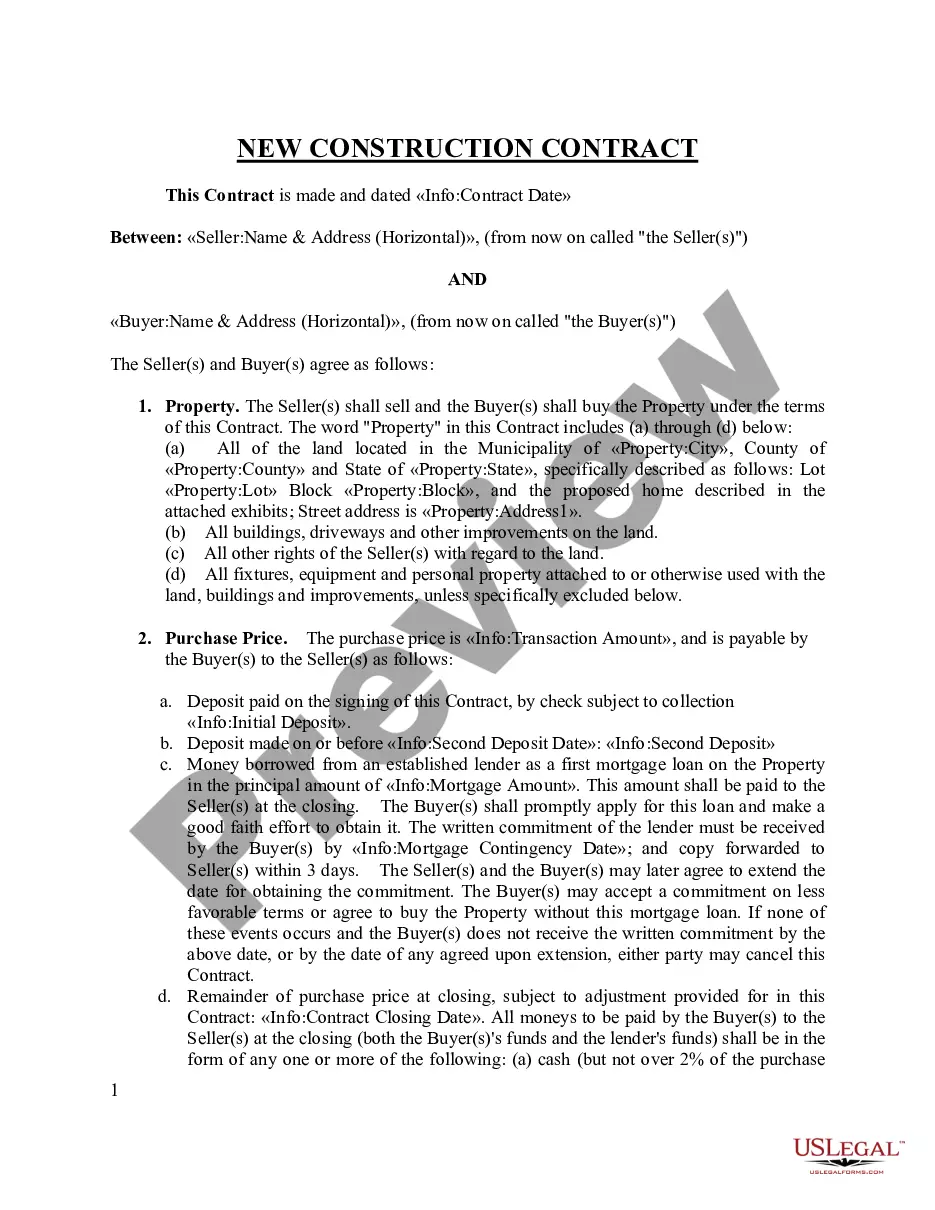
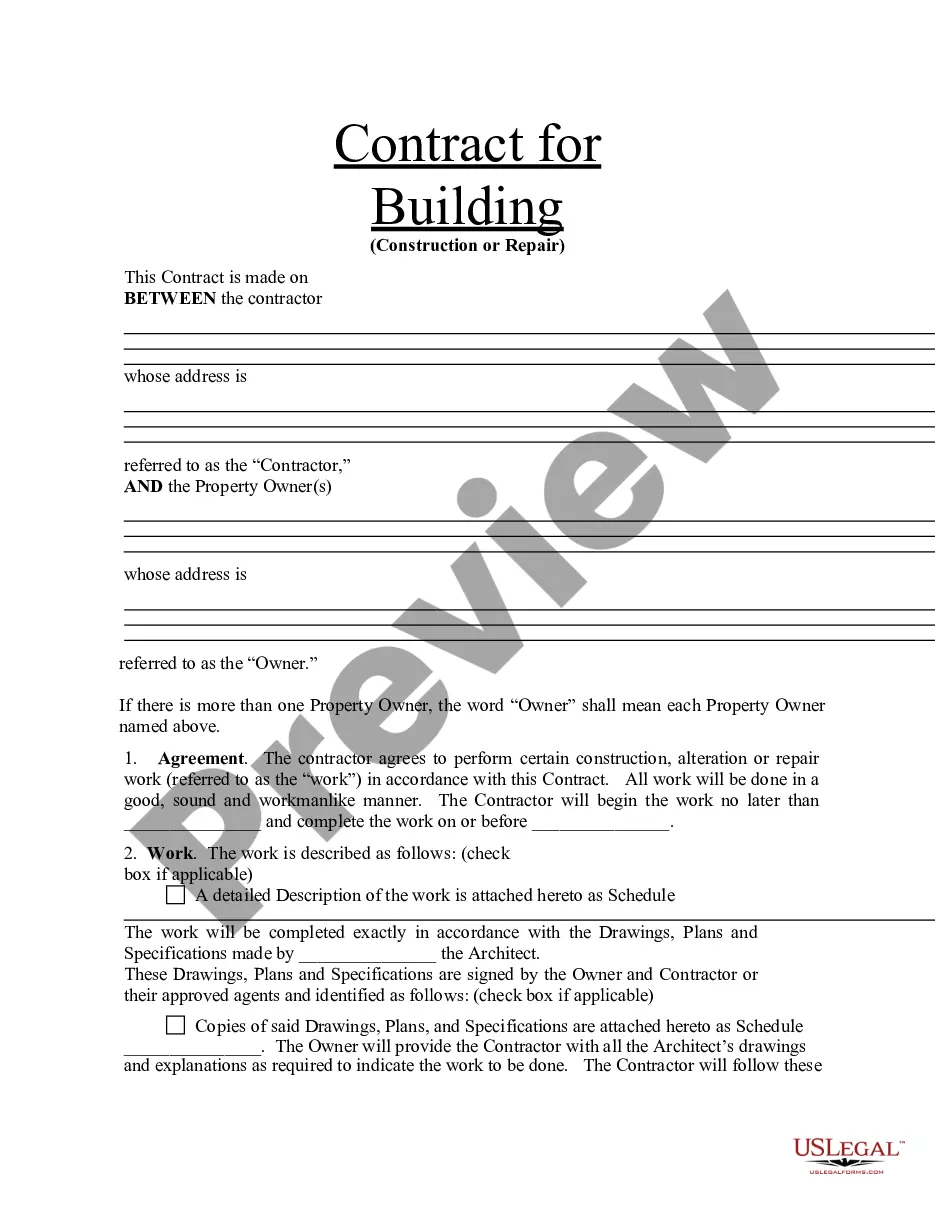
The Renovation Contract for Contractor is a legal document designed for use between renovation contractors and property owners in New York. This contract outlines the responsibilities and obligations of both parties during renovation projects, including payment arrangements like cost plus or fixed fee. It ensures compliance with New York laws and specifically addresses areas such as change orders, warranties, and insurance, making it distinct from general construction contracts.
Main sections of this form
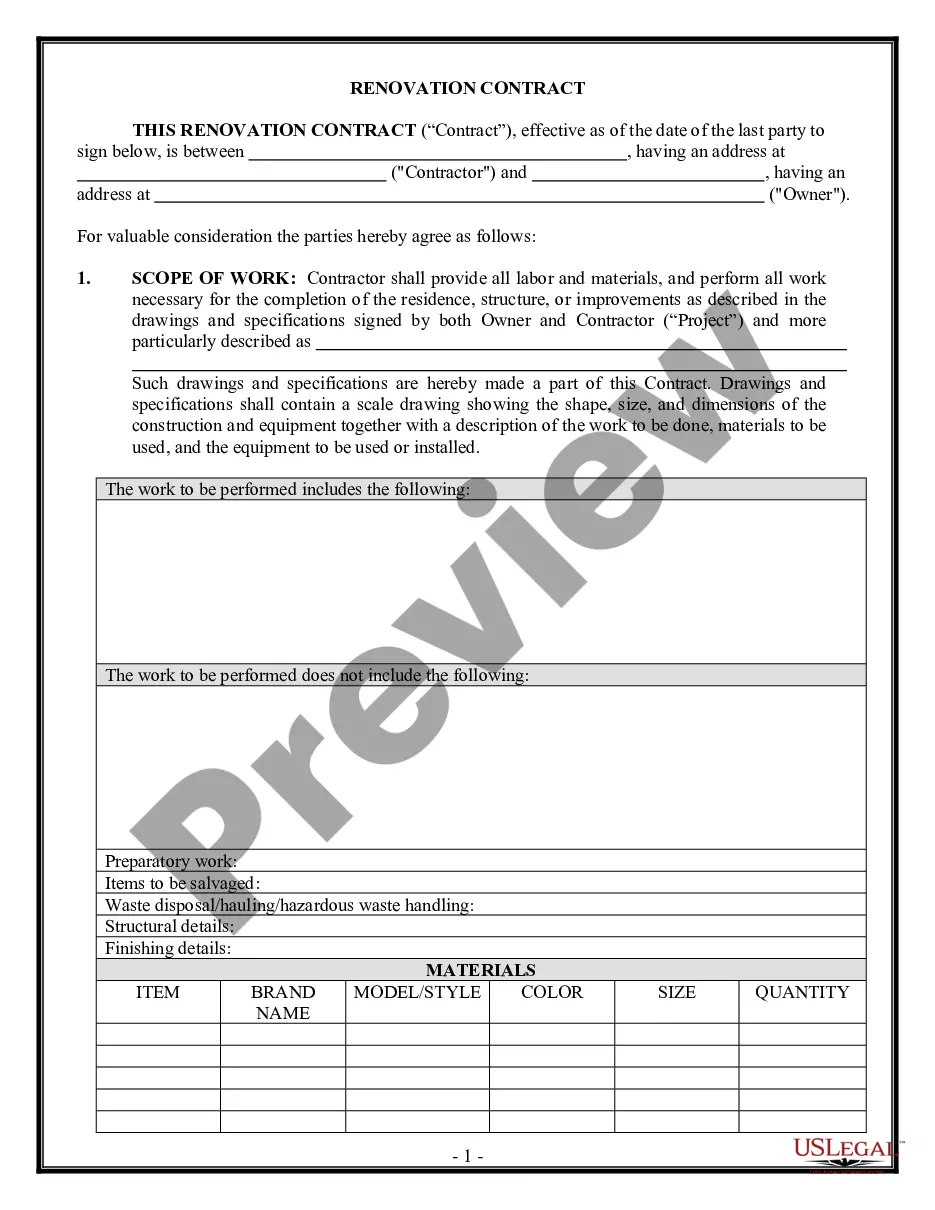
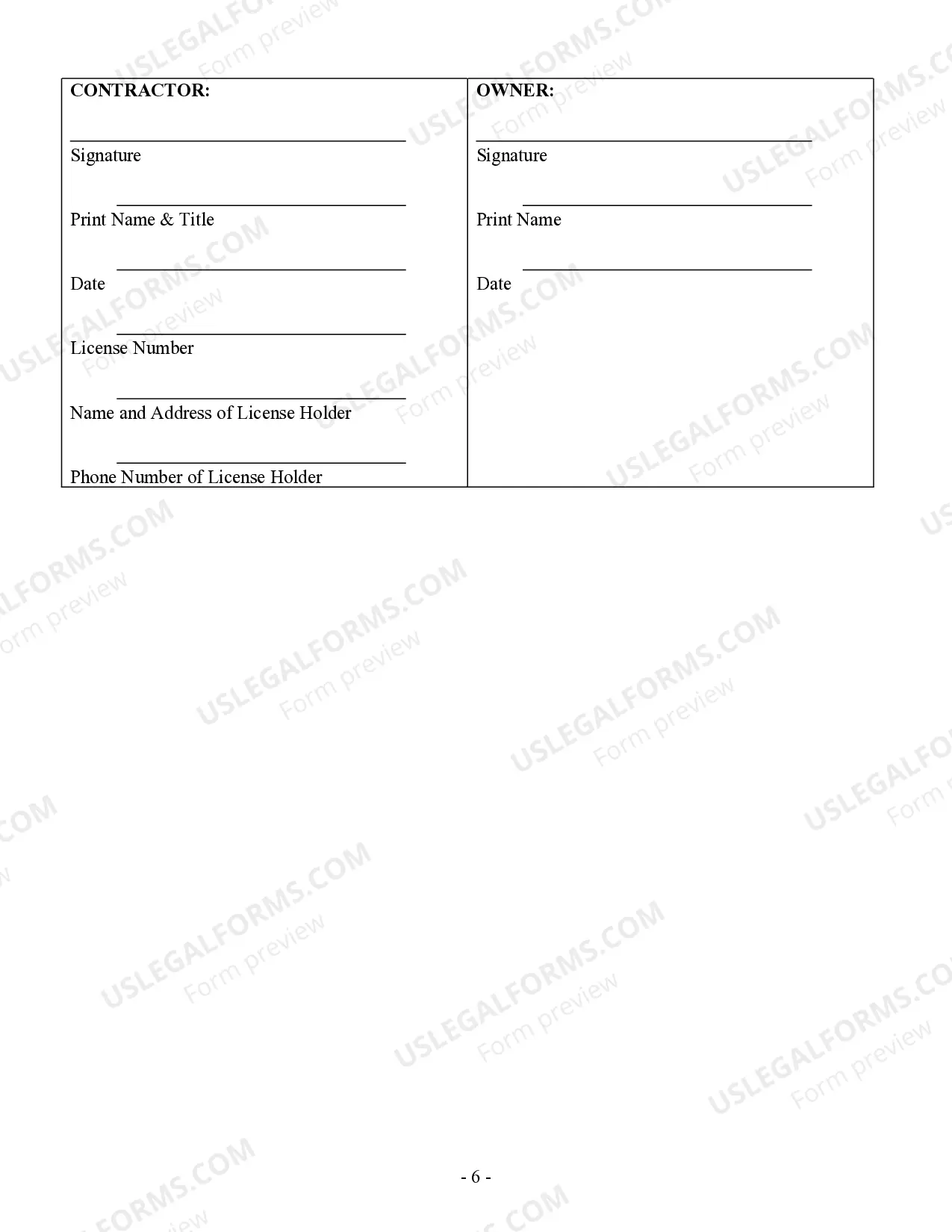
- Identifying Information: Full names and addresses of the contractor and property owner.
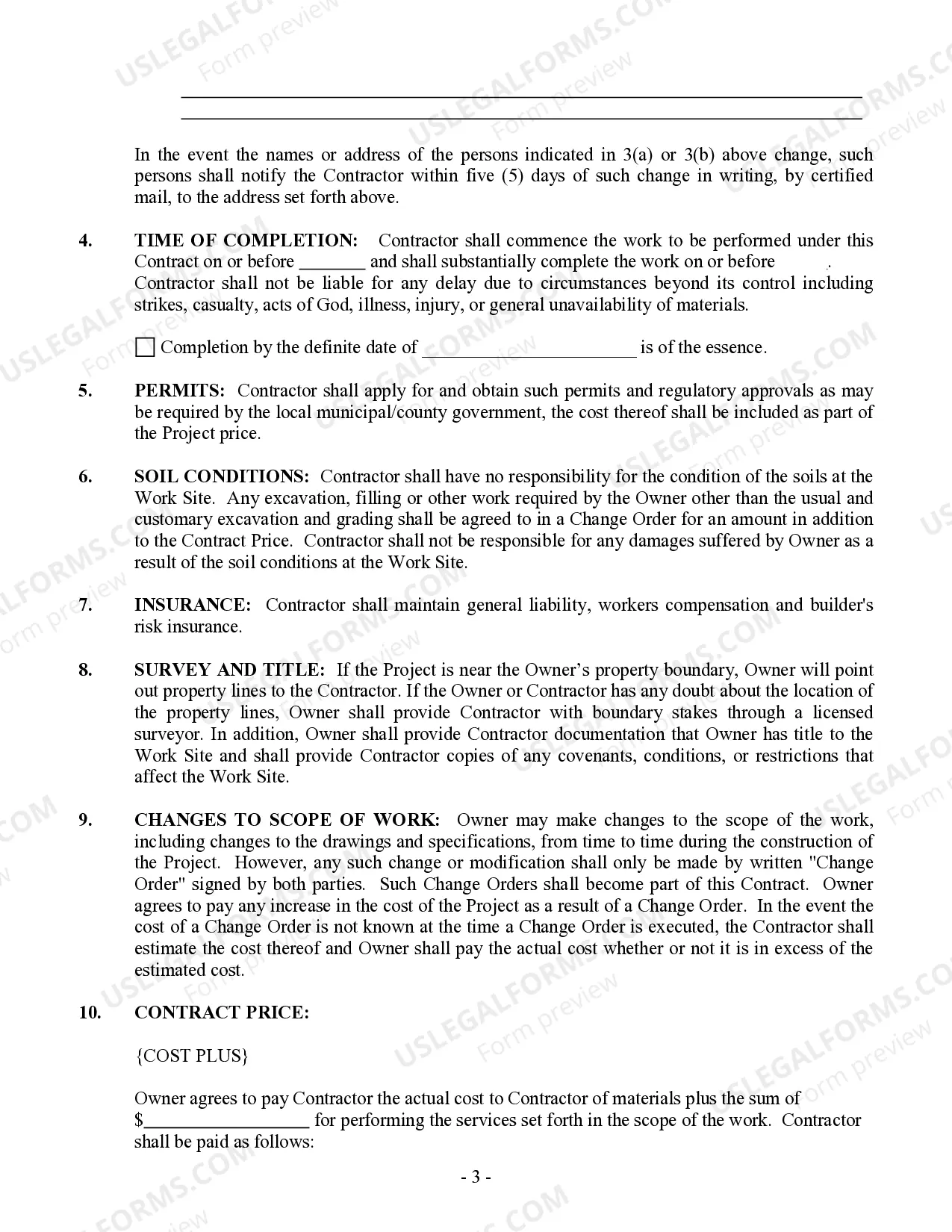
- Permits: Obligations for obtaining necessary permits and approvals.
- Insurance: Requirements for general liability and workers compensation insurance.
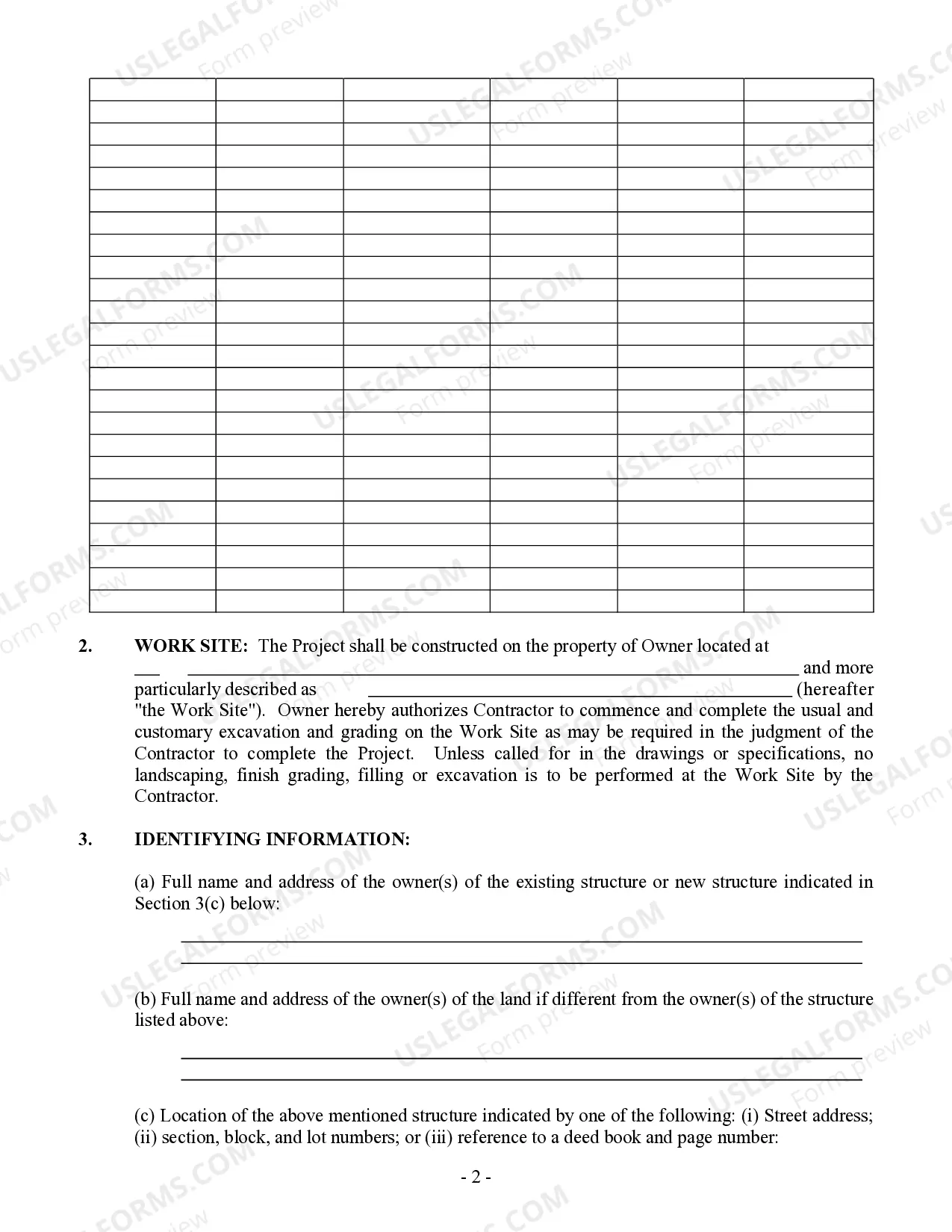
- Soil Conditions: Clarification on contractor responsibilities regarding soil conditions at the work site.
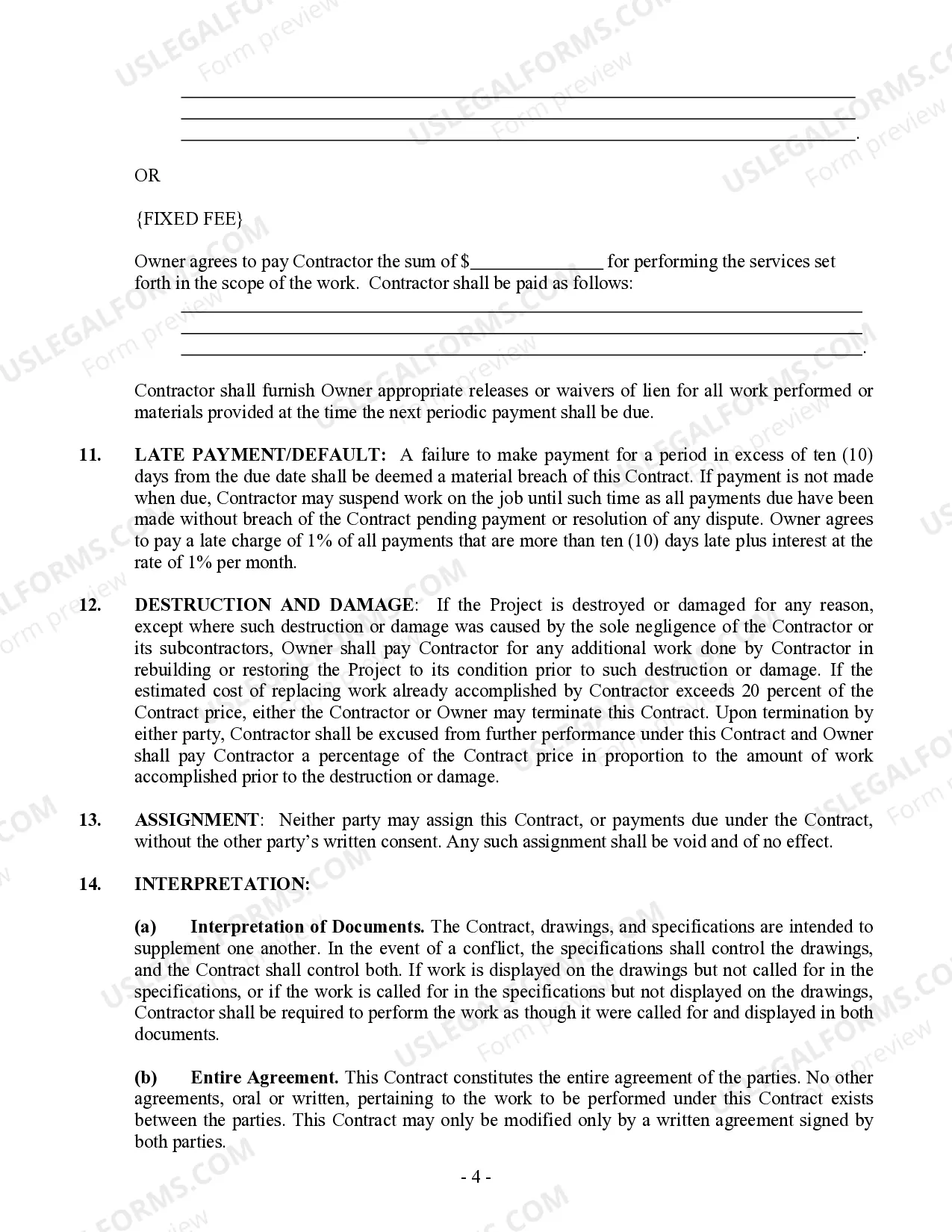
- Destruction and Damage: Provisions for payment in case of project damage or destruction.
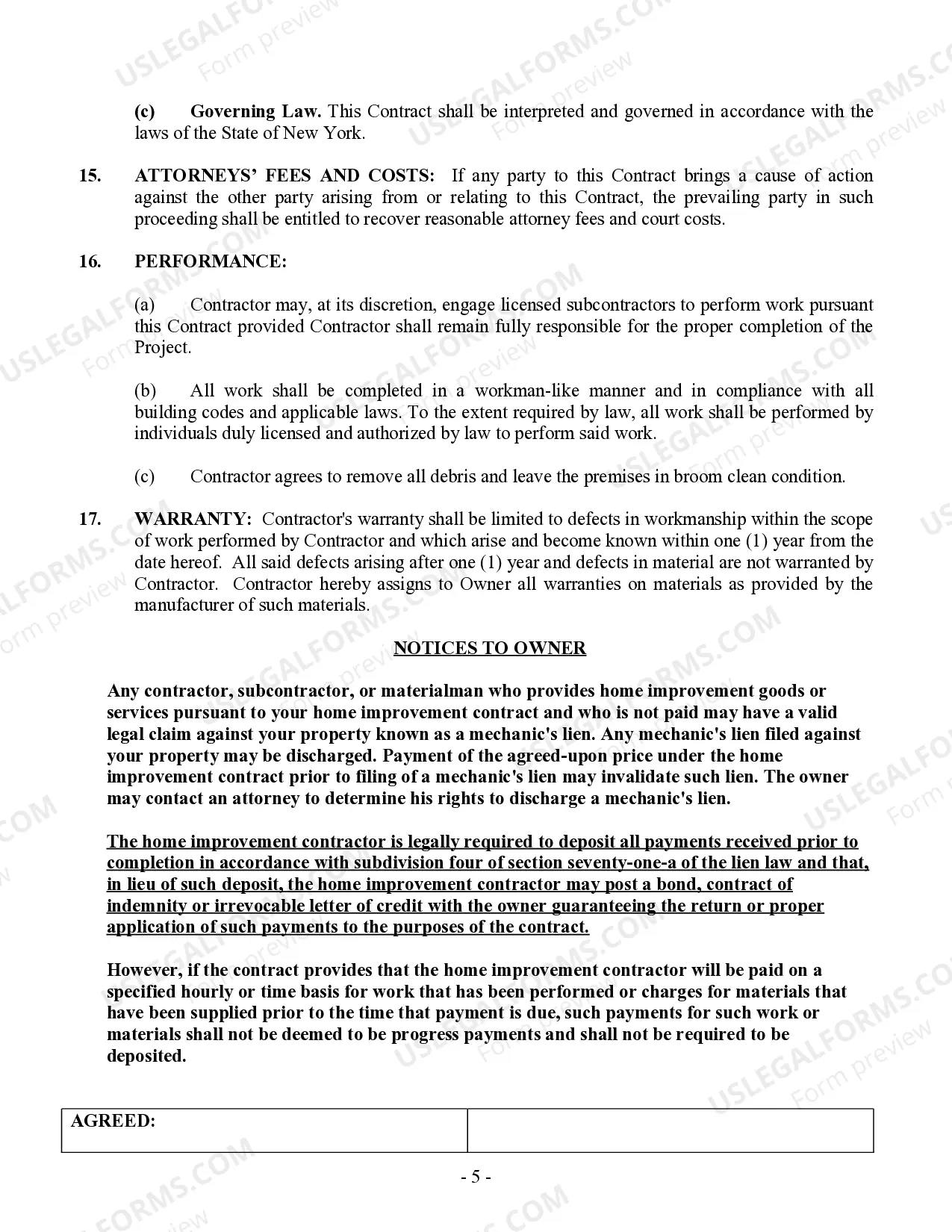
- Warranty: Details on the warranty for workmanship and materials.
Common use cases
This form should be used when a property owner hires a renovation contractor for a project. It is appropriate for projects involving structural changes, improvements, or repairs where clear terms regarding payment, responsibilities, and warranties are necessary. Use this form to protect both parties' interests, especially for large-scale renovations or when engaging multiple contractors.
Who needs this form
This contract is suitable for:
- Property owners seeking to renovate or improve their property.
- Renovation contractors ready to enter into a formal agreement with a property owner.
- Individuals or companies looking for clarity and legal protection in renovation projects.
How to prepare this document
- Identify the parties: Fill in the full names and addresses of the owner(s) and contractor.
- Specify project details: Include the project timeline and any unique requirements.
- Detail payment terms: Indicate whether the agreement is cost plus or fixed fee.
- Address permits and insurance: Indicate the contractor's responsibility for obtaining permits and securing insurance.
- Sign and date: Ensure both parties sign and date the document to make it legally binding.
Does this form need to be notarized?
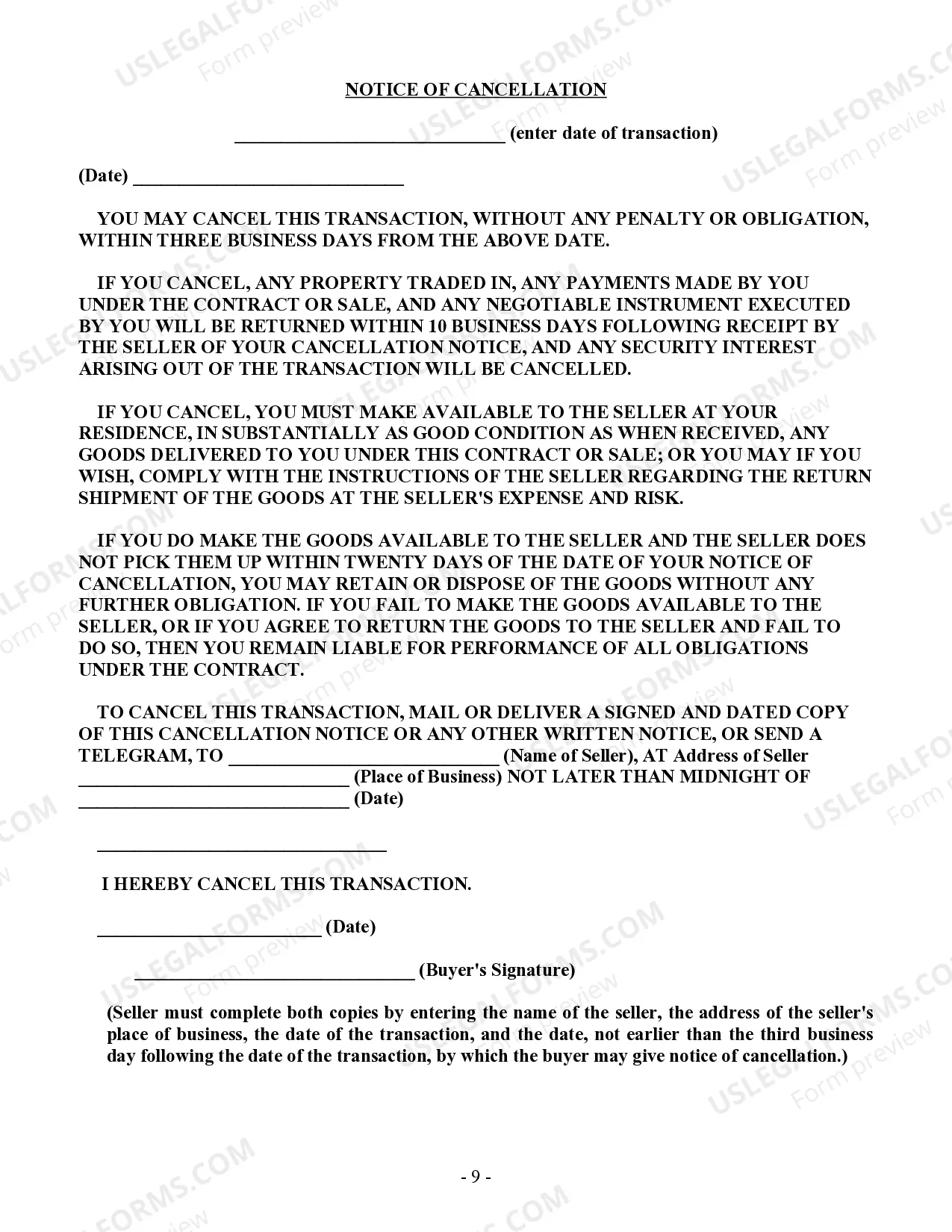
In most cases, this form does not require notarization. However, some jurisdictions or signing circumstances might. US Legal Forms offers online notarization powered by Notarize, accessible 24/7 for a quick, remote process.
Get your form ready online
Our built-in tools help you complete, sign, share, and store your documents in one place.
Make edits, fill in missing information, and update formatting in US Legal Forms—just like you would in MS Word.
Download a copy, print it, send it by email, or mail it via USPS—whatever works best for your next step.
Sign and collect signatures with our SignNow integration. Send to multiple recipients, set reminders, and more. Go Premium to unlock E-Sign.
If this form requires notarization, complete it online through a secure video call—no need to meet a notary in person or wait for an appointment.
We protect your documents and personal data by following strict security and privacy standards.

Make edits, fill in missing information, and update formatting in US Legal Forms—just like you would in MS Word.

Download a copy, print it, send it by email, or mail it via USPS—whatever works best for your next step.

Sign and collect signatures with our SignNow integration. Send to multiple recipients, set reminders, and more. Go Premium to unlock E-Sign.

If this form requires notarization, complete it online through a secure video call—no need to meet a notary in person or wait for an appointment.

We protect your documents and personal data by following strict security and privacy standards.
Avoid these common issues
- Failing to specify the project's timeline, which can lead to misunderstandings.
- Not detailing payment terms clearly, potentially causing payment disputes.
- Neglecting to address permits and regulatory approvals required in the locality.
- Overlooking the soil conditions clause, which can lead to unexpected costs.
Benefits of using this form online
- Instant access to customizable templates written by licensed attorneys.
- The ability to modify the contract as needed for specific projects.
- Convenient downloads for immediate use, saving time and resources.
- Secure storage of documents and a clear record of agreements for both parties.
Legal use & context
- This contract is binding once signed by both parties, offering legal protection.
- It governs the relationship and obligations between contractors and property owners.
- Parties should consult legal counsel for unique situations or disputes.
Summary of main points
- The Renovation Contract for Contractor provides clarity on project roles and responsibilities.
- This contract is specifically tailored to comply with New York's legal requirements.
- Proper completion ensures protection for both contractors and property owners.
Looking for another form?
Form popularity
FAQ
The New York Renovation Contract for Contractor is a state-specific agreement between a renovation contractor and a property owner in New York. It defines each party’s duties, sets payment arrangements (such as cost plus or fixed fee), and addresses change orders, warranties, insurance, and permits to ensure compliance with New York law on renovation projects.
Red flags include reluctance to provide written terms, missing or inadequate insurance, failure to obtain required permits, vague scope, or an unwillingness to agree to clear change orders and payment milestones. The New York Renovation Contract for Contractor helps mitigate these issues by requiring permits, insurance, and defined payment terms.
Avoid relying on informal promises or last‑minute changes not reflected in writing. The contract should govern scope, payments, warranties, and change orders, so use it as the authoritative record and keep all key details on paper. If something feels off, consider consulting a licensed attorney before signing.
Common mistakes include scope creep, unclear payment terms, and not securing permits, insurance, or warranties. The New York Renovation Contract for Contractor addresses these by outlining Identifying Information, Permits, Insurance, Soil Conditions, Destruction and Damage, and Warranty, helping keep the project on track and protecting both parties’ interests.
There is no universal 30% upfront rule embedded in this form. The contract supports payment structures like cost plus or fixed fee and requires clear terms for payments, change orders, and milestones. Use the form to document agreed amounts, timing, and contingencies so cash flow aligns with project progress.
This form is tailored for New York renovation projects and differs from a general construction contract by focusing on renovation‑specific needs. It includes change orders, warranties, insurance, permits, soil conditions, and destruction and damage provisions, all within a NY context, and it allows payment options such as cost plus or fixed fee.