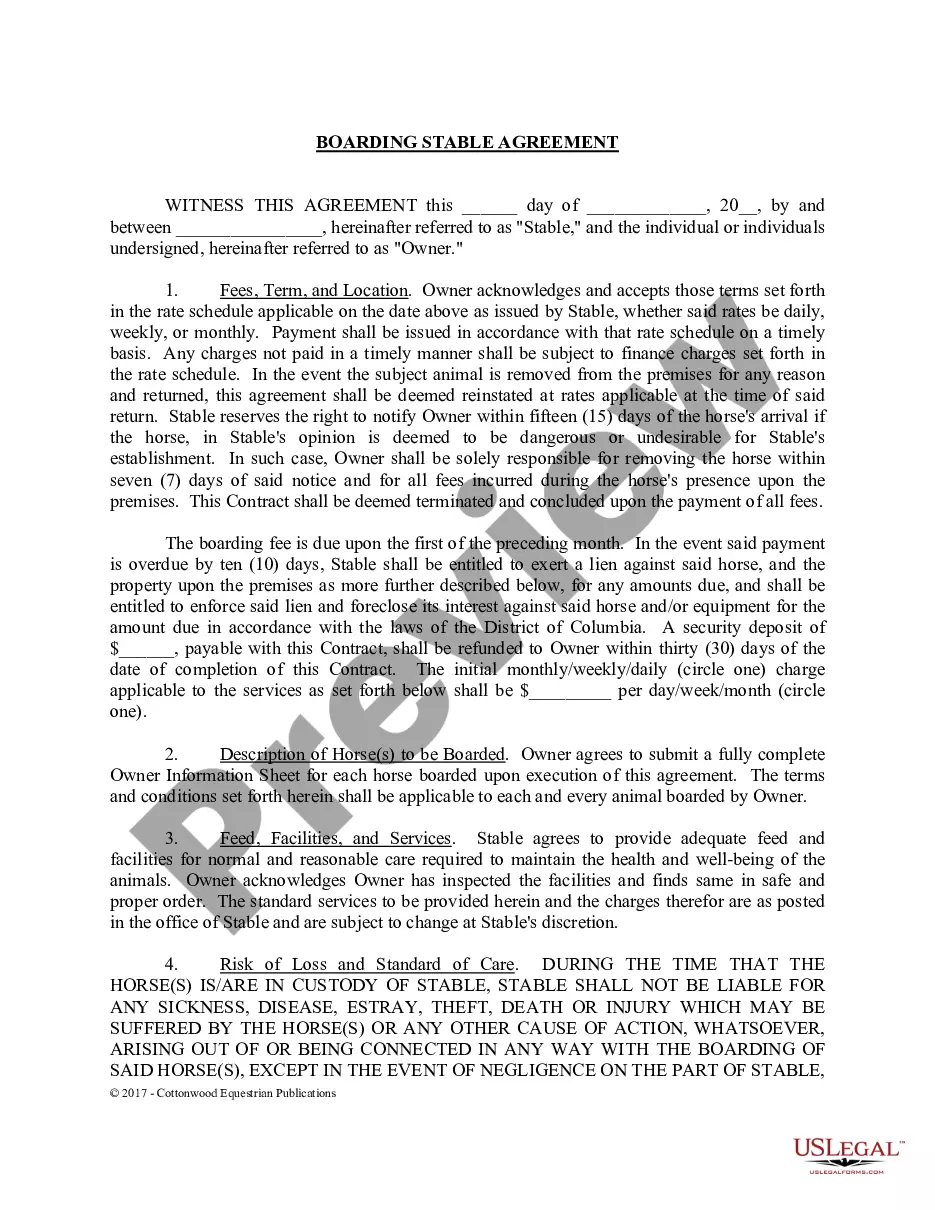
Complaint for Unlawful Detainer - Residential Tenant Holding Over after Expiration of Term
Understanding this form
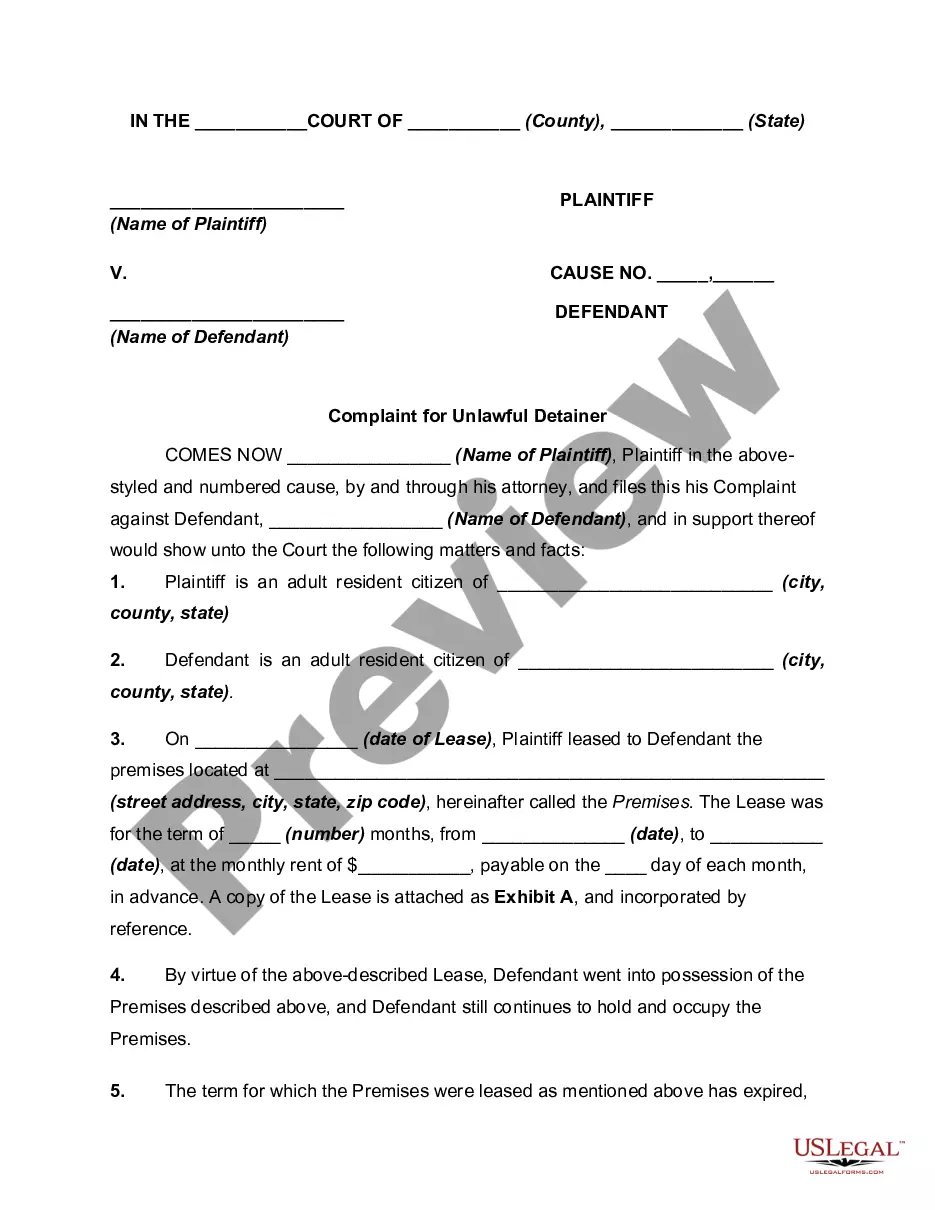
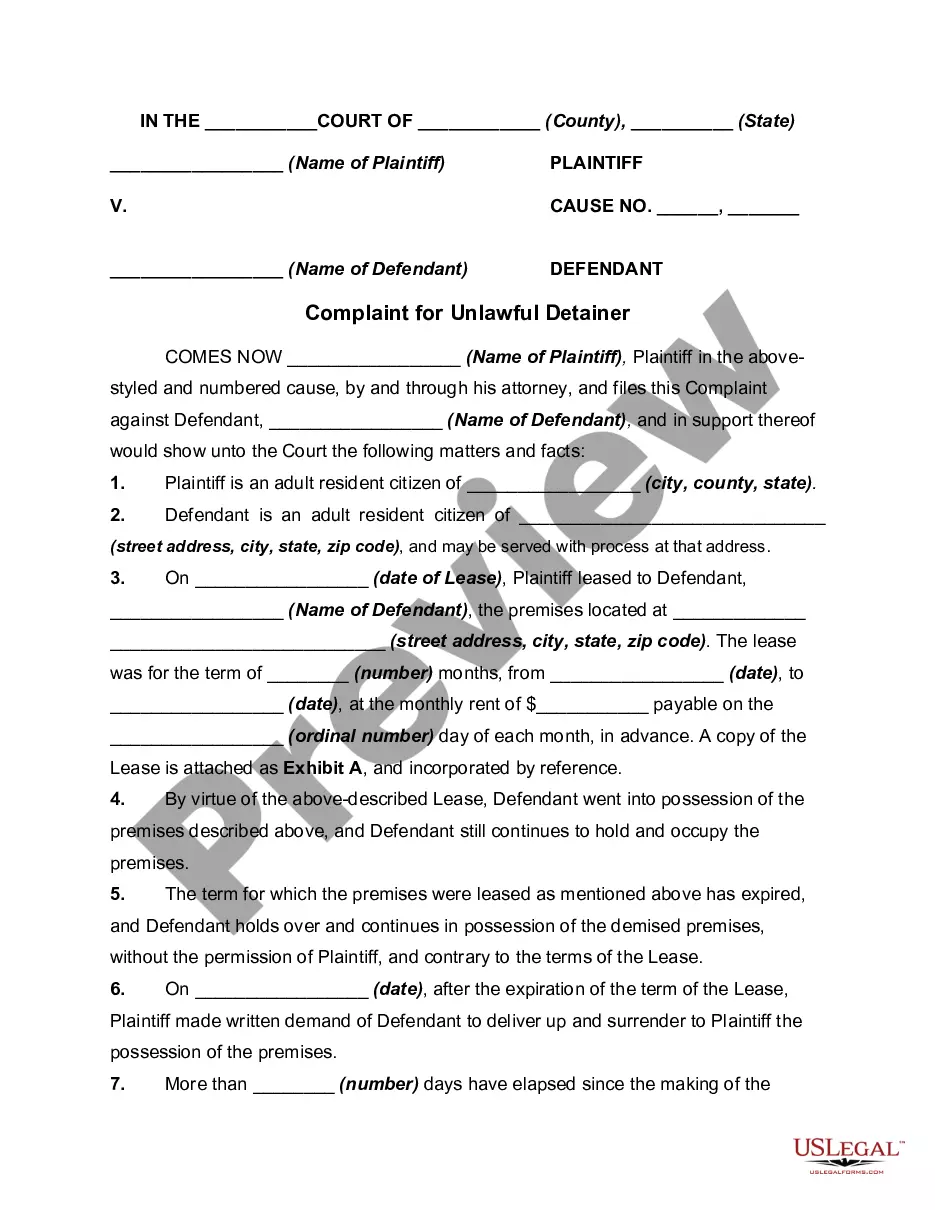
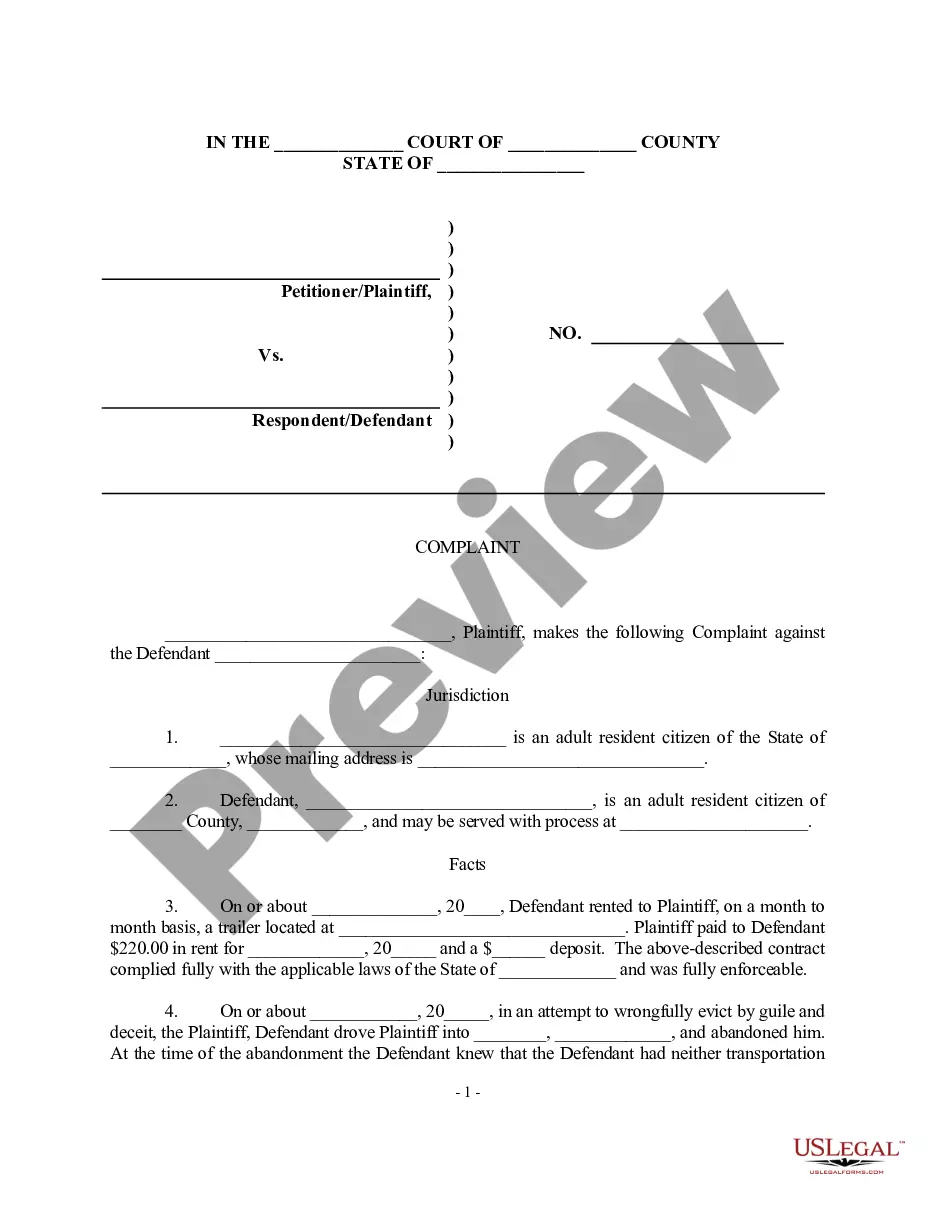
The Complaint for Unlawful Detainer is a legal document used by landlords to initiate eviction proceedings against a tenant who continues to occupy a rental property after their lease has expired. This form is specifically applicable in situations where the tenant unlawfully holds possession of the property, differing from other eviction notices that may not require the same level of legal action. It serves as a formal request to the court for the removal of the tenant from the premises and may include claims for damages incurred during the unlawful tenancy.
Form components explained
- Plaintiff and Defendant information, including names and addresses.
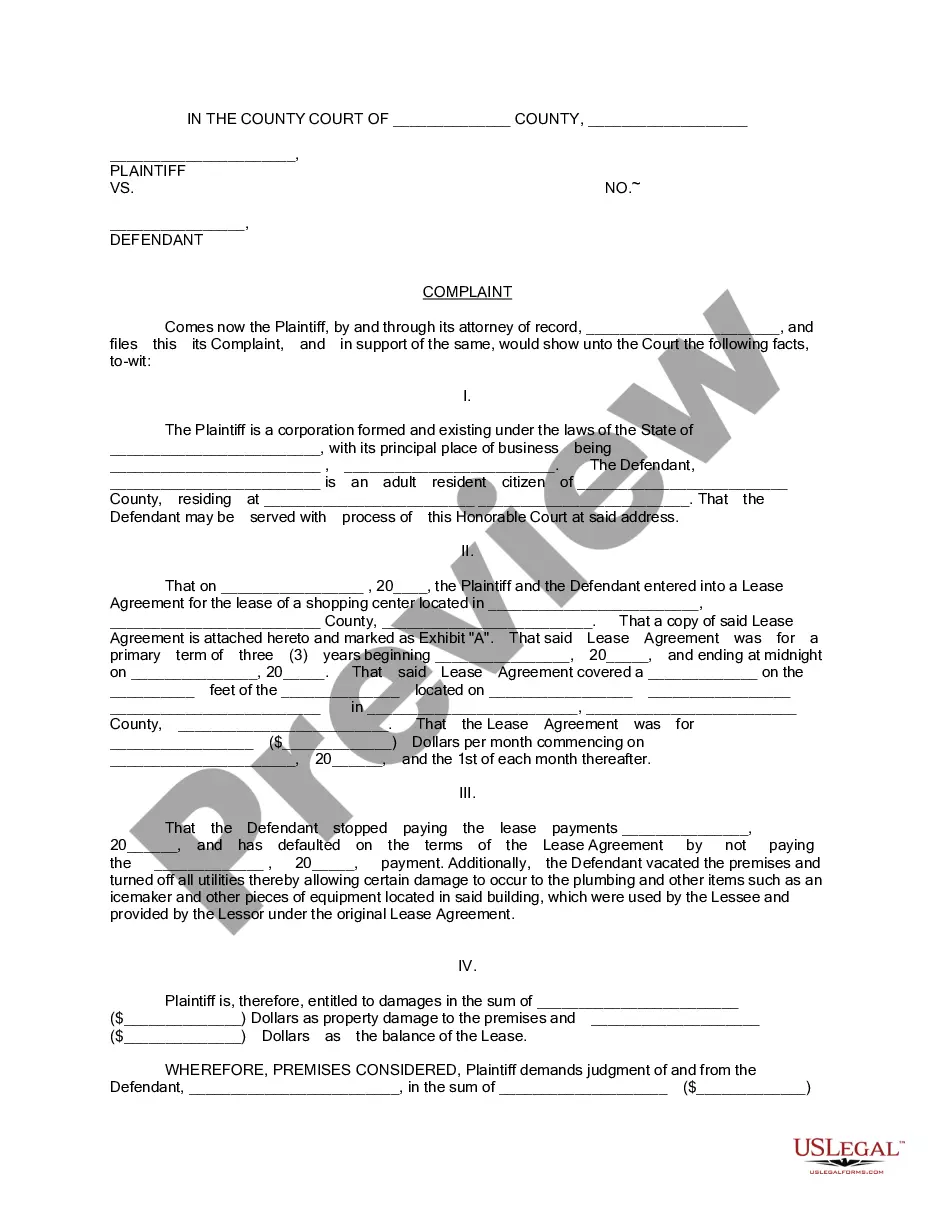
- Details of the lease agreement, such as property location, rental terms, and payment schedule.
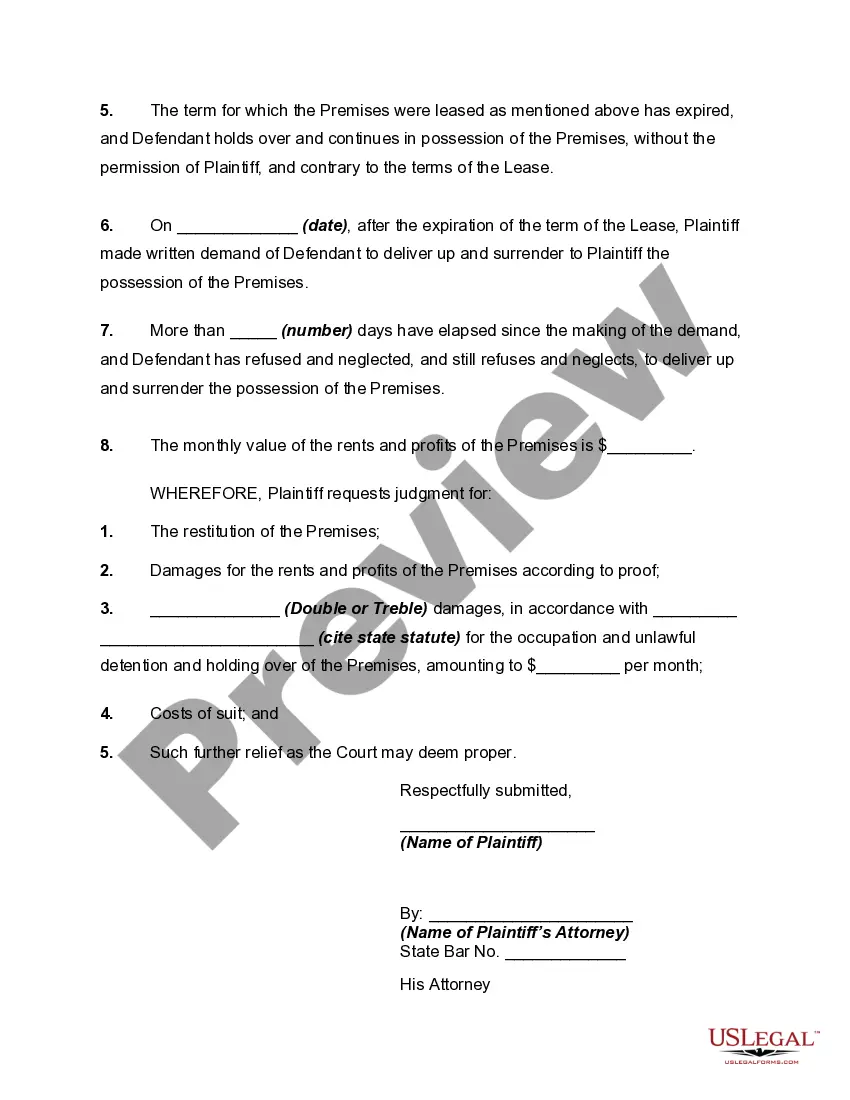
- Statement of tenancy expiration and demand for possession.
- Specific claims for damages and restitution sought by the Plaintiff.
- Signatures of the Plaintiff and their attorney.
When to use this form
This form should be used when a landlord in a residential context needs to evict a tenant who continues to occupy the property after the expiration of the lease term. It is applicable when the landlord has made a written demand for possession but the tenant has failed to vacate the property within the specified timeframe. Using this form ensures that the eviction process follows legal protocols and is documented properly for court proceedings.
Who needs this form
- Landlords seeking to regain possession of their property from an unlawful tenant.
- Property management companies handling tenant evictions on behalf of landlords.
- Individuals renting residential properties who have expired leases and face tenant retention issues.
Steps to complete this form
- Identify the parties involved: name the Plaintiff (landlord) and the Defendant (tenant).
- Specify the property address and details of the lease agreement, including start and end dates.
- State the date the demand for possession was made and ensure the correct number of days has passed since that time.
- Detail any damages sought in connection with the unlawful detention of the property.
- Sign the form, ensuring it is completed by the Plaintiff and their attorney if applicable.
Does this form need to be notarized?
This form does not typically require notarization to be legally valid. However, some jurisdictions or document types may still require it. US Legal Forms provides secure online notarization powered by Notarize, available 24/7 for added convenience.
Get your form ready online
Our built-in tools help you complete, sign, share, and store your documents in one place.
Make edits, fill in missing information, and update formatting in US Legal Forms—just like you would in MS Word.
Download a copy, print it, send it by email, or mail it via USPS—whatever works best for your next step.
Sign and collect signatures with our SignNow integration. Send to multiple recipients, set reminders, and more. Go Premium to unlock E-Sign.
If this form requires notarization, complete it online through a secure video call—no need to meet a notary in person or wait for an appointment.
We protect your documents and personal data by following strict security and privacy standards.

Make edits, fill in missing information, and update formatting in US Legal Forms—just like you would in MS Word.

Download a copy, print it, send it by email, or mail it via USPS—whatever works best for your next step.

Sign and collect signatures with our SignNow integration. Send to multiple recipients, set reminders, and more. Go Premium to unlock E-Sign.

If this form requires notarization, complete it online through a secure video call—no need to meet a notary in person or wait for an appointment.

We protect your documents and personal data by following strict security and privacy standards.
Avoid these common issues
- Failing to provide accurate property addresses or lease details.
- Not including the correct number of days that have passed since the demand for possession was issued.
- Omitting required signatures from the Plaintiff or their attorney.
Advantages of online completion
- Convenience of accessing the form anytime and anywhere.
- Editable templates that allow you to customize specifics to your situation.
- Reliable legal documentation prepared based on current standards by licensed attorneys.
Looking for another form?
Form popularity
FAQ
A holdover tenant is a renter who refuses to vacate the rental property after the end of the lease agreement. This is also known as a tenant at sufferance. The holdover period starts when the lease expires and ends when the landlord asks the tenant to leave.
What is/are a landlord's option(s) when a tenant holds over after a lease expiration date?the lease term. rent.
You can immediately file an eviction if the tenant refuses to leave the property.If you took a rental payment from the tenant after their lease expired, you'll need to provide all the normal notices. When your tenant overstays their lease, you will still, however, be required to go through the normal eviction process.
Let the tenant stay. A landlord who continues to accept monthly rent and allows the tenant to stay cannot later seek to evict the tenant on the basis of the holdover. Treat the tenant as a trespasser and seek eviction.
A landlord can file an eviction lawsuit (or, as it's known in California, an "unlawful detainer") against a holdover tenant without first serving a notice to quit, streamlining the process somewhat. A holdover tenant can also be held liable for both rent and damages during the time they've overstayed their lease.
Know Your Rights. It goes without saying, but take some time to know your rights as a tenant. Keep Good Records. Make Sure Notice is Proper. Service of the Unlawful Detainer. Talking to an Attorney. Managing Partner Lipton Legal Group, A PC Beverly Hills, CA.
If you have an eviction record on your background, you can petition the court in the county where the case was filed to have the record expunged, or sealed. This typically requires filing a petition with the court and paying a filing...
An unlawful detainer is a legal way for a landlord to evict a tenant. It requires a special court process and can move quickly through the court system. Unlawful detainer cases are often used if one of the following occurs: The tenant does not leave after the lease ends. Rent is not paid.
Unlawful detainer is when friends, family members or other persons are allowed to stay on a property with no rent or payment and then refuse to leave. There is no lease or rental agreement and no landlord/tenant relationship.