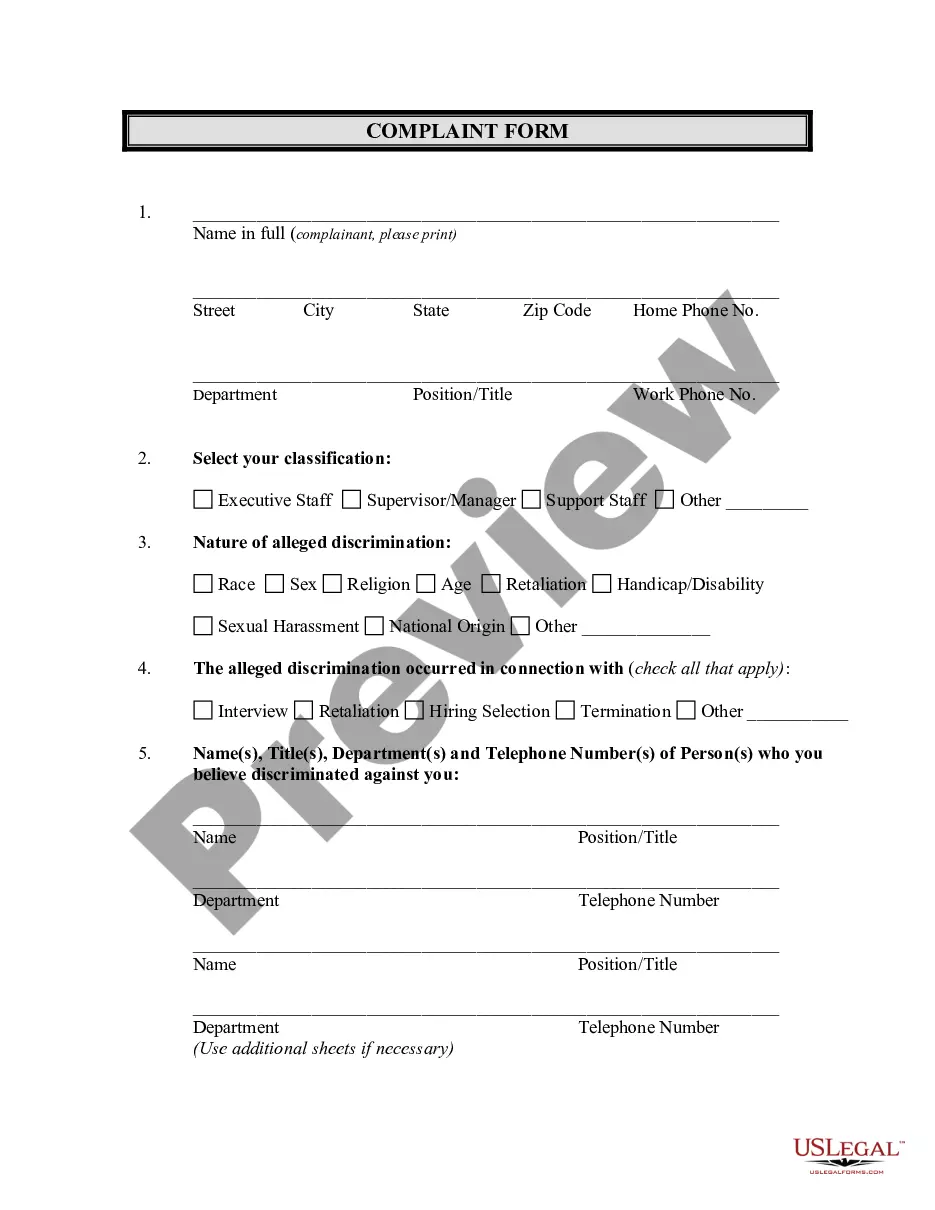
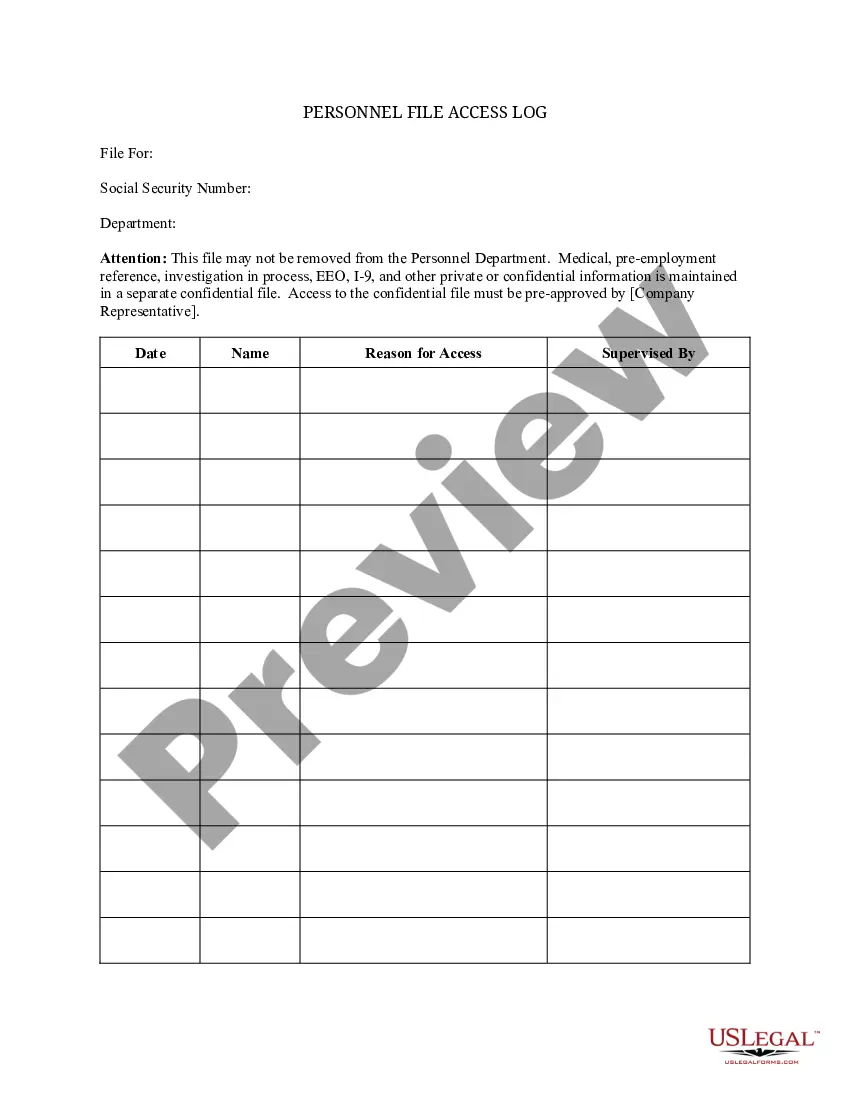
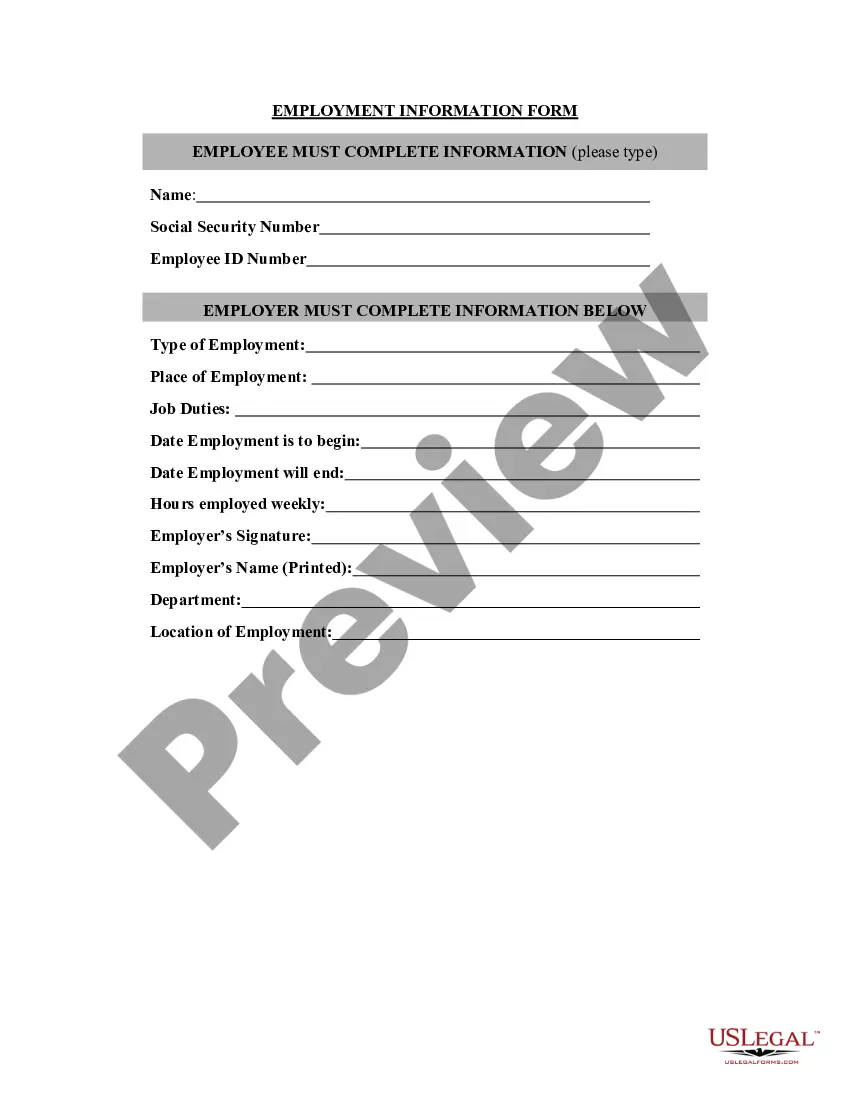
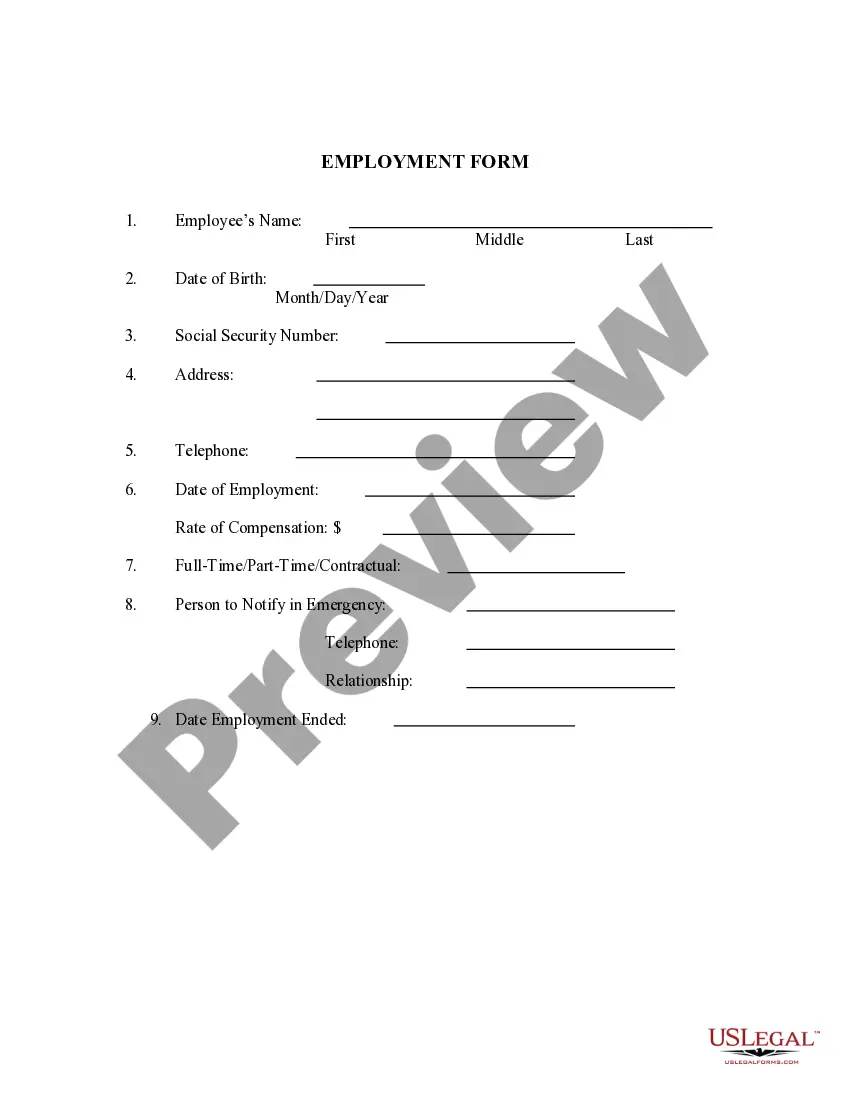
New Mexico Personnel File Access Log
Description
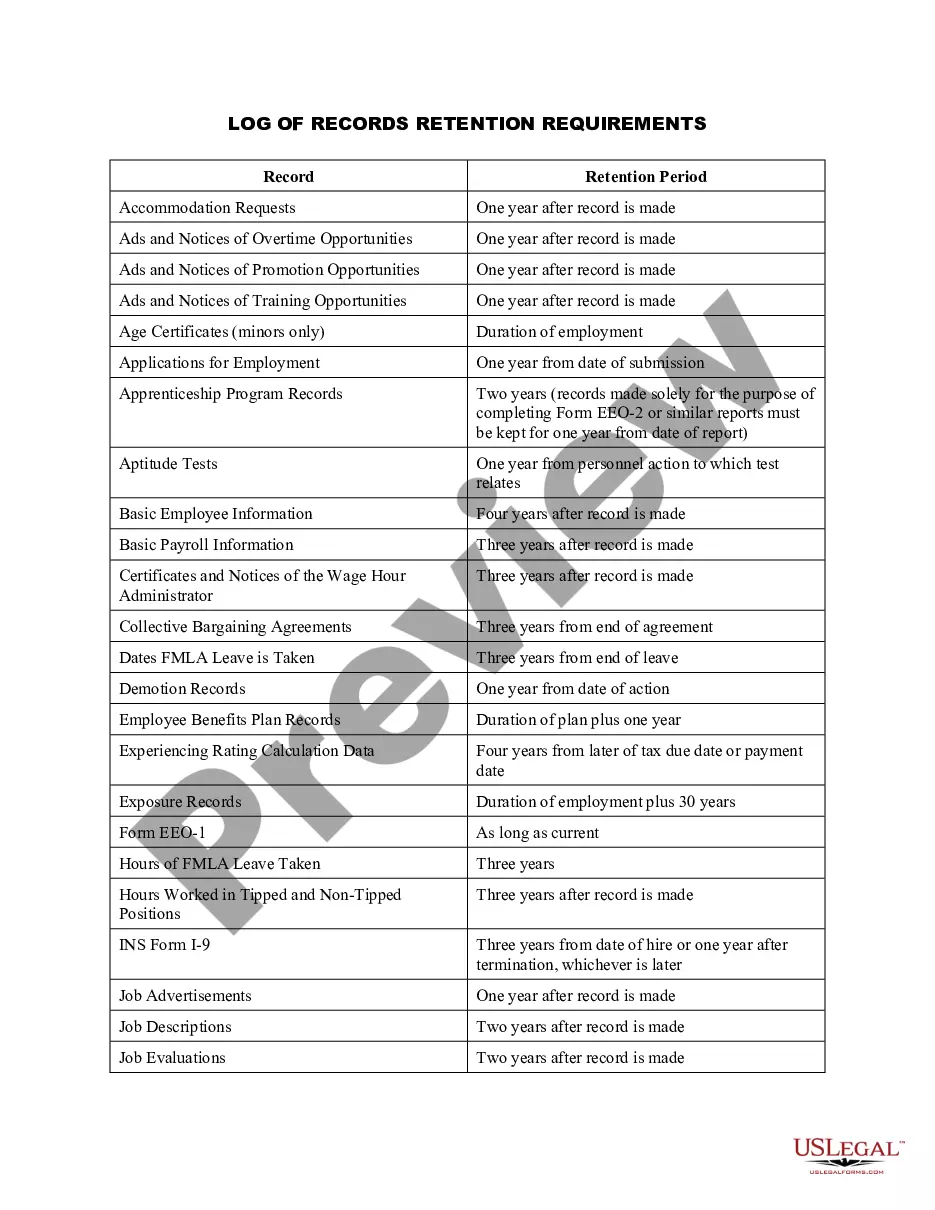
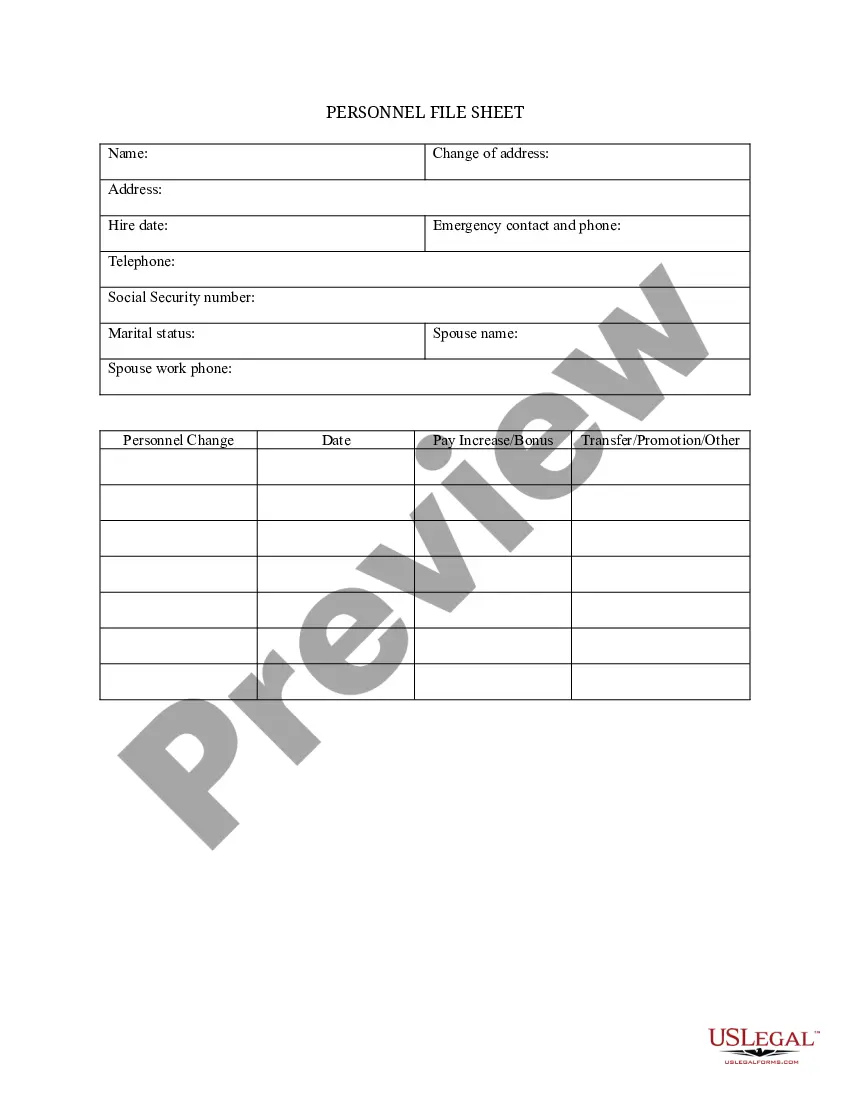
Get your form ready online
Our built-in tools help you complete, sign, share, and store your documents in one place.
Make edits, fill in missing information, and update formatting in US Legal Forms—just like you would in MS Word.
Download a copy, print it, send it by email, or mail it via USPS—whatever works best for your next step.
Sign and collect signatures with our SignNow integration. Send to multiple recipients, set reminders, and more. Go Premium to unlock E-Sign.
If this form requires notarization, complete it online through a secure video call—no need to meet a notary in person or wait for an appointment.
We protect your documents and personal data by following strict security and privacy standards.

Make edits, fill in missing information, and update formatting in US Legal Forms—just like you would in MS Word.

Download a copy, print it, send it by email, or mail it via USPS—whatever works best for your next step.

Sign and collect signatures with our SignNow integration. Send to multiple recipients, set reminders, and more. Go Premium to unlock E-Sign.

If this form requires notarization, complete it online through a secure video call—no need to meet a notary in person or wait for an appointment.

We protect your documents and personal data by following strict security and privacy standards.
Looking for another form?







How to fill out Personnel File Access Log?
Are you presently in a situation where you need documents for both professional and specific purposes almost daily.
There are numerous legitimate document templates accessible online, but finding ones you can trust is challenging.
US Legal Forms provides thousands of template options, such as the New Mexico Personnel File Access Log, designed to comply with federal and state regulations.
- If you are already familiar with the US Legal Forms website and have your account, just Log In.
- Then, you can download the New Mexico Personnel File Access Log template.
- If you do not have an account and want to start using US Legal Forms, follow these steps.
- Locate the template you require and ensure it is for the correct city/county.
- Utilize the Preview feature to review the form.
- Check the overview to confirm that you have selected the correct template.
- If the template is not what you are looking for, use the Search bar to find the template that fits your needs and requirements.
- When you find the appropriate template, click on Acquire now.
- Choose the payment plan you prefer, enter the necessary information to set up your payment, and complete your order using PayPal or a credit card.
- Select a convenient document format and download your copy.
- Access all the document templates you have purchased in the My documents section. You can download an additional copy of the New Mexico Personnel File Access Log anytime, if needed. Simply follow the required template to download or print the document template.
- Utilize US Legal Forms, the most extensive collection of legal templates, to save time and avoid mistakes. The service offers professionally created legal document templates that can be used for a variety of purposes. Create your account on US Legal Forms and start simplifying your life.
Form popularity
FAQ
The New Mexico Personnel Records Act governs the access and handling of employee records in New Mexico. This law provides employees the right to review their personnel file, which includes documents related to their employment. Understanding this act helps you ensure your rights concerning your New Mexico Personnel File Access Log are respected and protected.
As a suggestion, you may want to set up a company policy that the only people that are allowed to access an employee's personnel record are the human resources manager, the employee's supervisor or manager, and the employee himself.
Company Name employee files are maintained by the human resource (HR) department and are considered confidential. Managers and supervisors, other than the HR director and his or her subordinates, may only have access to personnel file information on a need-to-know basis.
Under the UK General Data Protection Regulation (retained from EU Regulation 2016/679 EU) (UK GDPR), individuals are entitled to submit a request for access to any personal data that the employer holds about them, ie any information from which they can be identified, directly or indirectly.
An employee's personnel file usually contains information related to their performance, salary, and any investigations of misconduct or medical issues. As a result, these records are generally considered private and can be accessed by only the employer and the employee.
As an employee, do I have a right to see my personnel files? The short answer is 'yes'. You have a right to make a SAR to your employer, asking to see your personnel files, at any time. Your employer has the right to ask why you want to see your files, but must then provide all your records to you.
Employee files should be stored in a secure location and be kept strictly confidential. Access should be restricted to those with a legitimate need to know or as required by law.
In practically all companies, most employee records are kept in an employee personnel file. However, each employee will have at least one additional file designated as a confidential file.
Employers should keep all job-related documentation such as hiring records, performance reviews, disciplinary actions and job descriptions in an employee's general personnel file. Consider whether the document would be relevant to a supervisor who may review this file when making employment decisions.
Personal employee information will be considered confidential and as such will be shared only as required and with those who have a need to have access to such information. All hard copy records will be maintained in locked, secure areas with access limited to those who have a need for such access.