New Mexico Tax Free Exchange Package
Understanding this form package
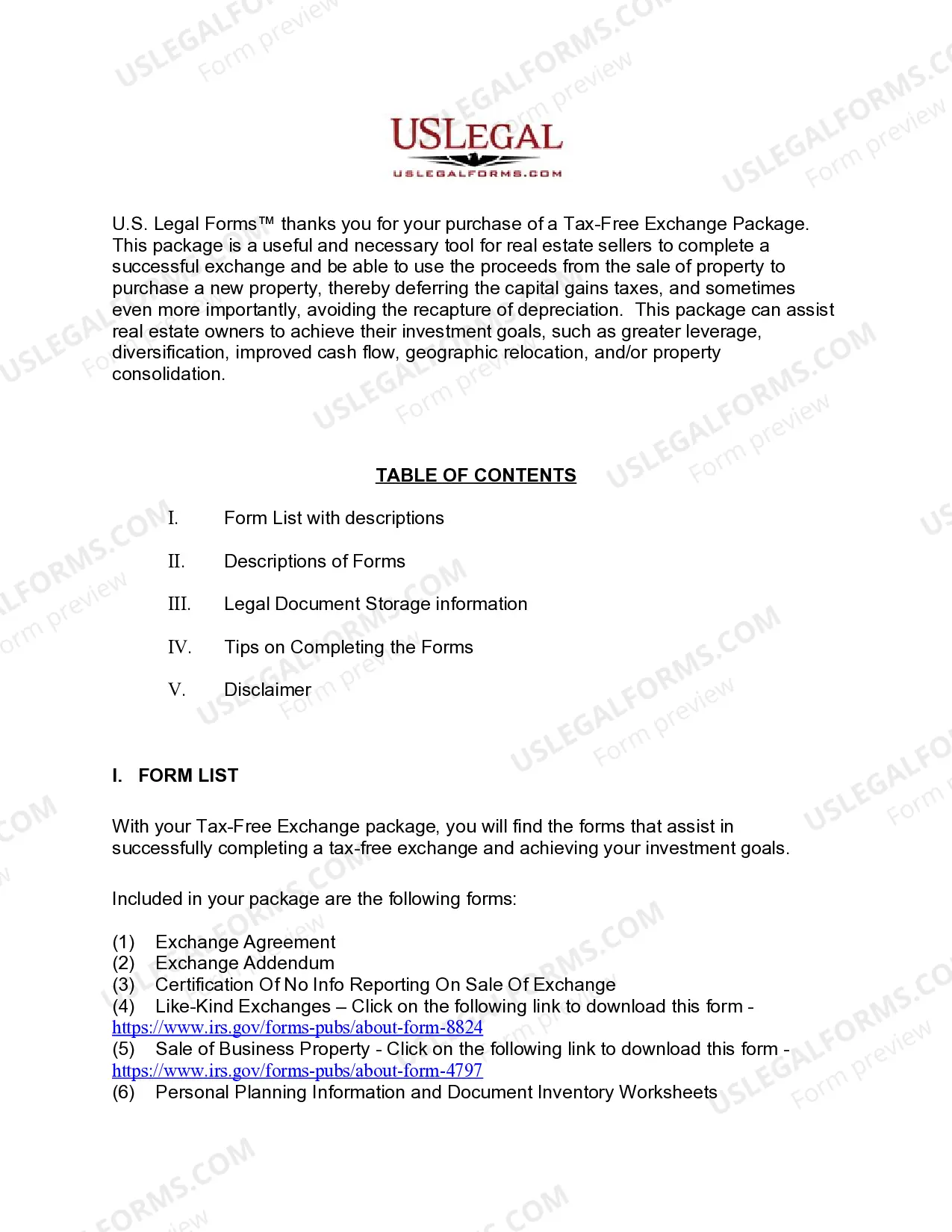
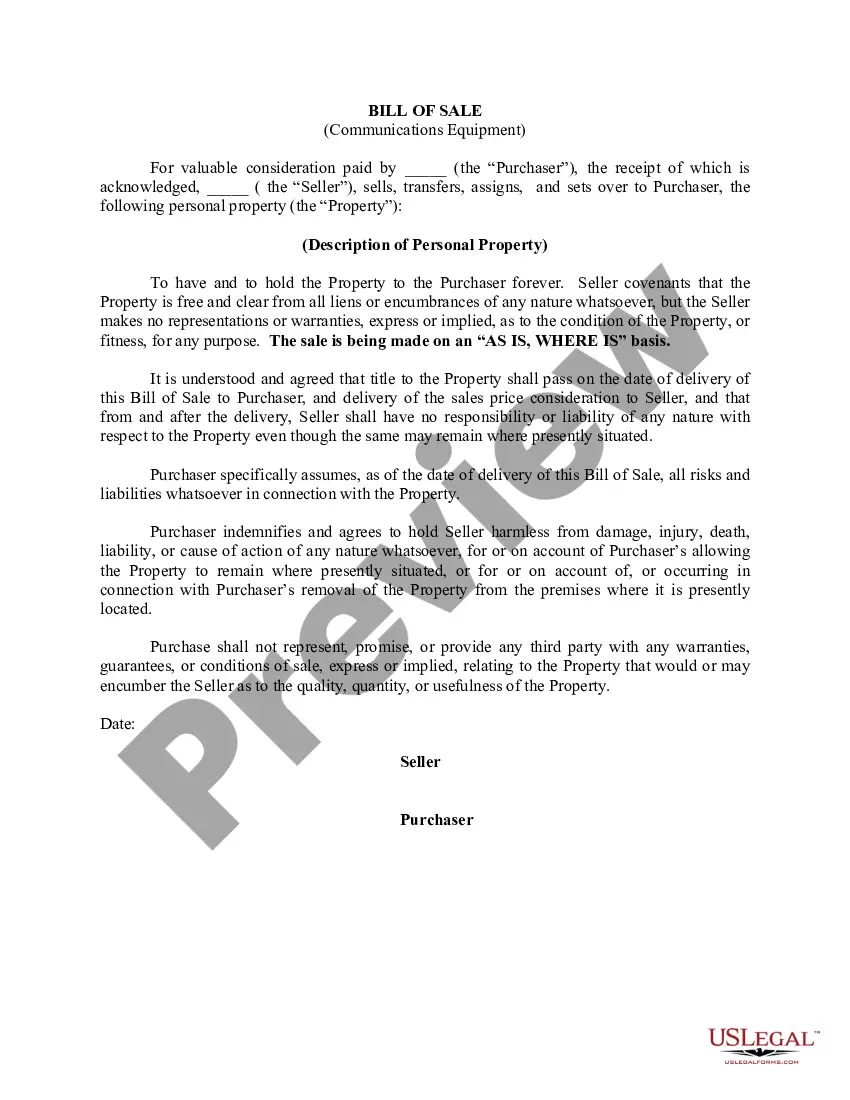
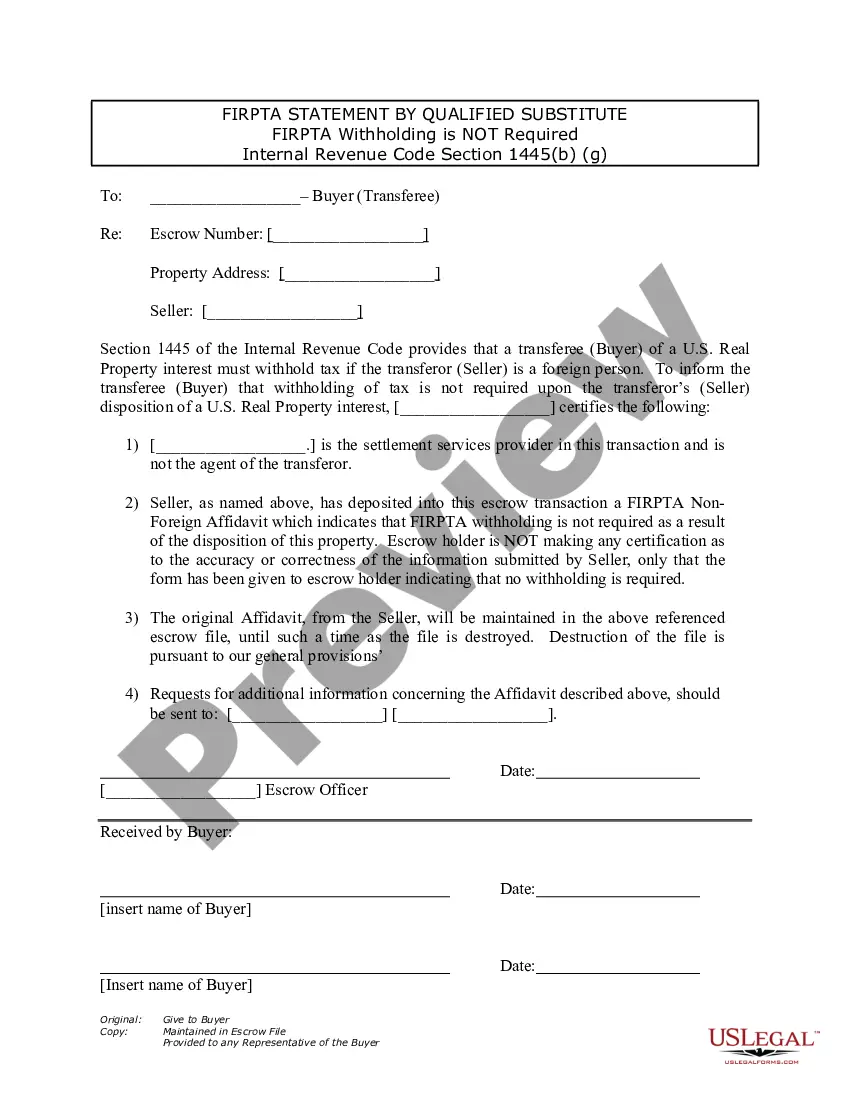
The New Mexico Tax Free Exchange Package provides essential forms needed to successfully complete a tax-free exchange of like-kind property. This package distinguishes itself by offering specific forms and guidance tailored for property transactions in New Mexico, ensuring compliance with Section 1031 of the Internal Revenue Code.
Forms you’ll find in this package
Common use cases
This form package is beneficial when you wish to exchange real estate properties for similar properties without incurring immediate tax liabilities. You may need this package in situations such as:
- When selling a rental property and buying a new one.
- When transitioning investment properties.
- When seeking to defer capital gains taxes in a real estate investment strategy.
Who this form package is for
- Real estate investors looking to exchange properties.
- Property owners selling one property to purchase another.
- Real estate professionals assisting clients with like-kind exchanges.
- Taxpayers seeking to defer capital gains taxes through property exchanges.
How to prepare this document
- Review the included forms carefully to understand each one's purpose.
- Identify all parties involved in the exchange and their roles.
- Fill out the Exchange Agreement and Exchange Addendum with accurate information.
- Complete the Certification of No Info Reporting based on your transaction details.
- Submit Like-Kind Exchanges and Sale of Business Property forms to the appropriate authorities for tax reporting.
- Keep copies of all completed documents for your records.
Notarization requirements for forms in this package
Certain documents in this package must be notarized for legal effectiveness. Our online notarization service, powered by Notarize, lets you verify and sign documents remotely through an encrypted video session, available anytime.
Get your form ready online
Our built-in tools help you complete, sign, share, and store your documents in one place.
Make edits, fill in missing information, and update formatting in US Legal Forms—just like you would in MS Word.
Download a copy, print it, send it by email, or mail it via USPS—whatever works best for your next step.
Sign and collect signatures with our SignNow integration. Send to multiple recipients, set reminders, and more. Go Premium to unlock E-Sign.
If this form requires notarization, complete it online through a secure video call—no need to meet a notary in person or wait for an appointment.
We protect your documents and personal data by following strict security and privacy standards.

Make edits, fill in missing information, and update formatting in US Legal Forms—just like you would in MS Word.

Download a copy, print it, send it by email, or mail it via USPS—whatever works best for your next step.

Sign and collect signatures with our SignNow integration. Send to multiple recipients, set reminders, and more. Go Premium to unlock E-Sign.

If this form requires notarization, complete it online through a secure video call—no need to meet a notary in person or wait for an appointment.

We protect your documents and personal data by following strict security and privacy standards.
Avoid these common issues
- Failing to accurately identify like-kind properties.
- Not properly signing or dating forms, which can lead to invalidation.
- Incorrectly completing tax reporting forms which can result in penalties.
- Assuming all property swaps qualify for a tax-free exchange without proper evaluation.
Advantages of online completion
- Convenient access to forms that can be downloaded anytime.
- Editability that allows users to complete forms at their own pace.
- Reliable, attorney-drafted documents that comply with legal standards.
- Secure storage options for important legal documents.
Legal use & context
- These forms are designed to comply with New Mexico laws regarding tax-free exchanges.
- Using these forms can help avoid tax penalties associated with improper reporting.
- Ensuring accurate completion of these forms is crucial for upholding the legality of the transaction.
Key takeaways
- The Tax Free Exchange Package provides essential forms for navigating real estate exchanges.
- It's designed for both individual investors and businesses looking to defer taxes.
- Understanding and accurately completing these forms is vital to ensure compliance with tax regulations.
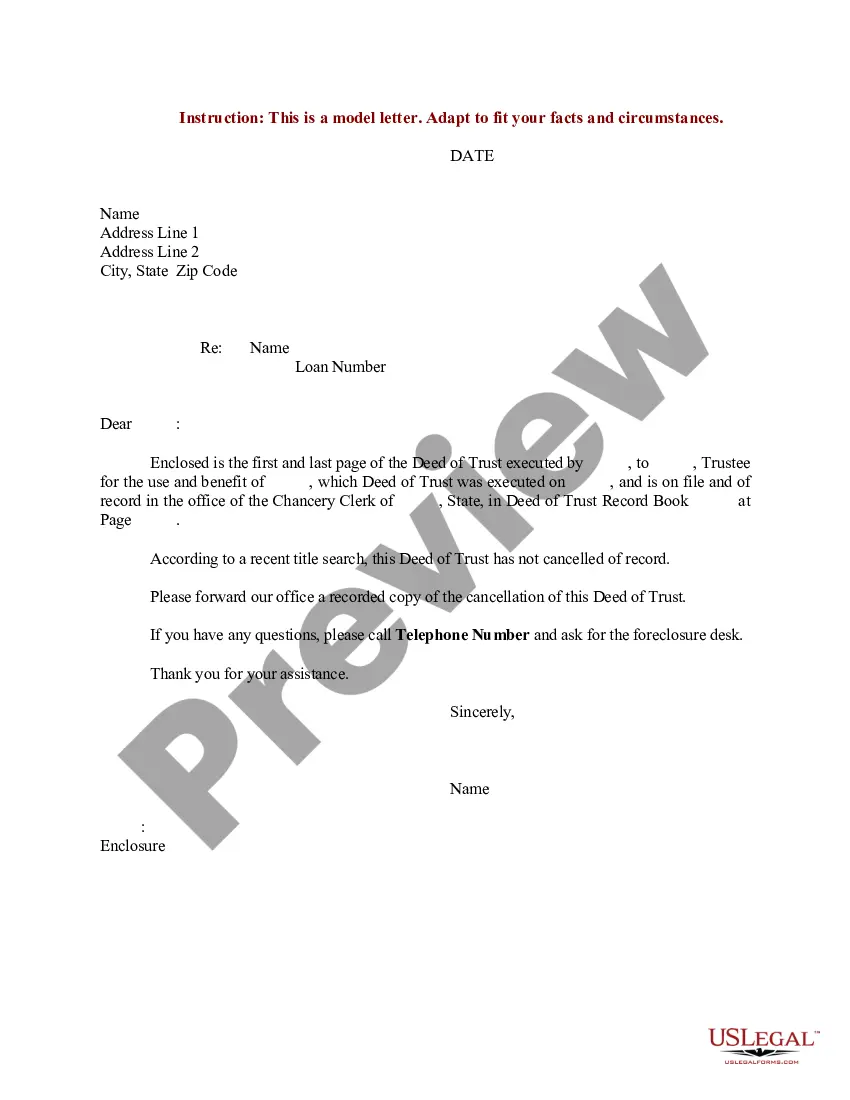
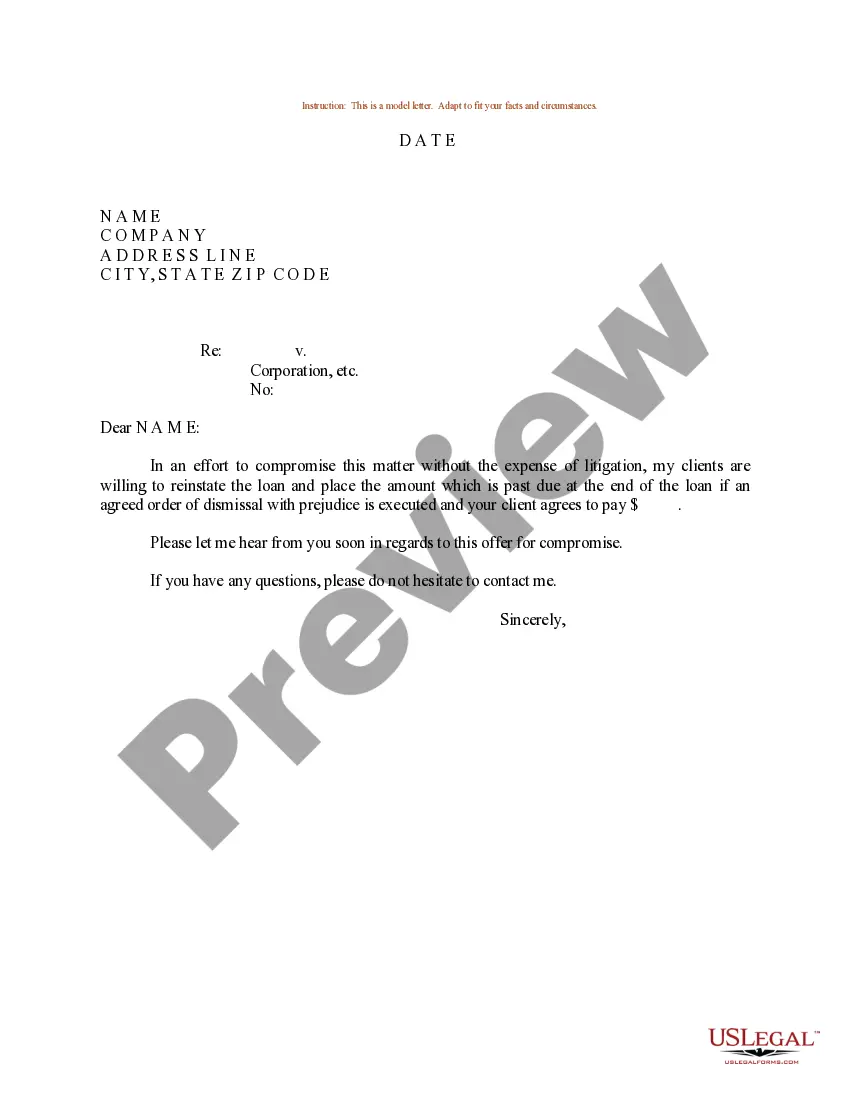
Looking for another form?
Form popularity
FAQ
If all of a business's receipts are exempt, the business doesn't have to register with the state for GRT purposes. Common exemptions are receipts of a 501(c)(3) nonprofit and governmental entities, receipts from isolated or occasional sales, employee wages, interest and dividends and insurance company receipts.
New Mexico charges a gross receipts tax on persons engaged in business in the state for the privilege of doing business in the state. Tax rates vary across the state from 5.125% to 8.8125% and the rate is determined as a combination of the rates imposed by the state, the counties, and the municipalities.
Gain deferred in a like-kind exchange under IRC Section 1031 is tax-deferred, but it is not tax-free. The exchange can include like-kind property exclusively or it can include like-kind property along with cash, liabilities and property that are not like-kind.
Trade up in real estate value with one or more replacement properties. Reinvest all of your 1031 exchange proceeds from the relinquished property into the replacement property.
In New Mexico, the seller pays the tax on the sales price of a product or service even if the seller doesn't collect it from the buyer and even if the buyer lives out of state. GRT was intended to widen the tax base by taxing more items at a lower rate than would be typical in states with a sales tax.
A Taxpayer Must Not Receive "Boot" from an exchange in order for a Section 1031 exchange to be completely tax-free. Any boot received is taxable (to the extent of gain realized on the exchange).Boot received is the money or the fair market value of "other property" received by the taxpayer in an exchange.
The State of New Mexico imposes a tax on the gross receipts of businesses operating within the state known as the Gross Receipts Tax. The state allows cities and counties to also impose a smaller GRT rate for their operations. Within the Albuquerque city limits the GRT rate is 7%.
New Mexico is among the "tax-friendly" states of the U.S., offering numerous economic incentives and tax breaks on personal and corporate income. It does not have inheritance tax, estate tax or franchise taxes.