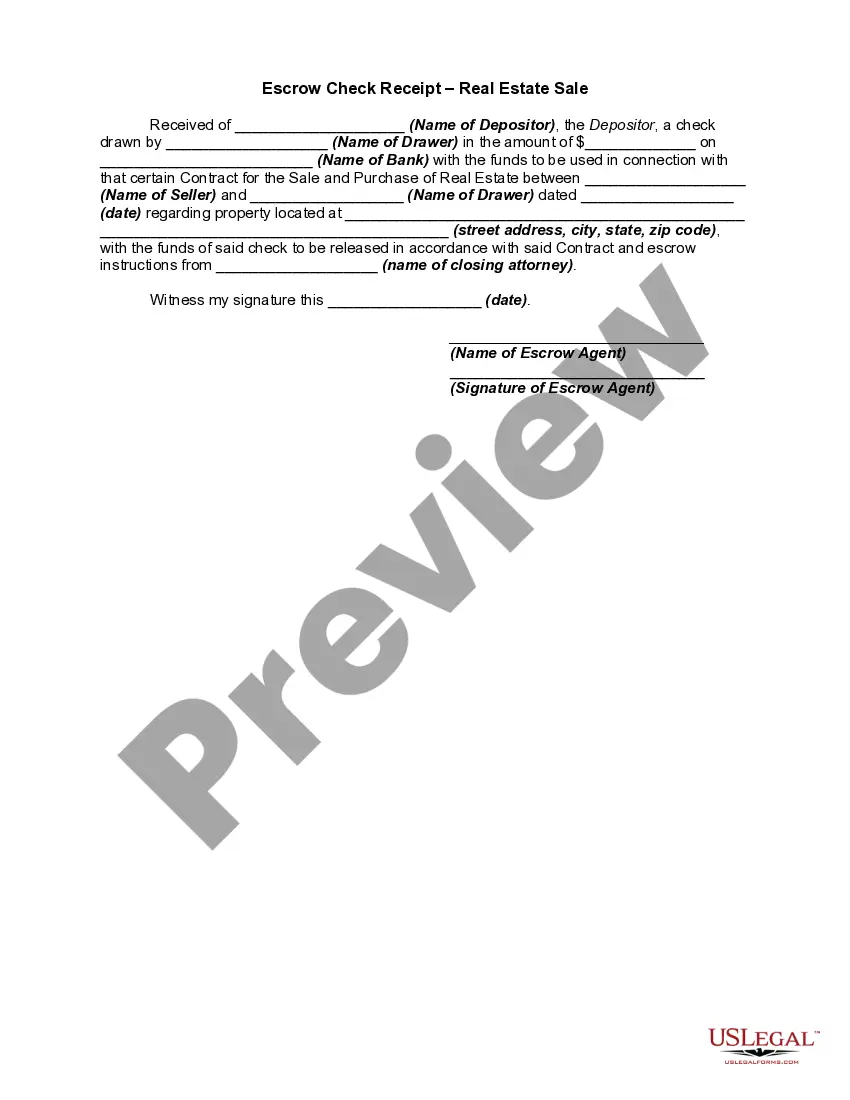
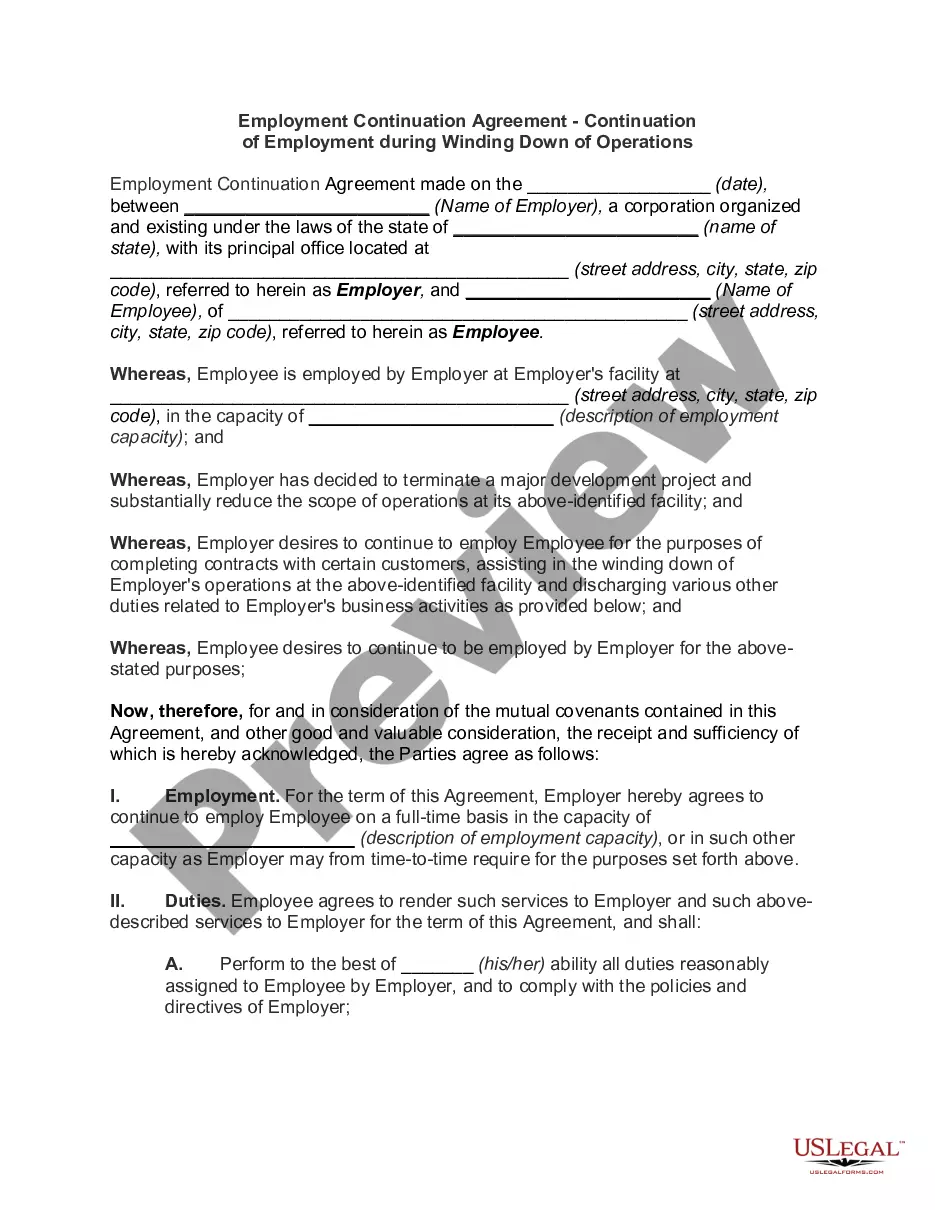
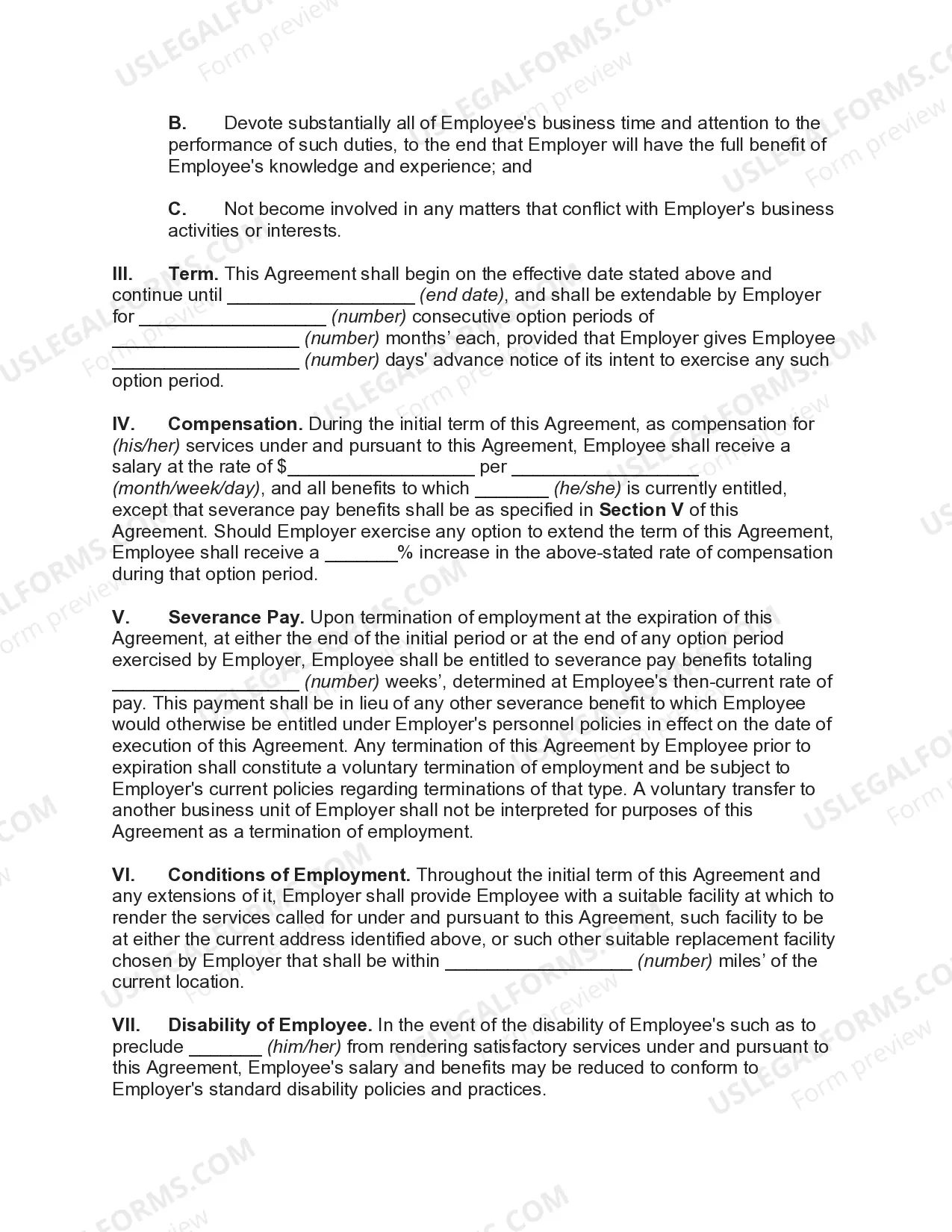
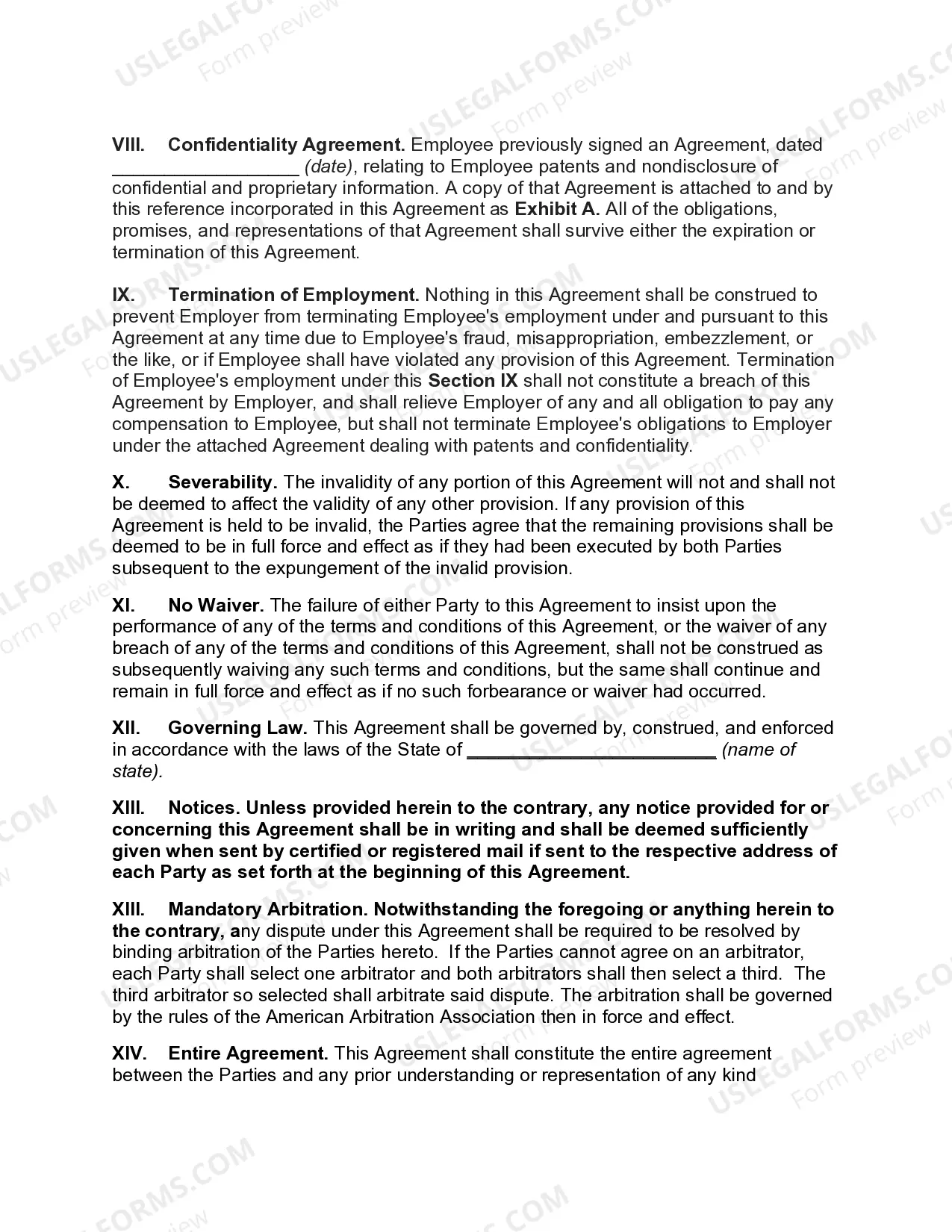
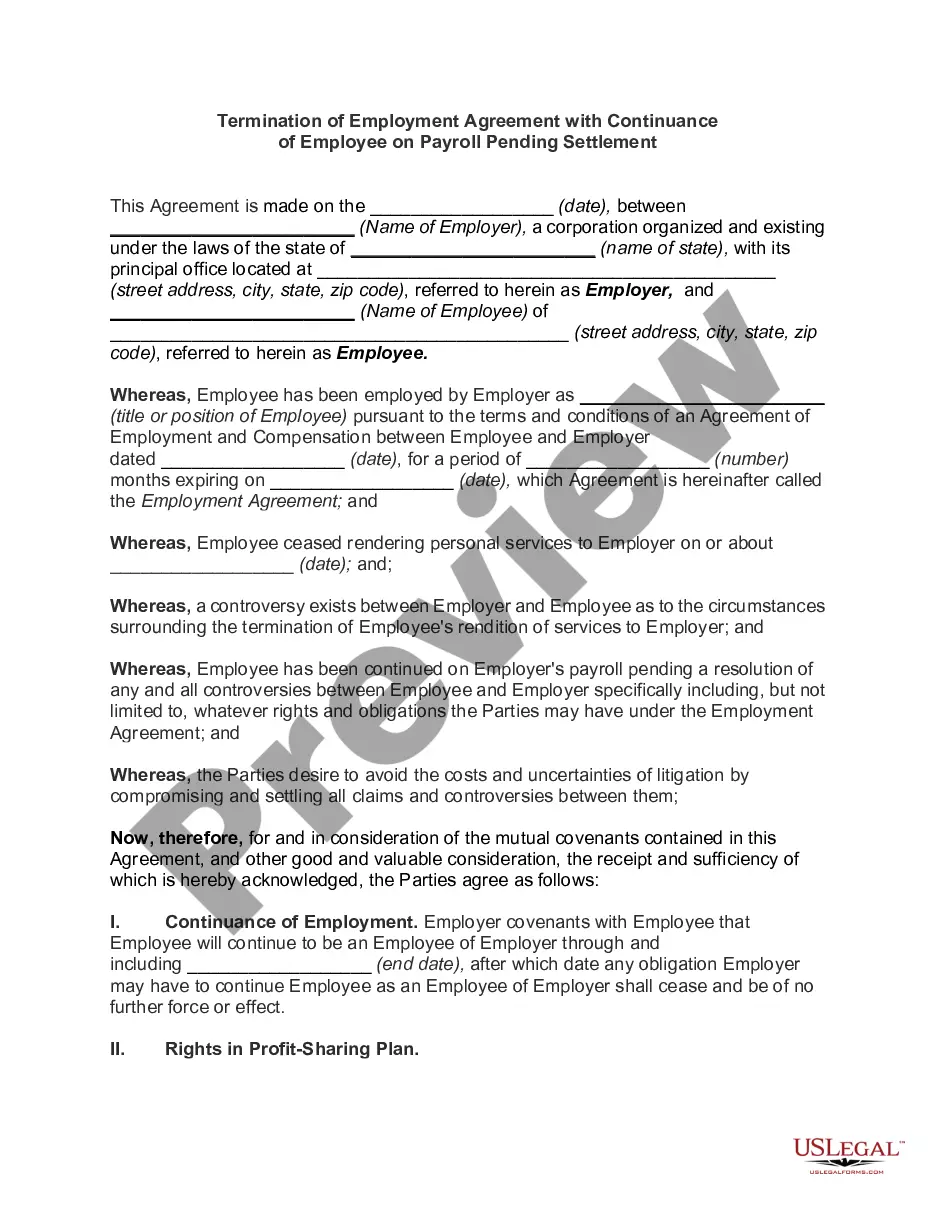
New Jersey Employment Continuation Agreement - Continuation of Employment during Winding Down of Operations
Description
Get your form ready online
Our built-in tools help you complete, sign, share, and store your documents in one place.
Make edits, fill in missing information, and update formatting in US Legal Forms—just like you would in MS Word.
Download a copy, print it, send it by email, or mail it via USPS—whatever works best for your next step.
Sign and collect signatures with our SignNow integration. Send to multiple recipients, set reminders, and more. Go Premium to unlock E-Sign.
If this form requires notarization, complete it online through a secure video call—no need to meet a notary in person or wait for an appointment.
We protect your documents and personal data by following strict security and privacy standards.

Make edits, fill in missing information, and update formatting in US Legal Forms—just like you would in MS Word.

Download a copy, print it, send it by email, or mail it via USPS—whatever works best for your next step.

Sign and collect signatures with our SignNow integration. Send to multiple recipients, set reminders, and more. Go Premium to unlock E-Sign.

If this form requires notarization, complete it online through a secure video call—no need to meet a notary in person or wait for an appointment.

We protect your documents and personal data by following strict security and privacy standards.
Looking for another form?




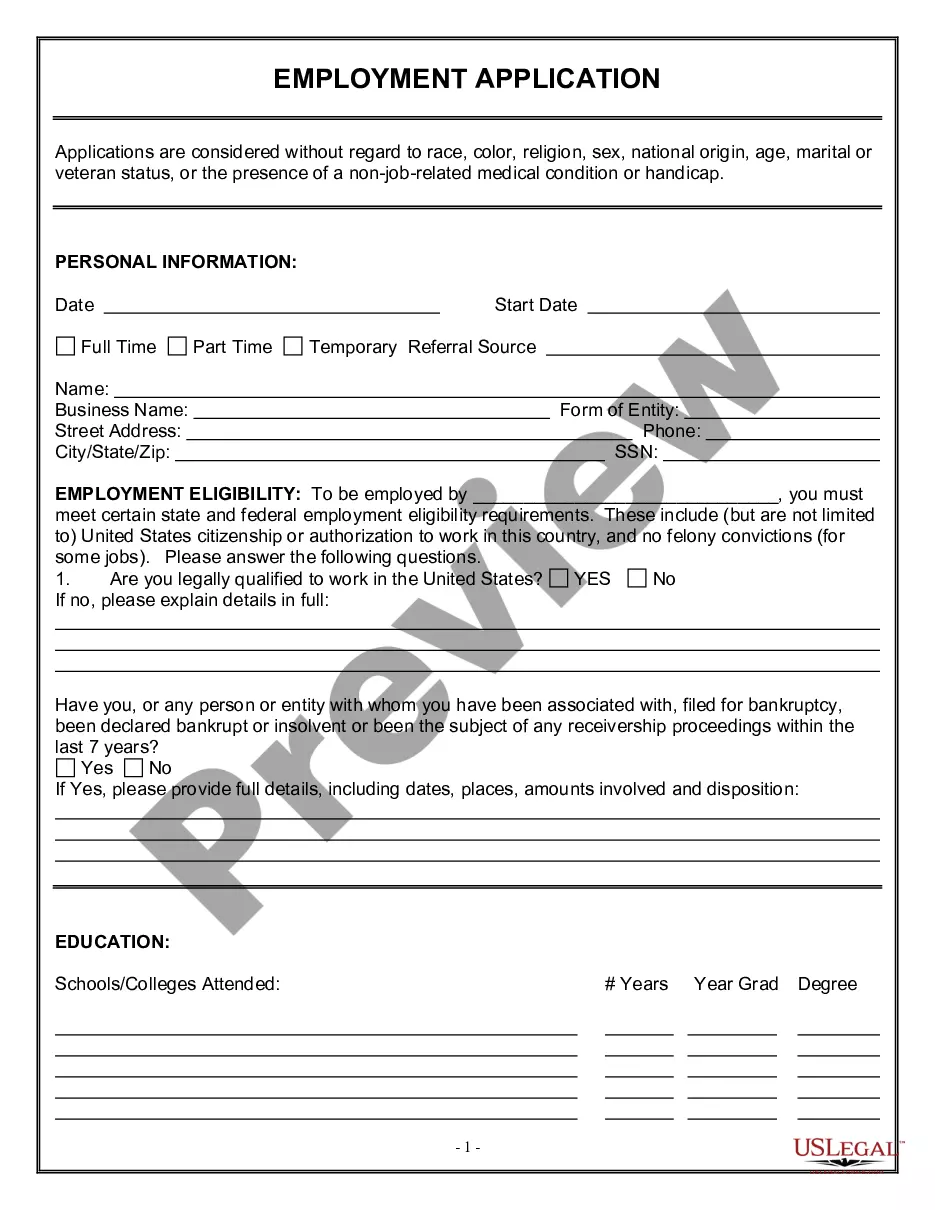

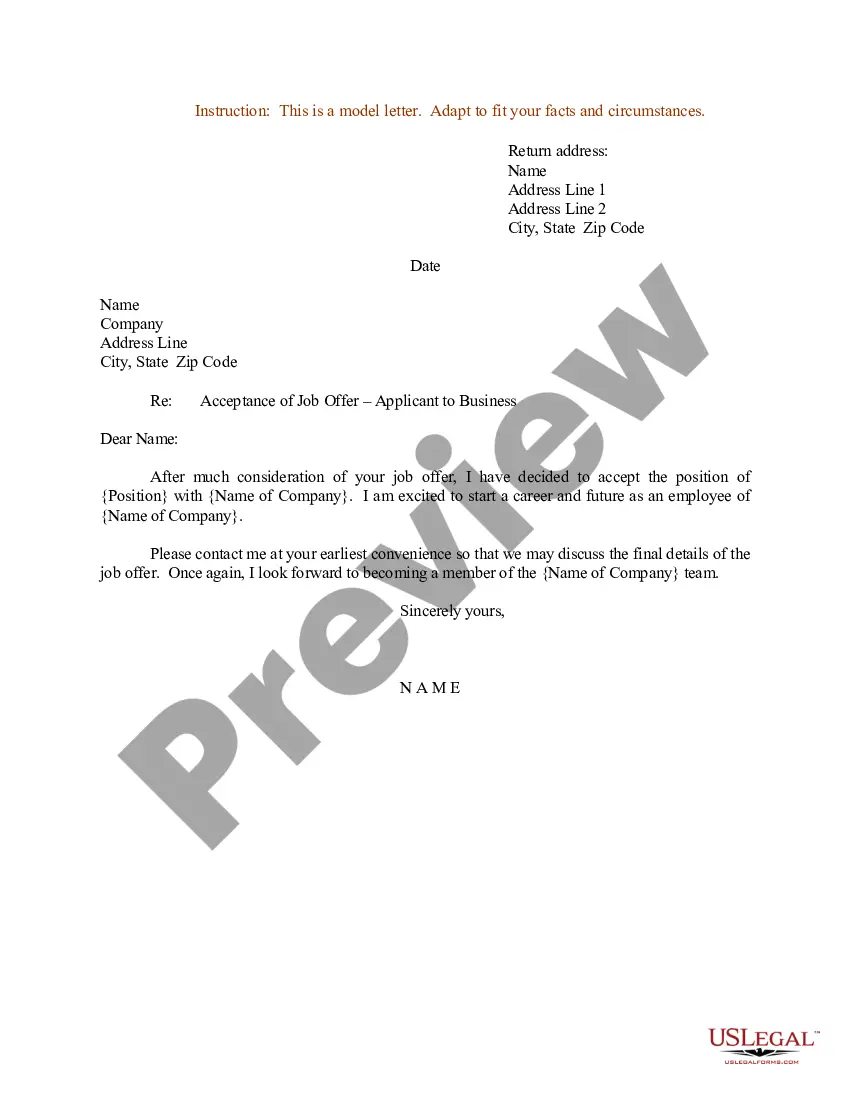
How to fill out Employment Continuation Agreement - Continuation Of Employment During Winding Down Of Operations?
Are you facing a circumstance where you need documents for potential business or personal purposes almost every day.
There are numerous legal document templates accessible online, but finding reliable versions can be challenging.
US Legal Forms offers a wide array of template forms, including the New Jersey Employment Continuation Agreement - Continuation of Employment during Winding Down of Operations, which is designed to comply with state and federal regulations.
If you discover the correct form, click Buy now.
Choose a pricing plan you prefer, provide the necessary information to create your account, and complete the payment using your PayPal or credit card.
- If you are already familiar with the US Legal Forms website and possess an account, simply Log In.
- Once logged in, you can download the New Jersey Employment Continuation Agreement - Continuation of Employment during Winding Down of Operations template.
- If you do not have an account and wish to start using US Legal Forms, follow these steps.
- Obtain the form you need and ensure it is for the correct area/county.
- Utilize the Review button to examine the form.
- Read the description to confirm that you have selected the appropriate form.
- If the form does not match what you are looking for, take advantage of the Lookup section to find the document that fits your requirements.
Form popularity
FAQ
Yes, New Jersey is classified as an at-will state, which means that employers and employees can terminate the employment relationship at any time without cause. However, certain agreements, such as a New Jersey Employment Continuation Agreement - Continuation of Employment during Winding Down of Operations, can specify different terms of separation, providing clarity and security for both parties involved.
Under the federal WARN Act, employers are required to provide written advance notice in the event of either a plant closing or a mass layoff. Both of these events are specifically defined under the Act.
Under the public-policy exception to employment at will, an employee is wrongfully discharged when the termination is against an explicit, well-established public policy of the State.
Employment at will, however, comes with some limitations because discrimination laws still apply. Under federal law, you cannot terminate someone because of the person's age, race, gender, color, national origin, equal pay, pregnancy, genetic information, religion or disability.
Recognizing its unequal consequence to employees over employers, the common law has developed three exceptions to the at-will doctrine that protect employees: 1) public policy; 2) implied contract; and 3) implied covenant of good faith.
This reasoning for dismissal is considered wrongful termination and is not protected under the at-will employment rule. For example, if an employee suffers an injury on the job and files a workers' compensation claim, you can't fire them for doing so.
If you've lost your job due to a company shutdown, you have the right to receive your final paycheck within the timelines set by your state government. The timeline of receiving your final paycheck may vary depending on the state in which you live but could be as soon as your last day of employment.
Continuation pay is considered wages and is taxable under Administrative Code -4.2. It is subject to state unemployment, temporary disability, workforce development and family leave insurance contributions. Continuation pay is considered wages earned when calculating temporary disability benefits for claimants.
Your employer may offer you the option to receive a salary continuance instead of receiving a lump-sum severance payment or retiring allowance. With salary continuance, your salary will generally continue until the earlier of a specified period of time or until an event such as finding new employment occurs.
The most common exception to the employment-at-will doctrine is made on the basis that the employer's reason for firing the employee violates a fundamental public policy of the jurisdiction.