New Jersey Information Subpoena
Understanding this form
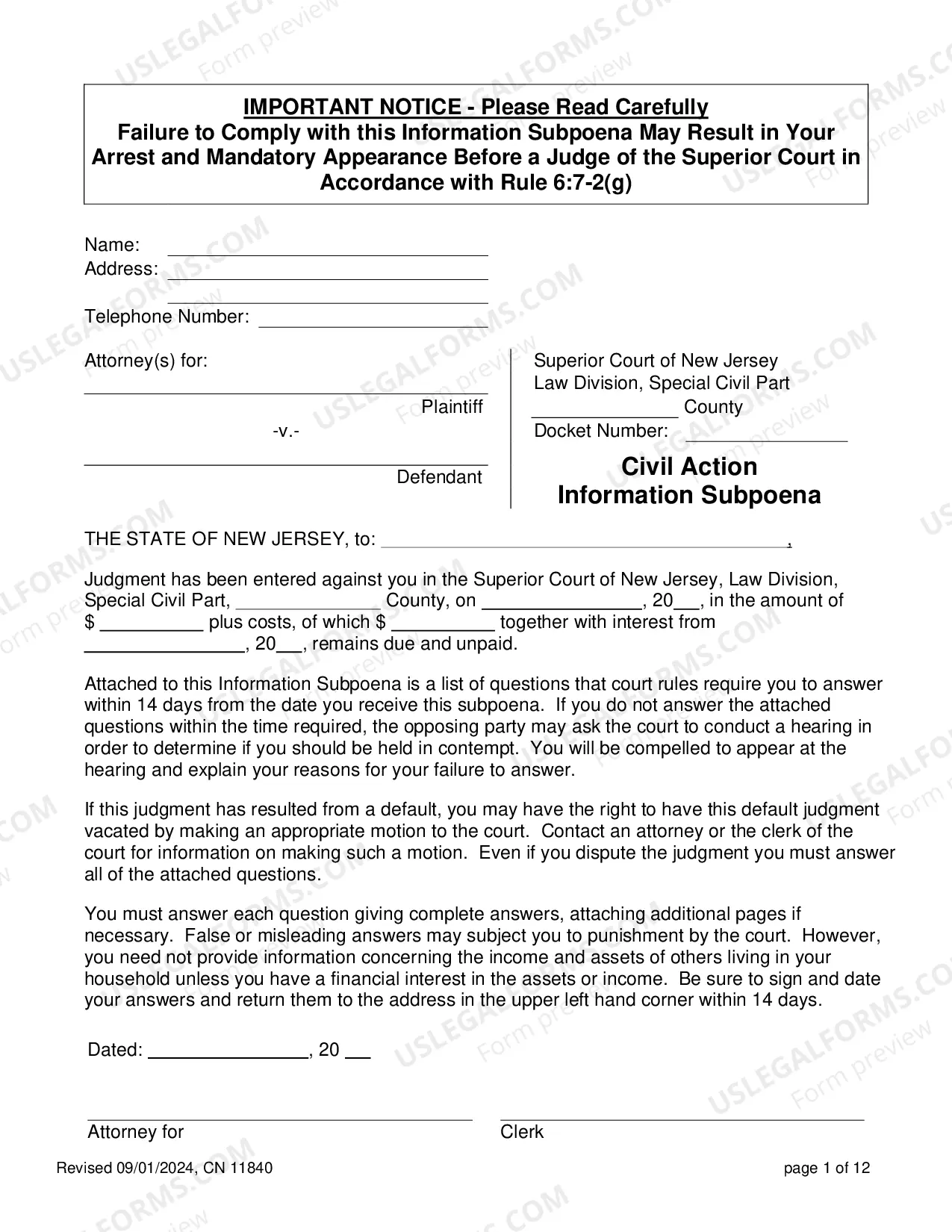
The Information Subpoena is a legal document used in New Jersey, compelling a defendant to provide detailed financial information following a court judgment. This form is different from other subpoenas as it focuses specifically on gathering information relevant to the collection of a debt owed from a judgment. Responding timely and accurately to the attached questions is crucial to avoid potential consequences, such as being held in contempt of court.
What’s included in this form
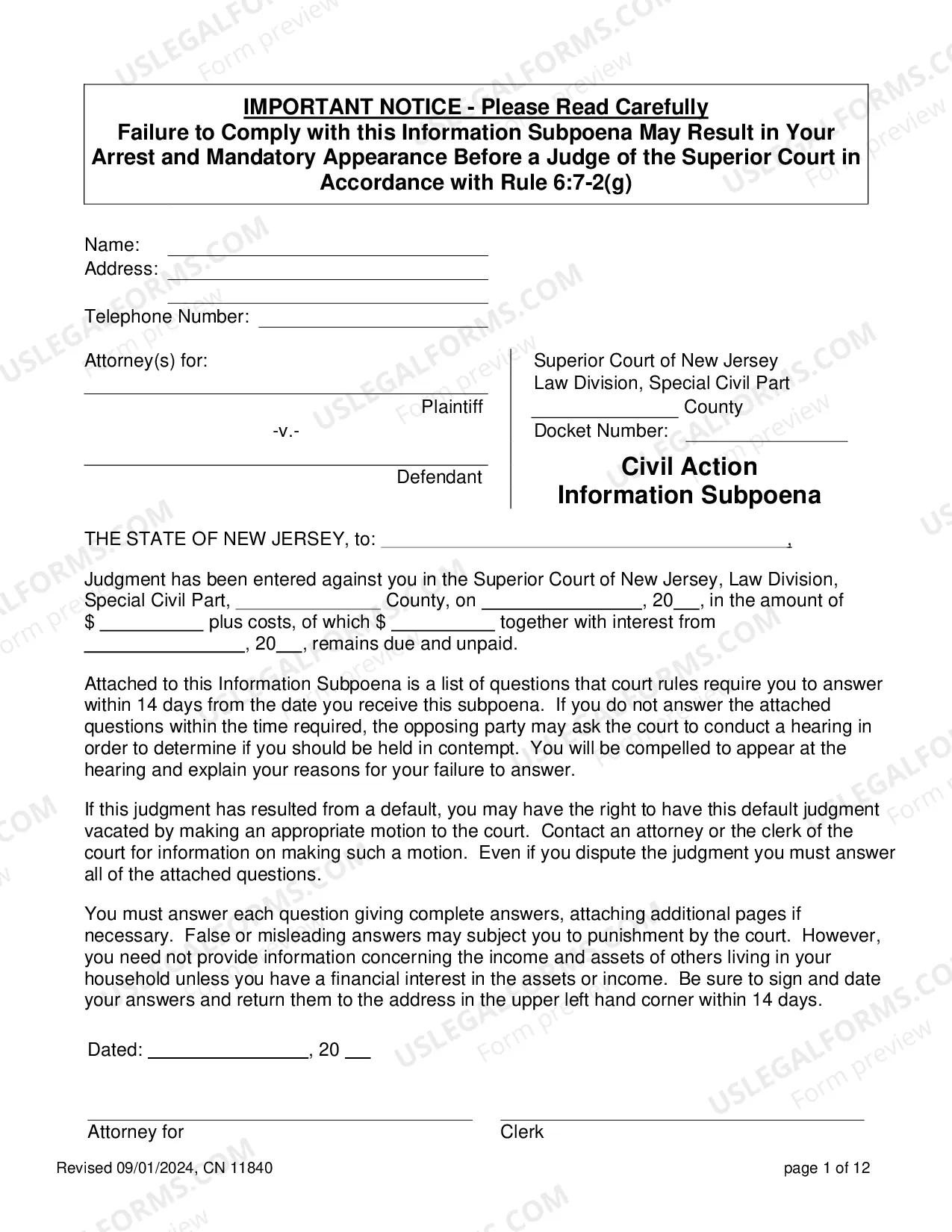
- Header and Important Notice: Indicates the seriousness of compliance.
- Parties Involved: Space to enter names and addresses of the plaintiff, defendant, and attorneys.
- Judgment Details: Section detailing the judgment amount and date.
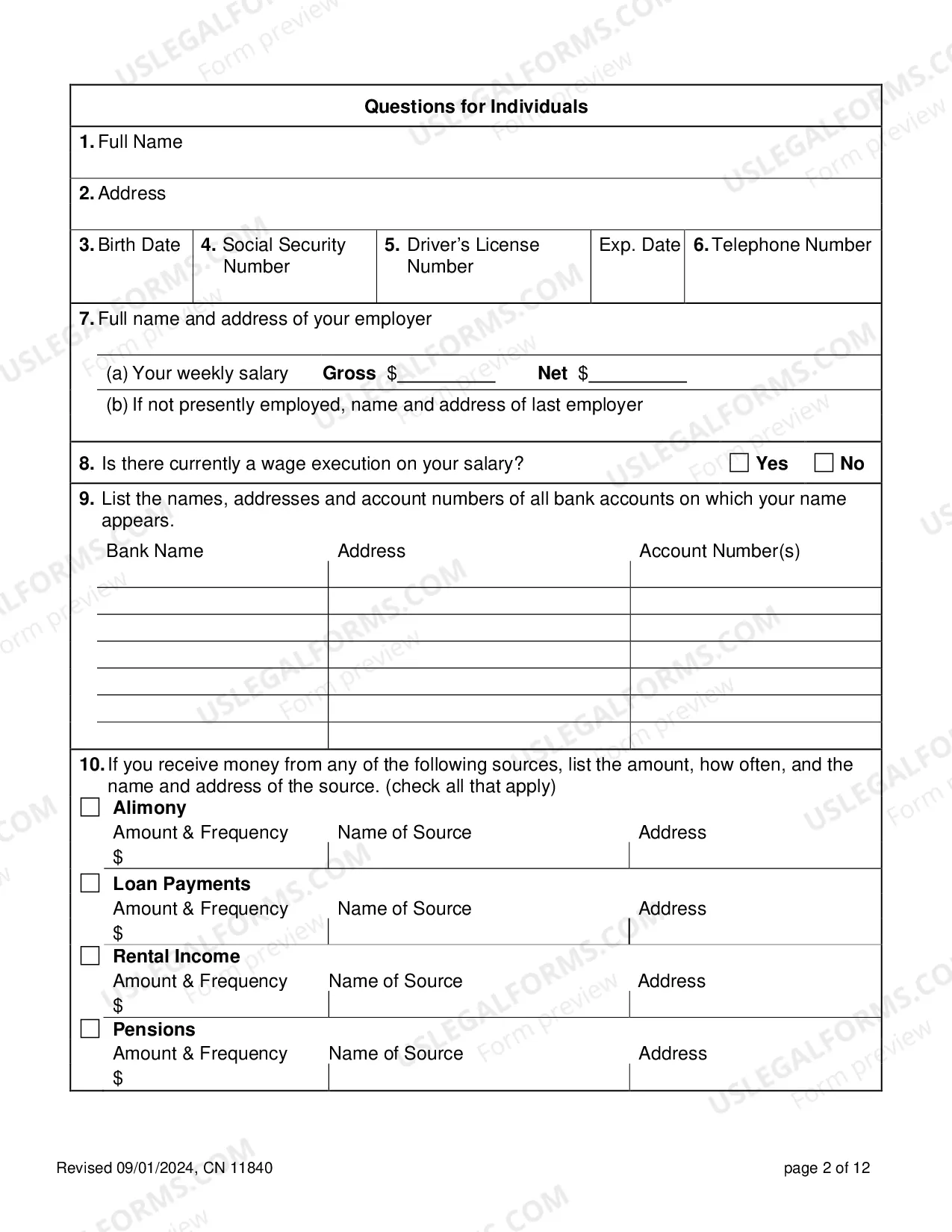
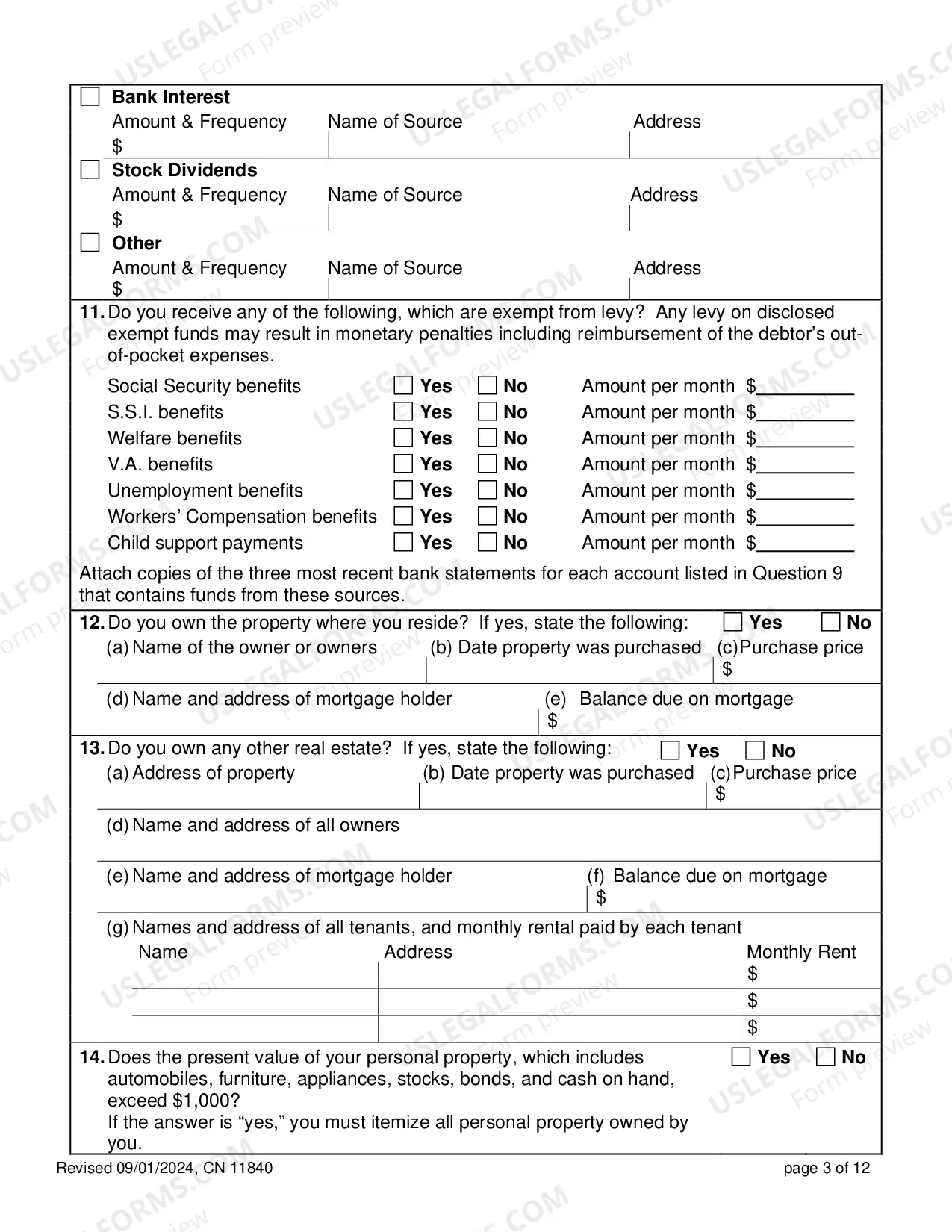
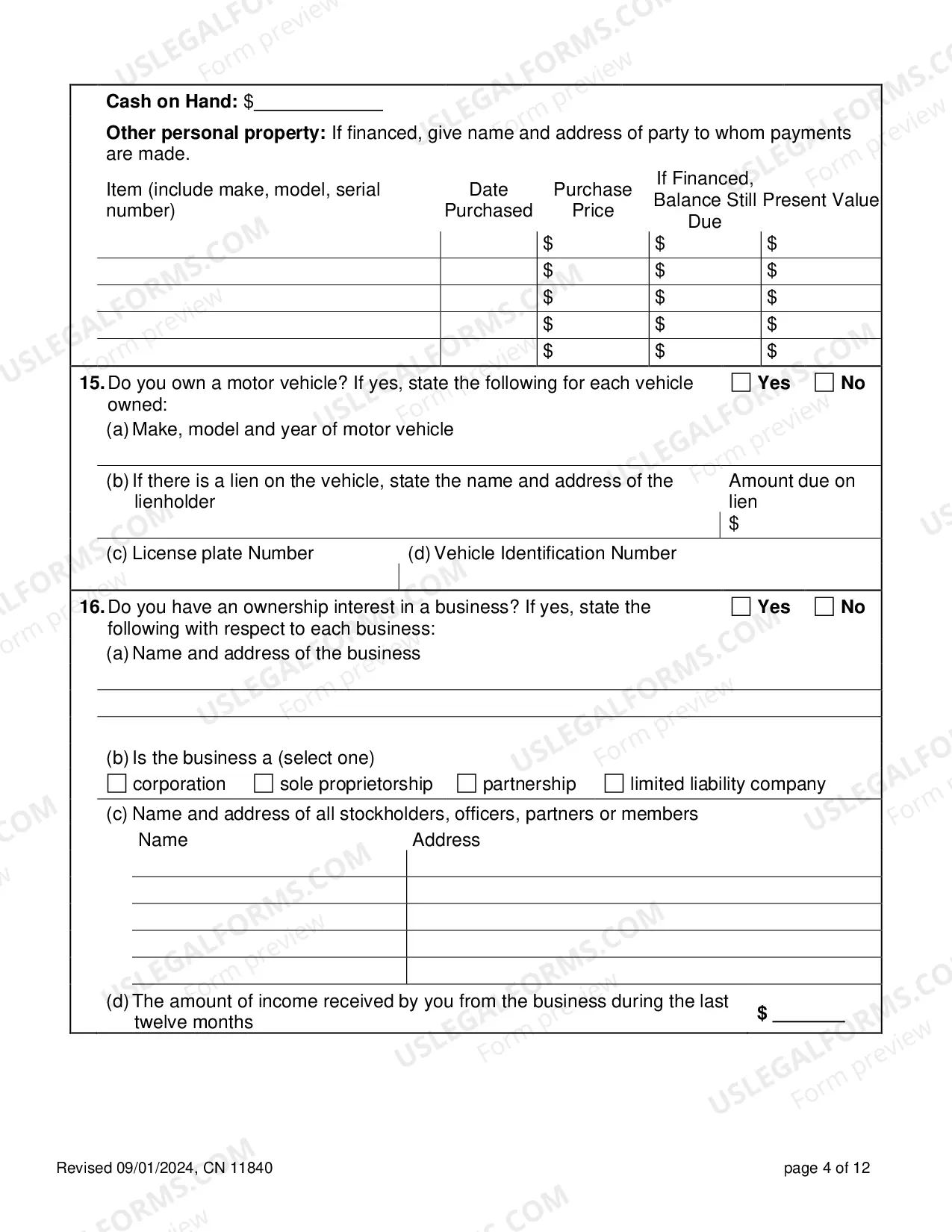
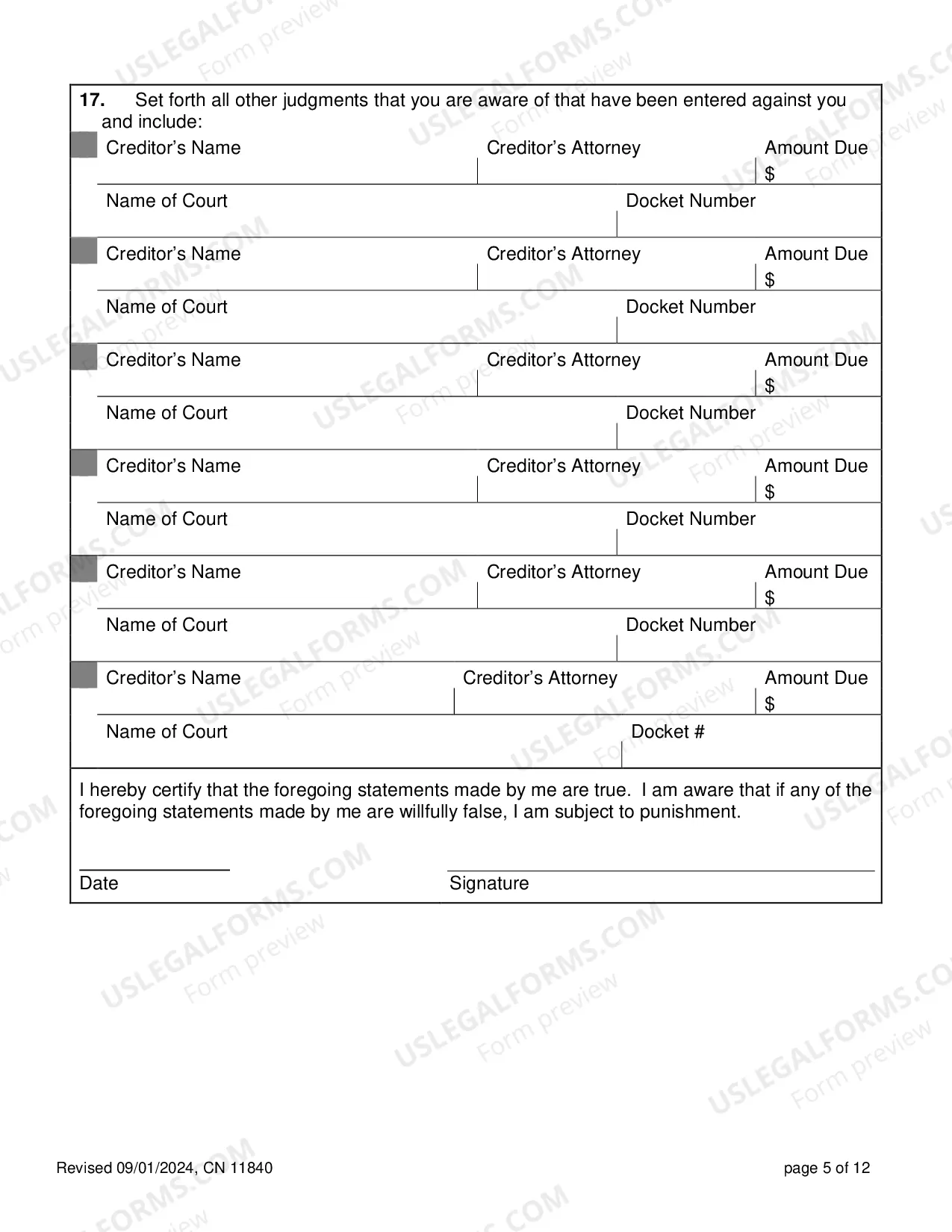
- Questions for Individuals: Comprehensive financial inquiries, including income, assets, and bank accounts.
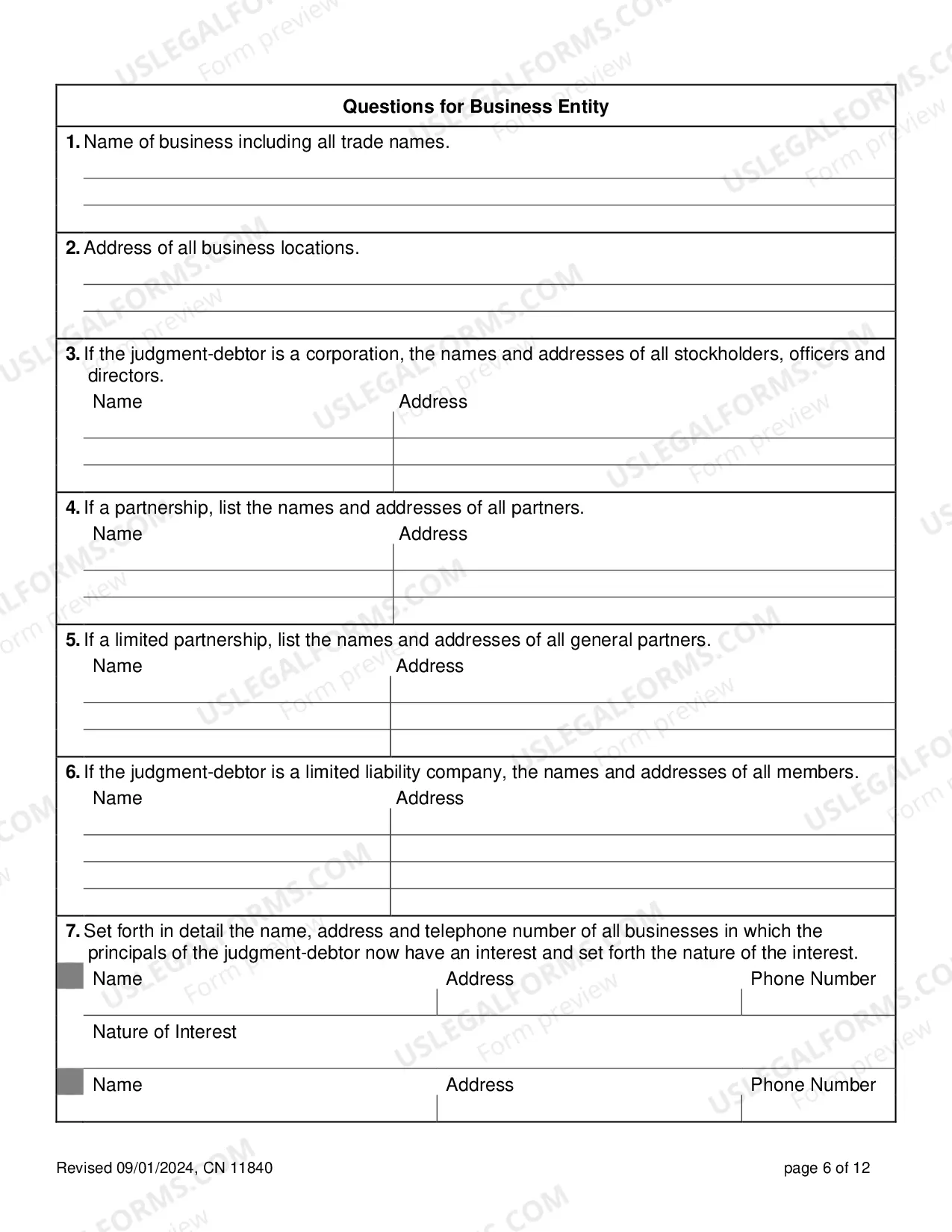
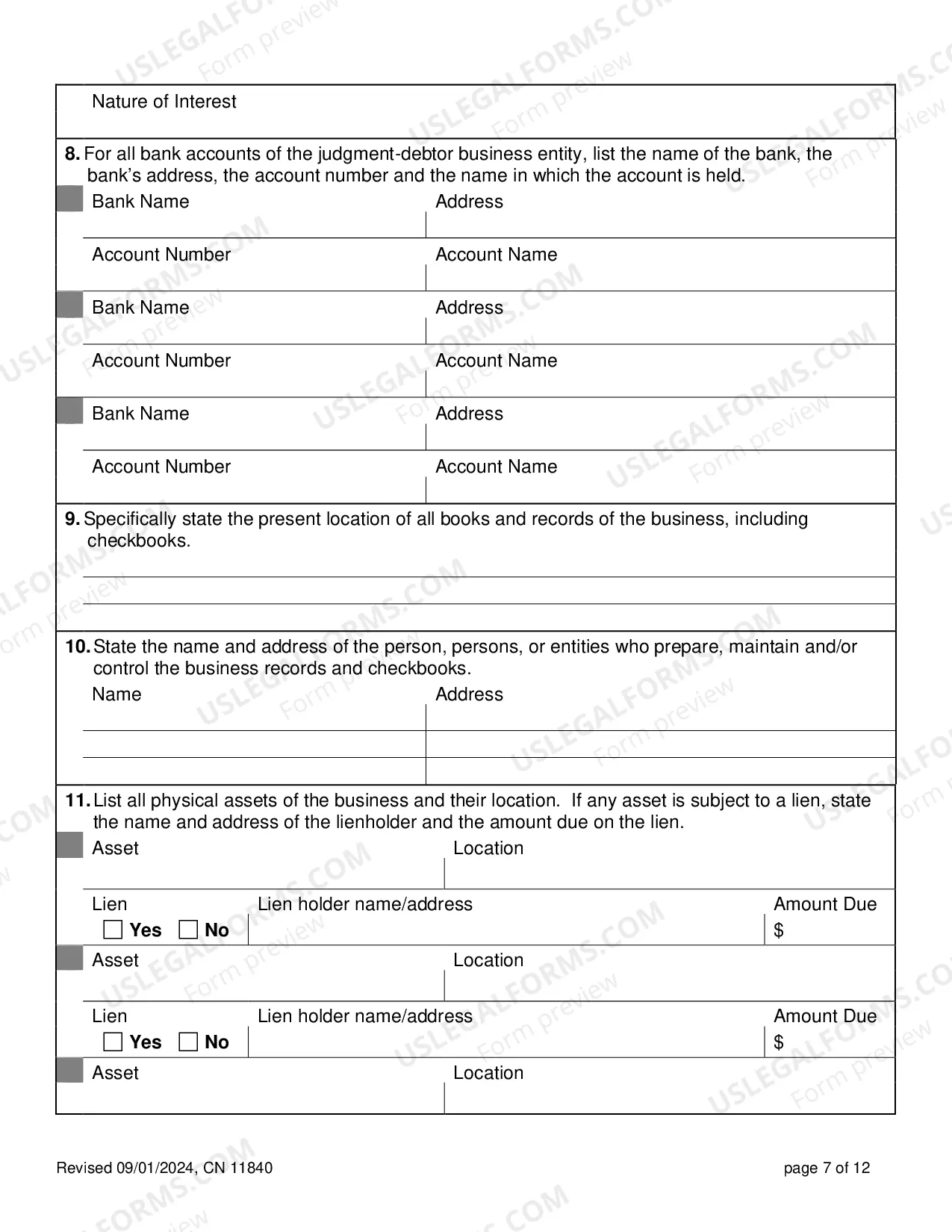
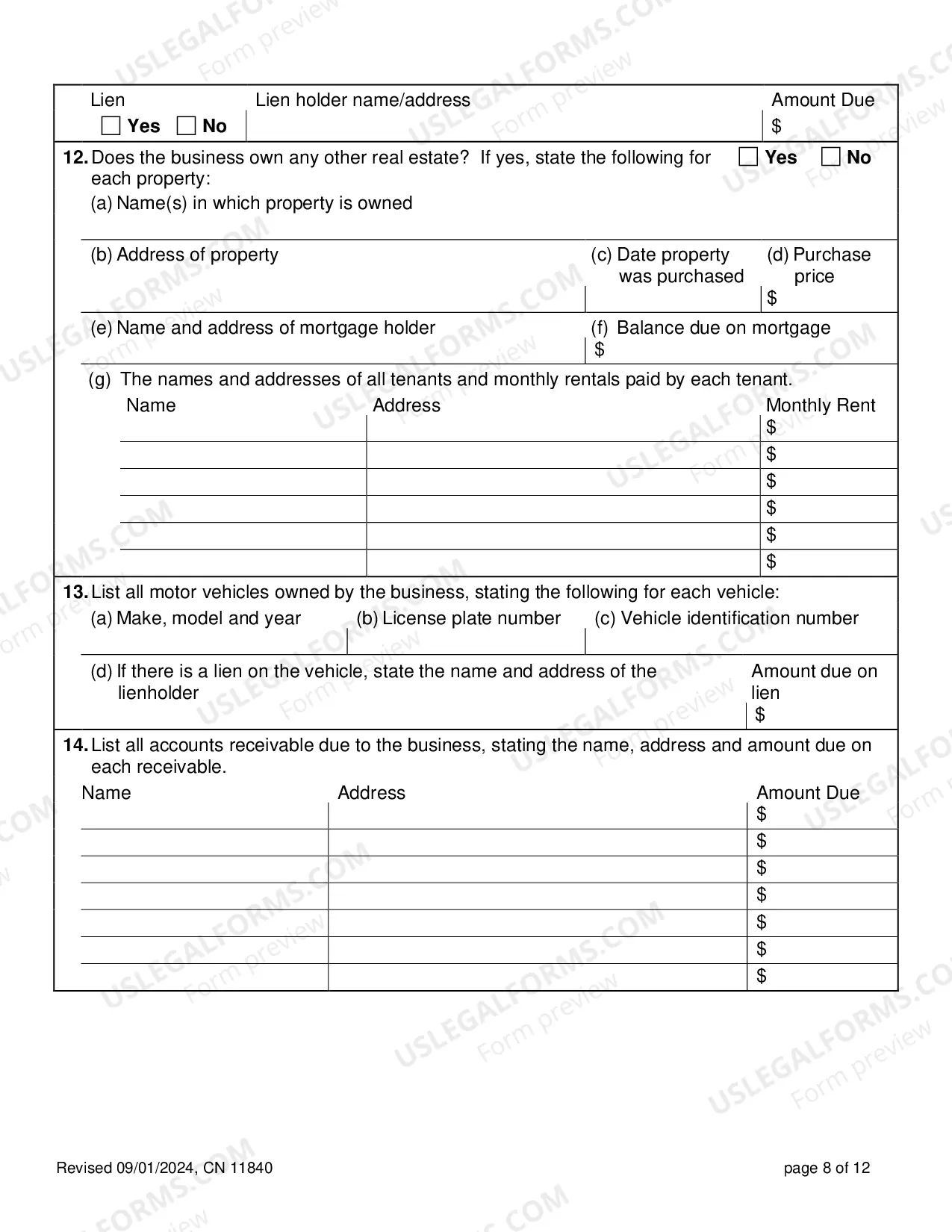
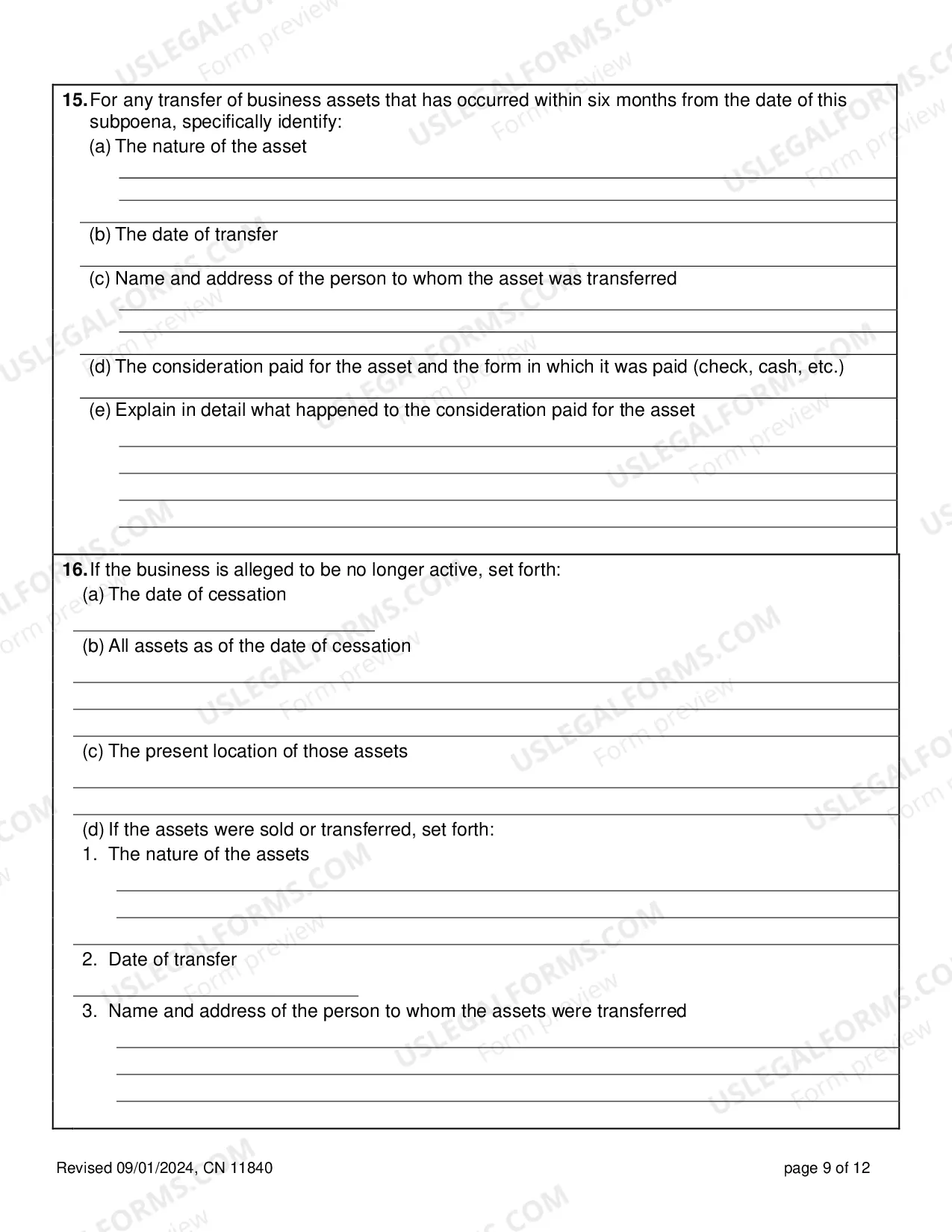
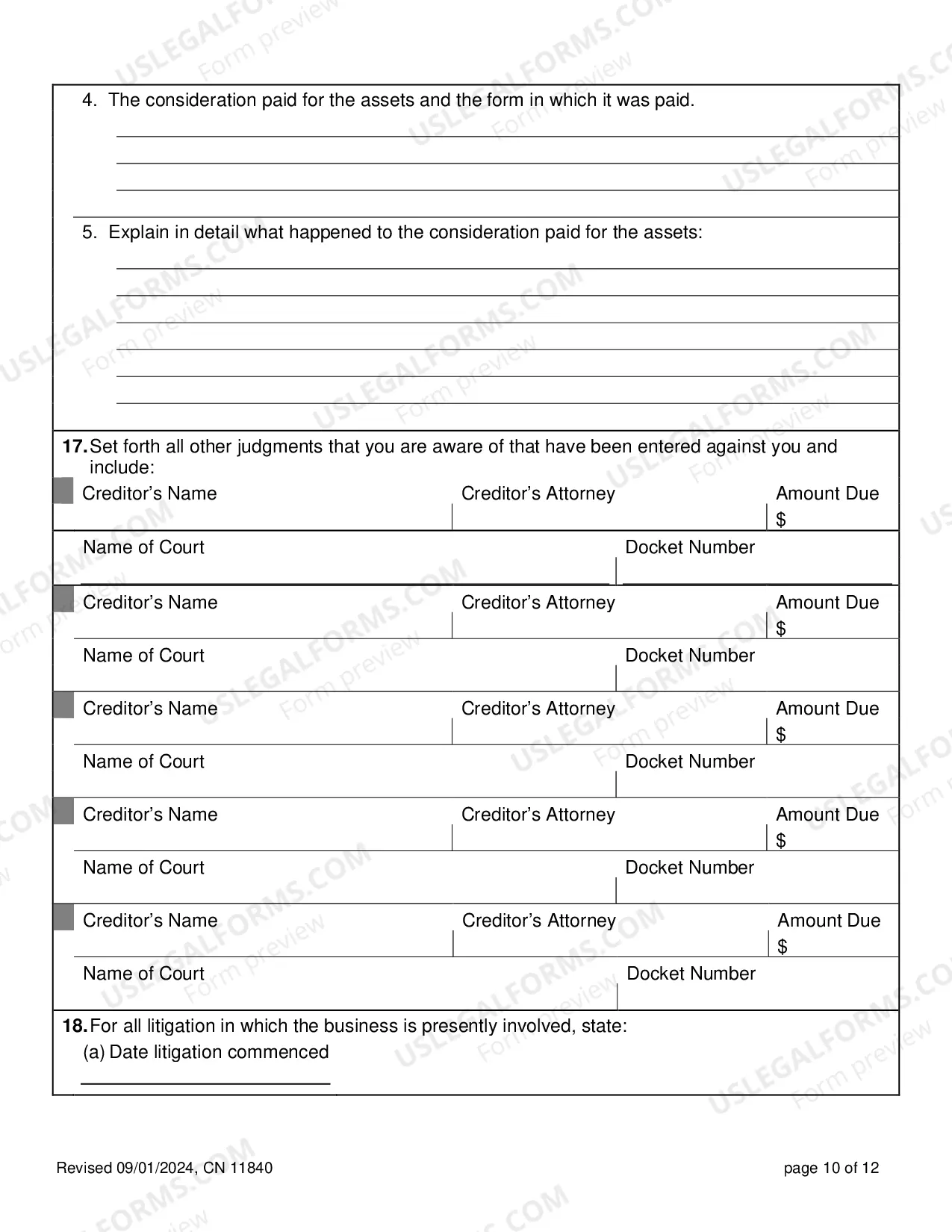
- Questions for Business Entities: Financial details, business structure, and asset disclosures.
- Certification: Space for the respondent to verify the accuracy of the information provided.

Situations where this form applies
This form should be used when a judgment has been entered against a defendant for an unpaid debt, and the creditor wishes to uncover the debtor's financial situation in order to collect on the judgment. It is essential for situations involving wage garnishments, asset discovery, and when seeking to enforce a court judgment.
Intended users of this form
- Judgment creditors seeking to gather financial information about a debtor.
- Individuals or businesses that have received a court judgment against them.
- Attorneys representing clients in debt collection cases.
How to prepare this document
- Identify the parties: Fill in the names and addresses of the plaintiff, defendant, and attorneys involved.
- Provide judgment details: Enter the date of judgment and amount owed as specified in the court order.
- Answer all questions: Respond to each question carefully, ensuring that all financial information is accurate and complete.
- Attach bank statements: Include copies of bank statements for accounts listed in the form, if applicable.
- Sign and date the form: Make sure to sign and date the form before submitting it to the designated address.
Notarization guidance
Notarization is generally not required for this form. However, certain states or situations might demand it. You can complete notarization online through US Legal Forms, powered by Notarize, using a verified video call available anytime.
Get your form ready online
Our built-in tools help you complete, sign, share, and store your documents in one place.
Make edits, fill in missing information, and update formatting in US Legal Forms—just like you would in MS Word.
Download a copy, print it, send it by email, or mail it via USPS—whatever works best for your next step.
Sign and collect signatures with our SignNow integration. Send to multiple recipients, set reminders, and more. Go Premium to unlock E-Sign.
If this form requires notarization, complete it online through a secure video call—no need to meet a notary in person or wait for an appointment.
We protect your documents and personal data by following strict security and privacy standards.

Make edits, fill in missing information, and update formatting in US Legal Forms—just like you would in MS Word.

Download a copy, print it, send it by email, or mail it via USPS—whatever works best for your next step.

Sign and collect signatures with our SignNow integration. Send to multiple recipients, set reminders, and more. Go Premium to unlock E-Sign.

If this form requires notarization, complete it online through a secure video call—no need to meet a notary in person or wait for an appointment.

We protect your documents and personal data by following strict security and privacy standards.
Common mistakes to avoid
- Failing to respond within the 14-day deadline.
- Providing incomplete or false information on the form.
- Neglecting to sign and date the responses.
- Forgetting to attach required documentation, such as bank statements.
Advantages of online completion
- Convenience: Easily download and complete the form from anywhere.
- Editability: Tailor the form to include all specific financial details needed.
- Reliability: Ensure compliance with the latest legal standards as provided by licensed attorneys.
Looking for another form?


Form popularity
FAQ
RULE -1 - Requests for Issuance of Writs of Execution; Contents of Writs of Execution and Other Process for the Enforcement of Judgments; Notice to Debtor; Claim for Exemption; Warrant of Removal; Enforcement of Consent Judgments and Stipulations of Settlement... (a) Requests for Issuance; Intention to Return.
(b) Information Subpoena (1) To Judgment Debtor. An information subpoena may be served upon the judgment debtor, without leave of court, accompanied by an original and copy of written questions and a prepaid, addressed return envelope.
Rule -2. For Production of Documentary Evidence and Electronically Stored Information; Notice in Lieu of Subpoena. A subpoena or, in a civil action, a notice in lieu of subpoena as authorized by R.
COMPLYING WITH AN INFORMATION SUBPOENA The subpoenaed witness must respond within 14 days of service of the information subpoenas. (N.J. Ct. R. -2.)
Except as otherwise provided by R. -3, the requirement as to secrecy of proceedings of the grand jury shall remain as heretofore, and all persons other than witnesses, permitted by R.
Except as otherwise provided in paragraph (d), upon the issuance of process on a complaint within the trial jurisdiction of the municipal court, a subpoena may be issued by a judicial officer, by an attorney in the name of the court administrator, or, in cases involving a non-indictable offense, by a law enforcement
-7. The deposition of a person confined in prison may be taken only by leave of court on such terms as the court prescribes.
The rules in Part VII govern the practice and procedure in the municipal courts in all matters within their statutory jurisdiction, including disorderly and petty disorderly persons offenses; other non- indictable offenses not within the exclusive jurisdiction of the Superior Court; violations of motor vehicle and