New Jersey Warranty Deed - Individual to Four Individuals
About this form
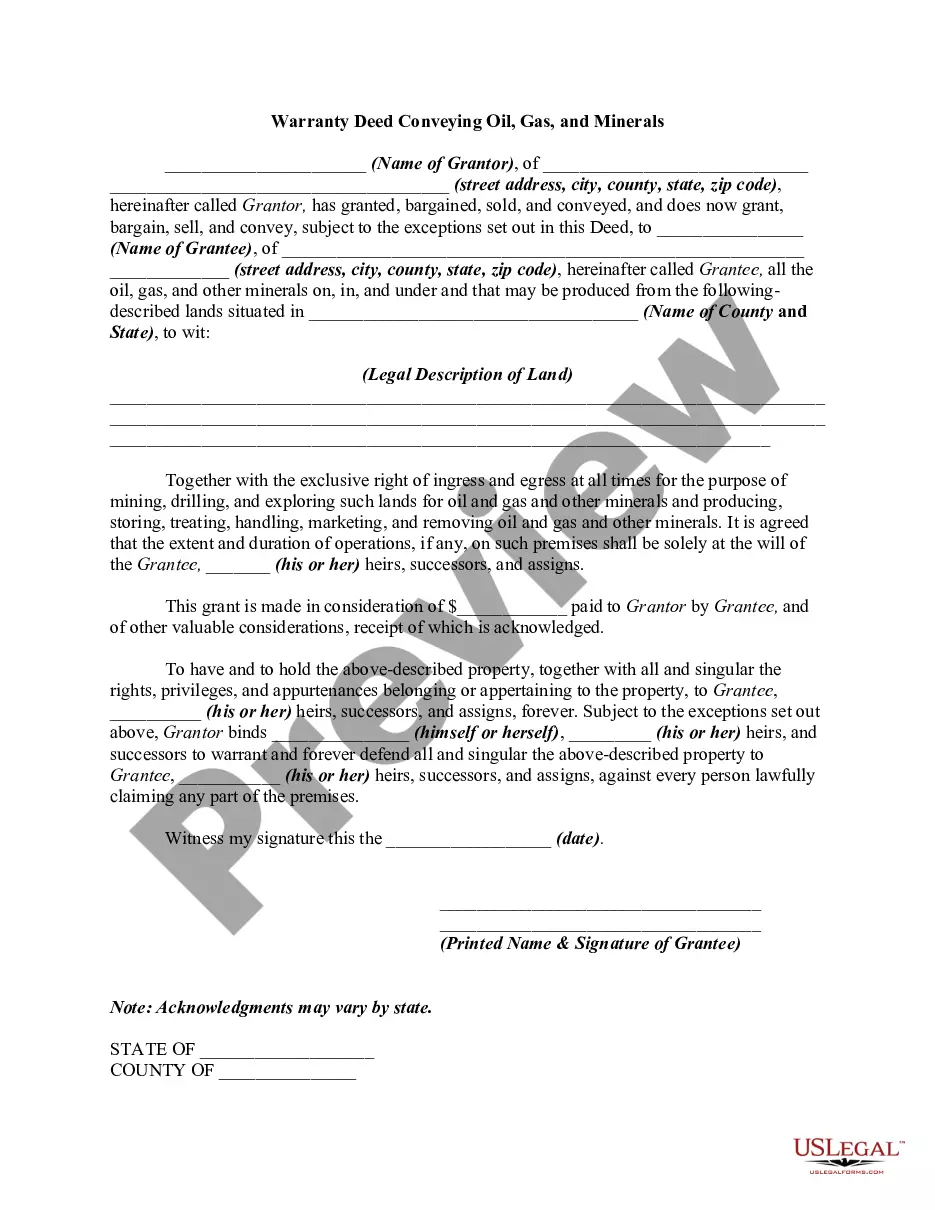
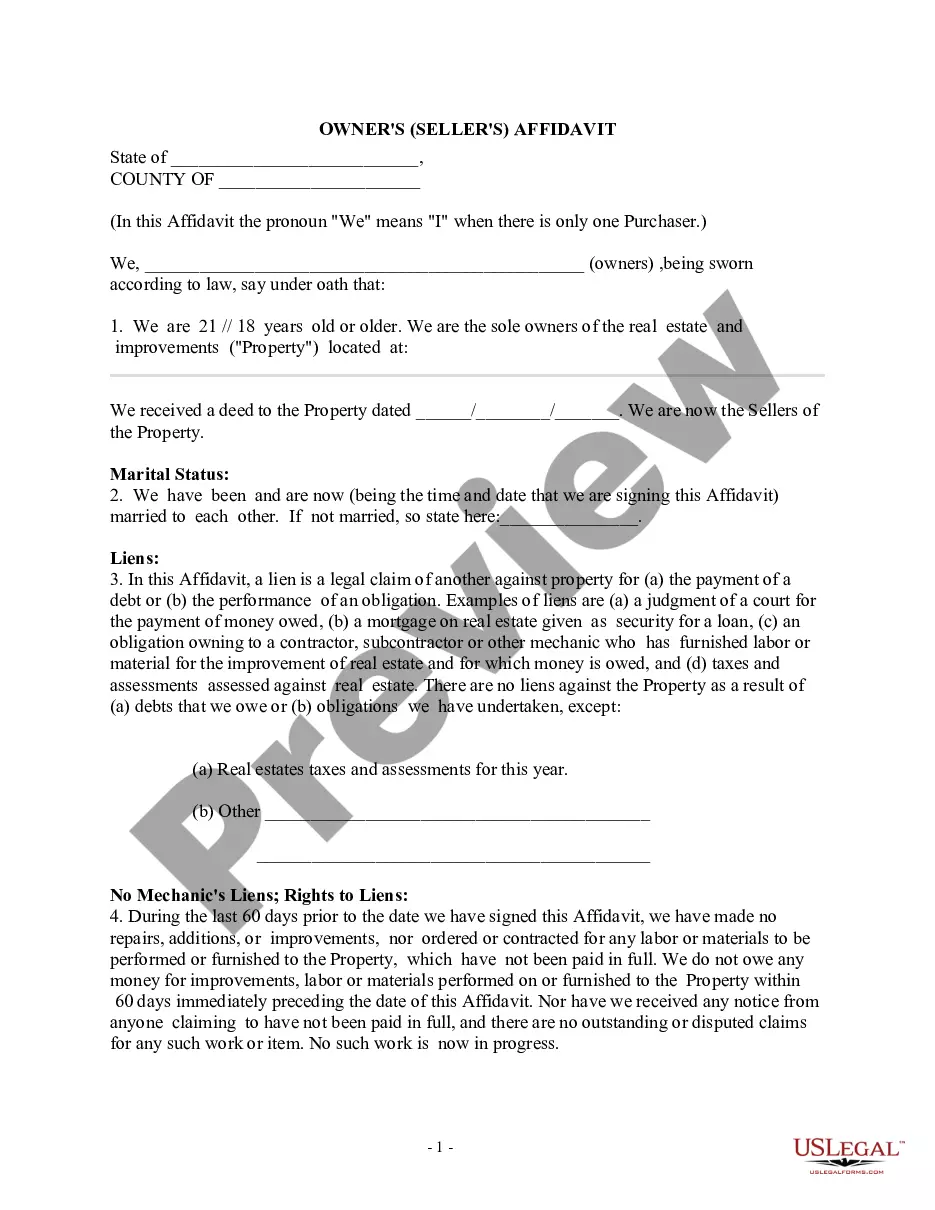
The Warranty Deed - Individual to Four Individuals is a legal document used to transfer property ownership from a grantor (one individual) to four grantees (individuals). This deed provides warranties against defects in title, meaning the grantor guarantees that the property is free of claims. The grantees can hold the property as either tenants in common or joint tenants with rights of survivorship. This form is essential for ensuring a clear title transfer while complying with state laws.
Key parts of this document
- Identifies the parties involved: grantor and grantees.
- Details the property being transferred.
- Outlines the type of tenancy (joint tenants or tenants in common).
- Includes signature lines for grantor and witnesses.
- Specifies the consideration (payment) for the property transfer.


Common use cases
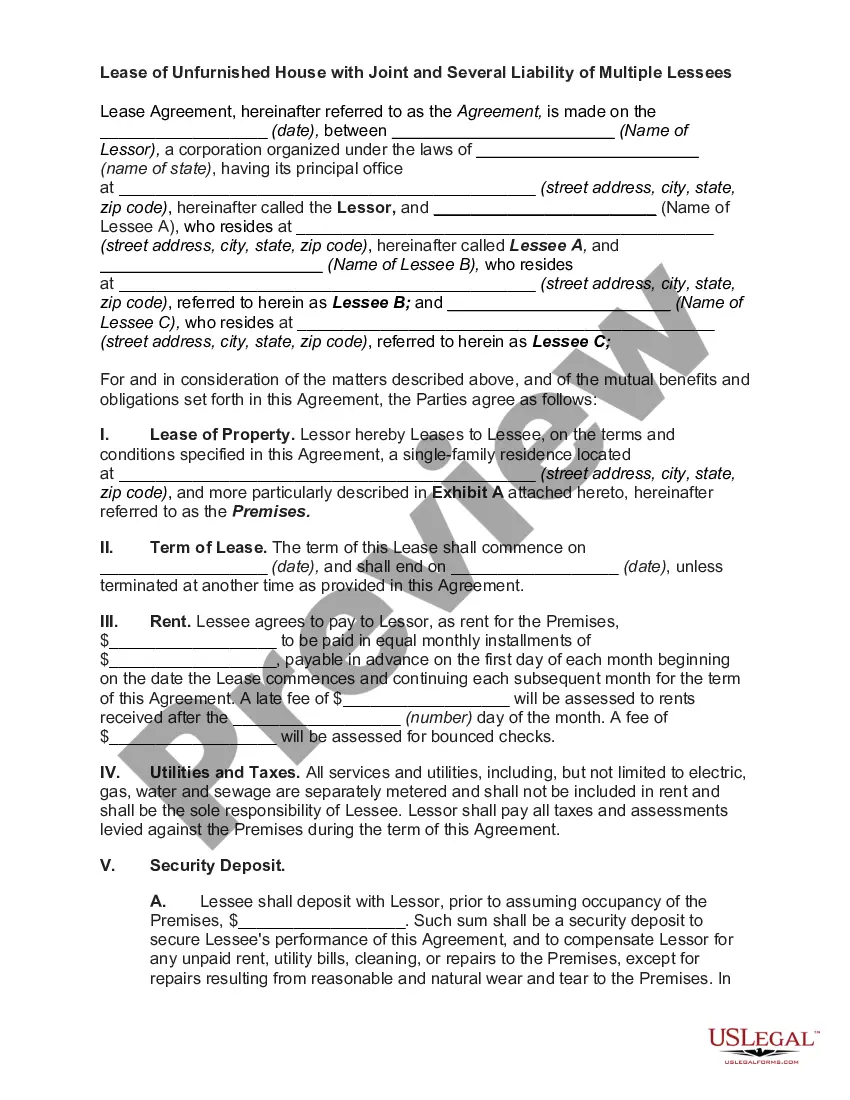
This Warranty Deed should be used when an individual wishes to transfer real estate to four individuals. This situation may arise during family property divisions, inheritance distributions, or when co-owners decide to formalize their shared ownership. It is especially relevant when the grantor wants to ensure that the title is secured and free from disputes.
Who should use this form
- Property owners (grantors) looking to transfer property to multiple individuals.
- Individuals entering into joint ownership of real estate with others.
- Family members managing inheritance of shared property.
- Legal representatives involved in estate planning or real estate transactions.
How to prepare this document
- Identify the grantor and the four grantees, ensuring accurate spelling of names.
- Specify the property by including a legal description or address.
- Determine the type of ownership: tenants in common or joint tenants with rights of survivorship.
- Enter the date of the transfer and the consideration (payment) involved.
- Ensure the grantor signs the deed in the presence of a witness.
Is notarization required?
This form must be notarized to be legally valid. US Legal Forms provides secure online notarization powered by Notarize, allowing you to complete the process through a verified video call.
Get your form ready online
Our built-in tools help you complete, sign, share, and store your documents in one place.
Make edits, fill in missing information, and update formatting in US Legal Forms—just like you would in MS Word.
Download a copy, print it, send it by email, or mail it via USPS—whatever works best for your next step.
Sign and collect signatures with our SignNow integration. Send to multiple recipients, set reminders, and more. Go Premium to unlock E-Sign.
If this form requires notarization, complete it online through a secure video call—no need to meet a notary in person or wait for an appointment.
We protect your documents and personal data by following strict security and privacy standards.

Make edits, fill in missing information, and update formatting in US Legal Forms—just like you would in MS Word.

Download a copy, print it, send it by email, or mail it via USPS—whatever works best for your next step.

Sign and collect signatures with our SignNow integration. Send to multiple recipients, set reminders, and more. Go Premium to unlock E-Sign.

If this form requires notarization, complete it online through a secure video call—no need to meet a notary in person or wait for an appointment.

We protect your documents and personal data by following strict security and privacy standards.
Common mistakes
- Forgetting to include all required signatures from the grantor and witnesses.
- Not specifying the type of tenancy selected by the grantees.
- Providing inaccurate property descriptions which can lead to title disputes.
- Failing to record the deed promptly with the appropriate local authorities.
Why complete this form online
- Convenient access to the form at any time for completion and download.
- Editability allows users to ensure accuracy before printing.
- Templates are created by licensed attorneys, ensuring legal compliance.
- No need for in-person consultations, saving time and effort.
Main things to remember
- The Warranty Deed transfers property from one individual to four individuals.
- It establishes ownership rights and the type of tenancy among grantees.
- Completing the form accurately is crucial for its legal validation.
- This form is tailored for compliance with New Jersey's property laws.
Looking for another form?


Form popularity
FAQ
Adding someone to your house deed requires the filing of a legal form known as a quitclaim deed. When executed and notarized, the quitclaim deed legally overrides the current deed to your home. By filing the quitclaim deed, you can add someone to the title of your home, in effect transferring a share of ownership.
To add a co-owner, the bank would have to create a new home loan agreement, which must be registered after paying the due stamp duty and registration charges. The bank would also insist on making the co-owner a co-borrower in the home loan applicable.
Be in English or include an English translation (N.J.S.A. Identify the grantor / grantee (N.J.S.A. Be signed by the grantor with the name printed underneath (N.J.S.A. Include the name and mailing address of the grantee (N.J.S.A. Be notarized (N.J.S.A.
If you've recently married and already own a home or other real estate, you may want to add your new spouse to the deed for your property so the two of you own it jointly. To add a spouse to a deed, all you have to do is literally fill out, sign and record a new deed in your county recorder's office.
It is possible to be named on the title deed of a home without being on the mortgage. However, doing so assumes risks of ownership because the title is not free and clear of liens and possible other encumbrances. Free and clear means that no one else has rights to the title above the owner.
Yes you can. This is called a transfer of equity but you will need the permission of your lender. If you are not married or in a civil partnership you may wish to consider creating a deed of trust and a living together agreement which we can explain to you.
Resolving Small Ambiguities: The Scrivener Affidavit. Sometimes an omission attracts attention just after recording. The Correction Deed: Stronger Than a Scrivener's Affidavit. Obtain your correction deed form. Execute the correction deed. Record the correction deed.
Adding someone to your house deed requires the filing of a legal form known as a quitclaim deed. When executed and notarized, the quitclaim deed legally overrides the current deed to your home. By filing the quitclaim deed, you can add someone to the title of your home, in effect transferring a share of ownership.