New Jersey Siding Contract for Contractor
What this document covers
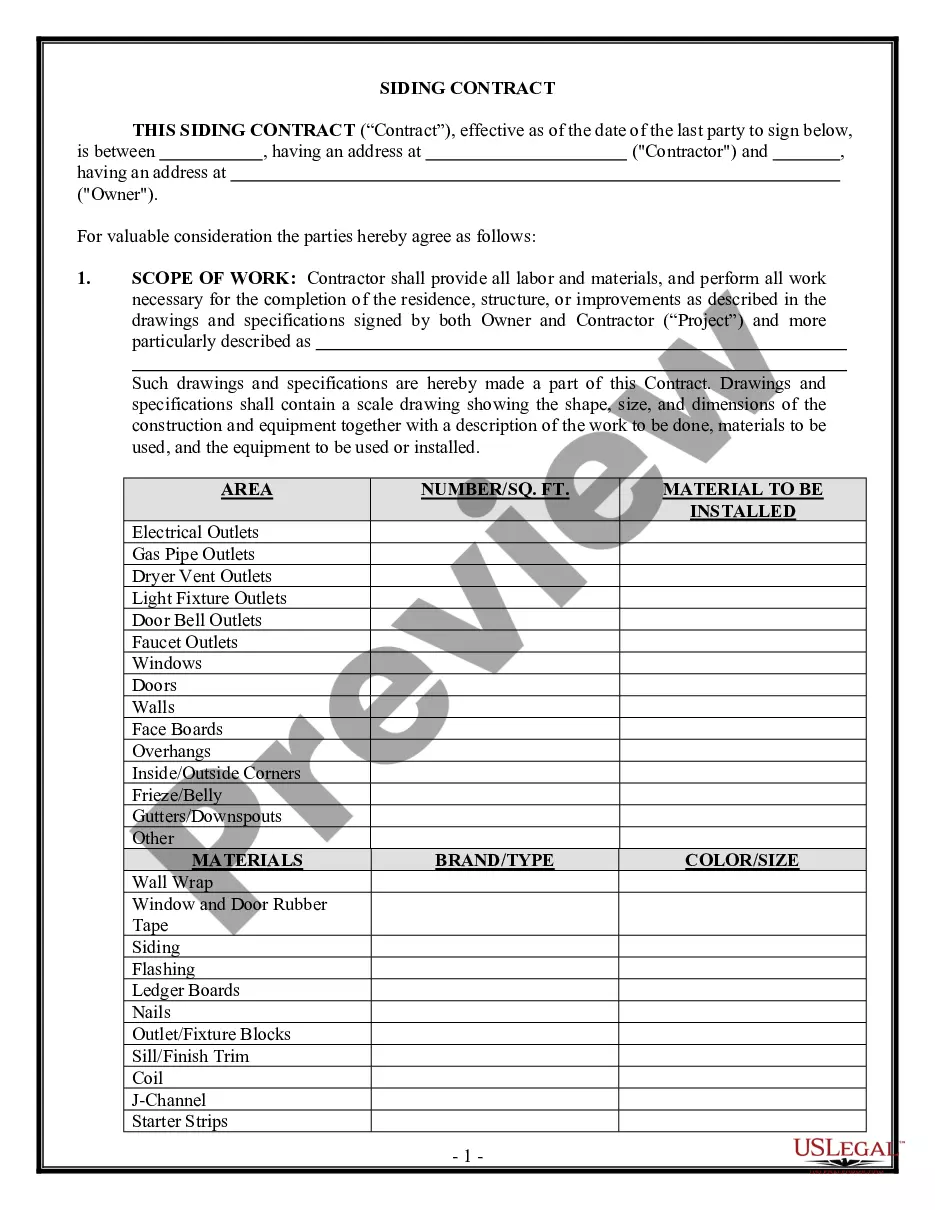
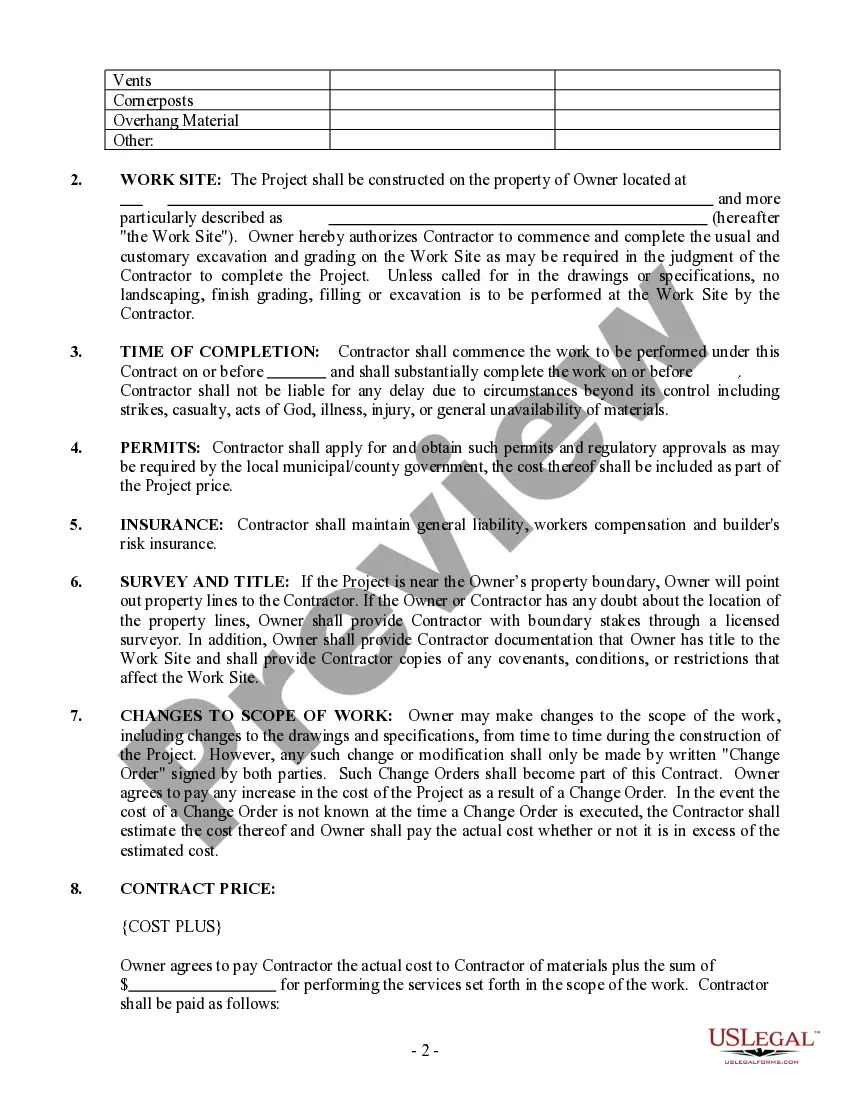
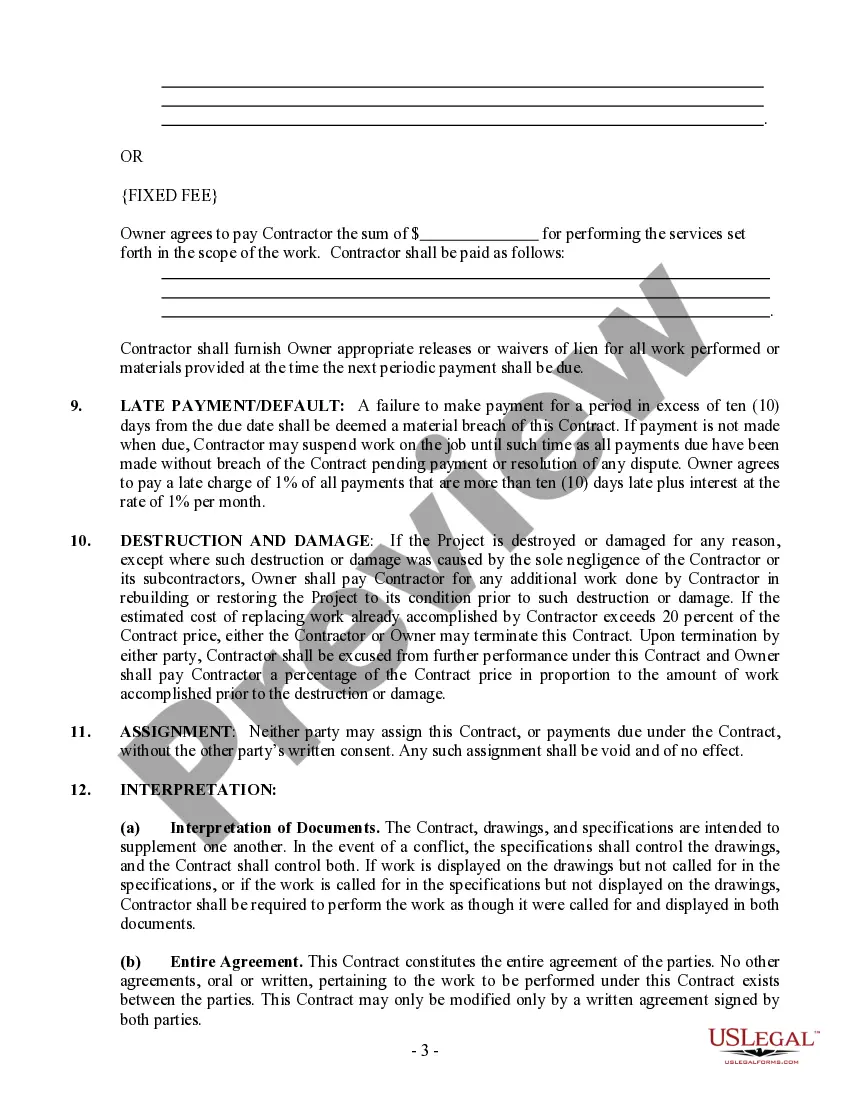
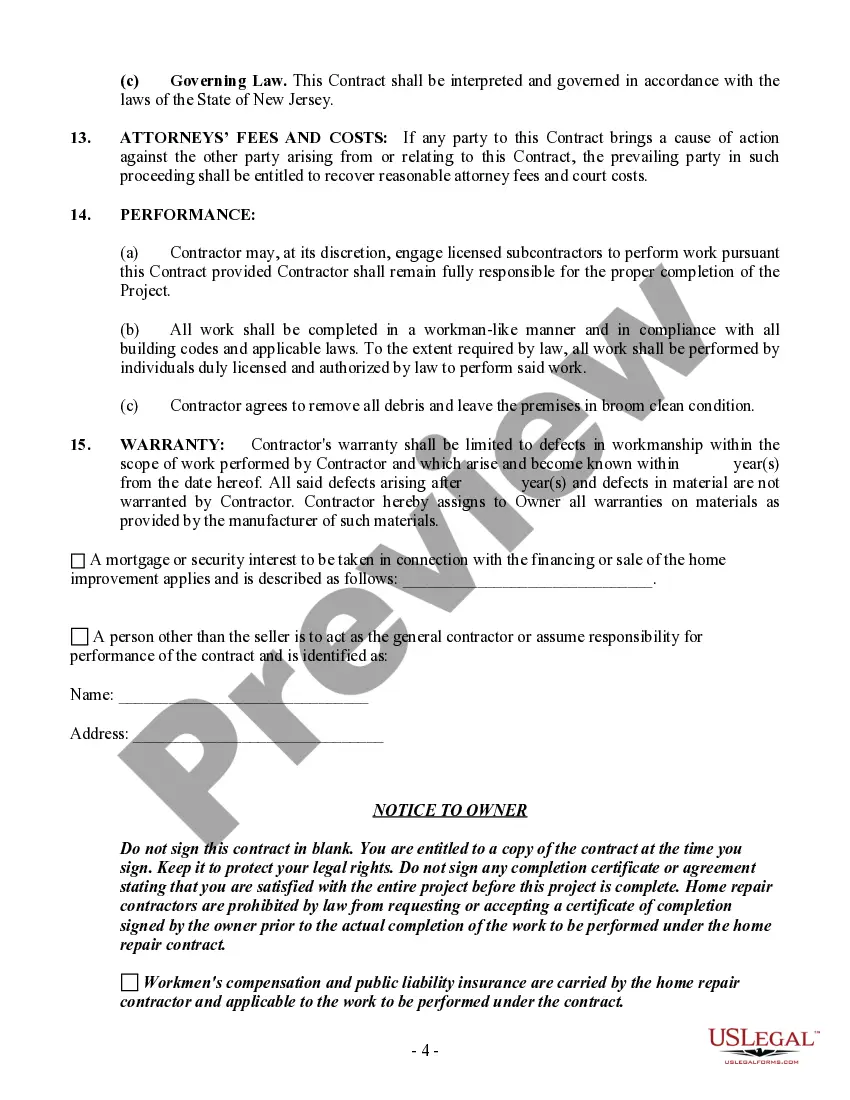
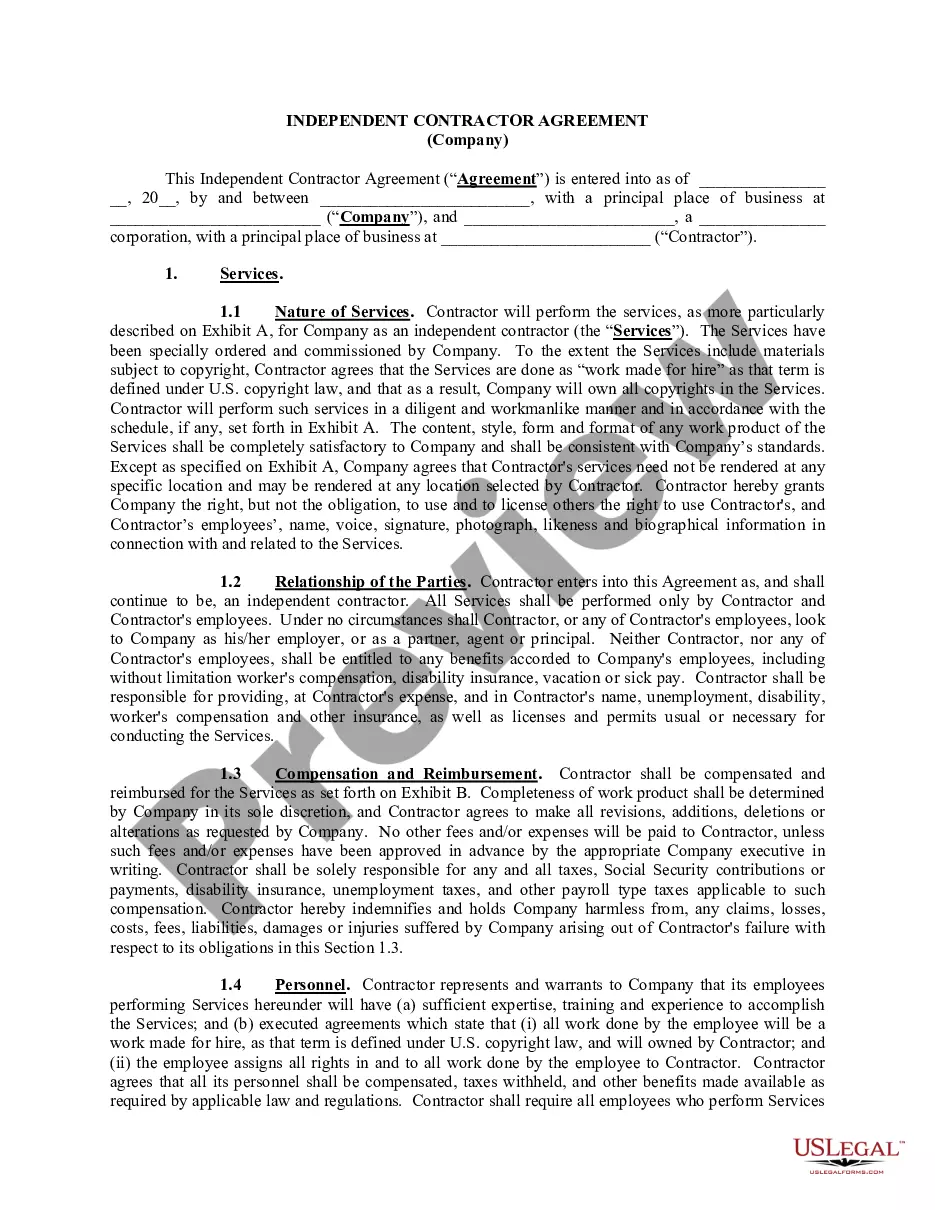
The Siding Contract for Contractor is a legal document that formalizes the relationship between siding contractors and property owners in New Jersey. It is designed to clarify payment structures, whether cost plus or fixed fee, while outlining important aspects such as change orders, warranties, and insurance. Unlike generic agreements, this form is tailored to comply with New Jersey laws, ensuring that both parties have a clear understanding of their rights and responsibilities throughout the siding project.
Key parts of this document
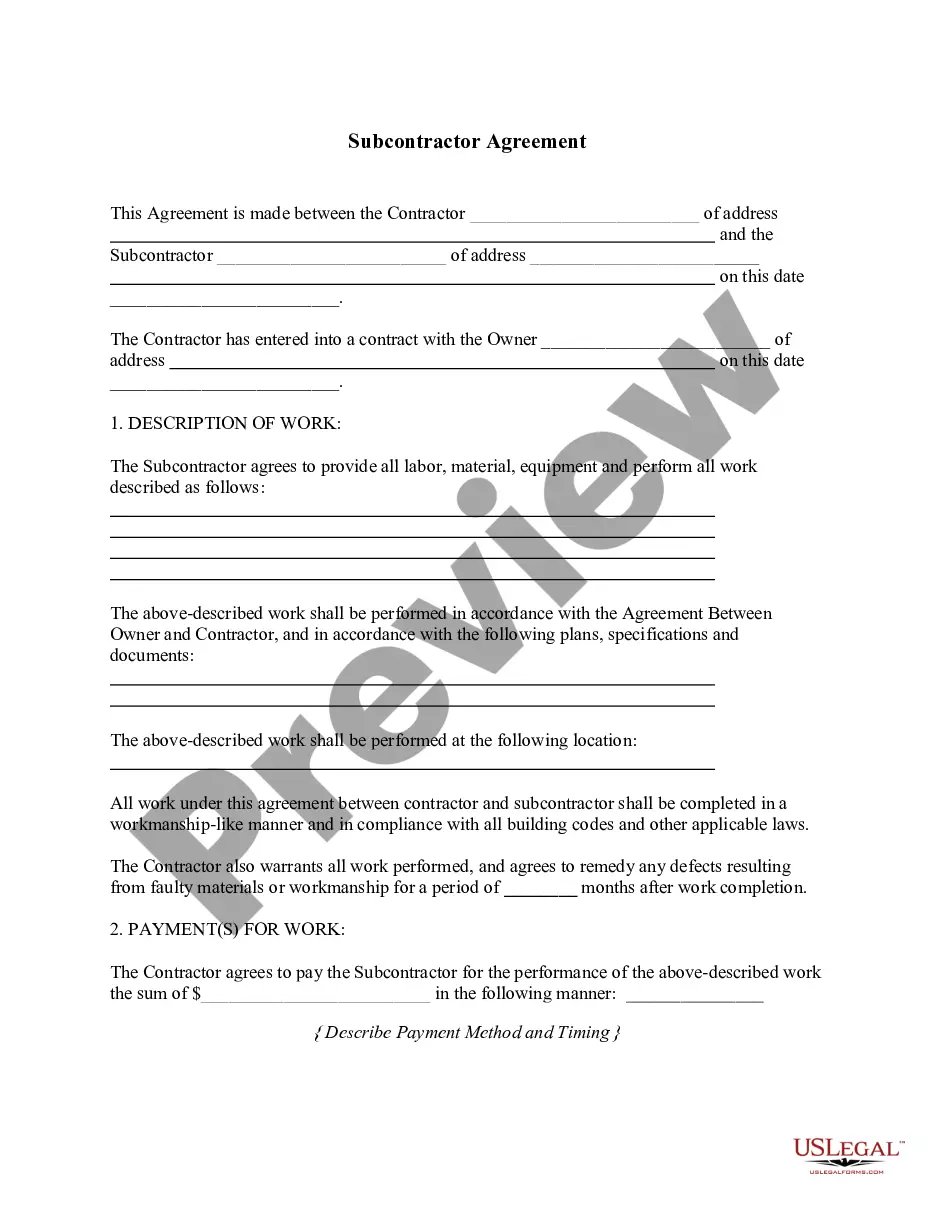
- Identification of the parties involved in the contract.
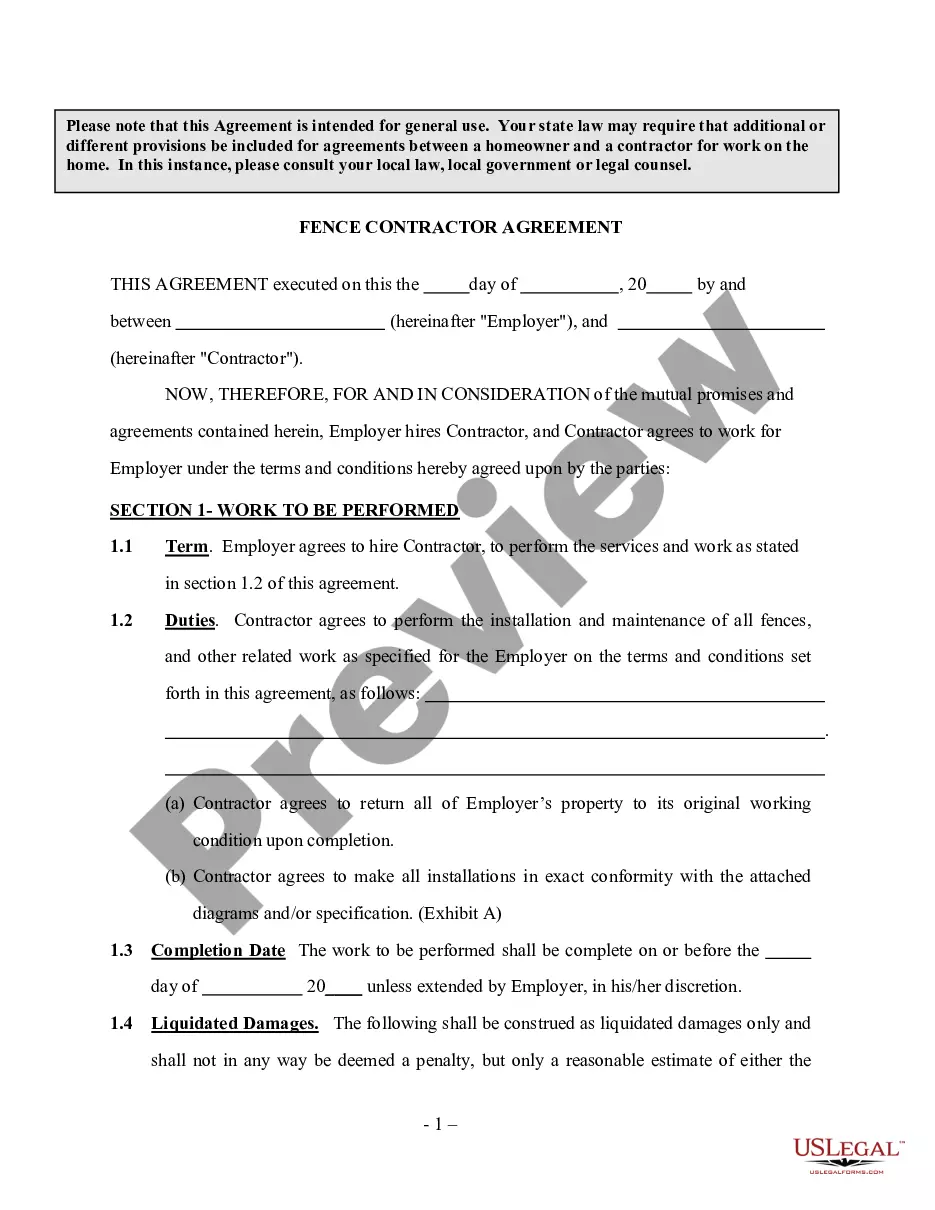
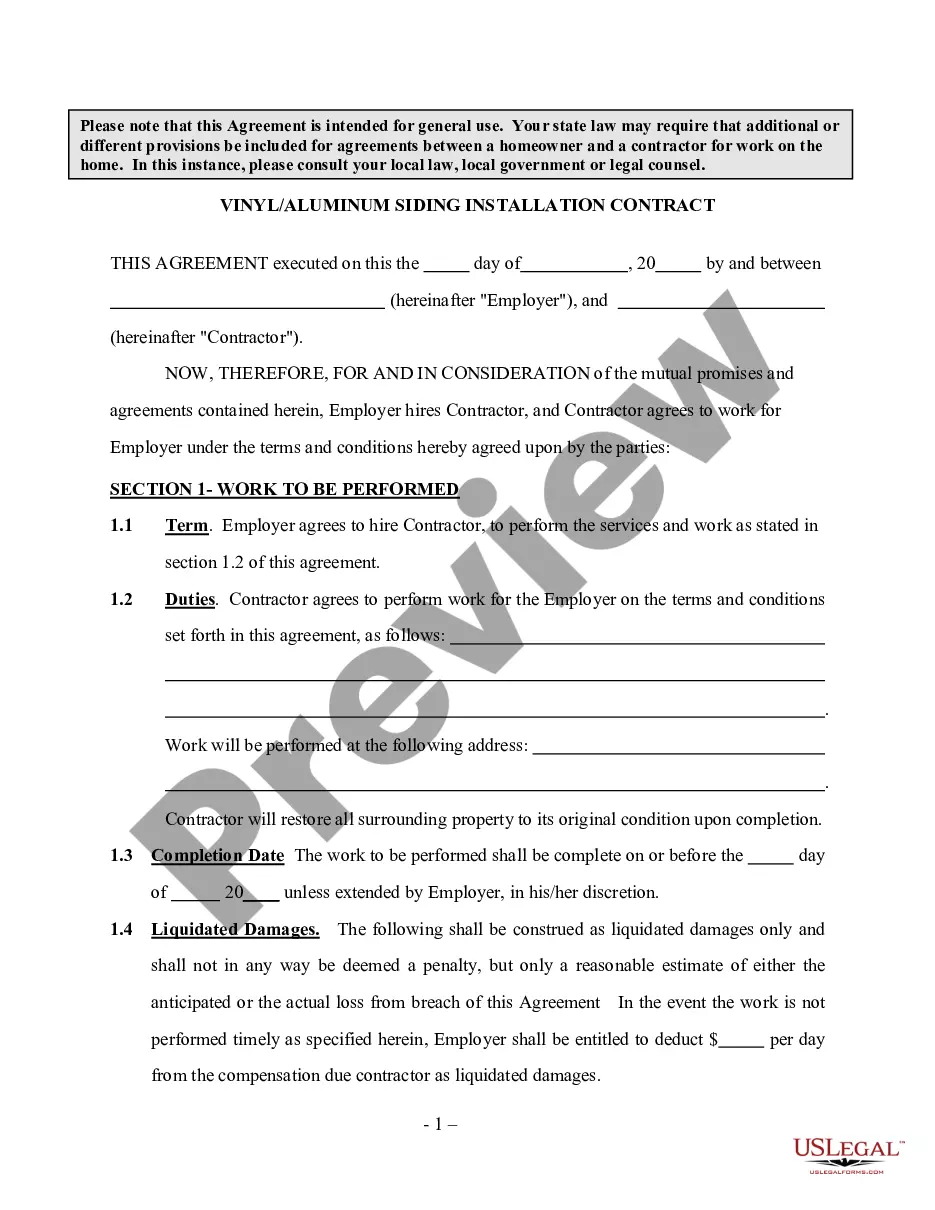
- Detailing of the scope of work to be performed.
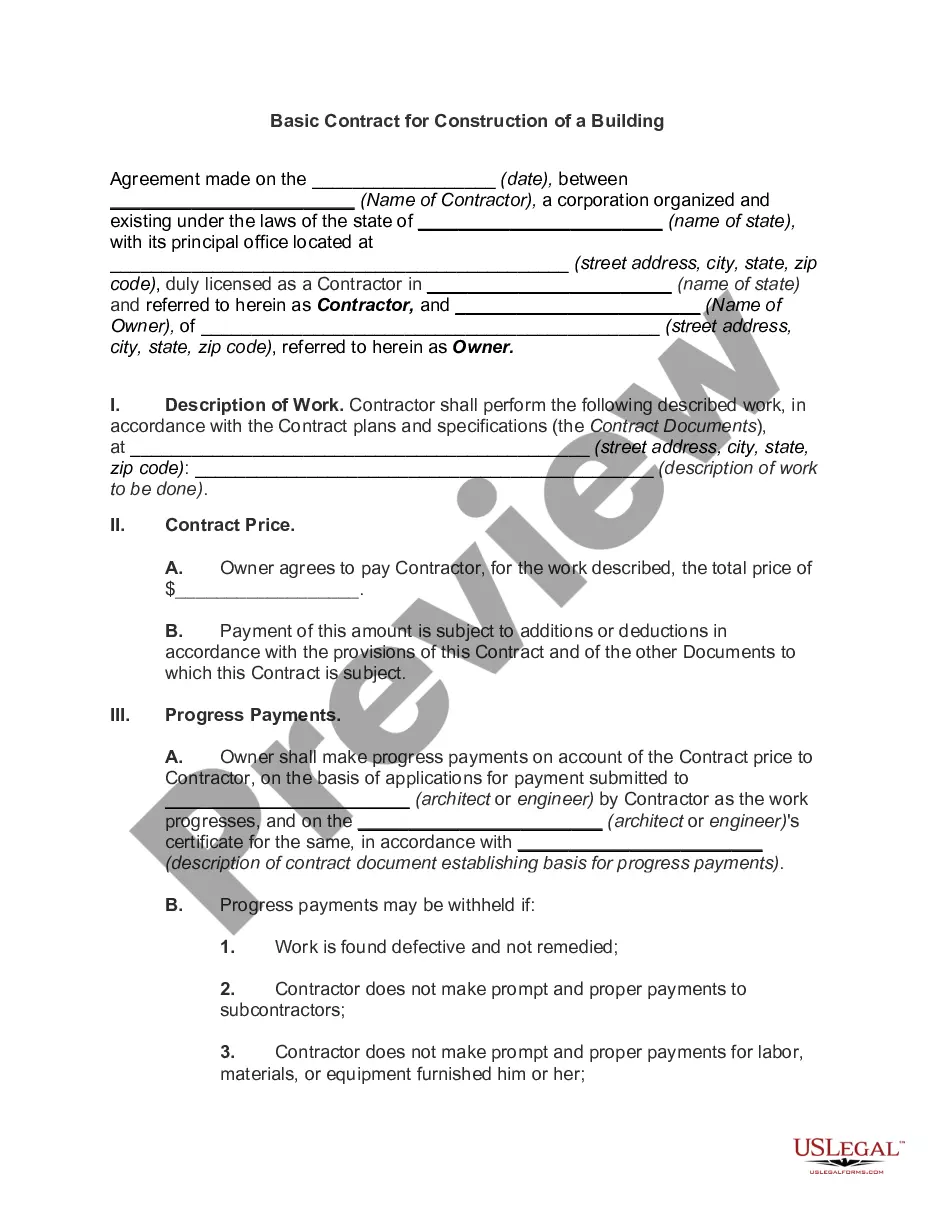
- Payment terms, including fixed fee or cost plus arrangements.
- Clauses regarding change orders and how they will be managed.
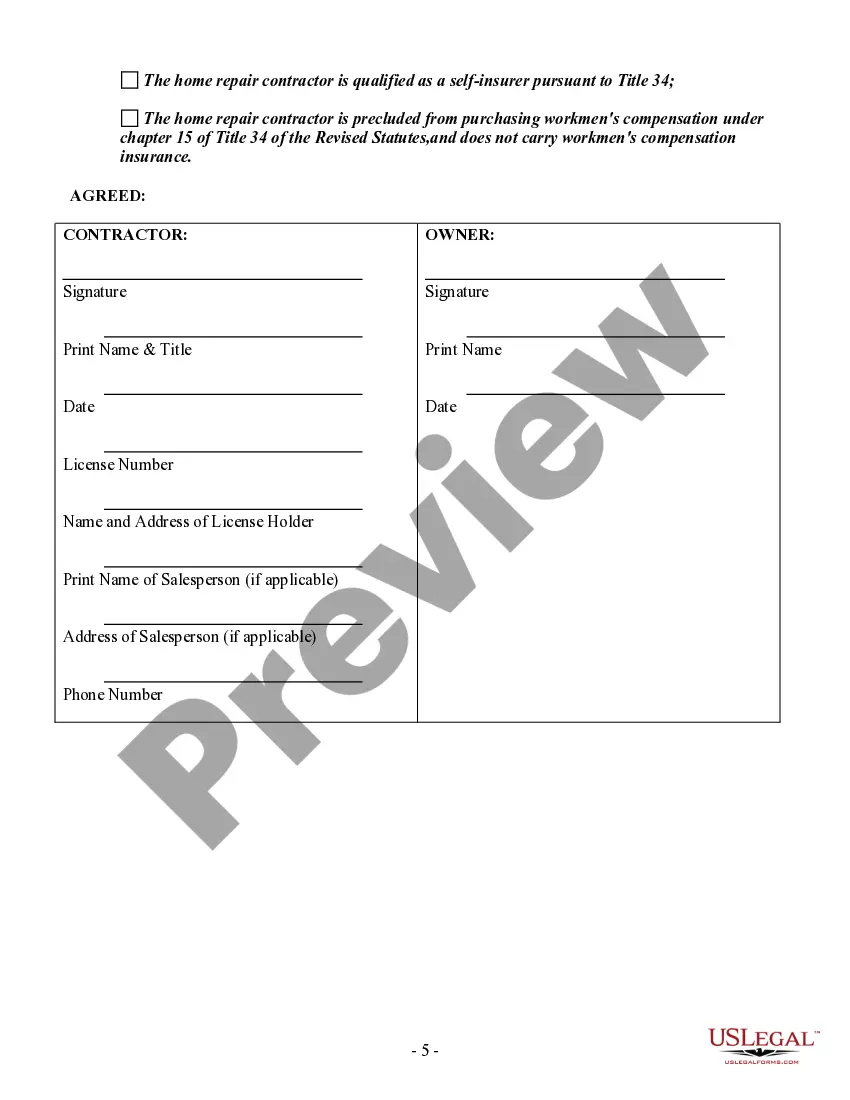
- Insurance requirements specifying general liability and workers' compensation coverage.
- Legal stipulations concerning permit acquisition and responsibilities related to property boundaries.
When to use this document
This form should be used when a property owner intends to hire a contractor for siding installation or replacement. It's applicable in various scenarios, such as new construction projects, renovations of existing properties, or repairs due to damage. Whenever there is a need for clear agreements on the scope of work, payment structures, and legal obligations, this siding contract is essential for protecting the interests of both parties.
Who can use this document
This form is ideal for:
- Property owners looking to have siding installed or repaired on their homes or commercial buildings.
- Siding contractors seeking a comprehensive contract that outlines their responsibilities and payment terms.
- Homeowners who wish to document changes to the scope of work or manage additional costs effectively.
How to complete this form
- Identify the parties involved: Enter the contractor's and property owner's names and contact details in the designated sections.
- Specify the project details: Clearly detail the scope of work, including materials and methods to be used.
- Determine payment structure: Indicate whether the project will be based on a fixed fee or cost plus arrangement.
- Complete the insurance section: Ensure that the contractor's insurance information is filled out correctly.
- Review and sign the contract: Both parties should carefully review the document before signing to confirm agreement on all terms.
Notarization requirements for this form
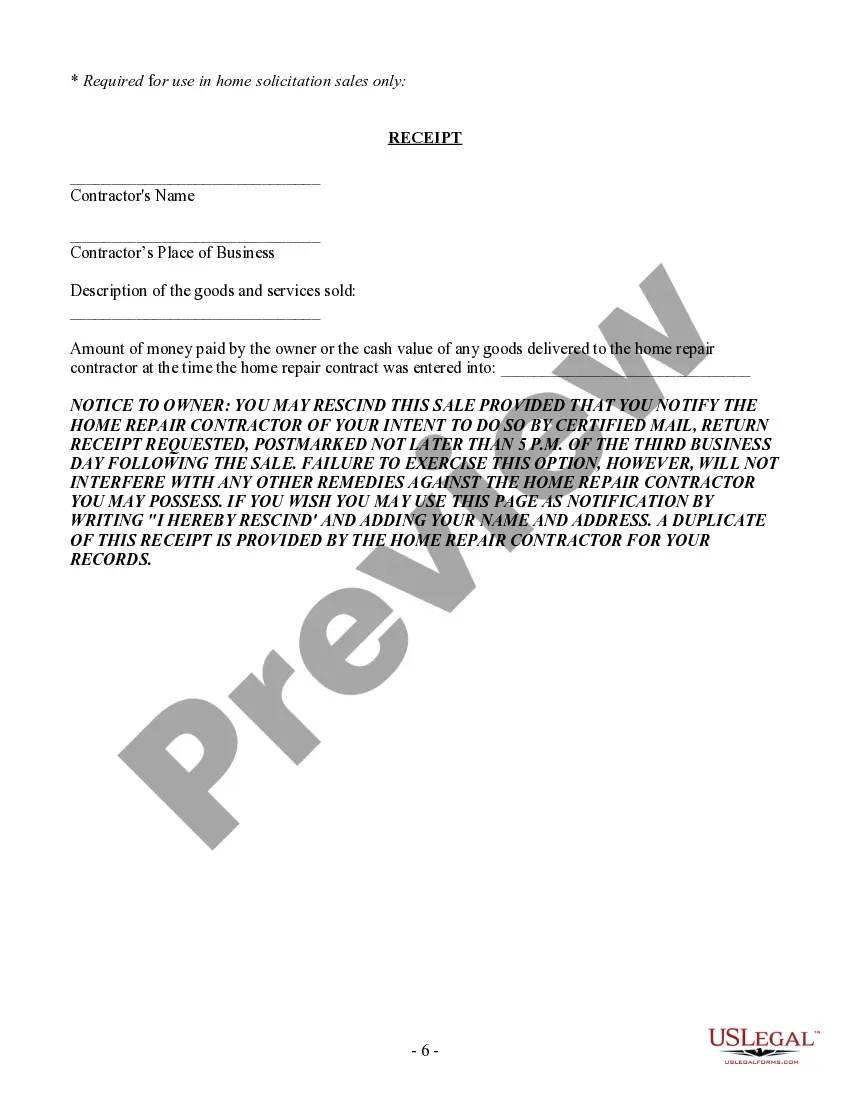
This form usually doesn’t need to be notarized. However, local laws or specific transactions may require it. Our online notarization service, powered by Notarize, lets you complete it remotely through a secure video session, available 24/7.
Get your form ready online
Our built-in tools help you complete, sign, share, and store your documents in one place.
Make edits, fill in missing information, and update formatting in US Legal Forms—just like you would in MS Word.
Download a copy, print it, send it by email, or mail it via USPS—whatever works best for your next step.
Sign and collect signatures with our SignNow integration. Send to multiple recipients, set reminders, and more. Go Premium to unlock E-Sign.
If this form requires notarization, complete it online through a secure video call—no need to meet a notary in person or wait for an appointment.
We protect your documents and personal data by following strict security and privacy standards.

Make edits, fill in missing information, and update formatting in US Legal Forms—just like you would in MS Word.

Download a copy, print it, send it by email, or mail it via USPS—whatever works best for your next step.

Sign and collect signatures with our SignNow integration. Send to multiple recipients, set reminders, and more. Go Premium to unlock E-Sign.

If this form requires notarization, complete it online through a secure video call—no need to meet a notary in person or wait for an appointment.

We protect your documents and personal data by following strict security and privacy standards.
Typical mistakes to avoid
- Failing to specify the scope of work clearly, leading to confusion later.
- Not detailing payment terms accurately, which can cause disputes over costs.
- Neglecting to include necessary insurance requirements, risking liability issues.
- Overlooking the provision for change orders, which may result in unanticipated costs.
- Signing the document without fully understanding all terms and conditions.
Why use this form online
- Convenience: Easily downloadable and fillable, saving time compared to traditional methods.
- Editability: Users can customize the contract as needed to fit specific project requirements.
- Reliability: Developed by licensed attorneys, ensuring compliance with state laws and requirements.
Main things to remember
- The Siding Contract for Contractor ensures clear terms between property owners and contractors.
- It complies with New Jersey laws, tailoring its terms to local regulations.
- Detailing scope, payments, and insurance is critical for protecting both parties involved in the project.
Glossary of terms used in this form
- Change Order: A written directive from the property owner to the contractor altering the scope of work.
- Insurance: Financial protection against potential claims or damages that can arise during the project.
- Scope of Work: A detailed description of the tasks and responsibilities of each party during the project.
Looking for another form?


Form popularity
FAQ
You can obtain information by calling 973-504-6370 or at www.njconsumeraffairs.gov/hic/. A home repair salesperson license is required if a salesperson secures a financed home repair contract from a New Jersey homeowner on behalf of a licensed home repair contractor.
Generally speaking, a general contractor is someone who manages a team of subcontractors to help do various types of construction projects in your home. A custom home builder, however, is specialized in building custom homes and is able to complete this specific type of project start to finish on their own.
To do home construction and many types of substantial home repairs in New Jersey, an individual must be a licensed contractor. Obtaining an NJ contractor license requires the contractor to register with the New Jersey Division of Consumer Affairs, a process that involves multiple smaller steps.
Do You Need a License in New Jersey to Become a Handyman? New Jersey doesn't offer handyman licenses. However, handyman professionals must apply for a home improvement contractor license to perform any type of handyman work in New Jersey.
One of the most important reasons to only hire a licensed and insured handyman company is to protect yourself from liability. If a handyman gets injured while working on a project at your home or business and does not have insurance, they can sue you for any damages.
In New Jersey are authorized to alter, paint, remodel, repair, restore, renovate, move, modernize, or demolish any part of residential properties. This work includes patios, kitchens, cabinets, porches, doors, fences, bathrooms, garages, basements, and floor coverings.
Contractors are required to pay Sales or Use Tax on the materials, supplies, equipment, and services they purchase, rent, or use when performing work on the real property of others, except as described below. It is the general rule that the sale to the actual consumer is a retail sale.
In New Jersey are authorized to alter, paint, remodel, repair, restore, renovate, move, modernize, or demolish any part of residential properties. This work includes patios, kitchens, cabinets, porches, doors, fences, bathrooms, garages, basements, and floor coverings.