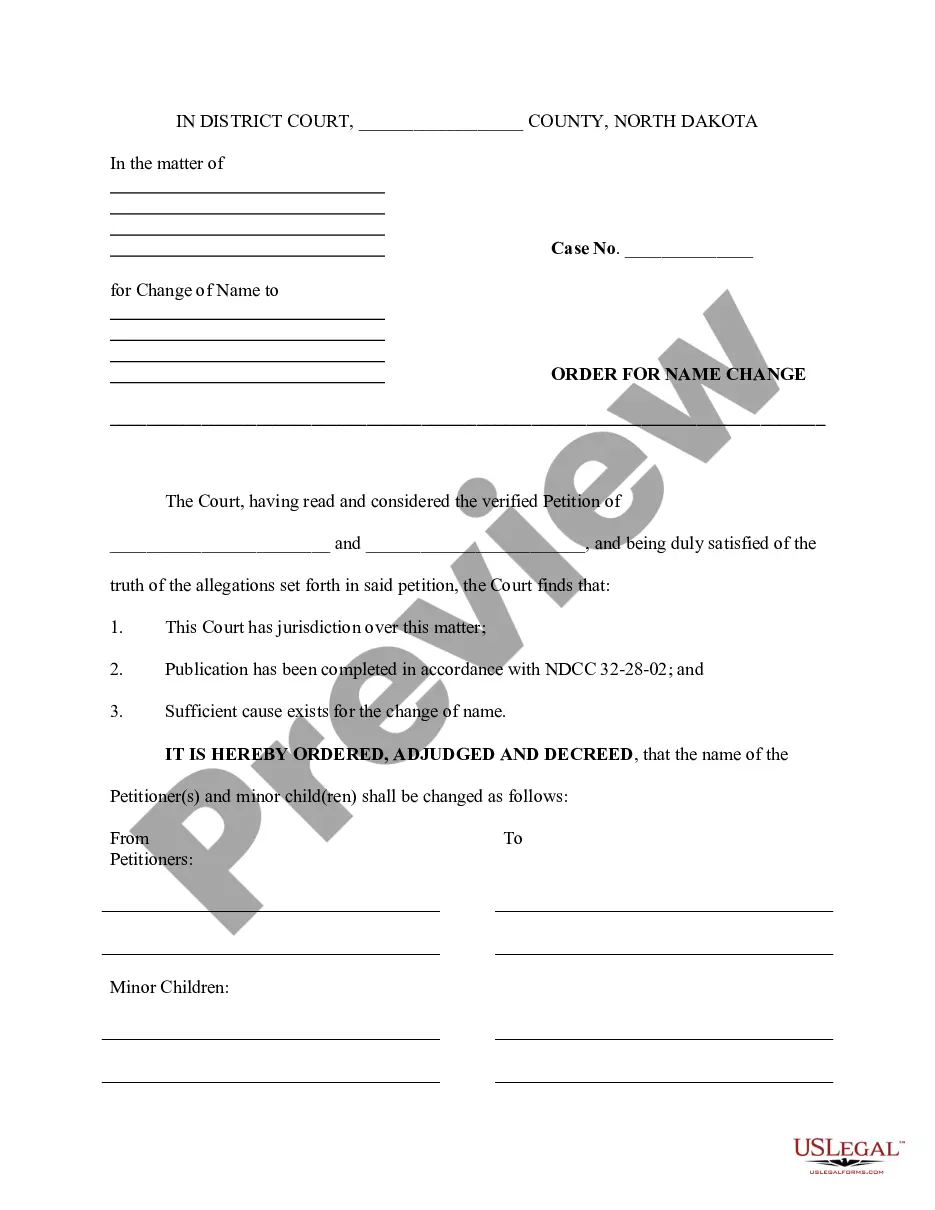
North Dakota Order of Name Change
Overview of this form
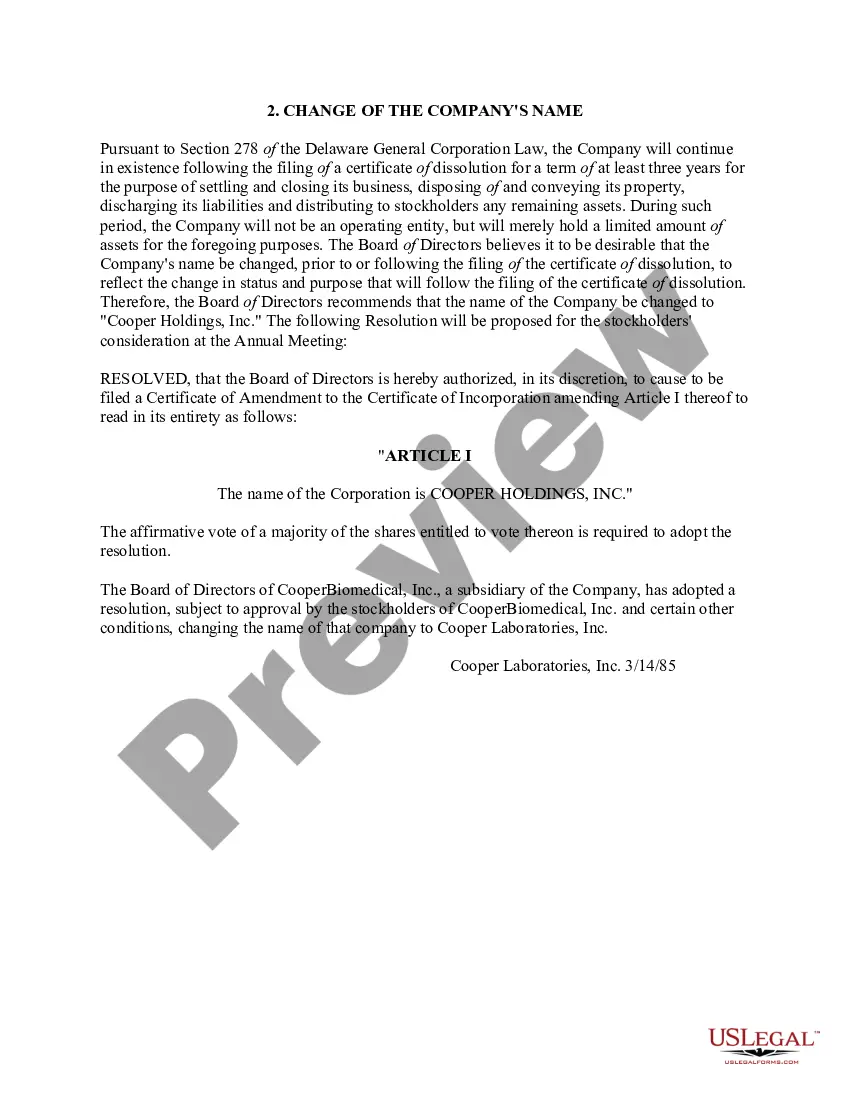
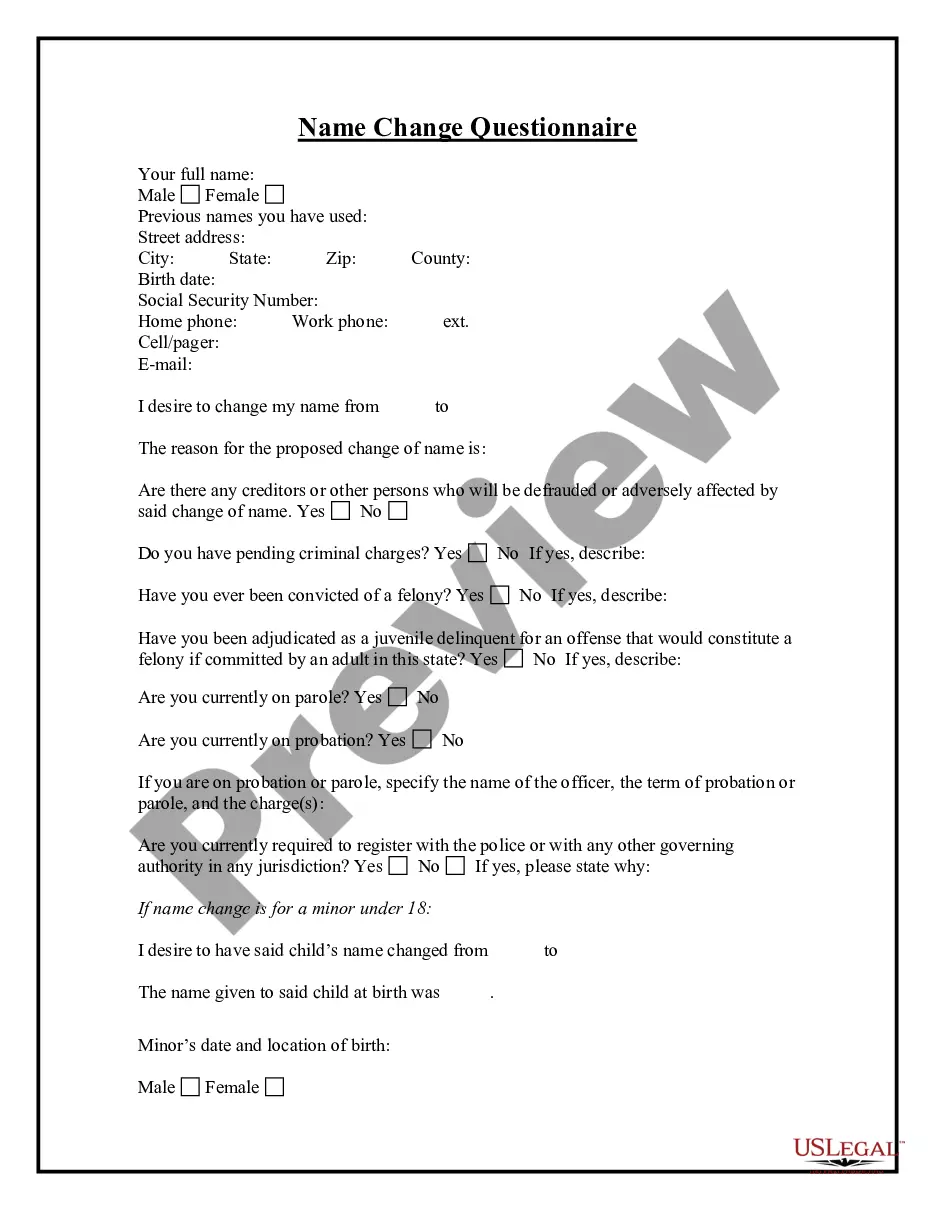
The Order of Name Change is a legal document that finalizes the process of changing an individual's name as recognized by law. This form is essential for ensuring that the name change is officially acknowledged by the court and becomes effective once signed by a judge. It differs from other name change forms in that it serves as the final order, affirming that all required procedures, such as publication, have been completed.
What’s included in this form
- Jurisdiction Clause: States the court's authority over the name change matter.
- Publication Confirmation: Verifies compliance with local publication requirements.
- Cause for Change: Demonstrates sufficient cause for the requested name change.
- Name Change Details: Specifies the new name to be used by the petitioner(s) and minor child(ren).
- Judge's Signature: Required for the form to be legally recognized.


Situations where this form applies
This form should be used when an individual or parent wishes to legally change their name or the name of their minor child. It is applicable after you have fulfilled all preliminary requirements, such as providing notice through publication and attending a court hearing. Use this form to finalize the name change with the court's approval.
Who should use this form
- Individuals seeking to change their name legally.
- Parents wishing to alter the name of their minor child.
- Guardians or representatives acting on behalf of a minor or dependent.
Instructions for completing this form
- Identify the petitioner(s) and the minor child(ren) whose names are being changed.
- Indicate the current names and the desired new names for each individual.
- Provide details confirming that the publication of notice has been completed as required.
- State the reasons for the name change to establish sufficient cause.
- Sign and date the form in the presence of a notary public if required.
Is notarization required?
This form does not typically require notarization unless specified by local law in {state}. If notarization is needed, ensure the form is signed in front of a notary public.
Get your form ready online
Our built-in tools help you complete, sign, share, and store your documents in one place.
Make edits, fill in missing information, and update formatting in US Legal Forms—just like you would in MS Word.
Download a copy, print it, send it by email, or mail it via USPS—whatever works best for your next step.
Sign and collect signatures with our SignNow integration. Send to multiple recipients, set reminders, and more. Go Premium to unlock E-Sign.
If this form requires notarization, complete it online through a secure video call—no need to meet a notary in person or wait for an appointment.
We protect your documents and personal data by following strict security and privacy standards.

Make edits, fill in missing information, and update formatting in US Legal Forms—just like you would in MS Word.

Download a copy, print it, send it by email, or mail it via USPS—whatever works best for your next step.

Sign and collect signatures with our SignNow integration. Send to multiple recipients, set reminders, and more. Go Premium to unlock E-Sign.

If this form requires notarization, complete it online through a secure video call—no need to meet a notary in person or wait for an appointment.

We protect your documents and personal data by following strict security and privacy standards.
Common mistakes
- Failing to provide proper evidence of publication.
- Not specifying all parties involved in the name change.
- Omitting details of the new name or reasons for the change.
- Not signing the form in the appropriate location.
Benefits of completing this form online
- Convenience: Easily access and download the form at any time.
- Editability: Fill in the form at your own pace and make changes as needed.
- Compliance: Forms are drafted by licensed attorneys to meet legal requirements.
What to keep in mind
- The Order of Name Change is the final legal document needed to effectuate a name change.
- Ensure all publication requirements and reasons for the change are documented in the form.
- This form should be used by individuals or parents wishing to change names legally.
Looking for another form?




Form popularity
FAQ
The process to legally change your name is the same whether you want to change your first or last name. Although the steps vary by state, almost every state requires you to file a petition with the county court where you live, seeking the court's permission for your proposed change.
You probably expect to need to update your Social Security information and your credit cards, but there are plenty of other people who need to know about your new name as well. "A name change can have an impact on your taxes. All the names on your tax return must match Social Security Administration records.
Note: In California, you generally have the legal right to change your name simply by using a new name in all aspects of your life, also known as the "usage method." BUT, with few exceptions, government agencies require a court order as official proof of a name change so getting a court order is the best way to make
Fill out Form SS-5, which is an application for a Social Security card. You'll also need to submit: Your legal name change document (the marriage certificate or court order) Proof of identity (a current driver's license or state ID)
Social Security Administration. Department of Motor Vehicles. Passport Office. Post Office. IRS. Voter Registration. Banks and other financial institutions. Credit Card companies (or issuers)
Legally changing your name does offer quite a few potential benefits. First of all, it can give you a fresh start. Whether you want to put a difficult past behind you, escape the attentions of a stalker or start fresh during a new phase in your life, a legal name change can be very empowering.
Social Security Administration. Department of Motor Vehicles. Passport Office. Post Office. IRS. Voter Registration. Banks and other financial institutions. Credit Card companies (or issuers)
A: The main reasons why a judge would not agree to change your name are: If the judge finds that you are changing your name to commit fraud, or. If the judge finds that you are changing your name to hide from the law or the police or for some other illegal reason.