North Dakota Framing Contract for Contractor
Overview of this form
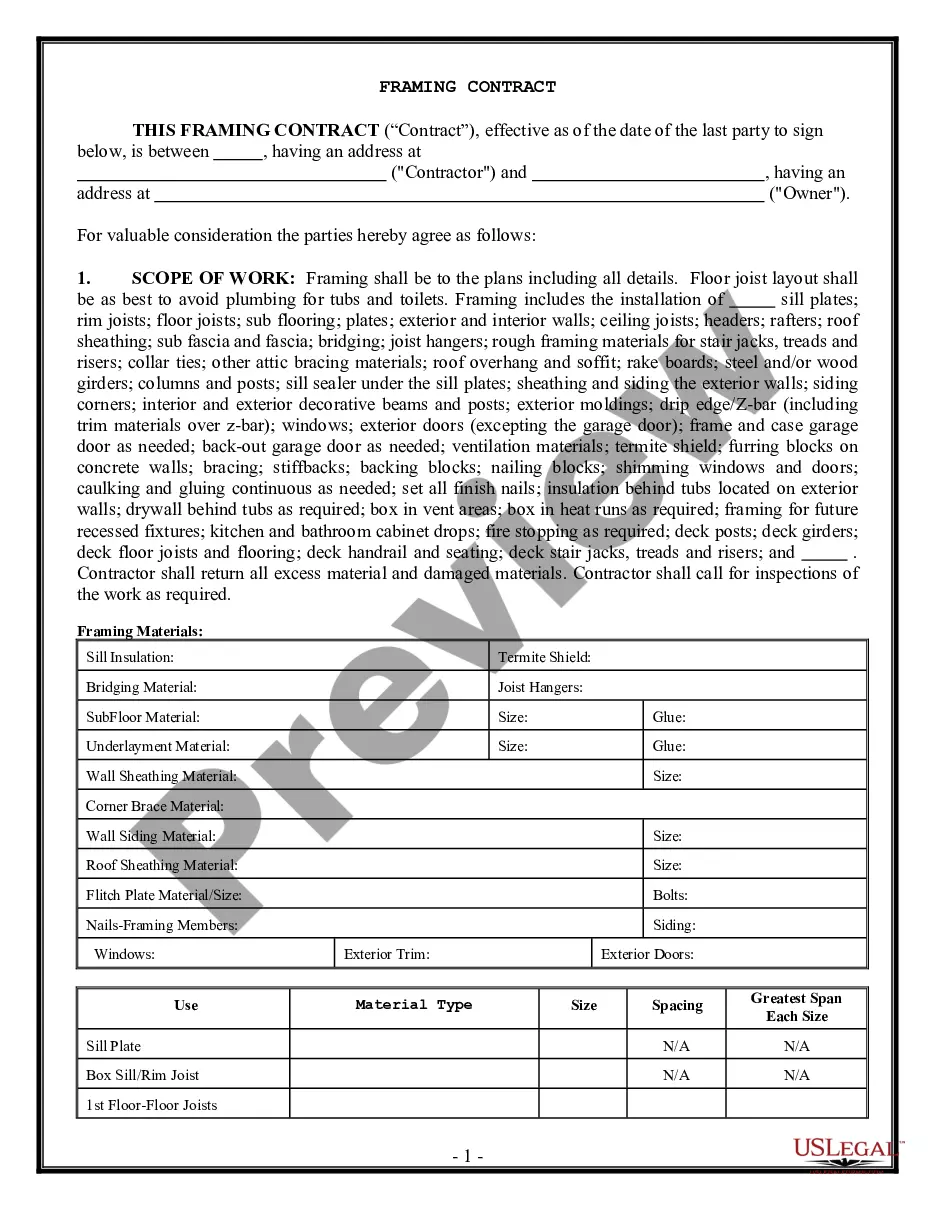
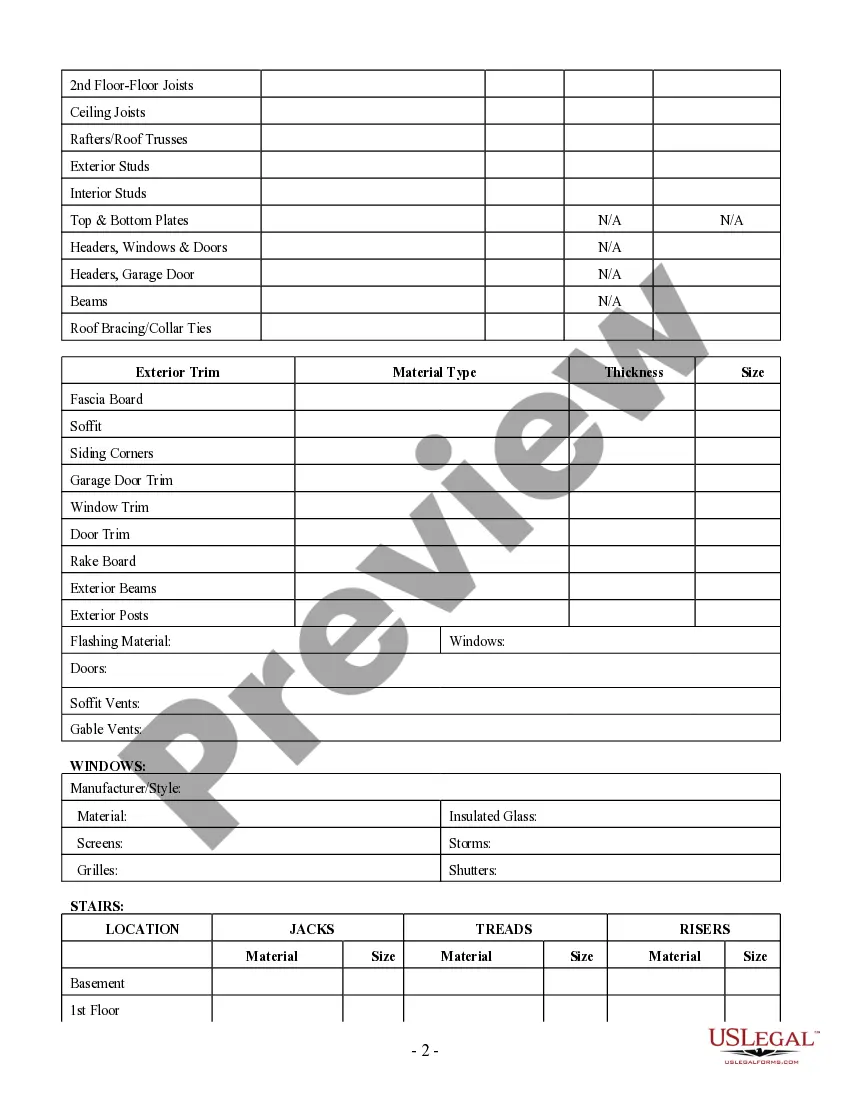
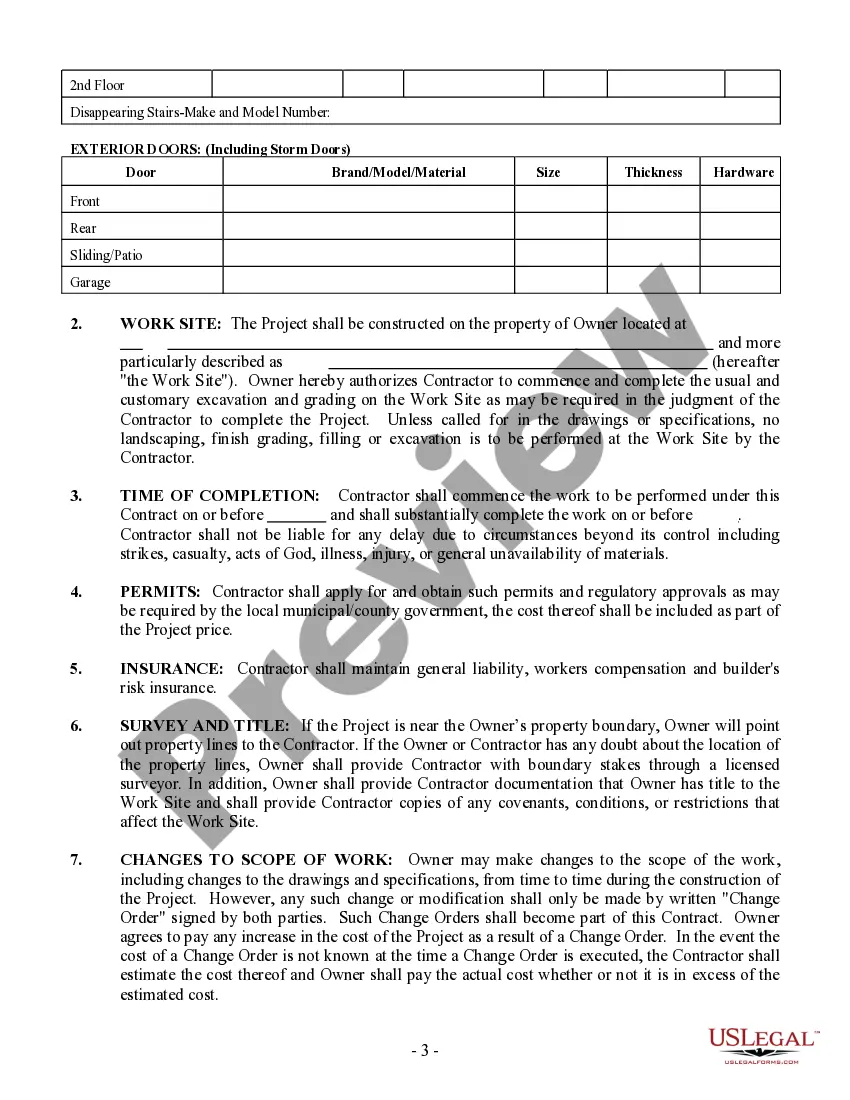
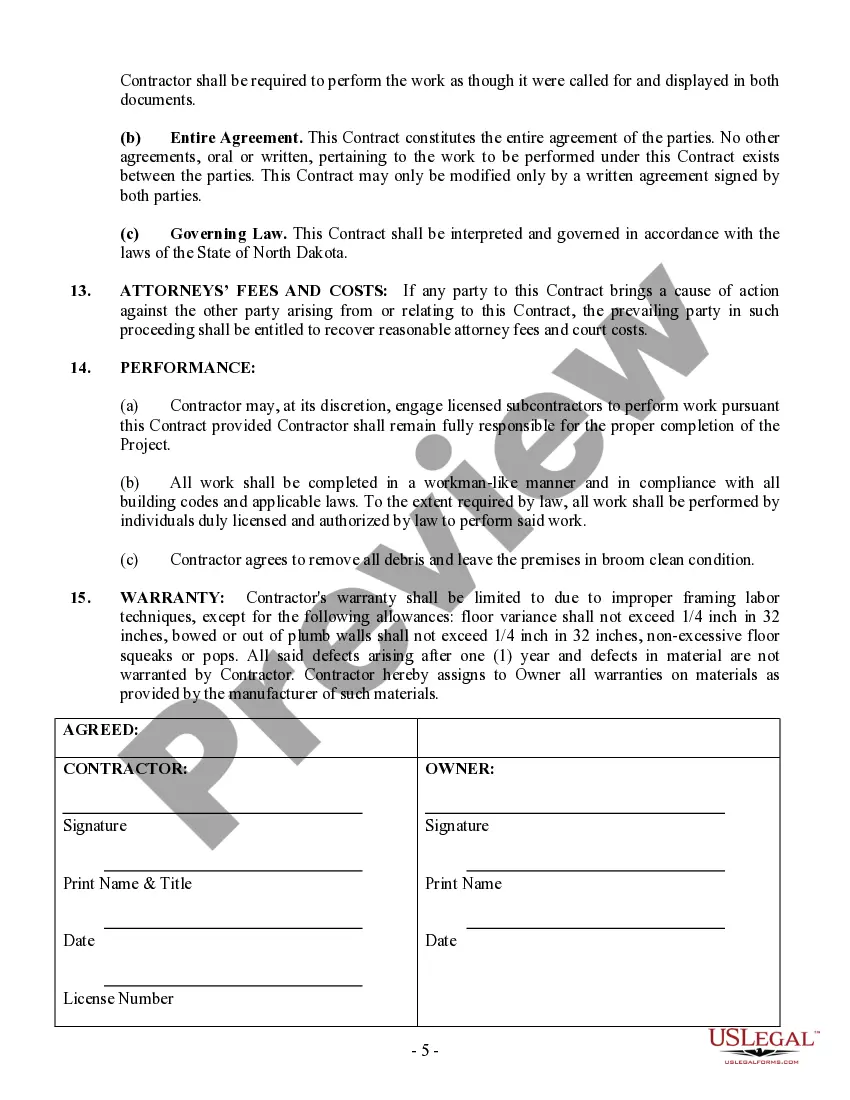
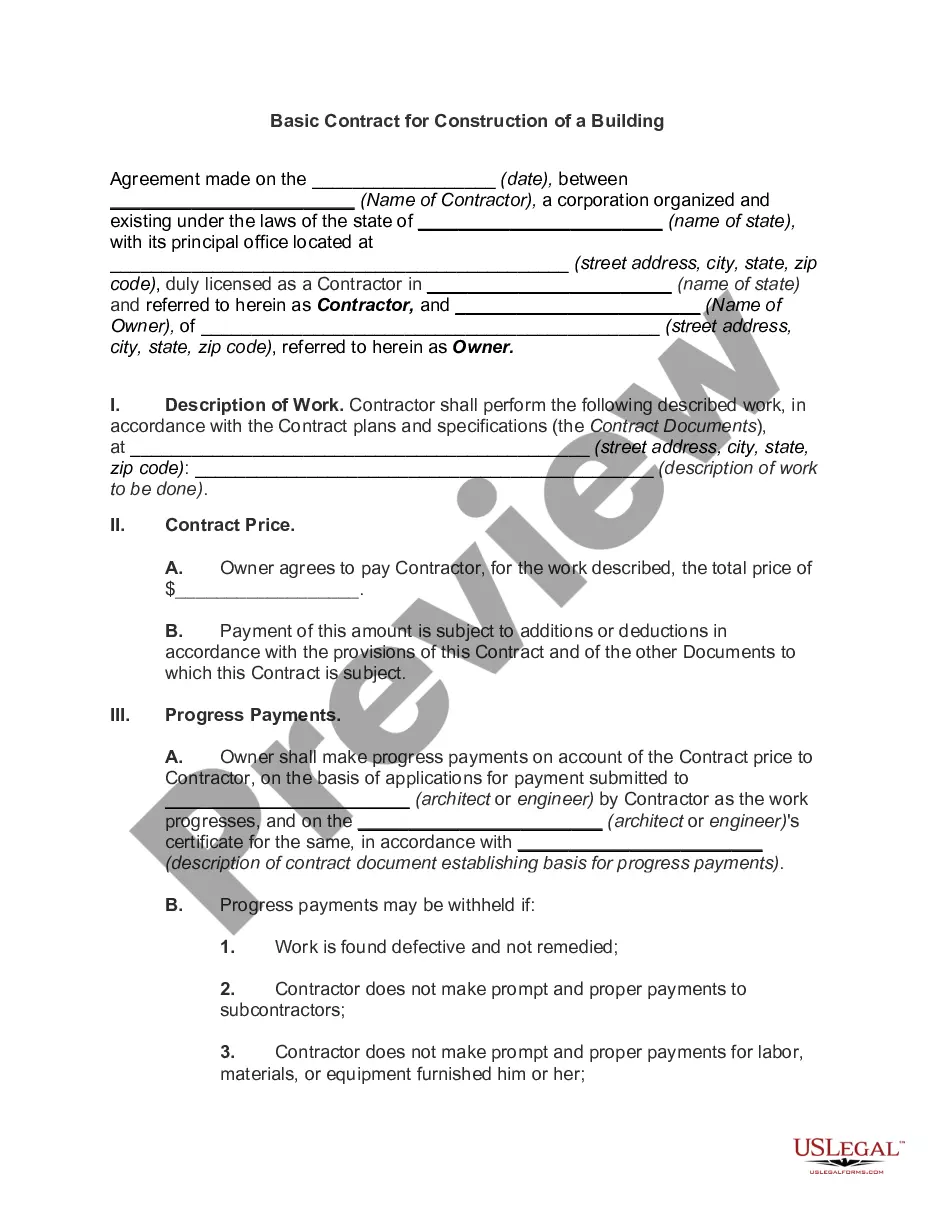
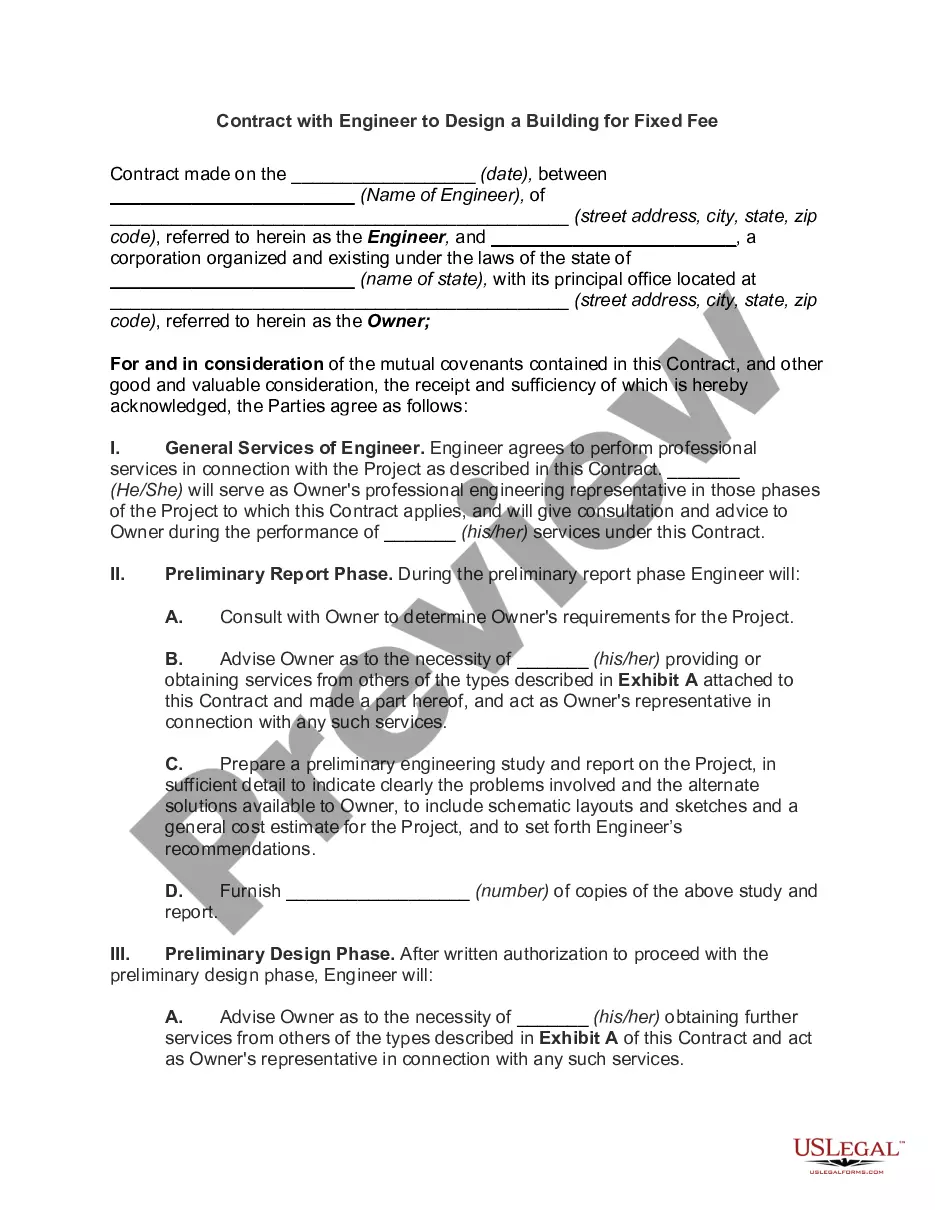
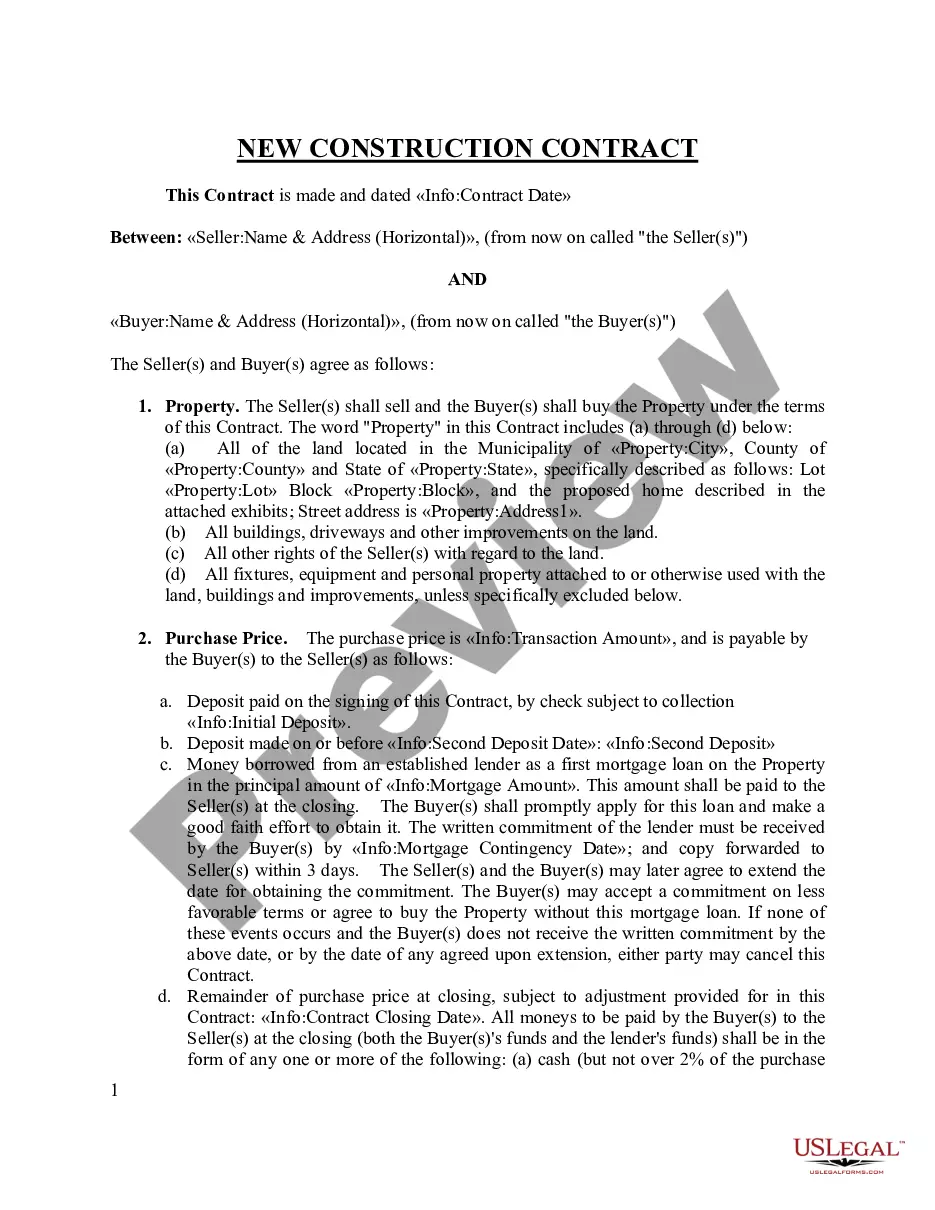
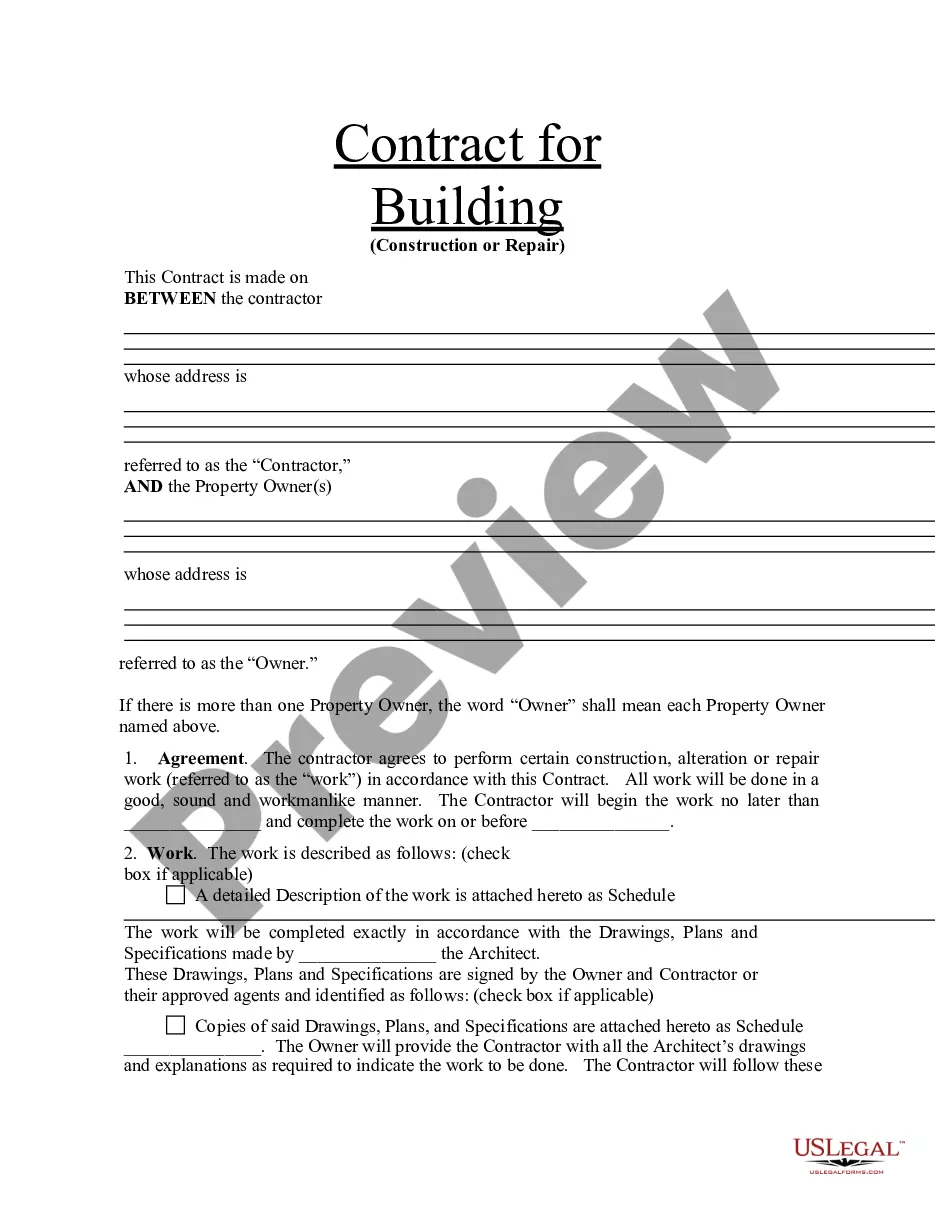
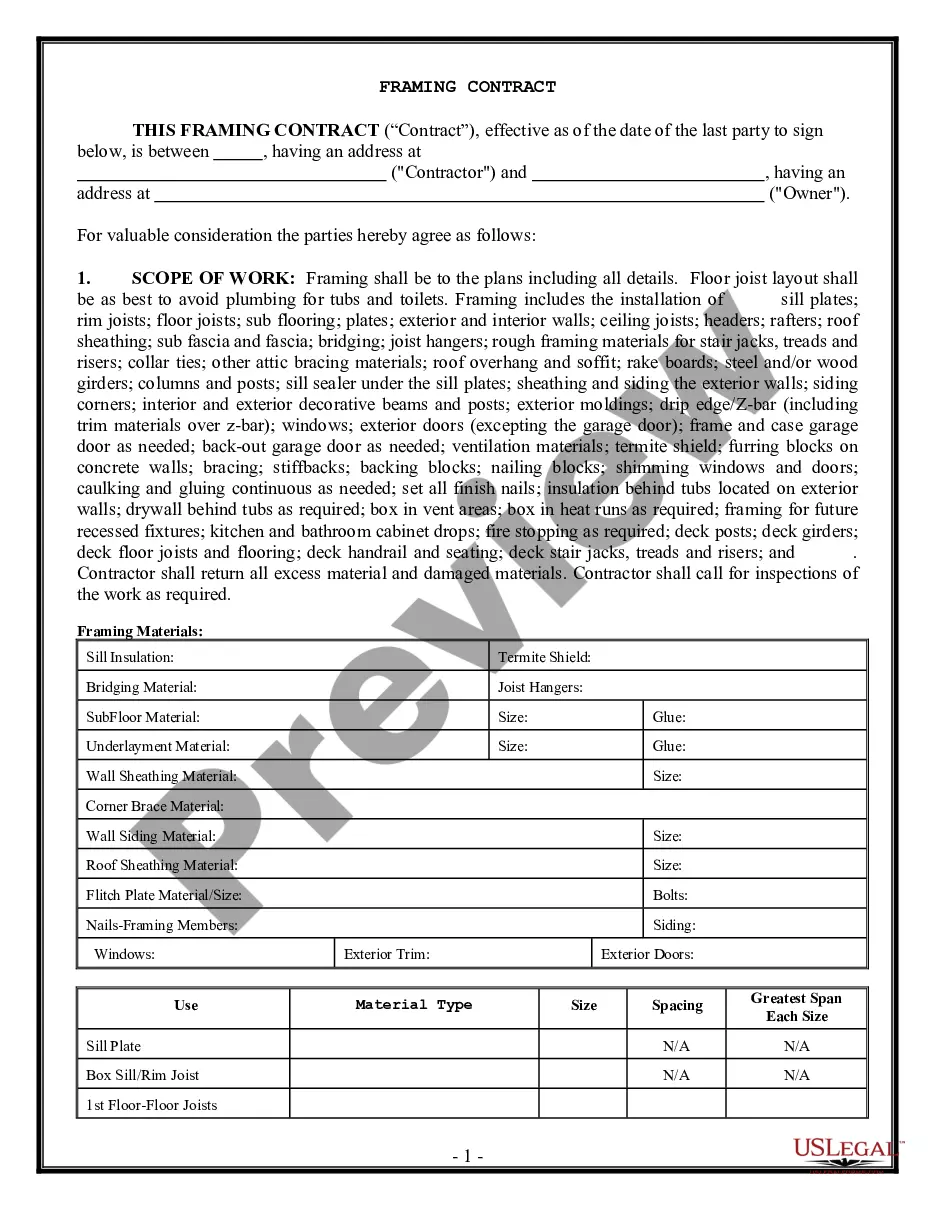
The Framing Contract for Contractor is a legal document designed to outline the agreement between framing contractors and property owners. This contract specifies payment arrangements, work site responsibilities, and essential elements such as change orders, warranties, and insurance requirements. It is tailored to comply with North Dakota laws, making it a reliable resource for legal framing agreements within this jurisdiction.
Key parts of this document
- Permits: Mandates the contractor to obtain necessary permits and regulatory approvals.
- Insurance: Requires the contractor to maintain essential insurance types, including general liability and workers' compensation.
- Changes to scope of work: Details the procedure for modifying project specifications via written change orders.
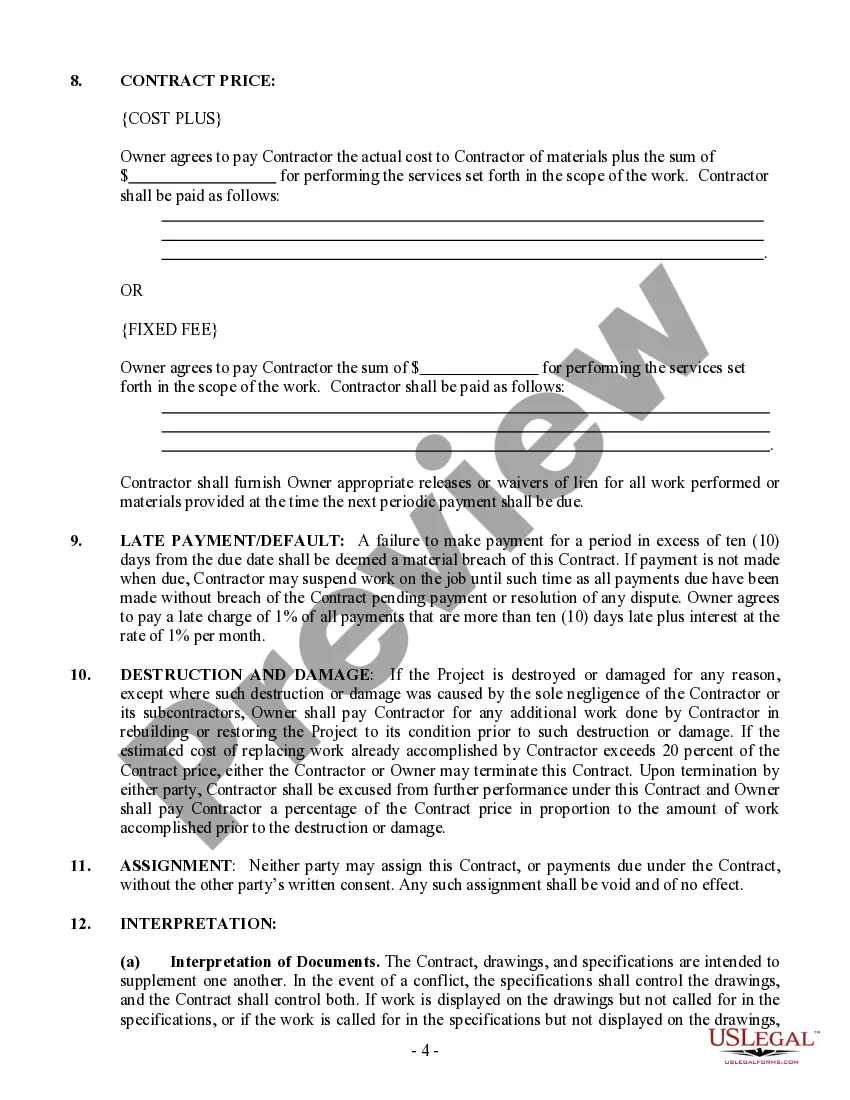
- Destruction and damage: Outlines actions to be taken if the project is damaged and the conditions for contract termination.
- Assignment: Specifies that neither party can transfer rights or obligations without written consent.

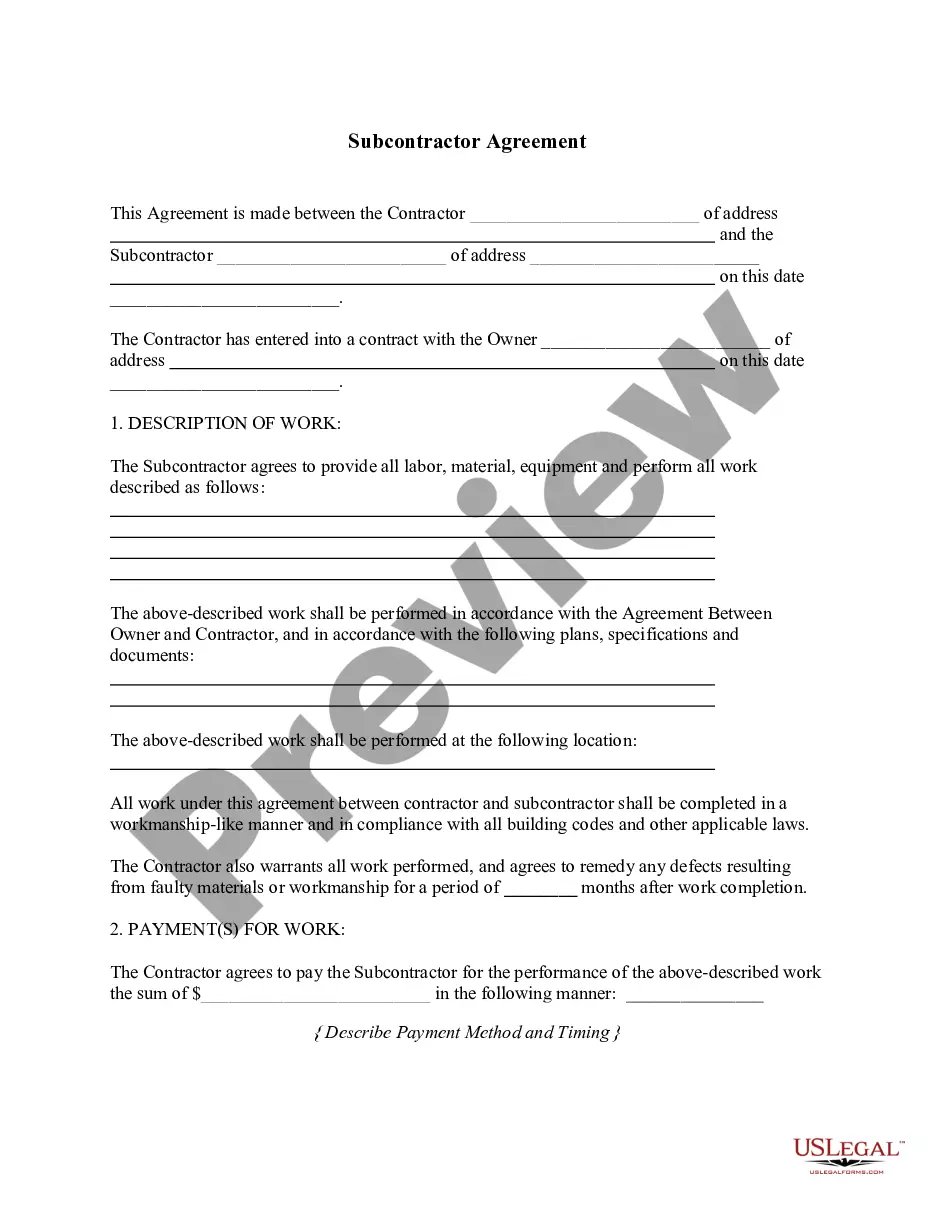
When this form is needed
This form is essential when a property owner hires a framing contractor for building or remodeling projects. It should be used to establish clear terms and expectations, particularly in situations involving cost-plus or fixed-fee payment arrangements. Use this contract to prevent misunderstandings regarding project scope, payment, and liability for damages.
Who this form is for
- Property owners looking to hire a framing contractor for construction projects.
- Framing contractors seeking to formalize agreements with property owners.
- Individuals or businesses involved in construction who require clear contract terms to protect their interests.
How to prepare this document
- Identify the parties involved by providing their names and addresses.
- Specify the work to be done, including details about the project scope.
- Decide on the payment structure, either cost-plus or fixed fee, and complete that section.
- Include necessary insurance details and permit requirements.
- Enter dates and ensure all parties sign the contract to make it legally binding.
Notarization guidance
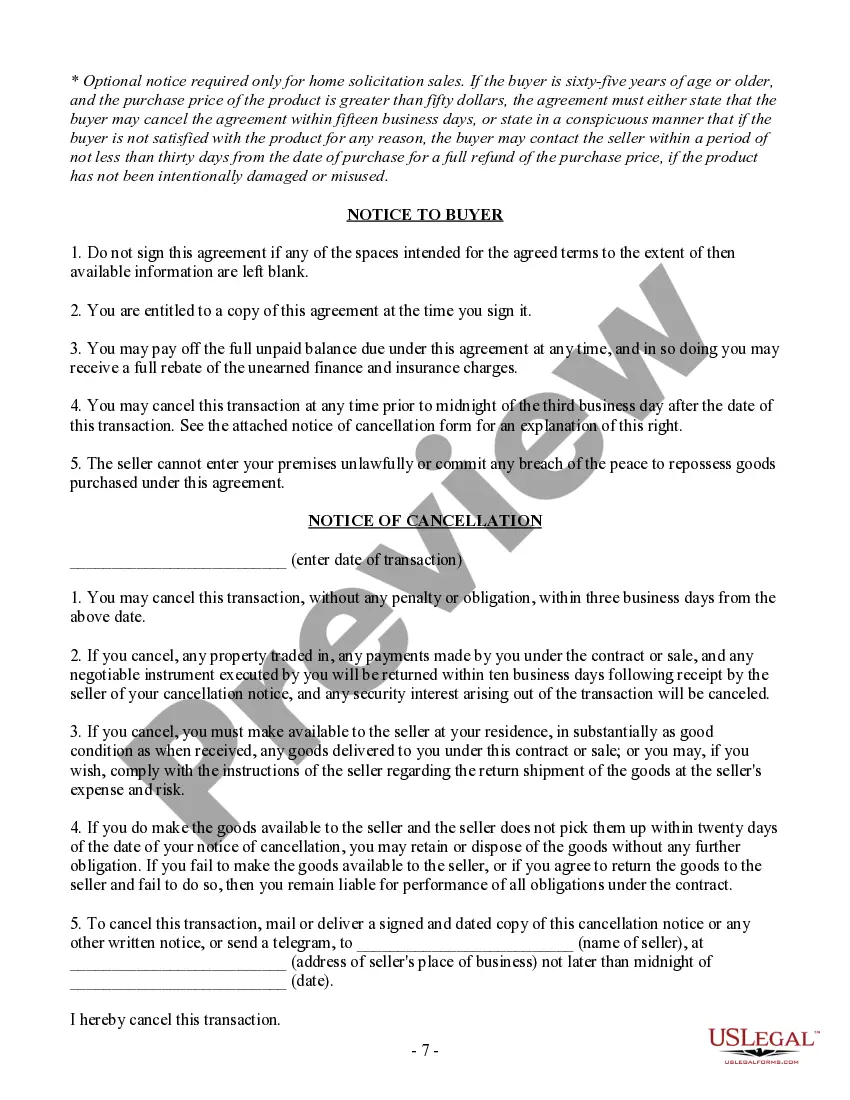
In most cases, this form does not require notarization. However, some jurisdictions or signing circumstances might. US Legal Forms offers online notarization powered by Notarize, accessible 24/7 for a quick, remote process.
Get your form ready online
Our built-in tools help you complete, sign, share, and store your documents in one place.
Make edits, fill in missing information, and update formatting in US Legal Forms—just like you would in MS Word.
Download a copy, print it, send it by email, or mail it via USPS—whatever works best for your next step.
Sign and collect signatures with our SignNow integration. Send to multiple recipients, set reminders, and more. Go Premium to unlock E-Sign.
If this form requires notarization, complete it online through a secure video call—no need to meet a notary in person or wait for an appointment.
We protect your documents and personal data by following strict security and privacy standards.

Make edits, fill in missing information, and update formatting in US Legal Forms—just like you would in MS Word.

Download a copy, print it, send it by email, or mail it via USPS—whatever works best for your next step.

Sign and collect signatures with our SignNow integration. Send to multiple recipients, set reminders, and more. Go Premium to unlock E-Sign.

If this form requires notarization, complete it online through a secure video call—no need to meet a notary in person or wait for an appointment.

We protect your documents and personal data by following strict security and privacy standards.
Mistakes to watch out for
- Leaving important fields blank, such as project details or payment terms.
- Failing to obtain all necessary signatures from both parties.
- Not keeping a copy of the contract for personal records.
- Neglecting to document change orders in writing, which can lead to disputes.
Benefits of completing this form online
- Immediate access to professionally drafted legal templates ensures accuracy and compliance.
- Downloadable formats allow for easy edits and customizations tailored to specific projects.
- Helps avoid delays in projects by streamlining the contract drafting process.
Looking for another form?
Form popularity
FAQ
Each contractor who works on a project and the price per job, value, contractor, or cost goes over $2,000 is required to obtain a Contractor License for North Dakota. There are four licensure classes that are based on price per job, value, or cost.
A general contractor's responsibilities may include applying for building permits, advising the person they are hired by, securing the property, providing temporary utilities on site, managing personnel on site, providing site surveying and engineering, disposing or recycling of construction waste, monitoring schedules
If you're just starting a construction or contracting company, you'll need to apply for a general business license. Whether you need additional specialized contractor or construction licenses depends on state and local laws and the type of projects you work on.
General Contractor. An "independent contractor" is an entity with whom a principal/owner directly contracts to perform a certain task or tasks. A "general contractor" is an entity with whom the principal/owner directly contracts to perform certain jobs.
Not every North Dakota business needs a license. However, many types of business either can or must get one or more licenses. Different types of licenses and permits are issued by different state agencies. You can find more information by going to the Licensing Information section of the nd.gov website.
Complete a Contractor's Application (SFN 12012) using the exact name your business is registered under. The application requires a statement of the applicant's experience and qualifications as a contractor, which will be signed under oath. You must be 18 years of age or older to sign this certificate.
To become a general contractor, you need at least a high school diploma, but there is an increase in a need for a bachelor's degree or at least an associate degree, plus years of construction industry experience. Regardless of education though, experience in the industry is the most important requirement.