Mississippi Affidavit of Nonpayment by Mechanic or Subcontractor
Overview of this form
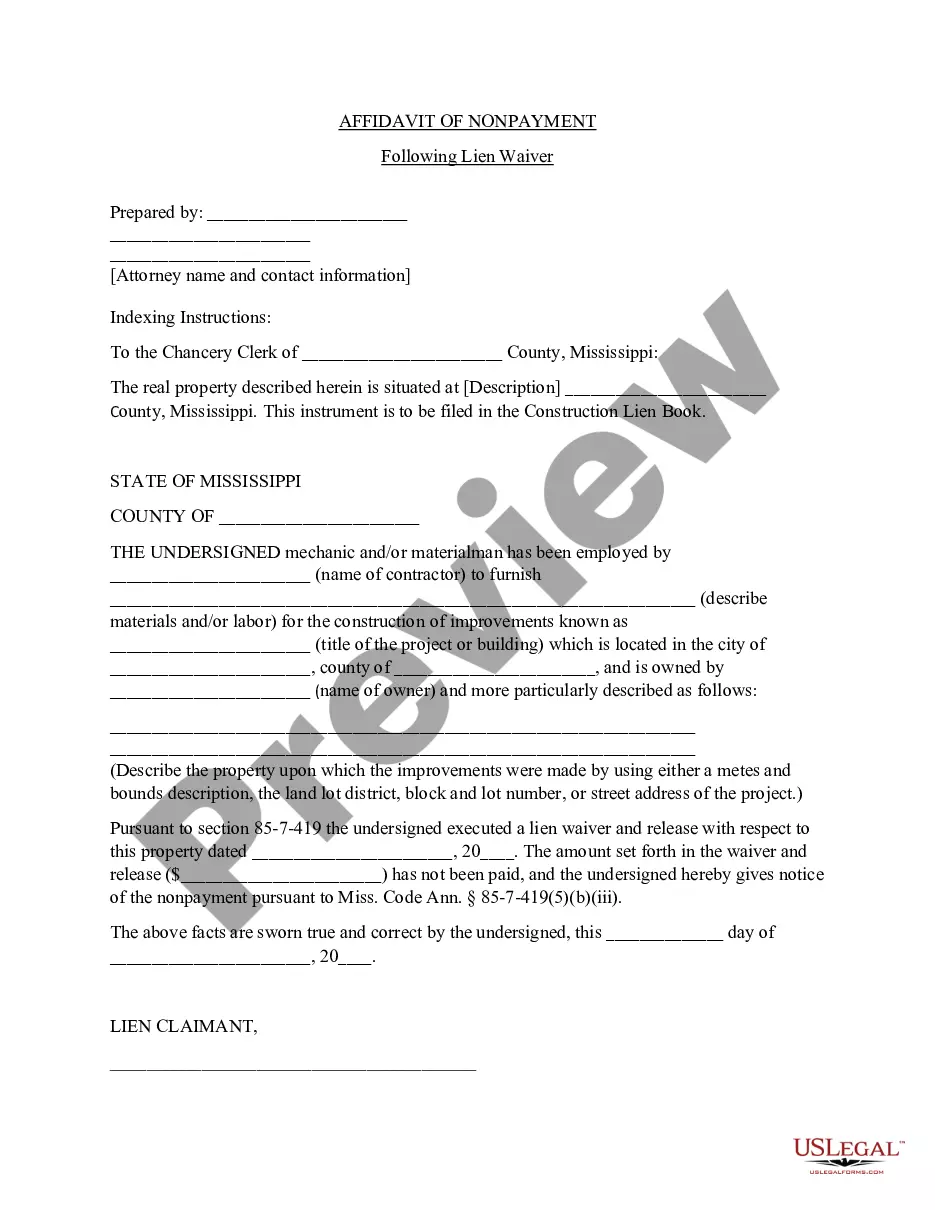
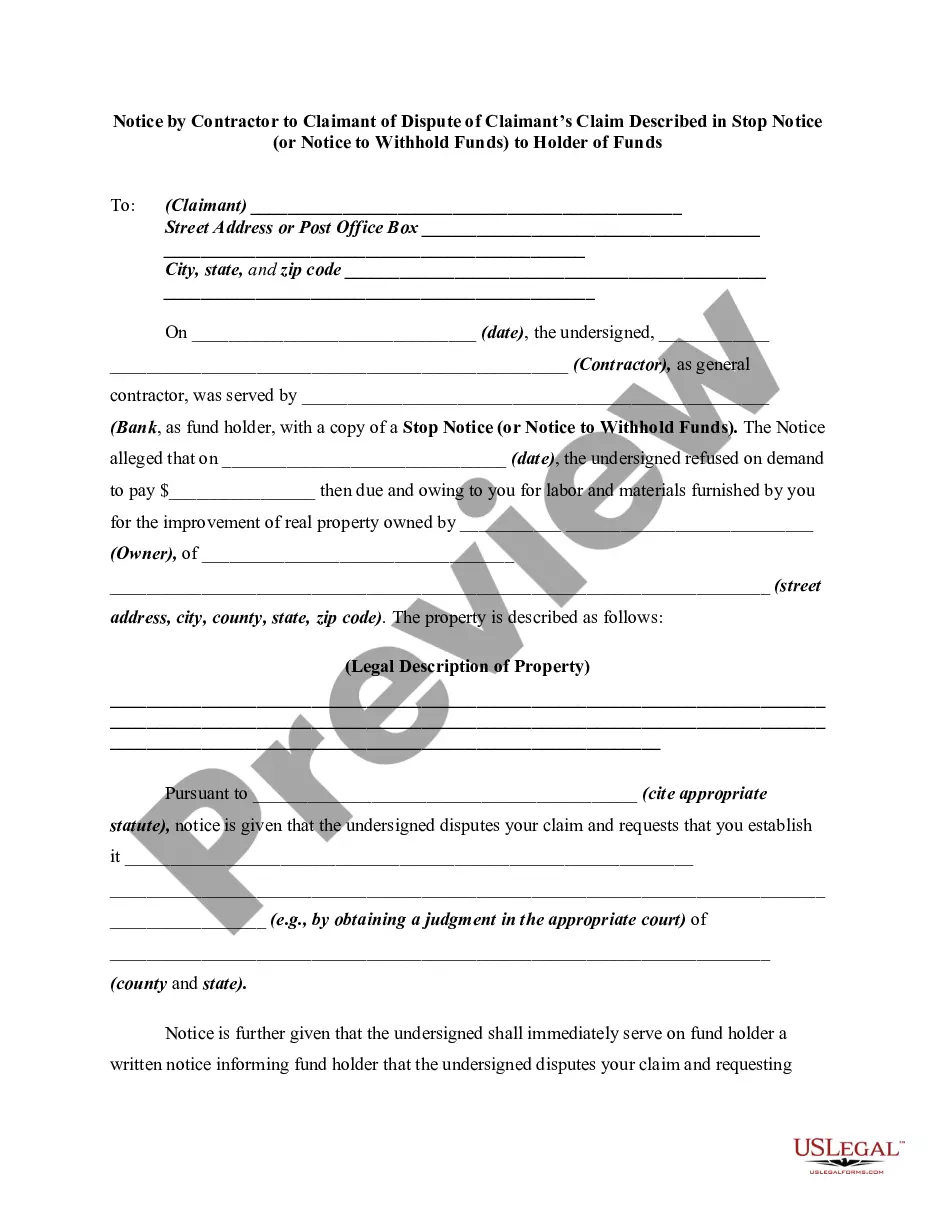
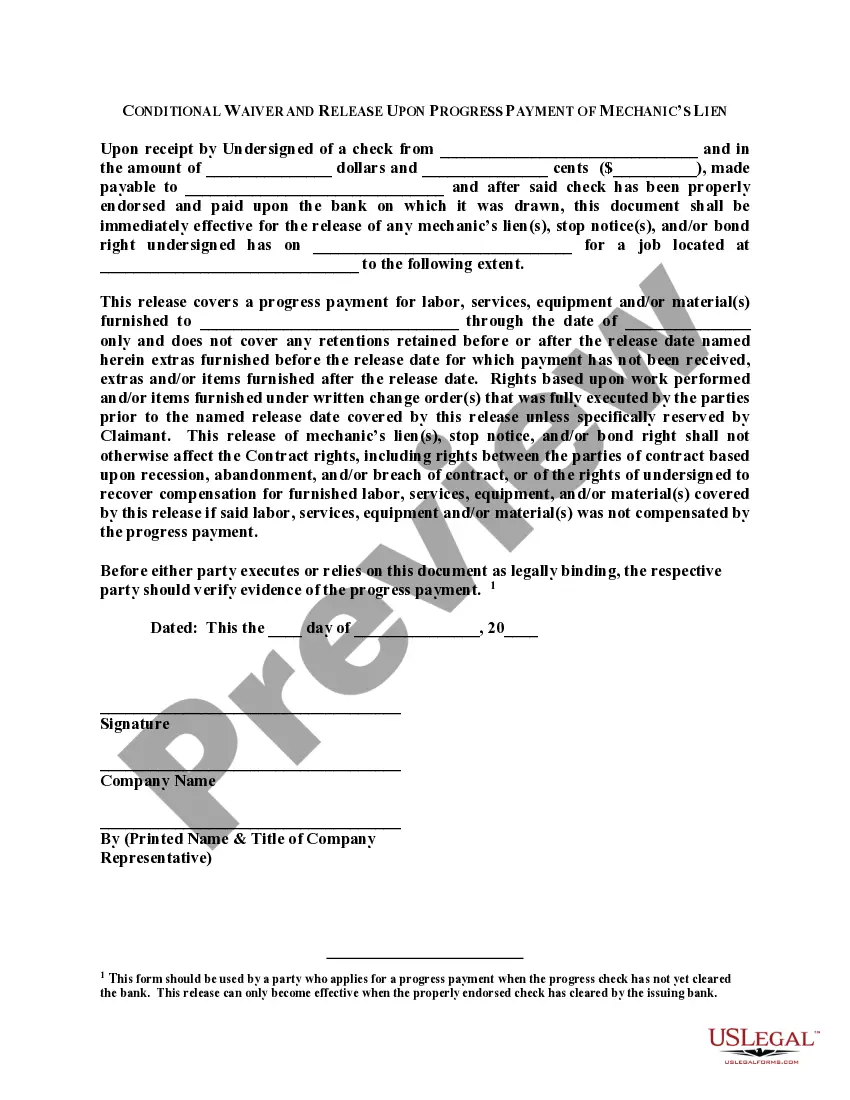
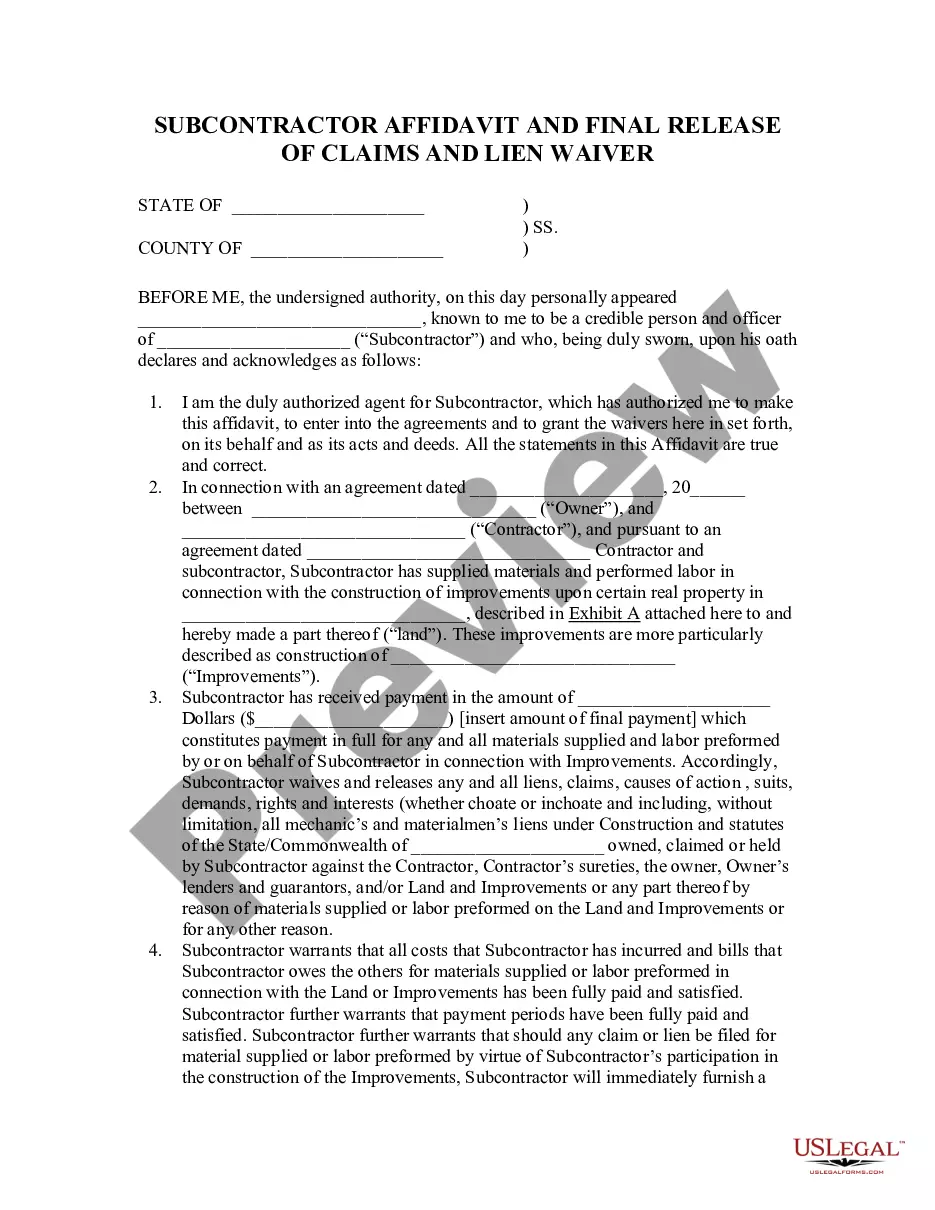
The Affidavit of Nonpayment by Mechanic or Subcontractor is a legal document utilized to provide formal notice, under oath, that a payment due for services or materials rendered in a construction project has not been received. This affidavit is specifically filed after executing a Lien Waiver and Release Upon Payment, and it serves to assert the claimant's right to payment despite previous waivers. It differs from general lien forms by focusing on nonpayment issues specifically related to lien waivers and releases in the construction context.
Key components of this form
- The names and contact information of the attorney and the contractor involved.
- A description of the materials and/or labor provided for the construction project.
- The specific property details where the improvements were made.
- The amount owed as stated in the lien waiver that has not been paid.
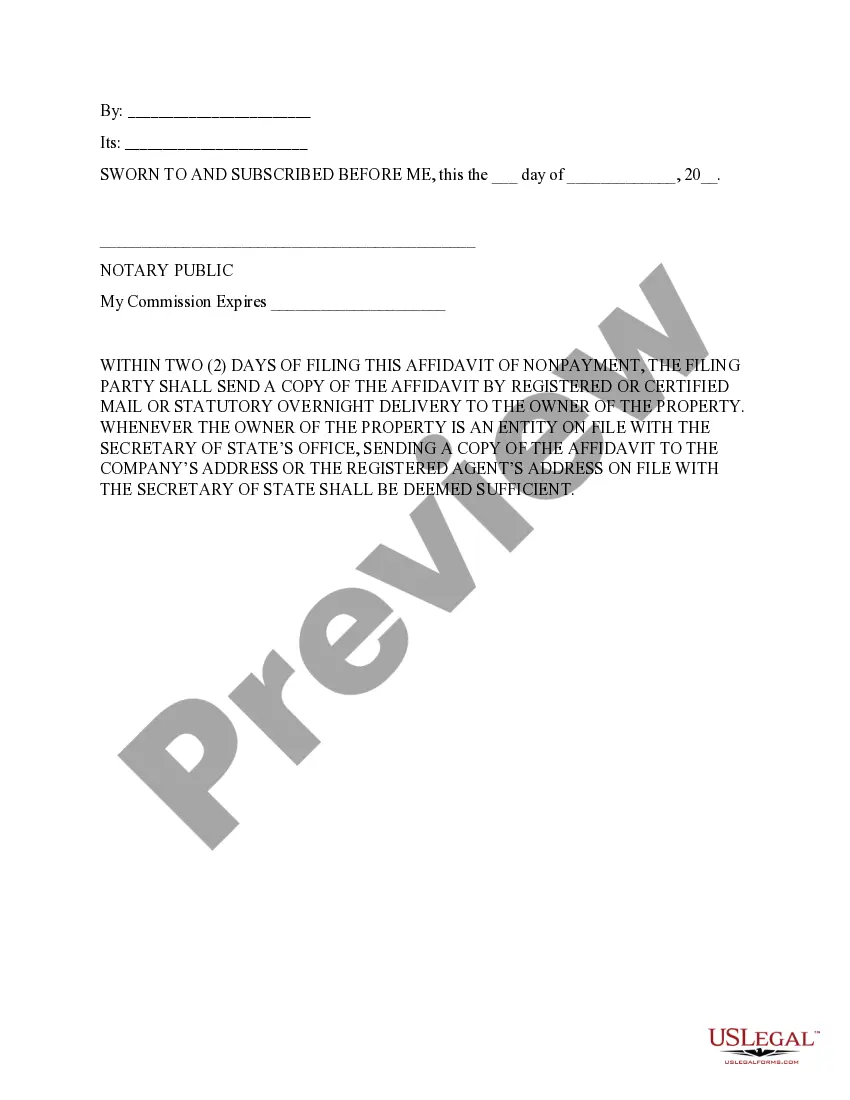
- Sworn statements by the mechanic or subcontractor that relate to nonpayment.
- Signature of a notary public to authenticate the affidavit.
Common use cases
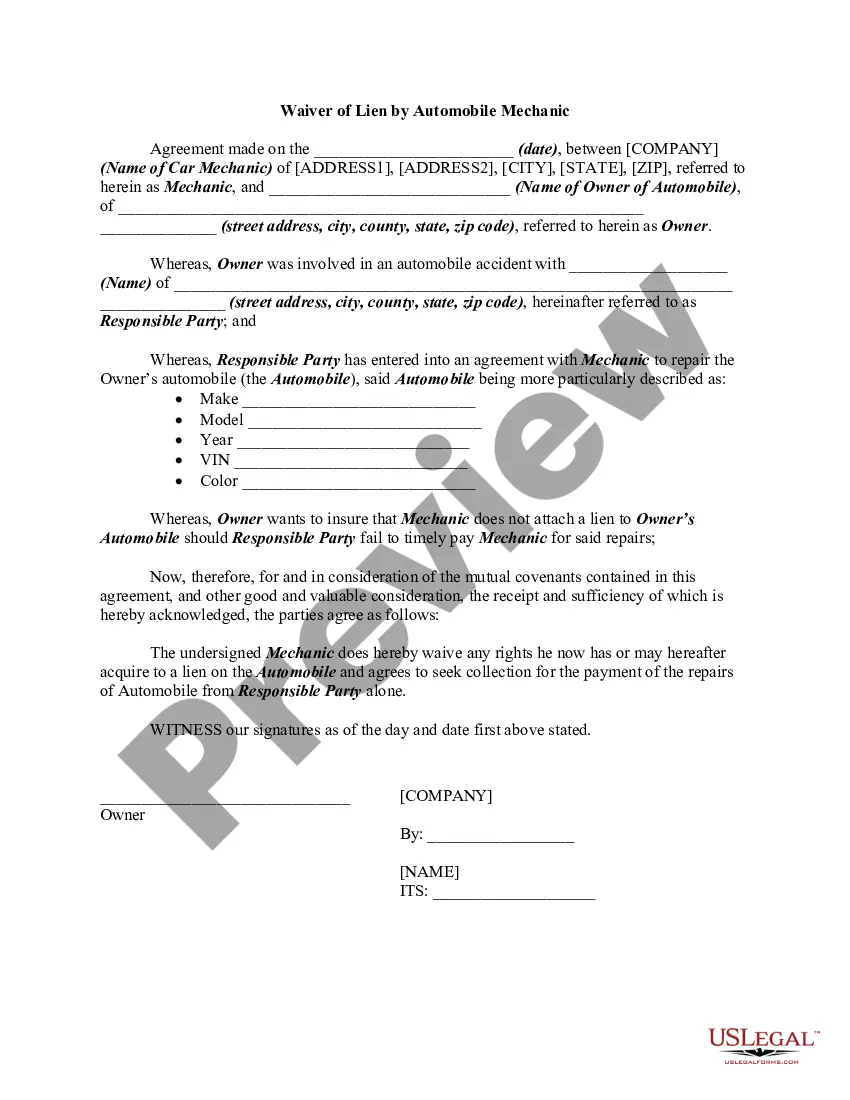
This form should be used when a mechanic or subcontractor has executed a lien waiver and release stating that a payment for services has been made, but the payment has not been received. It's critical in situations where the contractor or client fails to pay as agreed, allowing the claimant to formally notify the property owner and preserve their rights to collect the owed amount.
Who should use this form
- Mechanics and subcontractors who have not received payment for services rendered.
- Contractors needing to document and address nonpayment issues.
- Property owners receiving notice of nonpayment who want to understand their obligations.
- Legal representatives involved in construction or lien-related disputes.
How to prepare this document
- Identify and input the names and contact information of the attorney, the contractor, and the property owner.
- Enter a detailed description of the materials and labor supplied for the construction project.
- Specify the property's location and legally describe it, using the relevant land description methods.
- Include the date of the original lien waiver and the amount that remains unpaid.
- Sign the affidavit in front of a notary public and ensure it is dated correctly.
Is notarization required?
Yes, this form must be notarized to be legally valid. Having the affidavit notarized creates a record of the signing and helps corroborate the identity of the signer, which is important in legal contexts. US Legal Forms offers integrated online notarization, available 24/7 via secure video call, ensuring convenience and compliance without the need for travel.
Get your form ready online
Our built-in tools help you complete, sign, share, and store your documents in one place.
Make edits, fill in missing information, and update formatting in US Legal Forms—just like you would in MS Word.
Download a copy, print it, send it by email, or mail it via USPS—whatever works best for your next step.
Sign and collect signatures with our SignNow integration. Send to multiple recipients, set reminders, and more. Go Premium to unlock E-Sign.
If this form requires notarization, complete it online through a secure video call—no need to meet a notary in person or wait for an appointment.
We protect your documents and personal data by following strict security and privacy standards.

Make edits, fill in missing information, and update formatting in US Legal Forms—just like you would in MS Word.

Download a copy, print it, send it by email, or mail it via USPS—whatever works best for your next step.

Sign and collect signatures with our SignNow integration. Send to multiple recipients, set reminders, and more. Go Premium to unlock E-Sign.

If this form requires notarization, complete it online through a secure video call—no need to meet a notary in person or wait for an appointment.

We protect your documents and personal data by following strict security and privacy standards.
Typical mistakes to avoid
- Failing to include the precise property description, which is critical for legal enforceability.
- Neglecting to sign or improperly signing the document in front of a notary.
- Not sending a copy of the affidavit to the property owner within the required timeframe.
- Omitting details about the materials and services provided, which can weaken the claim.
Benefits of using this form online
- Quick and easy access to customized, attorney-drafted forms.
- Ability to download and complete the affidavit instantly.
- Editable templates that allow you to tailor the form to your specific situation.
- Secure storage of forms and documents for future reference.
Looking for another form?
Form popularity
FAQ
Even though these states may permit project participants to secure lien rights and claim a mechanics lien even without a written contract, it is generally best practice to have a signed written contract for work provided.
Where and how should you file the mechanics lien in Mississippi? The mechanics lien must be filed the chancery court where the project is located. You may have the mechanics lien recorded in the court by sending it via email together with the required lien fees, or you may also walk in and personally file it.
Prepare the lien document, taking care to include all the necessary information set forth above including the required statements. Sign the document. Deliver the lien must the office of the clerk of the chancery court of the county where the property is located.
Invalid Liens A lien stays in the county records and on your property title until you take action to remove it.If the contractor, subcontractor, laborer, or material supplier fails to follow any of the specific time frames, you can petition the court to remove the lien.
Legally, an unpaid contractor, subcontractor or supplier can file a lien (sometimes called a mechanic's lien) that could eventually force the sale of your home in place of compensation.Conversely, if the contractor who worked on your project does not pay for materials, a supplier could place a lien on your property.
The simplest way to prevent liens and ensure that subcontractors and suppliers are paid is to pay with joint checks. This is when both parties endorse the check. Compare the contractor's materials or labor bill to the schedule of payments in your contract and the Preliminary Notices.
In fact, the subcontractor doesn't have any contract with the owner neither written nor verbal!However, presuming that the subcontractor on the project has a written contract with someone, they can still file a lien even if they don't have a written agreement with the property owner.
If a general contractor refuses to pay his subcontractors, they can make a claim against the payment bond. The surety company will pay out the subcontractors for at least part of their money and take the contractor to court.
While they don't require lien filings to be notarized, they do require a lien filer to jump through various other hoops that, if not done properly, might cause your filing to be rejected or invalidated: Delaware.