North Carolina Power of Attorney Forms Package

About this form package
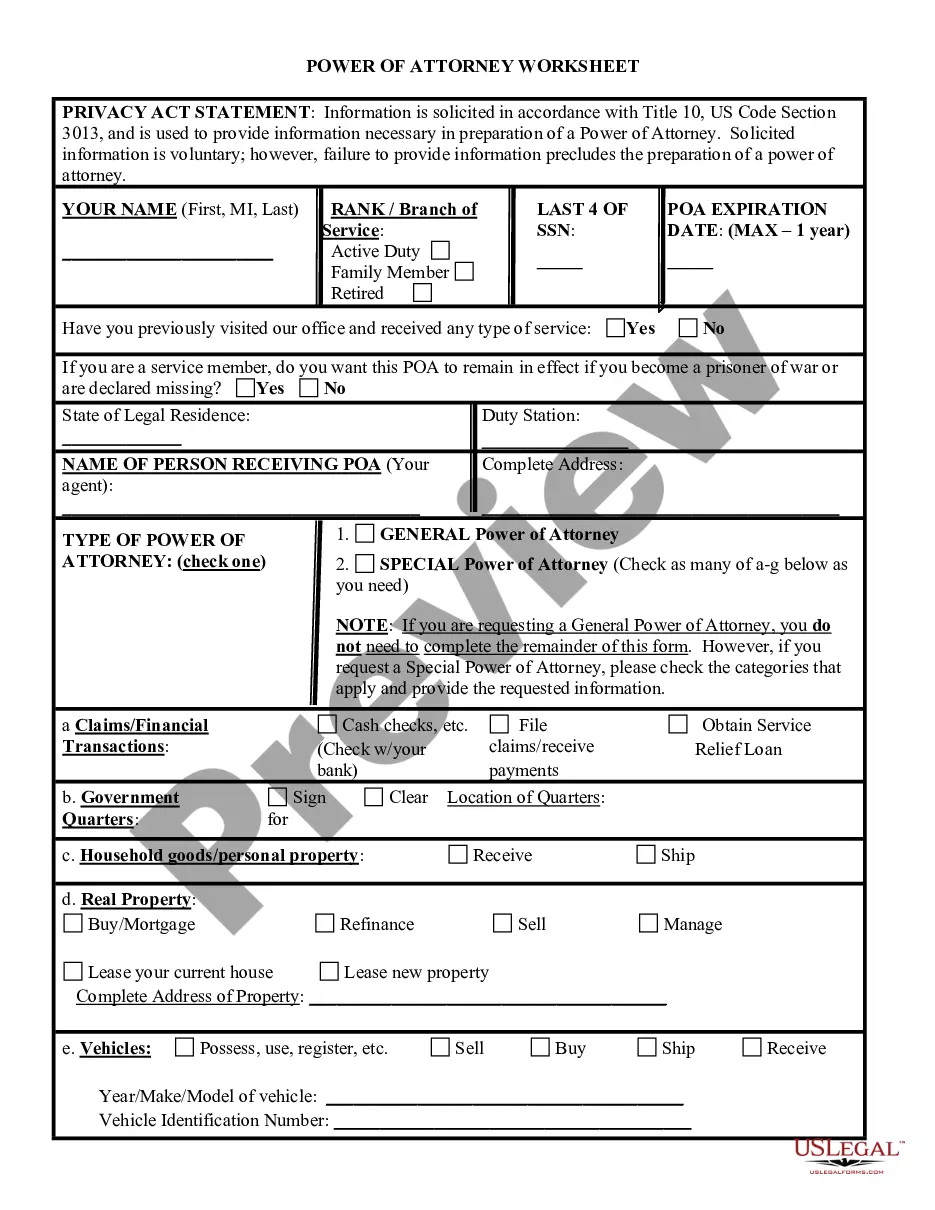
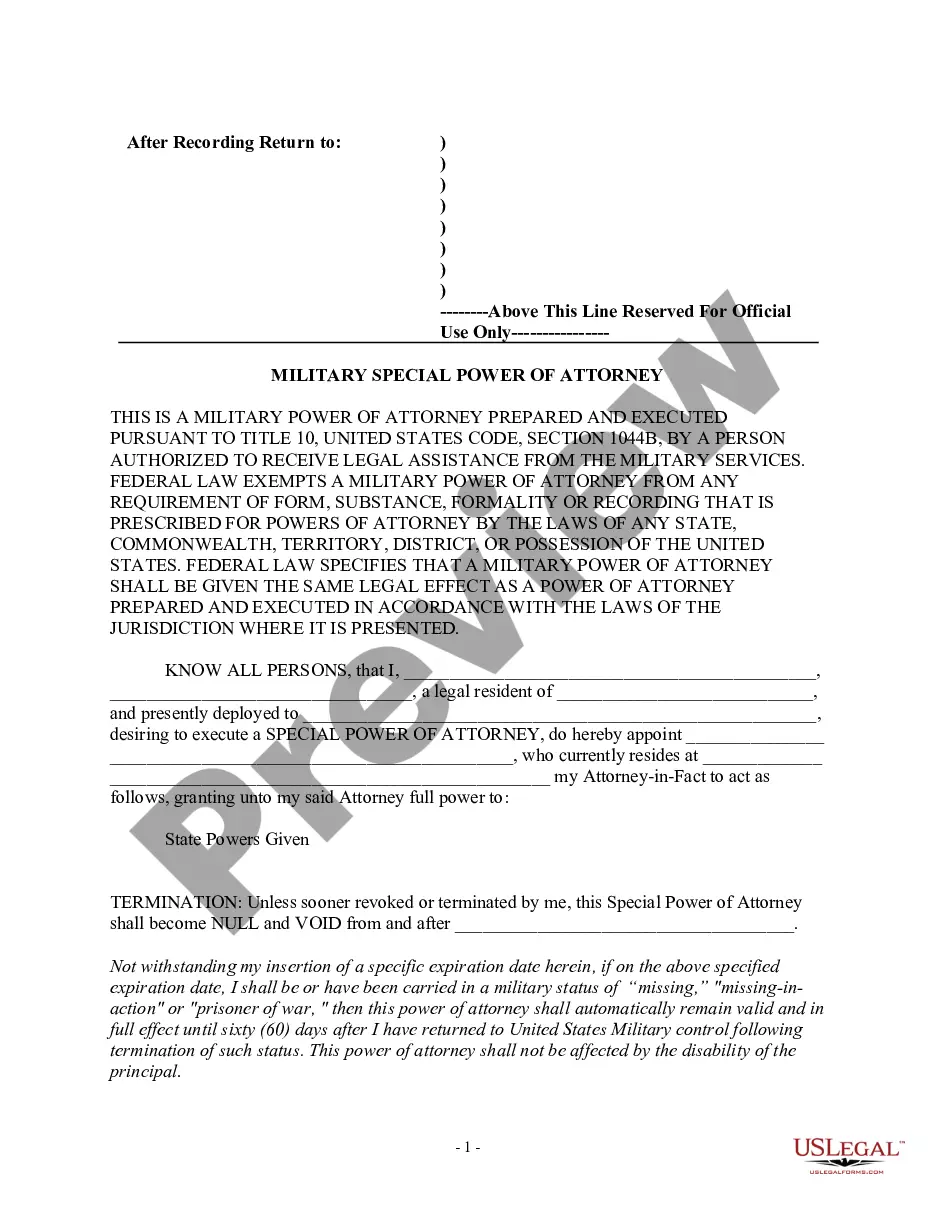
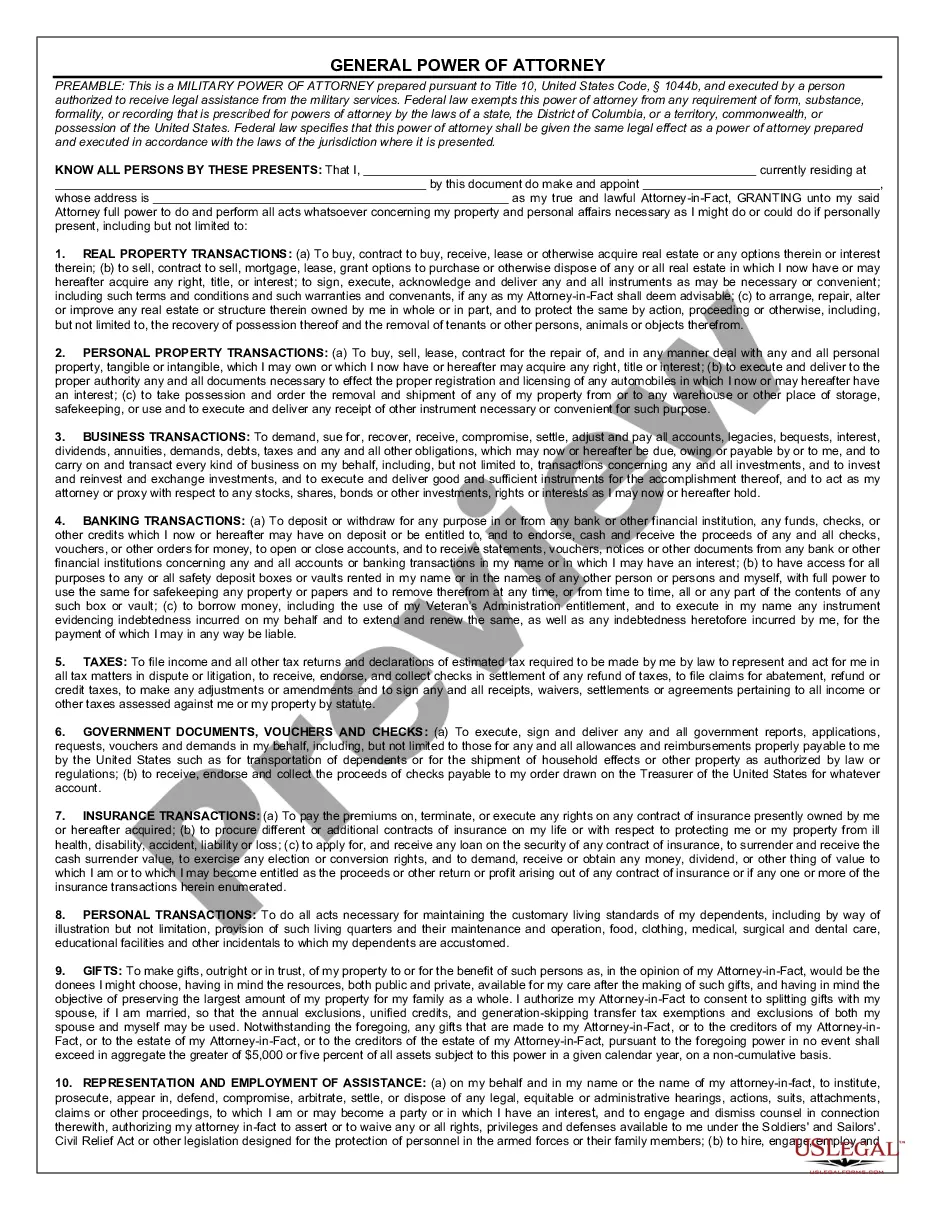
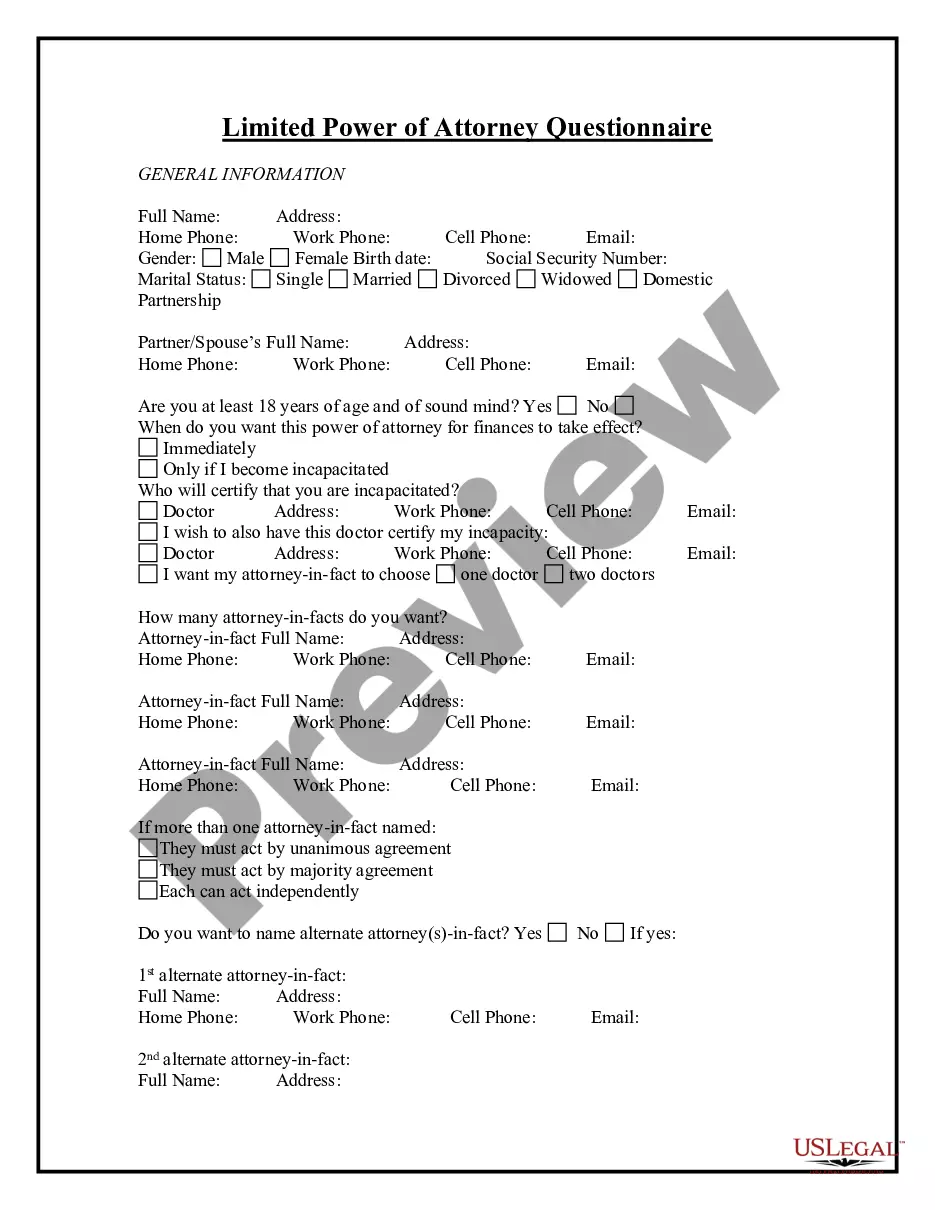
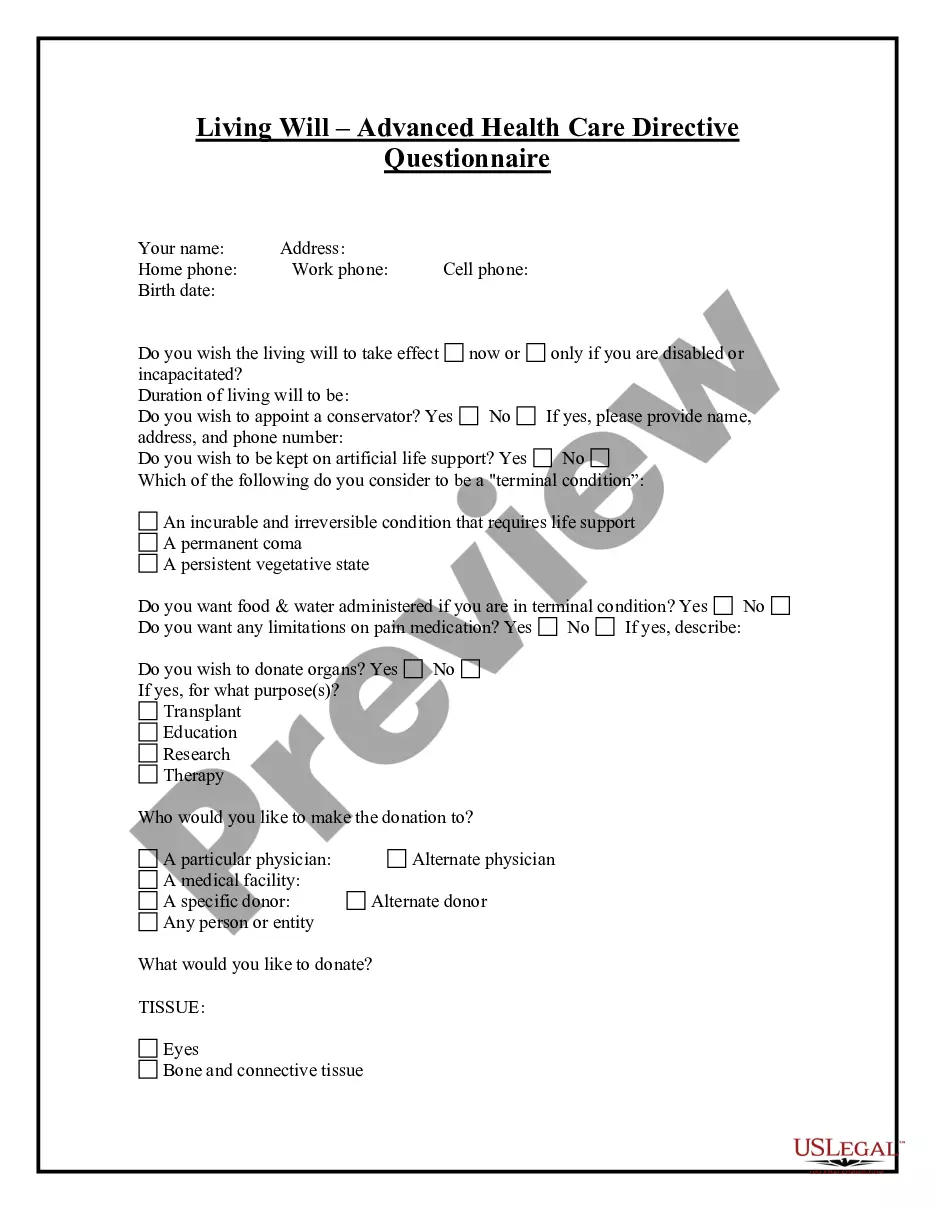
The North Carolina Power of Attorney Forms Package includes essential documents that allow you to appoint someone to make important decisions regarding your finances, healthcare, and the care of minor children. This package is specifically designed to meet the legal requirements in North Carolina, ensuring that your wishes are accurately documented and legally enforceable. Compared to similar packages, this one offers state-specific forms that fully comply with local laws, making it a reliable choice for residents needing to establish power of attorney arrangements.
Forms you’ll find in this package
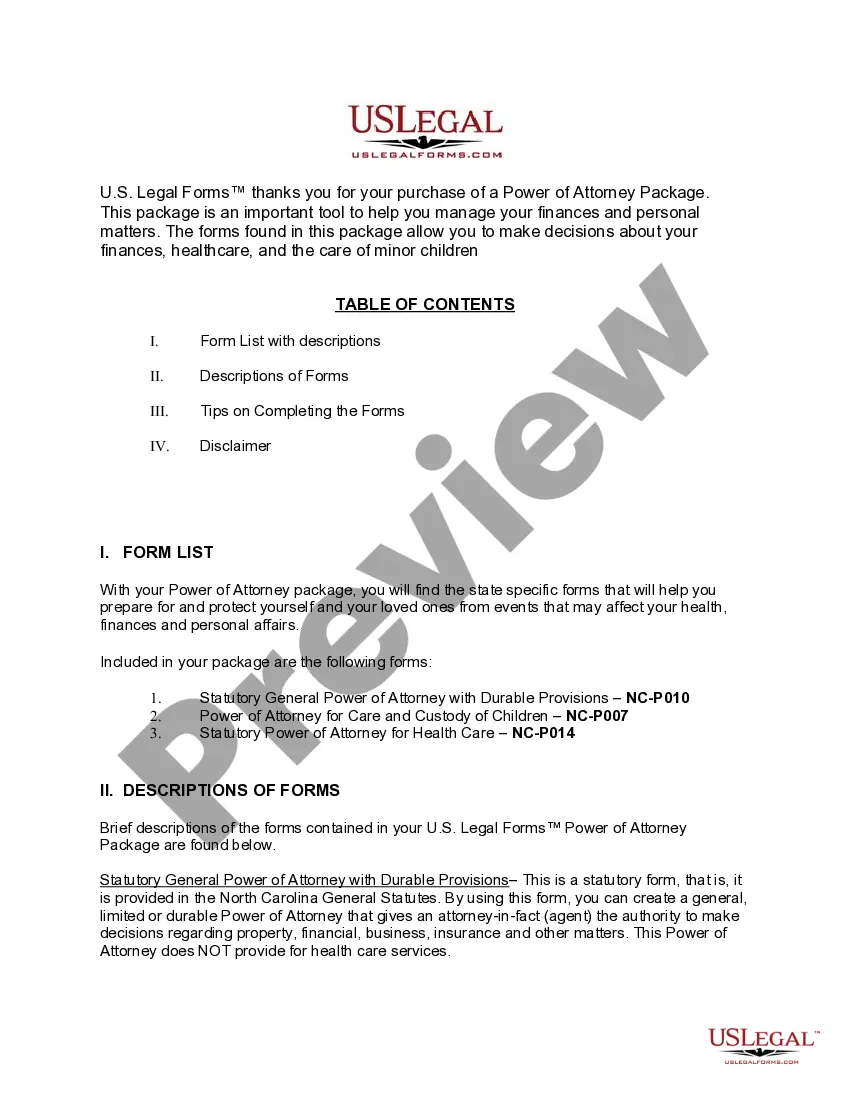
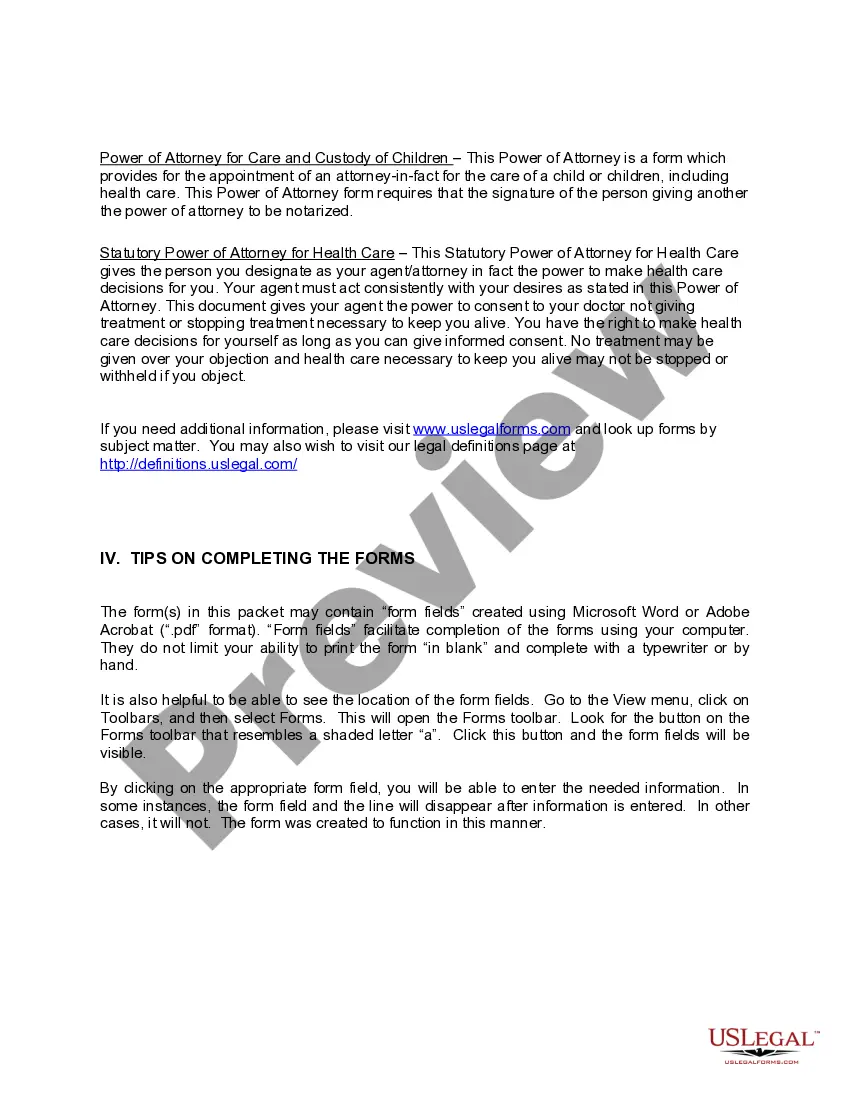
Situations where these forms applies
This Power of Attorney package is beneficial in various scenarios, including:
- When you want to designate someone to handle your financial affairs in case you become unable to do so.
- If you have minor children and wish to appoint someone to make decisions about their care and custody.
- When you need to empower an agent to make healthcare decisions on your behalf, particularly in medical emergencies.
- If you are planning for future health declines and want to ensure your healthcare wishes are followed.
Who can use this document
- North Carolina residents looking to establish power of attorney for financial or healthcare decisions.
- Parents or guardians needing to designate a caretaker for their minor children.
- Individuals preparing for potential health challenges or incapacity.
- Anyone wanting to ensure their financial and healthcare preferences are respected and fulfilled.
How to prepare this document
- Review all included forms to understand your options and obligations.
- Select the forms that apply to your situation: General Power of Attorney, Child Care and Custody, or Health Care.
- Fill in the required details, ensuring accuracy in names, dates, and other essential information.
- Sign the documents in the presence of a notary if required, to validate your choices.
- Distribute copies of the signed documents to all relevant parties, including your chosen agent.
Notarization details for included forms
Some forms in this package require notarization to be legally valid. US Legal Forms provides secure online notarization powered by Notarize, allowing you to complete the process through a verified video call, available 24/7.
Get your form ready online
Our built-in tools help you complete, sign, share, and store your documents in one place.
Make edits, fill in missing information, and update formatting in US Legal Forms—just like you would in MS Word.
Download a copy, print it, send it by email, or mail it via USPS—whatever works best for your next step.
Sign and collect signatures with our SignNow integration. Send to multiple recipients, set reminders, and more. Go Premium to unlock E-Sign.
If this form requires notarization, complete it online through a secure video call—no need to meet a notary in person or wait for an appointment.
We protect your documents and personal data by following strict security and privacy standards.

Make edits, fill in missing information, and update formatting in US Legal Forms—just like you would in MS Word.

Download a copy, print it, send it by email, or mail it via USPS—whatever works best for your next step.

Sign and collect signatures with our SignNow integration. Send to multiple recipients, set reminders, and more. Go Premium to unlock E-Sign.

If this form requires notarization, complete it online through a secure video call—no need to meet a notary in person or wait for an appointment.

We protect your documents and personal data by following strict security and privacy standards.
Common mistakes
- Not signing the documents in front of a notary when required.
- Failing to update or revoke previous powers of attorney when new documents are created.
- Neglecting to communicate with your agent about your wishes and expectations.
- Overlooking the need to provide copies to healthcare providers or financial institutions.
Benefits of completing this package online
- Convenience of downloading documents instantly and securely from the comfort of your home.
- Editability allows you to customize the forms according to your specific needs.
- Reliability of legally vetted forms prepared by licensed attorneys, ensuring your documents meet state requirements.
Looking for another form?
Form popularity
FAQ
A. A power of attorney must always be signed in front of a notary public. If you wish, it can be recorded at the county register of deeds office in North Carolina where it is to be used.
You must be at least 18 years of age, mentally competent, and have capacity when the durable power of attorney is signed. North Carolina law states that a durable power of attorney must be registered at your local county office of the register of deeds to be effective after your incapacity.
A general power of attorney is comprehensive and gives your attorney-in-fact all the powers and rights that you have yourself. For example, a general power of attorney may give your attorney-in-fact the right to sign documents for you, pay your bills, and conduct financial transactions on your behalf.
General Power of Attorney. Durable Power of Attorney. Special or Limited Power of Attorney. Springing Durable Power of Attorney.
After carefully choosing your agent or co-agents, you can make and print your Power of Attorney documents easily. To make it valid you will need to have it signed and notarized. Some states may also require witness signatures.
A Power of Attorney might be used to allow another person to sign a contract for the Principal. It can be used to give another person the authority to make health care decisions, do financial transactions, or sign legal documents that the Principal cannot do for one reason or another.
Power of Attorney broadly refers to one's authority to act and make decisions on behalf of another person in all or specified financial or legal matters.Durable POA is a specific kind of power of attorney that remains in effect even after the represented party becomes mentally incapacitated.
1. Durable Power of Attorney. A durable power of attorney, or DPOA, is effective immediately after you sign it (unless stated otherwise), and allows your agent to continue acting on your behalf if you become incapacitated.
Broadly speaking, you get power of attorney for a parent by having him or her name you as the agent in a POA document that he or she has signed while sound of mind. However, the process is rarely as simple as it seems, especially when it comes to ensuring that your power of attorney will be recognized by third parties.