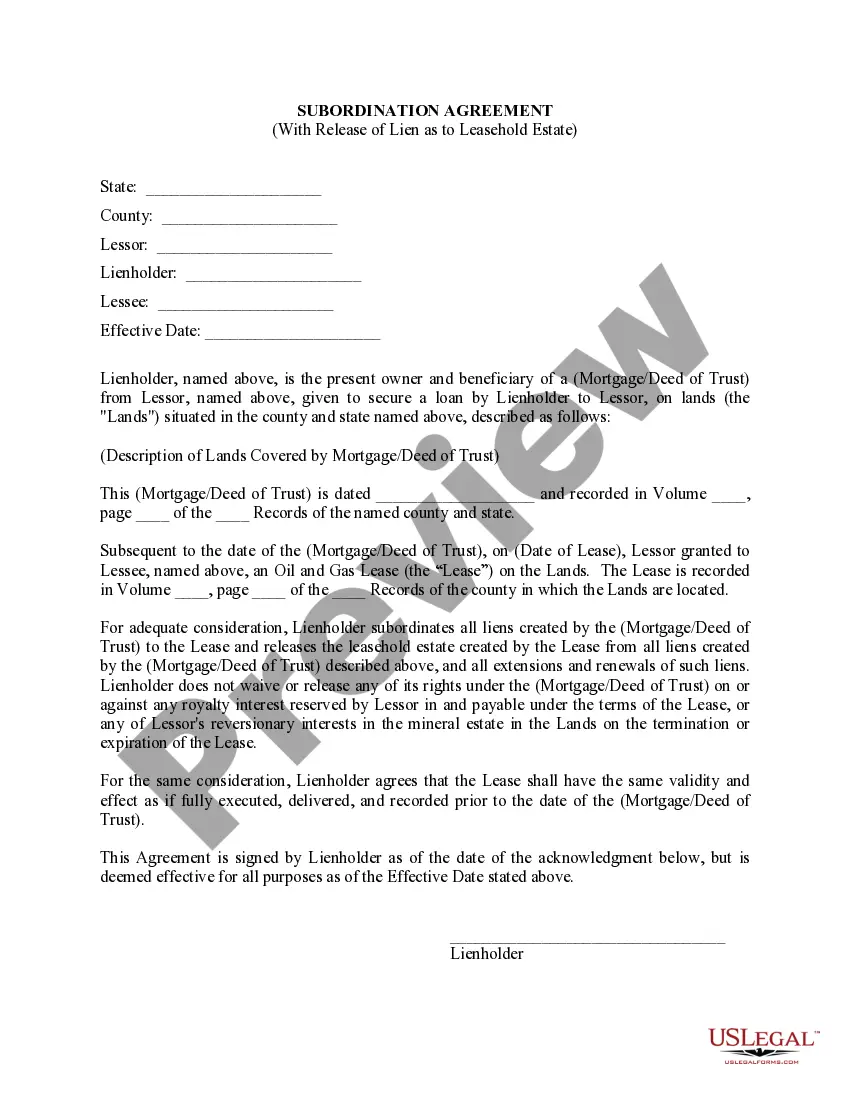
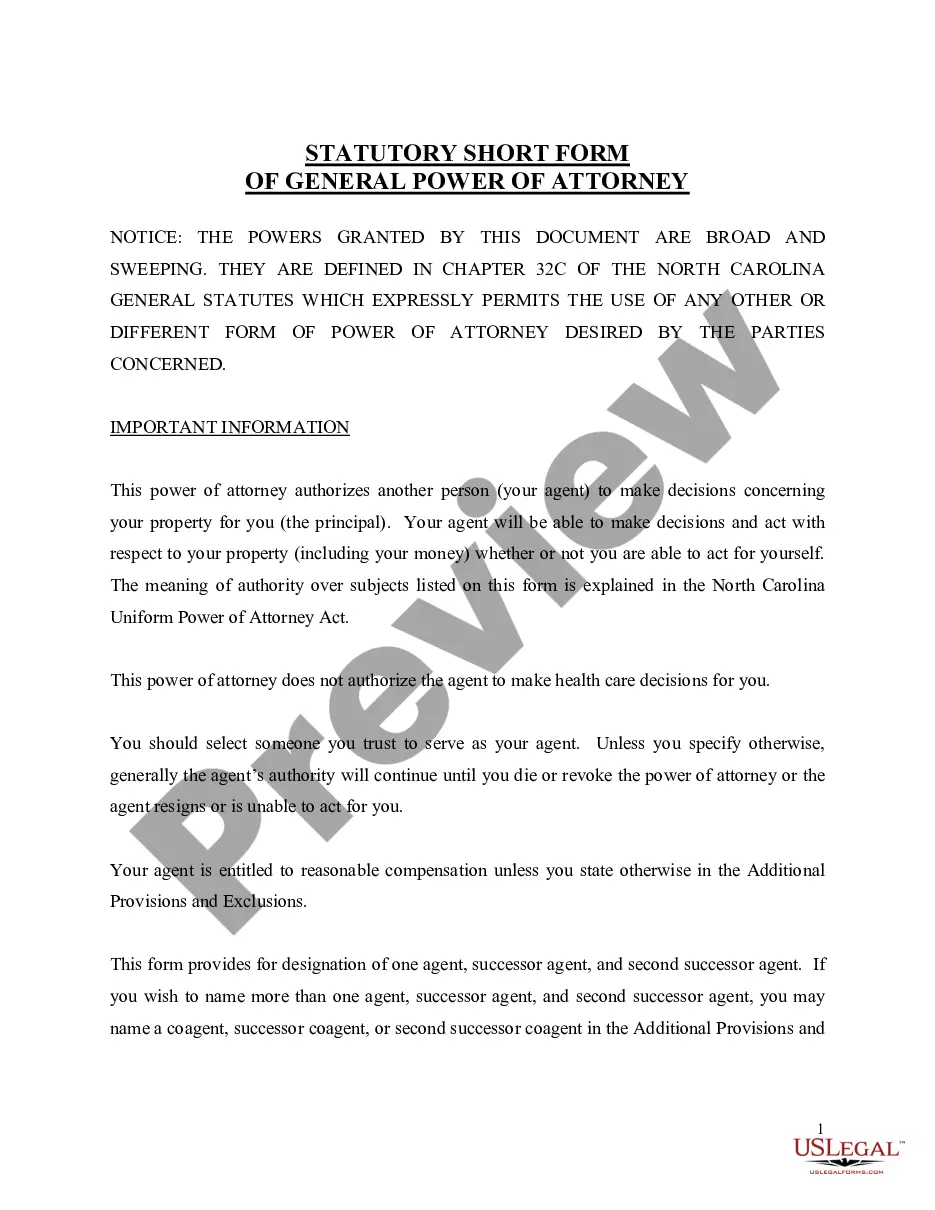
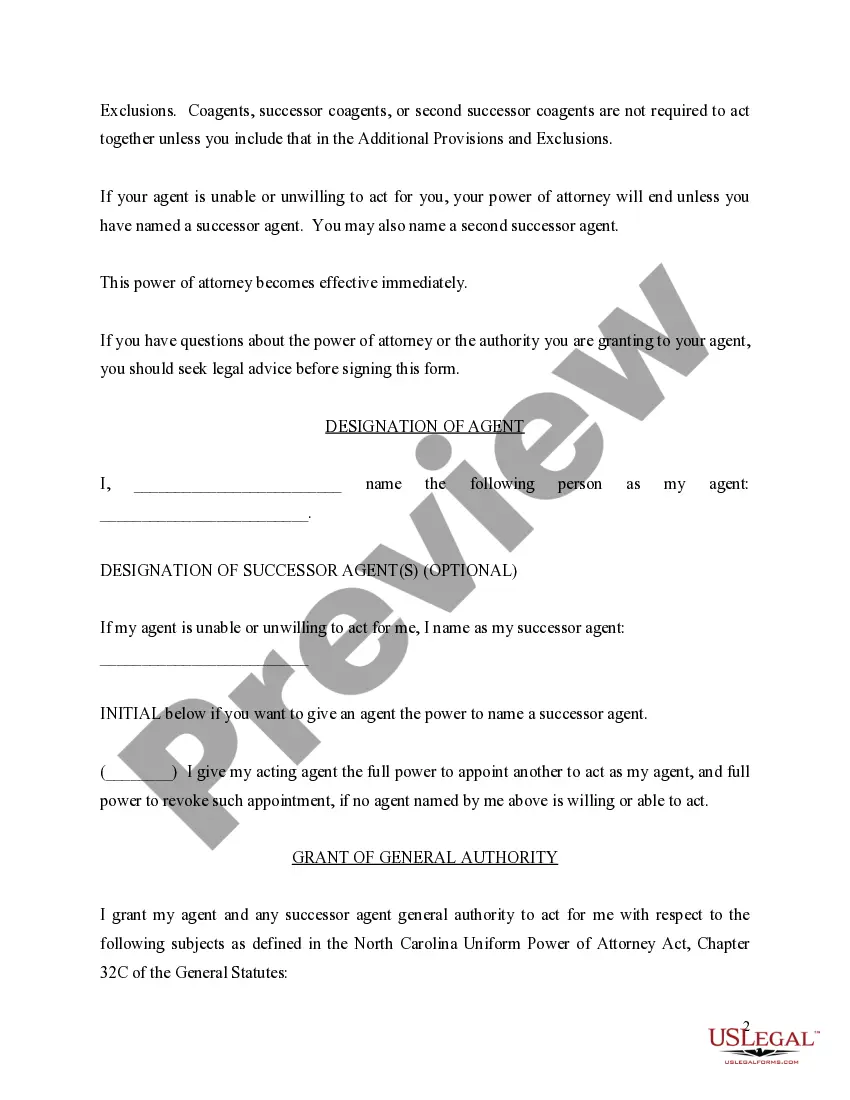
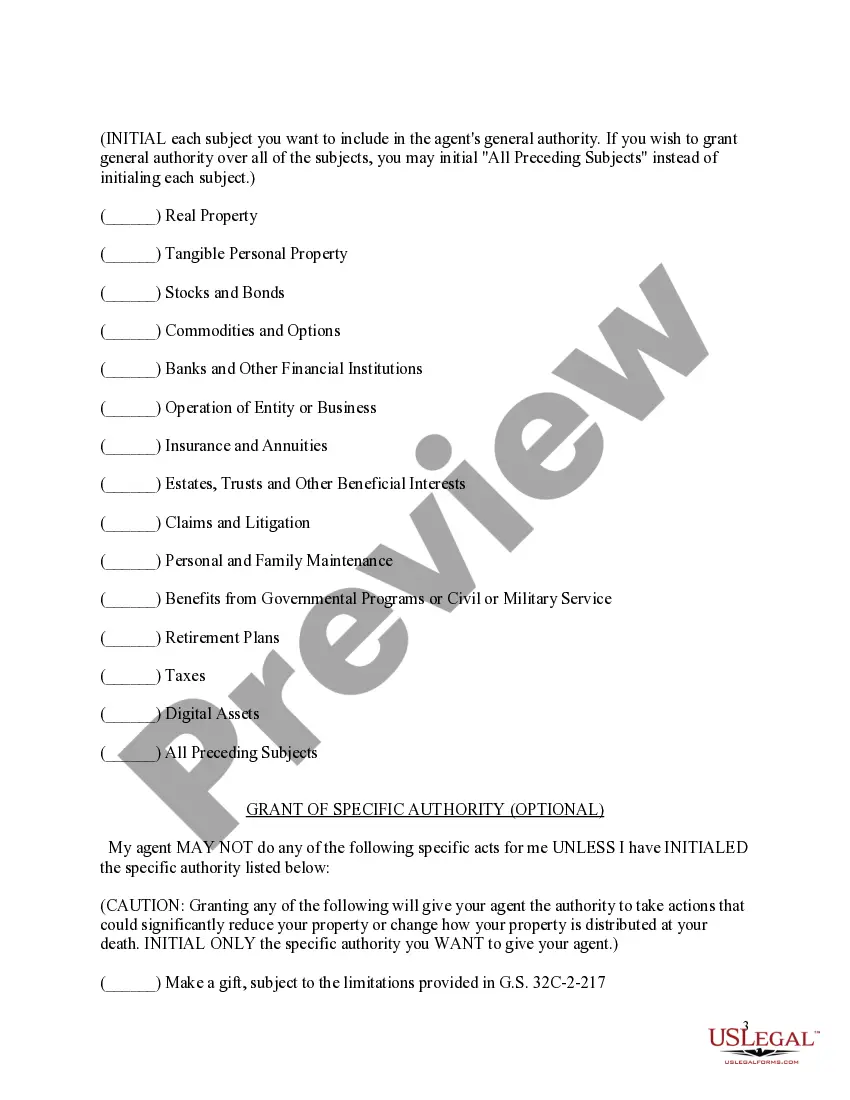
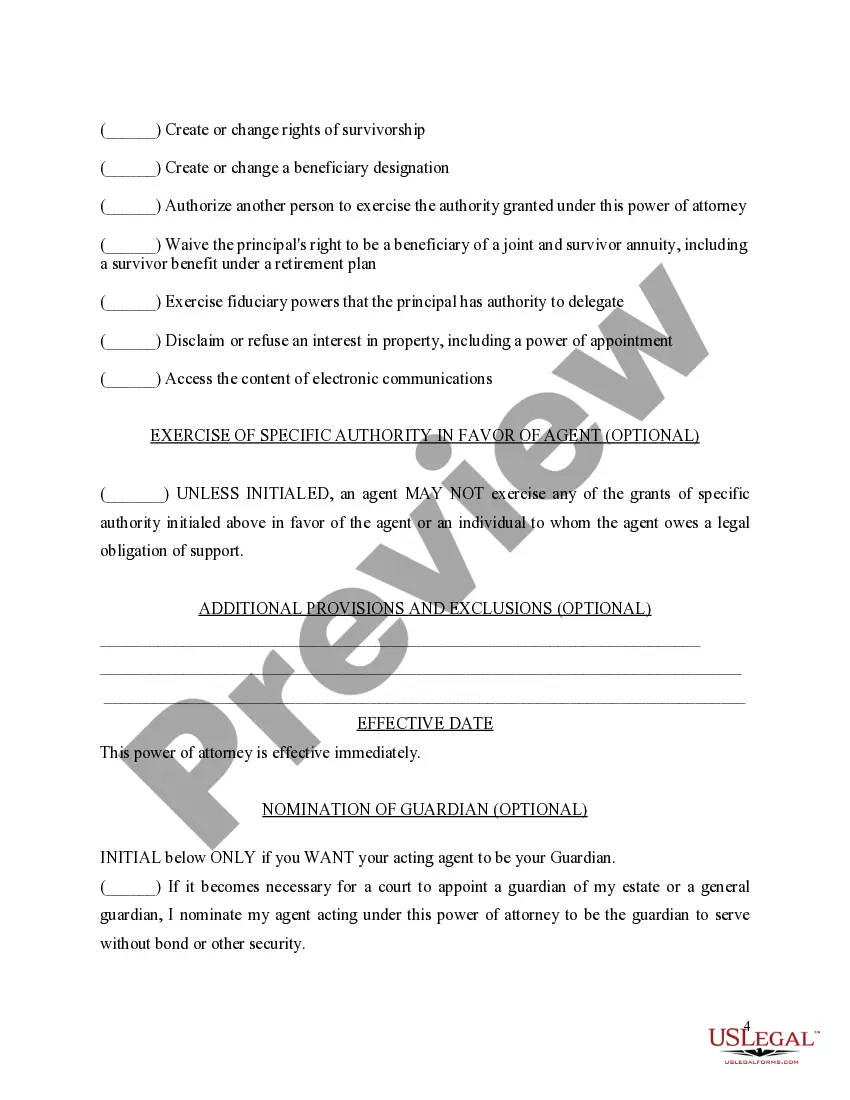
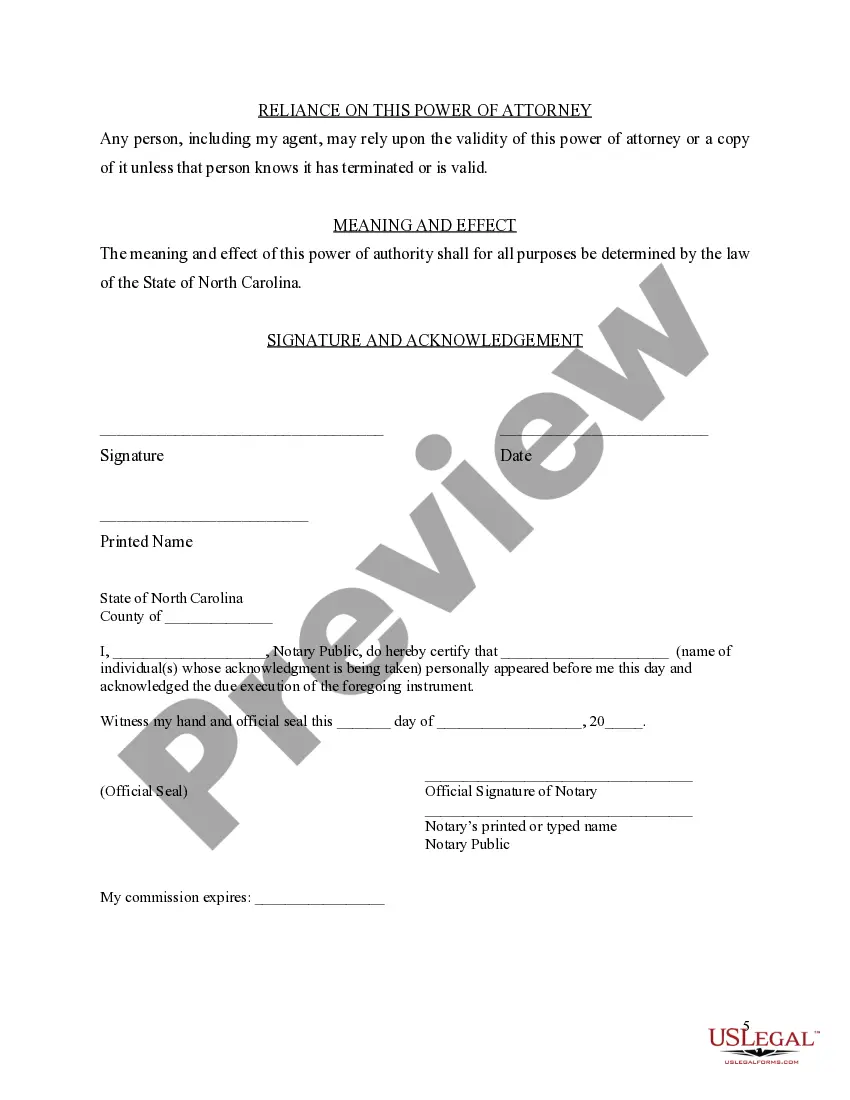
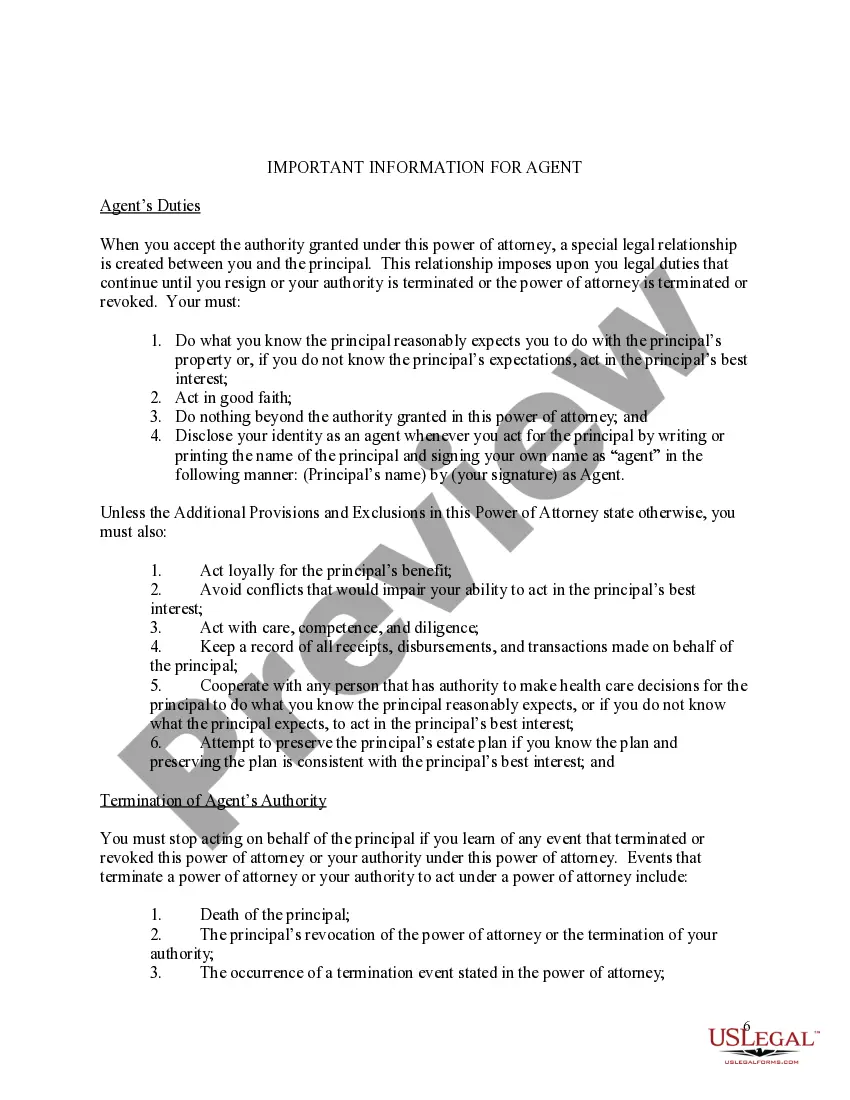
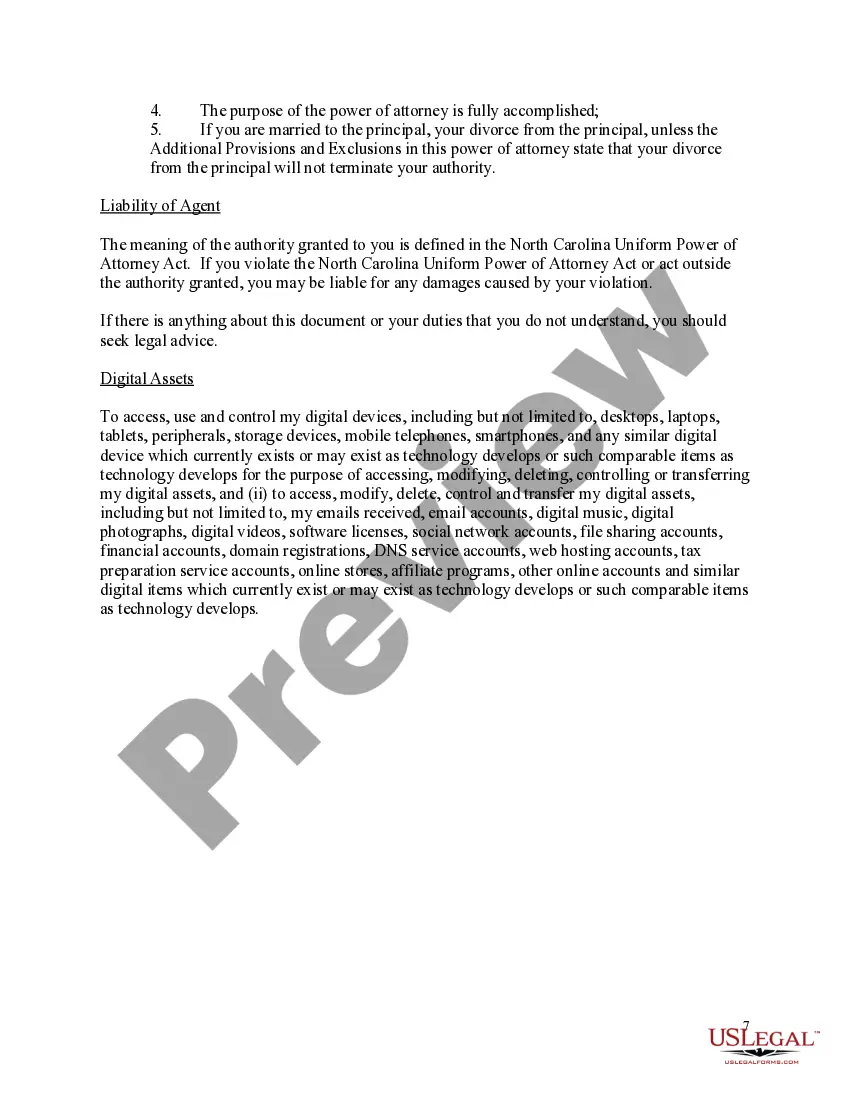
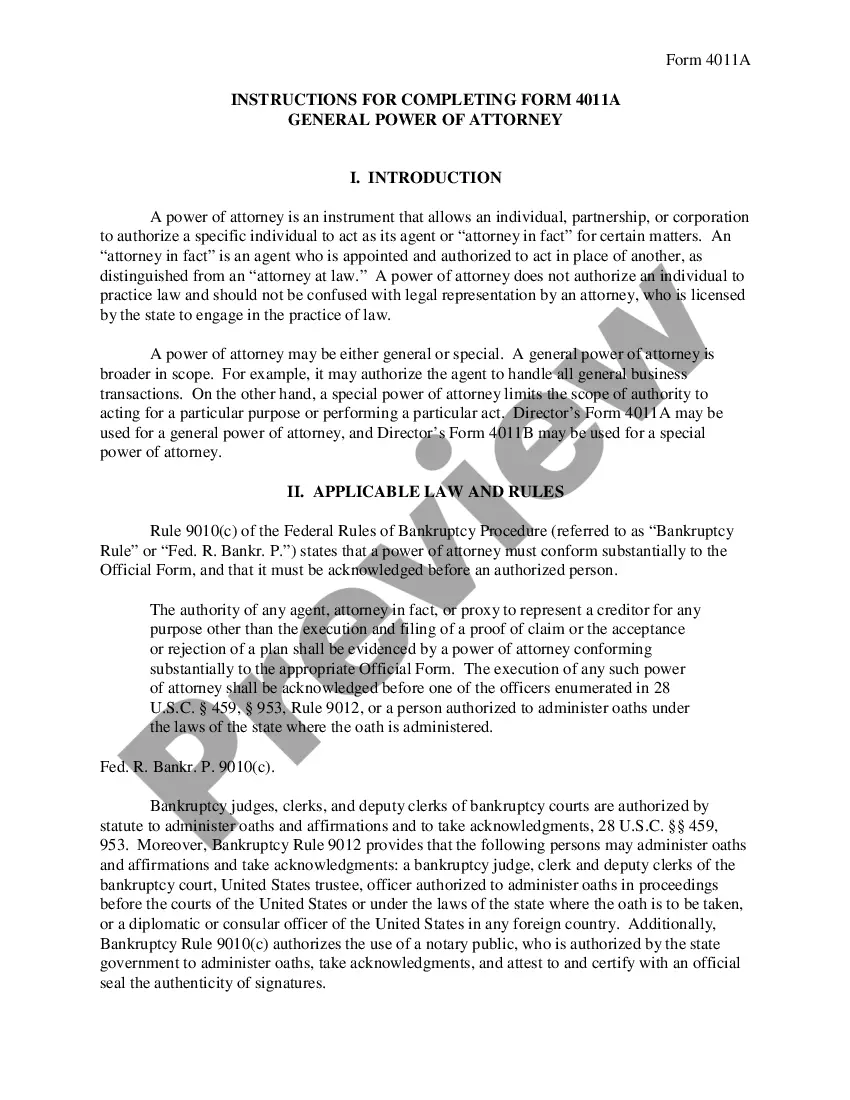
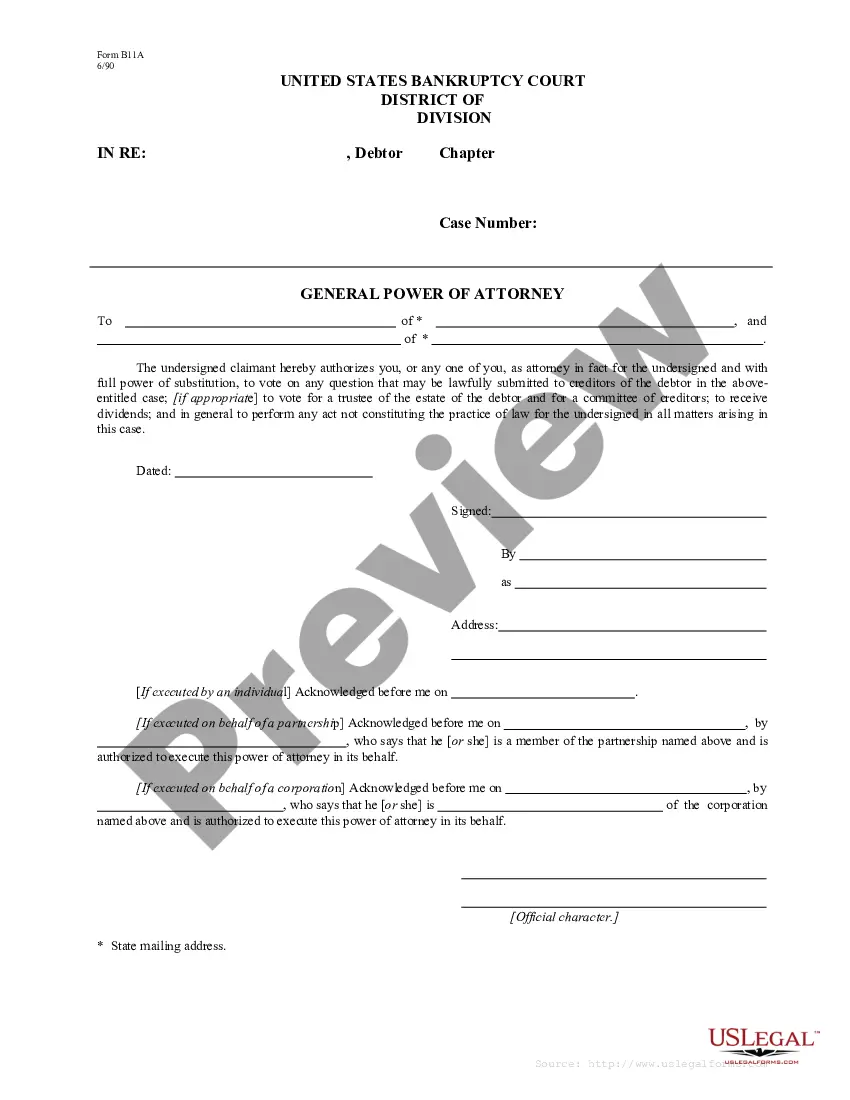
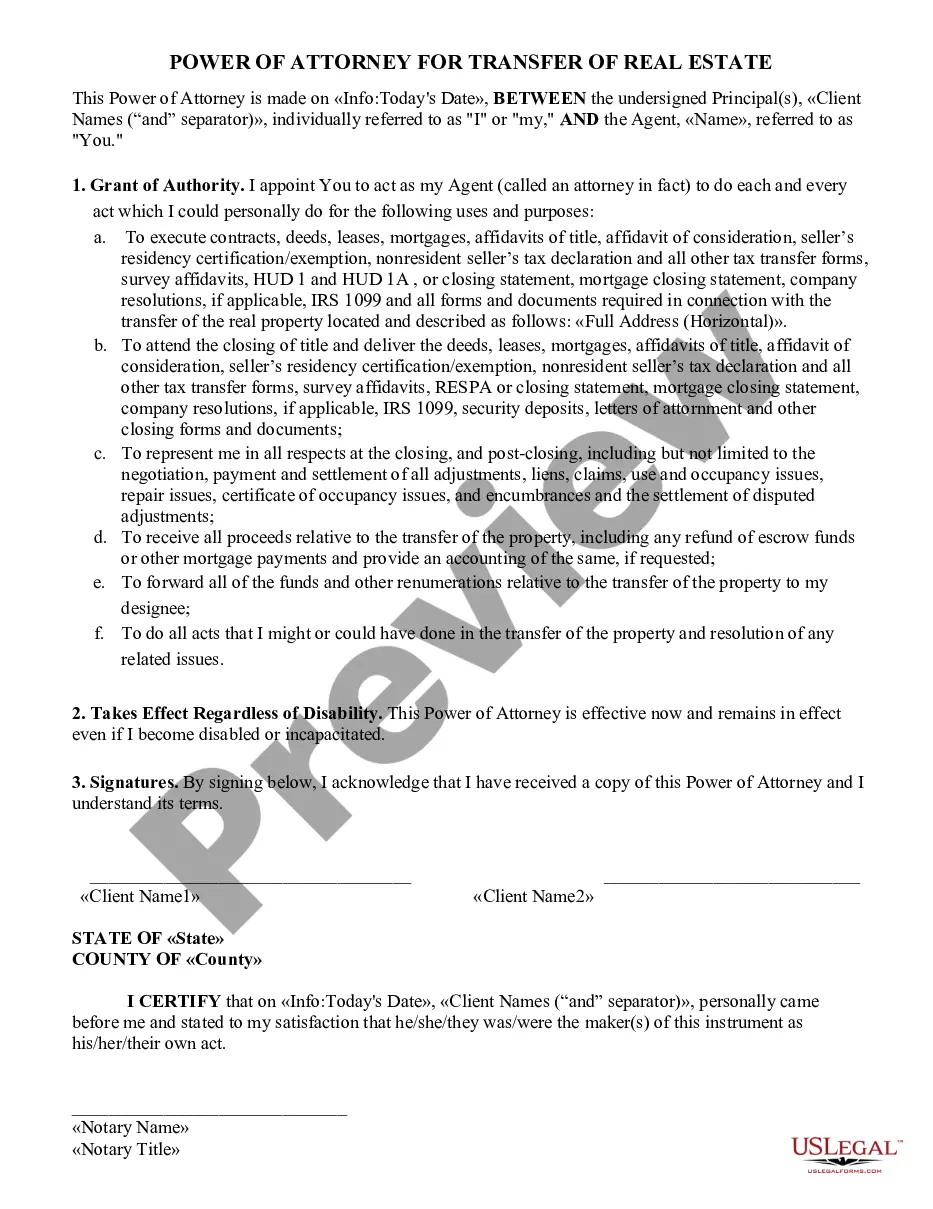
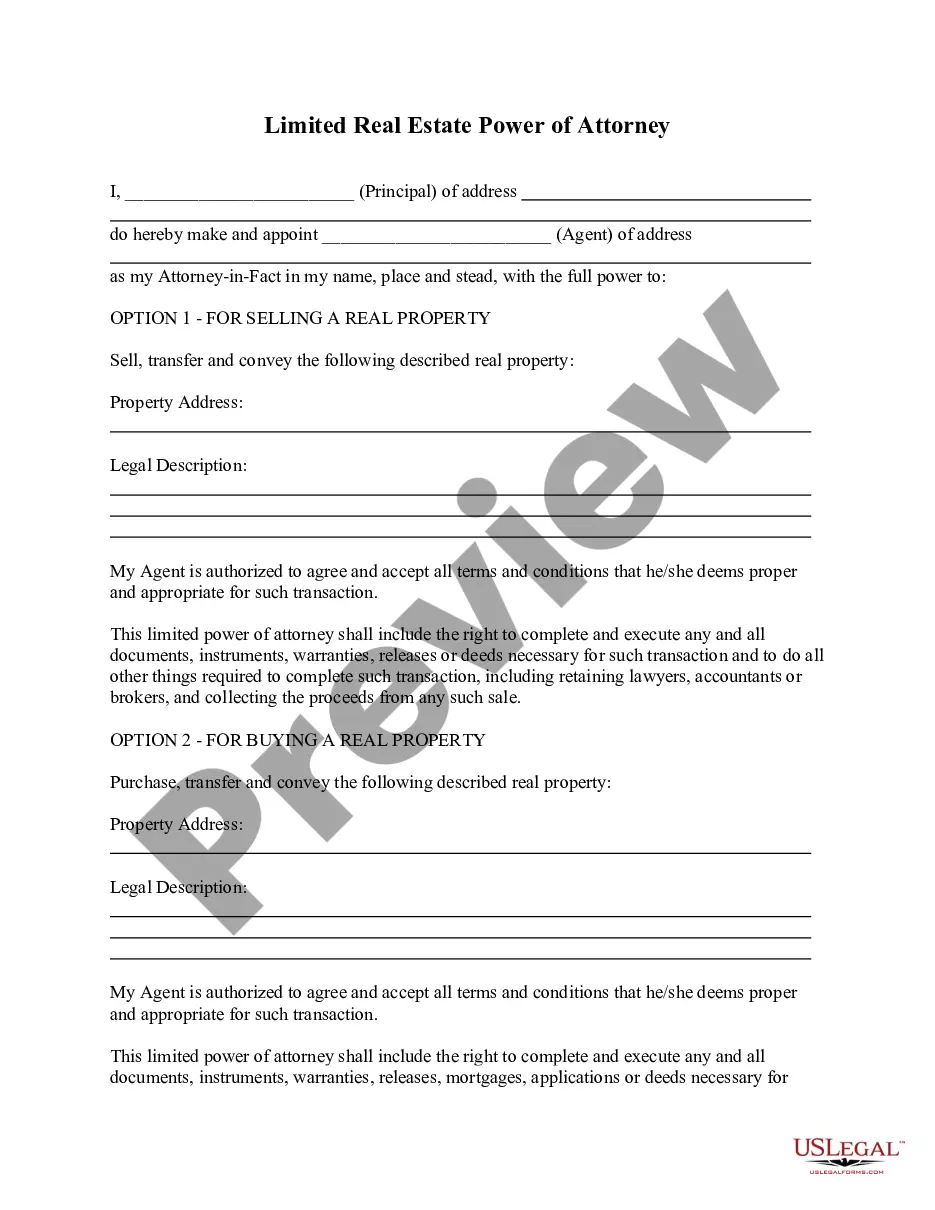
This is a statutory form, that is, it is provided in the North Carolina General Statutes. By using this form, you can create a general, limited or durable Power of Attorney that gives an attorney-in-fact (agent) the authority to make decisions regarding property, financial, business, insurance and other matters. This Power of Attorney does NOT provide for health care services. If created as a durable power of attorney, it is required to be registered with the Register of Deeds office in order to be effective after the principal's disability.
North Carolina Statutory Short Form of General Power of Attorney
Category:
State:
North Carolina
Control #:
NC-P010
Format:
Word;
Rich Text
Instant download
Description
Free preview



Key Concepts & Definitions
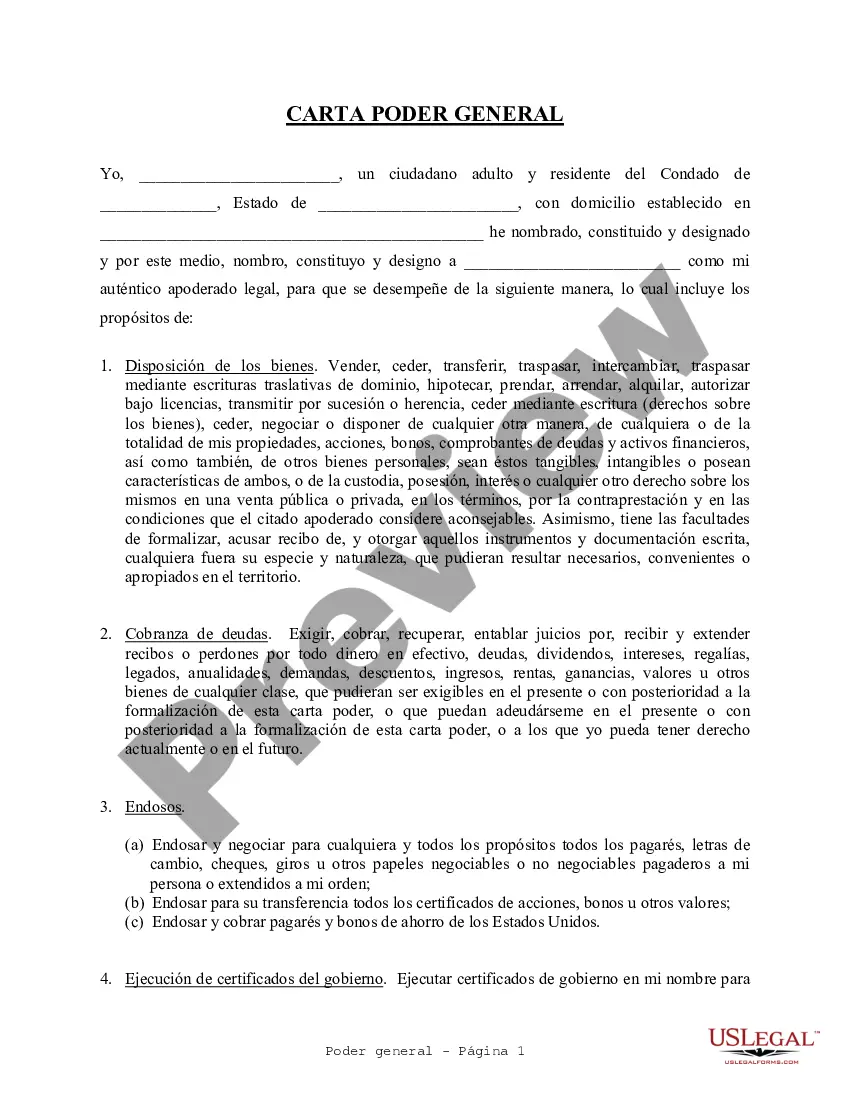
Statutory Short Form of General Power of Attorney is a legal document as outlined by various states, including the Minnesota Statutes, which grants one individual (the agent) the authority to make decisions concerning the financial, property, and business affairs of another (the principal). This form is specifically codified to ensure simplicity and meet specific statutory requirements.
Step-by-Step Guide
- Review the current statutes: Begin by understanding the Minnesota Statutes mentioned in the statutes list relevant to powers of attorney.
- Select an Agent: Choose a trustworthy individual who will act on your behalf.
- Complete the Form: Fill out the statutory short form diligently, ensuring all fields are correctly completed to reflect your choices.
- Sign and Notarize: Sign the form in front of a notary to ensure it meets legal standards.
- Store and Distribute Copies: Keep the original document safe and distribute copies to relevant institutions or individuals (e.g., banks, lawyers).
Risk Analysis
Using a statutory short form brings risks such as potential abuse of power, misunderstanding the extent of authority granted, and failure of third parties to recognize the document. Thoroughly vetting the agent and seeking legal advice can mitigate these risks.
Key Takeaways
- Ensure the form is fully compliant with state laws, for instance, session laws and updates in the Minnesota statutes.
- Clarify the scope of powers granted to prevent misuse.
- Keep informed about upcoming meetings or panels discussing changes in law that might affect your power of attorney, as listed in the committee roster.
Best Practices
- Regularly review and update your power of attorney document to keep it in line with current laws and personal circumstances.
- Consult with an attorney to tailor the general form to specific needs and understand the implications.
- Ensure all parties involved have a clear understanding of the terms set in the power of attorney.
Common Mistakes & How to Avoid Them
- Misjudging the Agent: Ensure the agents reliability and understanding of their duties.
- Ignoring legal updates: Stay updated with the latest session laws and statutes impacting power of attorney regulations.
- Neglecting Proper Execution: Follow all legal requirements for executing the document, including proper notarization and witnessing.
How to fill out North Carolina Statutory Short Form Of General Power Of Attorney?
Avoid costly attorneys and find the North Carolina Statutory Short Form of General Power of Attorney you need at a affordable price on the US Legal Forms site. Use our simple groups function to search for and obtain legal and tax forms. Read their descriptions and preview them well before downloading. In addition, US Legal Forms enables users with step-by-step tips on how to download and fill out every single template.
US Legal Forms clients basically need to log in and download the specific form they need to their My Forms tab. Those, who haven’t obtained a subscription yet need to stick to the tips listed below:
- Ensure the North Carolina Statutory Short Form of General Power of Attorney is eligible for use in your state.
- If available, look through the description and make use of the Preview option well before downloading the templates.
- If you’re sure the template meets your needs, click Buy Now.
- If the form is incorrect, use the search field to find the right one.
- Next, create your account and select a subscription plan.
- Pay out by card or PayPal.
- Choose to download the form in PDF or DOCX.
- Just click Download and find your template in the My Forms tab. Feel free to save the template to the gadget or print it out.
After downloading, it is possible to complete the North Carolina Statutory Short Form of General Power of Attorney by hand or an editing software program. Print it out and reuse the template many times. Do more for less with US Legal Forms!
Form popularity
FAQ
A statutory form is a form created by a government, usually designed to serve as a model form or a free form for the public. The text of the form resides within the government's statutes. For example, many states have statutory durable powers of attorney forms written into their laws.
If the EPA is not registered, you can just destroy it. You can then complete an LPA form and apply for this to be registered see under Lasting power of attorney. Unlike an EPA, an LPA is not valid unless it has been registered.
Choose an agent. Before you begin to fill out the form, you have some decisions to make. Decide on the type of authority. You can choose whether you want your POA to be broad or narrow. Identify the length of time the POA will be in effect. Fill out the form. Execute the document.
Recording. One of the most welcomed changes in the NC Uniform Power of Attorney Act is that it does not require durable POAs to be recorded with the Register of Deeds.The full POA does not need to be recorded.
Your power of attorney must be registered with the Land and Property Management Authority (LPMA) if your attorney needs to deal with your real estate (eg sell, mortgage or lease it).
A general power of attorney ends the moment you become incapacitated.A durable power of attorney stays effective until the principle dies or until they act to revoke the power they've granted to their agent. But there are a handful of circumstances where courts will end durable power of attorney.
If you want your attorney to deal with any real estate you own in NSW, then the Power of Attorney document must be registered with the NSW Land Registry Services. Otherwise, there is no requirement for your Power of Attorney to be registered.
After the principal's name, write by and then sign your own name. Under or after the signature line, indicate your status as POA by including any of the following identifiers: as POA, as Agent, as Attorney in Fact or as Power of Attorney.