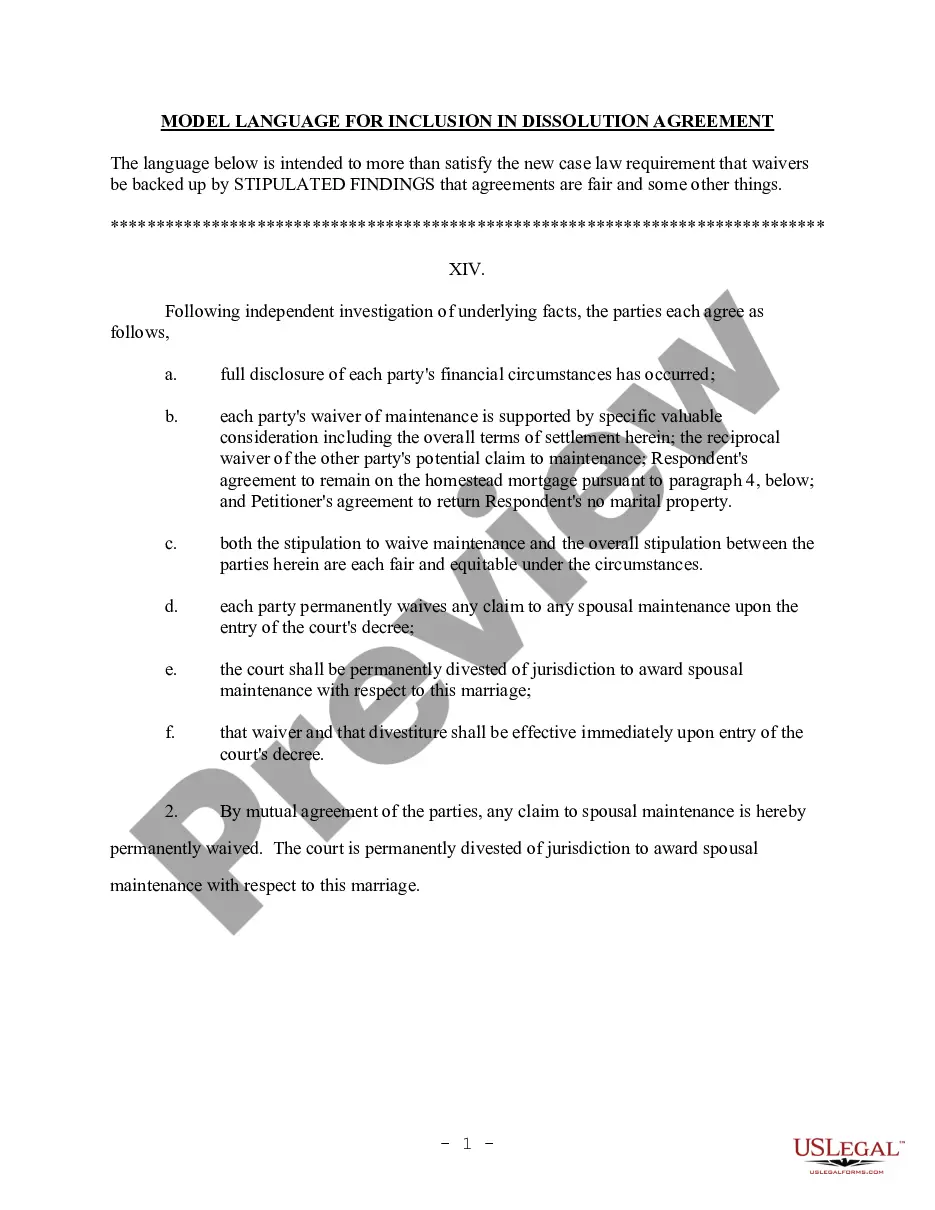
North Carolina Statutory Power of Attorney for Health Care
Description
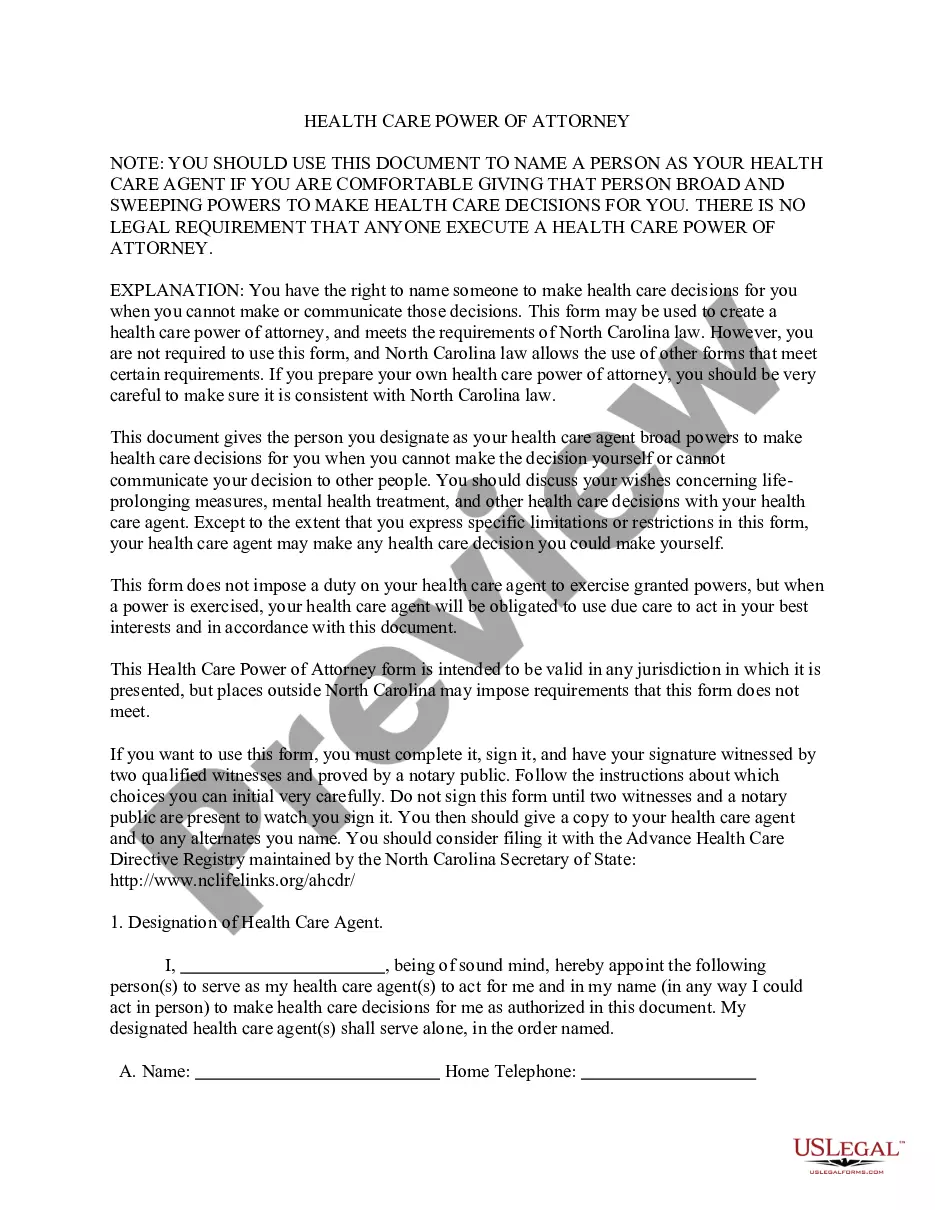
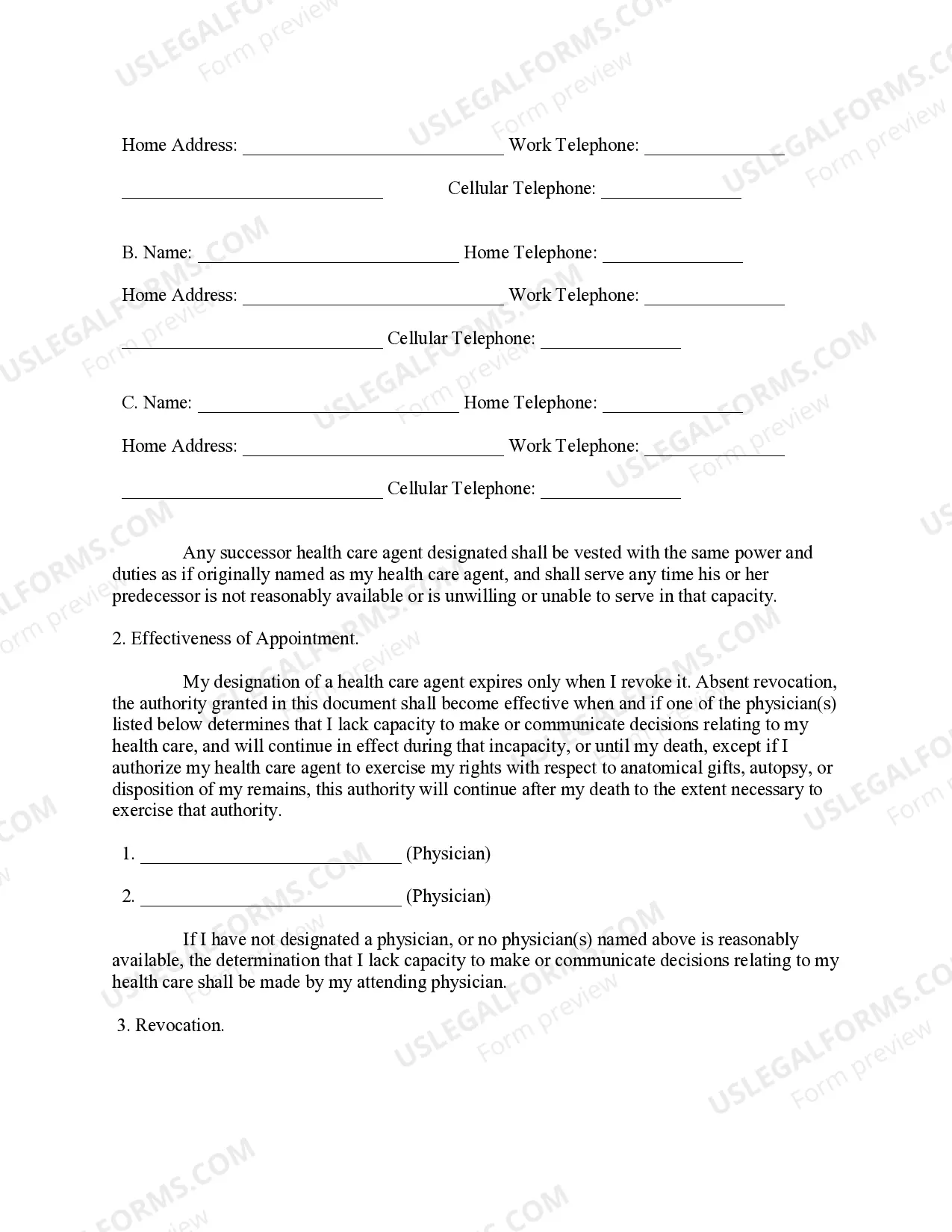
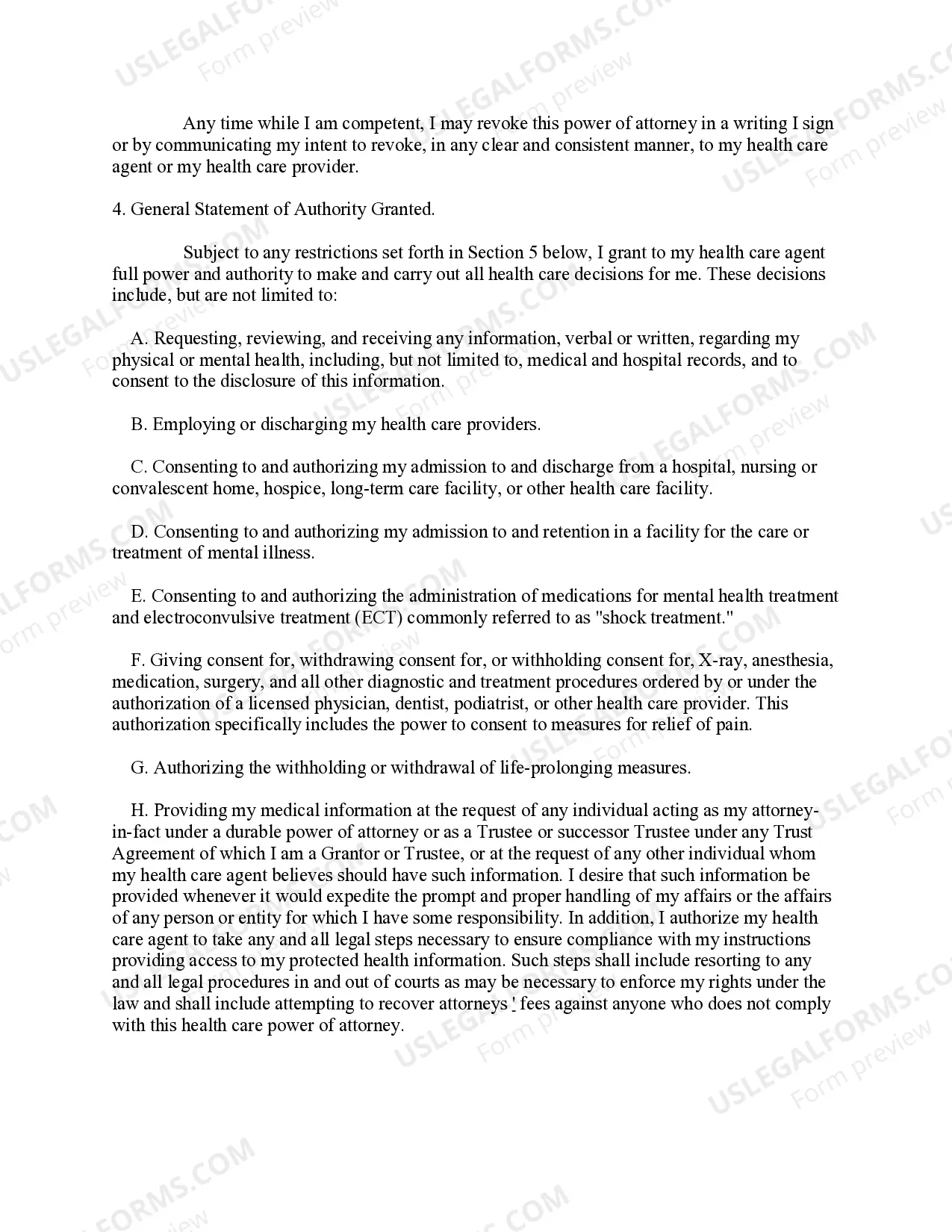
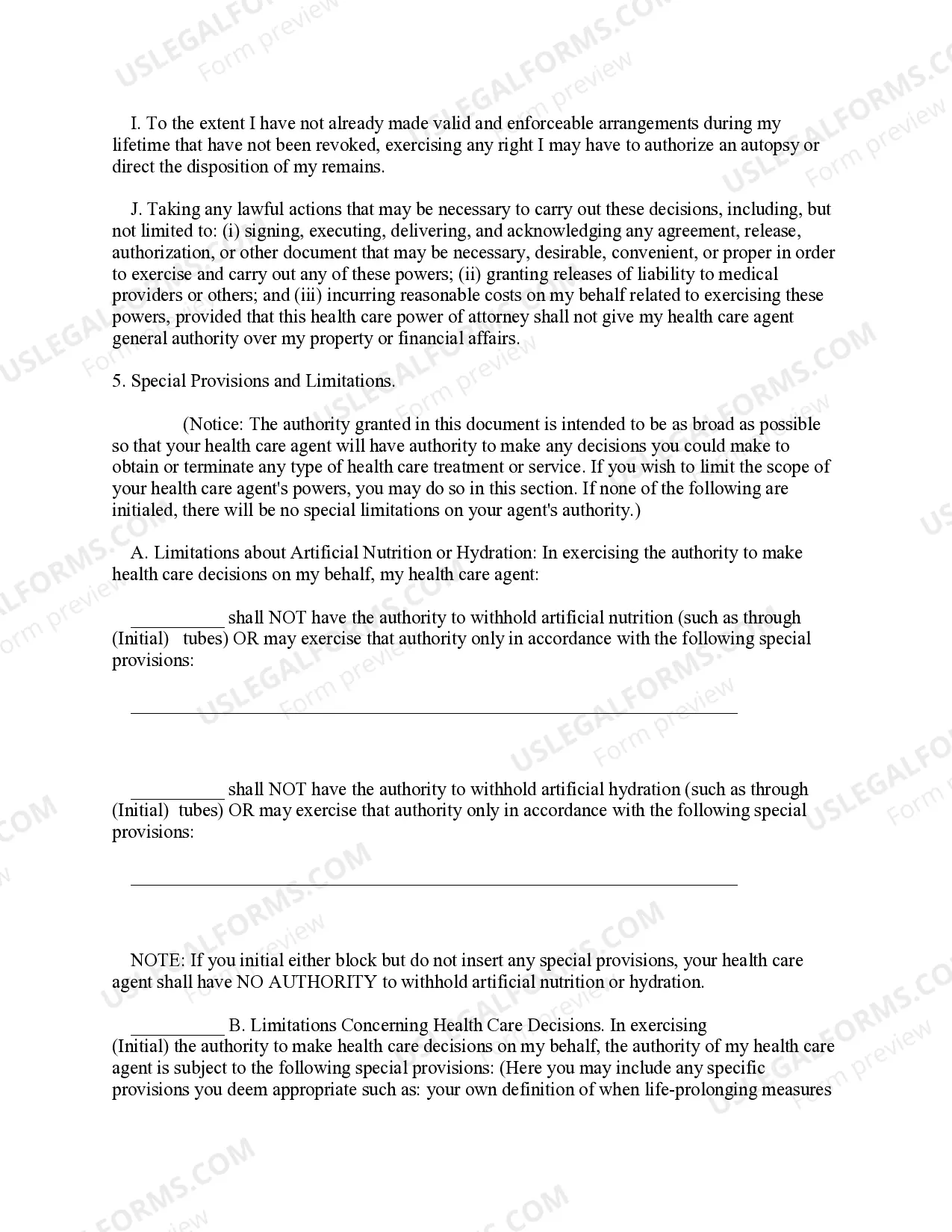
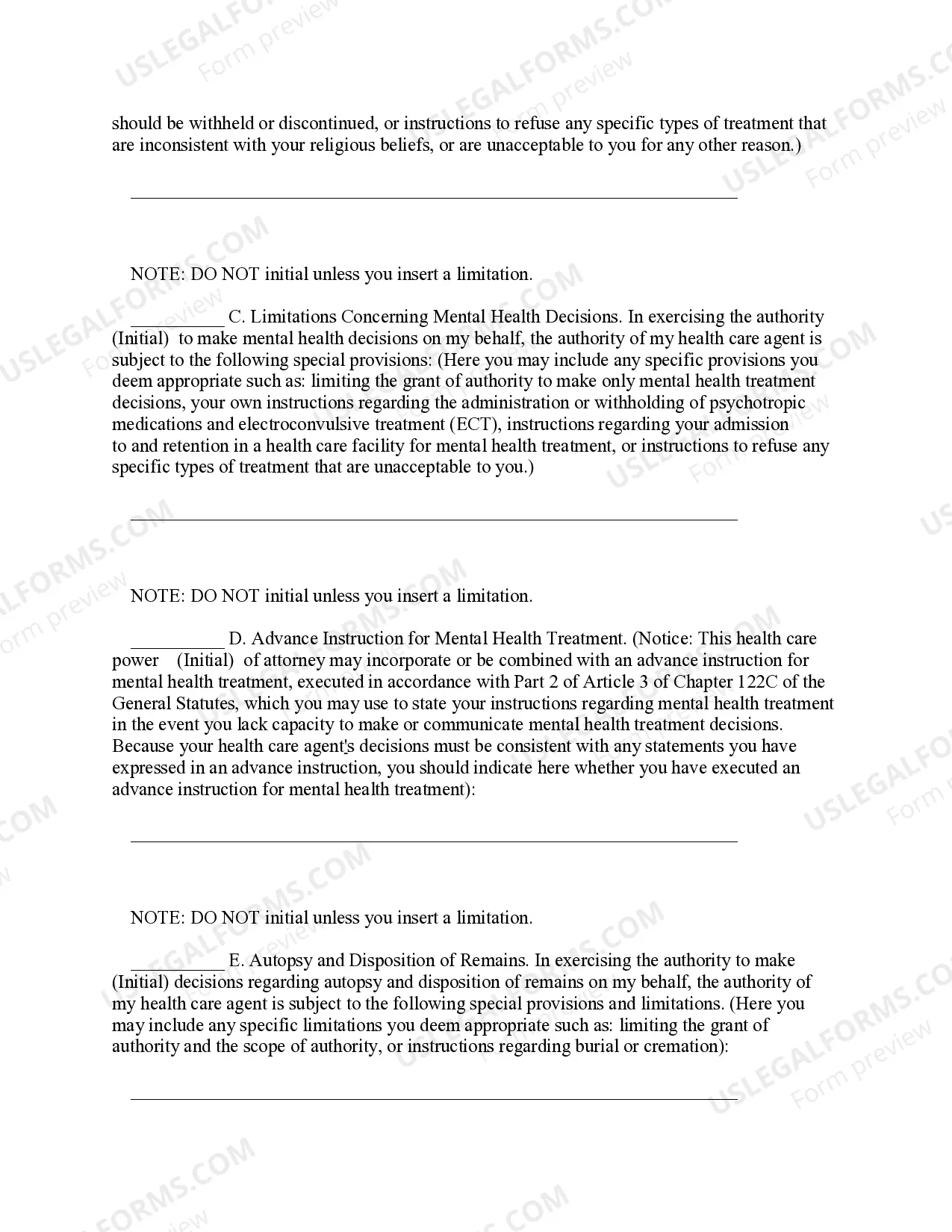
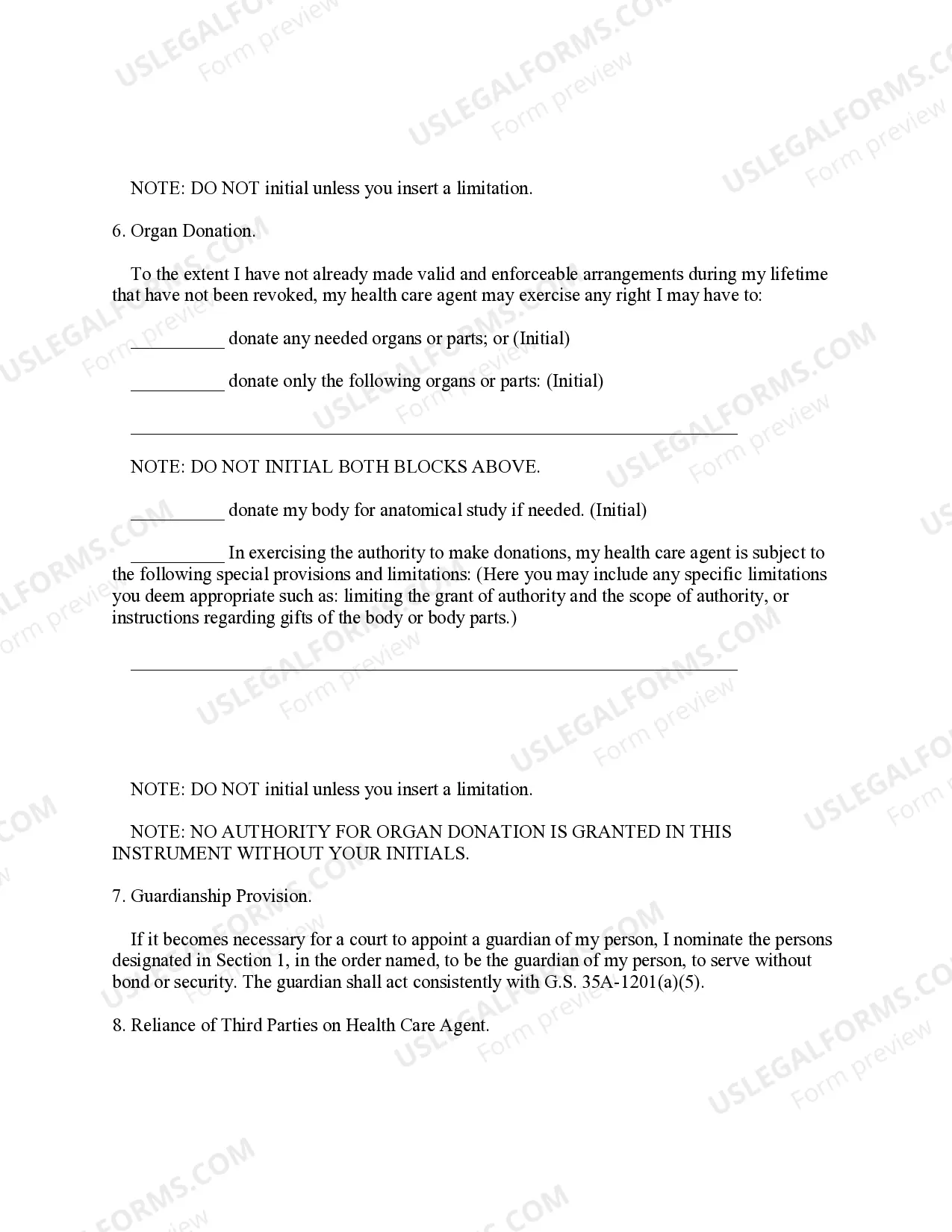
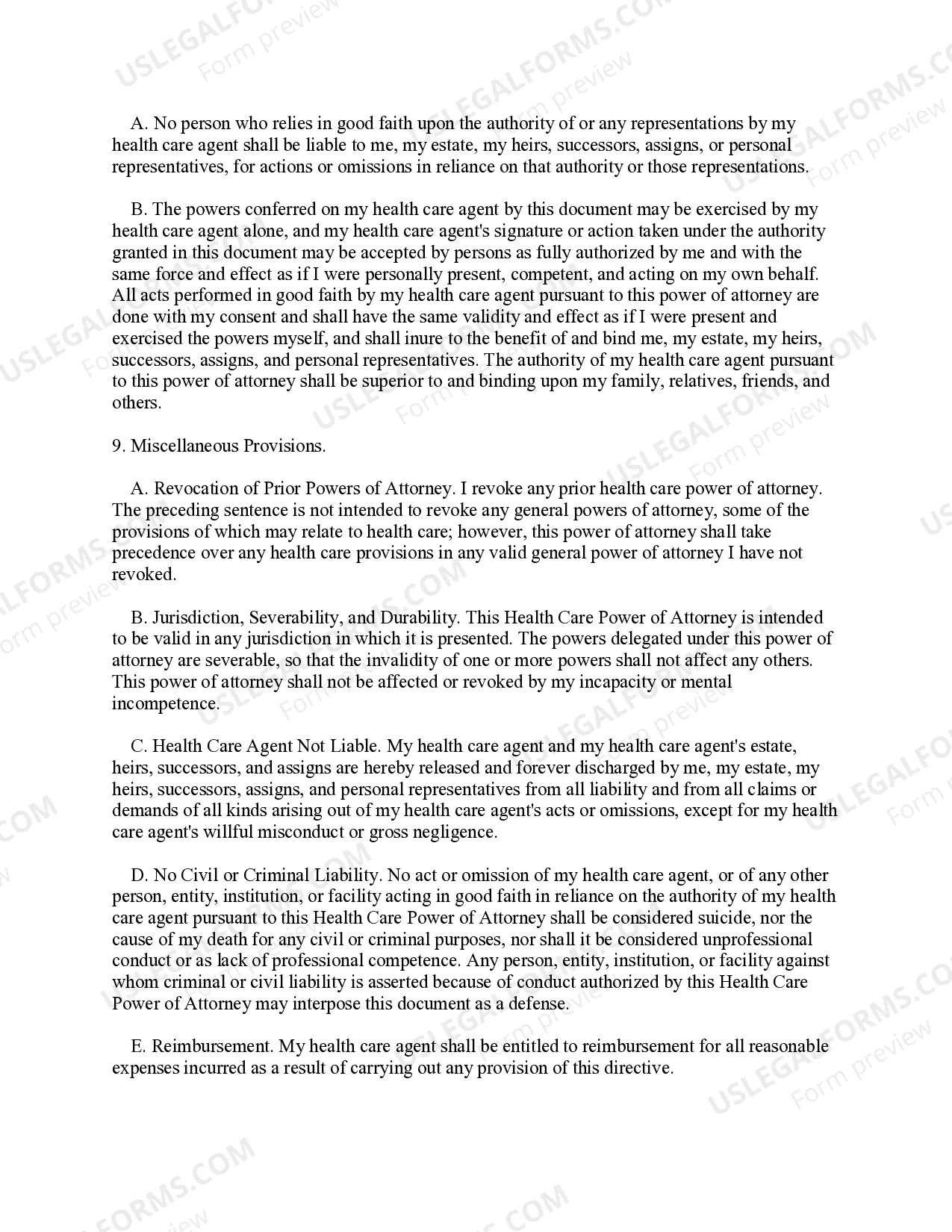
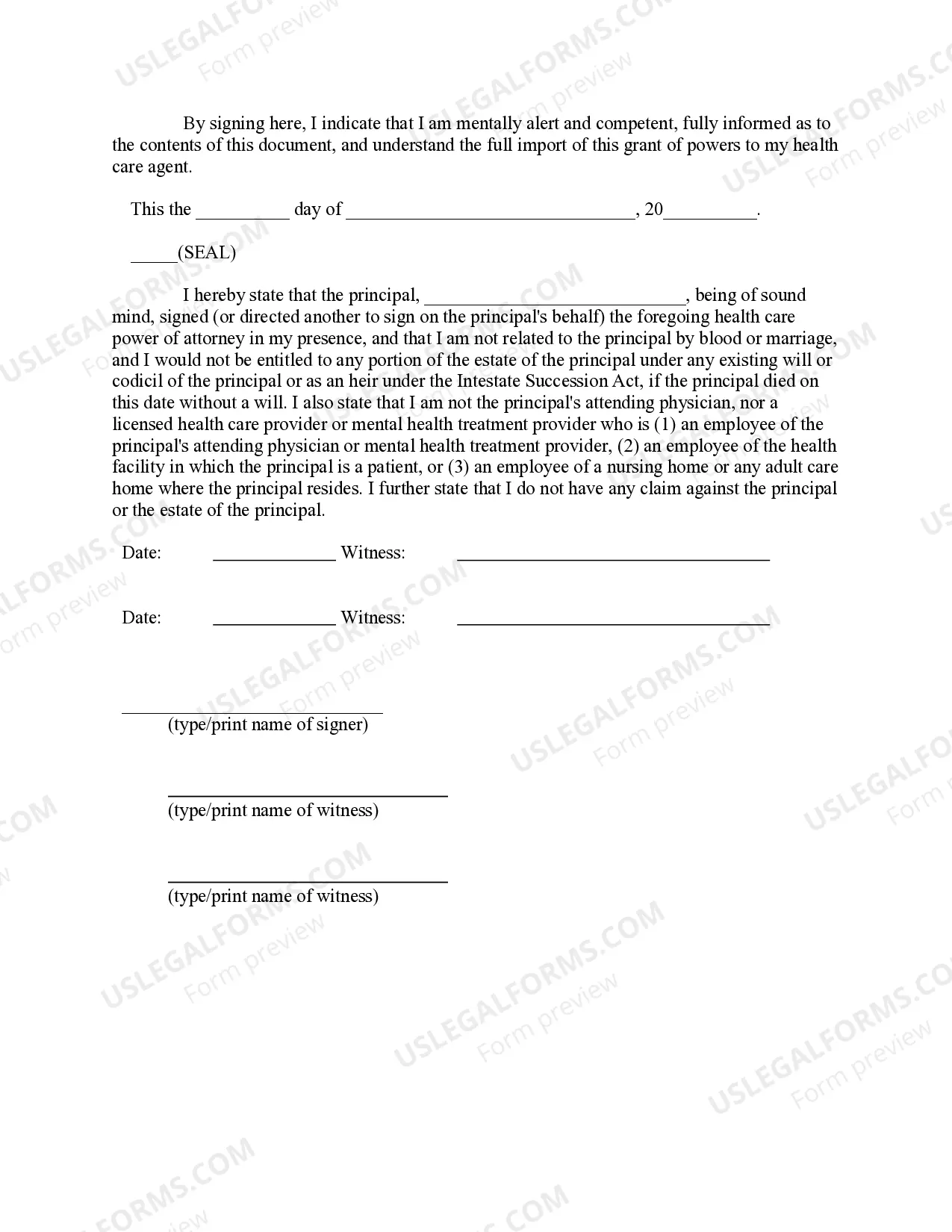
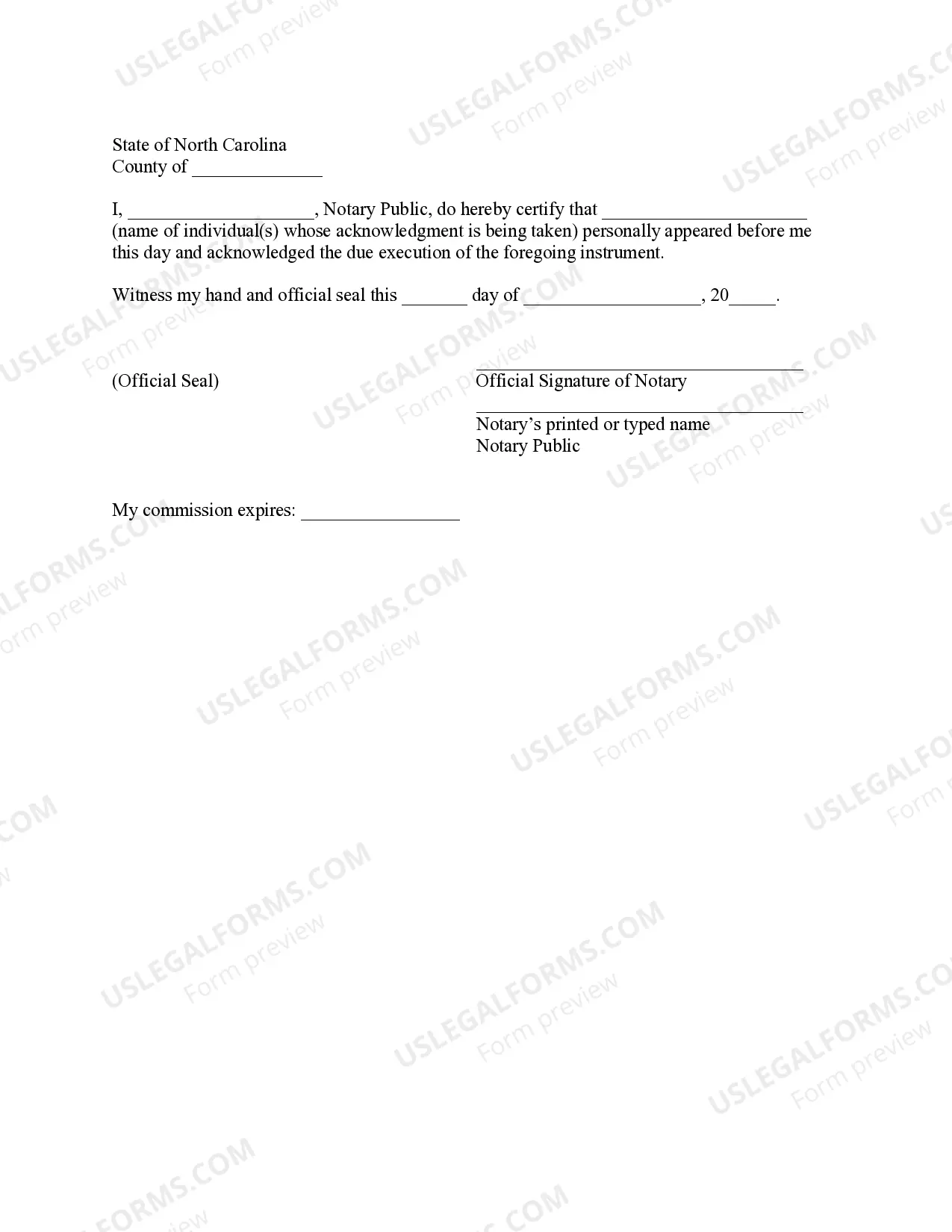
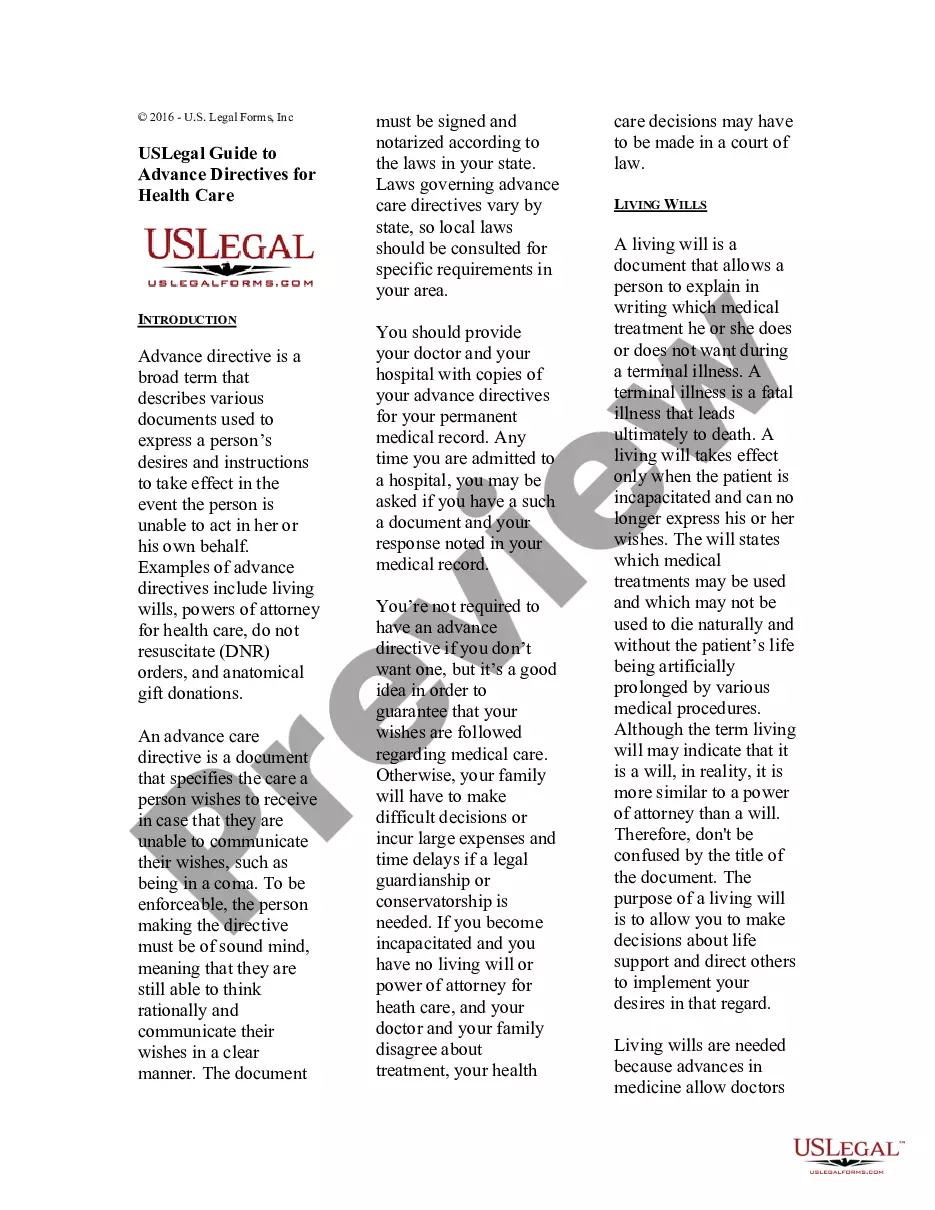
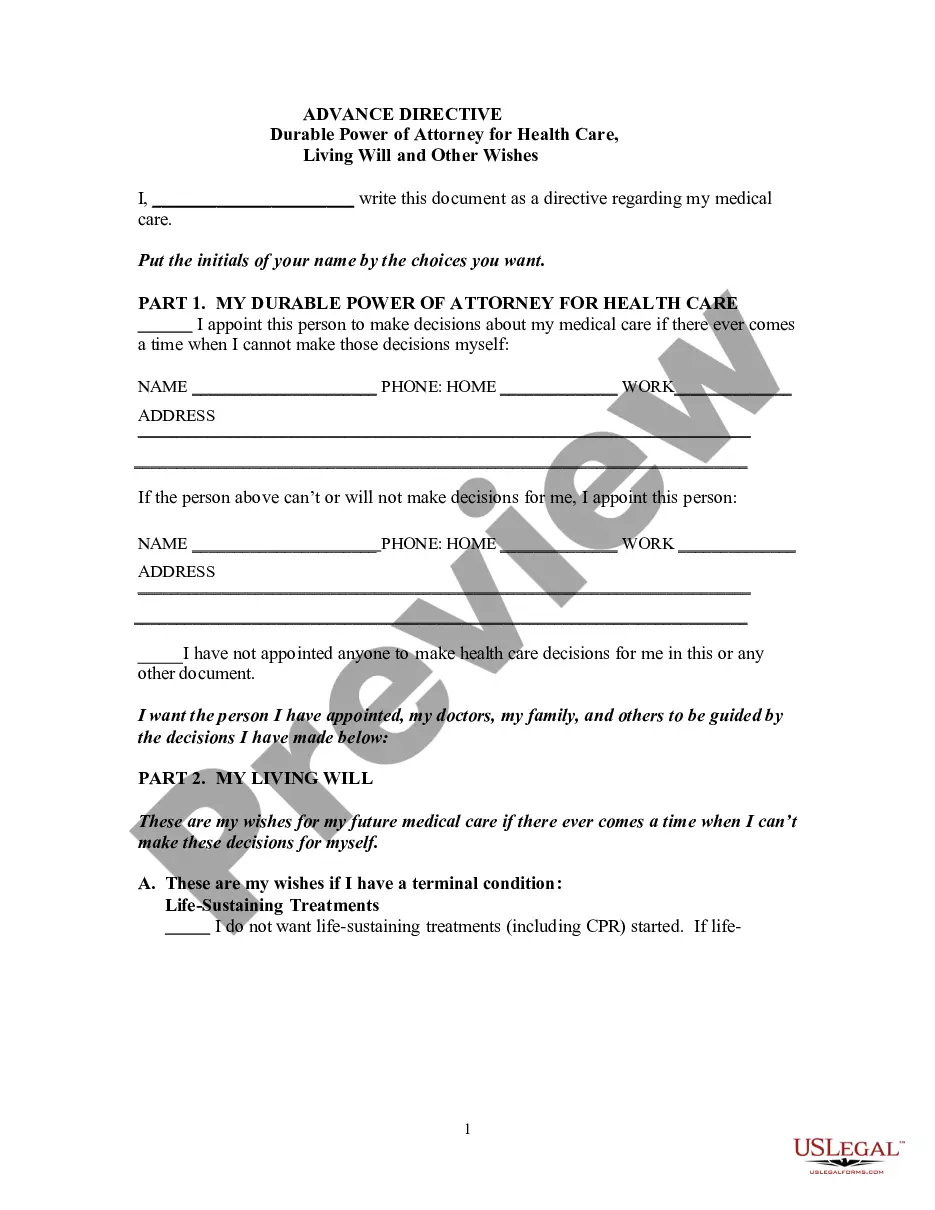

How to fill out North Carolina Statutory Power Of Attorney For Health Care?
Avoid pricey lawyers and find the North Carolina Statutory Power of Attorney for Health Care you need at a affordable price on the US Legal Forms website. Use our simple groups functionality to search for and download legal and tax forms. Read their descriptions and preview them just before downloading. Moreover, US Legal Forms provides users with step-by-step instructions on how to download and complete each and every template.
US Legal Forms customers simply need to log in and obtain the particular form they need to their My Forms tab. Those, who have not got a subscription yet must follow the guidelines listed below:
- Make sure the North Carolina Statutory Power of Attorney for Health Care is eligible for use where you live.
- If available, read the description and use the Preview option prior to downloading the sample.
- If you are confident the template suits you, click Buy Now.
- In case the template is wrong, use the search engine to get the right one.
- Next, create your account and select a subscription plan.
- Pay by credit card or PayPal.
- Choose to obtain the document in PDF or DOCX.
- Simply click Download and find your form in the My Forms tab. Feel free to save the form to the gadget or print it out.
After downloading, you may fill out the North Carolina Statutory Power of Attorney for Health Care by hand or by using an editing software program. Print it out and reuse the form many times. Do more for less with US Legal Forms!
Form popularity
FAQ
In many states, notarization is required by law to make the durable power of attorney valid. But even where law doesn't require it, custom usually does. A durable power of attorney that isn't notarized may not be accepted by people with whom your attorney-in-fact tries to deal.
Generally, the document must be signed, witnessed and notarized by an adult. If your agent will have to deal with real estate assets, some states require you to put the document on file in the local land records office. The power of attorney for finances is typically extinguished upon death, revocation, or divorce.
A general power of attorney ends the moment you become incapacitated.A durable power of attorney stays effective until the principle dies or until they act to revoke the power they've granted to their agent. But there are a handful of circumstances where courts will end durable power of attorney.
Writing your own durable power of attorney is an inexpensive way to deal with end-of-life decision-making because it allows you to appoint a person to make decisions for you after you are incapacitated or legally incompetent.
A power of attorney (or POA) is a legal document that grants a person or organization the legal authority to act on another's behalf and make certain decisions for them.A power of attorney needs to be signed in front of a licensed notary public in order to be legally binding.
After the principal's name, write by and then sign your own name. Under or after the signature line, indicate your status as POA by including any of the following identifiers: as POA, as Agent, as Attorney in Fact or as Power of Attorney.
Choose an agent. Before you begin to fill out the form, you have some decisions to make. Decide on the type of authority. You can choose whether you want your POA to be broad or narrow. Identify the length of time the POA will be in effect. Fill out the form. Execute the document.
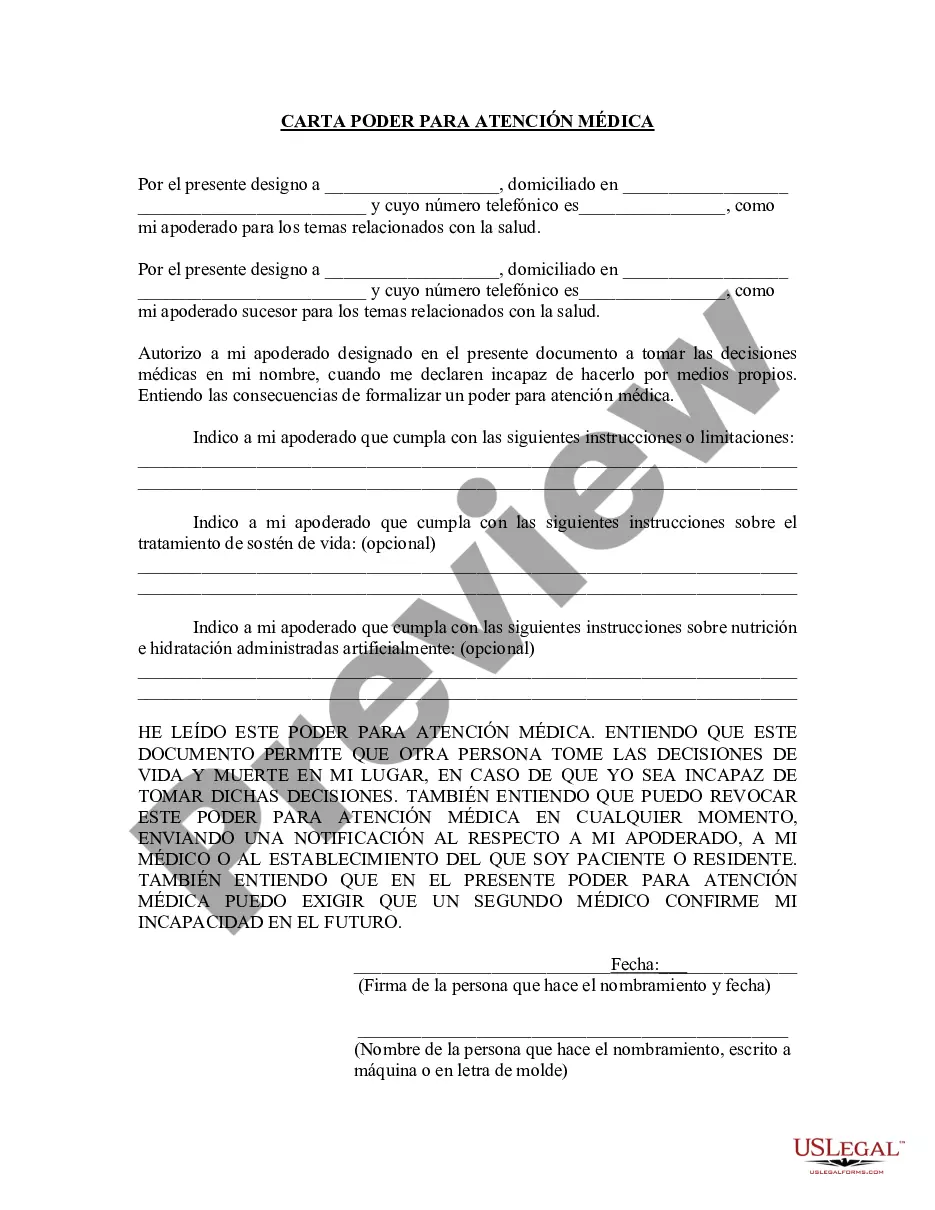
A Durable Power of Attorney for Health Care is a document that lets you name someone else to make decisions about your health care in case you are not able to make those decisions yourself. It gives that person (called your agent) instructions about the kinds of medical treatment you want.
A. A power of attorney must always be signed in front of a notary public. If you wish, it can be recorded at the county register of deeds office in North Carolina where it is to be used.As a general rule, however, a power of attorney does not need to be recorded in North Carolina in order to be effective.