North Carolina Certificate of Assumed Name for a Corporation
What is this form?
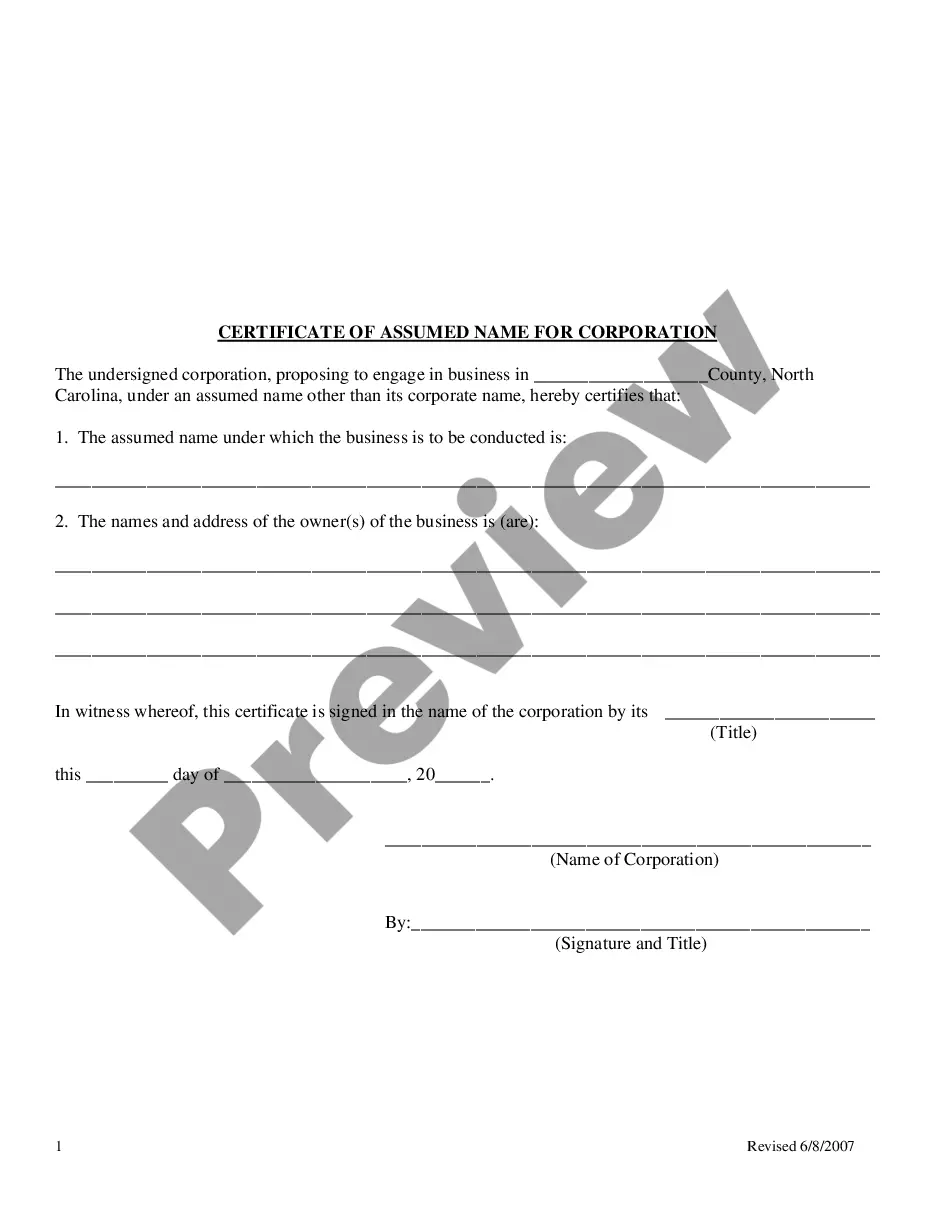
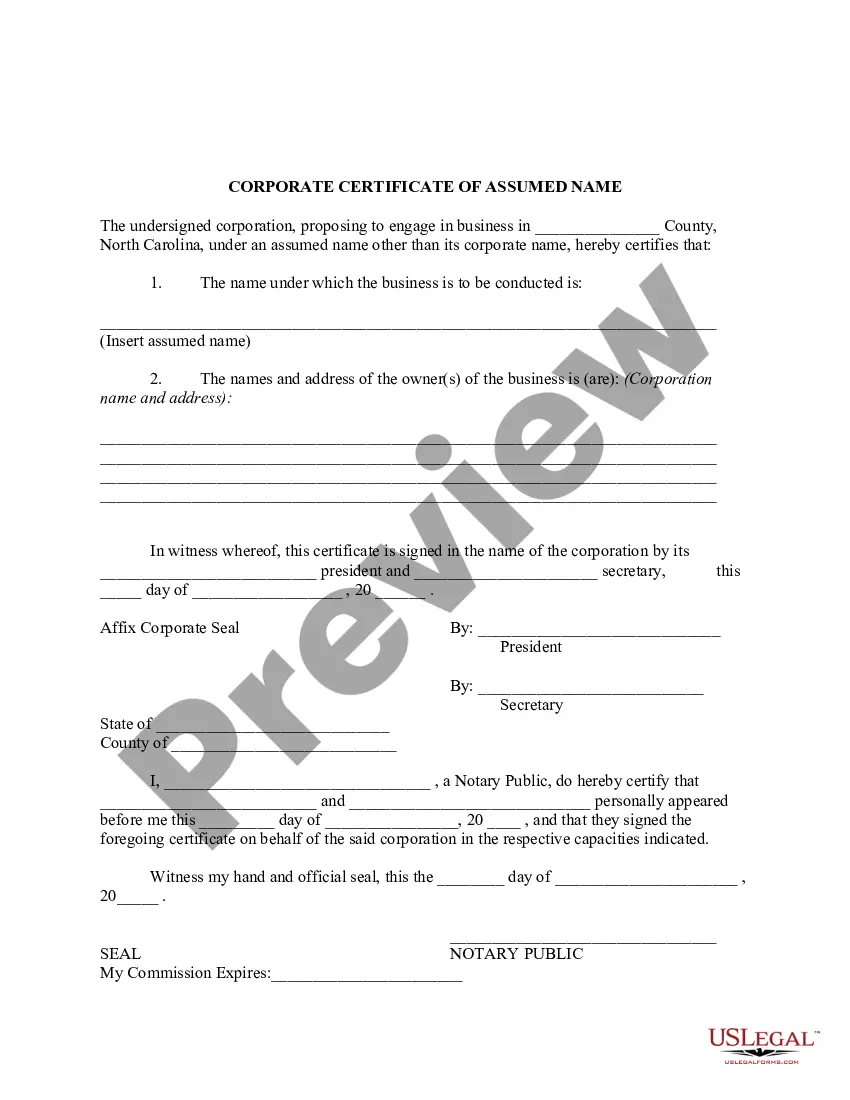
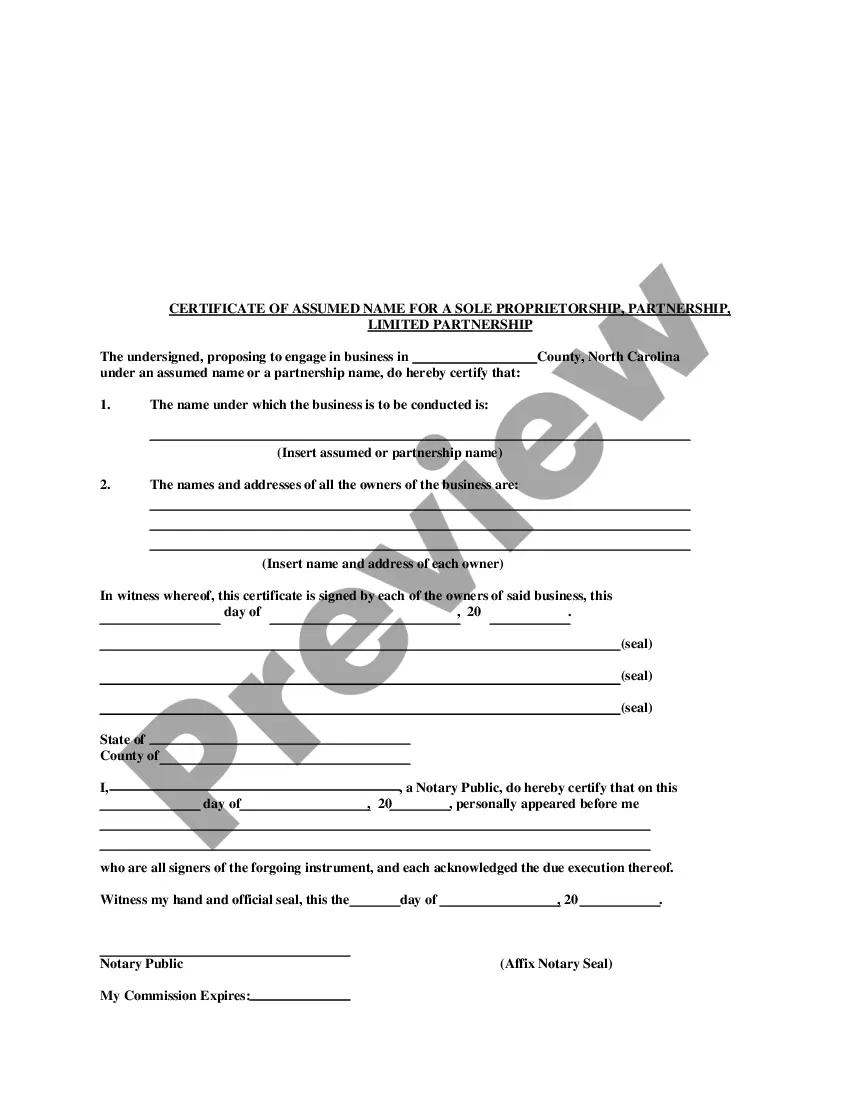
The Certificate of Assumed Name for a Corporation is a legal document required under state law for corporations operating under a name different from their registered corporate name. This form serves to certify the assumed name under which a corporation will conduct business, ensuring compliance with local business regulations.
Key parts of this document
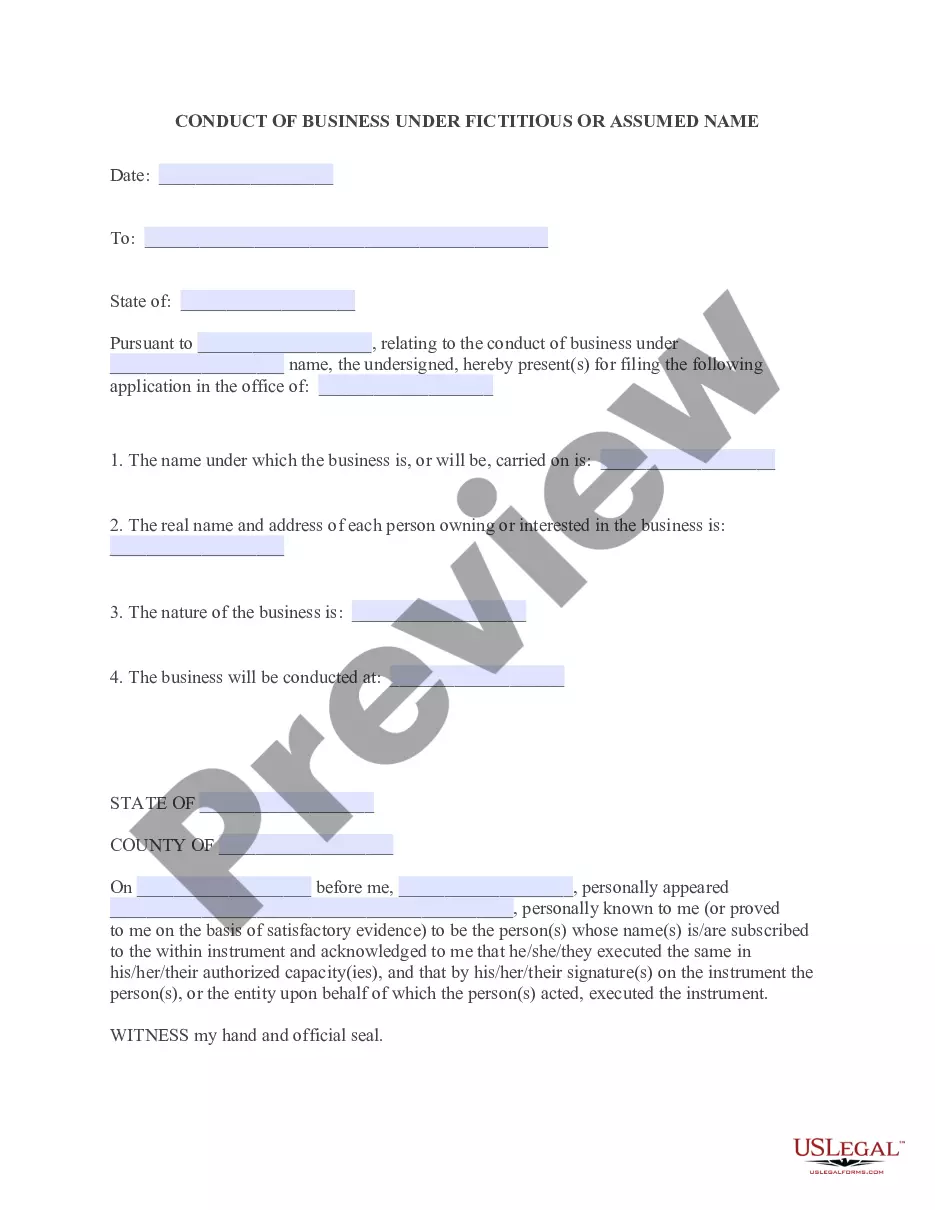
- Assumed name: The name under which the business will operate.
- Owner information: The names and addresses of the business owners.
- Corporate representative: Signature and title of the person signing the certificate.
- Date of signing: The date when the certificate is executed.
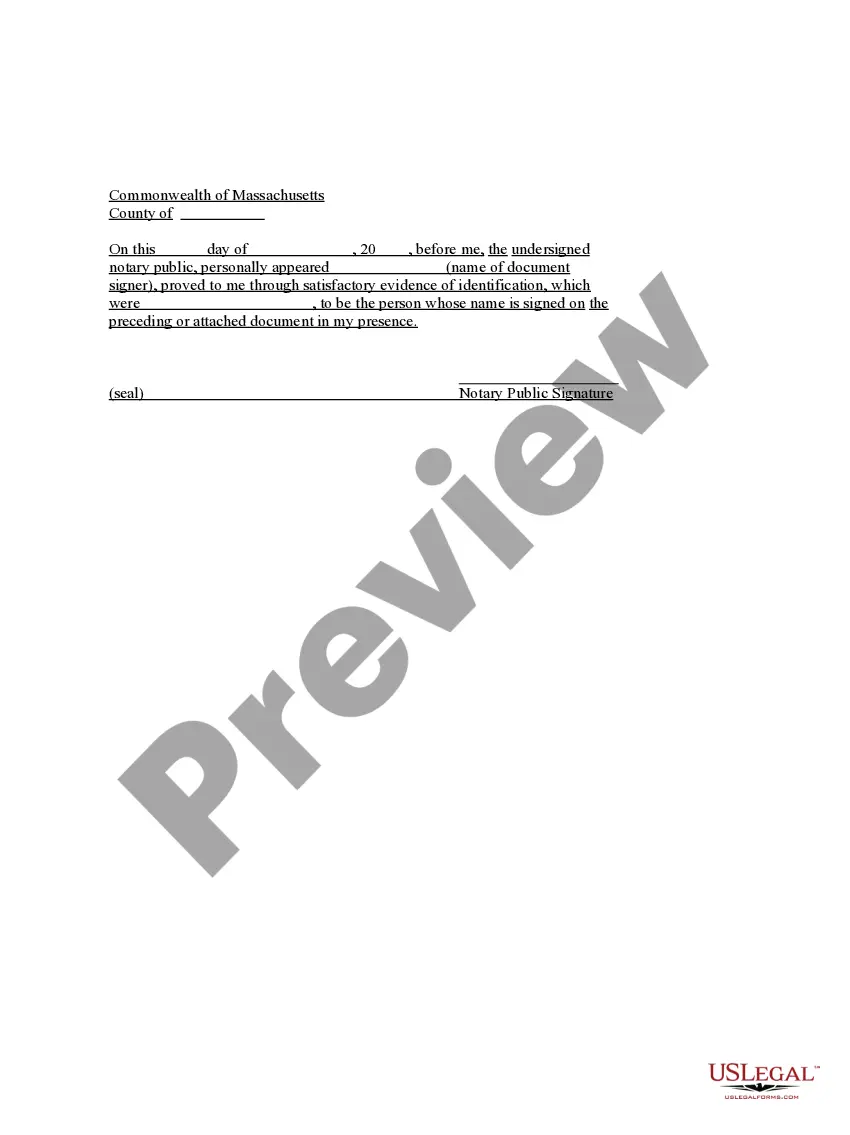
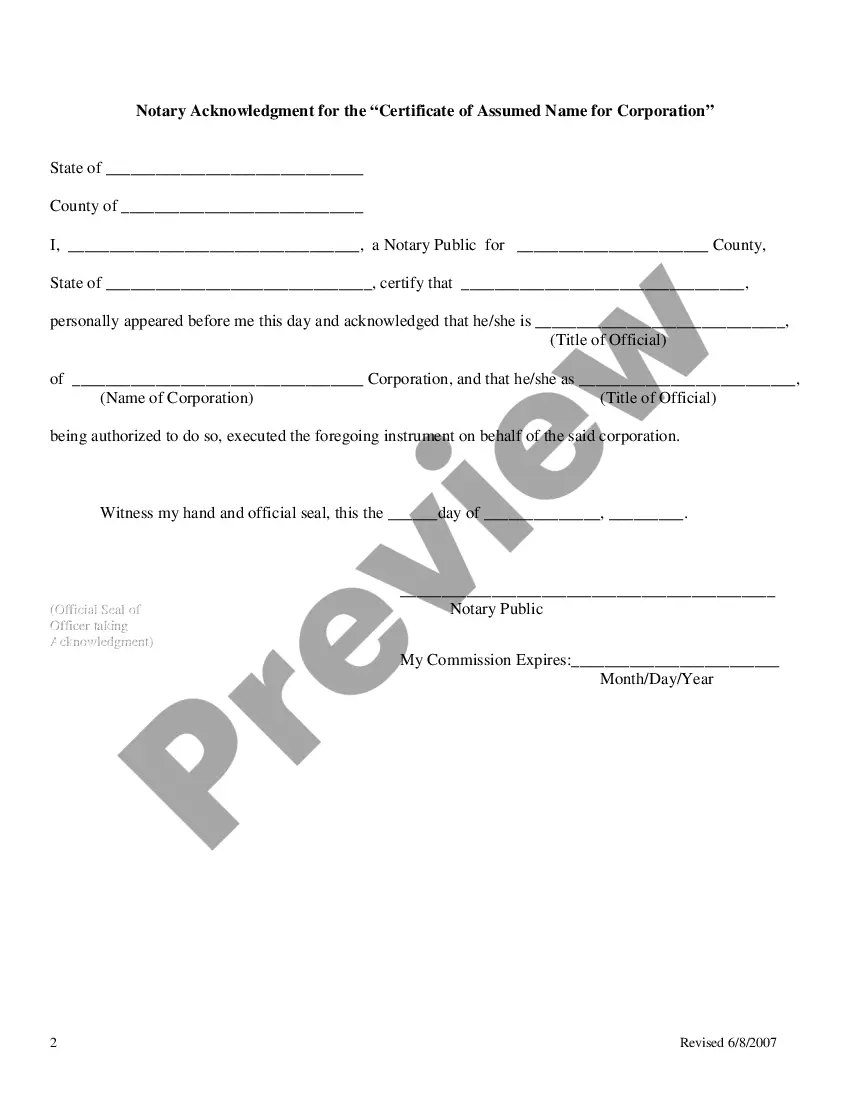
- Notary acknowledgment: Confirmation of the identity of the signatory by a notary public.
Common use cases
This form should be used when a corporation plans to conduct business activities under an assumed name instead of its registered corporate name. It is essential for compliance with local laws and is typically filed with the county Register of Deeds Office in the county where the business is located.
Who can use this document
- Corporations operating under a name different from their official corporate name.
- Business owners who want to ensure they are in compliance with local regulations.
- Representatives of the corporation responsible for filing legal documents.
How to complete this form
- Identify the assumed name: Fill in the name under which the business will operate.
- Provide owner details: Include the names and addresses of the business owners.
- Sign the certificate: The corporate representative must sign and include their title.
- Enter the date: Specify the date on which you are signing the certificate.
- Complete notarization: Arrange for a notarization of the document, if required.
Notarization guidance
Yes, this form must be notarized to be legally valid. It requires a notary public to acknowledge the signature of the corporate representative, ensuring authenticity and compliance with legal standards. US Legal Forms offers integrated online notarization that is available 24/7 through secure video calls.
Get your form ready online
Our built-in tools help you complete, sign, share, and store your documents in one place.
Make edits, fill in missing information, and update formatting in US Legal Forms—just like you would in MS Word.
Download a copy, print it, send it by email, or mail it via USPS—whatever works best for your next step.
Sign and collect signatures with our SignNow integration. Send to multiple recipients, set reminders, and more. Go Premium to unlock E-Sign.
If this form requires notarization, complete it online through a secure video call—no need to meet a notary in person or wait for an appointment.
We protect your documents and personal data by following strict security and privacy standards.

Make edits, fill in missing information, and update formatting in US Legal Forms—just like you would in MS Word.

Download a copy, print it, send it by email, or mail it via USPS—whatever works best for your next step.

Sign and collect signatures with our SignNow integration. Send to multiple recipients, set reminders, and more. Go Premium to unlock E-Sign.

If this form requires notarization, complete it online through a secure video call—no need to meet a notary in person or wait for an appointment.

We protect your documents and personal data by following strict security and privacy standards.
Common mistakes
- Failing to include the complete assumed name.
- Not providing all required owner information.
- Omitting the signature of an authorized representative.
- Failing to notarize the document when necessary.
Why use this form online
- Convenience: Easily download and complete the form from anywhere.
- Editability: Make necessary changes before finalizing the form.
- Reliability: Access attorney-drafted templates that meet legal requirements.
Looking for another form?

Form popularity
FAQ
For example, business owner John Smith might file the Doing Business As name "Smith Roofing." Corporations and limited liability companies (LLCs) may register DBA names for specific lines of business. For example, Helen's Food Service Inc. might register the DBA "Helen's Catering."
When to Renew Your DBA If registering in Texas, you can use the DBA for 10 years, and in New York, no renewal is necessary as there is no expiration date. As long as you stay on top of your DBA's expiration date, you can continue to renew it as long as you like.
It is NOT a separate entity. A Sole Proprietor fills out Schedule C as part of your Form 1040. You will also fill out Schedule SE for your employment taxes on your net profit.
The DBA has to be filled out and notarized with no errors due to the fact that it is recorded with the County. Filing for a DBA allows you to do business under a different name.The name of your business is up to you, but it needs to be properly registered with the state of California.
If you're a sole proprietor or a partner with the authority to sign contracts for the partnership, you sign using your own name. Then, UpCounsel says, you add the "doing business as" name. DBA examples are "Bert Smith, DBA Steel IT Security" or "Helen Marker, DBA The Best Vintage Jewelry."
The form is presented to a clerk for filing. The cost to file your DBA is $33 for an Individual DBA and $34 for a Partnership DBA (which includes the filing fee, a copy for the filers records and a certified copy for proof of filing).
A DBA can be filed in order for a company to transact business under the company's domain name. This is especially helpful when your company name is not available as a domain name. For example, you may want to operate another business or website in addition to your existing one.
1Obtain the appropriate forms. First, acquire the appropriate forms for registering a DBA in your jurisdiction.2Complete the forms. Provide all required information on the DBA forms.3Provide your business entity type.4Provide any other information.5Sign the forms.6Pay the fee and file the forms.
Obtain the appropriate forms. First, acquire the appropriate forms for registering a DBA in your jurisdiction. Complete the forms. Provide all required information on the DBA forms. Provide your business entity type. Provide any other information. Sign the forms. Pay the fee and file the forms.