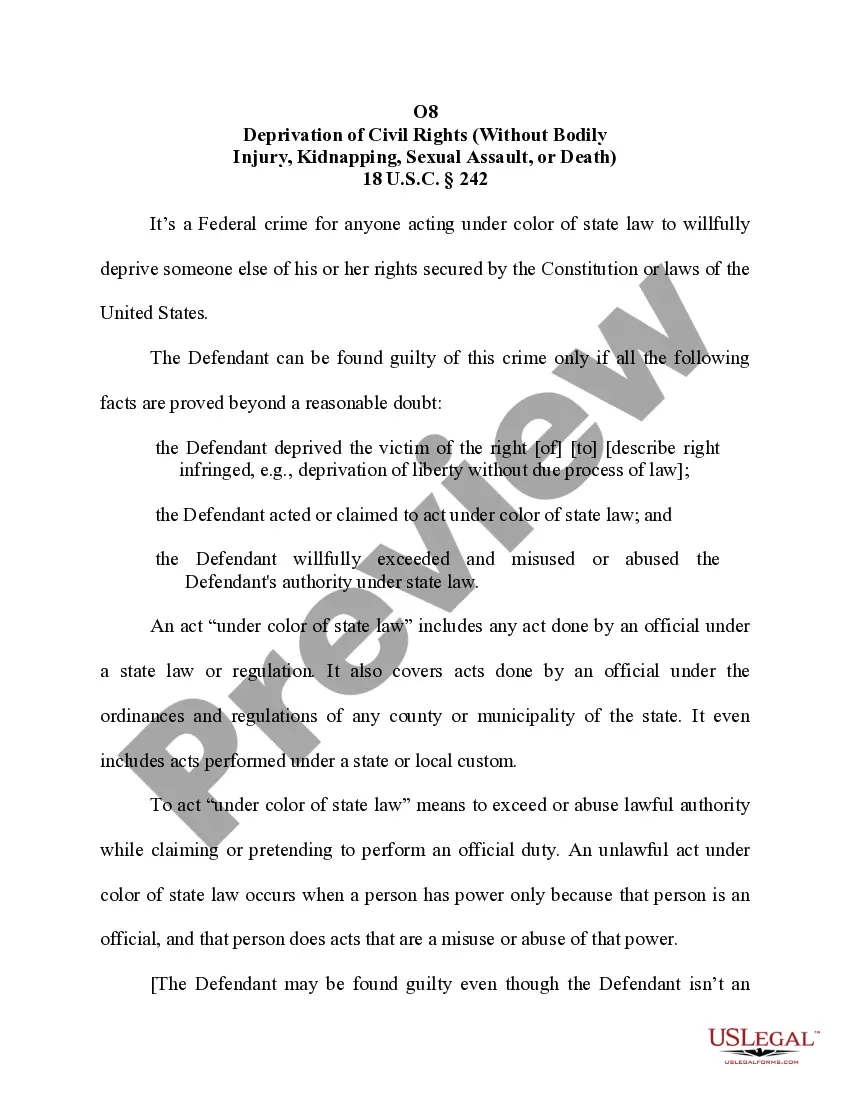
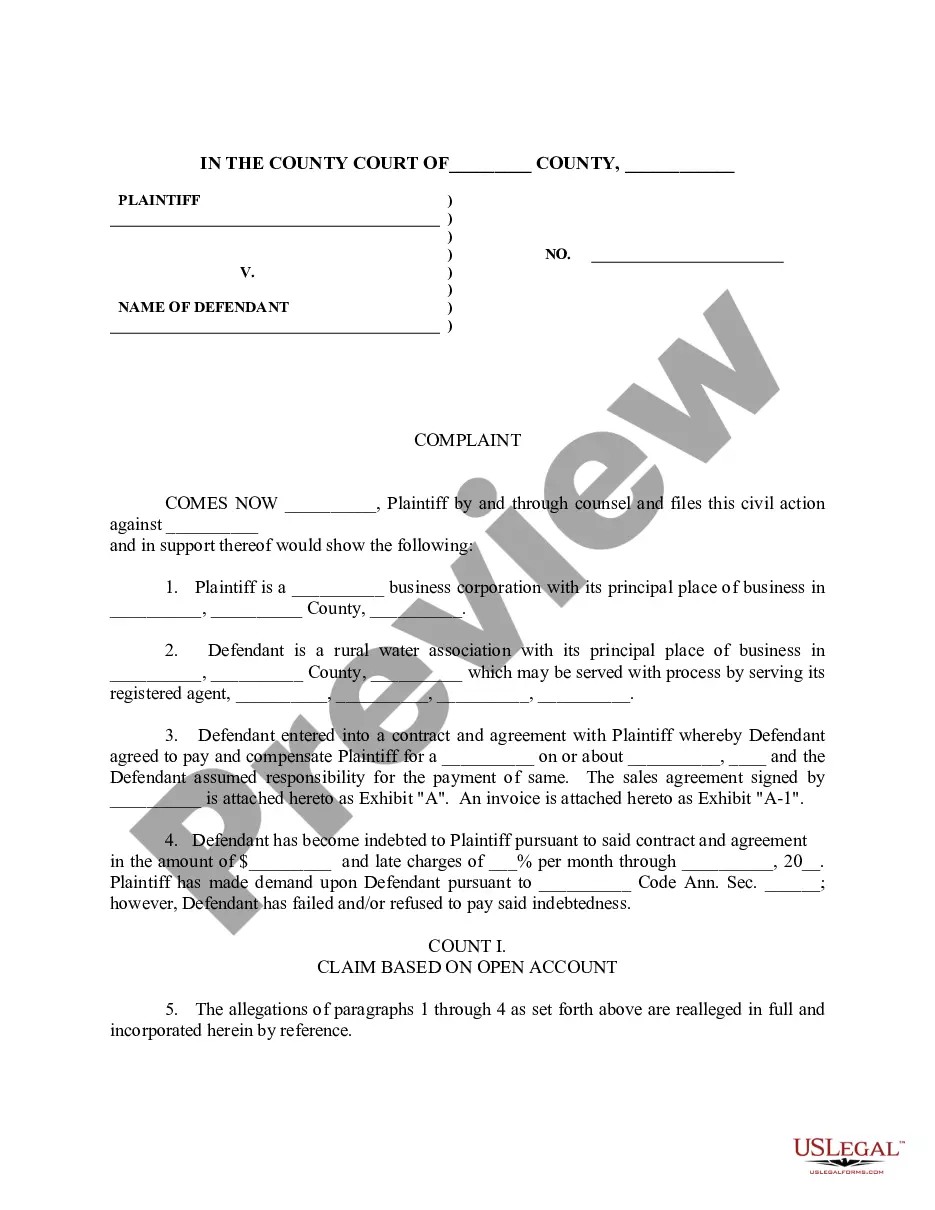
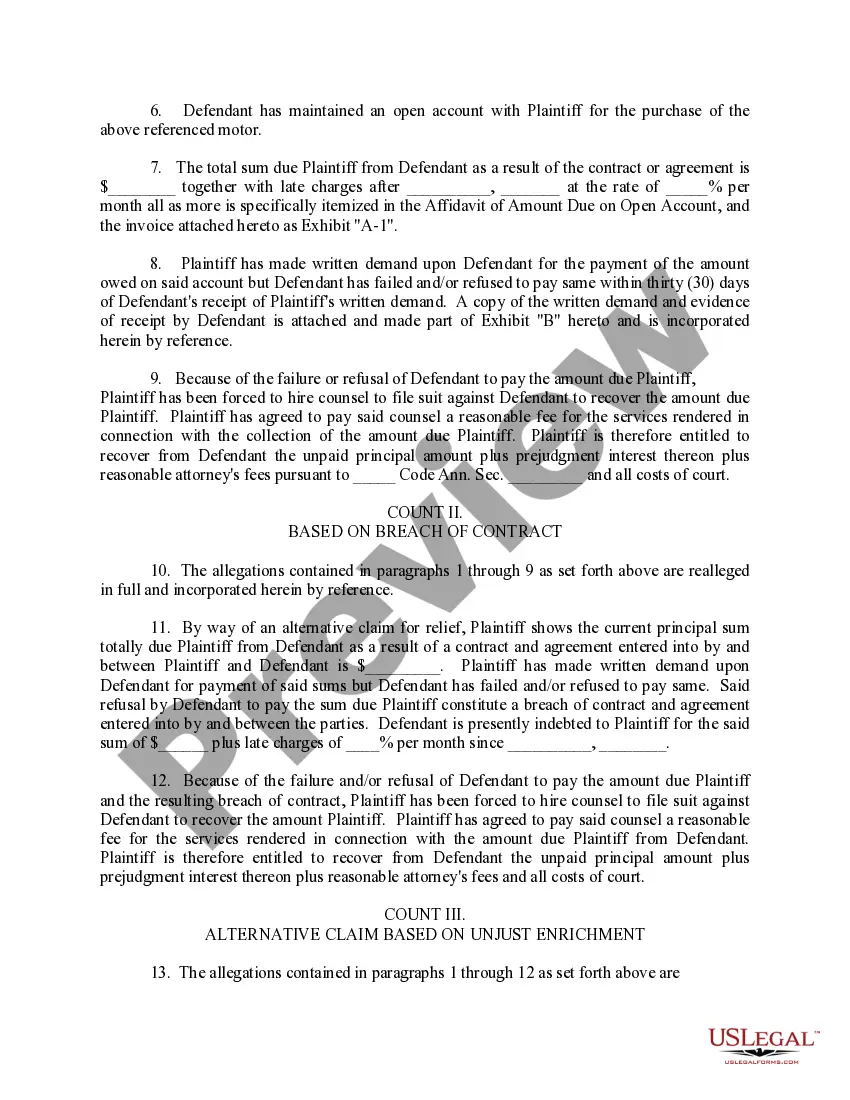
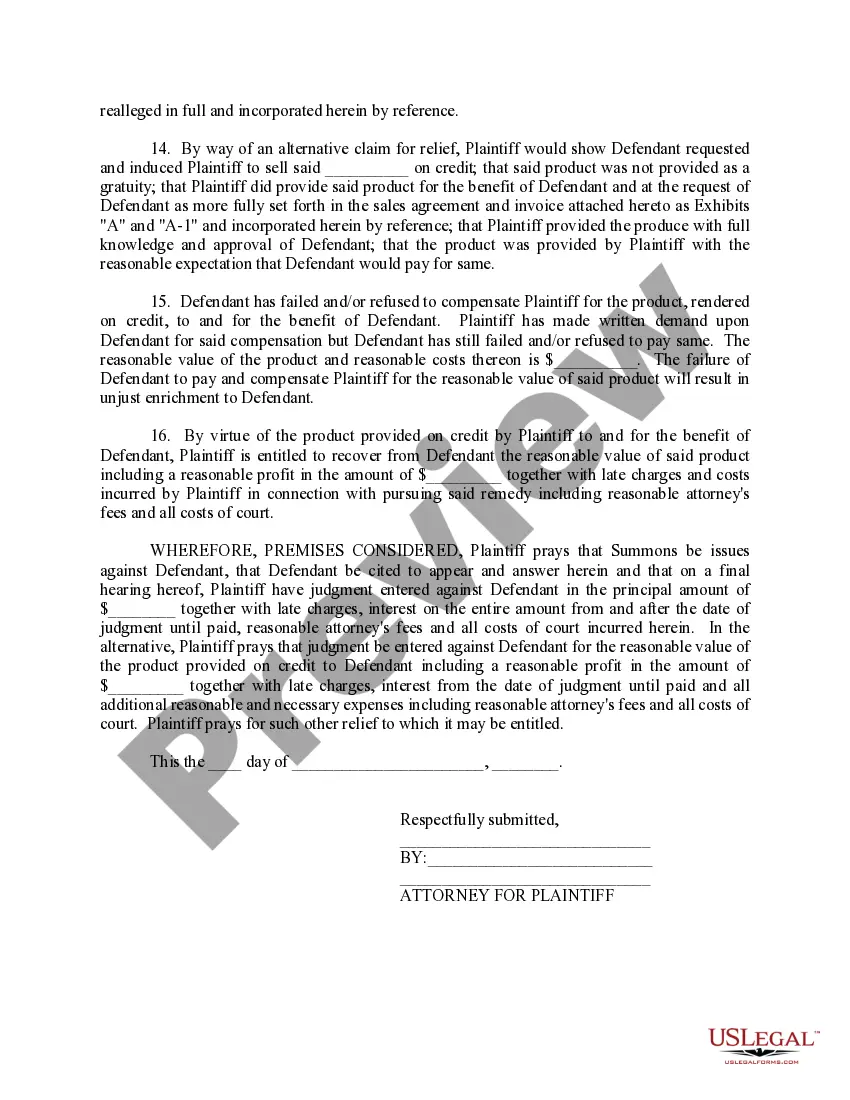
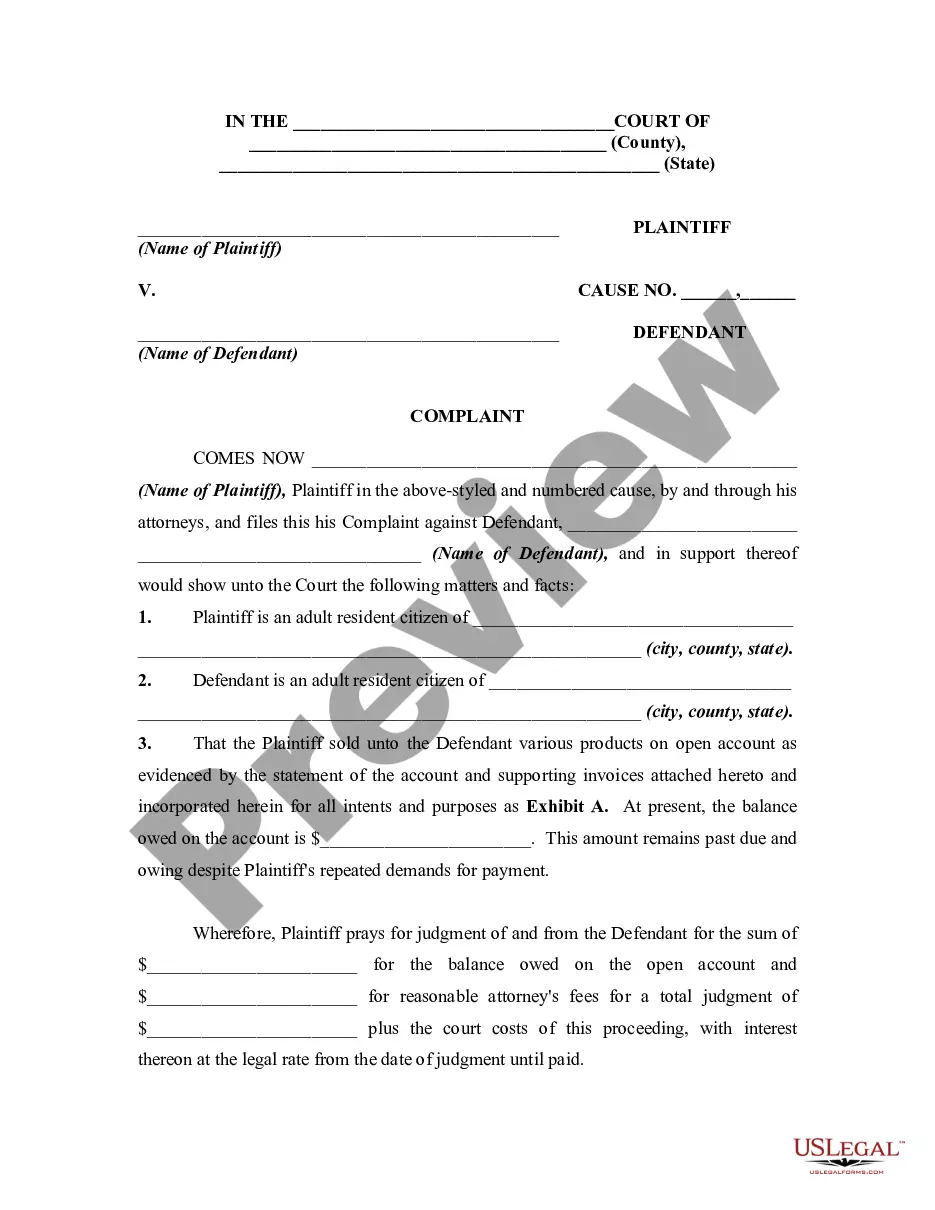
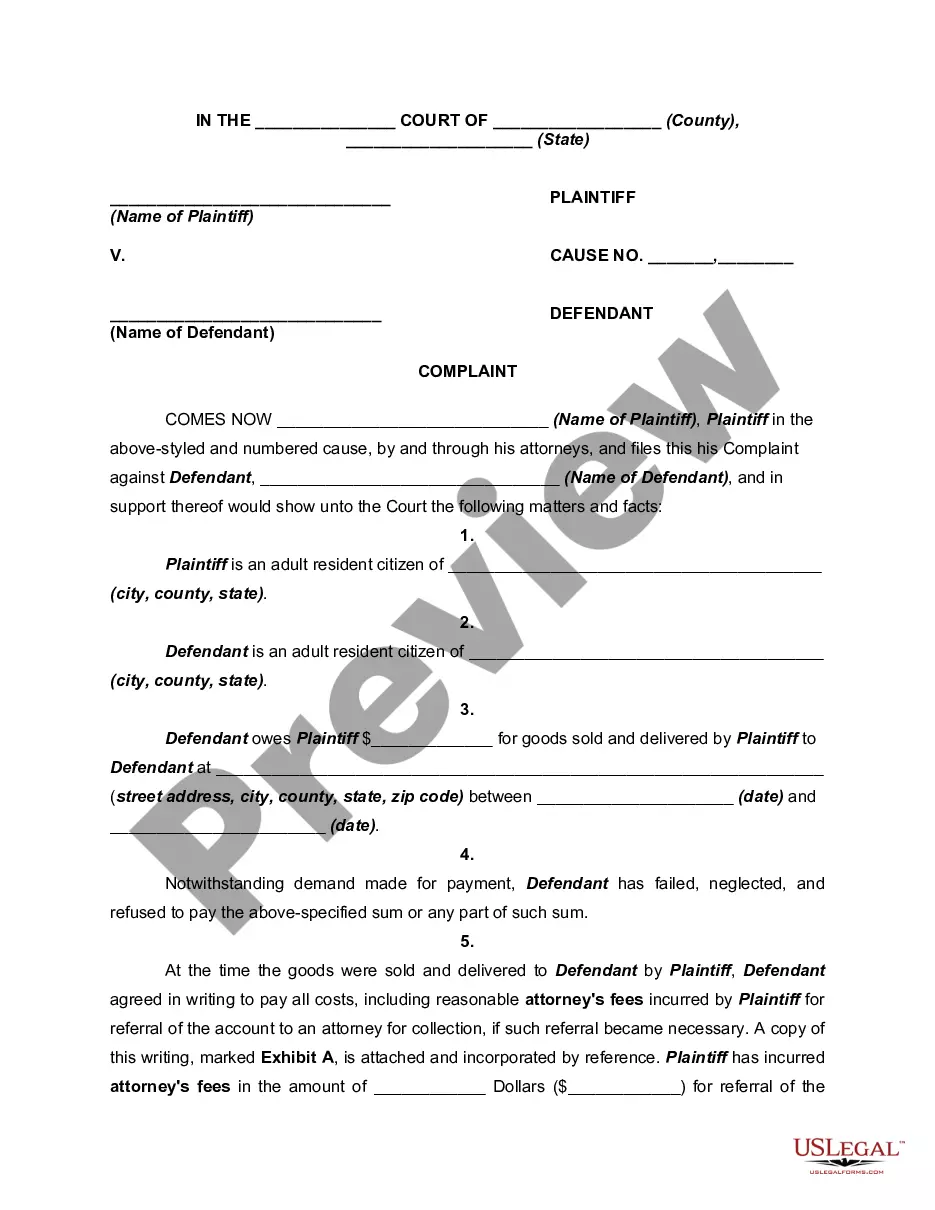
Montana Complaint based on Open Account, Breach of Contract, Unjust Enrichment
Description
Get your form ready online
Our built-in tools help you complete, sign, share, and store your documents in one place.
Make edits, fill in missing information, and update formatting in US Legal Forms—just like you would in MS Word.
Download a copy, print it, send it by email, or mail it via USPS—whatever works best for your next step.
Sign and collect signatures with our SignNow integration. Send to multiple recipients, set reminders, and more. Go Premium to unlock E-Sign.
If this form requires notarization, complete it online through a secure video call—no need to meet a notary in person or wait for an appointment.
We protect your documents and personal data by following strict security and privacy standards.

Make edits, fill in missing information, and update formatting in US Legal Forms—just like you would in MS Word.

Download a copy, print it, send it by email, or mail it via USPS—whatever works best for your next step.

Sign and collect signatures with our SignNow integration. Send to multiple recipients, set reminders, and more. Go Premium to unlock E-Sign.

If this form requires notarization, complete it online through a secure video call—no need to meet a notary in person or wait for an appointment.

We protect your documents and personal data by following strict security and privacy standards.
Looking for another form?




How to fill out Complaint Based On Open Account, Breach Of Contract, Unjust Enrichment?
If you wish to finalize, acquire, or print legal document templates, utilize US Legal Forms, the primary collection of legal forms, accessible online.
Utilize the site’s straightforward and user-friendly search to find the documents you need.
Various templates for business and personal purposes are organized by categories and states, or keywords.
After you have found the form you need, click the Purchase now button. Choose the pricing plan you prefer and enter your details to register for the account.
Process the transaction. You can use your credit card or PayPal account to complete the purchase. Step 6. Select the format of the legal form and download it to your device. Step 7. Complete, edit, and print or sign the Montana Complaint based on Open Account, Breach of Contract, Unjust Enrichment. Every legal document template you purchase is yours indefinitely. You have access to every form you acquired in your account. Click the My documents section and select a form to print or download again. Compete and obtain, and print the Montana Complaint based on Open Account, Breach of Contract, Unjust Enrichment with US Legal Forms. There are numerous professional and state-specific forms you can utilize for your business or personal needs.
- Utilize US Legal Forms to find the Montana Complaint based on Open Account, Breach of Contract, Unjust Enrichment in just a few clicks.
- If you are already a US Legal Forms user, Log In to your account and click on the Download button to obtain the Montana Complaint based on Open Account, Breach of Contract, Unjust Enrichment.
- You can also access forms you previously obtained in the My documents tab of your account.
- If you are using US Legal Forms for the first time, follow the instructions outlined below.
- Ensure you have selected the form for your correct city/state.
- Use the Review option to browse the form’s content. Don’t forget to read the description.
- If you are not satisfied with the form, use the Search field at the top of the screen to find other versions of the legal form template.
Form popularity
FAQ
A common reason for commercial litigation is when a party to an express contract fails to fulfill one or more of the contractual terms. This could amount to a breach of contract. If the defaulting party has benefited from the contract without performing their part, they could be liable for unjust enrichment as well.
A contract implied in law, also known as a quasi-contract or a constructive contract, is an obligation created by law for the sake of justice or to avoid unjust enrichment.
Overview. Unjust enrichment occurs when Party A confers a benefit upon Party B without Party A receiving the proper restitution required by law. This typically occurs in a contractual agreement when Party A fulfills his/her part of the agreement and Party B does not fulfill his/her part of the agreement.
The statute of limitations for actions based in unjust enrichment/quantum meruit is 3 years. MCA § 27-2-202(c). The statute of limitations for a tort claim is three years.
You Either Have Breach of Contract, or Unjust Enrichment. You Can't Have Both. Simply put, as a claimant you must decide from the get-go whether your claim is based upon the breach of a valid written contract, or whether your claim is grounded in quasi-contract, i.e., to seek recovery on an strictly equitable basis.
Unjust enrichment is an equitable doctrine that requires a party to make restitution to another if they have been enriched at the other party's expense. Court Opinions. The doctrine applies when there is no adequate remedy at law and there is no contract between the parties. Court Opinions.
The elements of unjust enrichment exist if: 1) you provided something of value to the defendant; 2) the defendant acknowledged, accepted and benefitted from what you provided; and 3) it would be inequitable for the defendant to enjoy the benefit you provided without compensating you.
The Restatement (Third) of Restitution and Unjust Enrichment (2011) (?R3RUE?) states that unjust enrichment is a body of legal obligations under the common law and equity ? but separate from tort and contract law ? that is available to take away an enrichment that lacks an adequate legal basis.
3 Elements of a Claim for Unjust Enrichment The defendant received a benefit; At the plaintiff's expense; and, Under circumstances that would make it unjust for the defendant to retain the benefit without commensurate compensation.