Motion for Complete Recordation for a Transcript of All Pretrial Proceedings and For A Daily Transcript of Specified Portions of the Evidence
About this form
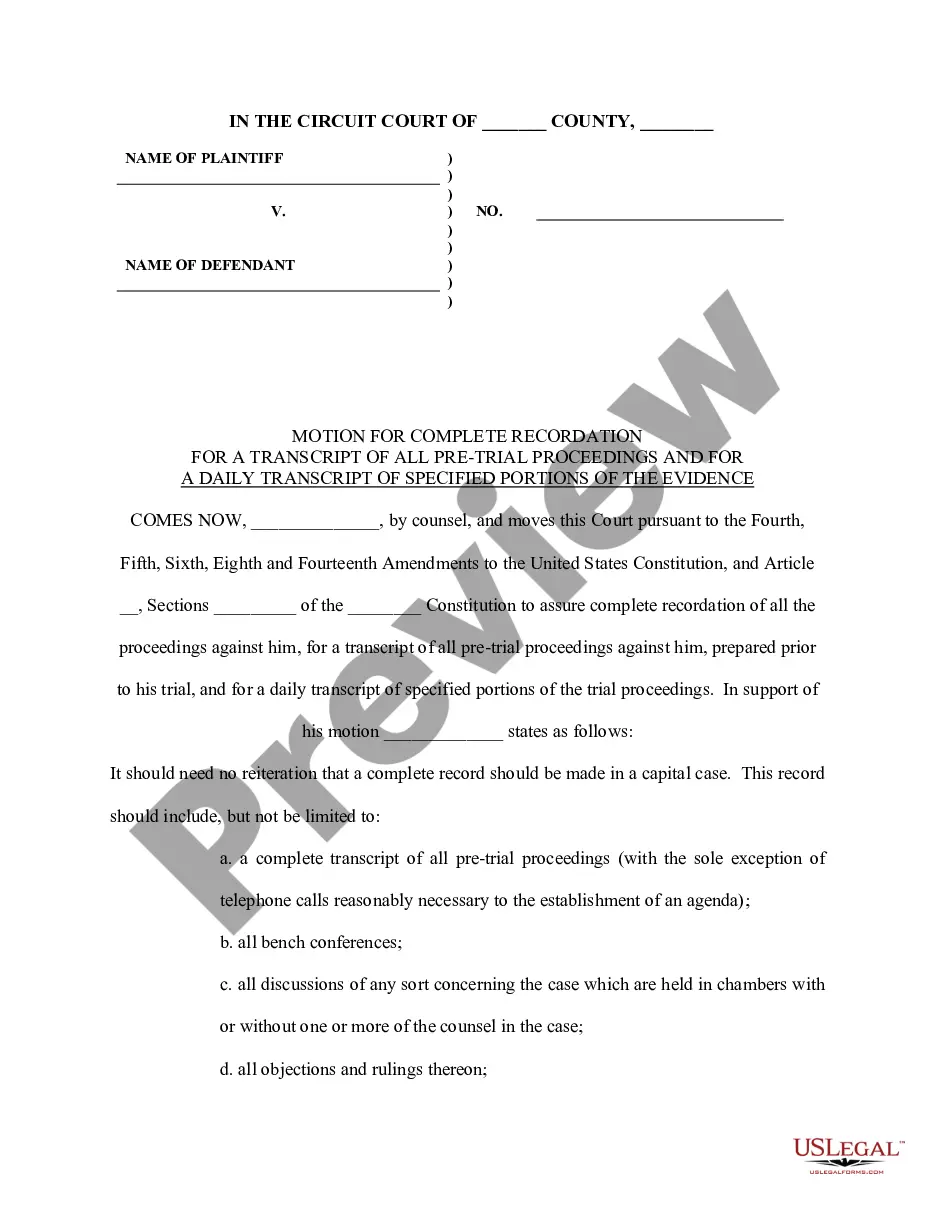
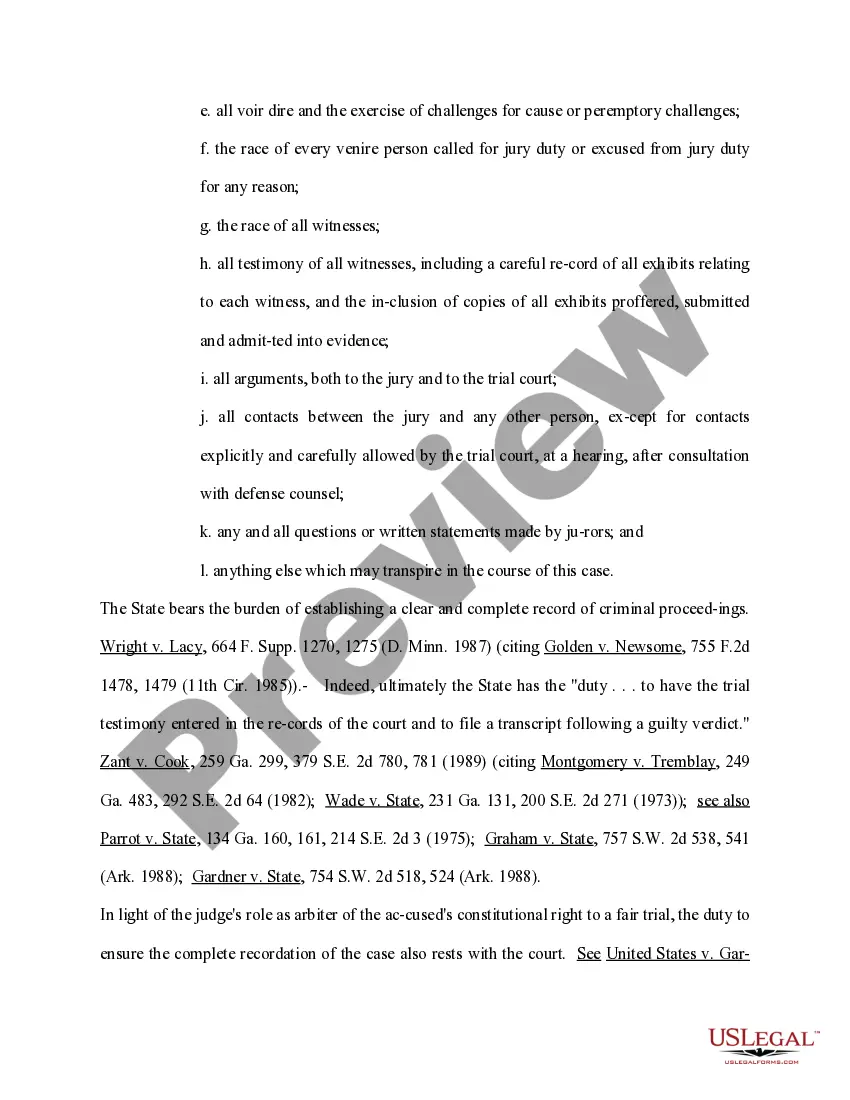
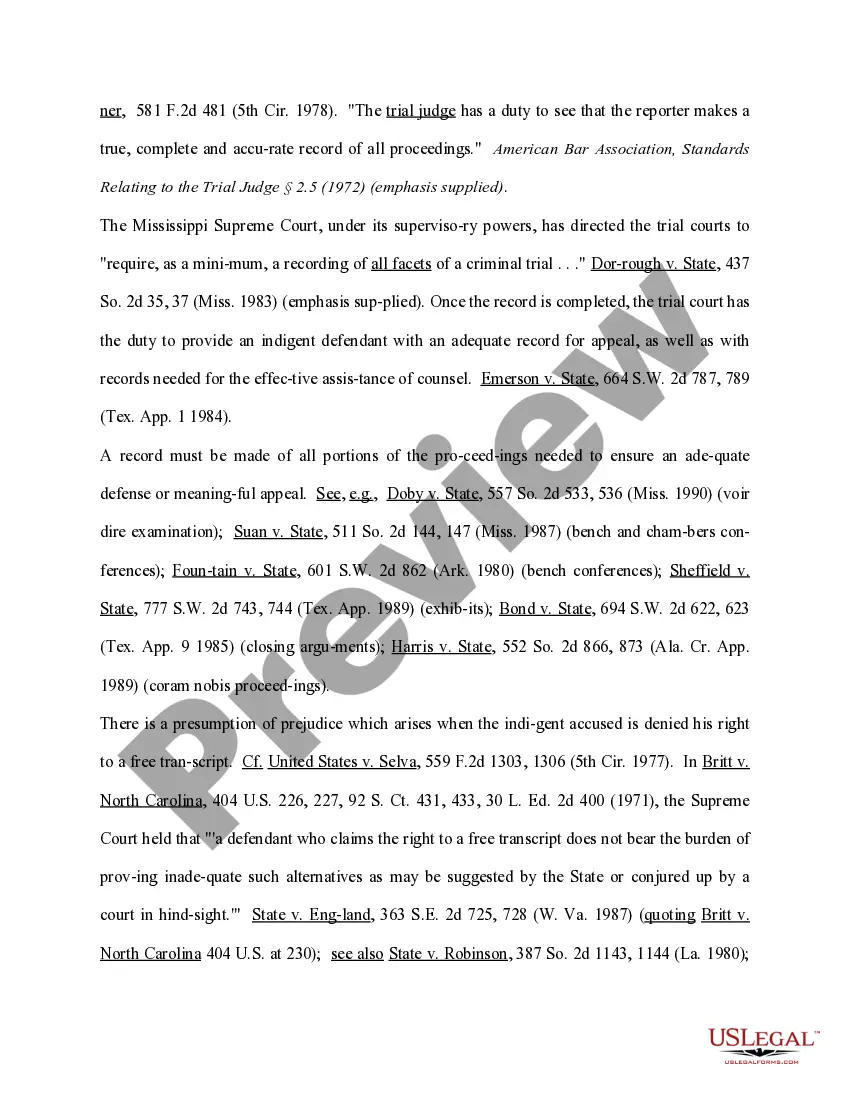
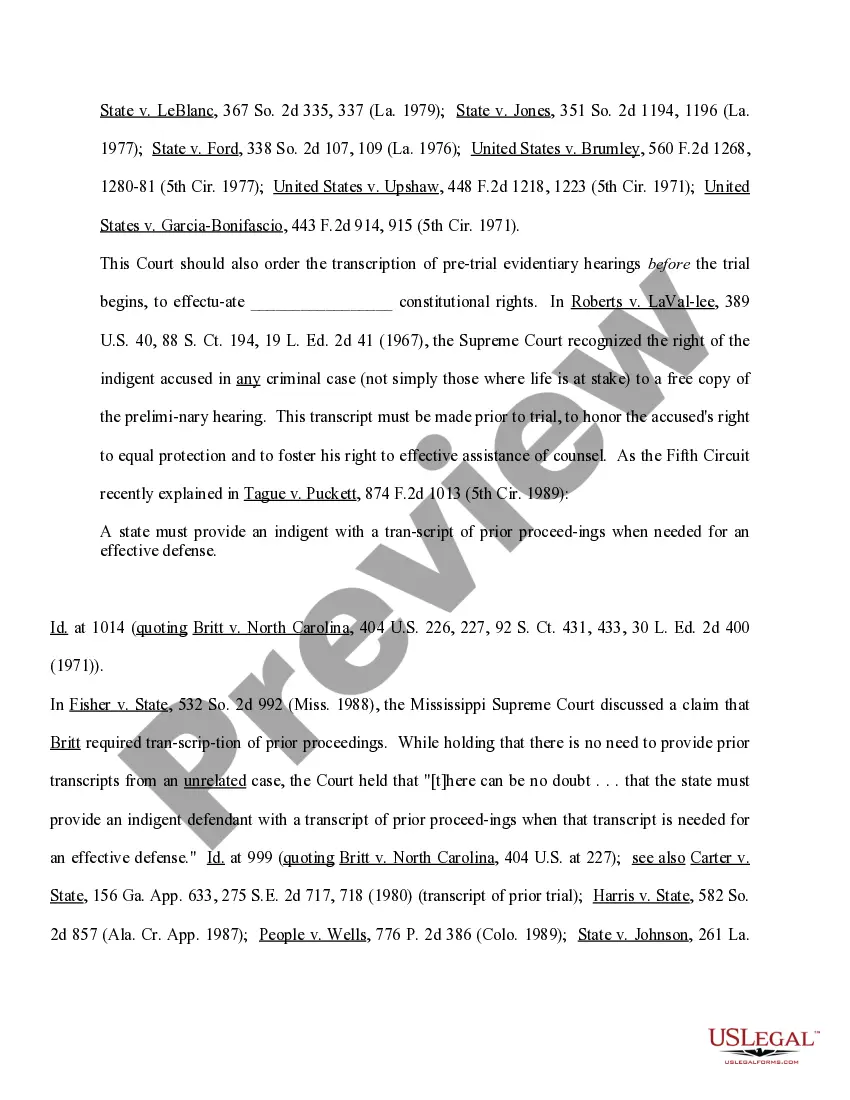
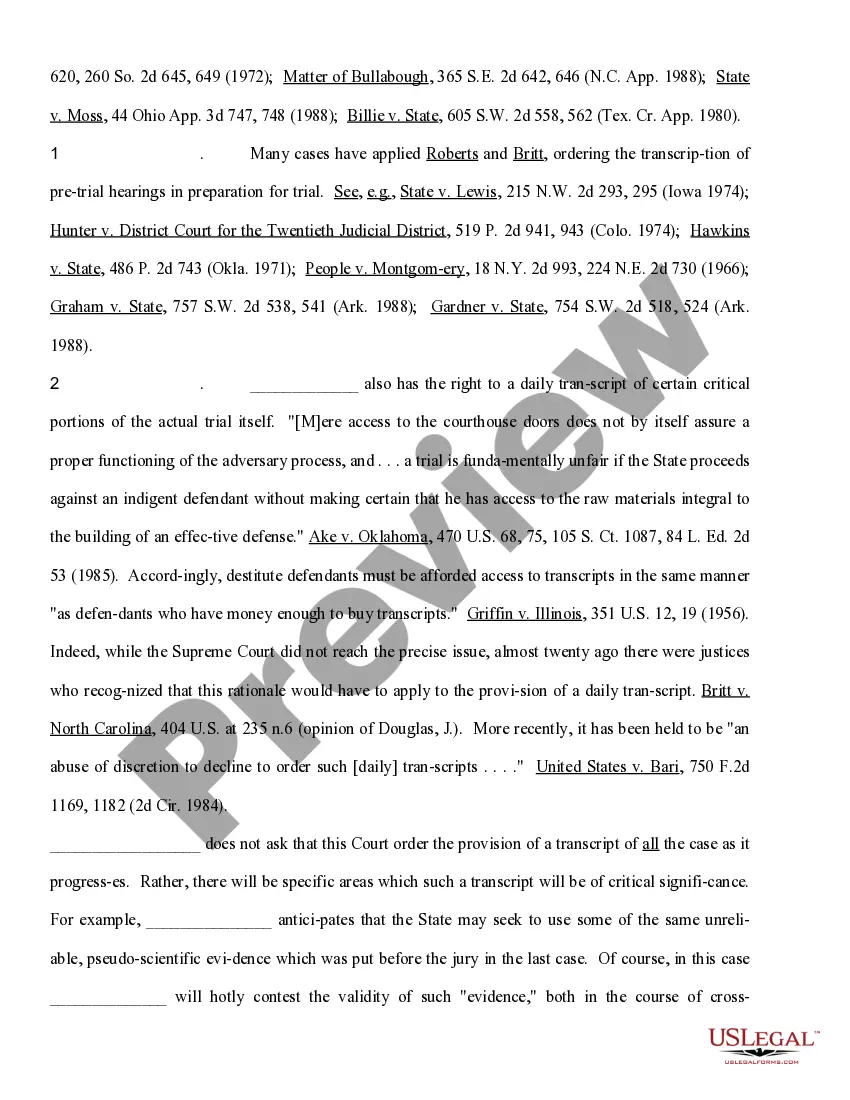
The Motion for Complete Recordation for a Transcript of All Pretrial Proceedings and For A Daily Transcript of Specified Portions of the Evidence is a legal document used to ensure a comprehensive record of all judicial proceedings before and during a trial. This motion is particularly crucial in capital cases, where the need for a complete and accurate transcript is vital for safeguarding the rights of the accused. It differs from standard recordation requests by emphasizing the necessity for daily transcripts of specific trial portions, thereby supporting effective legal representation and appeal rights.
What’s included in this form
- Identification of the moving party, including legal representation.
- Request for complete transcripts of all pretrial proceedings and specified trial portions.
- Arguments citing constitutional rights and precedents for the necessity of thorough recordation.
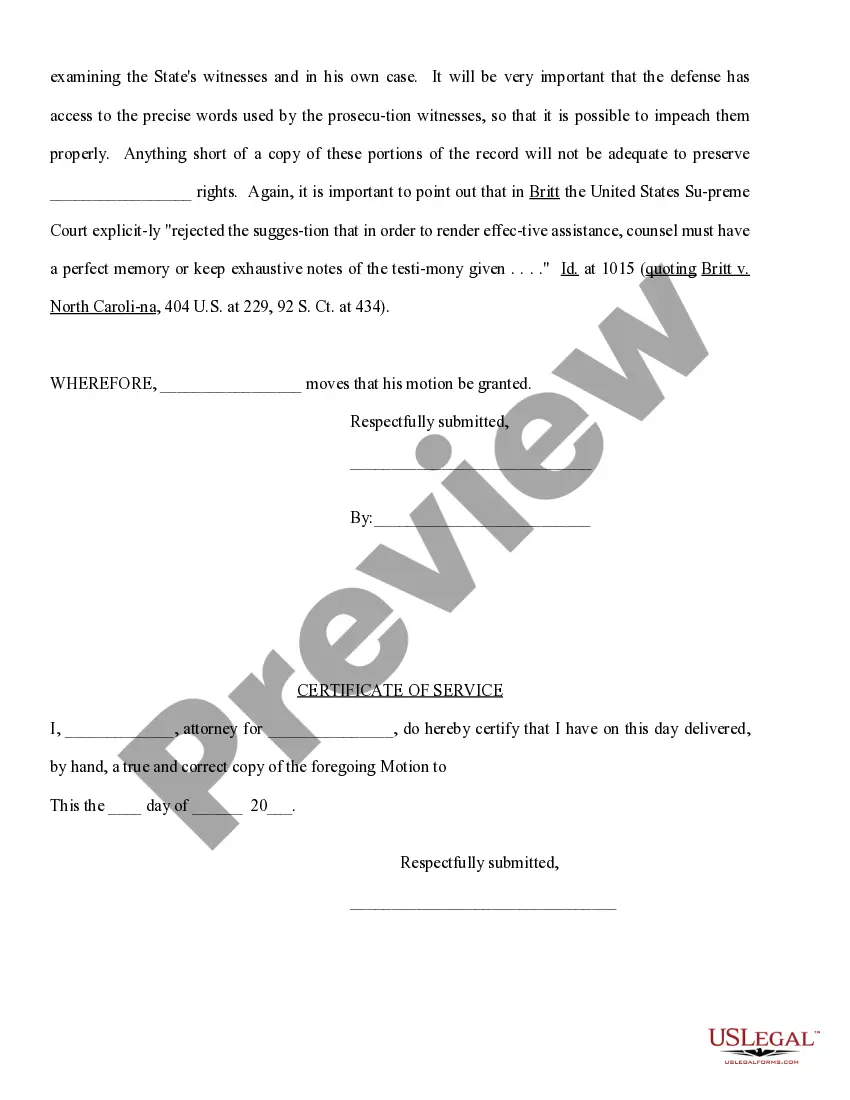
- Statement demonstrating the relevance and importance of specified trial portions for effective defense.
- Certification of service to indicate compliance with procedural requirements.

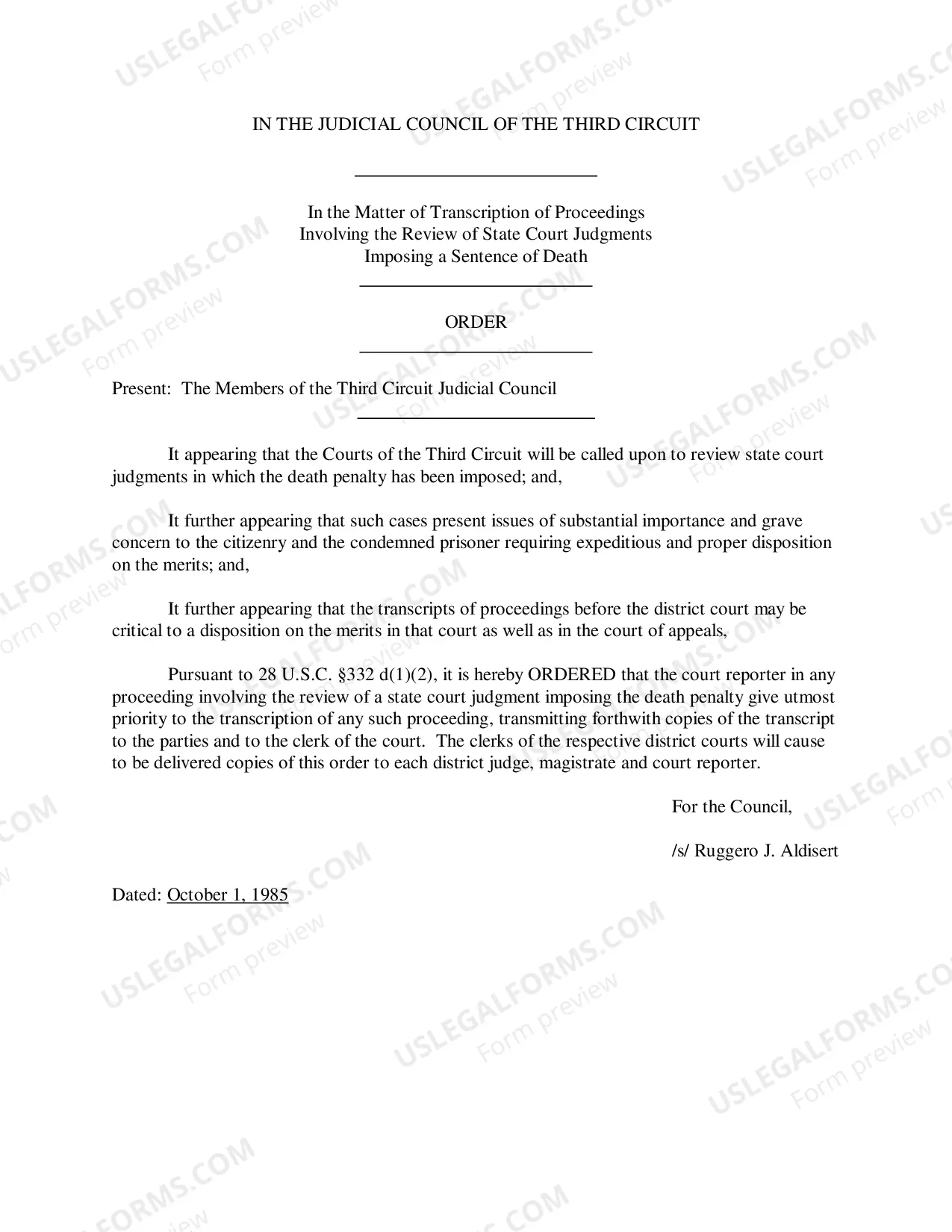
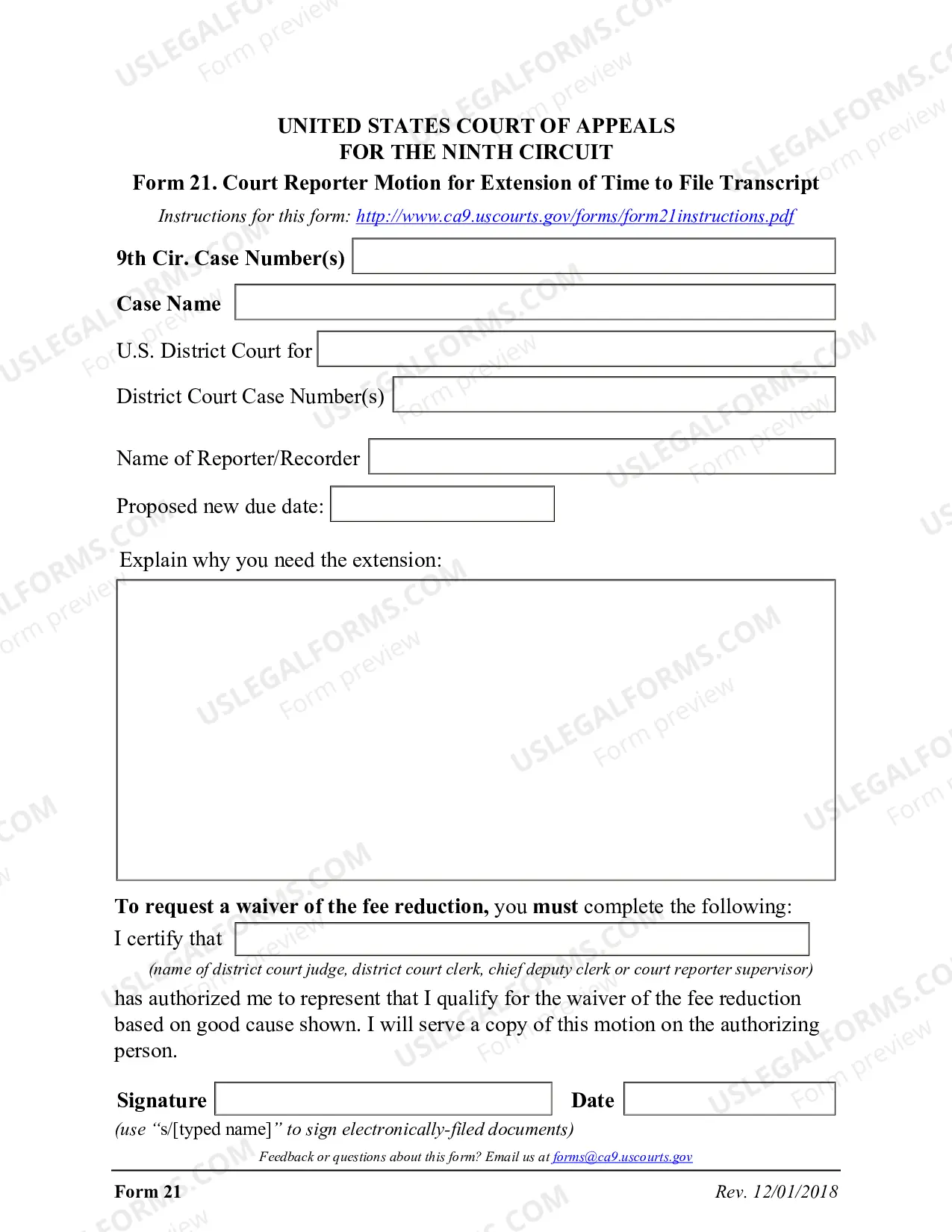
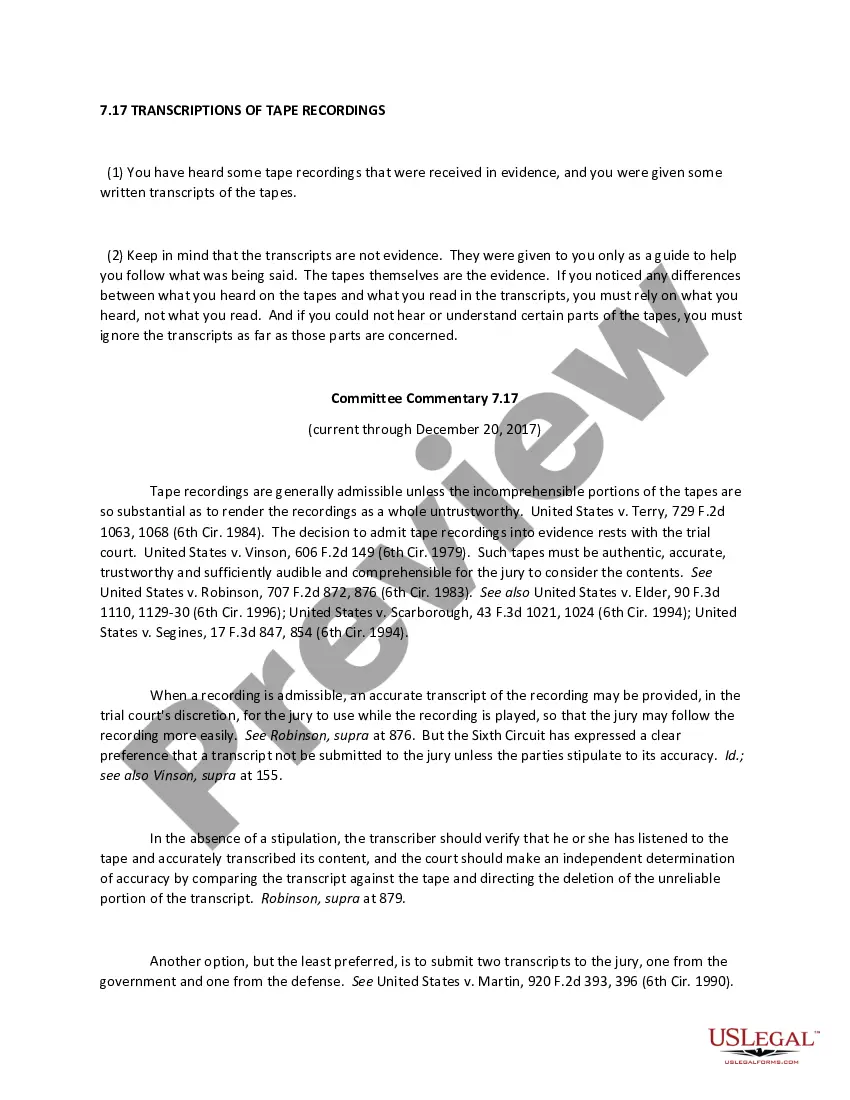
Situations where this form applies
This form is used in cases where a defendant needs to ensure that all pretrial and trial proceedings are accurately recorded for the sake of their defense. Situations may include capital cases, where the absence of a proper record could negatively impact a defendant's right to a fair trial and effective appeal. It is also applicable during trials where specific areas of evidence may be contested, necessitating precise documentation of witness testimony and other critical trial components.
Intended users of this form
- Defendants involved in criminal proceedings, especially in capital cases.
- Defense attorneys seeking to safeguard their clients' rights and ensure all trial aspects are documented.
- Individuals requiring daily updates of trial proceedings to effectively prepare their defense strategy.
- Anyone appealing a conviction who needs a detailed record of all prior proceedings.
Completing this form step by step
- Identify the moving party and their legal representation by filling in the relevant names.
- Clearly state the motion's purpose, detailing the need for both a complete record and specific daily transcripts.
- Cite appropriate constitutional amendments and legal precedents that support the motion's necessity.
- Articulate the specific portions of the trial that require daily transcripts, justifying their relevance.
- Complete the certification of service section, ensuring that all parties have been properly notified of the motion.
Does this document require notarization?
This form usually doesn’t need to be notarized. However, local laws or specific transactions may require it. Our online notarization service, powered by Notarize, lets you complete it remotely through a secure video session, available 24/7.
Get your form ready online
Our built-in tools help you complete, sign, share, and store your documents in one place.
Make edits, fill in missing information, and update formatting in US Legal Forms—just like you would in MS Word.
Download a copy, print it, send it by email, or mail it via USPS—whatever works best for your next step.
Sign and collect signatures with our SignNow integration. Send to multiple recipients, set reminders, and more. Go Premium to unlock E-Sign.
If this form requires notarization, complete it online through a secure video call—no need to meet a notary in person or wait for an appointment.
We protect your documents and personal data by following strict security and privacy standards.

Make edits, fill in missing information, and update formatting in US Legal Forms—just like you would in MS Word.

Download a copy, print it, send it by email, or mail it via USPS—whatever works best for your next step.

Sign and collect signatures with our SignNow integration. Send to multiple recipients, set reminders, and more. Go Premium to unlock E-Sign.

If this form requires notarization, complete it online through a secure video call—no need to meet a notary in person or wait for an appointment.

We protect your documents and personal data by following strict security and privacy standards.
Typical mistakes to avoid
- Failing to accurately identify all parties involved in the case.
- Omitting or incorrectly citing legal precedents that bolster the motion's argument.
- Neglecting to specify which trial portions need to be transcribed daily.
- Improperly completing the certification of service, which can lead to procedural errors.
- Submitting the motion without a clear rationale for its urgency and necessity.
Why complete this form online
- Convenient access to the most current legal templates, eliminating the need for outdated formats.
- Easy editing capabilities, allowing precise customization to suit specific case details.
- Reliable and compliant formats that meet legal standards across multiple jurisdictions.
- Possibility to download and print the completed document immediately, streamlining the filing process.
- Support from licensed attorneys available through the platform for additional guidance.
Looking for another form?



Form popularity
FAQ
After you complete your motion, you must file it with the court.You must then serve (mail) a copy of your filed motion (including all exhibits and the date, time, and place of hearing) to all other parties in the case. If a party is represented by an attorney, mail the motion directly to the attorney's office.
Pre-trial conferences include full discovery of evidence (bills, receipts, agreements, contracts, photos, etc.). At the pre-trial, you must be prepared to bring all documents that you anticipate will be introduced as evidence at the trial and you must provide a copy of each potential exhibit to the opposing party.
In both civil and criminal cases, discovery involves investigating the evidence that the other side plans to present. It can prevent any surprises at trial, narrow the issues that are disputed, and often help the two sides reach a resolution out of court rather than going through a full trial.
Go to the courthouse where the case is pending and ask the clerk to see the court file. They should let you look at it while you are in the room.
Discovery in a criminal case refers to the exchange of evidence and statements between opposing sides of a case.Typically, a defense attorney will file a Notice of Appearance, informing the Court and the prosecutor of his or her role in the case, and a Discovery Demand requesting particular information.
In a jury trial, a group of twelve people listens to the evidence and decides who wins the case. That decision is called the verdict. In a bench trial there is no jury, so the judge gives the verdict.
Motions are not pleadings but are requests for the judge to make a legal ruling. Some of the most common pre-trial motions include: Motion to Discover. A motion by which one party seeks to gain information from the adverse party.
The federal system and most state systems have two appellate-level courts: a Court of Appeals and a Supreme Court.Asking an appellate court to review a case is called an appeal. You're On Trial! The trial court is the first court to hear a case.
What Is the Purpose of a Pretrial Hearing? As previously discussed, the purpose of a pretrial hearing is to resolve any simple issues before the court case actually begins in order to allow the trial itself to proceed more effectively.