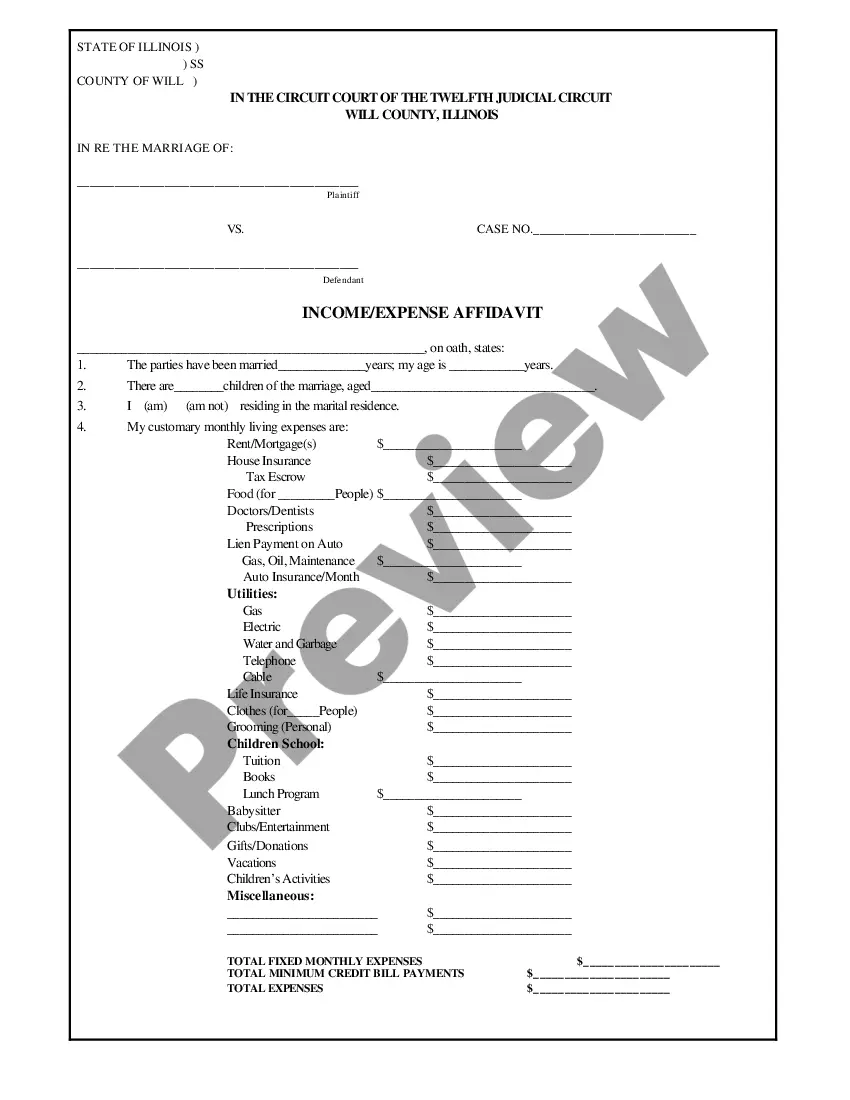
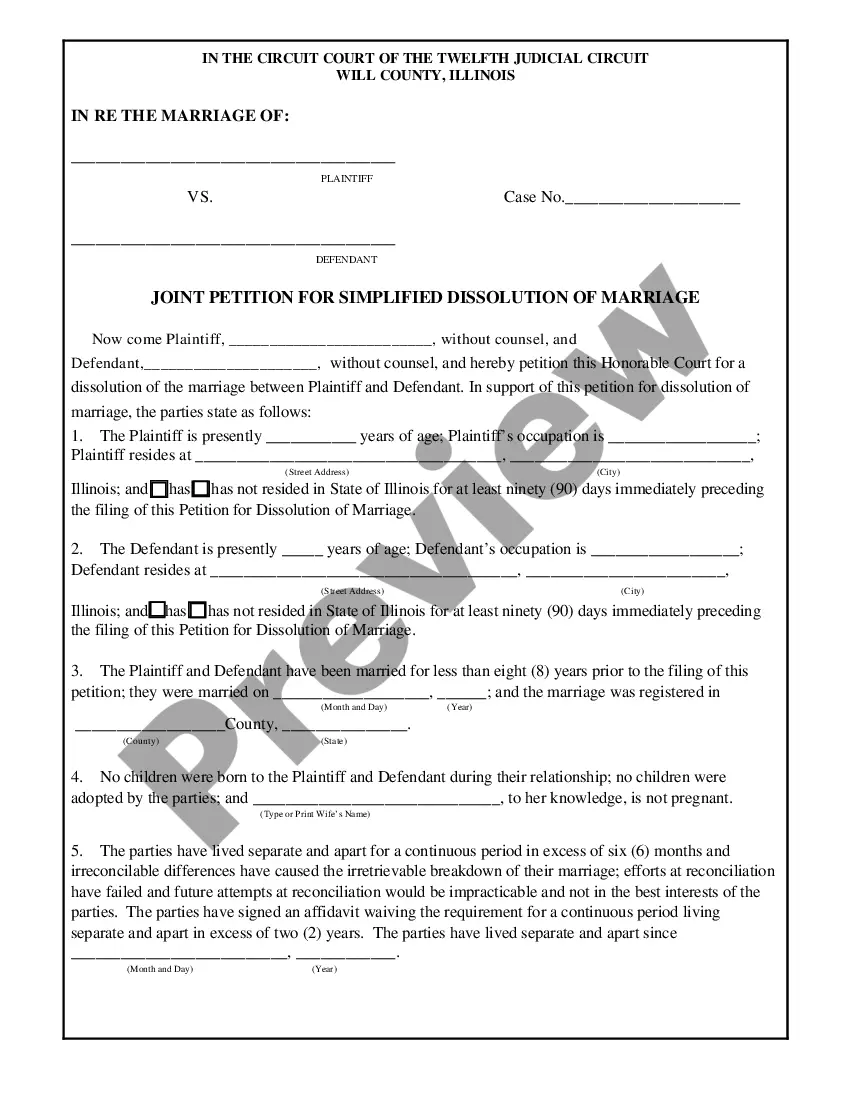
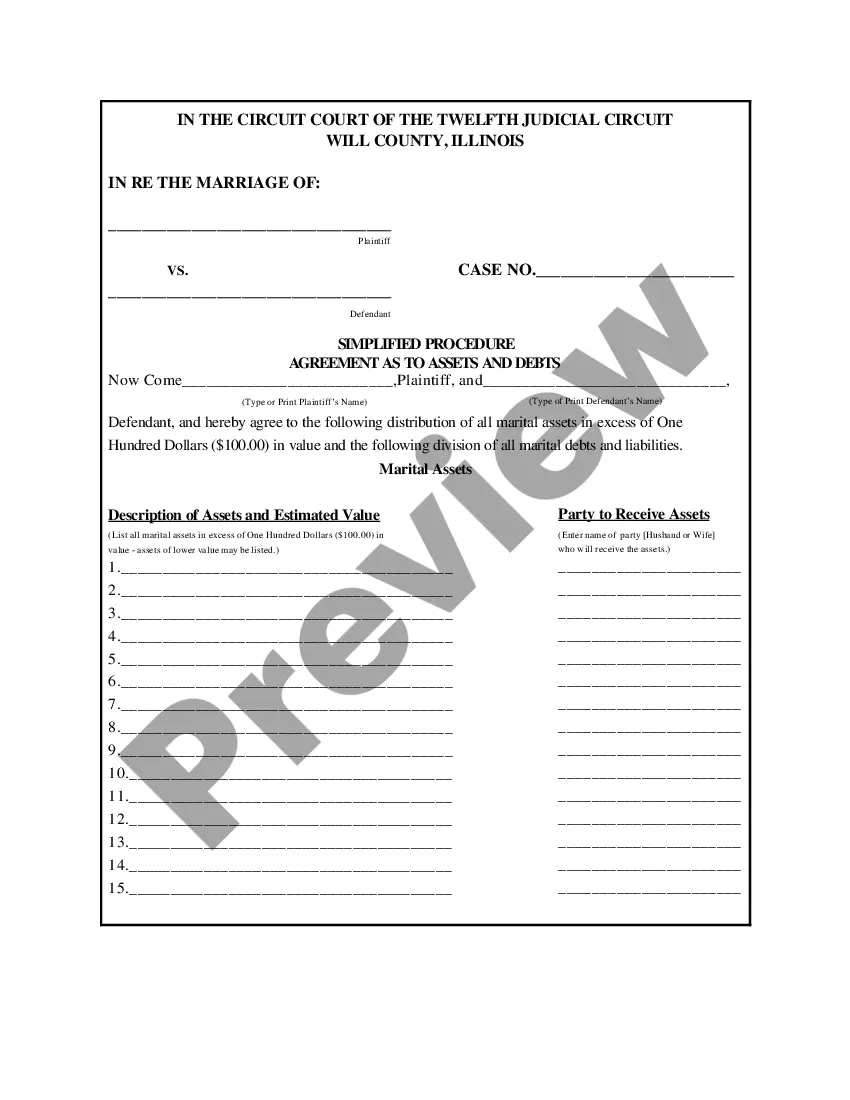
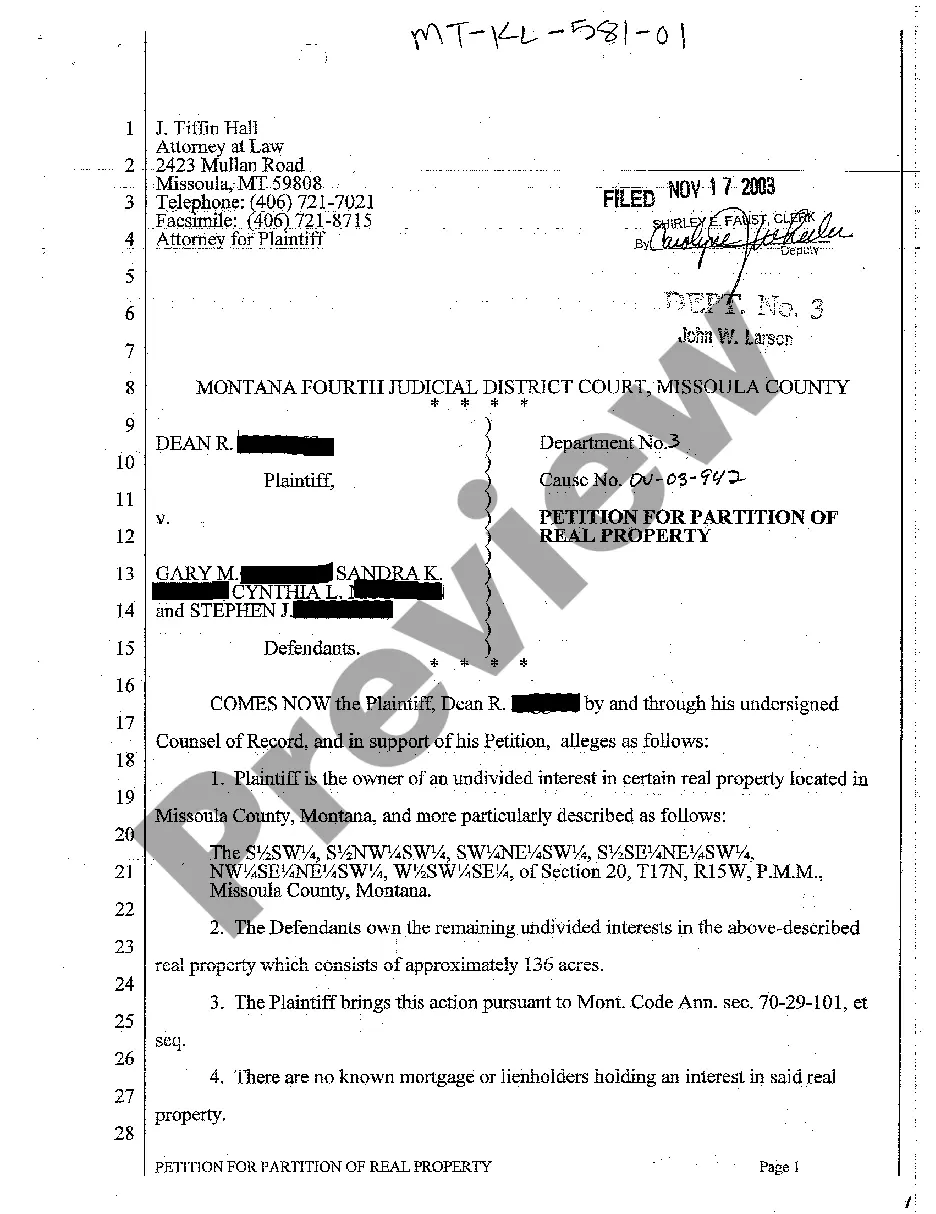
Montana Petition for Partition of Real Property
Is notarization required?
This form usually doesn’t need to be notarized. However, local laws or specific transactions may require it. Our online notarization service, powered by Notarize, lets you complete it remotely through a secure video session, available 24/7.
Form popularity
FAQ
A partition deed is executed by co-owners In case a partition is by mutual consent, a partition deed is executed by the co-owners. The partition deed is required to be registered at the office of the sub-registrar of the place where the property is situated as in case of any other registration.
To initiate a partition in kind, one co-owner must petition the court to split the property into smaller pieces. Rights, titles, interests, easements, zoning regulations, and more all go into a partition in kind, and complex negotiations between all co-owners are attempted to reach a common settlement.
It generally takes about a year and half to two years to get to trial on a partition action.
A partition deed is executed by co-owners The partition deed is required to be registered at the office of the sub-registrar of the place where the property is situated as in case of any other registration. The stamp duty payable in such a case is Rs 1,000 for each share of the property.
If you're joint tenants and you both want to leave, either you or your ex-partner can end the tenancy by giving notice. You'll both need to move out.You can apply to court to change your ex-partner's tenancy to your name, or remove their name from a joint tenancy.
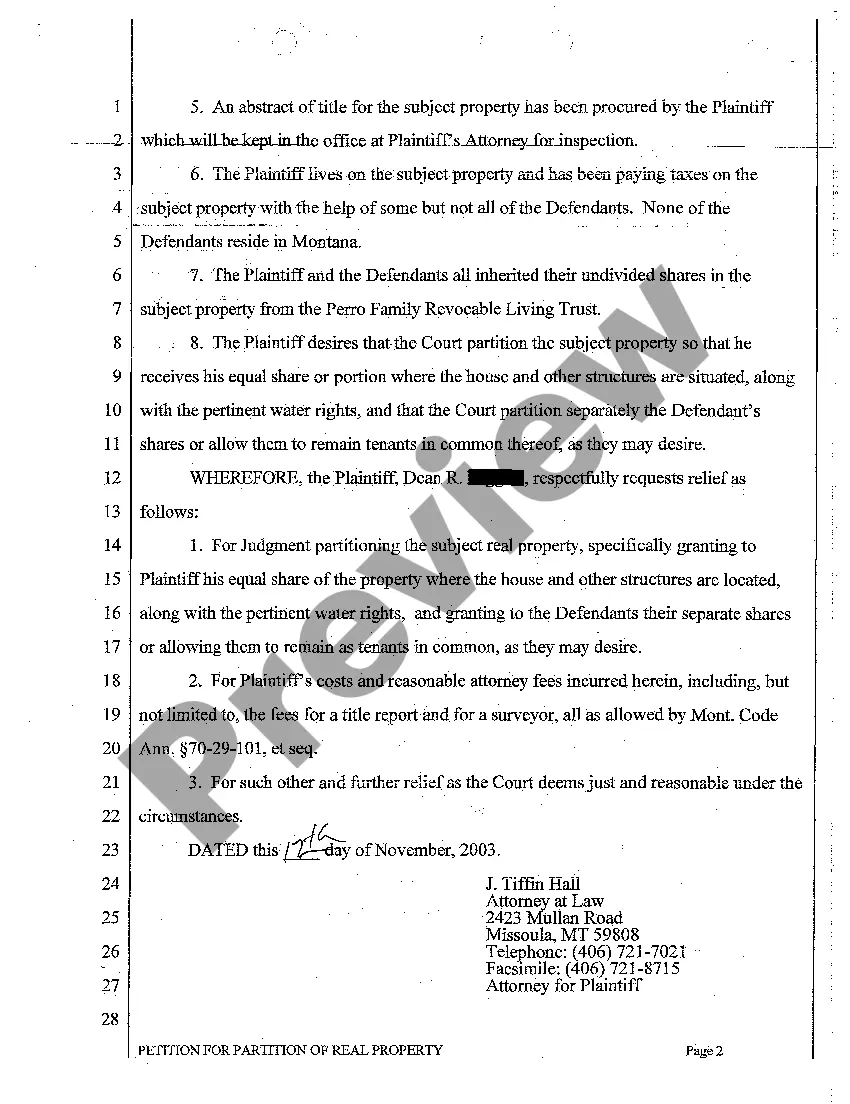
Filing a petition to partition Typically, a "lis pendens," or default notice, is also filed at the same time as the petition. This document simply notifies everyone who has been named in the partition action that the lawsuit is being filed.
This is known as 'Severing the Joint Tenancy'. It requires service of a written notice of change the 'severance'. It can be done without the other owner's cooperation or agreement. It is recorded at the Land Registry, and the other owner will know it has been done but only 'after the event' so to speak.
Tenants in common and joint tenants can petition a court to partition the property. This means that the court is being asked to divide the property into different lots or sections. There are two general types of partitions.
The deed specifies that the joint tenants own an equal amount of interest in the purchased property and are thus equally liable for it financially. Since the joint tenants have equal interest, the property cannot be sold without all parties' consent.