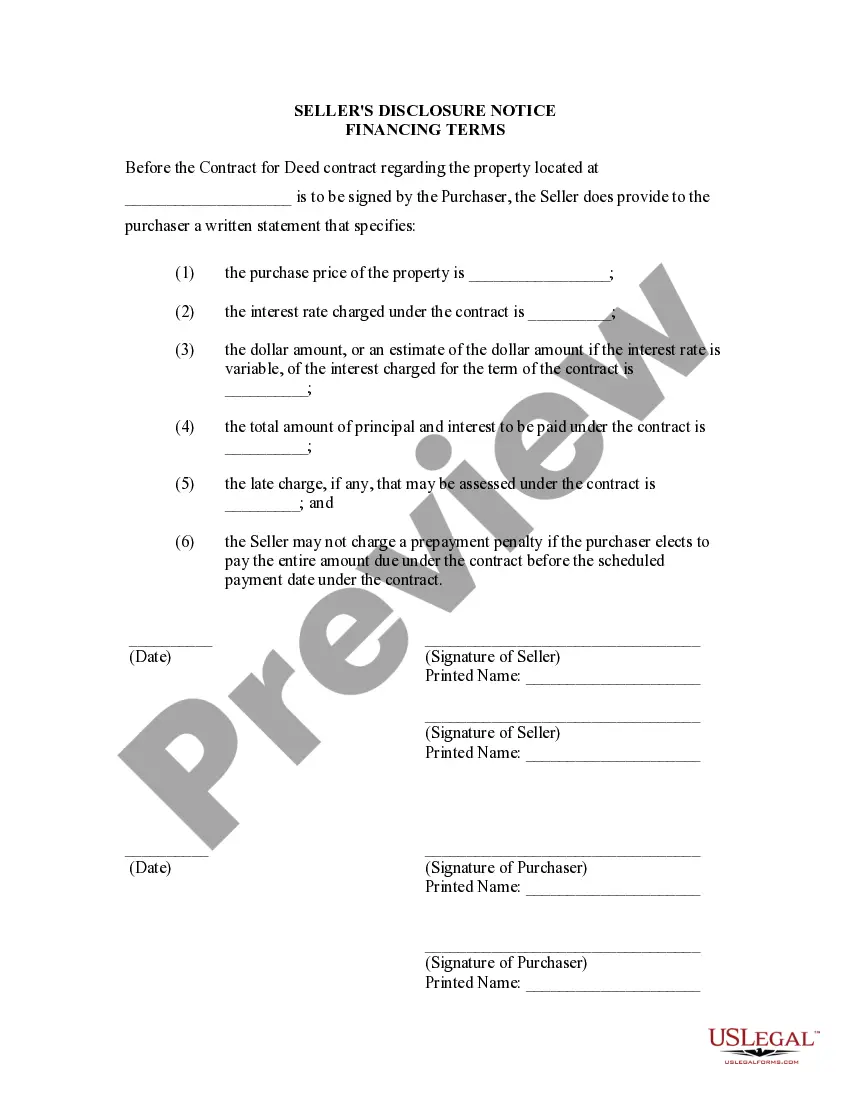
Mississippi Reciprocal Easement and Operation Agreement
What is this form?
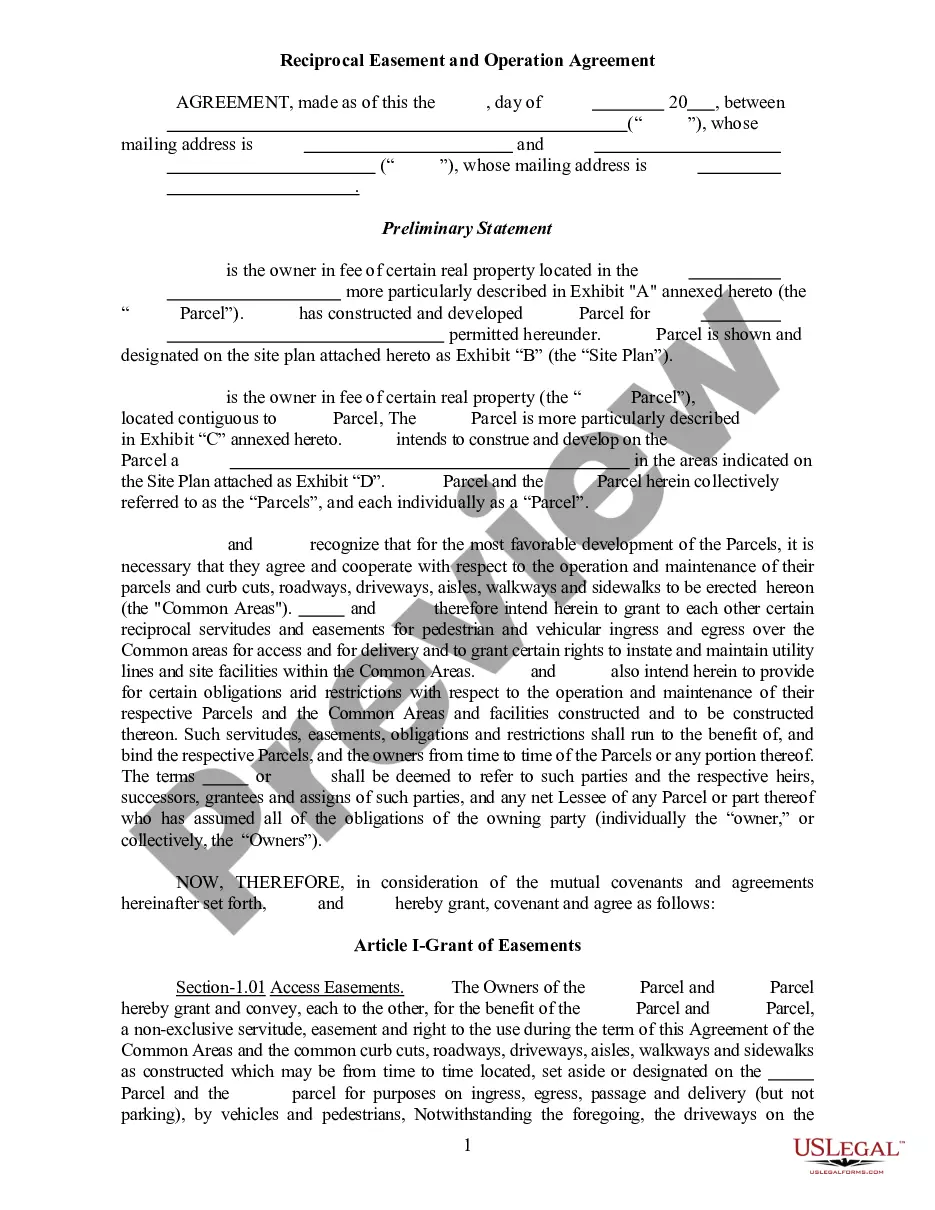
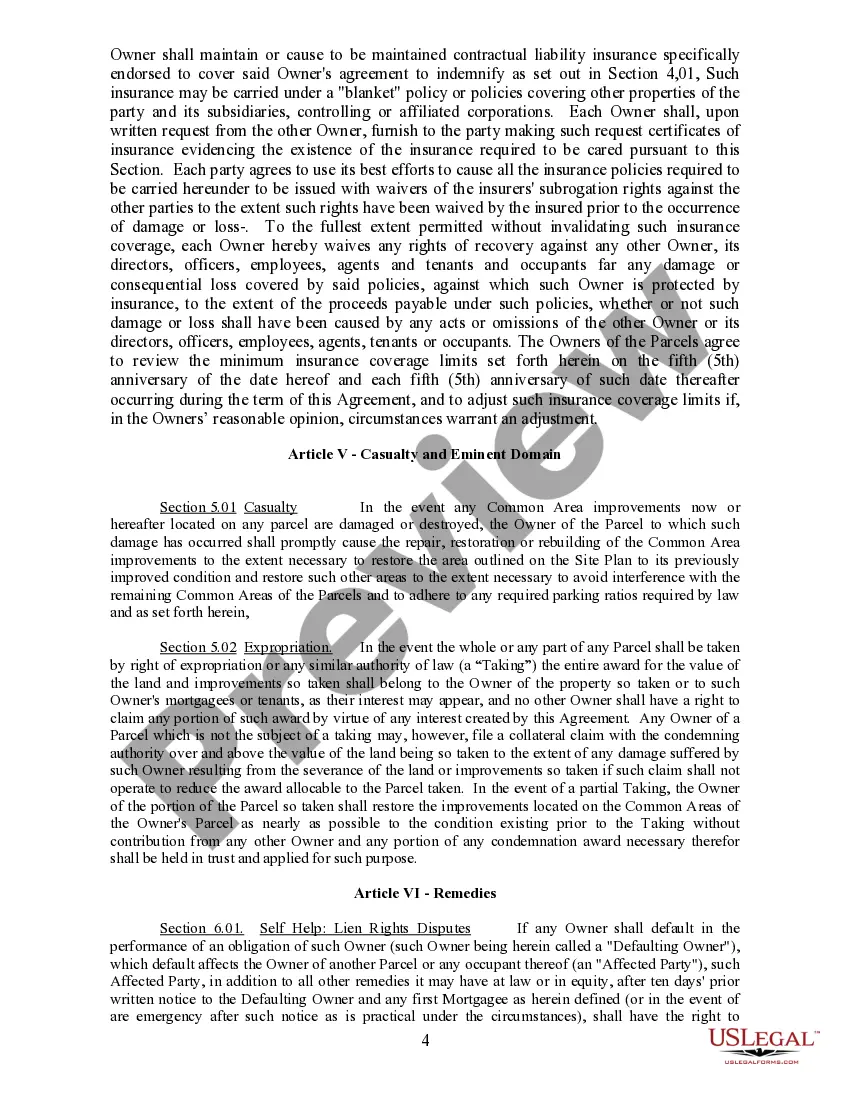
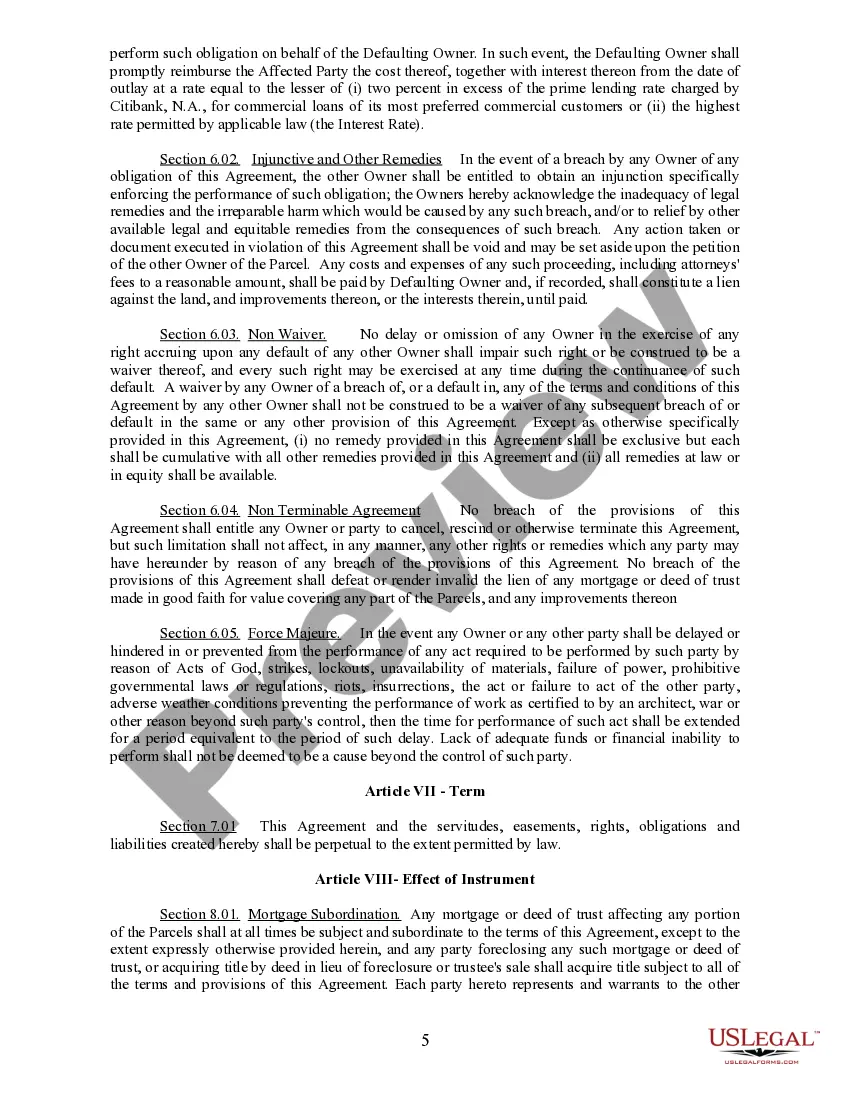
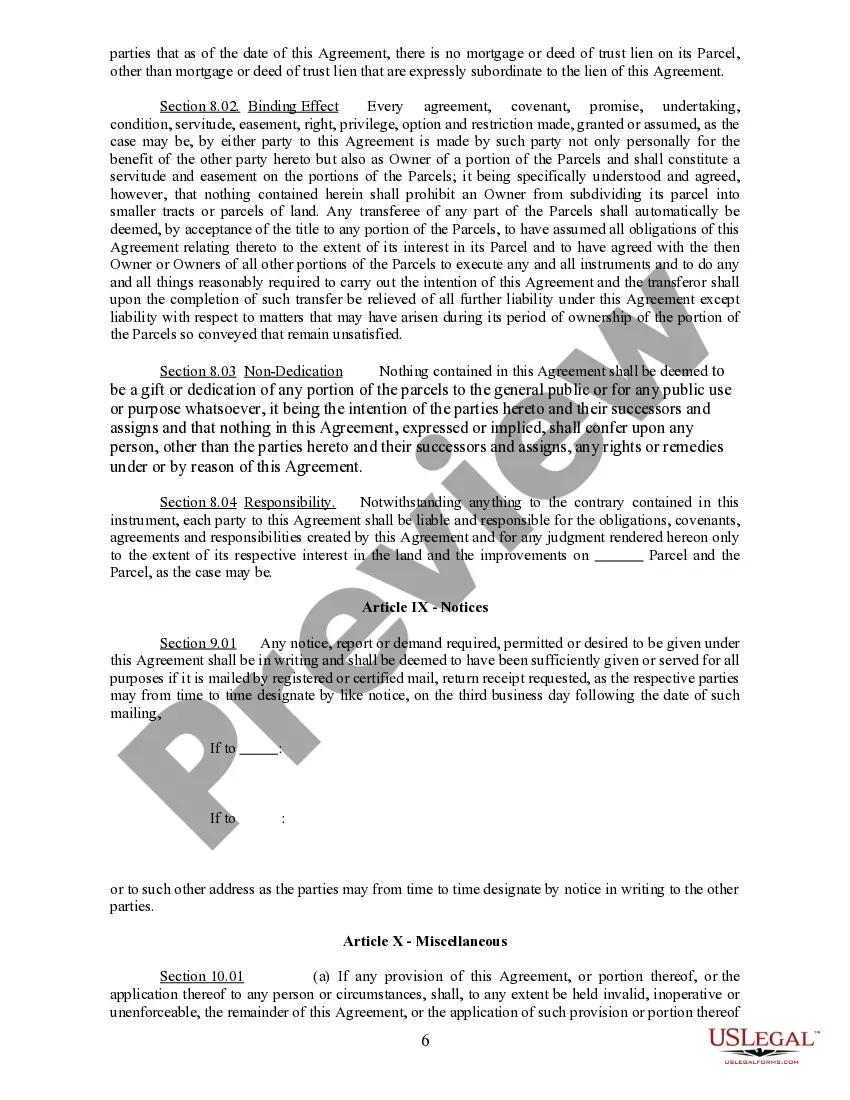
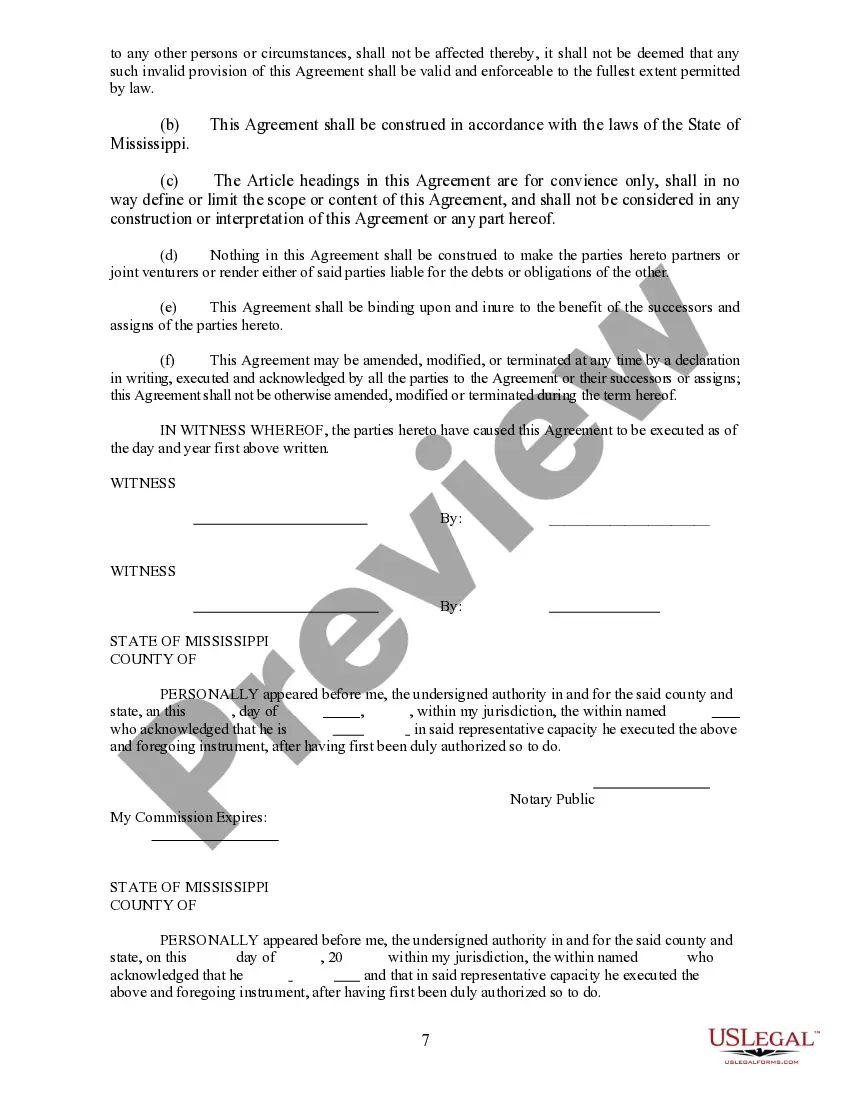
The Reciprocal Easement and Operation Agreement is a legal document that establishes the terms under which neighboring property owners can cooperate regarding the management and maintenance of shared areas and access routes. Unlike standard easement agreements, this form not only grants rights for passage but also outlines specific obligations for upkeep, ensuring that both parties can use shared facilities like driveways and walkways smoothly. This agreement is essential for multi-owner developments where access and service lines intersect across property boundaries.
Form components explained
- Temporary Construction Servitude: Allows for incidental encroachments during construction, with conditions for maintaining insurance.
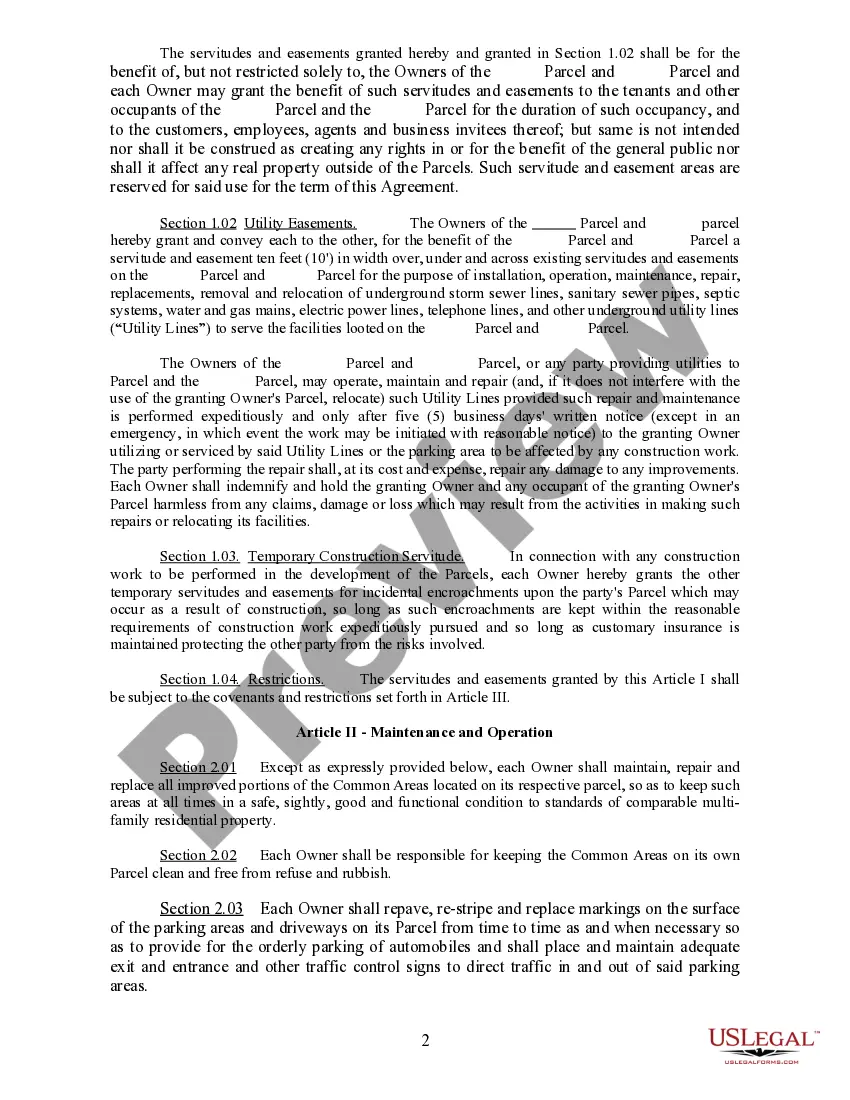
- Maintenance Responsibilities: Details obligations for each owner to keep common areas in good condition.
- Restrictions on Common Areas: Establishes guidelines to prevent obstruction and ensure smooth operations.
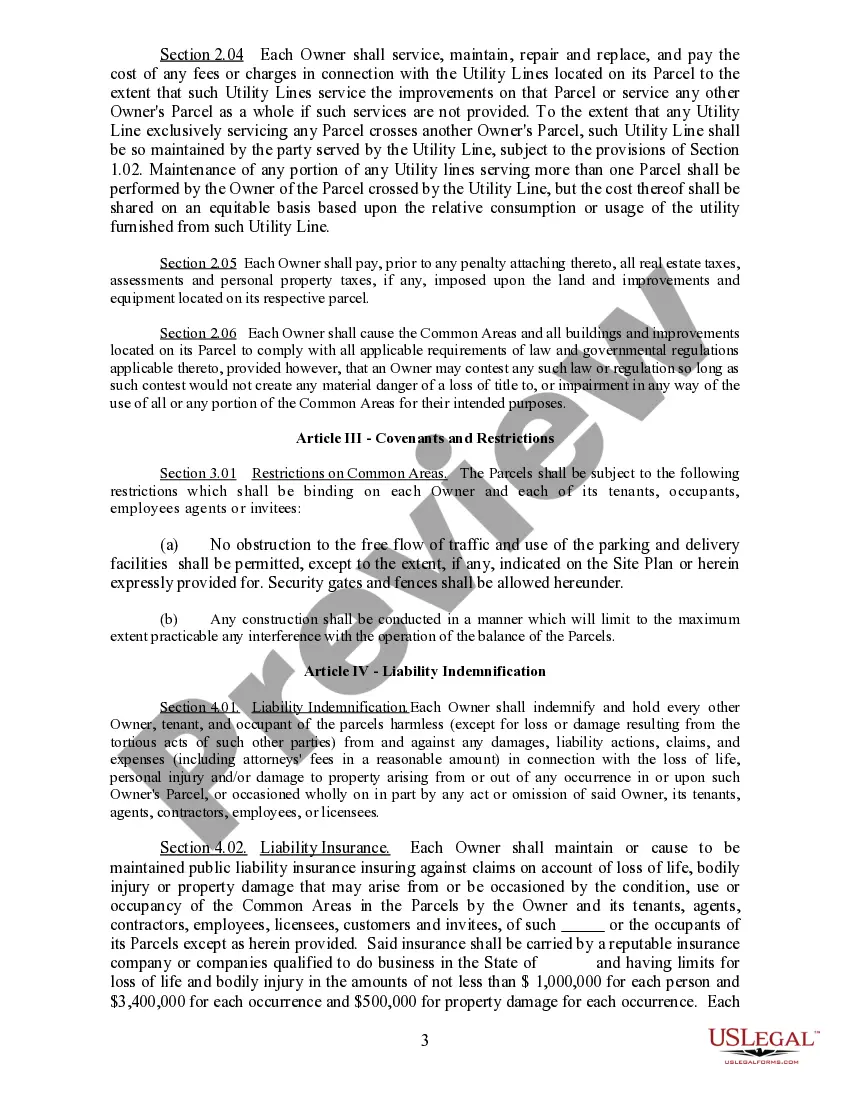
- Liability Indemnification: Each owner agrees to hold the others harmless for damages occurring on their property.
- Casualty and Eminent Domain: Addresses procedures for damage or taking of property, ensuring clarity on responsibilities and compensation.
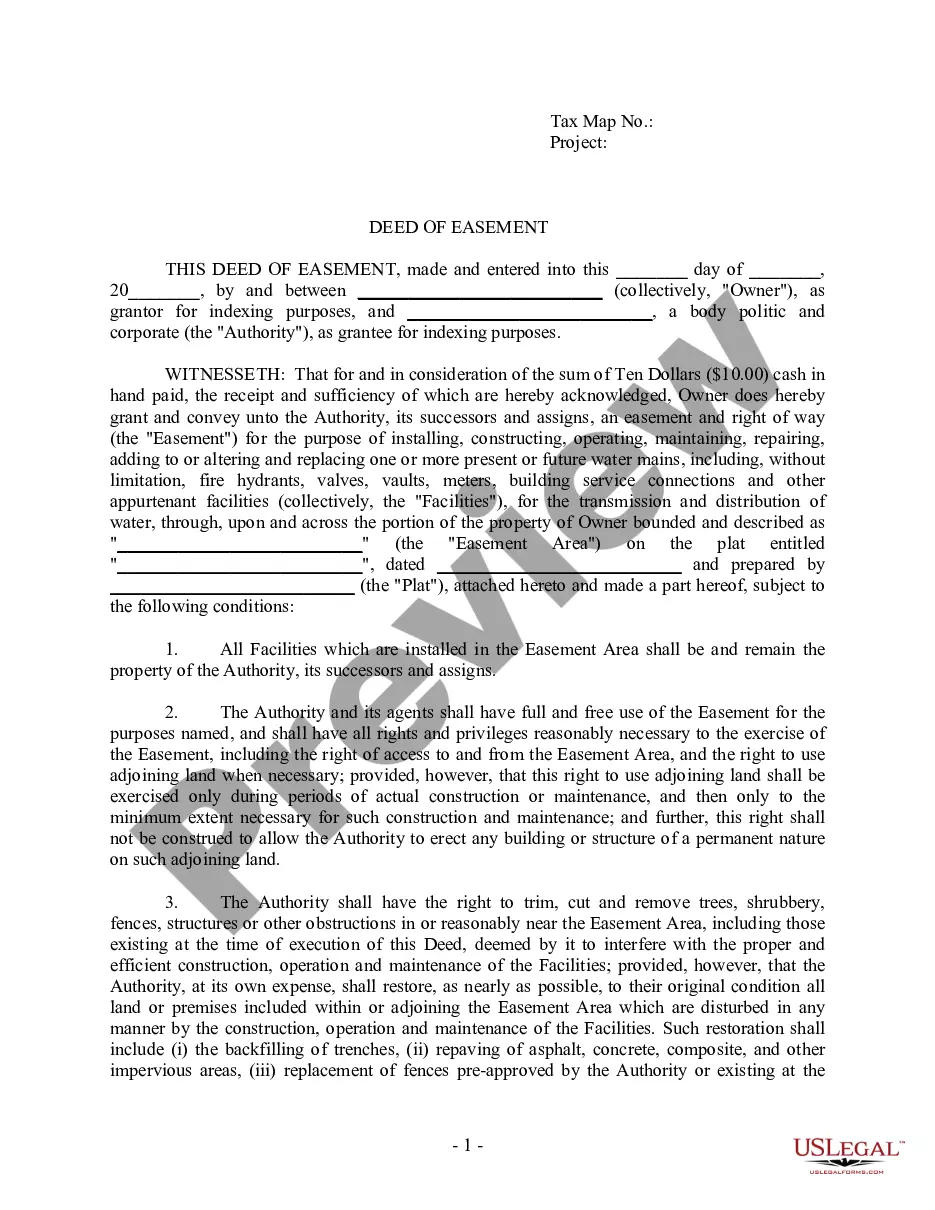
When this form is needed
This form is useful in scenarios such as developing a multi-family residential property, where multiple owners share access to common driveways, parking areas, or utility services. It is also applicable when constructing new facilities that will encroach on neighboring properties, or when establishing ongoing maintenance and liability frameworks among property owners for shared spaces.
Who this form is for
- Property developers managing multiple parcels.
- Homeowners in a homeowners' association with shared facilities.
- Business entities owning adjacent commercial properties.
- Landowners looking to establish cooperative agreements for utility access and maintenance.
How to complete this form
- Identify the parties involved and their respective parcels of land.
- Detail the common areas that will be subject to the easements.
- Specify the maintenance responsibilities for each party.
- Include any restrictions on the use of the common areas.
- Ensure all owners sign and date the agreement for validation.
Does this document require notarization?
This form must be notarized to be legally valid. US Legal Forms provides secure online notarization powered by Notarize, allowing you to complete the process through a verified video call.
Get your form ready online
Our built-in tools help you complete, sign, share, and store your documents in one place.
Make edits, fill in missing information, and update formatting in US Legal Forms—just like you would in MS Word.
Download a copy, print it, send it by email, or mail it via USPS—whatever works best for your next step.
Sign and collect signatures with our SignNow integration. Send to multiple recipients, set reminders, and more. Go Premium to unlock E-Sign.
If this form requires notarization, complete it online through a secure video call—no need to meet a notary in person or wait for an appointment.
We protect your documents and personal data by following strict security and privacy standards.

Make edits, fill in missing information, and update formatting in US Legal Forms—just like you would in MS Word.

Download a copy, print it, send it by email, or mail it via USPS—whatever works best for your next step.

Sign and collect signatures with our SignNow integration. Send to multiple recipients, set reminders, and more. Go Premium to unlock E-Sign.

If this form requires notarization, complete it online through a secure video call—no need to meet a notary in person or wait for an appointment.

We protect your documents and personal data by following strict security and privacy standards.
Avoid these common issues
- Failing to clearly define the common areas involved.
- Neglecting to outline specific maintenance obligations.
- Not addressing liability issues adequately.
- Using vague language that could lead to misinterpretation.
Why use this form online
- Convenience of accessing and downloading the form anytime.
- Editability allows customization to fit specific property arrangements.
- Reliability, with documents prepared by licensed attorneys ensuring compliance with legal standards.
Looking for another form?


Form popularity
FAQ
A mutual driveway easement is a reciprocal easement between property owners. Each property involved in a mutual easement is both a servient estate and dominate estate because each property owner has the right to use the property of the other.
An easement appurtenant is an easement that benefits one parcel of land, known as the dominant tenement, to the detriment of another parcel of land, known as the servient tenement.Similarly, if Landowner B sells his property to another landowner, that landowner will be able to use the easement. Easement in Gross.
An agreement between a shopping center developer or owner and usually major tenants regarding matters outside the formal lease. The Complete Real Estate Encyclopedia by Denise L. Evans, JD & O.
Cross easements are reciprocal easements created by contract, the one being granted in favor of premises of one party in consideration of a grant by such party in favor of premises of the other party.
Typically, reciprocal easement agreements ("REAs") are used when a property is owned by more than one person or entity, and the persons or entities wish to develop the property as an integrated shopping center.These contractual obligations will run with the land of the property that comprises the shopping center.
There are four types of easement Section. 5 of Easement Act deals with the types of easement. It provides that the easements are either continuous or discontinuous ,apparent or non apparent. A continuous easement is one whose enjoyment is, or may be, continual without the act of man.
Typically, reciprocal easement agreements ("REAs") are used when a property is owned by more than one person or entity, and the persons or entities wish to develop the property as an integrated shopping center.
An agreement that: Provides for the rights and obligations of multiple owners of real property. Ensures harmony in the development, operations and maintenance of the affected real property.