California Roofing Contract for Contractor
What this document covers
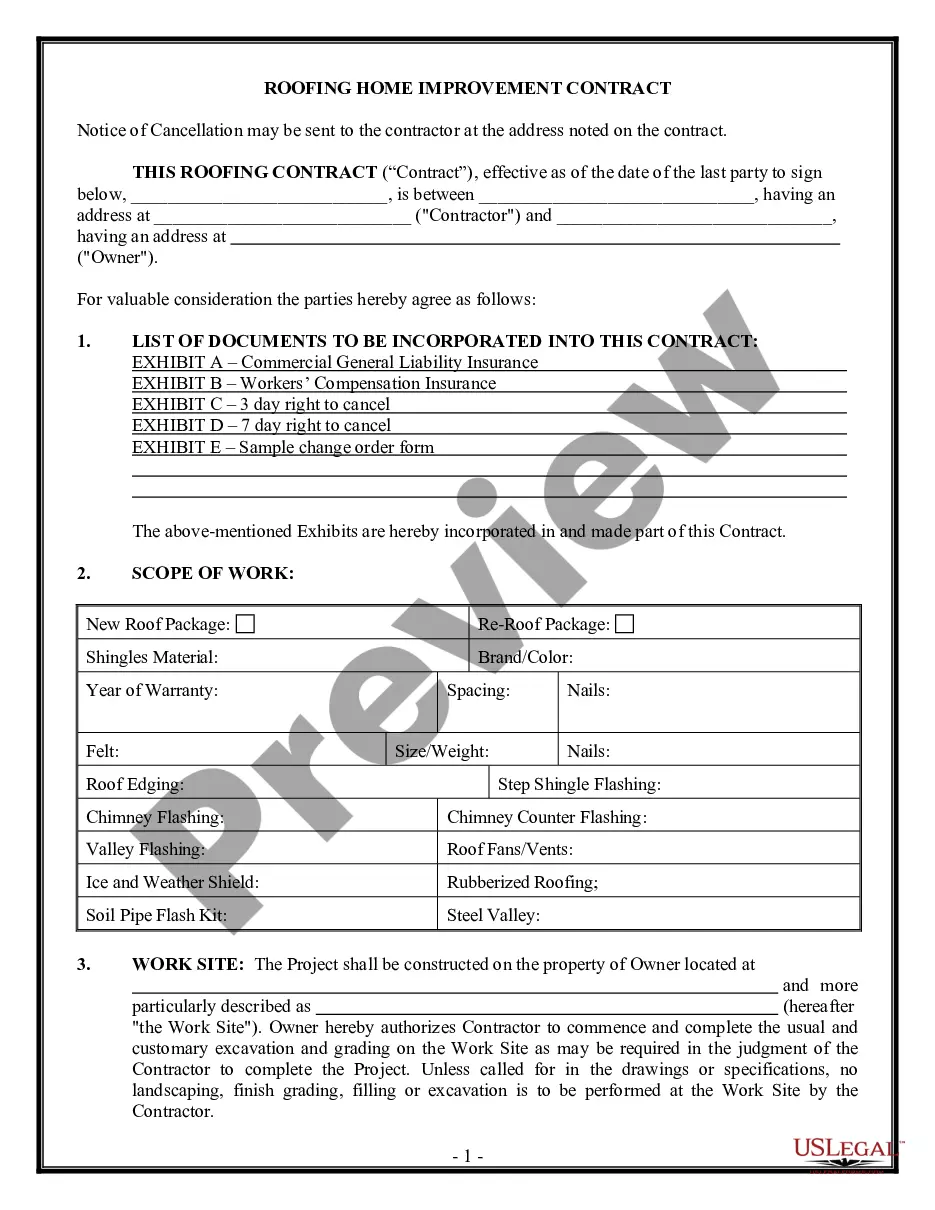
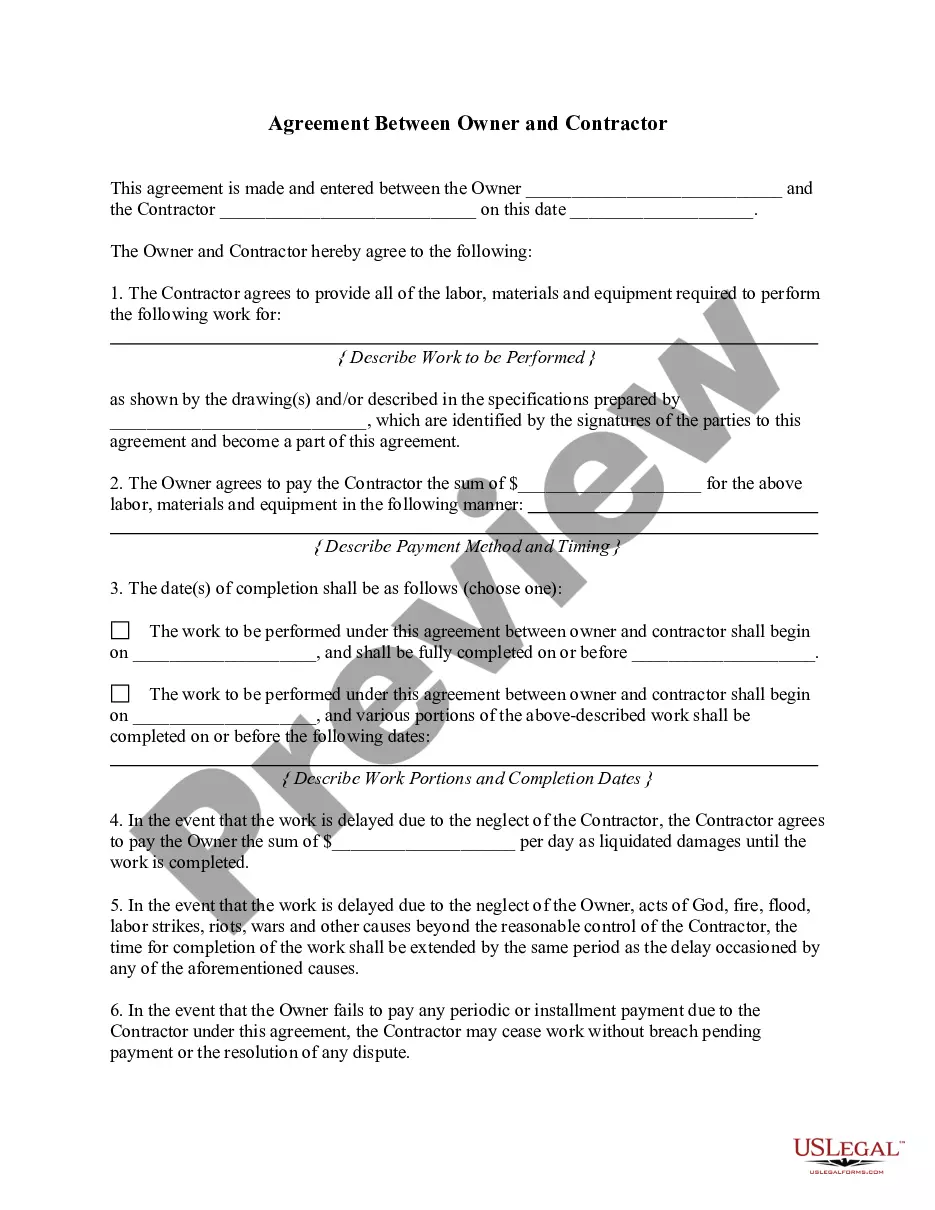
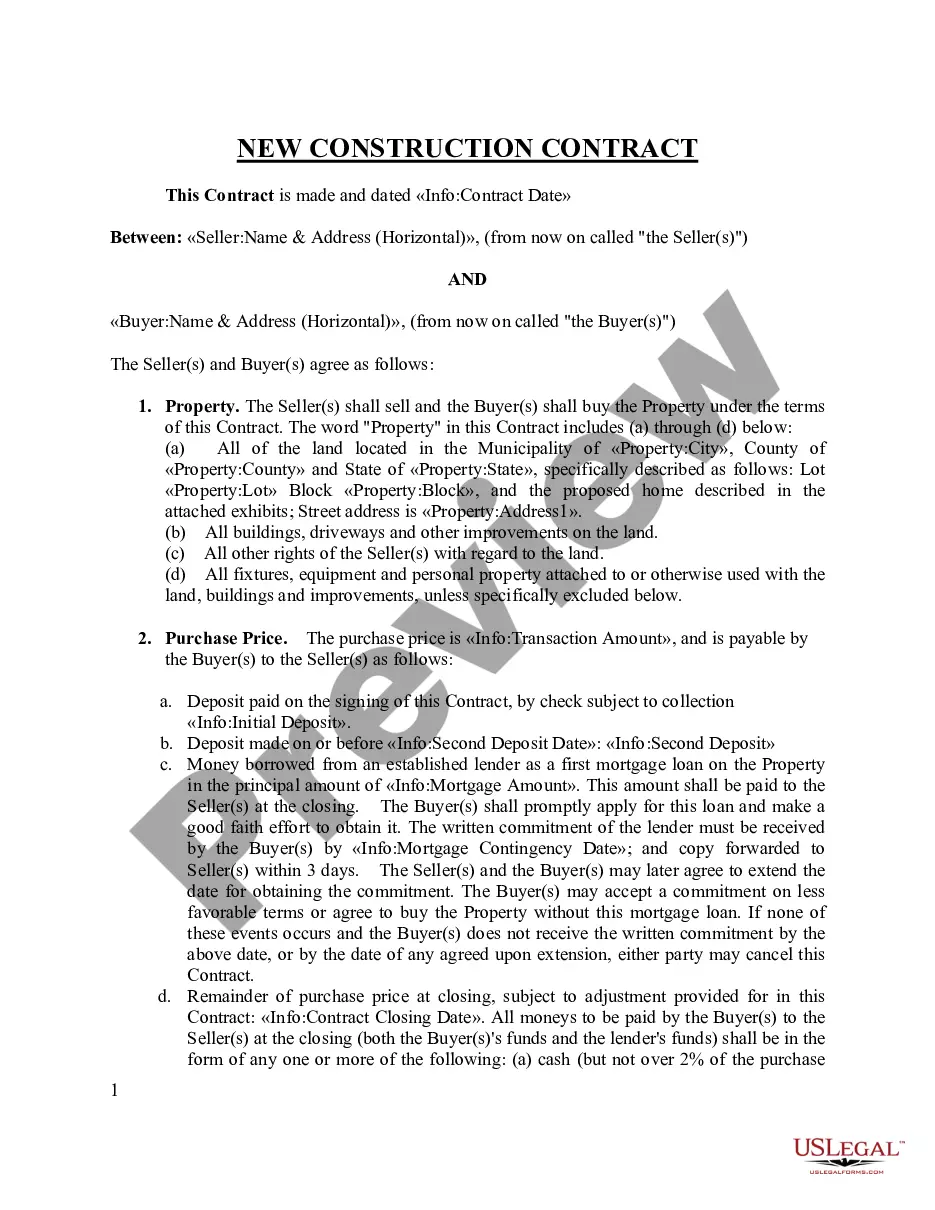
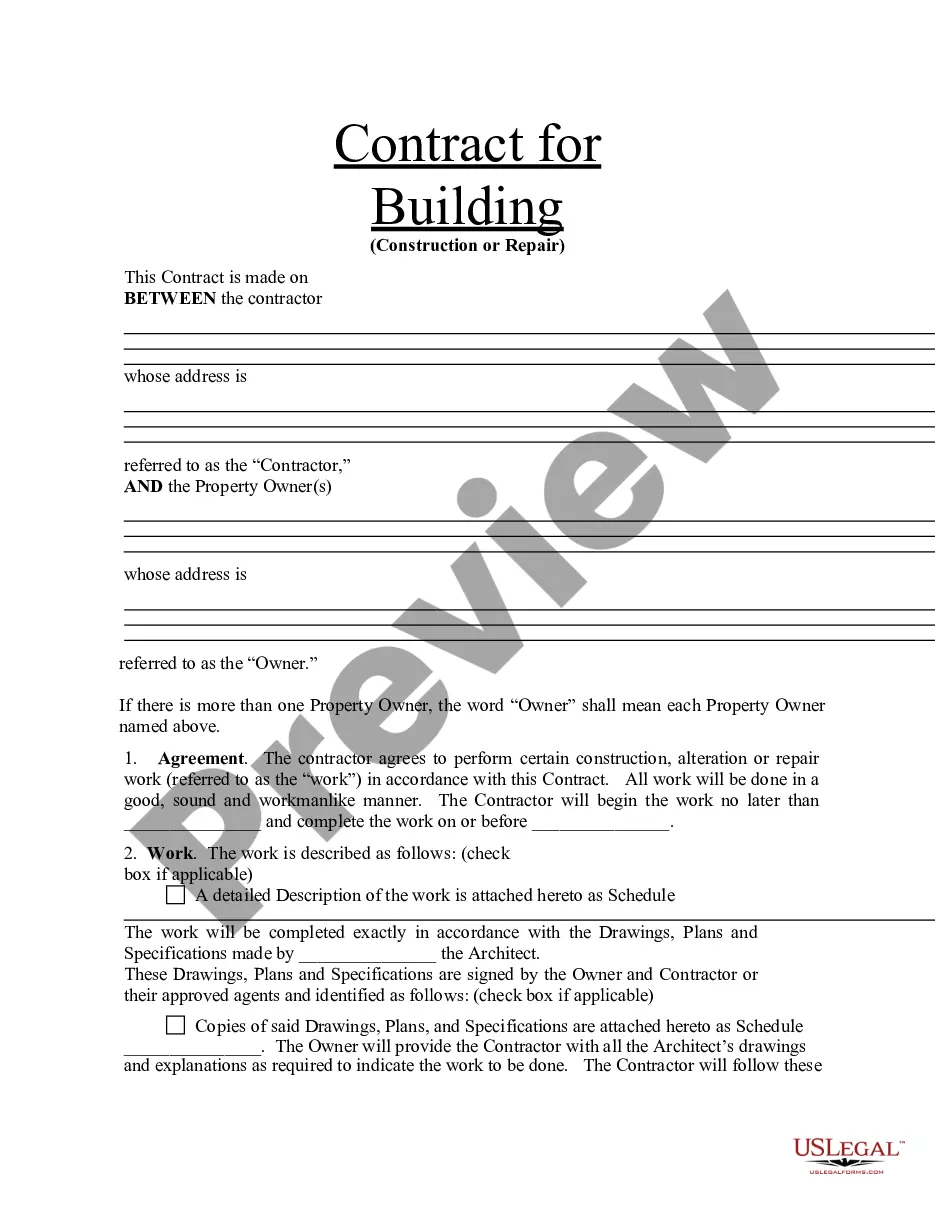
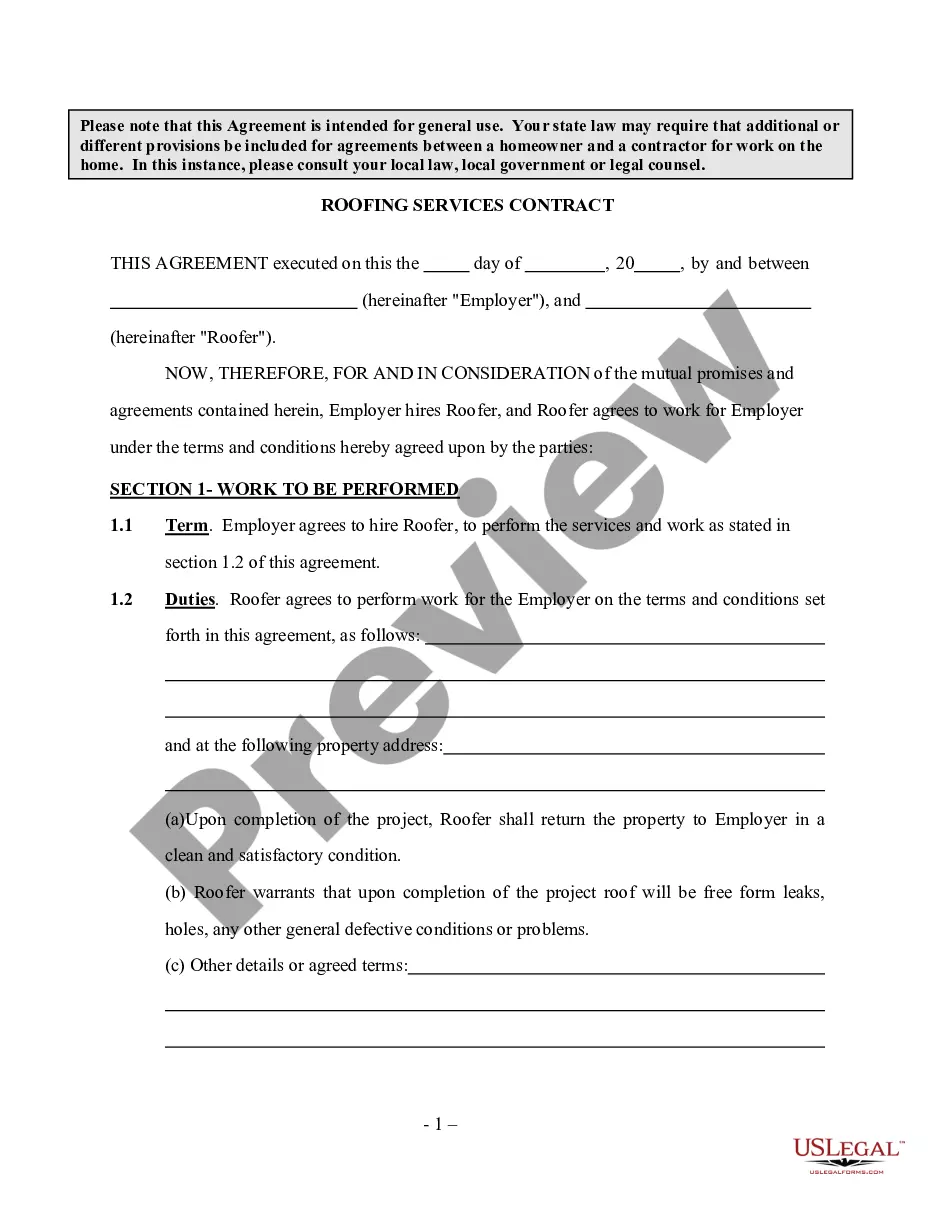
The Roofing Contract for Contractor is a legally binding agreement between roofing contractors and property owners in California. This contract outlines the terms and conditions of their working relationship, focusing on payment arrangements, project details, and responsibilities. It is important to use this form to ensure proper legal protections and to clarify expectations between the parties involved, making it distinct from other general construction contracts.
Form components explained
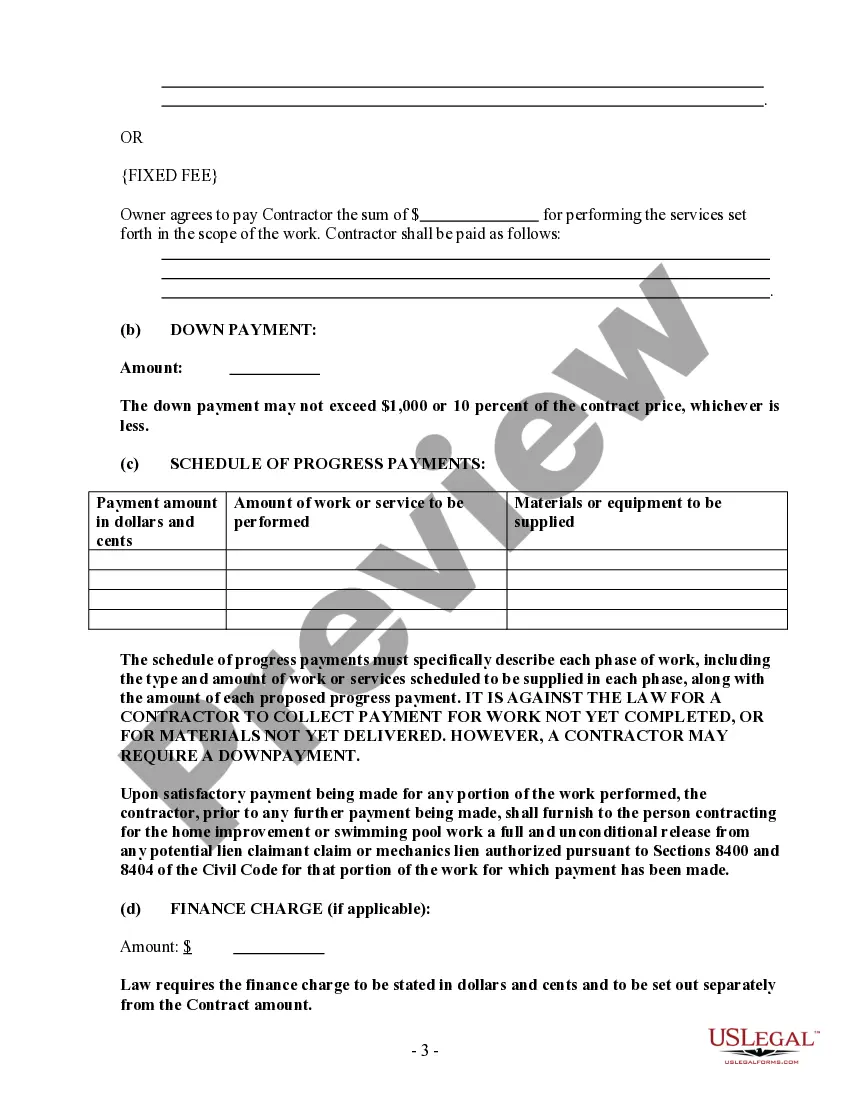
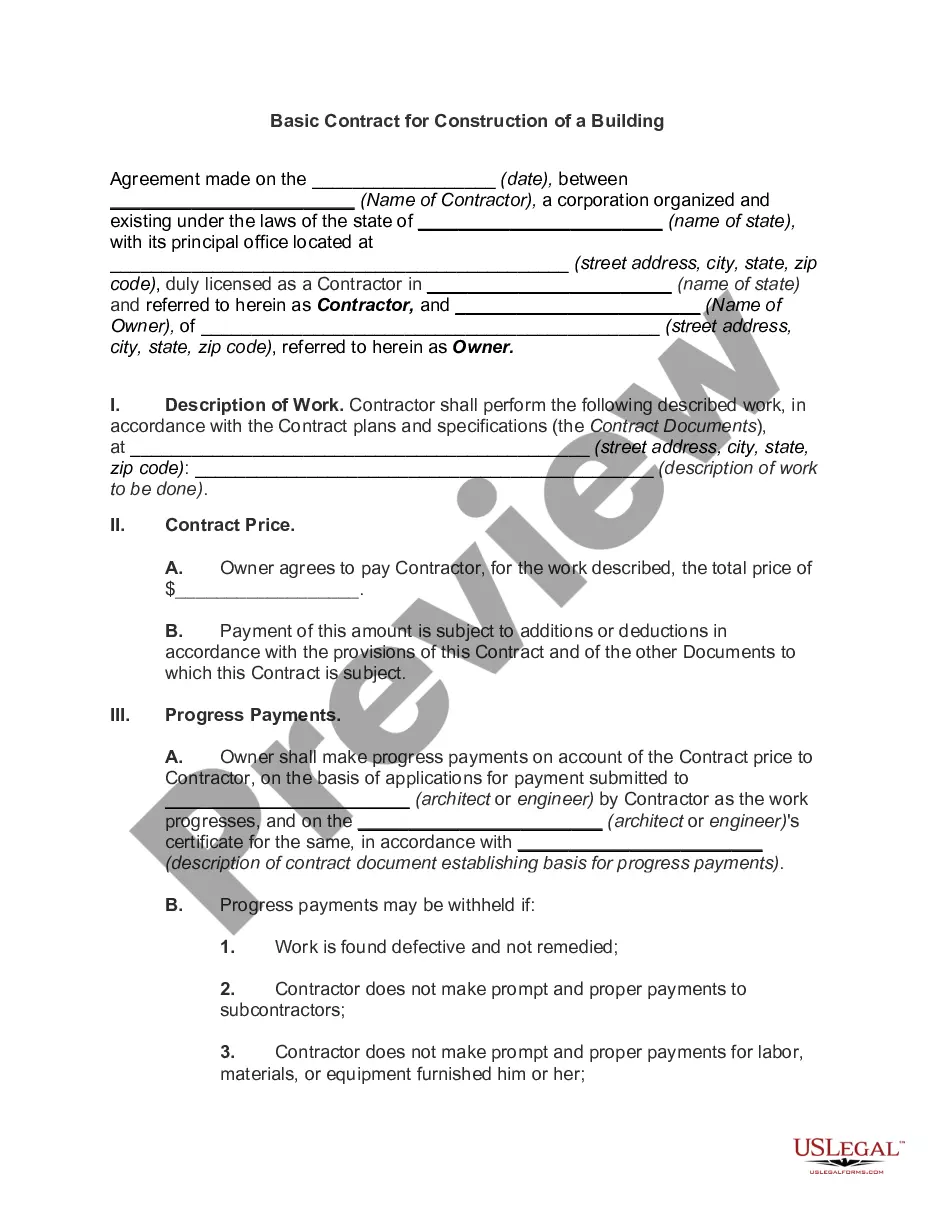
- Payment arrangements: Options for cost plus or fixed fee payment structures.
- Scope of work: Detailed descriptions of the roofing services to be provided.
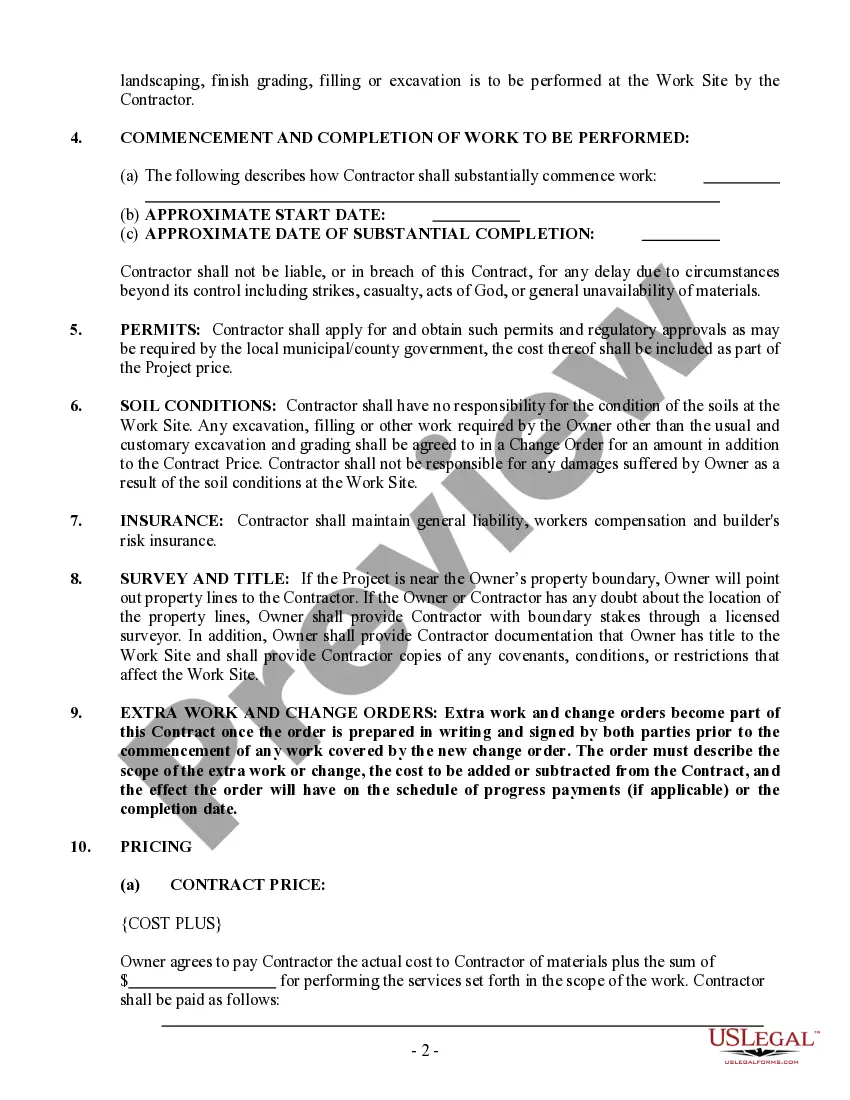
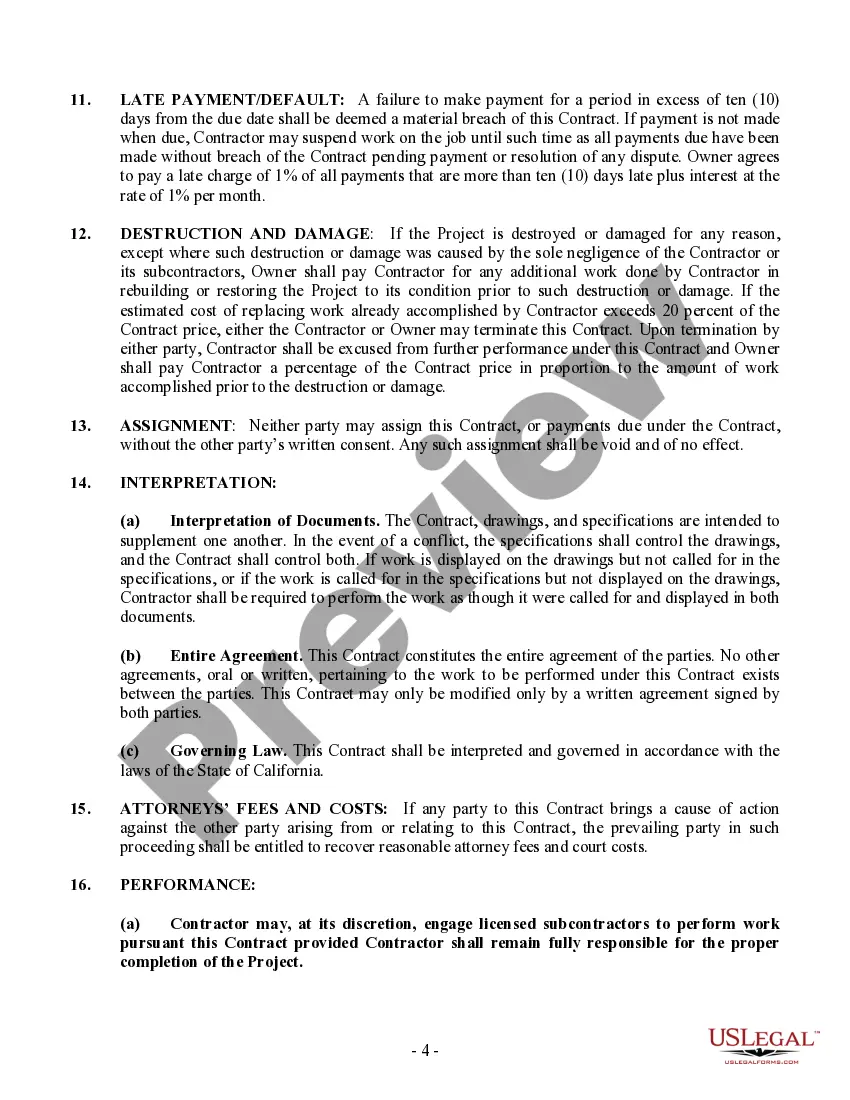
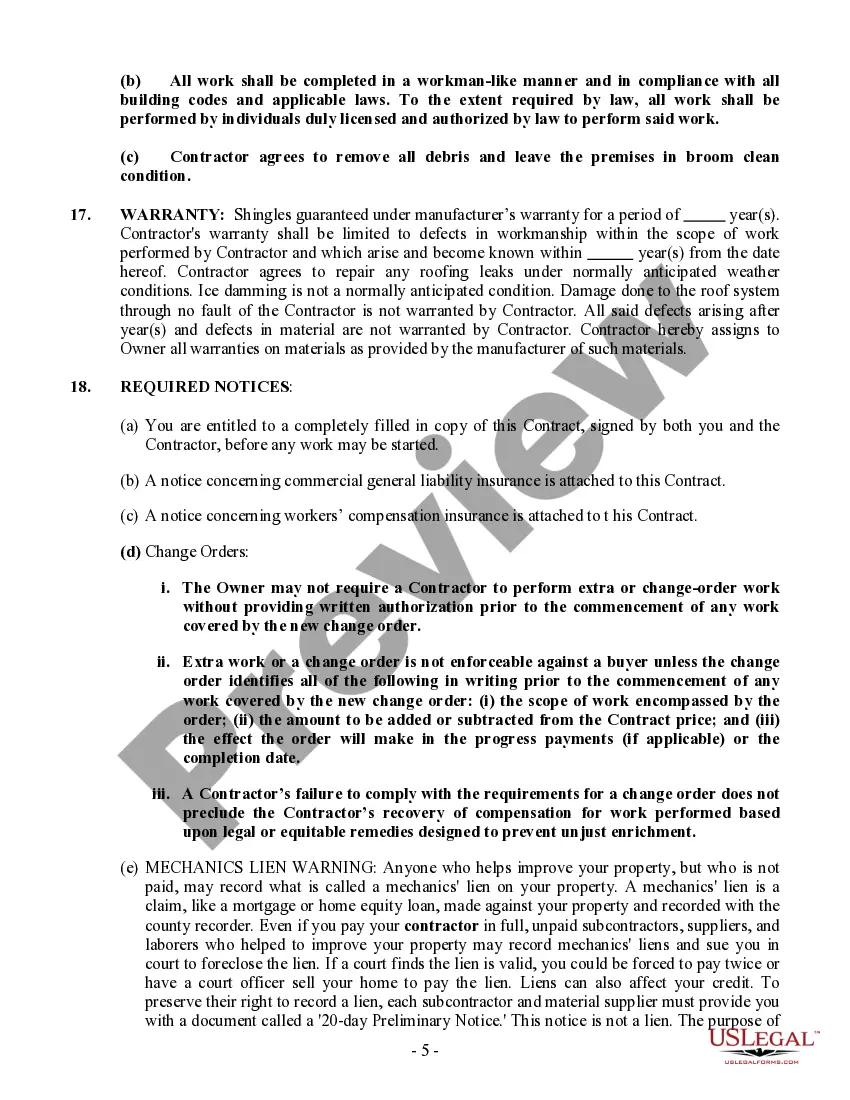
- Change orders: Procedures for additional work or modifications agreed upon after the contract signing.
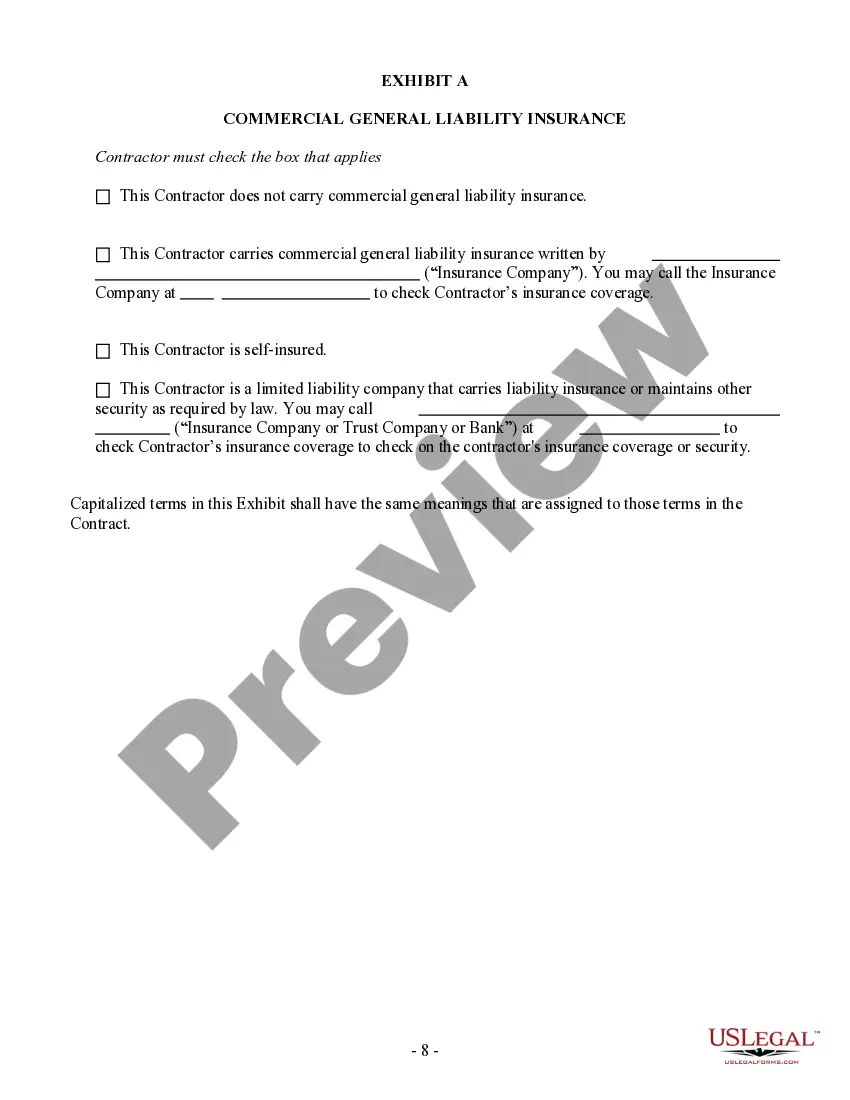
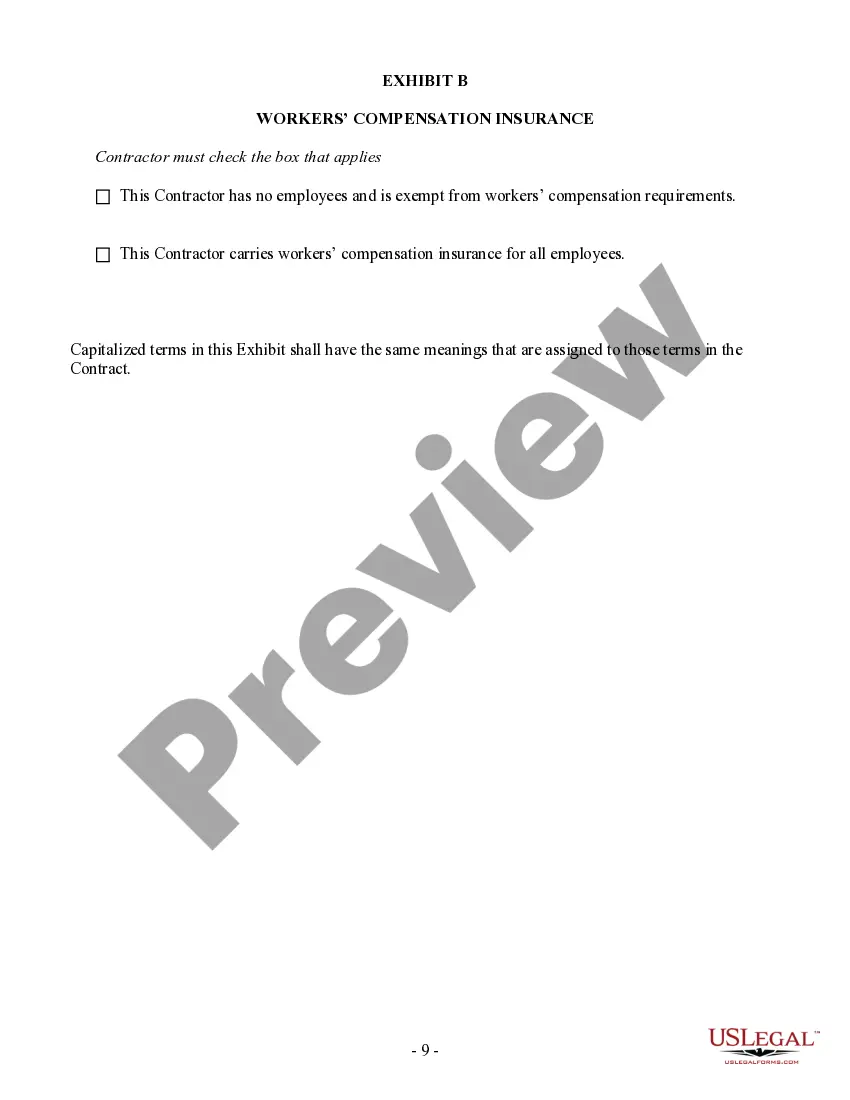
- Insurance and warranties: Requirements for contractorâs insurance coverage and warranties for work performed.
- Soil conditions: Acknowledgement of soil conditions at the work site and contractorâs responsibilities.
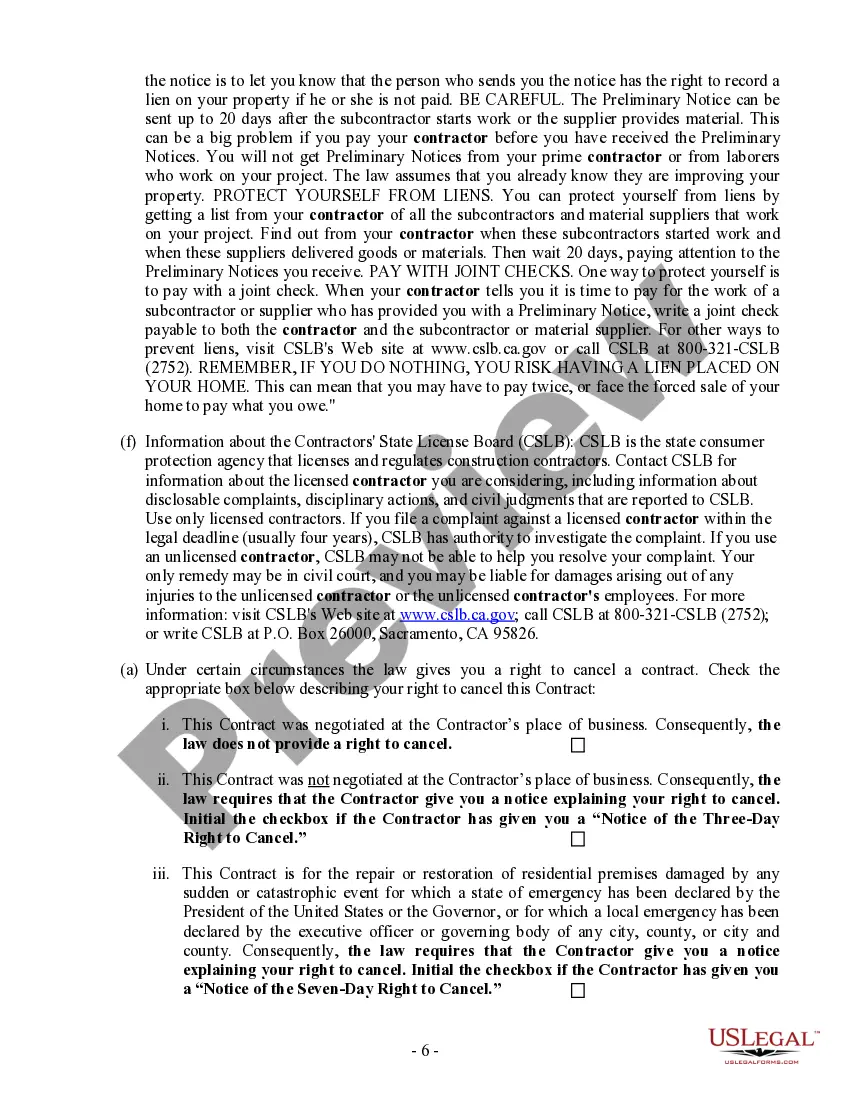
- Mechanics lien warning: Information about how unpaid subcontractors may impose a lien on the property.

When to use this document
This form should be used when a property owner wishes to hire a roofing contractor for repair or installation services. Situations include replacing a roof, repairing leaks, or performing routine maintenance. It protects both parties by clearly defining obligations and payment terms, which helps prevent disputes and misunderstandings during the project.
Intended users of this form
This contract is intended for:
- Property owners seeking roofing services.
- Licensed roofing contractors operating in California.
- Individuals or businesses involved in commercial or residential roofing projects.
Completing this form step by step
To complete the Roofing Contract for Contractor, follow these steps:
- Identify the parties involved: Clearly state the names and contact information of both the contractor and the property owner.
- Specify the scope of work: Provide detailed descriptions of the roofing services to be performed and any materials to be used.
- Agree on payment terms: Determine if the payment will be a fixed fee or on a cost-plus basis, and specify the down payment if applicable.
- Include change order procedures: Establish how additional work or changes will be documented and agreed upon.
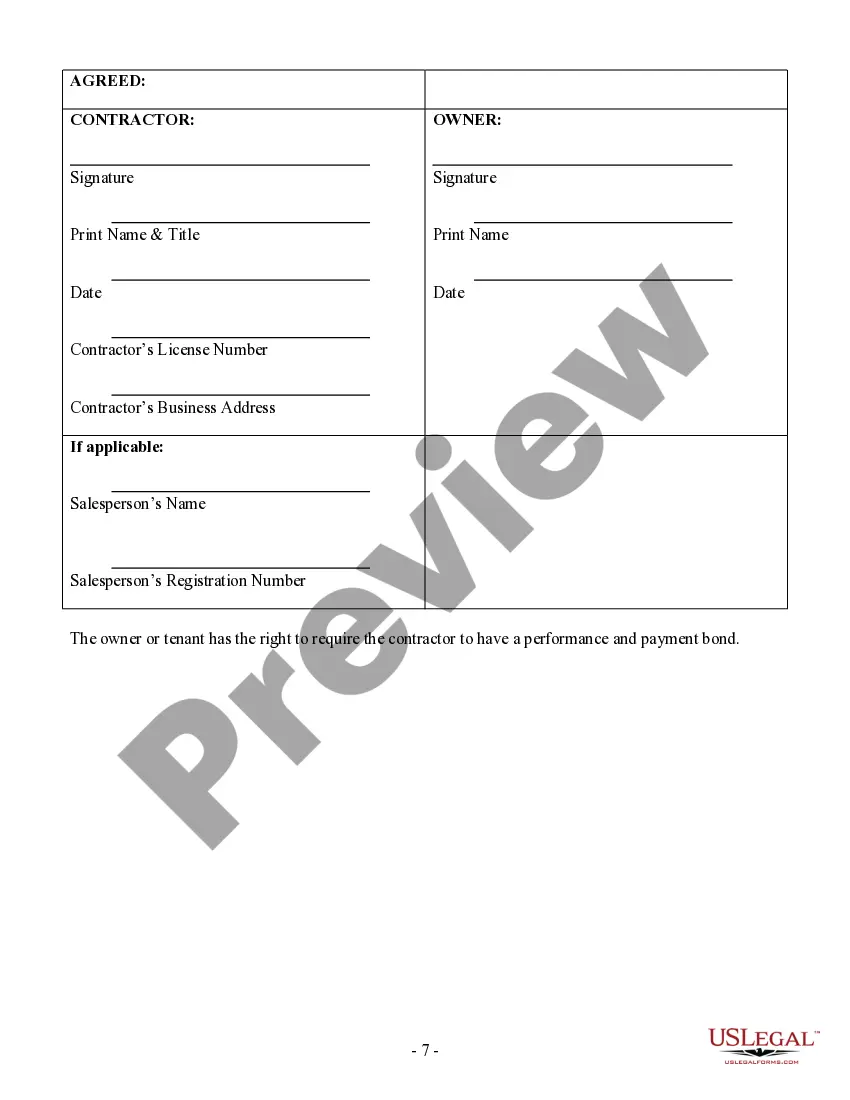
- Sign and date the contract: Ensure both parties sign the document, including any witnesses if required.
Does this form need to be notarized?
This form does not typically require notarization unless specified by local law. Ensure all parties retain copies of the signed contract for their records, and consider notarization for added legal security in some situations.
Get your form ready online
Our built-in tools help you complete, sign, share, and store your documents in one place.
Make edits, fill in missing information, and update formatting in US Legal Forms—just like you would in MS Word.
Download a copy, print it, send it by email, or mail it via USPS—whatever works best for your next step.
Sign and collect signatures with our SignNow integration. Send to multiple recipients, set reminders, and more. Go Premium to unlock E-Sign.
If this form requires notarization, complete it online through a secure video call—no need to meet a notary in person or wait for an appointment.
We protect your documents and personal data by following strict security and privacy standards.

Make edits, fill in missing information, and update formatting in US Legal Forms—just like you would in MS Word.

Download a copy, print it, send it by email, or mail it via USPS—whatever works best for your next step.

Sign and collect signatures with our SignNow integration. Send to multiple recipients, set reminders, and more. Go Premium to unlock E-Sign.

If this form requires notarization, complete it online through a secure video call—no need to meet a notary in person or wait for an appointment.

We protect your documents and personal data by following strict security and privacy standards.
Typical mistakes to avoid
- Failing to specify the scope of work, which can lead to disputes about what services are included.
- Not documenting change orders properly, which may result in disagreements over additional costs.
- Overlooking insurance requirements, potentially exposing both parties to liability.
- Not understanding the implications of the mechanics lien warning, which can affect property ownership.
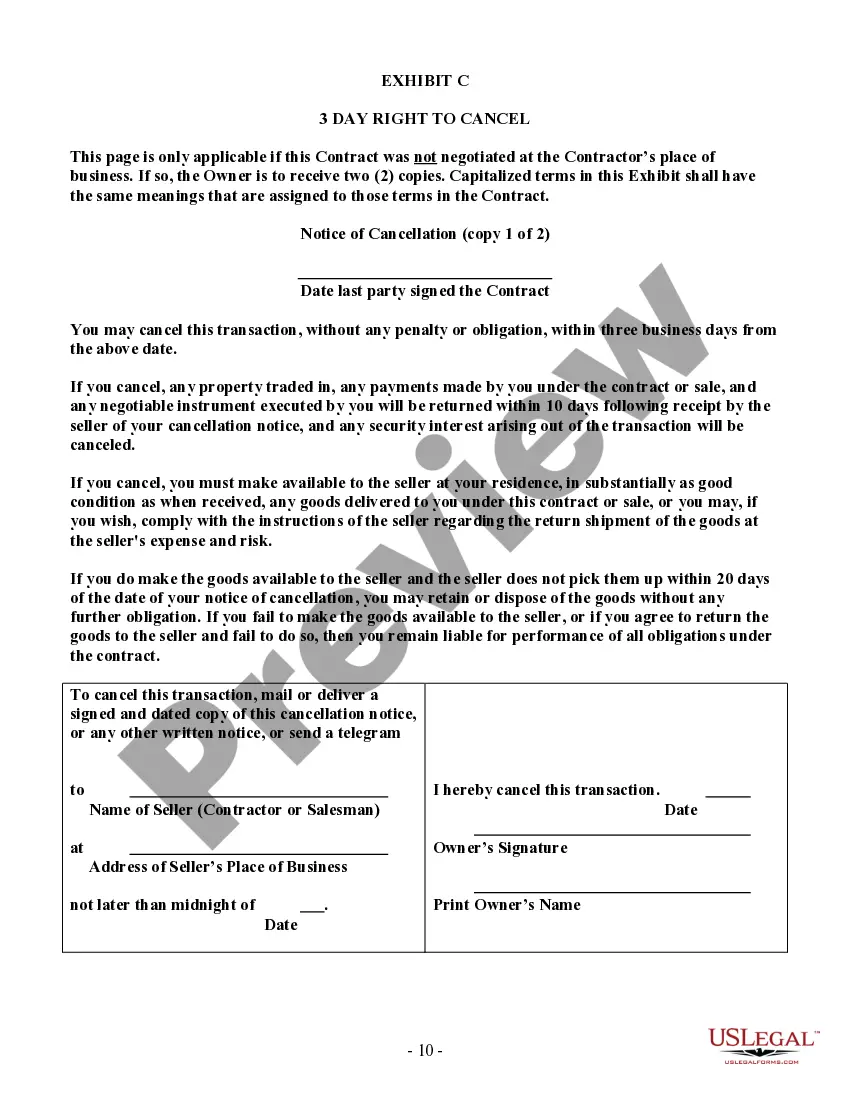
- Forgetting to include the notice of cancellation if required, which protects the property owner in specific situations.
Benefits of using this form online
- Convenience: Downloadable forms can be accessed anytime, eliminating the need for physical visits.
- Editability: Forms can be customized to meet specific project needs before printing.
- Reliability: Drafted by licensed attorneys to ensure compliance with California law.
- Time-saving: Quick access to essential legal documents without the need for prolonged consultations.
Legal use & context
- The contract serves as a legally binding agreement between the contractor and the property owner.
- Properly executed roofing contracts help protect both parties' rights and define their obligations.
- Additional legal protections such as warranties and change order procedures are included to avoid future disputes.
Main things to remember
- Always use a formal contract for roofing projects to establish clear terms.
- Understand the specific components of the contract to avoid misunderstandings.
- Ensure compliance with California laws regarding roofing contracts.
Key terms explained
- Mechanics Lien: A legal claim against a property that ensures payment for work performed or materials supplied in constructing or improving a property.
- Down Payment: An upfront payment made by the property owner to the contractor before the work begins.
- Change Order: A written agreement between the contractor and owner that outlines changes to the original contract.
- Permits: Official approvals required by local authorities to carry out construction or renovation work.
Looking for another form?

Form popularity
FAQ
The California Roofing Contract for Contractor is a California-specific legal document between a roofing contractor and a property owner. It outlines terms for either cost-plus or fixed-fee payment, and covers change orders, work site information, warranties, and insurance requirements. Use it when a property owner hires a contractor for roofing work to ensure California compliance and protect both parties.
A typical California Roofing Contract for Contractor includes the identities of the parties, a clear payment structure (cost plus or fixed fee), a process for change orders, required insurance (general liability and workers’ compensation), warranties, and provisions showing adherence to California laws, plus cancellation rights to prevent disputes during roofing projects.
In California, a contractor's contract should clearly state the parties, the payment terms (cost plus or fixed fee), the change orders process, insurance requirements (general liability and workers’ compensation), and cancellation provisions. The California Roofing Contract for Contractor is designed to meet these state-specific needs and protect both property owners and contractors.
Change orders are the formal method for altering the scope of work and the related costs. In this contract, changes must be documented, agreed to by both parties, and incorporated as amendments, ensuring any scope or price adjustments are properly approved and recorded.
The contract requires specified insurance coverage for general liability and workers’ compensation. These requirements protect both parties and ensure compliance with California standards for roofing projects.
This form is tailored to California law with explicit insurance requirements (general liability and workers’ compensation), a defined change order process, and cancellation provisions, ensuring state-specific protections that a generic roofing contract may not provide.