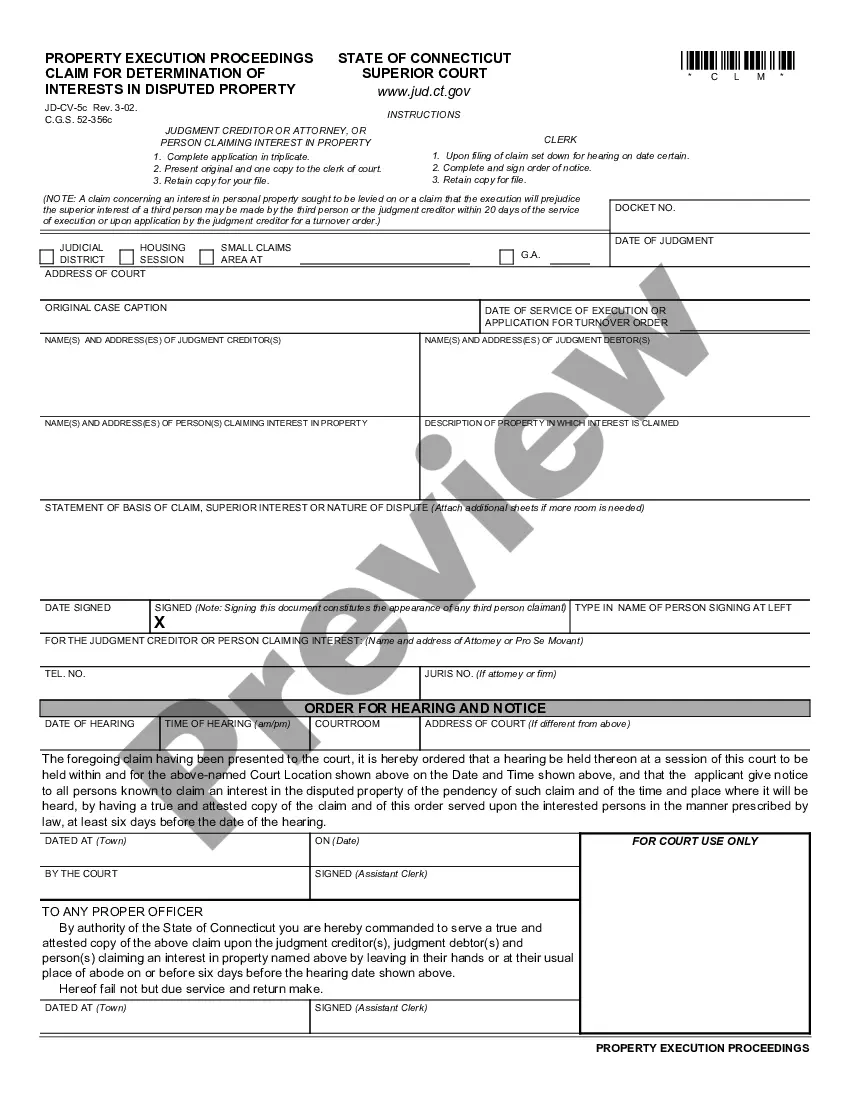
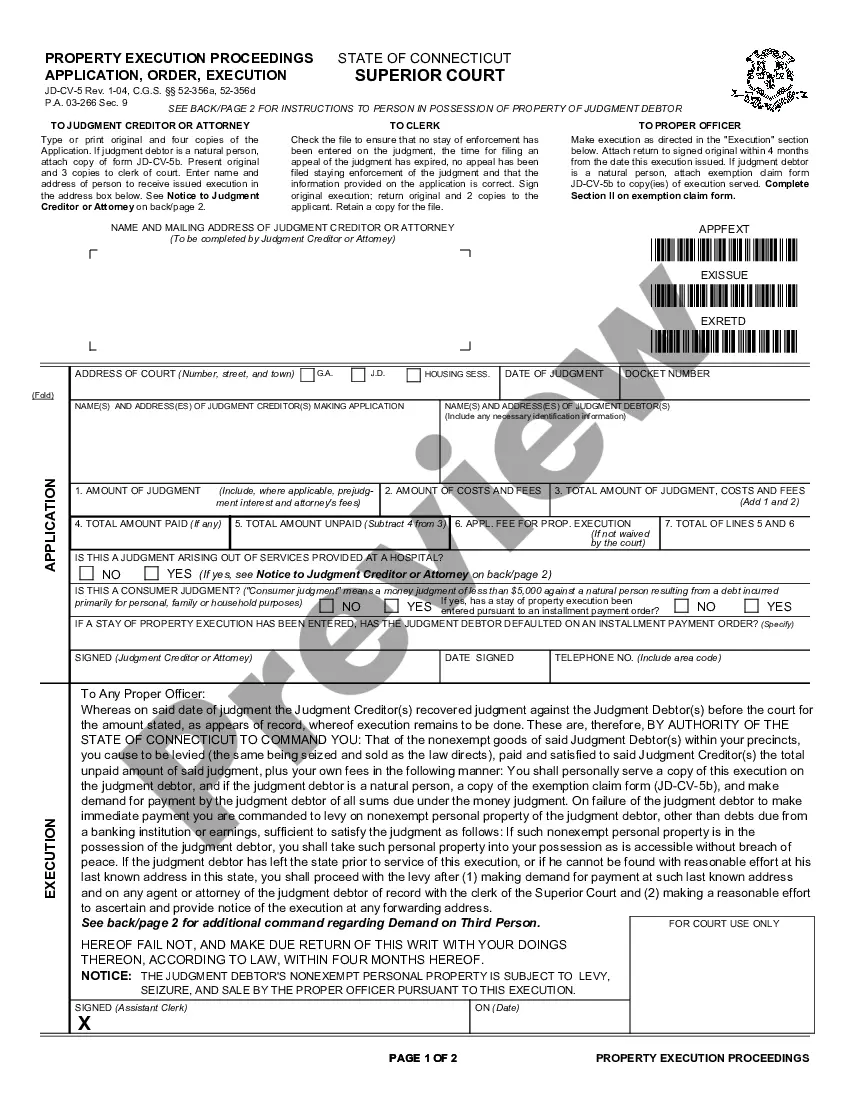
Mississippi Claimant's First Set of Request for Production
Understanding this form
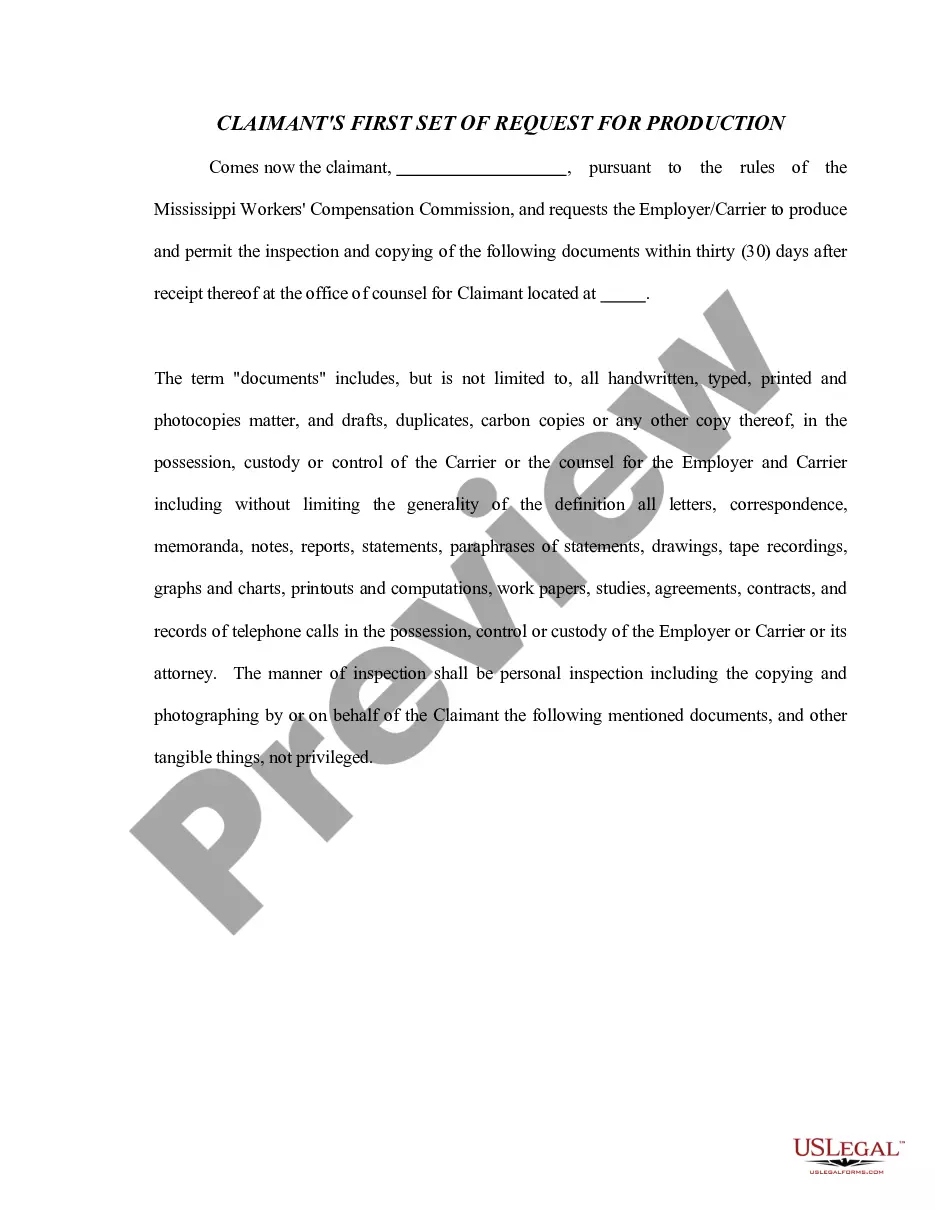
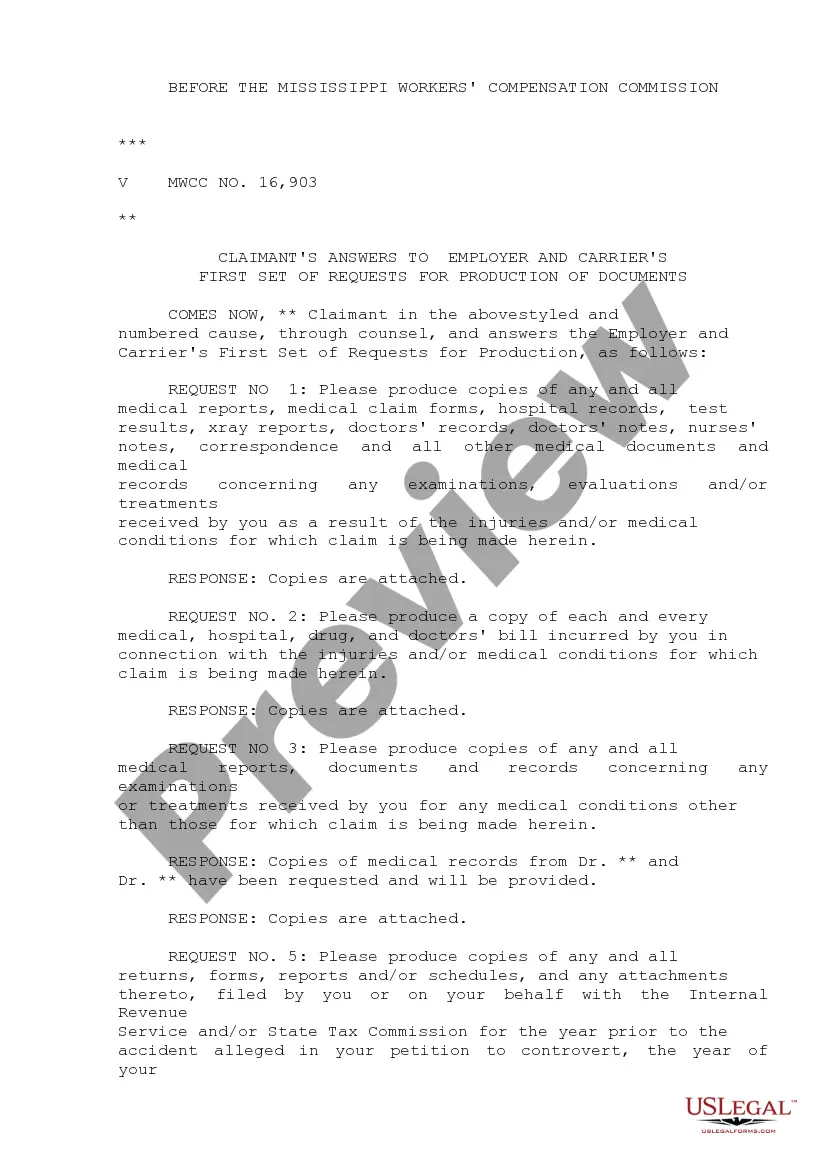
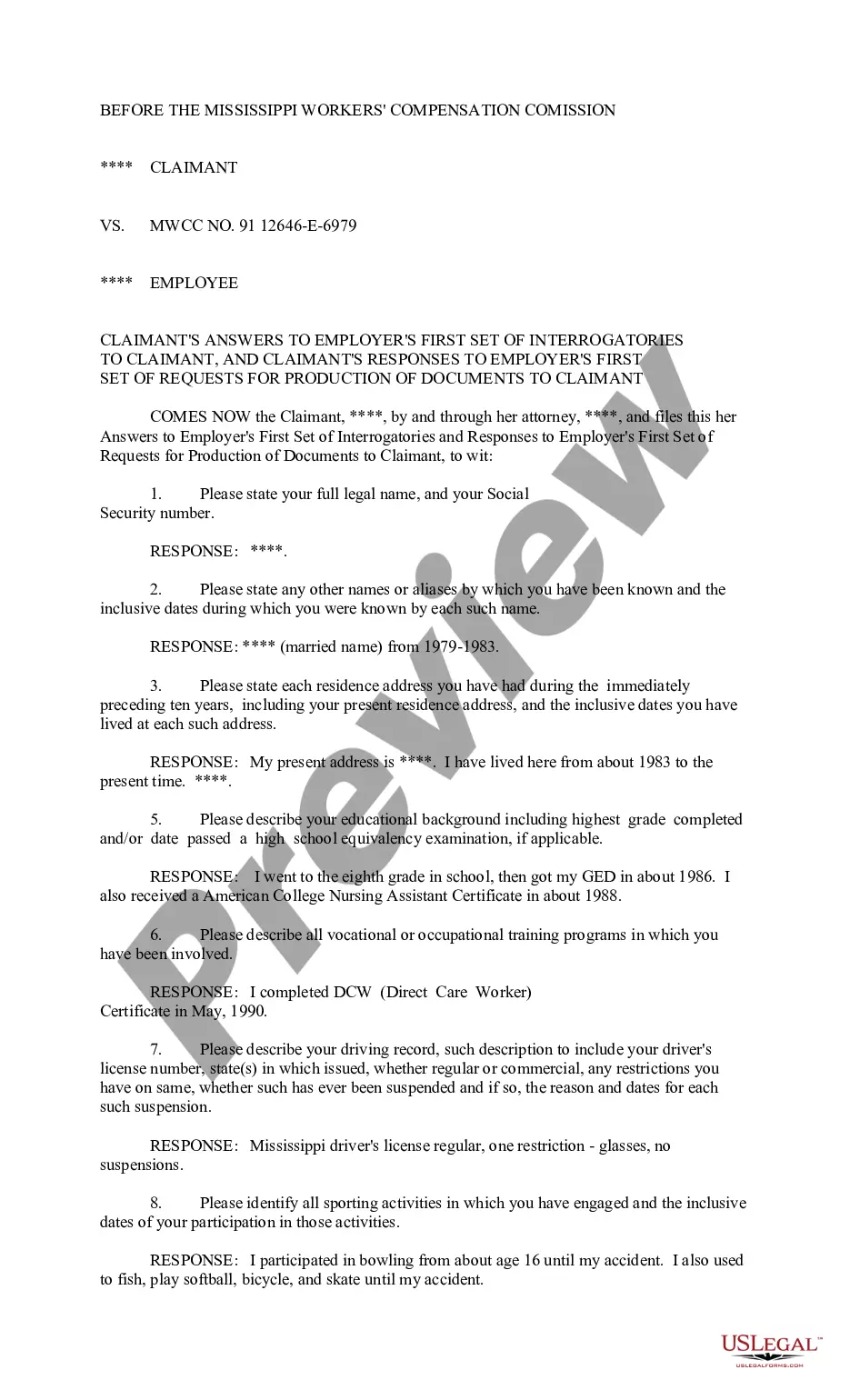
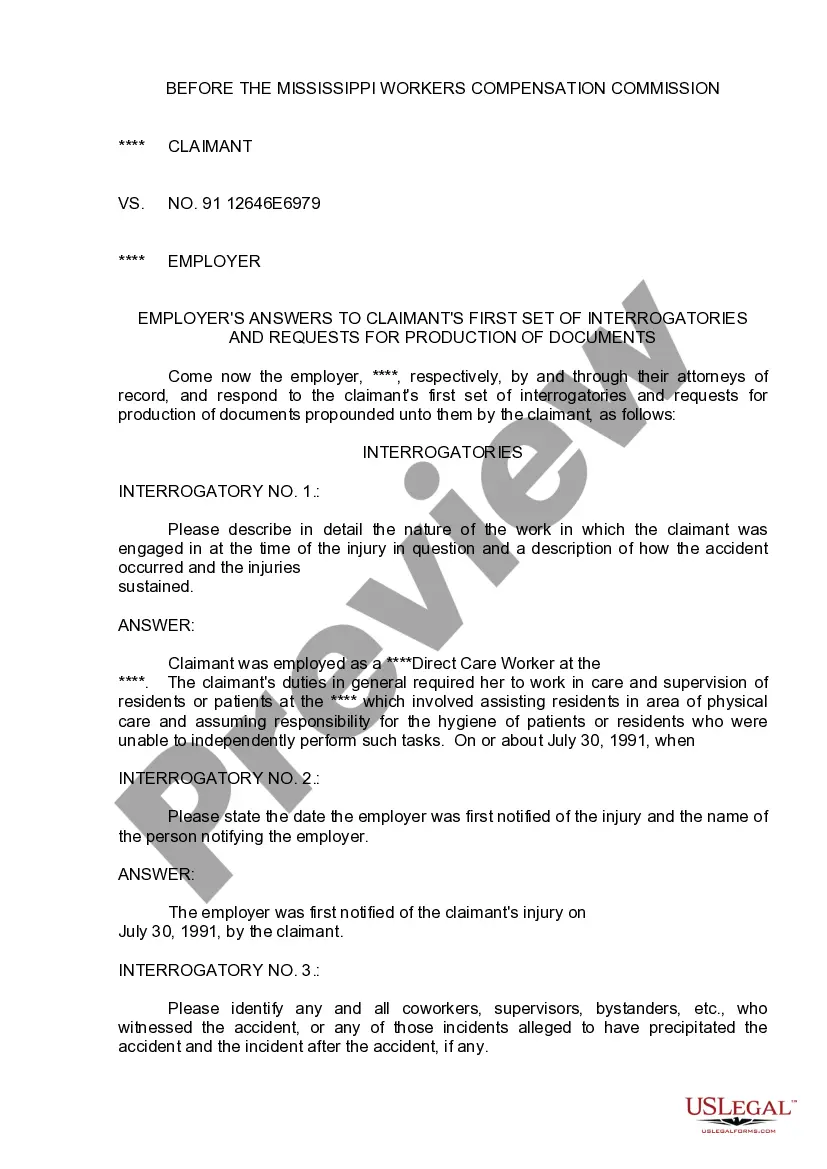
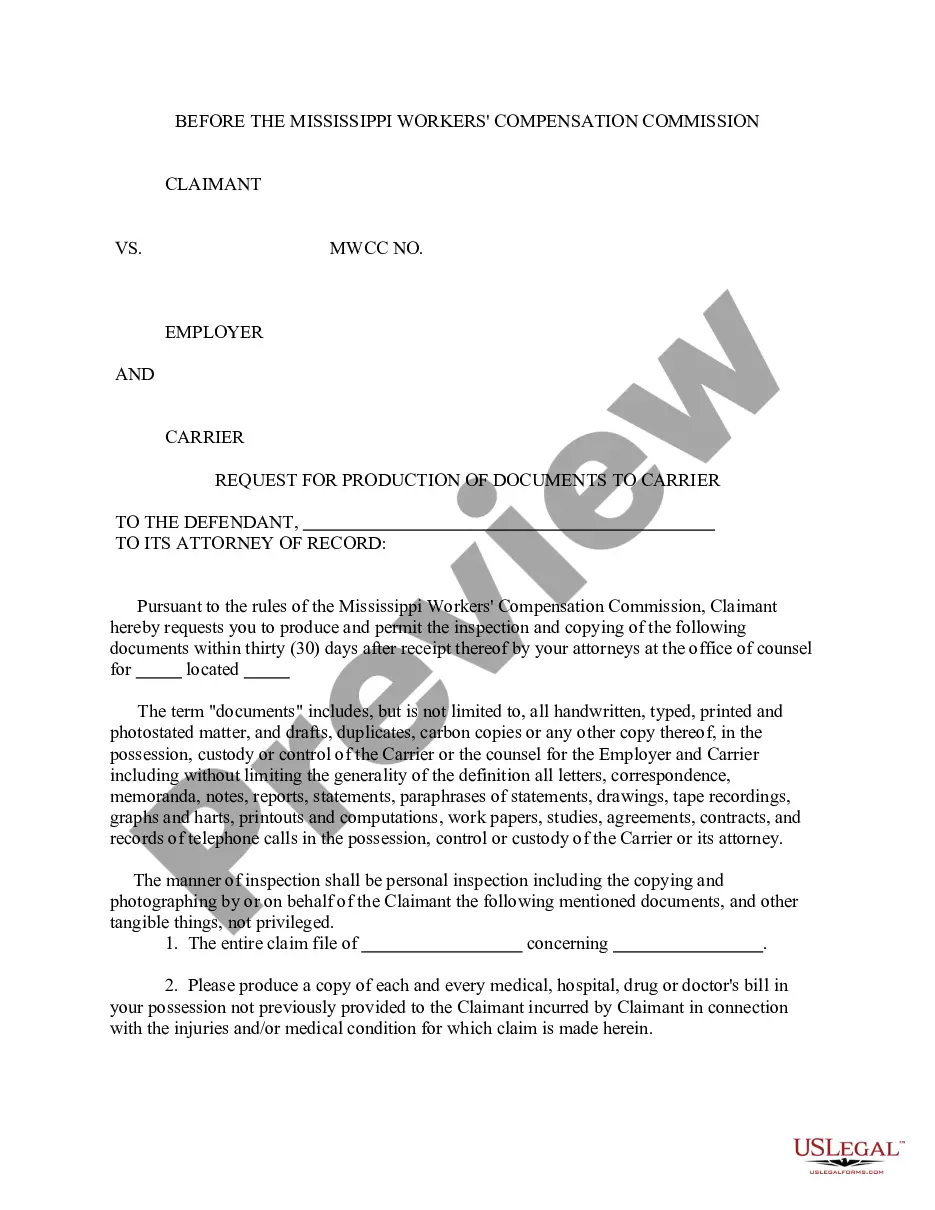
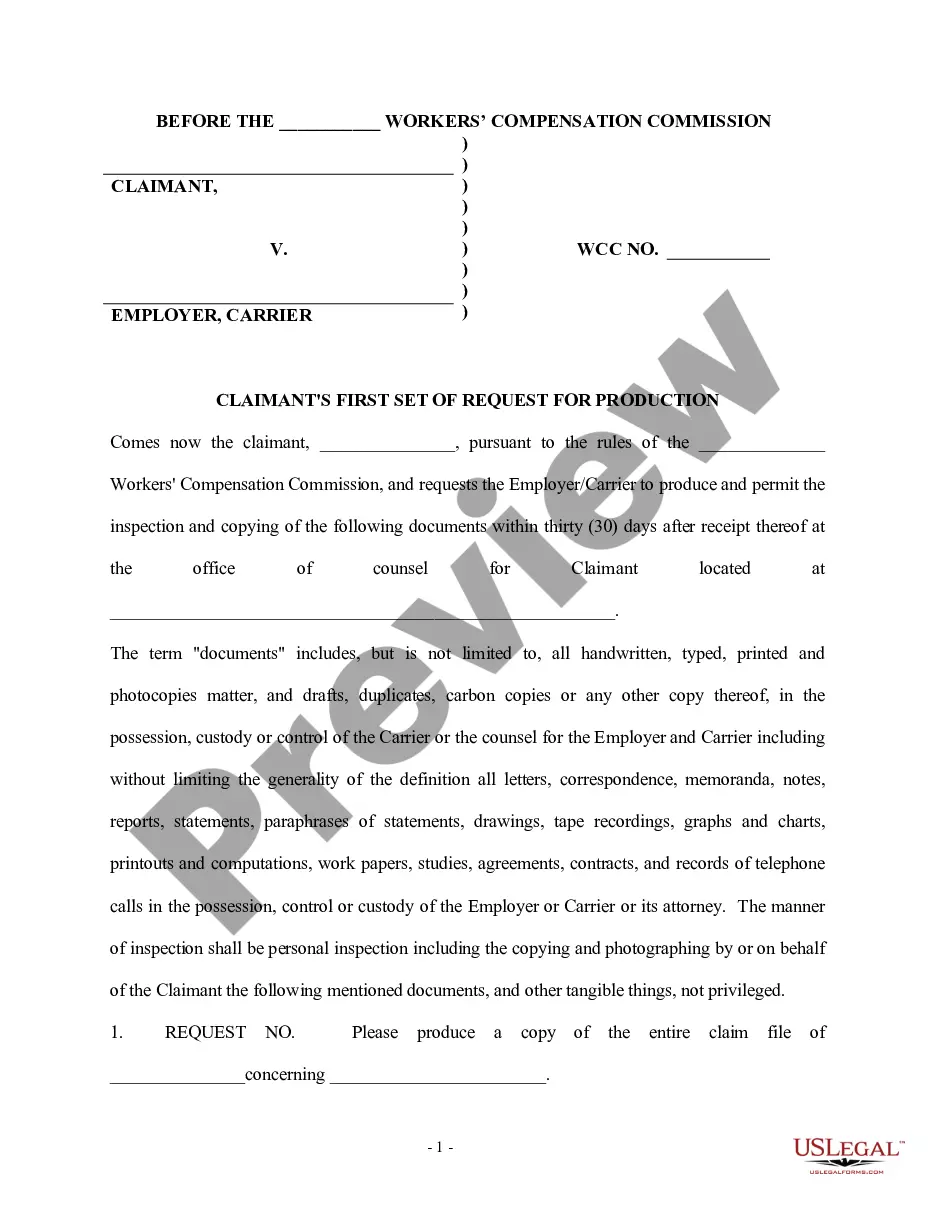
The Claimant's First Set of Request for Production is a legal document that allows a claimant to request specific documents and items from the opposing party in a lawsuit. This form is essential in the discovery phase of litigation, where parties exchange relevant information to build their cases. It is designed to streamline the process of gathering evidence, ensuring that both parties are informed and prepared for trial.
Main sections of this form
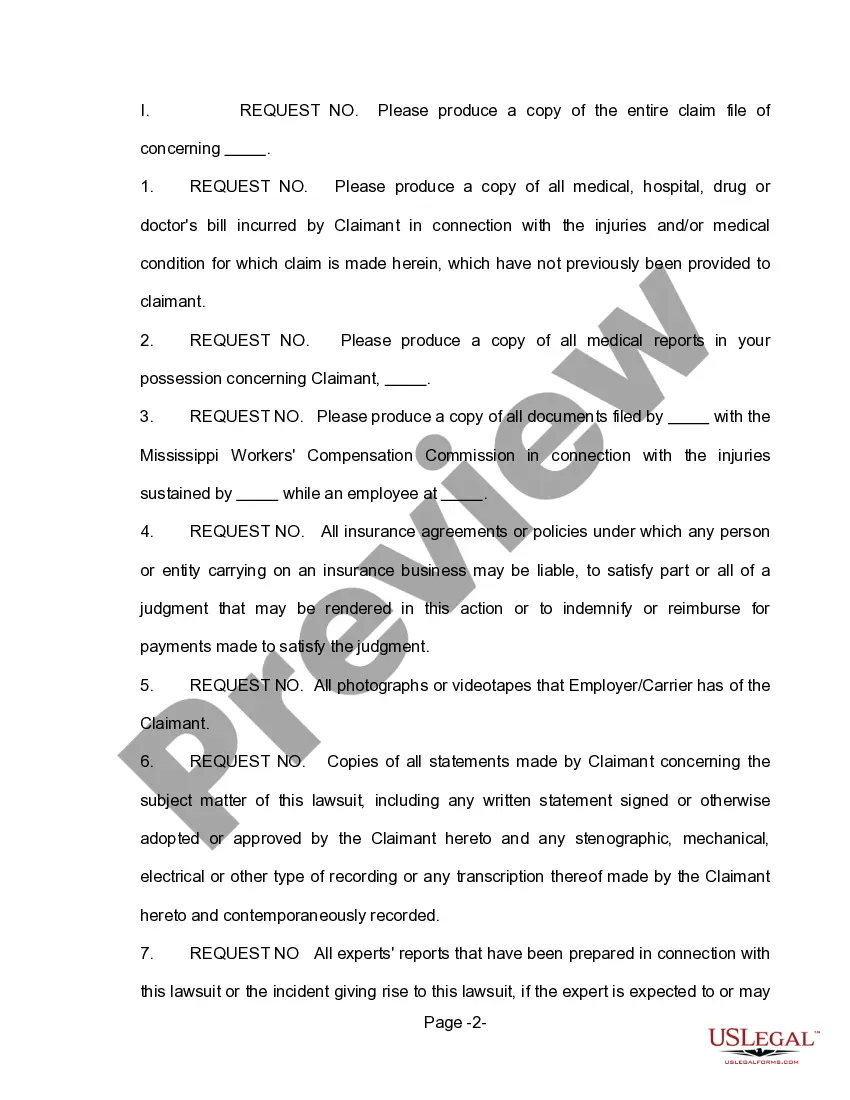
- Request for all photographs or videotapes involving the claimant.
- Request for copies of statements made by the claimant related to the lawsuit.
- Request for all expert reports prepared in connection with the case.
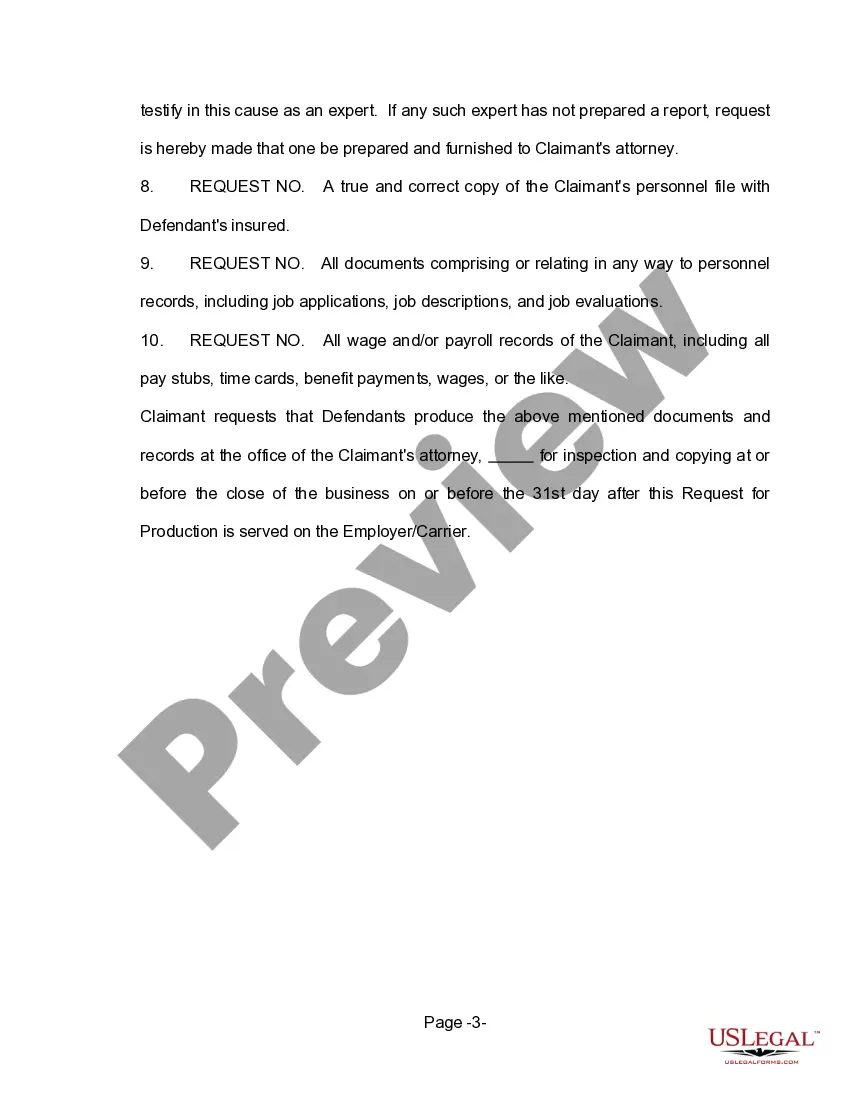
- Request for a copy of the claimant's personnel file.
- Request for all wage and payroll records of the claimant.
Common use cases
This form is typically used when a claimant needs to gather evidence from their employer or the insurance carrier involved in a lawsuit. It is particularly relevant in cases where the claimant's employment records, statements, or evidence directly affect the outcome of the case. Utilizing this form ensures that the discovery process is thorough and that all relevant parties fulfill their obligations to share information.
Intended users of this form
Eligible Users:
- Claimants involved in legal proceedings against employers or insurance carriers.
- Attorneys representing claimants in workplace injury or compensation claims.
- Individuals seeking to gather evidence prior to trial.
Instructions for completing this form
Steps to Complete the Form:
- Clearly identify the parties involved in the lawsuit.
- Number each request for clarity and organization.
- Specify the documents or items you are requesting from the employer or carrier.
- Provide appropriate details, including dates and relevant events related to each request.
- Sign and date the form before submitting it to the other party.
Notarization requirements for this form
This form does not typically require notarization unless specified by local law. Ensure to check local regulations for any specific requirements regarding signature verification.
Get your form ready online
Our built-in tools help you complete, sign, share, and store your documents in one place.
Make edits, fill in missing information, and update formatting in US Legal Forms—just like you would in MS Word.
Download a copy, print it, send it by email, or mail it via USPS—whatever works best for your next step.
Sign and collect signatures with our SignNow integration. Send to multiple recipients, set reminders, and more. Go Premium to unlock E-Sign.
If this form requires notarization, complete it online through a secure video call—no need to meet a notary in person or wait for an appointment.
We protect your documents and personal data by following strict security and privacy standards.

Make edits, fill in missing information, and update formatting in US Legal Forms—just like you would in MS Word.

Download a copy, print it, send it by email, or mail it via USPS—whatever works best for your next step.

Sign and collect signatures with our SignNow integration. Send to multiple recipients, set reminders, and more. Go Premium to unlock E-Sign.

If this form requires notarization, complete it online through a secure video call—no need to meet a notary in person or wait for an appointment.

We protect your documents and personal data by following strict security and privacy standards.
Common mistakes
- Failing to specify documents clearly, leading to ambiguous requests.
- Not numbering requests, which can cause confusion in correspondence.
- Forgetting to sign and date the form before submission.
Why use this form online
- Convenient online access and downloading of the form.
- Editability allows users to tailor requests to their specific needs.
- Reliability, as the forms are drafted by licensed attorneys.
- The form is legally valid when properly completed and filed with the court.
- Failure to properly serve discovery requests can result in delays or procedural issues in the lawsuit.
- All requests must relate directly to the subject matter of the lawsuit for enforceability.
Main things to remember
- The Claimant's First Set of Request for Production is crucial for gathering evidence.
- Proper completion ensures clarity in requests made during the discovery phase.
- Tailor the requests to fit the specific circumstances of your case.
Looking for another form?
Form popularity
FAQ
Proper Objections A responding party has four options: (1) admit; (2) deny; (3) admit in part and deny in part; or (4) explain why the party is unable to answer. It is possible to object to all or part of a request as well, but courts do not like parties who play word games to avoid responding.
It means there is more than one question to the question. For instance, "Do you own a blue or black car?" is compound because it asks both whether you own a blue car or whether you own a black car.
You can object to an interrogatory if the information sought is known by the requesting party or available to both parties equally. For example, you should raise this objection if the answers are publicly available or in a third-party's custody or control.
Each request must be numbered consecutively. The first paragraph immediately shall state he identity of the party requesting the admissions, the set number, and the identity of the responding party. Each request shall be separately set forth and identified by letter or number. C.C.P.
In a civil action, a request for admission is a discovery device that allows one party to request that another party admit or deny the truth of a statement under oath. If admitted, the statement is considered to be true for all purposes of the current trial.
In certain cases, you might be able to write a letter to the other side and request the documents that you need. However, in more formal cases, you will likely have to draft more formal discovery demands. There are usually forms available for this in local law libraries, from the court clerk's office, or online.
When responding to Requests for Admissions, remember to answer as follows: Admit: If any portion of the Request for Admission is true then you must admit to that portion of the request. You are also allowed to have a hybrid response admit the part of the request that is true while denying another part.
A request for admission cannot contain subparts, or a compound, conjunctive, or disjunctive request.
Your answers to the interrogatories should usually be short, clear, and direct and should answer only the question that is being asked. This is not the time to set out your entire case or defense to the other side. Take the time to make sure your answers are correct and truthful.