Mississippi Claimant's Answers to First Set of Interrogatories and Requests for Production of Documents
About this form
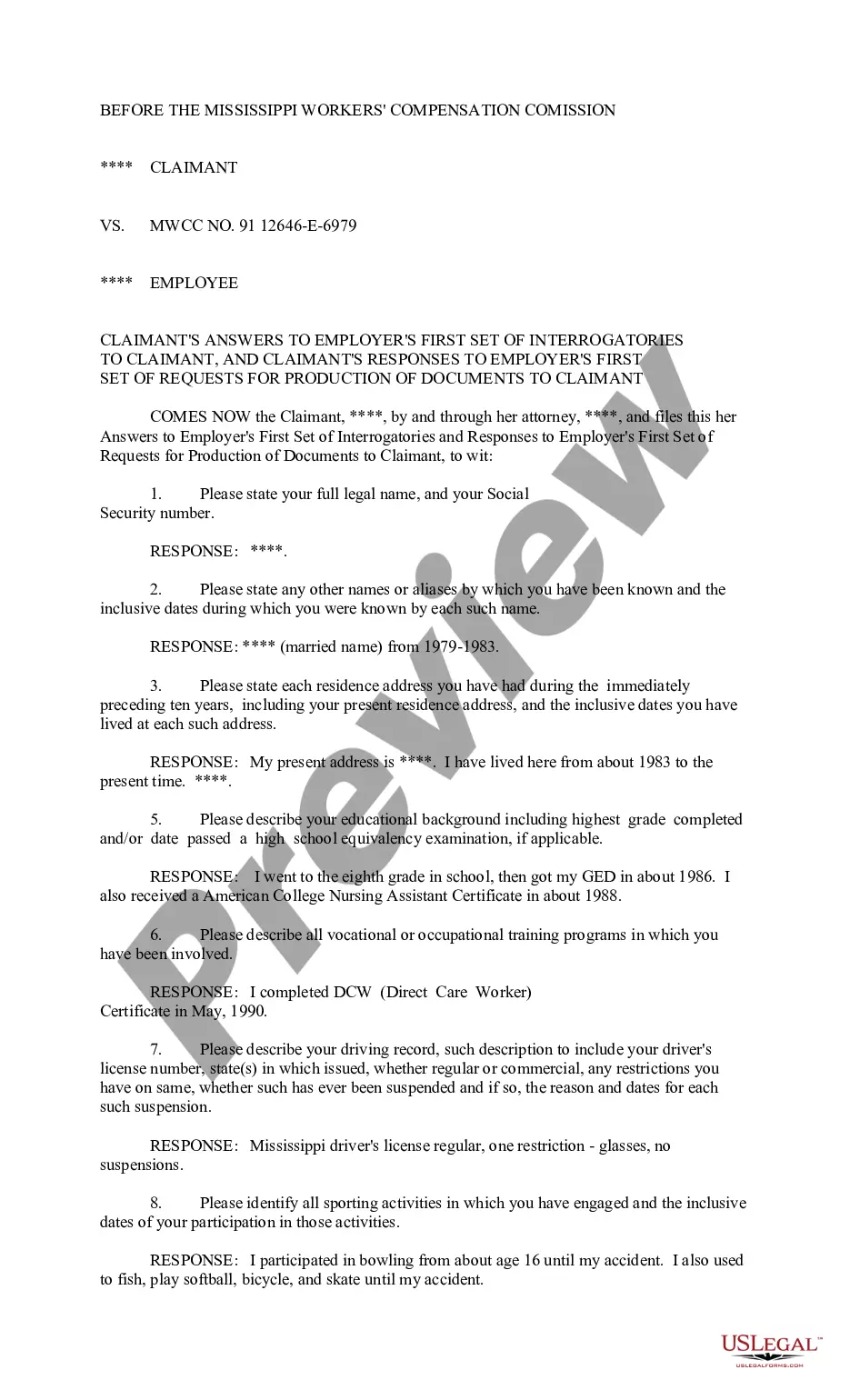
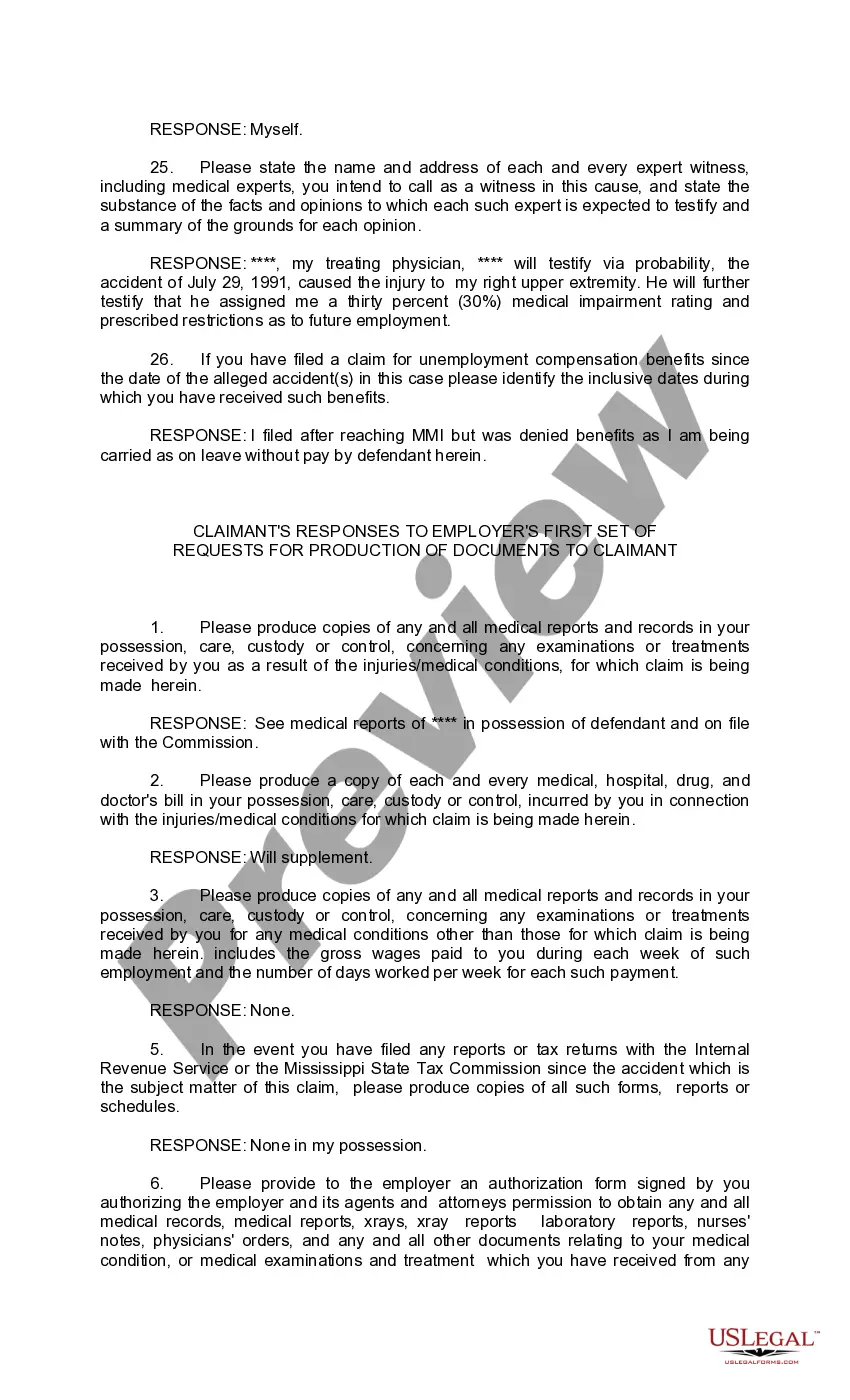
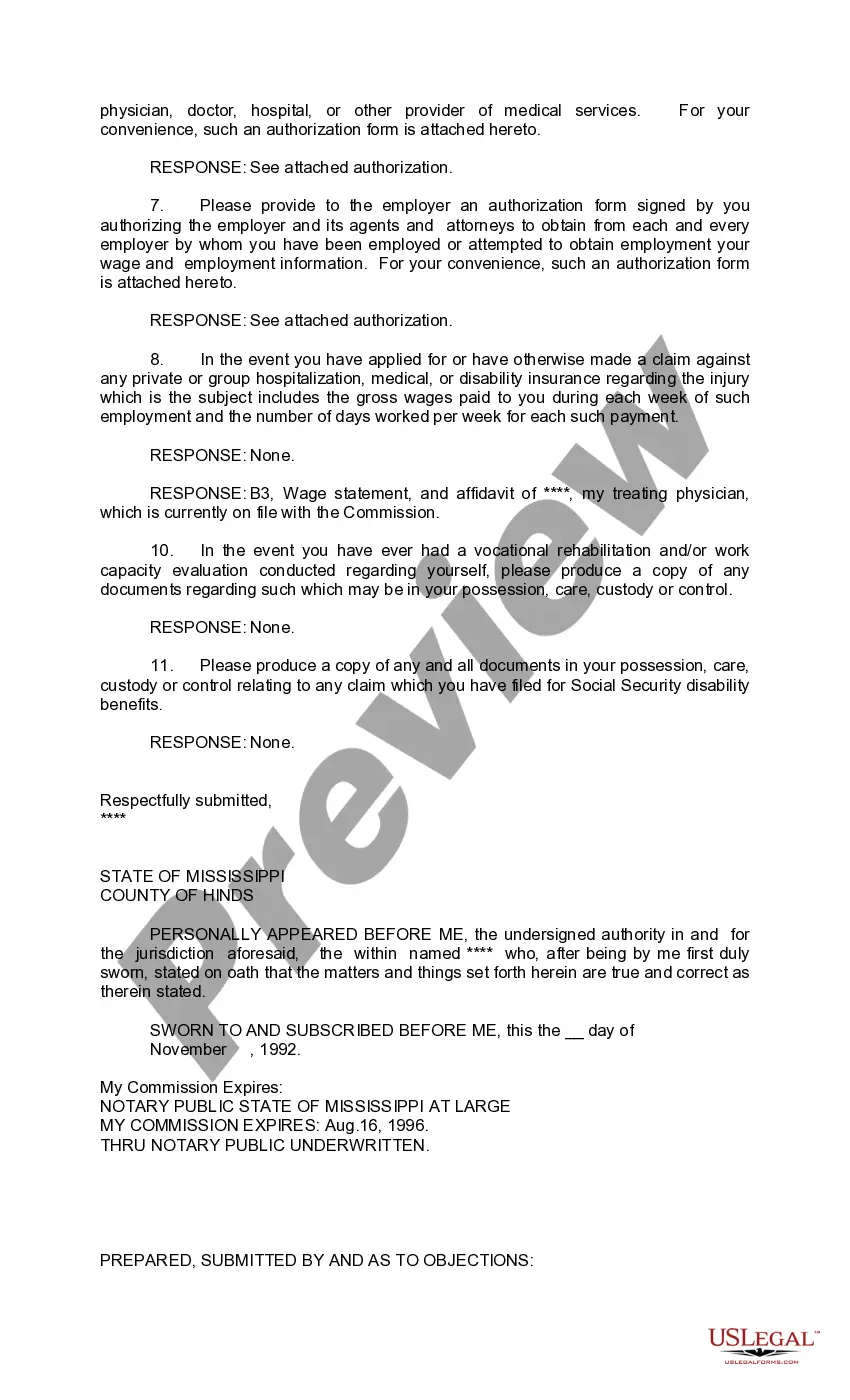
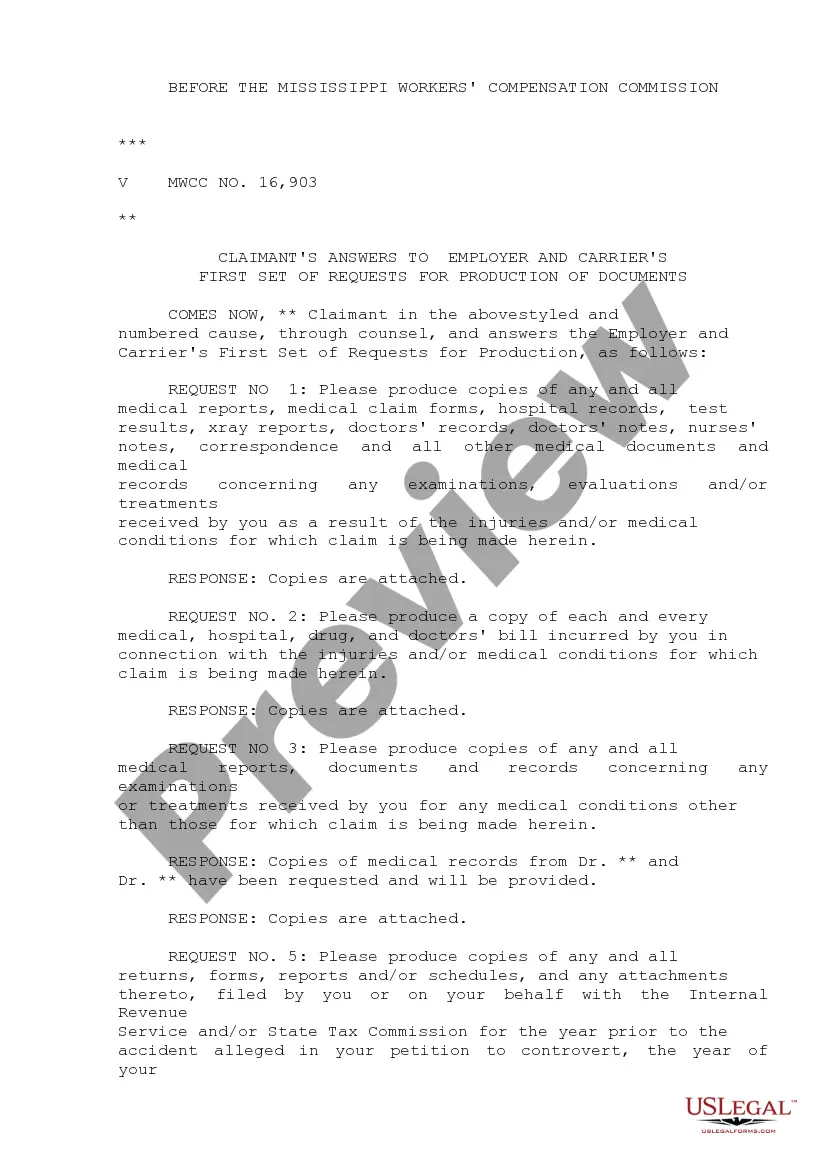
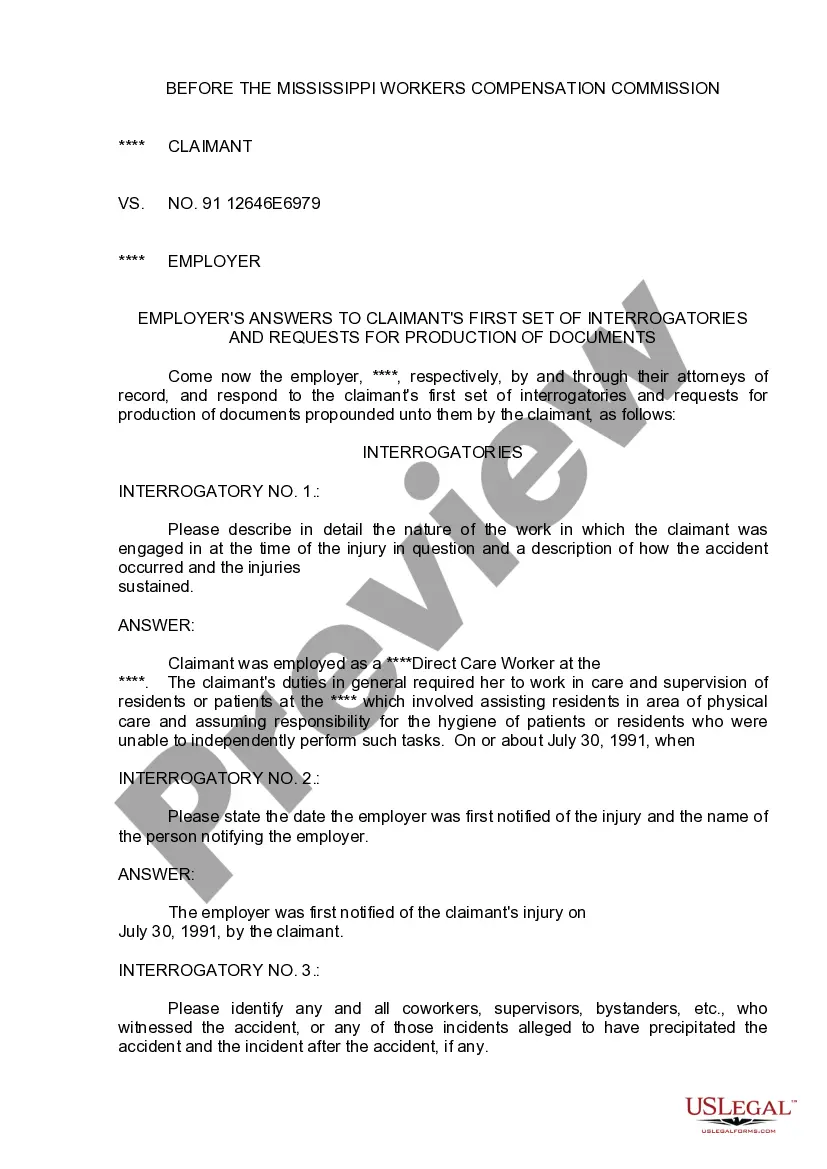
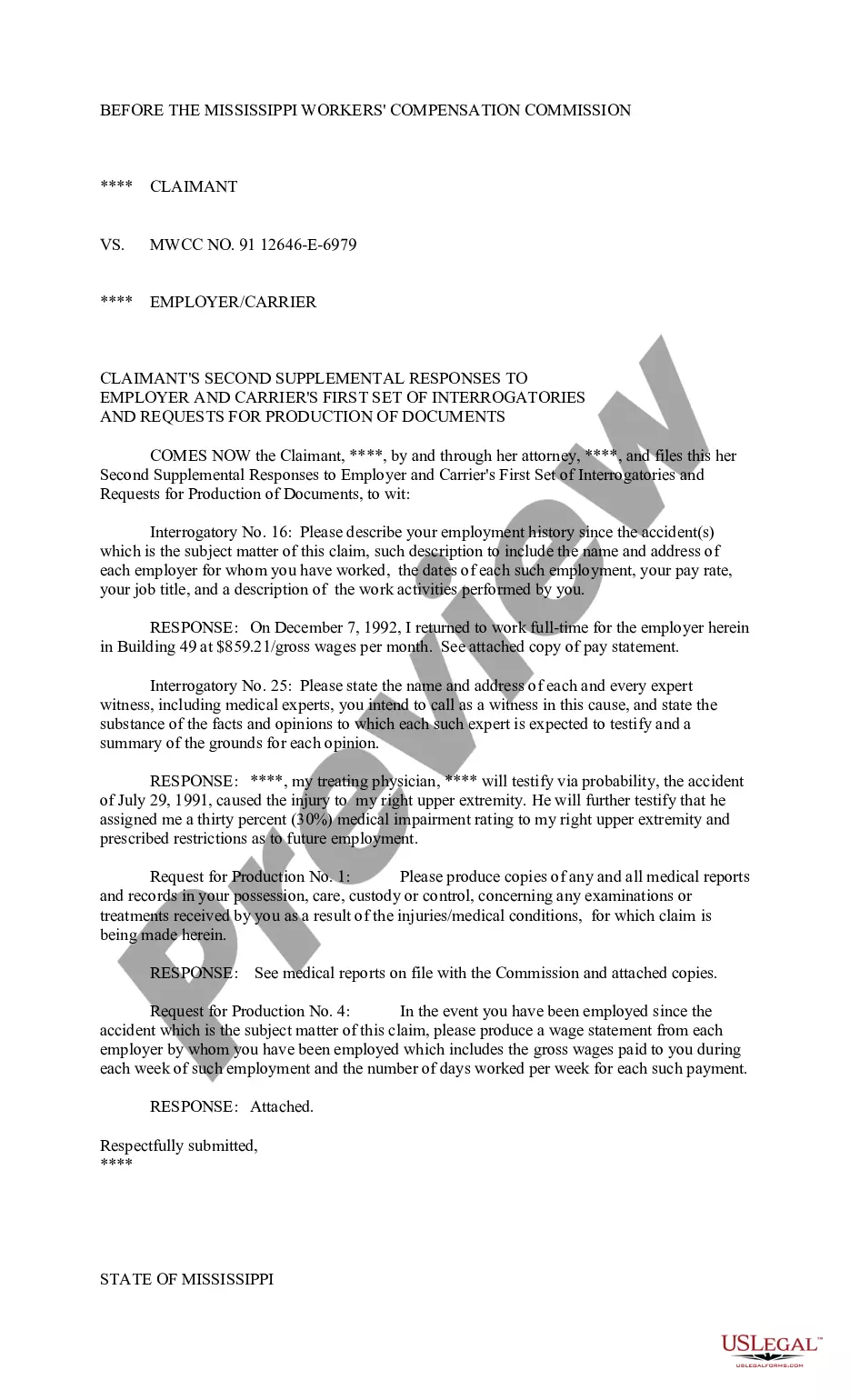
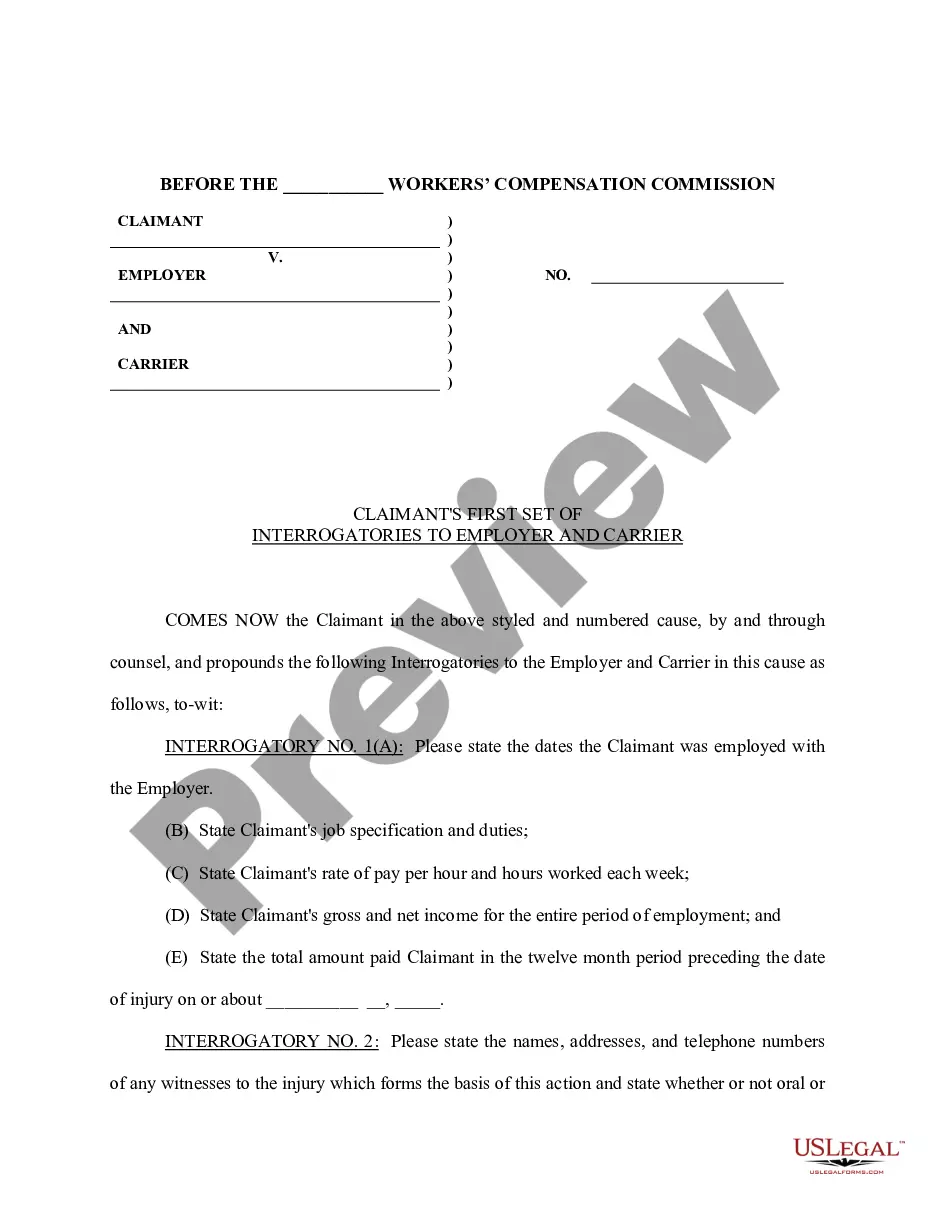
The Claimant's Answers to First Set of Interrogatories and Requests for Production of Documents is a legal document used in the discovery phase of a lawsuit. This form allows a claimant to respond to specific questions posed by the employer or opposing party and provide requested documents. The responses help establish facts pertinent to the case and facilitate the exchange of information required for legal proceedings. Unlike similar forms, this document is specifically tailored to address interrogatories and requests for documents within the context of workers' compensation cases.
What’s included in this form
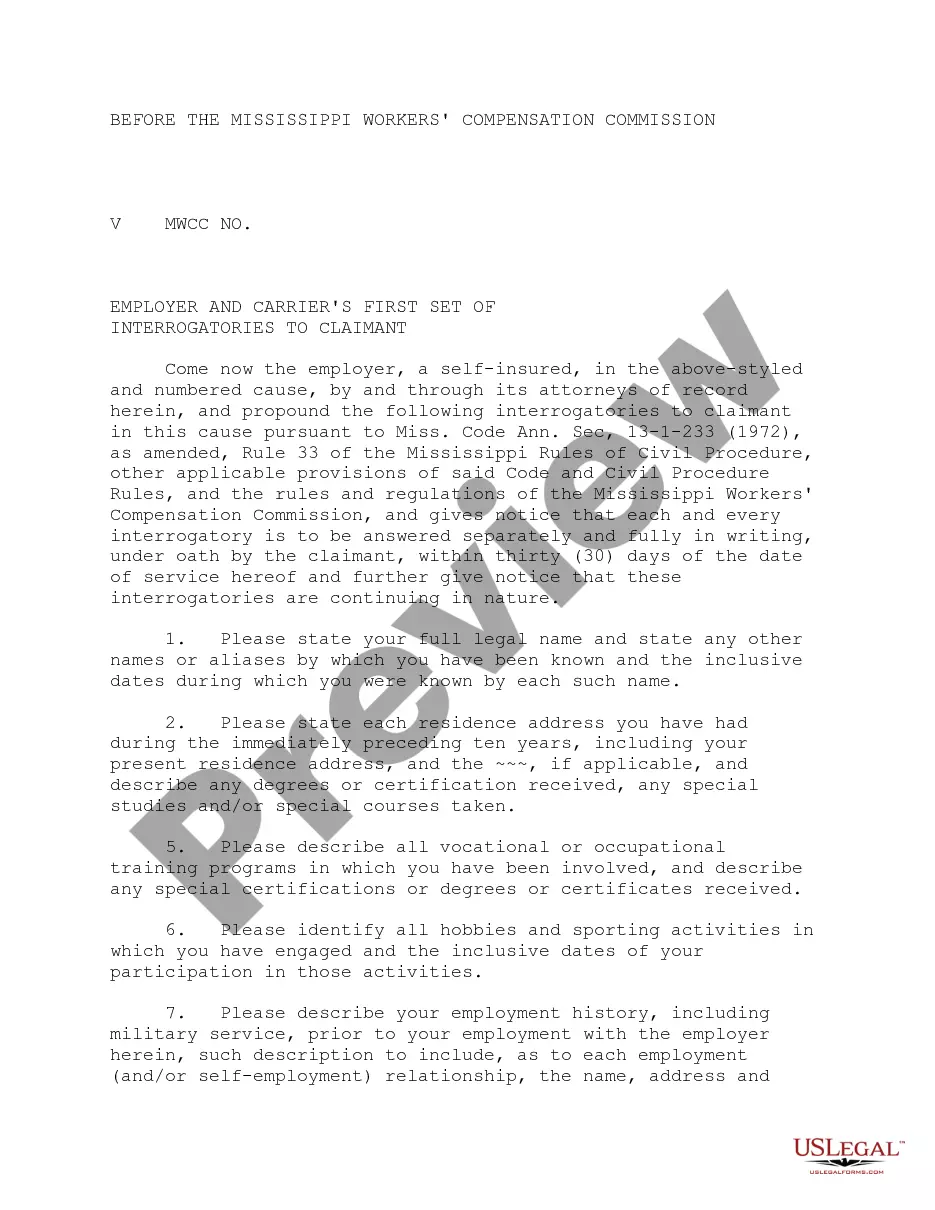
- Full legal name and Social Security number
- Residence history and inclusive dates
- Educational background and vocational training
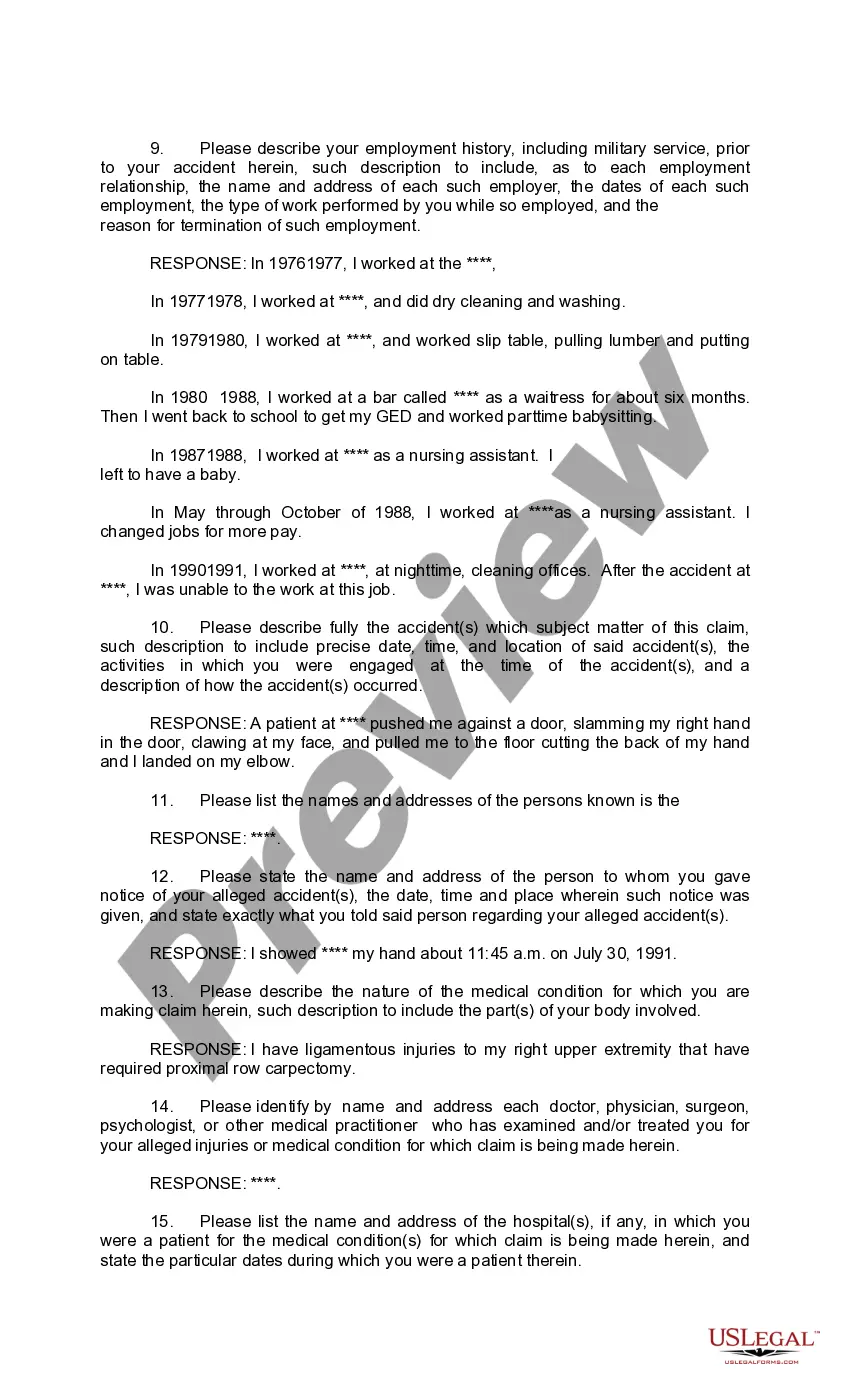
- Employment history prior to the incident
- Details of the incident, including descriptions and witnesses
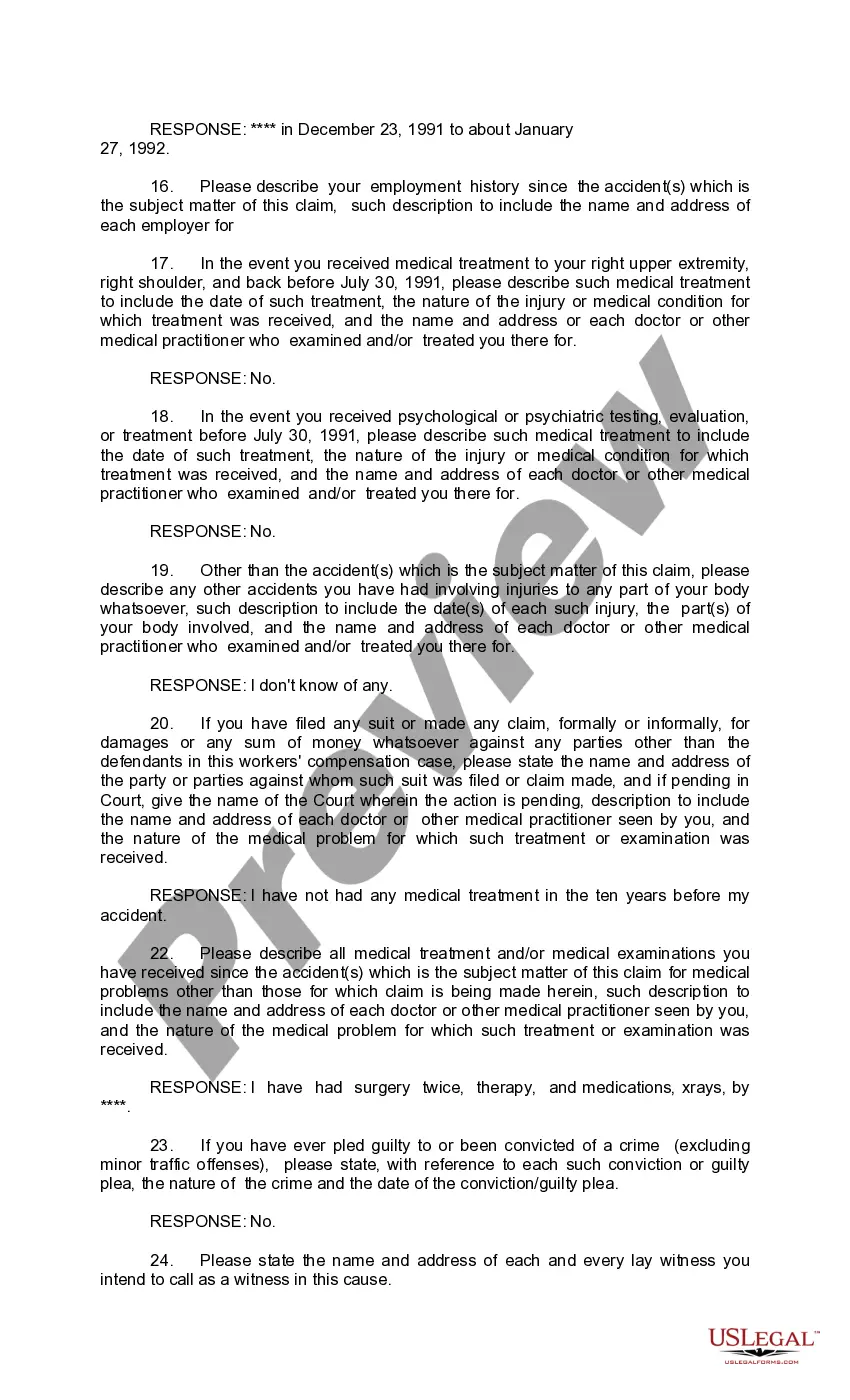
- Medical history relevant to the claimed injuries
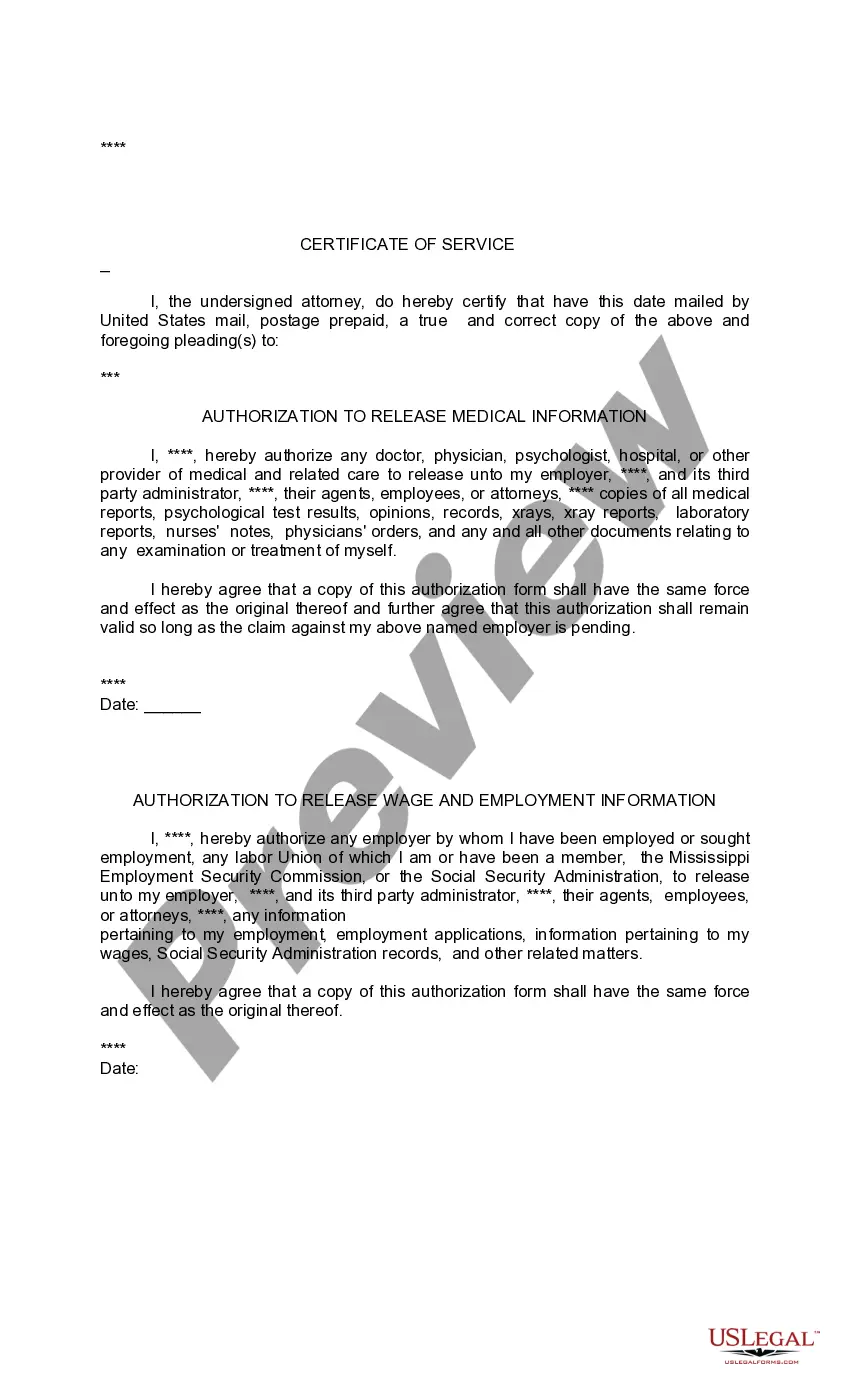
- Responses to requests for production of documents
Common use cases
This form should be utilized when a claimant is asked to provide detailed answers to interrogatories and respond to requests for the production of documents as part of a workers' compensation claim process. It helps verify facts surrounding the injury claim, assess the claimant's medical history, and gather relevant documentation to support the case.
Who should use this form
- Claimants involved in workers' compensation cases
- Individuals responding to interrogatories from employers
- People who need to document their injury claims through legal proceedings
Steps to complete this form
- Identify the claimant's full legal name and include the Social Security number.
- Provide a detailed residence history for the last ten years along with addresses and dates.
- Outline educational qualifications and any vocational training received.
- Summarize employment history leading up to the incident, noting any relevant military service.
- Describe the accident and any medical treatments received following the incident.
- Respond thoroughly to any document requests, ensuring to include authorizations if necessary.
Notarization requirements for this form
This form must be notarized to be legally valid. US Legal Forms provides secure online notarization powered by Notarize, allowing you to complete the process through a verified video call.
Get your form ready online
Our built-in tools help you complete, sign, share, and store your documents in one place.
Make edits, fill in missing information, and update formatting in US Legal Forms—just like you would in MS Word.
Download a copy, print it, send it by email, or mail it via USPS—whatever works best for your next step.
Sign and collect signatures with our SignNow integration. Send to multiple recipients, set reminders, and more. Go Premium to unlock E-Sign.
If this form requires notarization, complete it online through a secure video call—no need to meet a notary in person or wait for an appointment.
We protect your documents and personal data by following strict security and privacy standards.

Make edits, fill in missing information, and update formatting in US Legal Forms—just like you would in MS Word.

Download a copy, print it, send it by email, or mail it via USPS—whatever works best for your next step.

Sign and collect signatures with our SignNow integration. Send to multiple recipients, set reminders, and more. Go Premium to unlock E-Sign.

If this form requires notarization, complete it online through a secure video call—no need to meet a notary in person or wait for an appointment.

We protect your documents and personal data by following strict security and privacy standards.
Typical mistakes to avoid
- Failing to provide complete and accurate residence history.
- Not including critical details about the accident or injuries sustained.
- Overlooking the need for a signature and date on the form.
- Not properly responding to all interrogatories or document requests.
Benefits of using this form online
- Convenience of downloading and customizing the form from anywhere.
- Immediate access to legal templates drafted by licensed attorneys.
- Ability to save and edit responses before finalizing the document.
- Ensures compliance with current legal standards and formats.
Key takeaways
- The form is essential for claimants responding to employer interrogatories.
- It requires detailed personal, employment, and medical information.
- Address state-specific requirements to ensure compliance.
- Online completion offers flexibility and ease in obtaining legal forms.
Looking for another form?

Form popularity
FAQ
Motions to Compel If a party doesn't respond to interrogatories or requests for production, then the party seeking those answers must file a motion to compel with the court. If the court grants the motion to compel, then the party who objected or failed to answer must then do so.
So, can you refuse to answer interrogatories? The answer is, no, you may not. You must answer a Rule 33 interrogatory within 30 days of being served with it. That answer must either permit inspection of the requested information or object to the production of the information for a specific reason.
You must answer each interrogatory separately and fully in writing under oath, unless you object to it. You must explain why you object. You must sign your answers and objections.
You can object to an interrogatory if the information sought is known by the requesting party or available to both parties equally. For example, you should raise this objection if the answers are publicly available or in a third-party's custody or control.
Unless you have been a party in a lawsuit before, you probably do not know what interrogatories are.Interrogatories are written questions that you have to respond to in writing, under oath. A California personal injury attorney can guide you through the process of responding to interrogatories.
You must answer each interrogatory separately and fully in writing under oath, unless you object to it. You must explain why you object. You must sign your answers and objections.
In law, interrogatories (also known as requests for further information) are a formal set of written questions propounded by one litigant and required to be answered by an adversary in order to clarify matters of fact and help to determine in advance what facts will be presented at any trial in the case.
In most cases, a deponent cannot refuse to answer a question at a deposition unless the answer would reveal privileged or irrelevant private information or the court previously ordered that the information cannot be revealed (source). However, there are certain types of questions that do not have to be answered.
Written questions submitted to a party from his or her adversary to ascertain answers that are prepared in writing and signed under oath and that have relevance to the issues in a lawsuit.No party can be compelled to answer interrogatories that involve matters beyond the party's control.