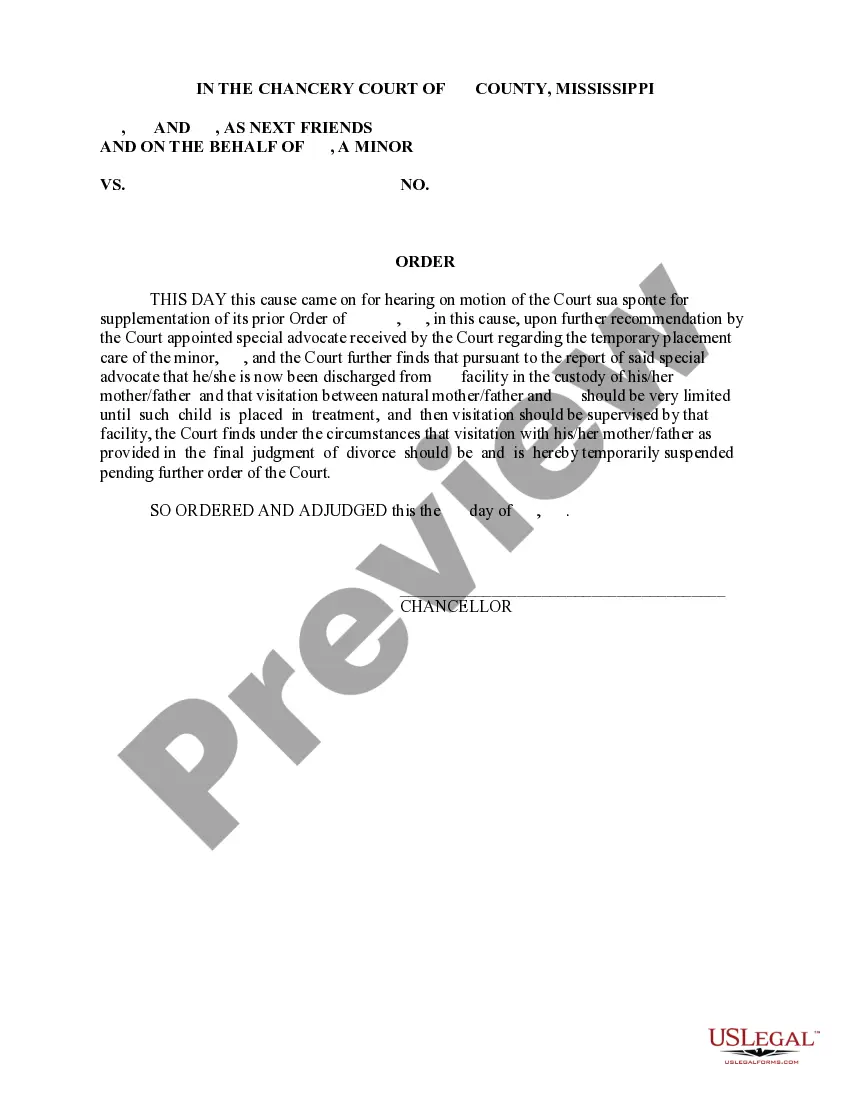
Mississippi Order Temporarily Suspending Visitation
What is this form?
The Order Temporarily Suspending Visitation is a legal document issued by a court that temporarily restricts visitation rights between a parent and child. This form serves to protect the child's welfare by limiting contact with a parent until specified conditions, such as treatment or placement, are satisfied. It is a crucial tool in family law cases where the safety and best interests of the child are in question.
What’s included in this form
- Identification of the parties involved, including the minor.
- Details regarding the court's prior orders and the rationale for temporary suspension.
- Recommendations from a court-appointed special advocate or relevant authority.
- Provisions outlining the conditions for future visitation, including supervision requirements.
- Signature line for court approval, with the judge's title and date of issuance.
Common use cases
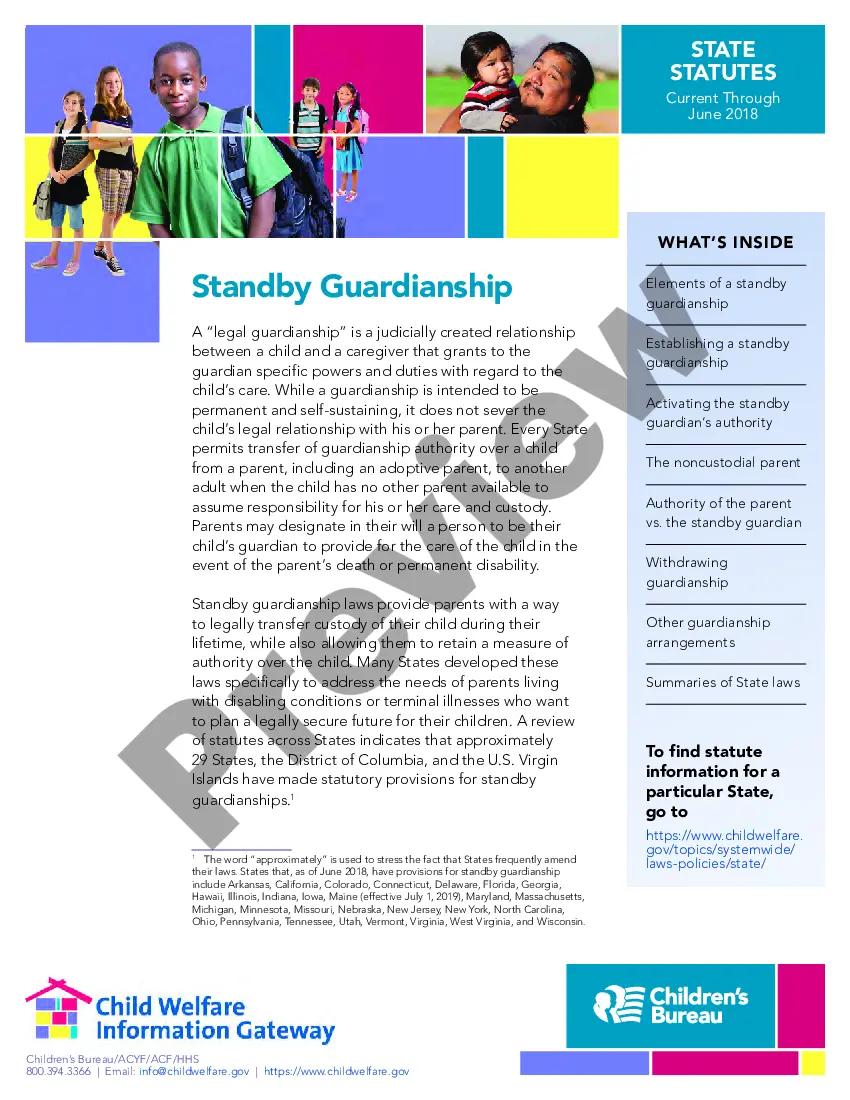
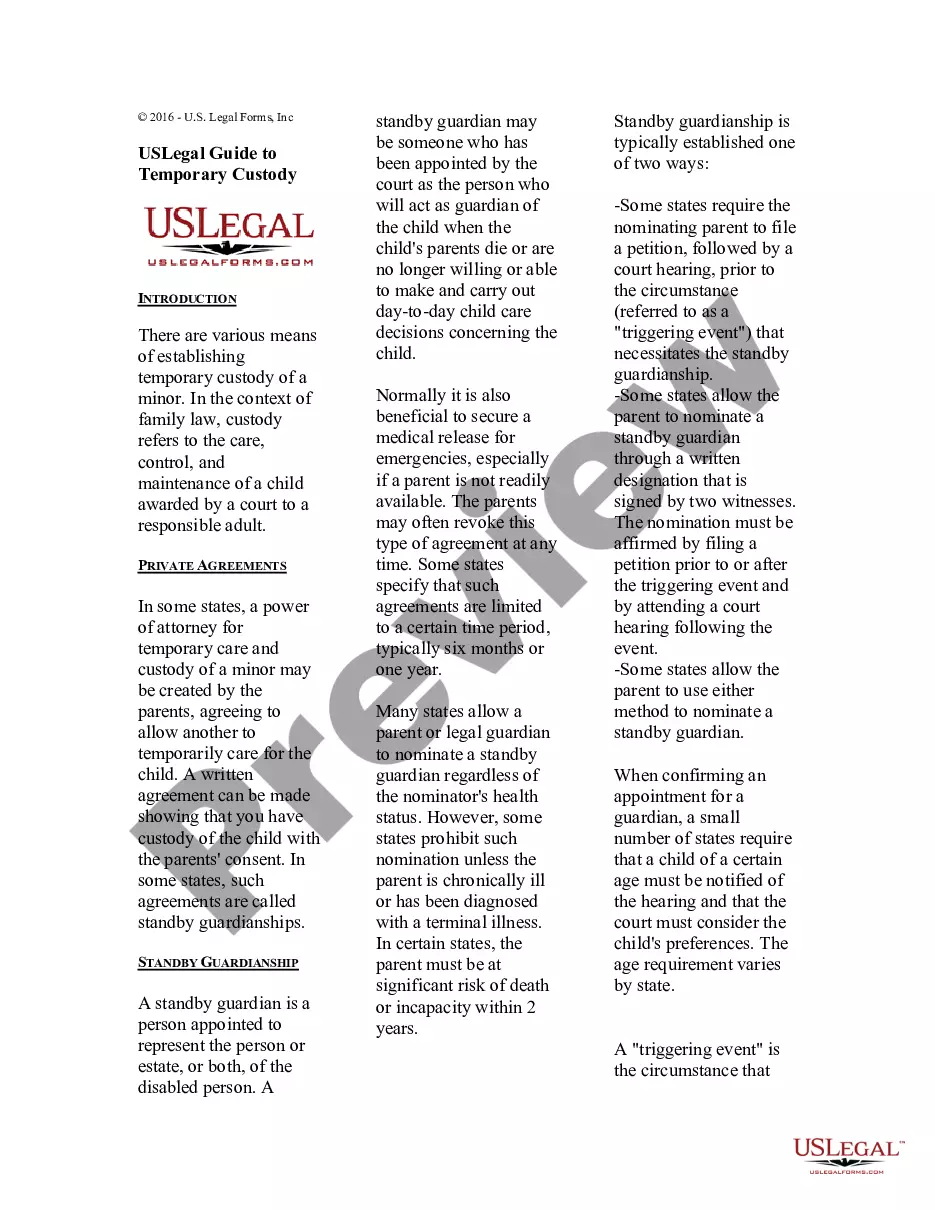
This form is typically used in situations where there are concerns about a child's safety or well-being during visitation with a parent. It may be necessary during custody disputes, instances of neglect, abuse, or when a child requires temporary placement in a safe environment. Parents seeking to limit or suspend visitation due to these circumstances can present this form to the court for consideration.
Who this form is for
- Parents or guardians seeking to suspend visitation rights for another parent.
- Legal representatives or attorneys working on family law cases.
- Special advocates or case managers involved in child welfare matters.
- Caution is advised for those involved in custody disputes who wish to protect a child's interests.
Steps to complete this form
- Identify the parties involved, specifically the minor and the parents.
- Review the court's previous orders that relate to visitation.
- Document any recommendations from appointed advocates regarding the child's care.
- Specify the conditions under which visitation should be suspended and any future arrangements.
- Sign and date the form, ensuring it is presented to a judge for approval.
Is notarization required?
This form does not typically require notarization unless specified by local law. However, itâs essential to check local regulations to ensure compliance with court requirements.
Get your form ready online
Our built-in tools help you complete, sign, share, and store your documents in one place.
Make edits, fill in missing information, and update formatting in US Legal Forms—just like you would in MS Word.
Download a copy, print it, send it by email, or mail it via USPS—whatever works best for your next step.
Sign and collect signatures with our SignNow integration. Send to multiple recipients, set reminders, and more. Go Premium to unlock E-Sign.
If this form requires notarization, complete it online through a secure video call—no need to meet a notary in person or wait for an appointment.
We protect your documents and personal data by following strict security and privacy standards.

Make edits, fill in missing information, and update formatting in US Legal Forms—just like you would in MS Word.

Download a copy, print it, send it by email, or mail it via USPS—whatever works best for your next step.

Sign and collect signatures with our SignNow integration. Send to multiple recipients, set reminders, and more. Go Premium to unlock E-Sign.

If this form requires notarization, complete it online through a secure video call—no need to meet a notary in person or wait for an appointment.

We protect your documents and personal data by following strict security and privacy standards.
Common mistakes to avoid
- Failing to include all necessary parties in the document.
- Not adequately explaining the reasons for visitation suspension.
- Omitting signatures or dates, rendering the form invalid.
- Using outdated or improper language that does not align with court requirements.
Benefits of completing this form online
- Convenient access to professionally drafted legal templates.
- Editability allows for personalization to suit specific case details.
- Reliable content that adheres to legal standards and practices.
Legal use & context
- This order is enforceable in a court of law once properly issued and signed.
- Failure to comply with the order can lead to legal penalties, including contempt of court.
Summary of main points
- The Order Temporarily Suspending Visitation is crucial for protecting minors during legal disputes.
- Ensure accurate information is provided for lawful enforcement.
- Understand local requirements, which can affect the filing process and enforceability.
Looking for another form?




Form popularity
FAQ
You can only stop visitation rights if a judge enters a court order to do so. Generally, this order must come from the same court that made the initial order for custody and visitation. It is important not to simply refuse allowing the non-custodial parent to see the child.
When Visitation Rights are Denied A custodial parent who denies the noncustodial parent his or her visitation rights may be held in contempt of court, and be fined and/or jailed.
A parent's visitation rights may be denied or suspended if a judge determines visitation with the parent is not in the child's best interest. Examples of circumstances that often result in a temporary or permanent denial of visitation rights include: Physical harm or domestic violence. Sexual abuse.
Is it Ever Legal to Deny a Parent Child Visitation? It is almost never legal to deny visitation without a valid court order. For instance, if the non-custodial parent is late on child support, then visitations must continue anyway unless the court says otherwise.
Write a detailed history about your marital relationship, which should include dates and facts that support your case. Do not forget to pick the pictures, videos and other visual aids that you will present before the court as evidence.
Either parent may file a petition with the court to modify or suspend visitation rights based on a variety of circumstances. In most cases, the court requires that the party demonstrate a substantial change in circumstances that justifies modifying or suspending visitation.
A parent who refuses to allow the other parent to see the child or fails to follow the terms of a custody order could face contempt charges. The parent missing out on visitation can file an Order to Show Cause with the court stating that the other parent is preventing visits.
Some states take failure to comply with a visitation order so seriously that there could be a change of custody, meaning that if the custodial parent consistently refuses to allow the other parent any time with the children, a court may decide to transfer custody of the kids to the non-custodial parent.
In cases where parents can't agree, a judge will decide visitation and custody based on the child's best interests.Both parents are bound by the terms of a custody order. If your child refuses to go to visits with the other parent, you could still be on the hook for failing to comply with a custody order.