General Nondisclosure Agreement
Understanding this form
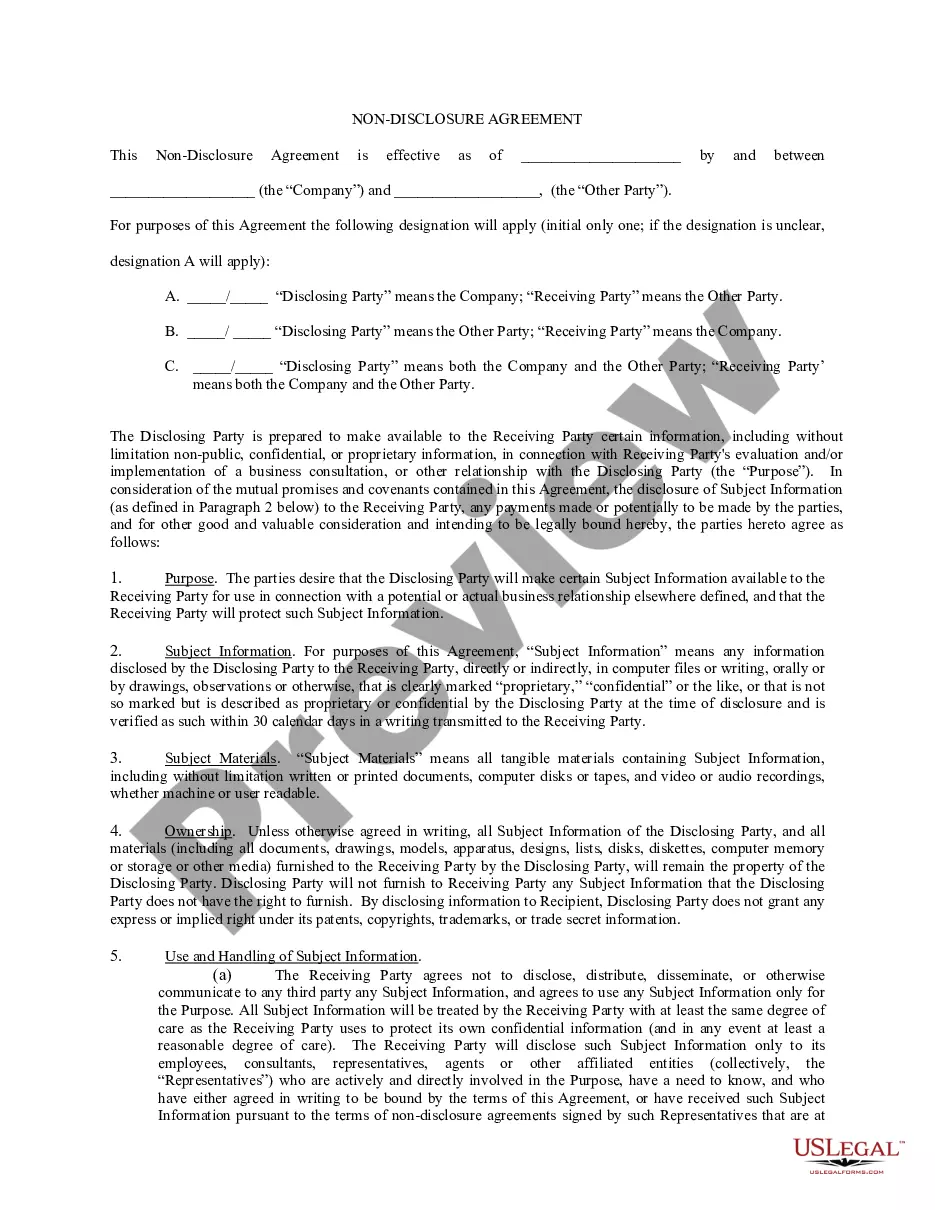
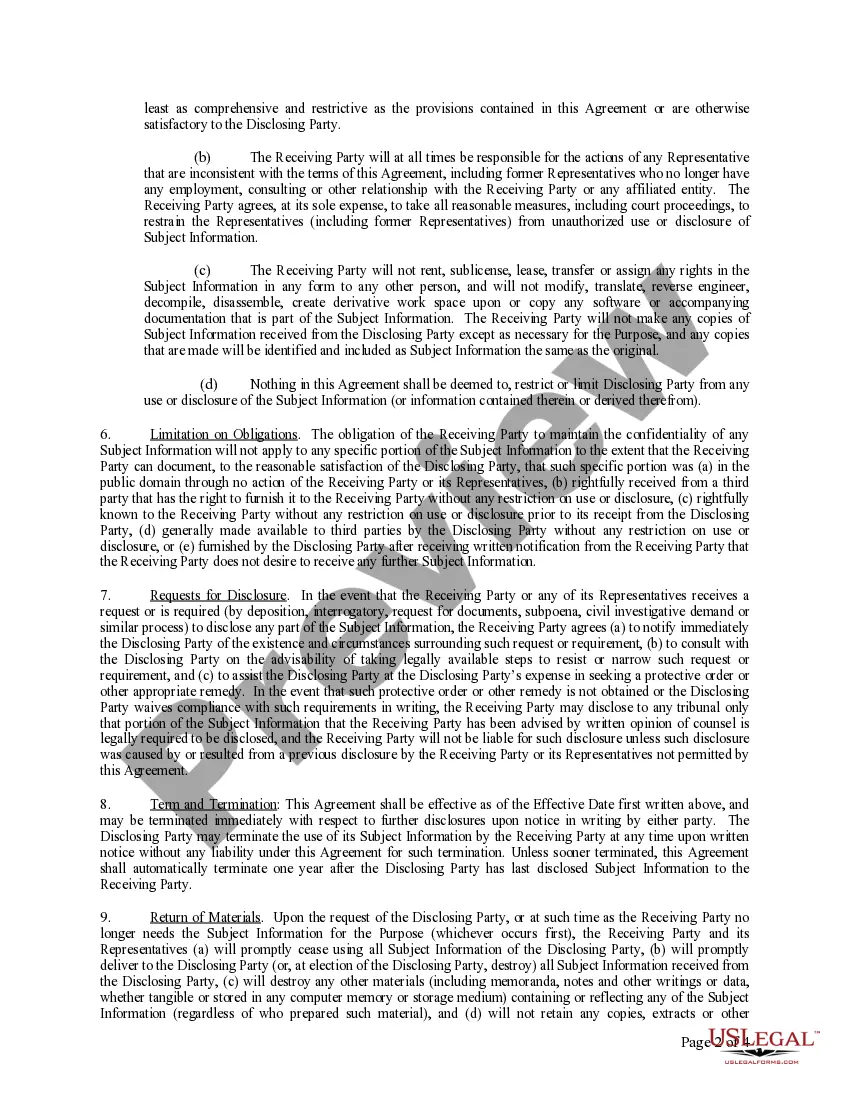
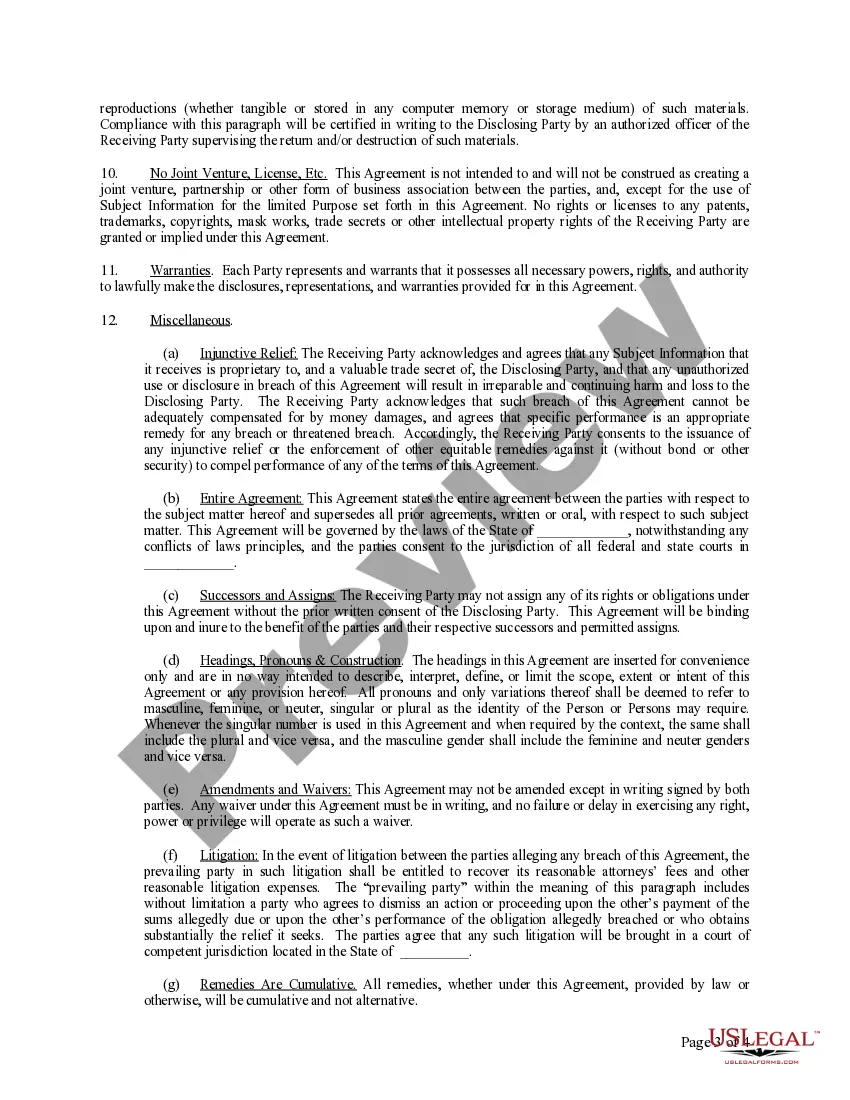
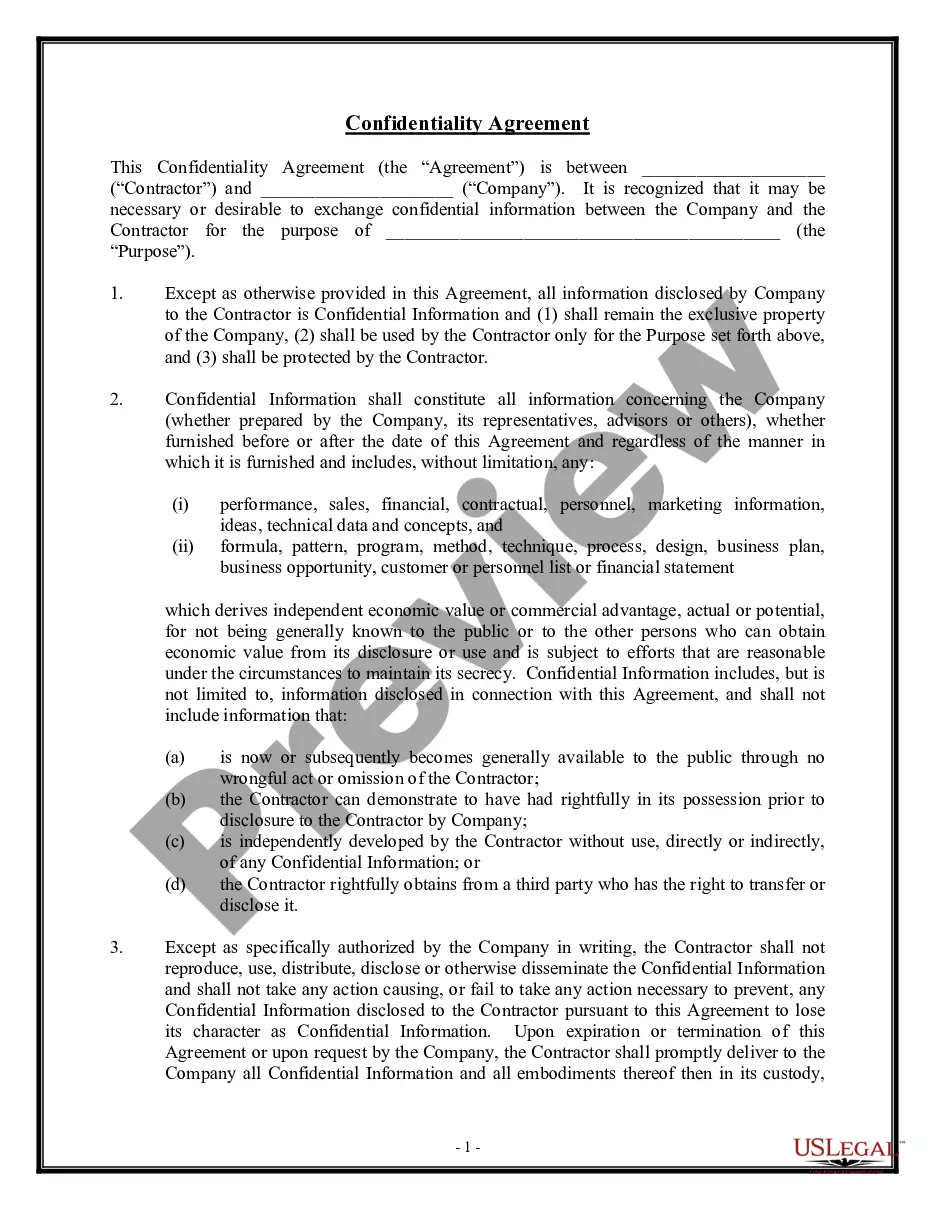
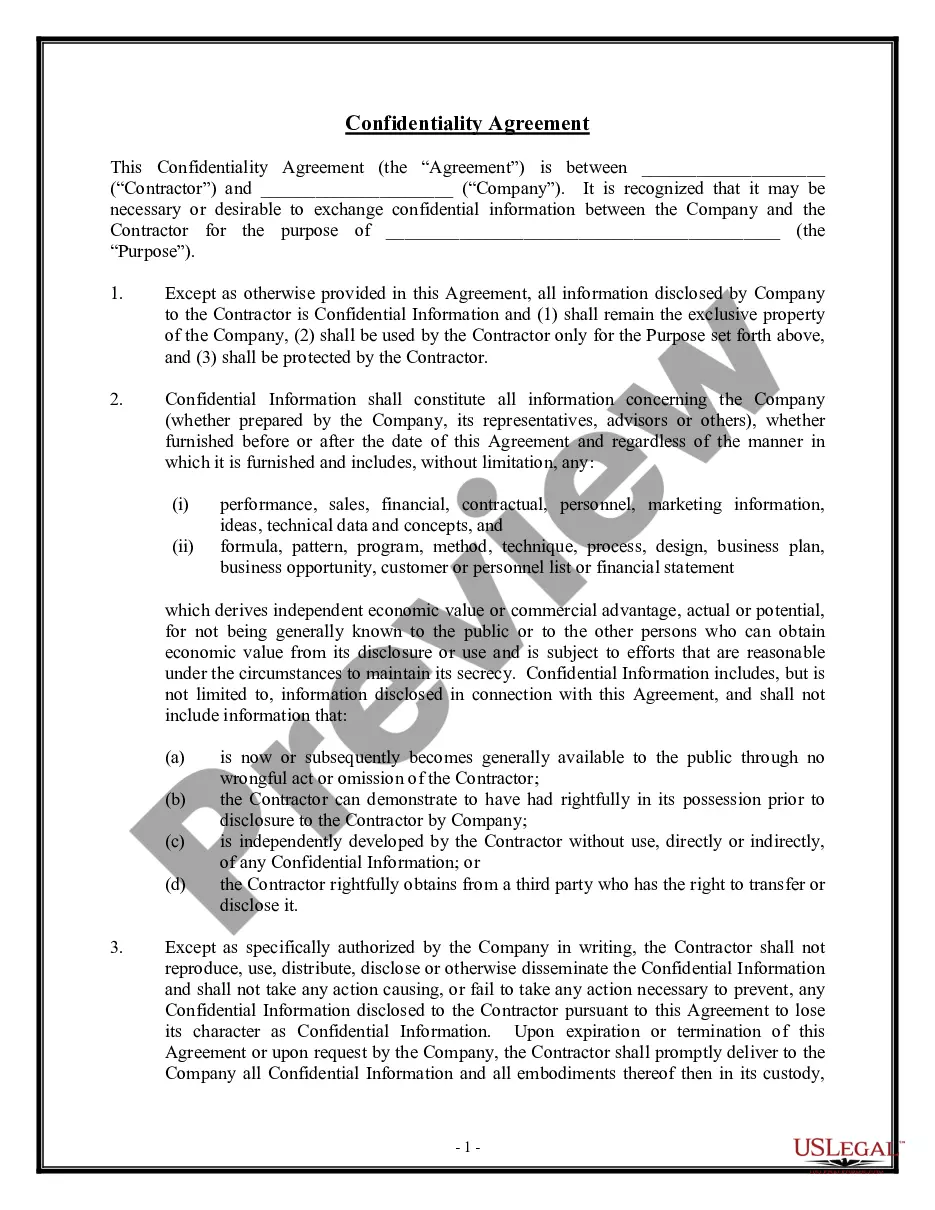
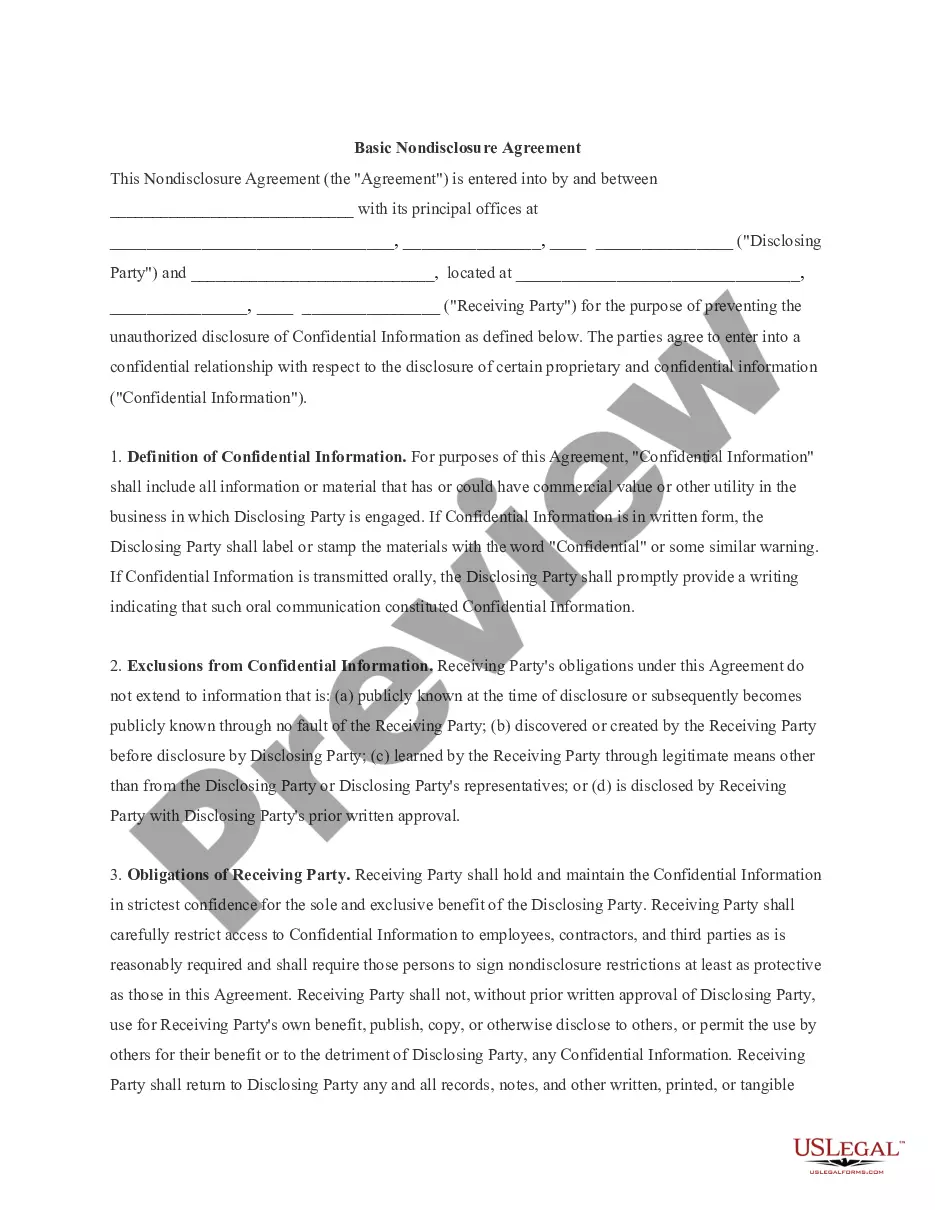
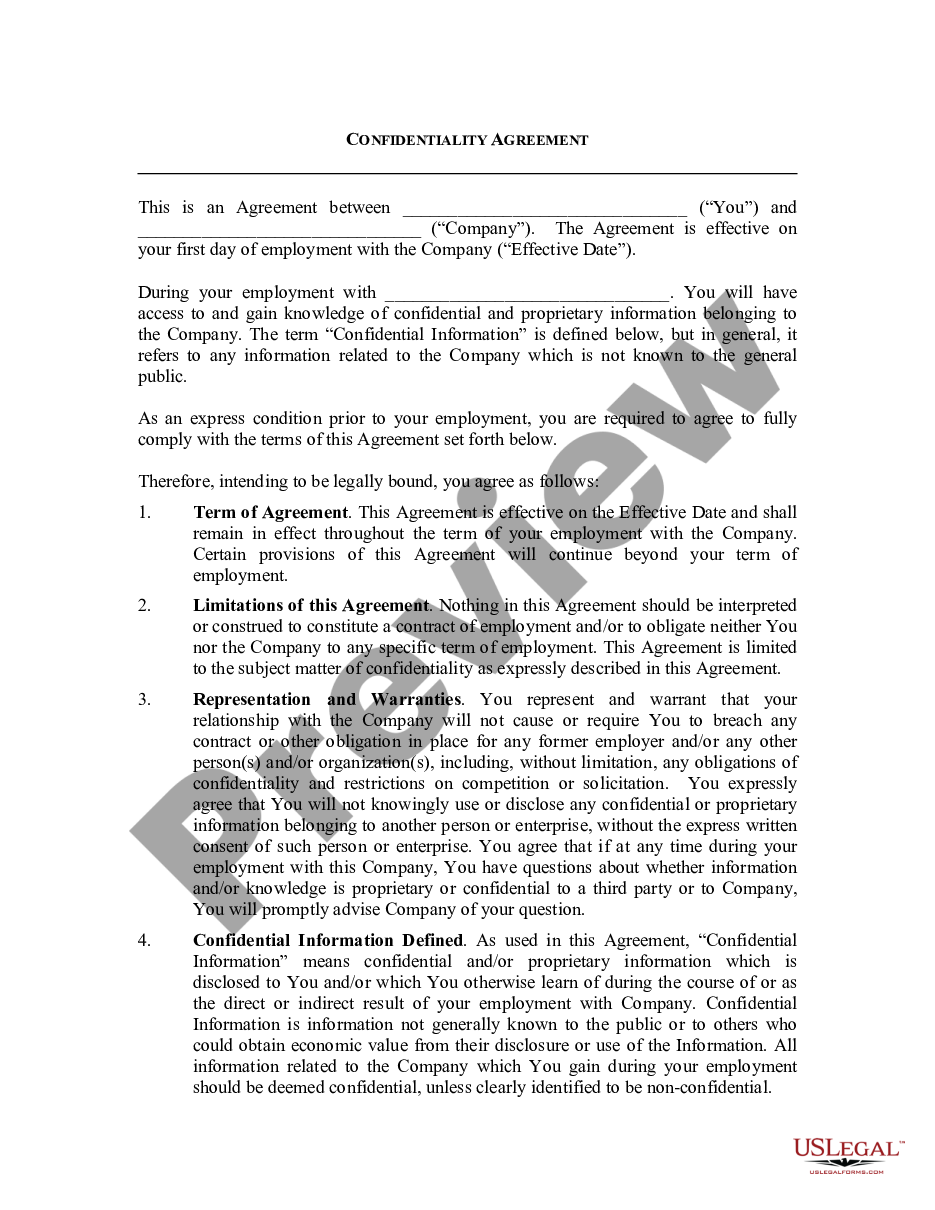
A General Nondisclosure Agreement (NDA) is a legal document that ensures the protection of confidential information disclosed between parties during discussions of a potential business relationship. This form defines the terms under which sensitive information can be shared while preventing unauthorized disclosure or use. Unlike other forms, this NDA is designed for general use and is suitable for various business contexts and negotiations.
Key components of this form
- Effective date: Specifies when the agreement becomes active.
- Identities of parties: Identifies the Disclosing Party and the Receiving Party.
- Subject Information: Defines what constitutes confidential information under the agreement.
- Obligations of the Receiving Party: Outlines how the Receiving Party must protect the Subject Information.
- Duration: States how long the confidentiality obligations last.
- Return of materials: Describes the process for returning or destroying confidential information once the agreement ends.
When this form is needed
This form is necessary in situations where two parties need to share sensitive information for business discussions or negotiations. This includes meeting with potential partners, investors, or clients where proprietary information, trade secrets, or any other confidential material may be disclosed. Using this NDA helps establish trust and ensures legal protection as discussions progress.
Intended users of this form
- Businesses engaging in discussions with potential partners or clients.
- Individuals sharing sensitive or proprietary information during negotiations.
- Entrepreneurs seeking investors for their projects.
- Consultants who require access to a client's confidential data.
Instructions for completing this form
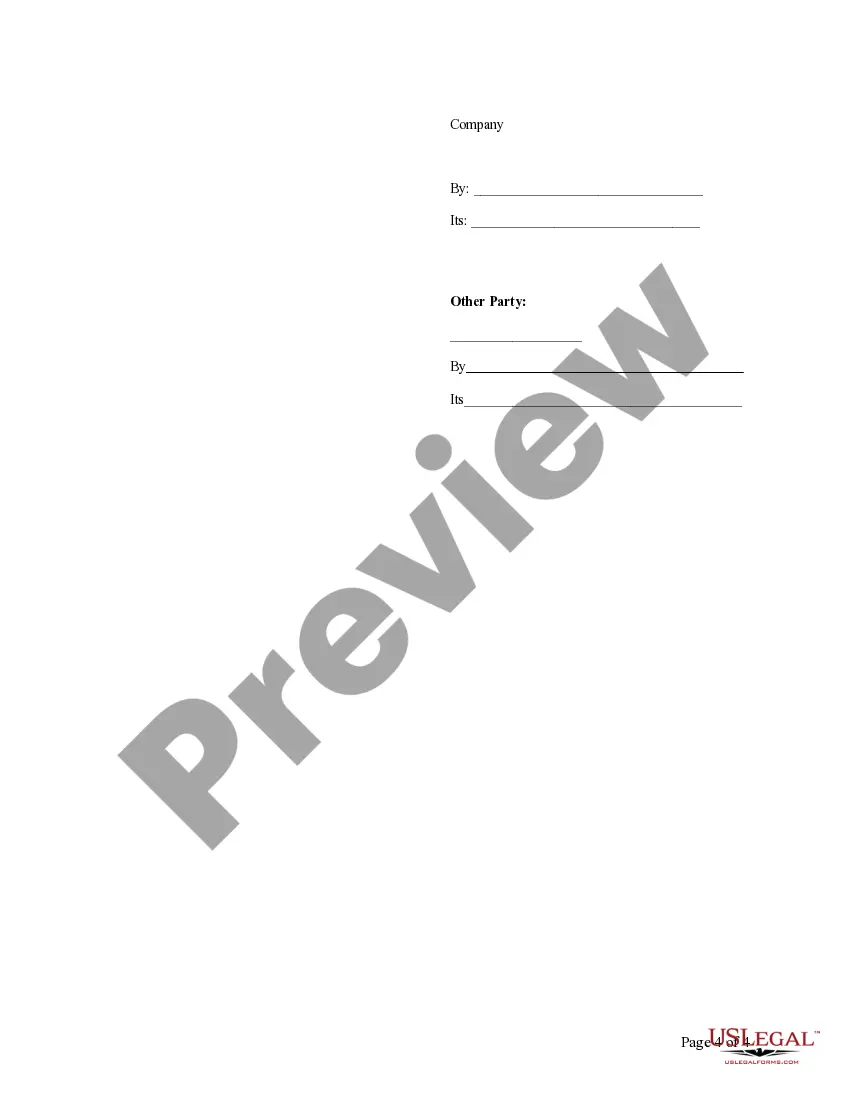
- Identify the parties by filling in the names of the Company and the Other Party.
- Specify the effective date of the agreement.
- Choose the appropriate designation for Disclosing Party and Receiving Party.
- Clearly define what constitutes Subject Information and Subject Materials.
- Ensure all parties review the obligations to protect the confidentiality of the shared information.
- Return or destroy the Subject Information as specified in the agreement after use.
Notarization guidance
This form does not typically require notarization to be legally valid. However, some jurisdictions or document types may still require it. US Legal Forms provides secure online notarization powered by Notarize, available 24/7 for added convenience.
Get your form ready online
Our built-in tools help you complete, sign, share, and store your documents in one place.
Make edits, fill in missing information, and update formatting in US Legal Forms—just like you would in MS Word.
Download a copy, print it, send it by email, or mail it via USPS—whatever works best for your next step.
Sign and collect signatures with our SignNow integration. Send to multiple recipients, set reminders, and more. Go Premium to unlock E-Sign.
If this form requires notarization, complete it online through a secure video call—no need to meet a notary in person or wait for an appointment.
We protect your documents and personal data by following strict security and privacy standards.

Make edits, fill in missing information, and update formatting in US Legal Forms—just like you would in MS Word.

Download a copy, print it, send it by email, or mail it via USPS—whatever works best for your next step.

Sign and collect signatures with our SignNow integration. Send to multiple recipients, set reminders, and more. Go Premium to unlock E-Sign.

If this form requires notarization, complete it online through a secure video call—no need to meet a notary in person or wait for an appointment.

We protect your documents and personal data by following strict security and privacy standards.
Mistakes to watch out for
- Failing to clearly define what constitutes Subject Information.
- Not including a timeline for the confidentiality obligations.
- Overlooking the need for all representatives to be informed of the NDA terms.
- Using vague language that may cause confusion regarding the protection of the information.
Advantages of online completion
- Easy access to download and customize the NDA as per your needs.
- Ensures you have a legally sound document prepared by licensed attorneys.
- Convenience of completing the form from anywhere at any time.
- Allows for immediate review and use without the need for in-person meetings.
Legal use & context
- Non-disclosure agreements are enforceable in court as long as they are reasonable and properly executed.
- Ensure that all parties clearly understand their obligations under the agreement.
- Limitations on the duration of confidentiality must be reasonable and defined within the agreement.
Looking for another form?
Form popularity
FAQ
The party to be charged must have signed the contract. Since the NDAs benefit you, so long as the other party has signed, that ishould be sufficient.
Identify each party in the first section of the form. The NDA form will start by declaring it to be an agreement and identifying who the agreement is between. Whoever is disclosing the information to be protected is the "disclosing party"; write his or her name on this space.
Identification of the parties. Definition of what is deemed to be confidential. The scope of the confidentiality obligation by the receiving party. The exclusions from confidential treatment. The term of the agreement.
Set the date of the agreement. Describe the two parties, sometimes called the Disclosing Party and the Receiving Party.7feff Include names and identification, so there can be no misunderstanding about who signed the agreement.
The NDA should clearly state the start and end date for the period of time in which the information may be exchanged between the parties. For example, you may wish to trade confidential information only at the start of the business collaboration. State the dates specifically.
No, it is not necessary for the nondisclosure agreement to be "notarized", nor is it necessary under California law for the signatures on such an agreement to be "witnessed".
Identification of the parties. Definition of what is deemed to be confidential. The scope of the confidentiality obligation by the receiving party. The exclusions from confidential treatment. The term of the agreement.
Identify each party in the first section of the form. The NDA form will start by declaring it to be an agreement and identifying who the agreement is between. Whoever is disclosing the information to be protected is the "disclosing party"; write his or her name on this space.