Mississippi Affirmative Defenses to Counter - Motion to Modify Child Custody, Child Support, Alimelated Relief
What is this form?
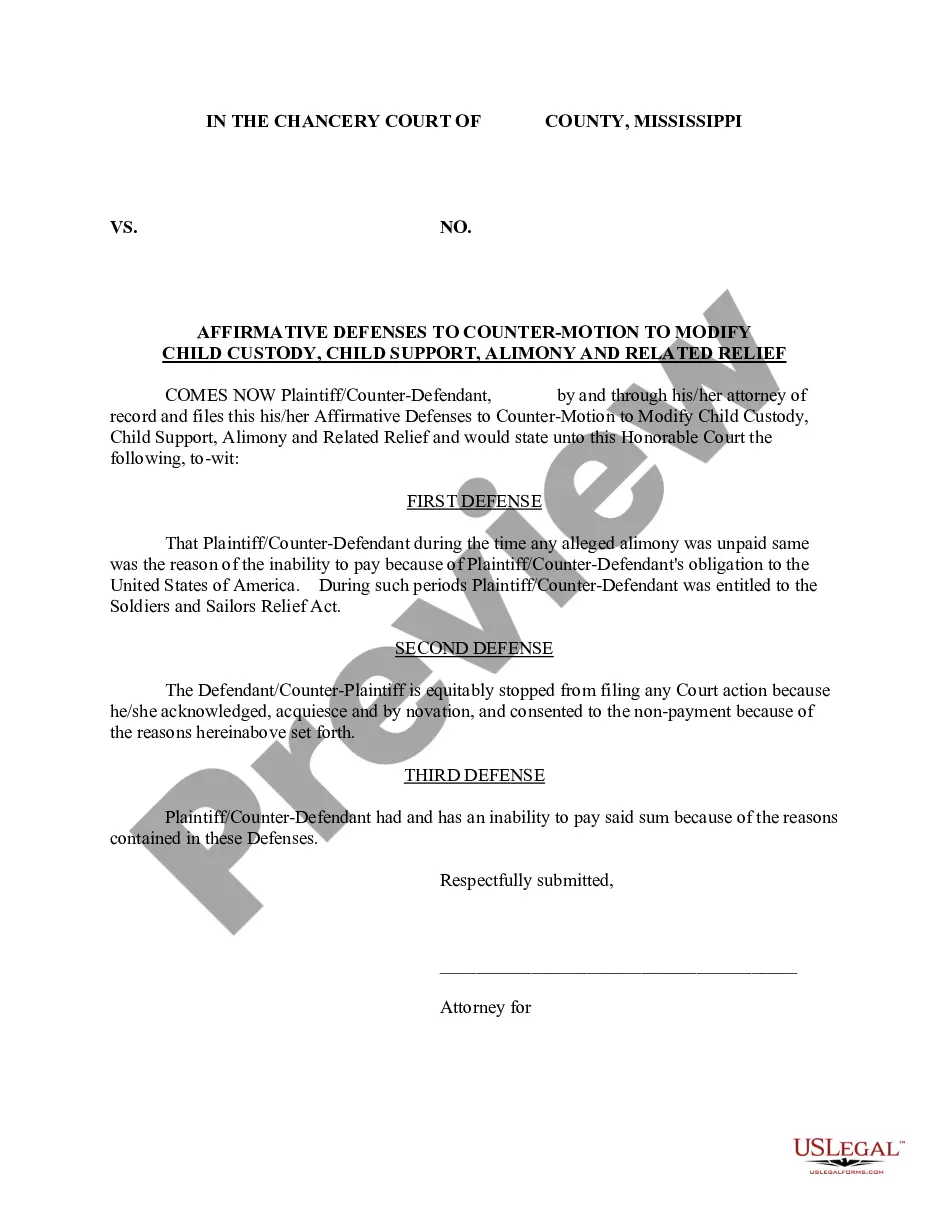
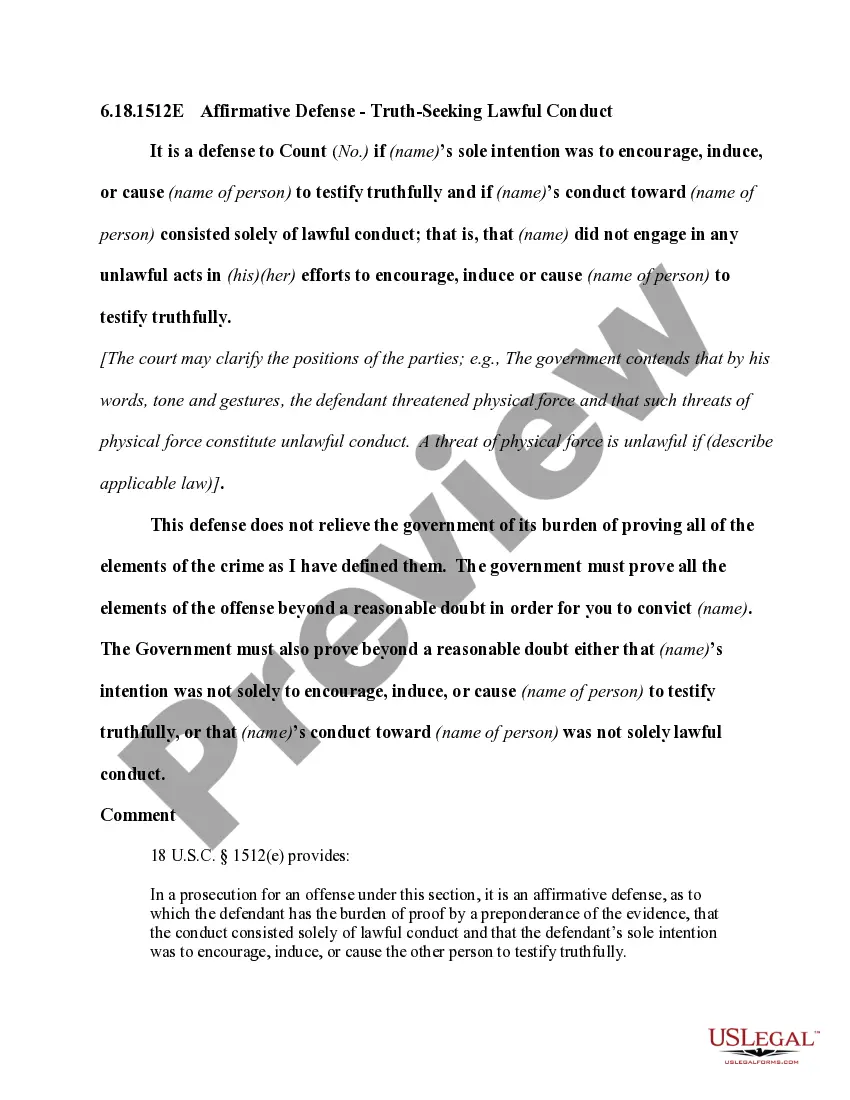
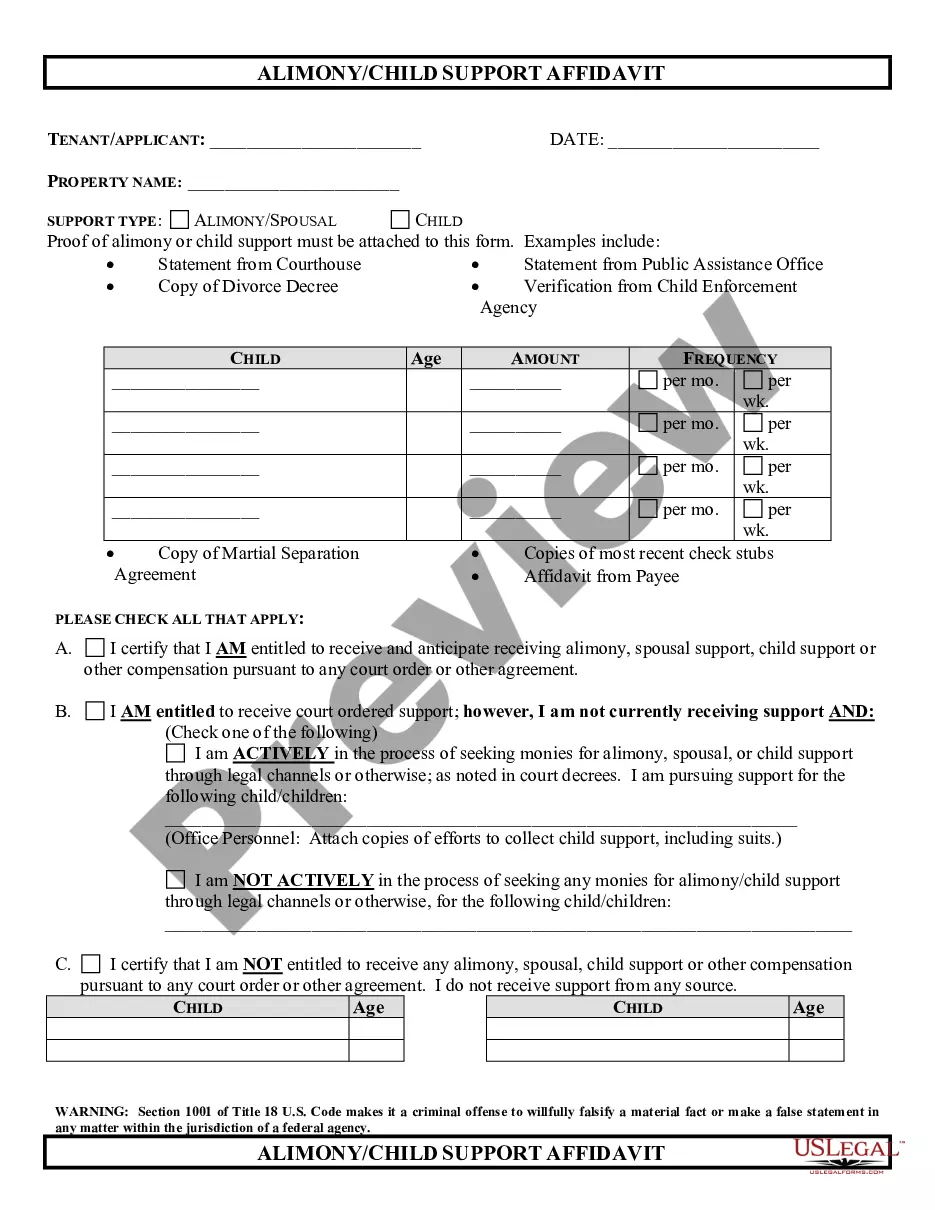
This document, known as the Affirmative Defenses to Counter-Motion to Modify Child Custody, Child Support, Alimony and Related Relief, is a legal form used to respond to motions requesting changes in custody or financial obligations. It serves to outline your defenses against such modifications, helping to protect your rights in family court. This form differs from general motions as it specifically addresses affirmative defenses related to child custody and support matters.
Main sections of this form
- Identification of parties involved, including Plaintiff and Counter-Defendant.
- A section detailing specific affirmative defenses to modifications being requested.
- Legal justification for defenses cited, such as inability to pay due to military obligations.
- Signature line for your attorney, certifying the filing of the document.
- Certificate of service confirming delivery of the document to relevant parties.

Situations where this form applies
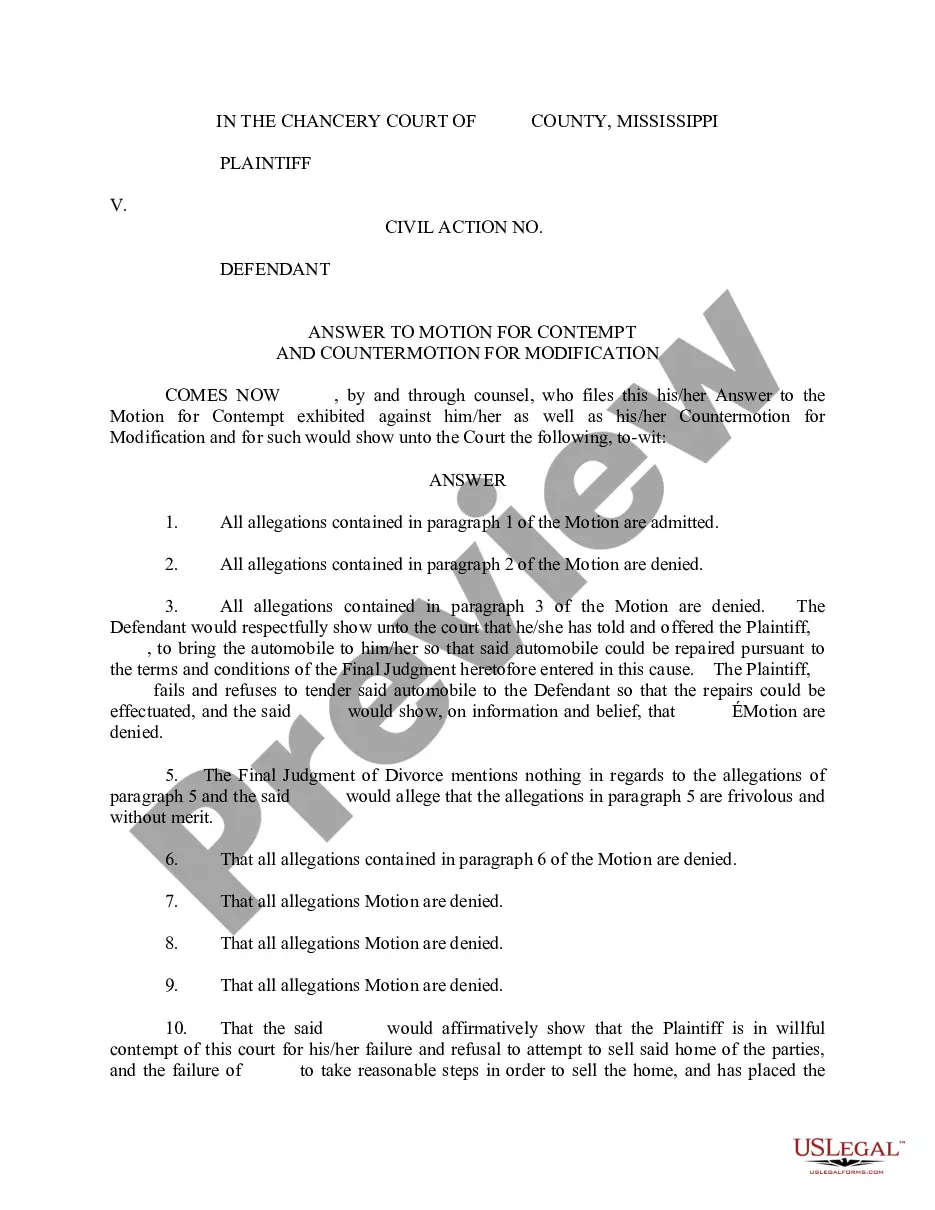
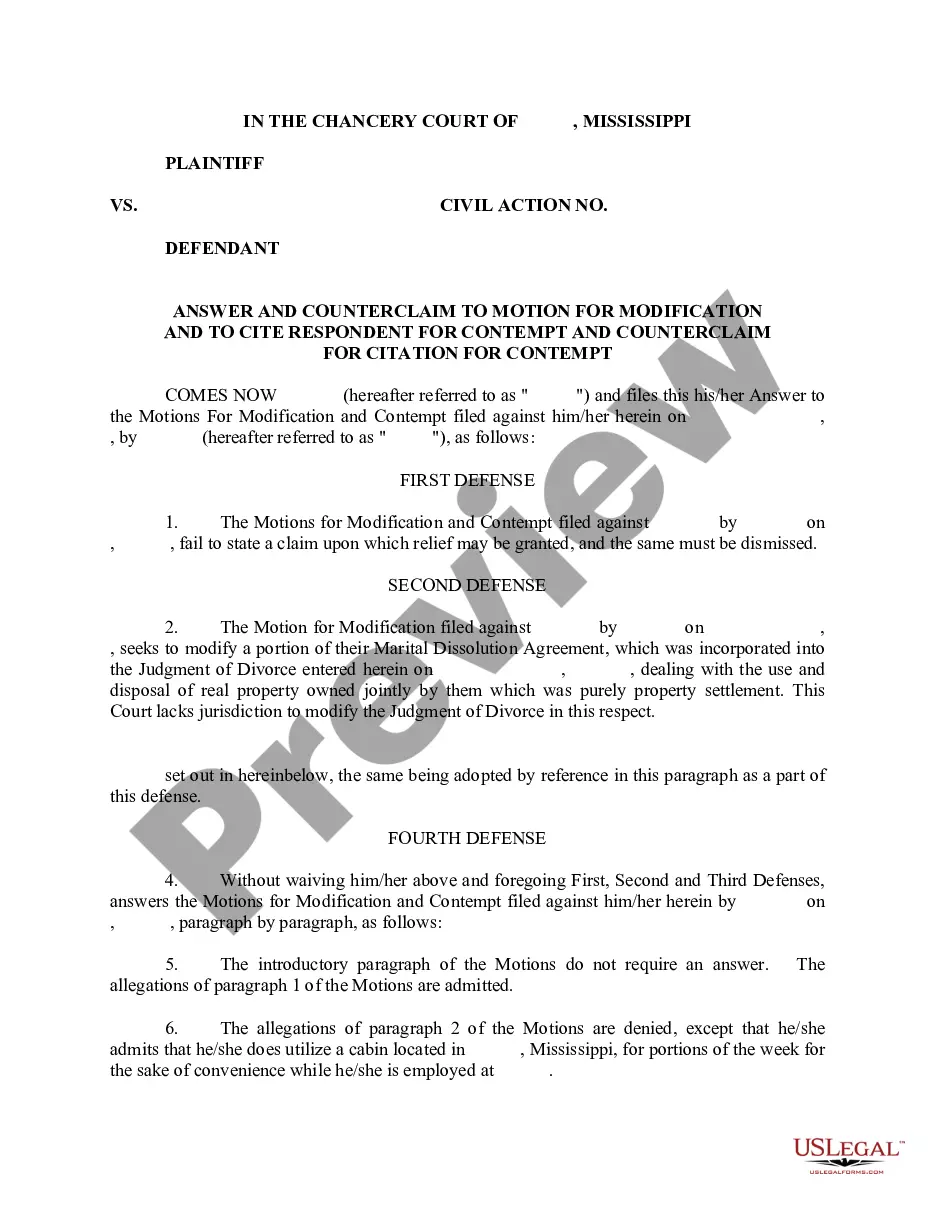
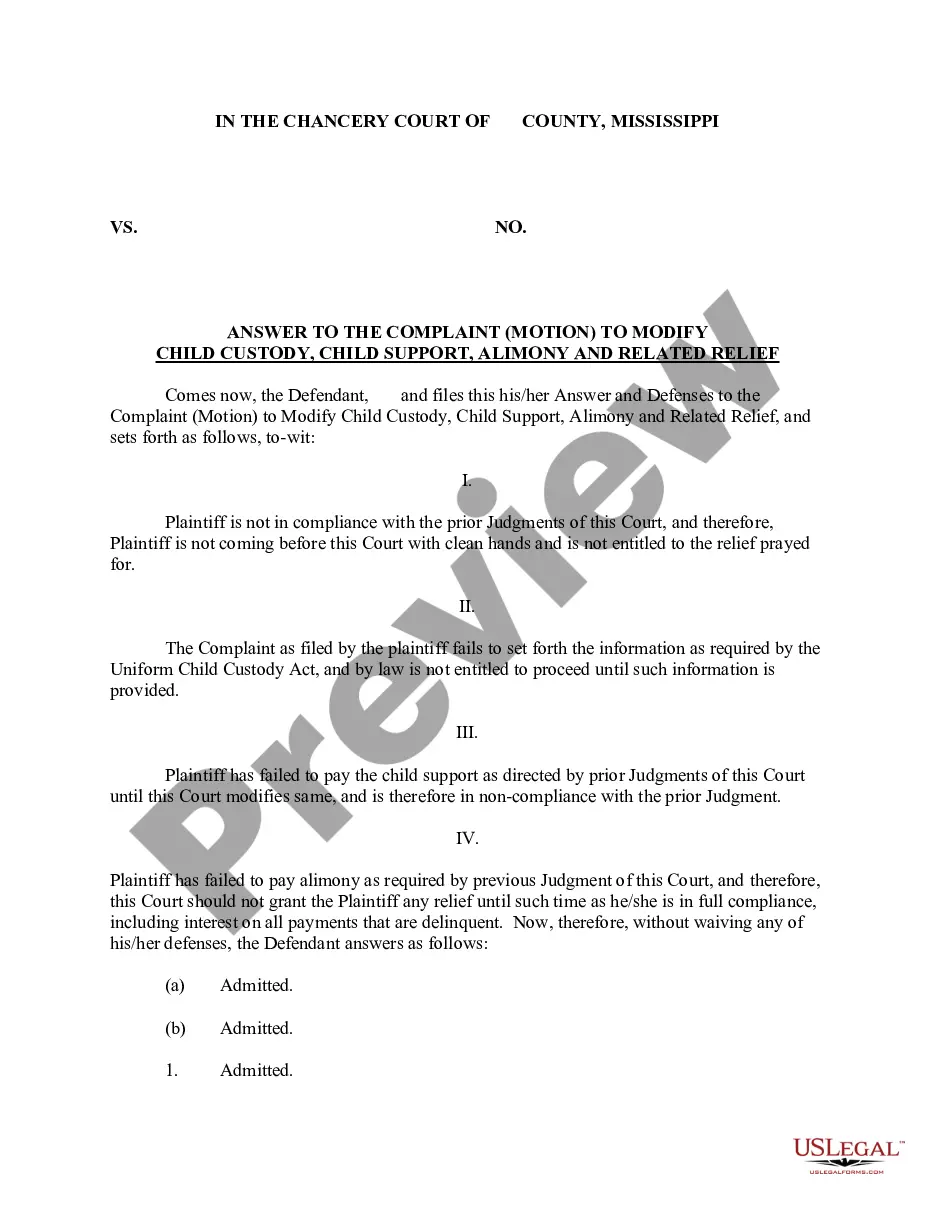
This form should be used when responding to a motion that seeks to change existing custody arrangements, child support, or alimony agreements. It is particularly applicable when you believe that the requested modifications are unjustified, or if you have valid legal defenses that you wish to assert in court.
Who this form is for
- Parents facing a motion to modify child custody or support.
- Individuals who owe or receive alimony and believe modifications are unwarranted.
- Anyone wanting to formally state their defenses in legal proceedings regarding child support or custody.
How to prepare this document
- Identify the parties involved, filling in the names of the Plaintiff and Counter-Defendant.
- Clearly state your defenses against the requested modifications, providing relevant legal justification.
- Include any necessary signatures from yourself and your attorney.
- Complete the certificate of service to confirm the document has been delivered to all relevant parties.
- Ensure that all blank fields are filled and the document is properly formatted before submission to the court.
Is notarization required?
This form does not typically require notarization unless specified by local law. It is essential to check local regulations to determine if notarization is necessary in your jurisdiction.
Get your form ready online
Our built-in tools help you complete, sign, share, and store your documents in one place.
Make edits, fill in missing information, and update formatting in US Legal Forms—just like you would in MS Word.
Download a copy, print it, send it by email, or mail it via USPS—whatever works best for your next step.
Sign and collect signatures with our SignNow integration. Send to multiple recipients, set reminders, and more. Go Premium to unlock E-Sign.
If this form requires notarization, complete it online through a secure video call—no need to meet a notary in person or wait for an appointment.
We protect your documents and personal data by following strict security and privacy standards.

Make edits, fill in missing information, and update formatting in US Legal Forms—just like you would in MS Word.

Download a copy, print it, send it by email, or mail it via USPS—whatever works best for your next step.

Sign and collect signatures with our SignNow integration. Send to multiple recipients, set reminders, and more. Go Premium to unlock E-Sign.

If this form requires notarization, complete it online through a secure video call—no need to meet a notary in person or wait for an appointment.

We protect your documents and personal data by following strict security and privacy standards.
Avoid these common issues
- Failing to include your defenses clearly, which could weaken your position.
- Not properly identifying all parties involved and their roles in the proceeding.
- Neglecting to sign the document or have your attorney sign it.
- Improperly completing the certificate of service, which may lead to issues with document delivery.
Advantages of online completion
- Convenient access to legal documents anytime, from anywhere.
- Editable templates that allow you to tailor information to your specific situation.
- Reliable, attorney-drafted forms that ensure legal compliance and accuracy.
Looking for another form?
Form popularity
FAQ
Understand Your State's Child-Custody Laws. Stockbyte / Getty Images. Understand the Better-Parent Standard. Morsa Images / Getty Images. Bring the Right Documents to Court. Learn Proper Courtroom Etiquette. Know What to Expect During the Hearing. Dress Appropriately.
Setting Age-Appropriate Limits. Understanding and Responding to the Child's Needs. History of Childcare Involvement. Methods for Resolving the Custody Conflict with the Other Parent. Child Abuse. Domestic Violence. Substance Abuse. Psychiatric Illness.
There is no legal age for a child to refuse to go to the court-ordered visitation while the child remains a minor. In the state of Mississippi, a child remains a minor until the child turns 21. Games with visitation should be AVOIDED because as the...
Physical Relocation. The noncustodial parent can reach out to the court to modify custody if the custodial parent moves. One Parent Refuses to Follow the Custody Terms. The Child's Needs Have Changed. A Parent's Situation Has Changed. The Child Is in Danger. 9 Secrets the Insurance Adjuster Doesn't Want You to Know.