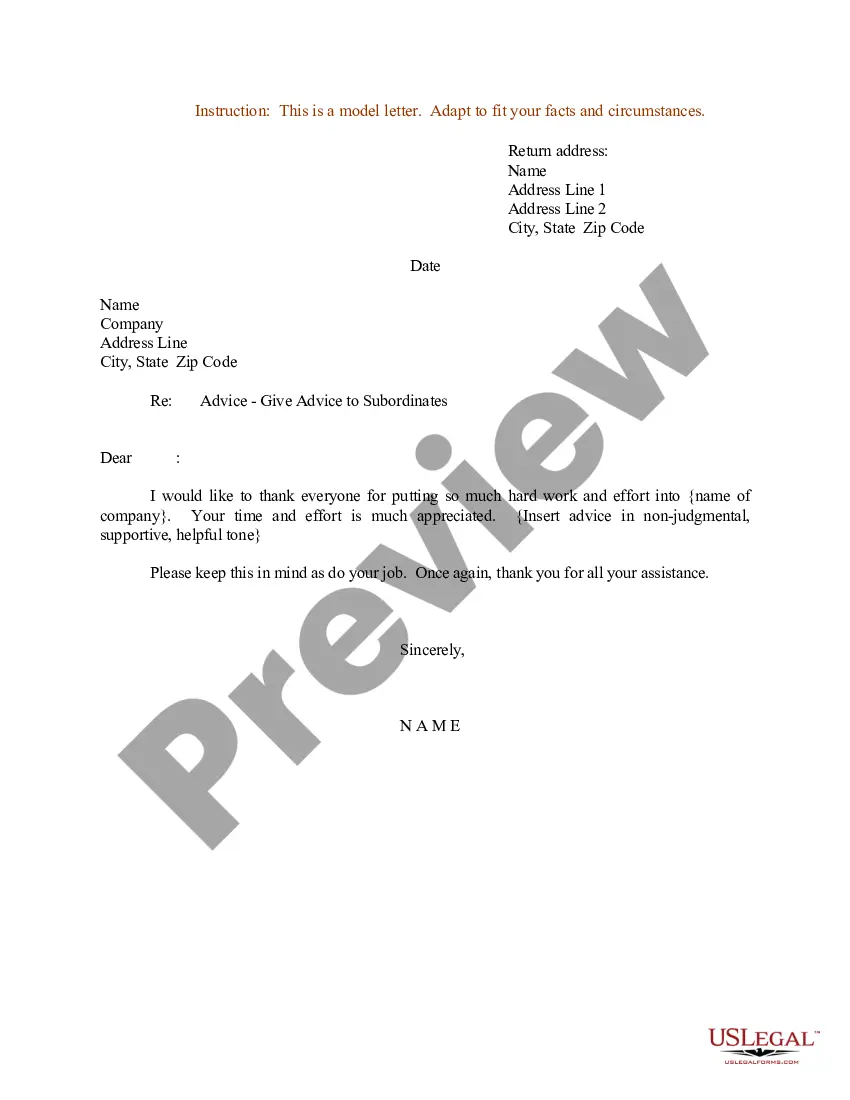
Sample Letter for Advice to Subordinates
What this document covers
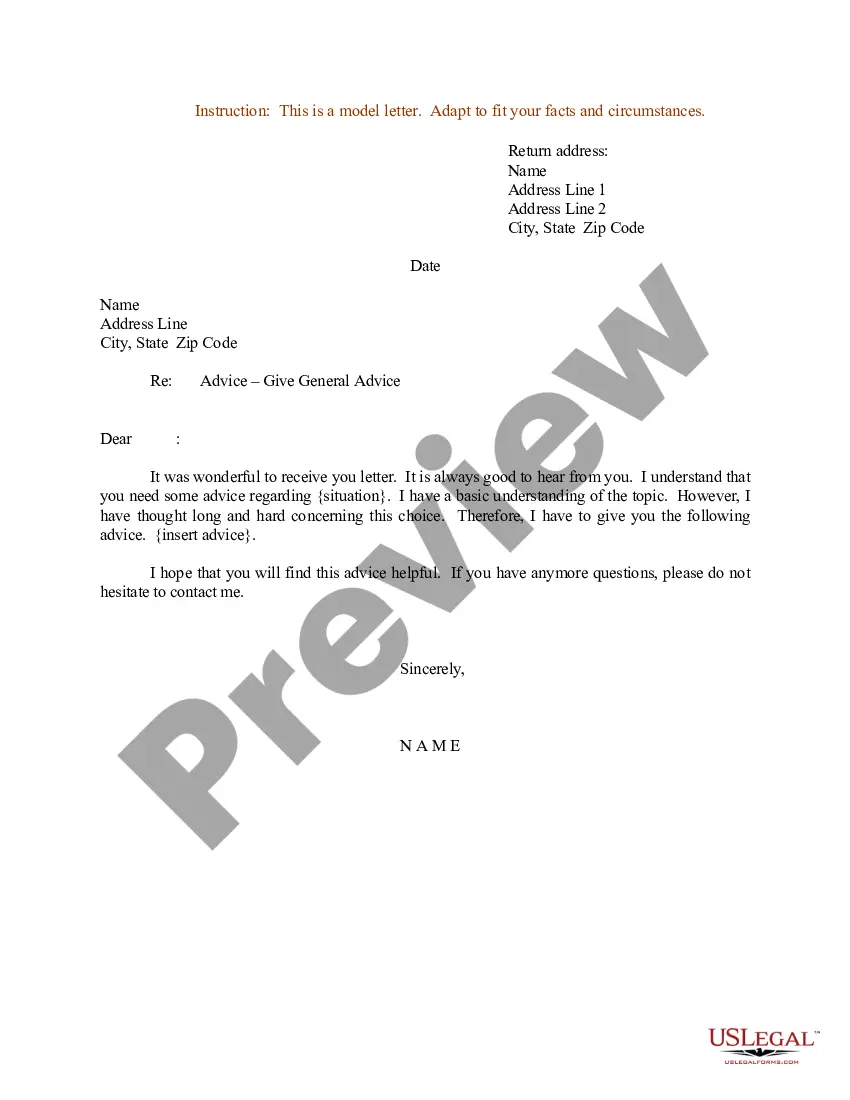
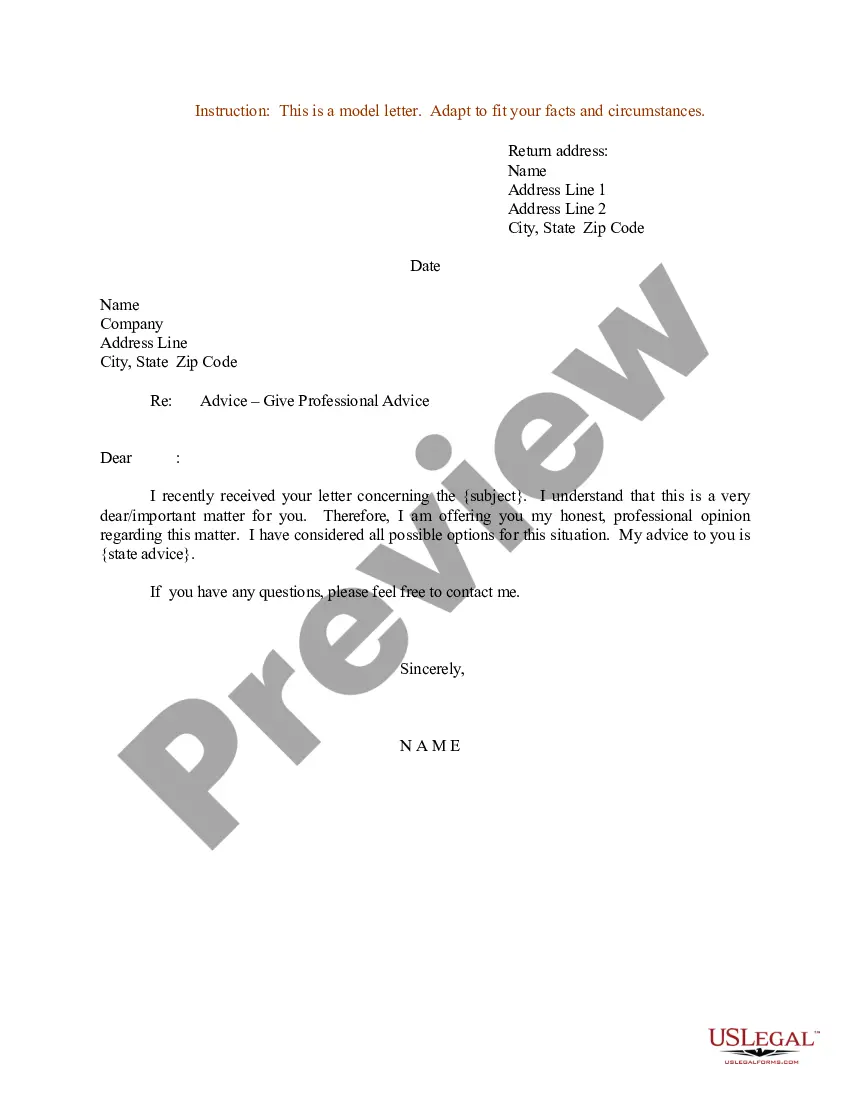
The Sample Letter for Advice to Subordinates is a professional correspondence used by managers and supervisors to provide guidance or advice to their team members. This letter helps in clearly communicating expectations, offering support, and addressing any concerns in the workplace. Unlike other general communication templates, this specific form is tailored to formalize advice and ensure that it is documented effectively.
Main sections of this form
- Return address: Indicates the sender's name and contact details.
- Date: Specifies when the letter is written.
- Recipient name and address: Identifies the subordinate receiving the advice.
- Subject line: Clearly states the purpose of the letter regarding advice.
- Content body: Contains the main advice and guidance provided to the subordinate.
- Closing: Includes a professional sign-off and the sender's name.
When to use this document
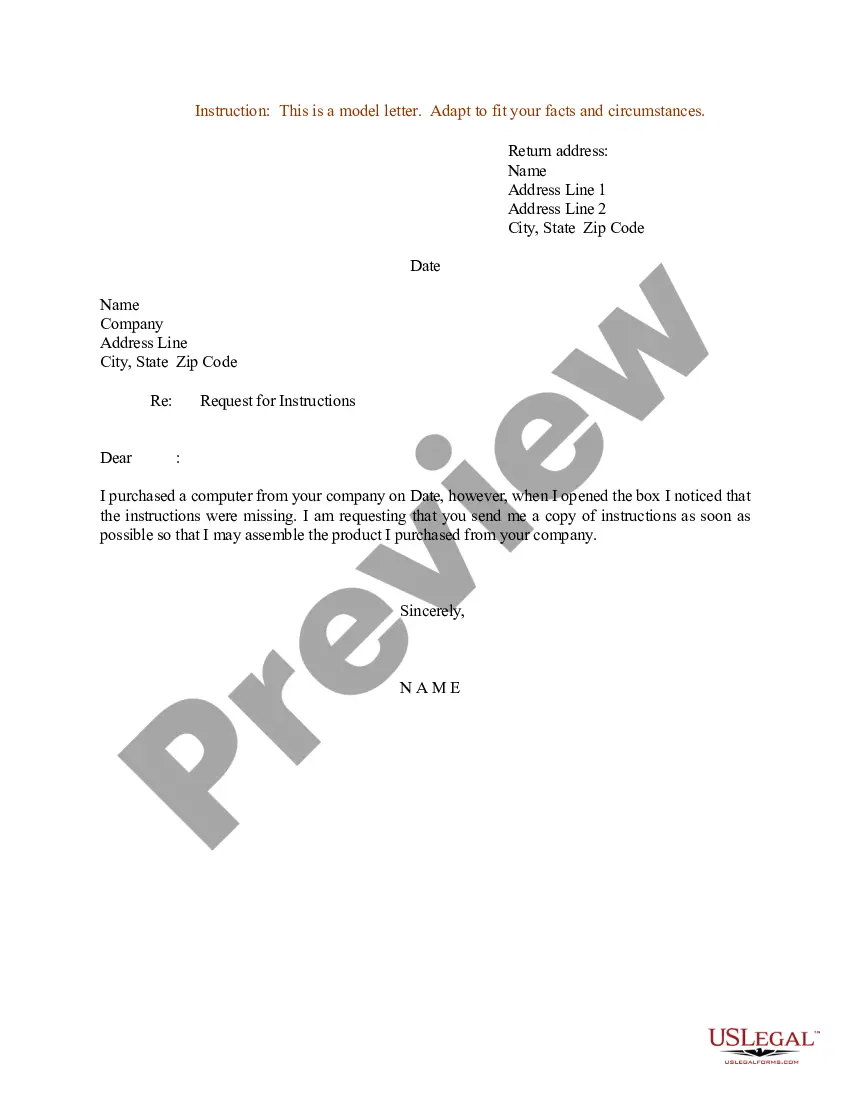
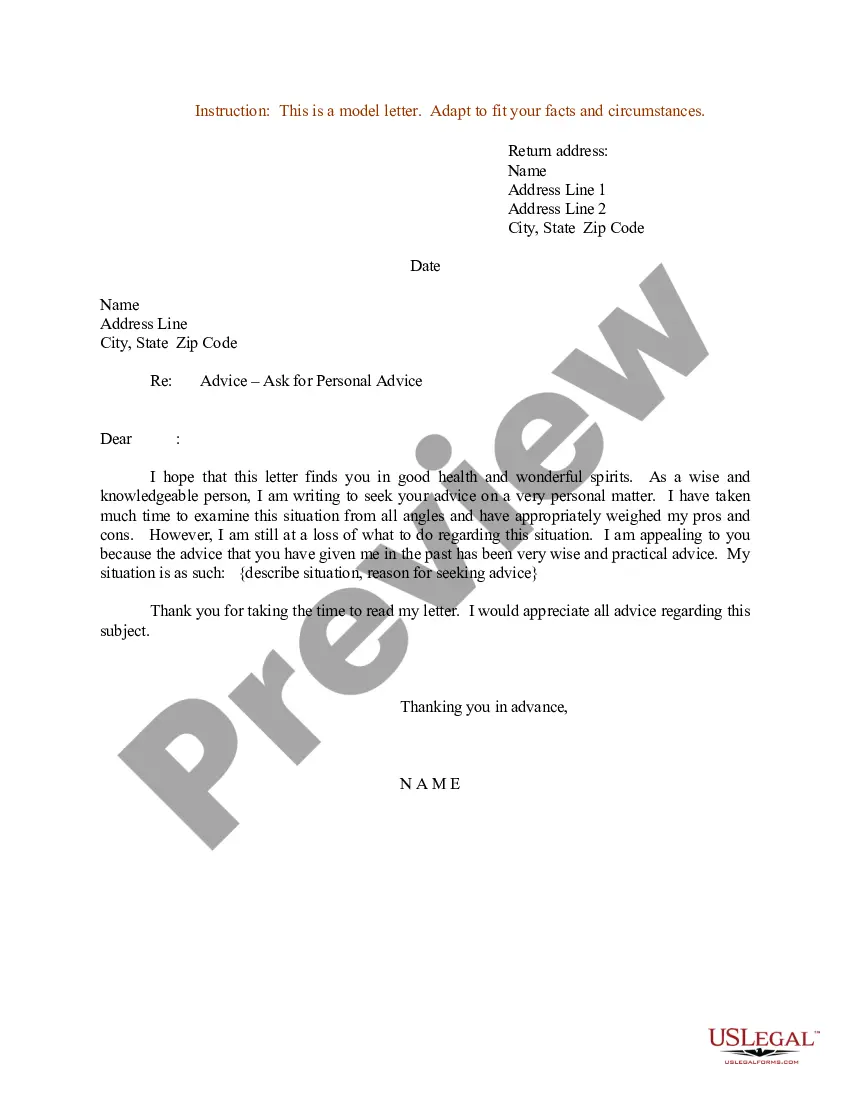
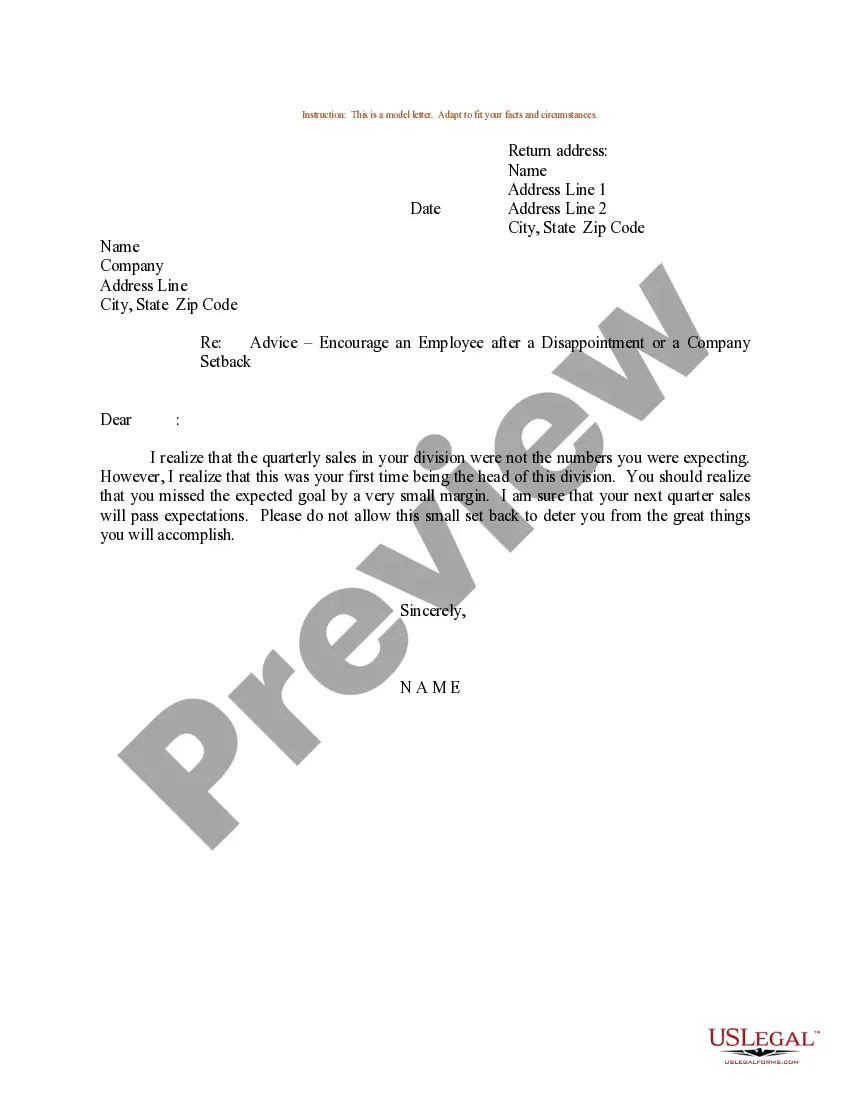
This form should be used when supervisors need to provide formal advice, guidance, or feedback to their subordinates. It is particularly useful in situations involving performance management, training, or when addressing specific workplace issues that require documented communication to ensure clarity and compliance with company policy.
Intended users of this form
This form is designed for:
- Managers and team leaders who oversee staff performance.
- Human resources professionals responsible for employee development.
- Any individual in a supervisory role looking to guide their team members effectively.
How to prepare this document
- Find the return address section and enter your name and contact information.
- Add the date when the letter is being written.
- Fill in the recipient's name and their workplace address.
- Write a clear subject line that indicates the focus of the advice being provided.
- Enter the main content of the letter, offering specific advice or guidance to the subordinate.
- Sign off with a professional closing and include your name at the end.
Is notarization required?
This form does not typically require notarization to be legally valid. However, some jurisdictions or document types may still require it. US Legal Forms provides secure online notarization powered by Notarize, available 24/7 for added convenience.
Get your form ready online
Our built-in tools help you complete, sign, share, and store your documents in one place.
Make edits, fill in missing information, and update formatting in US Legal Forms—just like you would in MS Word.
Download a copy, print it, send it by email, or mail it via USPS—whatever works best for your next step.
Sign and collect signatures with our SignNow integration. Send to multiple recipients, set reminders, and more. Go Premium to unlock E-Sign.
If this form requires notarization, complete it online through a secure video call—no need to meet a notary in person or wait for an appointment.
We protect your documents and personal data by following strict security and privacy standards.

Make edits, fill in missing information, and update formatting in US Legal Forms—just like you would in MS Word.

Download a copy, print it, send it by email, or mail it via USPS—whatever works best for your next step.

Sign and collect signatures with our SignNow integration. Send to multiple recipients, set reminders, and more. Go Premium to unlock E-Sign.

If this form requires notarization, complete it online through a secure video call—no need to meet a notary in person or wait for an appointment.

We protect your documents and personal data by following strict security and privacy standards.
Mistakes to watch out for
- Failing to include the recipient's correct name or address.
- Using vague language rather than providing clear and actionable advice.
- Neglecting to proofread for spelling or grammatical errors before sending.
Benefits of using this form online
- Convenient to download and personalize for immediate use.
- Editability allows for tailored communication based on specific situations.
- Drafted by licensed attorneys, ensuring legal integrity and compliance.
Looking for another form?

Form popularity
FAQ
Writing to advise: avoid common pitfalls When writing to advise, keep language formal and polite, avoid colloquialisms or abbreviations and steer clear of personal pronouns such as the word 'I'. The reader is more likely to take your advice if it sounds generally applicable. This is not a forum for your own opinion.
There are lots of ways that you can open a letter politely. Examples include: I am writing to ask if you could help me with2026 I would appreciate if you could give me some advice about2026
Schedule an initial conversation. Clearly describe the guidance you're seeking (The Ask). Confirm your willingness to do the necessary work and follow-through. Acknowledge and respect the individual's time. Note: If you don't hear from them, follow-up, but don't hound him or her.
Date. Details of the employer or manager. Details of the employee/employees. Details of the situation/issue for which advice is being provided. Statement to motivate corrective behavior or better work. Any penalty or action by the company in case of no rectification.
Start with a summary. Present the problem and a range of potential solutions. Choose the best solution and provide step-by-step actions to take. Make it clear if you are making assumptions or need further information.
State why you are writing.Examples include: I am writing to ask if you could help me with2026 I would appreciate if you could give me some advice about2026 I am writing to ask for your advice.
LETTER OF ADVICE. comm. law. A letter containing information of any circumstances unknown to the person to whom it is written; generally informing him of some act done by the writer of the letter.
Asking for Advice. Introduction. Paragraph 1 - reason(s) for writing. Main Body. Paragraphs 2-3 - description of problem(s) Conclusion. Final Paragraph - closing remarks. Full name. Opening Remarks: Formal.
What do you suggest / recommend we do this evening? What should I do when I'm in Brighton? What ought I do on Sunday? Could you recommend a good restaurant near here? Could you suggest somewhere to go for a drink? Do you know the quickest way to the train station? Do you have any advice on visiting the British Museum?