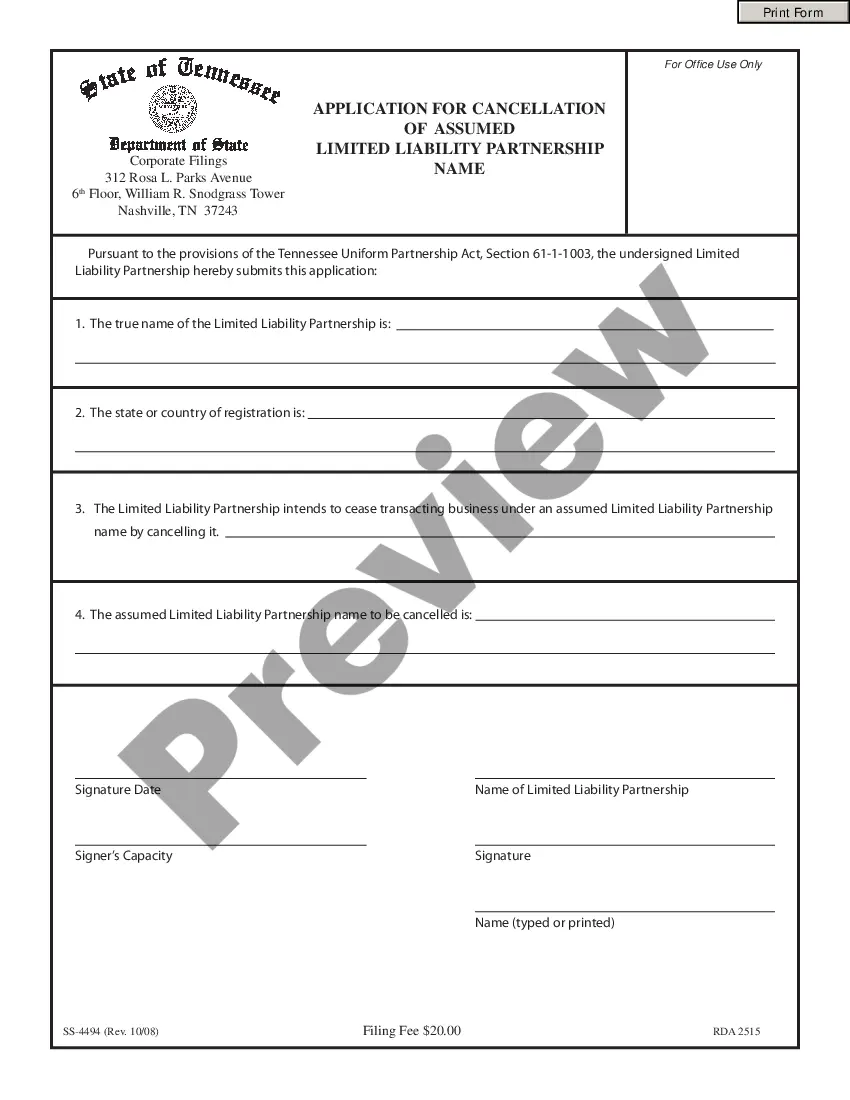
Michigan Covenant Deed
Understanding this form
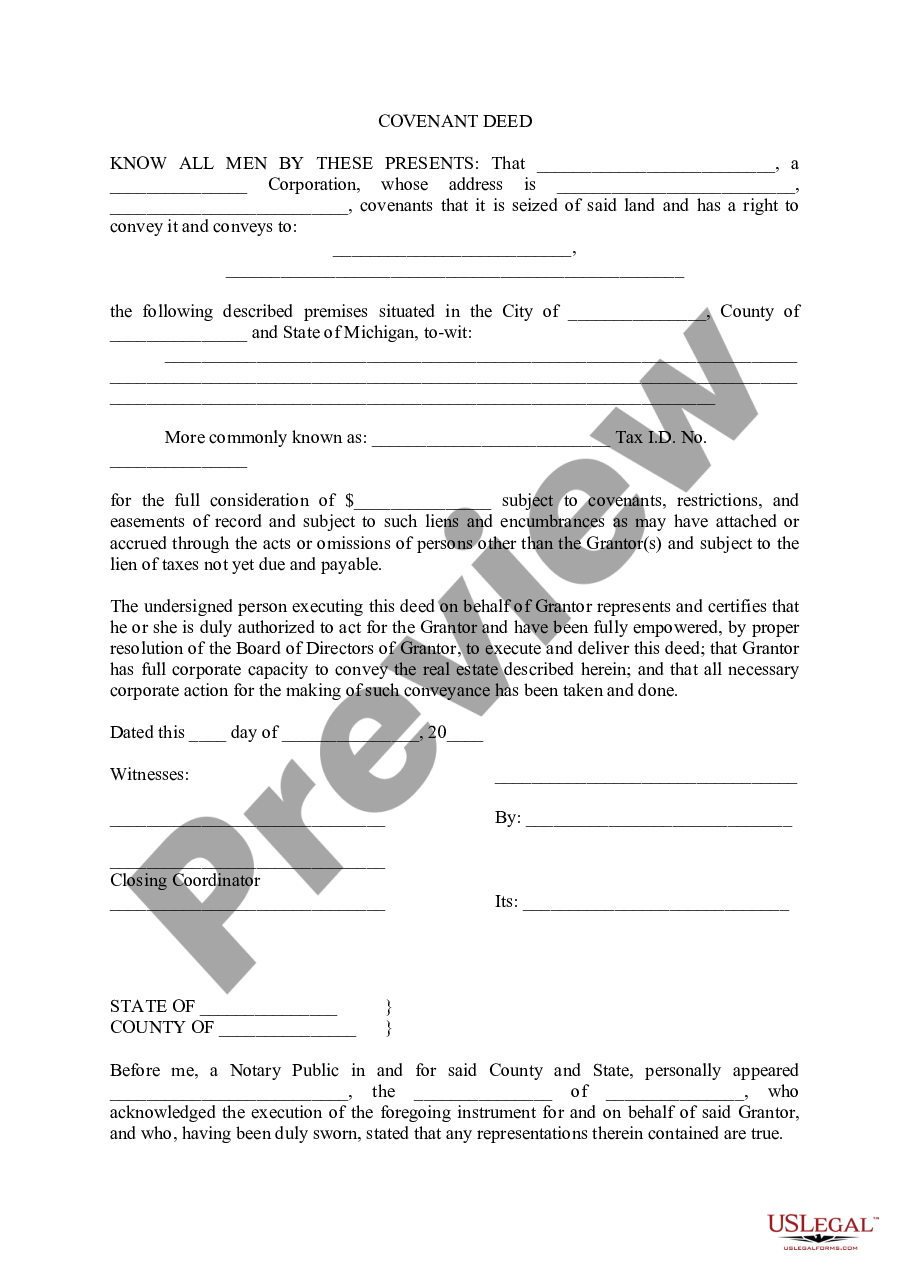
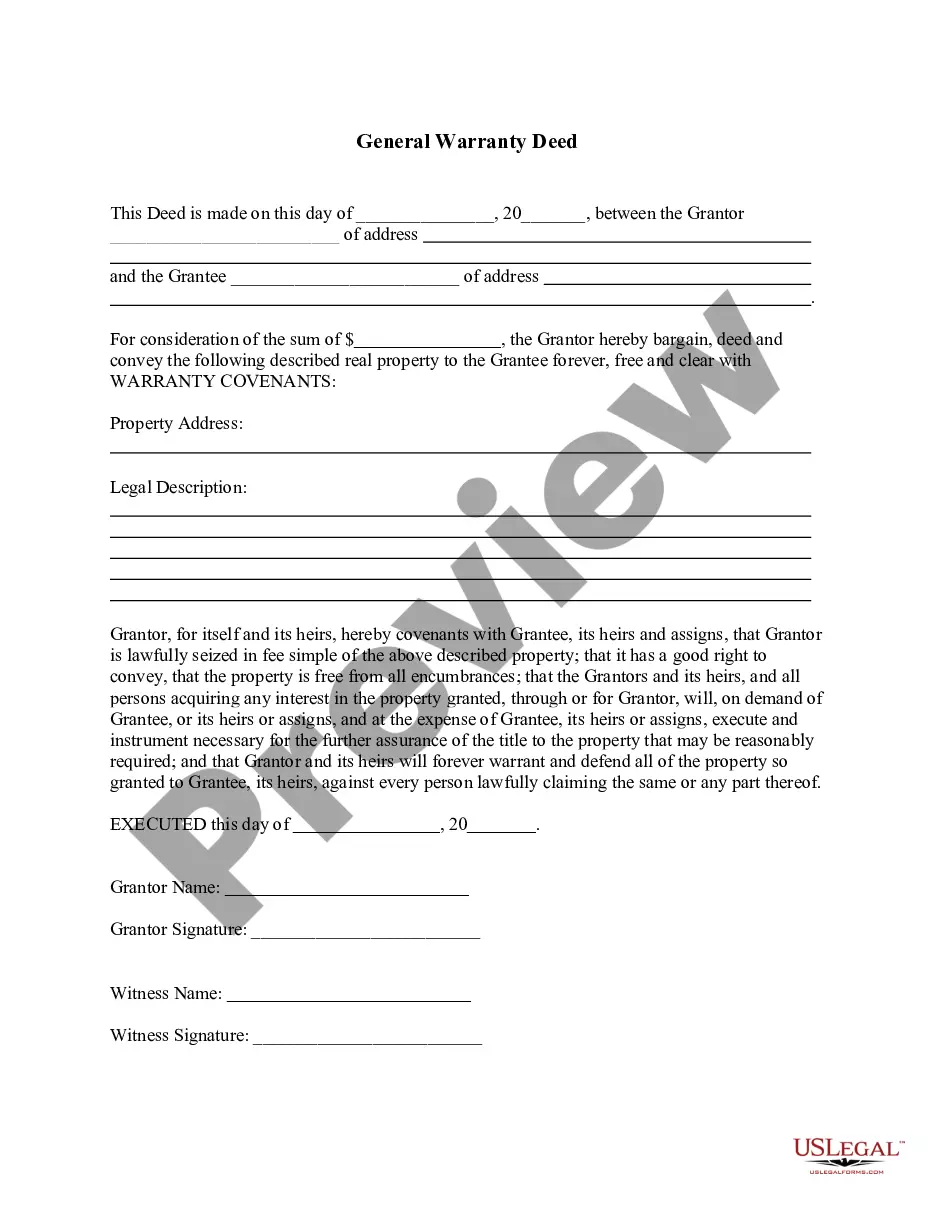
The covenant deed is a legal document that provides a limited warranty of title when transferring property. Unlike other types of deeds, the covenant deed guarantees that the transferor has not done anything to affect the title since acquiring the property. However, it does not provide guarantees regarding any title issues that may have arisen prior to the transferor's ownership. This makes it a valuable tool for property transfers where the buyer seeks some assurance about the condition of the title.
Form components explained
- Identification of the grantor: Details the transferor, including their corporate status and address.
- Legal description of the property: Provides the precise description of the property being transferred.
- Consideration: States the amount of money exchanged for the property.
- Signature of authorized representatives: Requires signatures from company officials with the authority to execute the deed.
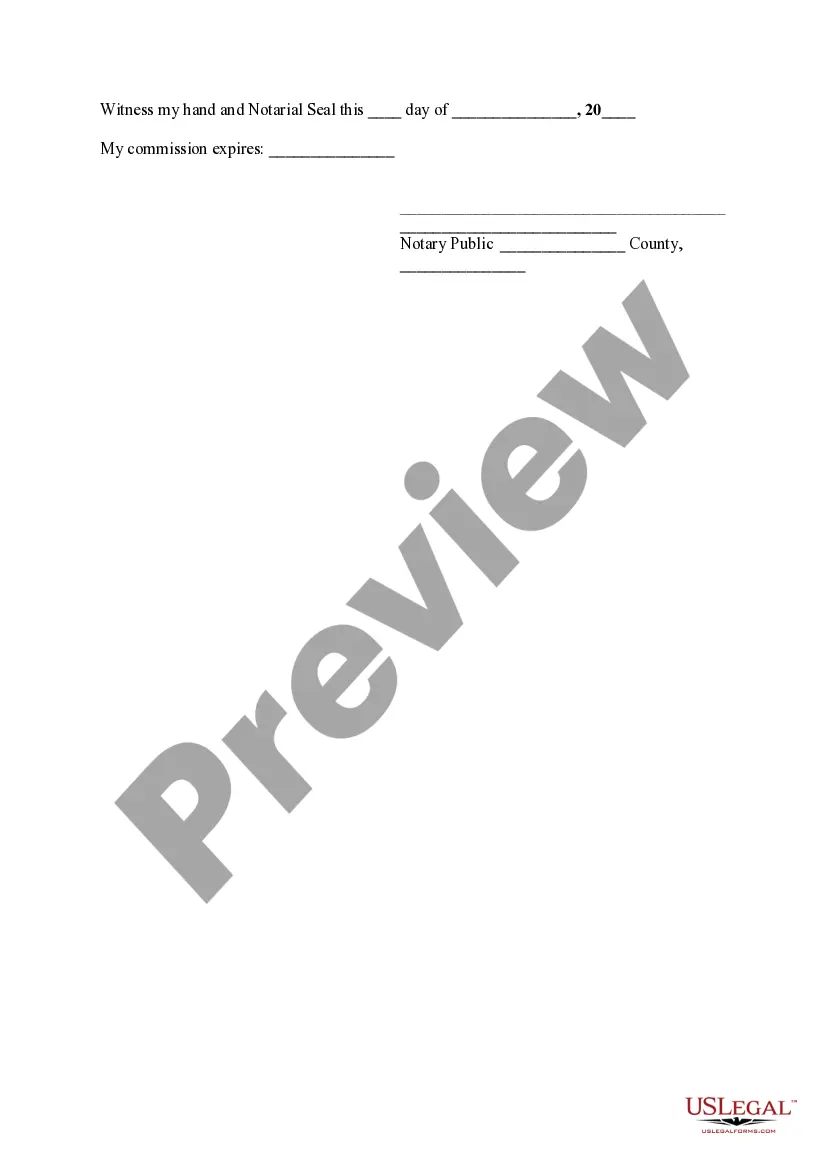
- Notarial acknowledgment: Includes a section for a notary to verify the authenticity of the signatures.
Situations where this form applies
A covenant deed is used during real estate transactions where a seller wants to assure the buyer that no actions have been taken that would impair the title to the property since they acquired it. This form is beneficial in situations such as selling properties, transferring ownership among family members, or any scenario where title assurance is a priority for the buyer.
Who should use this form
- Property sellers: Individuals or entities transferring property ownership.
- Real estate agents: Professionals facilitating property transactions on behalf of clients.
- Buyers: Individuals or businesses acquiring property who seek assurances about the title's status.
- Corporations: Entities needing to transfer real estate as part of business operations.
Completing this form step by step
- Identify the parties: Clearly state the names and addresses of the grantor and grantee.
- Specify the property: Provide the legal description and common address of the property being transferred.
- Enter consideration: Clearly state the amount of money or value being exchanged for the property.
- Signatures: Ensure authorized representatives sign the deed, indicating their authority to transfer the property.
- Notarize the document: Have the deed notarized to confirm the identities of the signatories and authenticate the document.
Does this document require notarization?
Yes, this form must be notarized to be legally valid. A notary public will verify the identities of the signatories and the execution of the document. US Legal Forms provides integrated online notarization, available 24/7, allowing users to complete this process securely via video call without needing to travel.
Get your form ready online
Our built-in tools help you complete, sign, share, and store your documents in one place.
Make edits, fill in missing information, and update formatting in US Legal Forms—just like you would in MS Word.
Download a copy, print it, send it by email, or mail it via USPS—whatever works best for your next step.
Sign and collect signatures with our SignNow integration. Send to multiple recipients, set reminders, and more. Go Premium to unlock E-Sign.
If this form requires notarization, complete it online through a secure video call—no need to meet a notary in person or wait for an appointment.
We protect your documents and personal data by following strict security and privacy standards.

Make edits, fill in missing information, and update formatting in US Legal Forms—just like you would in MS Word.

Download a copy, print it, send it by email, or mail it via USPS—whatever works best for your next step.

Sign and collect signatures with our SignNow integration. Send to multiple recipients, set reminders, and more. Go Premium to unlock E-Sign.

If this form requires notarization, complete it online through a secure video call—no need to meet a notary in person or wait for an appointment.

We protect your documents and personal data by following strict security and privacy standards.
Common mistakes
- Failing to provide a complete legal description of the property.
- Not obtaining signatures from all required corporate representatives.
- Omitting the notary section or failing to have the deed notarized.
- Not specifying the consideration amount accurately.
- Leaving blank spaces that could lead to ambiguity in the document.
Why use this form online
- Convenience: Download and complete the form at any time from anywhere.
- Editability: Easily fill in the required fields electronically.
- Reliability: Access forms created by licensed attorneys, ensuring legal compliance.
What to keep in mind
- A covenant deed offers limited warranties about the title status from the time of transfer.
- It's essential for property sellers to maintain transparency about any potential title issues.
- Completion involves several critical steps, including notarization, to ensure legality.
Looking for another form?




Form popularity
FAQ
Creating a deed of covenant involves drafting a legal document that outlines the terms and conditions agreed upon by the parties involved. You can either draft this document yourself or use a reliable service like uslegalforms, which offers templates and guidance. It is crucial to ensure the terms are clear and comply with Michigan law to create a valid Michigan Covenant Deed.
To obtain a copy of a Michigan deed, you can visit the local county clerk's office, where property records are maintained. Alternatively, you may utilize online services provided by the state or use platforms like uslegalforms for quick access. Ensuring you have the right property information will streamline the process of acquiring your Michigan Covenant Deed.
Having a covenant on a property means that certain conditions or restrictions apply to the use of that property. These agreements, often found in Michigan Covenant Deeds, can influence everything from construction limits to property modifications. They are designed to protect the interests of all property owners in a designated area, ensuring that developments align with community standards.
A deed of covenant is a legal document that establishes a promise between parties regarding land use. Specifically, it can dictate how a property owner may use their land, ensuring that certain standards or restrictions are followed. In the context of a Michigan Covenant Deed, it helps maintain the character and value of a neighborhood by outlining specific responsibilities related to property upkeep.
Filling in a Michigan Covenant Deed requires careful attention to detail. Start with the names of the parties and a clear description of the property. Then, specify the terms and conditions of the covenant clearly. If you are unsure, consider using templates or services like uslegalforms to make the process smoother and ensure all required fields are completed correctly.
In most cases, a deed of covenant in Michigan can be prepared by either of the parties involved or by a legal professional. While drafting it yourself can save costs, using a service like uslegalforms can ensure accuracy and compliance with Michigan laws. Engaging a legal expert can provide added peace of mind that the deed meets all necessary standards.
A deed of covenant typically includes a statement where one party agrees to take care of certain responsibilities, such as maintaining shared property. For instance, in a Michigan Covenant Deed, you might find an agreement related to the upkeep of a common area in a residential community. This example outlines the responsibilities and expectations clearly for all involved parties.
While it is not a legal requirement to have a solicitor for drafting a Michigan Covenant Deed, seeking legal advice can be beneficial. A solicitor can help ensure that the deed is valid and enforceable, appropriately addressing all parties' interests. This can save you time and avoid potential conflicts down the road.
To draft a Michigan Covenant Deed, begin by including the essential elements such as the names of the parties involved, a description of the property, and the specific terms of the covenant. It is important to clearly outline the obligations and rights of each party to prevent future disputes. Finally, ensure you comply with local laws and regulations governing deeds in Michigan.
The main difference between a warranty deed and a covenant deed in Michigan lies in the level of assurance offered. A warranty deed guarantees that the grantor has full ownership and protects against any future claims. In contrast, a covenant deed usually provides fewer guarantees, focusing mainly on the present title without extensive warranties.