Mississippi Motion to Quash Indictment
About this form
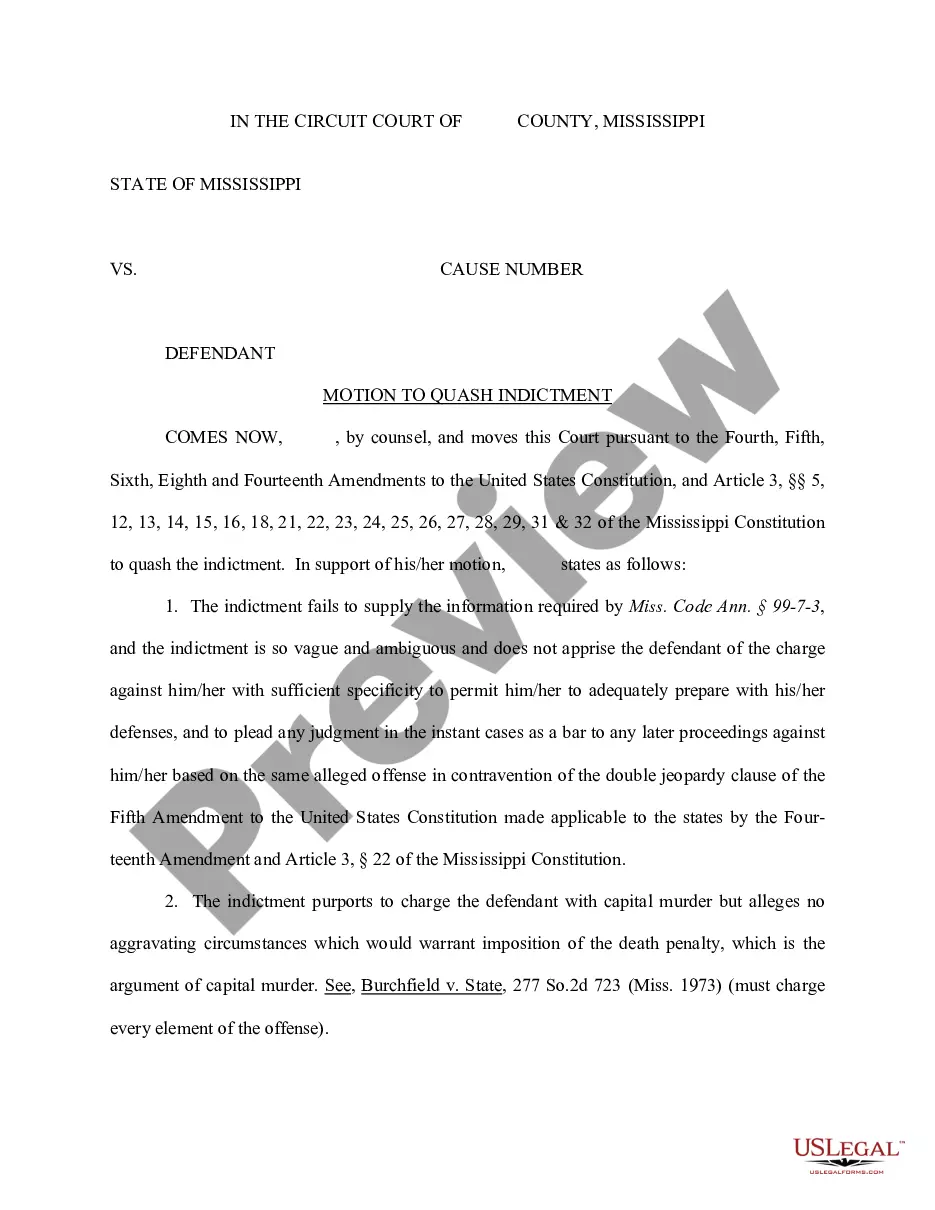
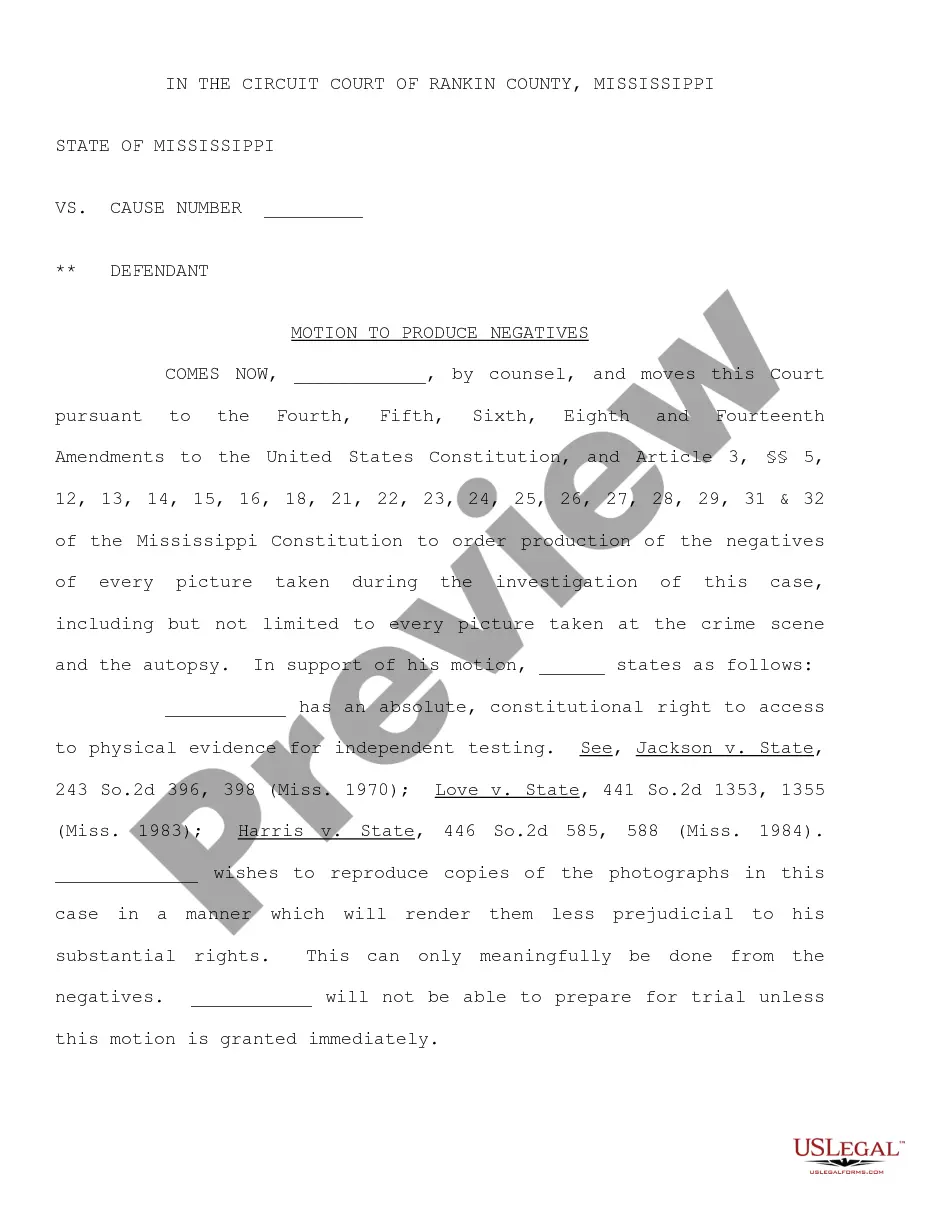
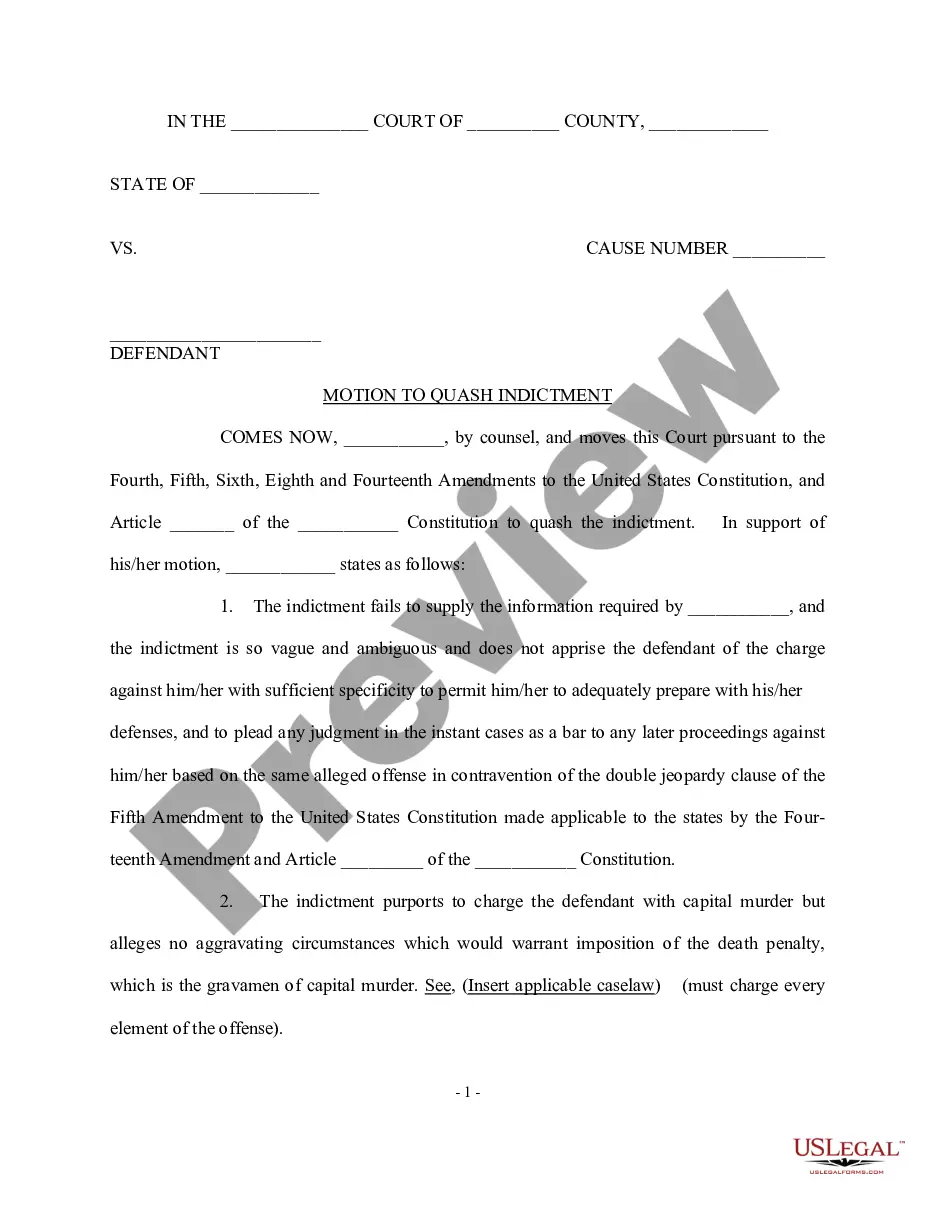
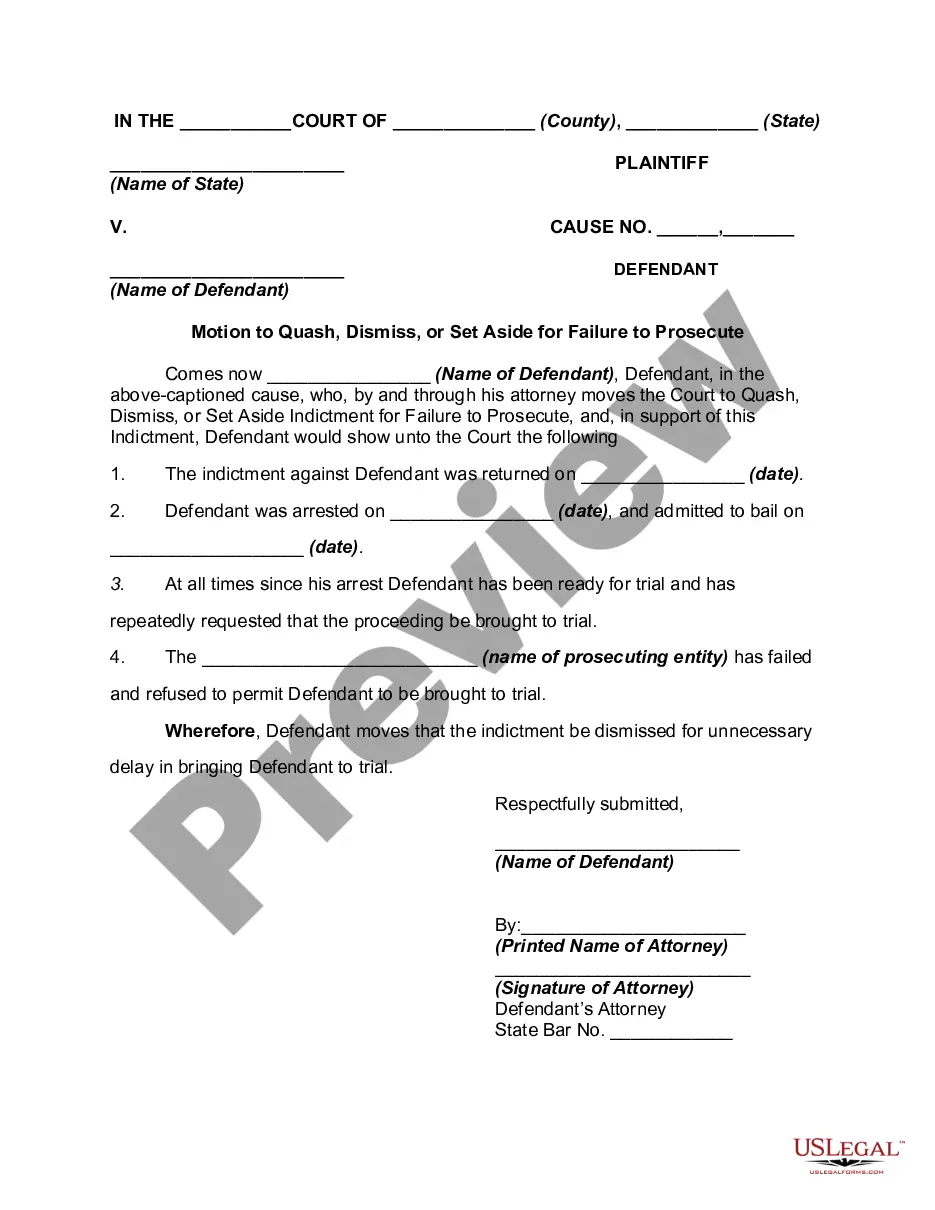
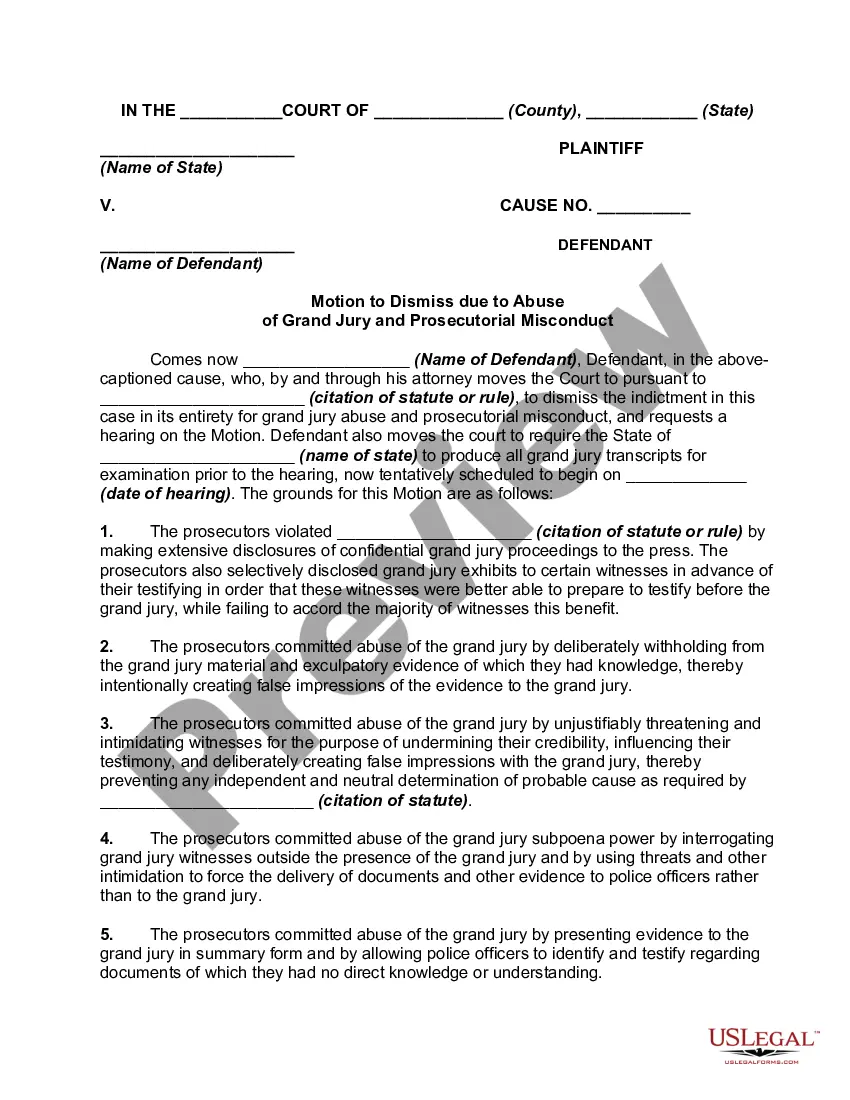
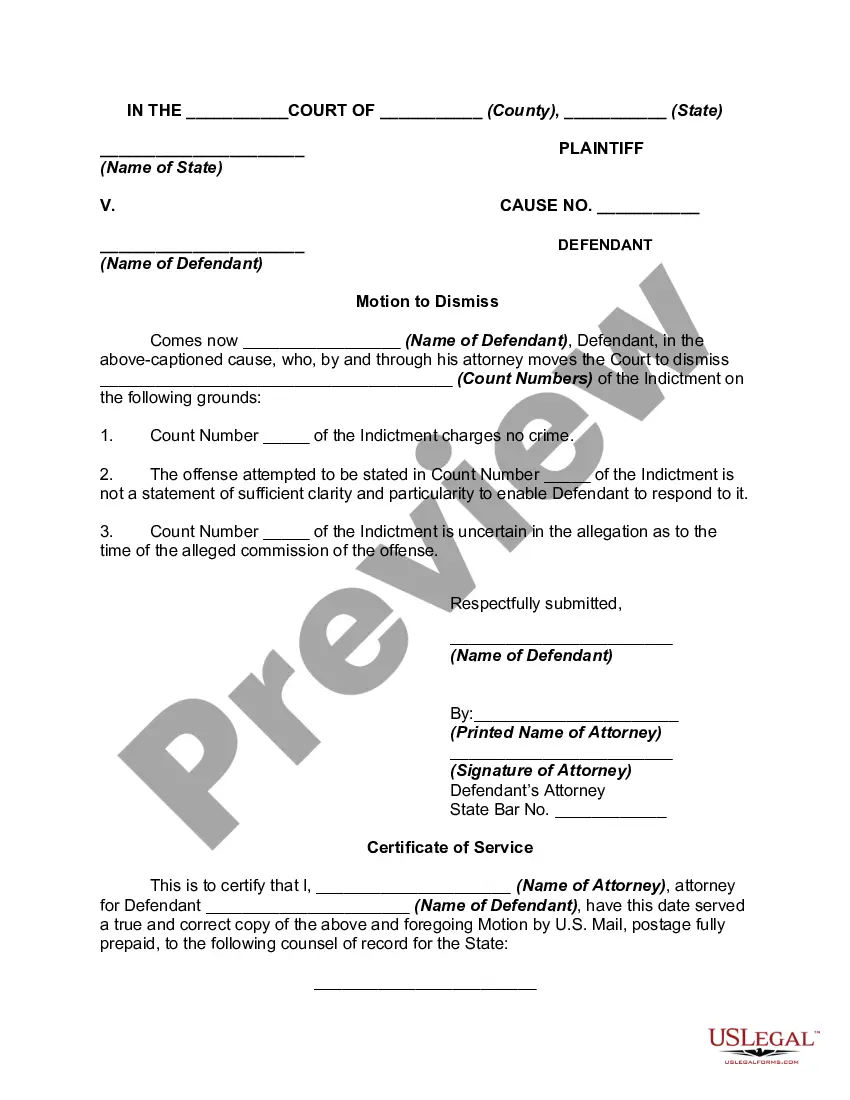
A Motion to Quash Indictment is a legal document that requests the court to invalidate an indictment against a defendant. This form is used to challenge the validity of criminal charges, typically on grounds such as insufficient evidence or improper procedures. Unlike other motions, this specific form addresses the issues surrounding an indictment, making it critical for defendants seeking to defend themselves against capital murder charges or similar serious accusations.
Form components explained
- Case caption: Includes the titles of the parties involved and the court details.
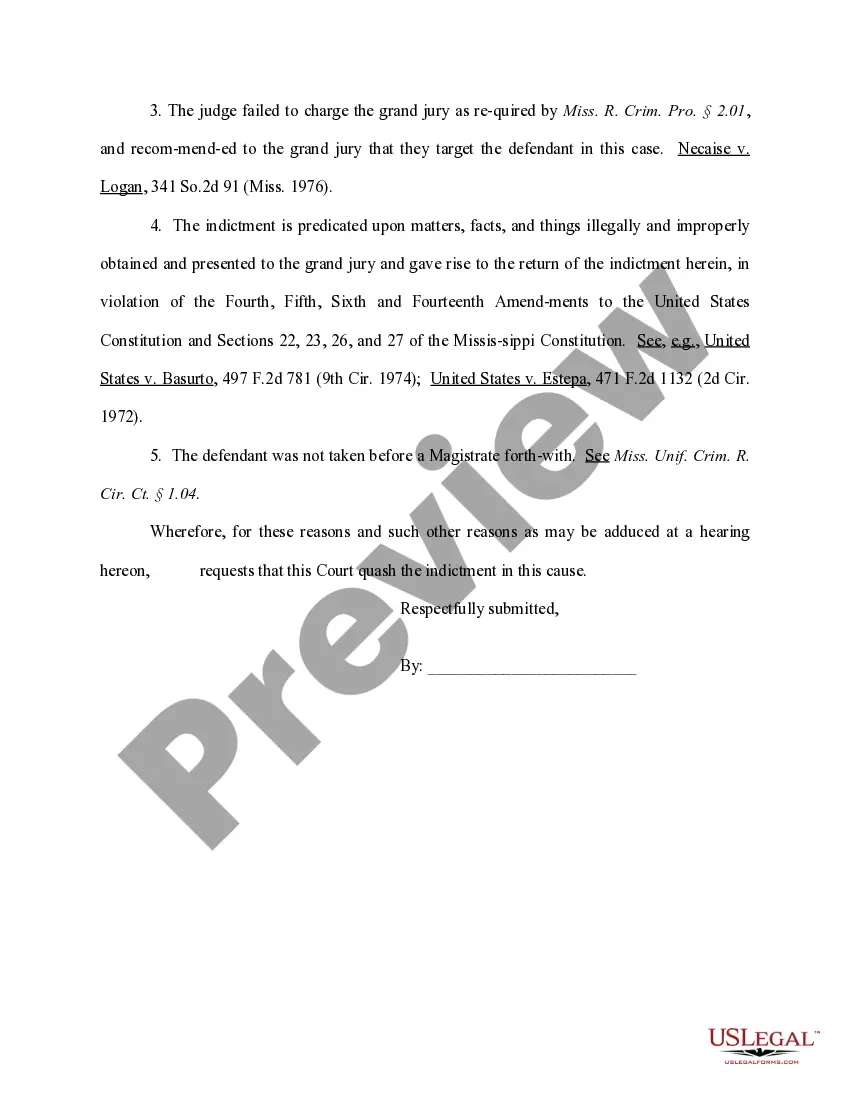
- Grounds for motion: A detailed statement of the specific reasons for quashing the indictment, including references to legal precedents.
- Supporting evidence: Documentation or citations that support the claims made in the motion.
- Relief sought: Clearly outlines what relief the defendant is requesting from the court.
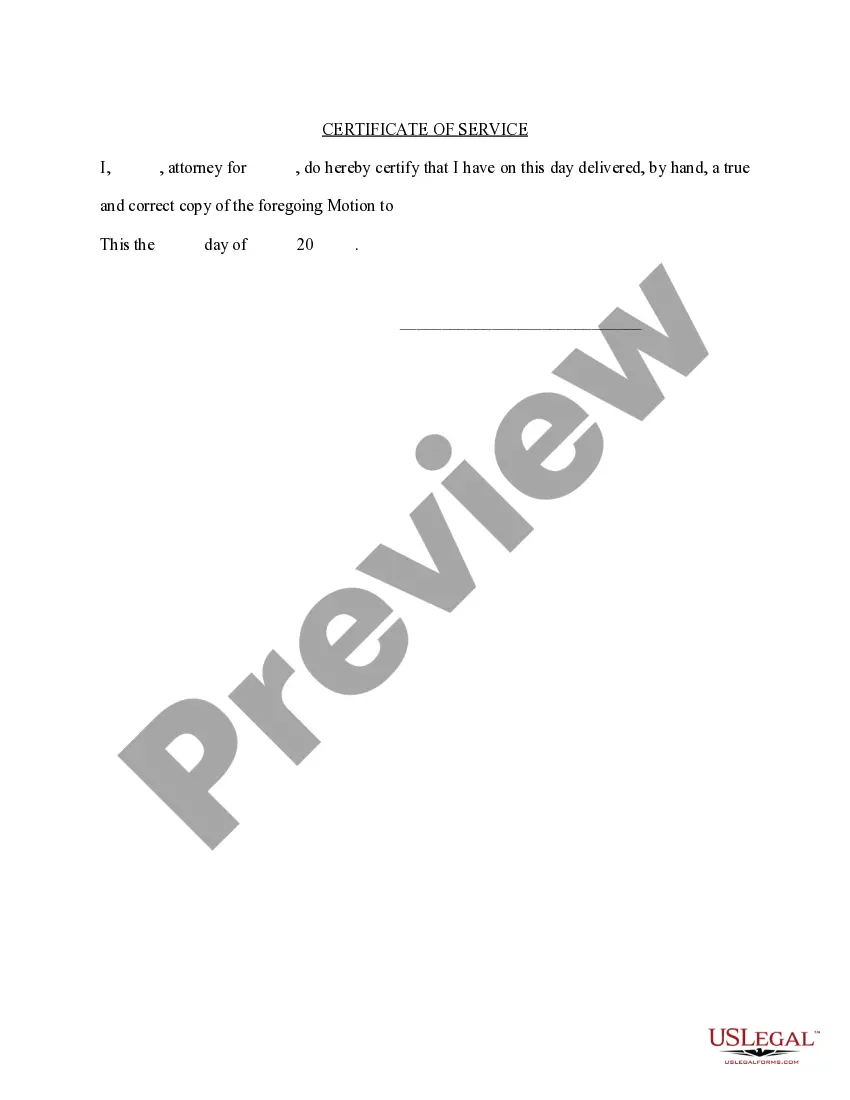
- Signature block: Spaces for the defense attorney and defendant's signatures.
When to use this document
This form is typically used when a defendant is facing serious charges, such as capital murder, and wants to contest the indictment before entering a plea. It is appropriate in situations where there are legal grounds to argue that the indictment is flawed, such as lack of aggravating circumstances or improper grand jury procedures. A timely motion to quash can be crucial in affecting the outcome of a case and should be filed as soon as the indictment is received.
Who can use this document
- Defendants charged with capital murder or other serious crimes.
- Defense attorneys seeking to challenge the validity of an indictment on behalf of their clients.
- Individuals wanting to understand their legal options regarding an indictment against them.
Instructions for completing this form
- Identify the case caption: Fill in the names of the defendant and the opposing party, along with the court's name.
- State the grounds: Clearly articulate the reasons for challenging the indictment, referencing applicable laws and prior cases.
- Attach supporting documentation: Include any evidence or legal citations that bolster the motion.
- Specify the relief sought: Clearly state what action you want the court to take, such as quashing the indictment.
- Sign the document: Ensure both the defendant and attorney (if applicable) sign the form before submission.
Notarization guidance
Notarization is not commonly needed for this form. However, certain documents or local rules may make it necessary. Our notarization service, powered by Notarize, allows you to finalize it securely online anytime, day or night.
Get your form ready online
Our built-in tools help you complete, sign, share, and store your documents in one place.
Make edits, fill in missing information, and update formatting in US Legal Forms—just like you would in MS Word.
Download a copy, print it, send it by email, or mail it via USPS—whatever works best for your next step.
Sign and collect signatures with our SignNow integration. Send to multiple recipients, set reminders, and more. Go Premium to unlock E-Sign.
If this form requires notarization, complete it online through a secure video call—no need to meet a notary in person or wait for an appointment.
We protect your documents and personal data by following strict security and privacy standards.

Make edits, fill in missing information, and update formatting in US Legal Forms—just like you would in MS Word.

Download a copy, print it, send it by email, or mail it via USPS—whatever works best for your next step.

Sign and collect signatures with our SignNow integration. Send to multiple recipients, set reminders, and more. Go Premium to unlock E-Sign.

If this form requires notarization, complete it online through a secure video call—no need to meet a notary in person or wait for an appointment.

We protect your documents and personal data by following strict security and privacy standards.
Typical mistakes to avoid
- Failing to include specific legal grounds for the motion.
- Not attaching supporting evidence or documentation.
- Missing signatures from either the defendant or attorney.
- Submitting the motion after deadlines set by the court.
Advantages of online completion
- Convenience: Easily download the form anytime and complete it at your own pace.
- Editability: Customize the form quickly to fit your unique situation and case specifics.
- Reliability: Access templates drafted by licensed attorneys, ensuring you have a legally sound document.
Quick recap
- A Motion to Quash Indictment is critical for challenging criminal charges effectively.
- Utilize this form when facing serious charges like capital murder.
- Complete it thoroughly, addressing all necessary legal grounds and supporting evidence.
Looking for another form?
Form popularity
FAQ
The word capias is Latin and translates in English to for the taking of. There are several situations where a capias warrant can be used by criminal or other types of courts. What Is A Capias Warrant? A capias warrant is issued when someone needs to be detained to ensure that they make a scheduled court appearance.
Sixteen-year-old William Haymon has spent more than 500 days in an adult jail in rural Lexington, Mississippi. There are no state rules governing how long a person can be incarcerated without being formally charged with a crime.
In the common law system of the United States, a capias warrant is essentially an order to arrest and detain an individual for the purpose of guaranteeing a court appearance.In most instances, a capias warrant is issued in connection with failure to appear before the court in a criminal case.
To overthrow; to annul; to make void or declare invalid; e.g., "quash a subpoena."In criminal cases, if an indictment is defective to such a degree that no judgment could be made if the defendant were to be convicted, the court typically will quash the indictment.
Capias Warrant/Capias Pro Fine Warrant A Capias Warrant is issued when a subject has a guilty judgment either through court appearance, plea, or arraignment in jail, then fails to pay a fine or complete some specified conditions within the required time period.
Capias warrants can be served by any police officer. A capias can turn a minor offense into an extended stay at the regional jail pending a hearing. If the individual named in the capias is arrested out of state, he or she may remain incarcerated while awaiting extradition to the jurisdiction that issued the capias.
The criminal statute of limitations requires prosecutors to file criminal charges against a suspect within two years for misdemeanors and within five years for certain felonies, but there is no time limit in Mississippi for charges of murder, kidnapping, rape, burglary, robbery, larceny, and several other serious
There is very little difference between a capias and a warrant. A capias is an order issued by a judge ordering your arrest and appearance before the court. A warrant may or may not involve you appearing before a judge, but both are official...